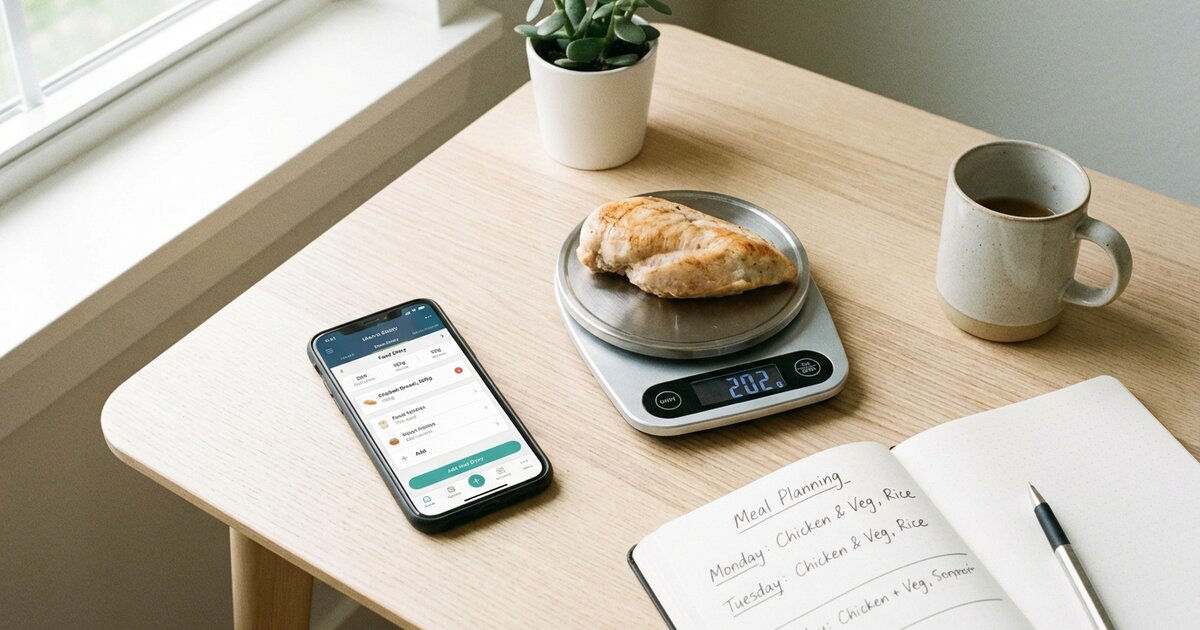
Nutrition Philosophy
IIFYM / Flexible Dieting: Complete Guide
The sustainable approach to hitting your macros — no food rules, no guilt, just results.
Medically reviewed by Dr. Michael Torres, PhD
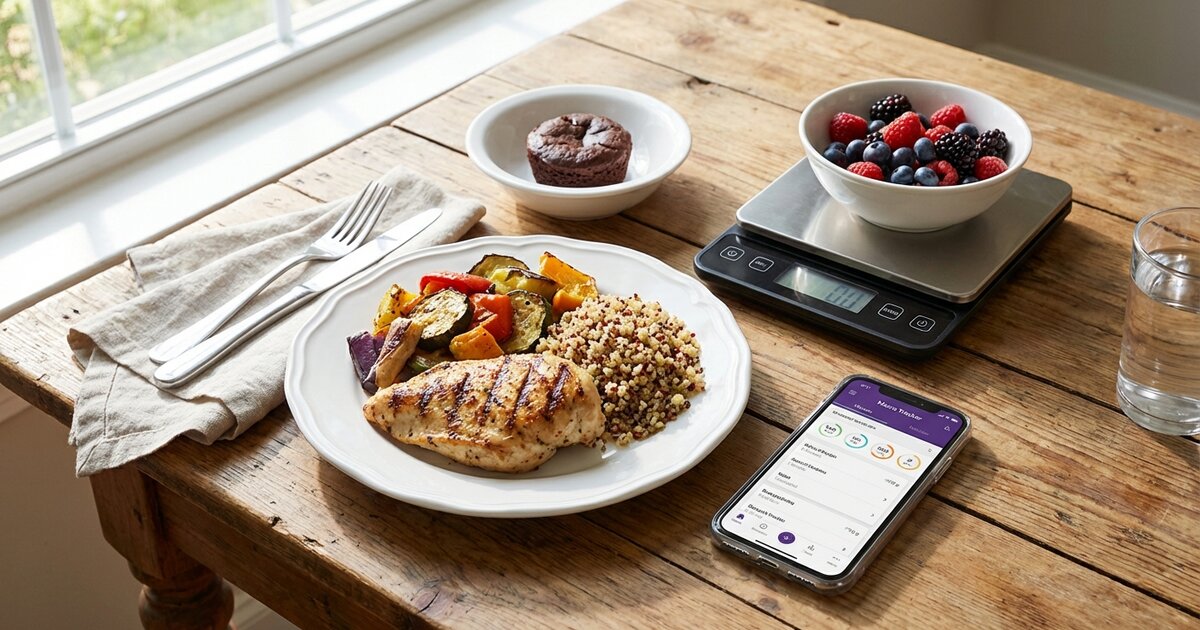
What Is IIFYM (If It Fits Your Macros)?
IIFYM (If It Fits Your Macros), also called flexible dieting, is a nutrition approach built on one fundamental principle:
For body composition (fat loss or muscle gain), what matters most is hitting your macro targets — not the specific foods you use to hit them.
In other words, 30 grams of protein from chicken breast has the same muscle-building effect as 30 grams of protein from a cheeseburger. 50 grams of carbs from oatmeal provides the same energy as 50 grams of carbs from a cookie.
This doesn’t mean nutrition quality is irrelevant — it absolutely matters for health, satiety, and performance. But it does mean you don’t have to eat “perfectly clean” 100% of the time to achieve your body composition goals.
The Origin of IIFYM
IIFYM emerged in online fitness communities in the early 2010s (IIFYM guide) as a response to the rigid “bro diet” culture of bodybuilding — where eating anything other than chicken, rice, and broccoli was considered “cheating.”
Coaches and athletes observed that:
- People who allowed flexibility had better adherence
- Restrictive dieters often binged and regained weight
- Body composition results depended on macros, not specific food choices
What started as casual advice (“just make it fit your macros”) evolved into a systematic approach embraced by everyone from casual dieters to professional athletes.
How Flexible Dieting Works
The process is straightforward:
- Calculate your macro targets based on your goals (fat loss, maintenance, muscle gain)
- Track what you eat throughout the day using an app
- Hit your protein, carbs, and fat targets within a reasonable range
- Include any foods you enjoy — as long as they fit
This means:
- Want pizza for dinner? Budget it into your macros.
- Craving ice cream? Have some — just track it.
- Going out with friends? Check the menu ahead, make it fit.
- Prefer Pop-Tarts for breakfast? If it hits your numbers, you can.
The freedom comes from knowing that no single food will make or break your results. What matters is the overall pattern.
The Science Behind Flexible Dieting
IIFYM isn’t just bro-science — it’s supported by research on metabolism, psychology, and long-term diet adherence.
Metabolic Reality: Macros Are What Matter
Your body processes macronutrients the same way regardless of food source:
Protein → Amino acids Whether from chicken or a protein bar, protein is broken down into amino acids used for muscle synthesis, enzyme production, and other functions.
Carbohydrates → Glucose Whether from rice or candy, carbs become glucose that fuels your muscles, brain, and organs.
Fat → Fatty acids Whether from olive oil or ice cream, dietary fat is broken down into fatty acids for hormone production, cell membranes, and energy storage.
For body composition (muscle vs. fat), the amounts of these macros matter far more than their sources.
Calorie Balance Still Rules
Despite what fad diets claim, the laws of thermodynamics apply:
| Energy State | Result |
|---|---|
| Calories in < Calories out | Fat loss |
| Calories in = Calories out | Maintenance |
| Calories in > Calories out | Weight gain |
The source of those calories doesn’t change this fundamental equation. You could eat only “clean” foods and gain fat if you eat too much. You could eat some “junk” and still lose fat if you’re in a deficit.
This is the core insight of IIFYM: It’s not magic — it’s just honest about what actually drives body composition changes.
The Psychology of Flexible vs. Rigid Dieting
Research consistently shows that rigid dieting patterns are associated with:
- Higher rates of eating disorders
- More frequent binging episodes
- Greater weight fluctuations over time
- Higher anxiety around food
- Lower long-term success rates
Meanwhile, flexible dieting patterns are associated with:
- Lower BMI
- Less disordered eating behavior
- Better psychological well-being
- Improved long-term maintenance
- More positive relationship with food
The mechanism is straightforward: when you forbid certain foods, you increase their psychological allure. When nothing is forbidden, cravings often diminish.
Key Study: A 2002 study in the International Journal of Eating Disorders found that flexible dieting strategies were associated with lower BMI, less eating pathology, and less mood disturbance compared to rigid dieting. This has been replicated in numerous subsequent studies.
The 80/20 Rule: Smart Flexible Dieting
Here’s where nuance matters. IIFYM doesn’t mean “eat junk all day.”
The Framework
80% of your food should come from nutrient-dense whole foods:
- Lean proteins (chicken, fish, eggs, legumes)
- Complex carbohydrates (rice, oats, potatoes, whole grains)
- Vegetables and fruits
- Healthy fats (olive oil, avocados, nuts)
20% flexibility for:
- Treats and desserts
- Restaurant meals
- Convenience foods
- Social eating situations
- Whatever you simply enjoy
Why This Ratio Works
80% whole foods ensures:
- Adequate fiber (25-35g daily)
- Sufficient micronutrients (vitamins, minerals)
- High food volume for satiety
- Stable energy levels
- Long-term health outcomes
20% flexibility provides:
- Psychological sustainability
- Social eating normalcy
- Reduced cravings and binge risk
- Enjoyment of life
- Proof that “perfect” isn’t required
Example Day: 80/20 in Practice
Strategic variation in carb intake throughout the week can optimize both performance and body composition (macro cycling). Periodic high-calorie days can also support long-term fat loss (refeed days).
Goal: 2,000 calories | 150g protein | 200g carbs | 67g fat
Breakfast (400 cal) — Whole food
- 3 eggs scrambled
- 2 slices whole grain toast
- 1 cup berries
Lunch (500 cal) — Whole food
- Grilled chicken salad with olive oil dressing
- Apple on the side
Snack (150 cal) — Flexible
- Small bag of chips
Dinner (650 cal) — Mostly whole food with flexibility
- Homemade tacos (lean ground beef, whole wheat tortillas)
- Sour cream and cheese (flexible elements)
Evening (300 cal) — Flexible
- 2 cookies
- Glass of milk
Analysis:
- Protein hit through chicken, eggs, beef, milk
- Carbs from whole grains, fruits, and some treats
- Fats from cooking oils, eggs, dairy, and snacks
- ~85% whole foods, ~15% flexible choices
- All macros hit, enjoyable day, sustainable
Strategic indulgences prevent the restrict-binge cycle that derails most diets (cheat meals and macros).
Benefits of Flexible Dieting
1. Sustainability
The #1 predictor of diet success is adherence — whether you can stick with it long-term. Flexible dieting wins here because:
- No foods are forbidden
- Social situations are manageable
- Cravings don’t derail you
- You can travel, celebrate, and live normally
Comparison:
| Approach | Typical Duration Before “Falling Off” |
|---|---|
| Rigid clean eating | 2-8 weeks |
| Flexible dieting | Indefinite (lifestyle approach) |
2. Better Relationship with Food
Rigid diets create a toxic cycle:
- Restrict → 2. Crave → 3. Resist → 4. Eventually give in → 5. Binge → 6. Feel guilt → 7. Restrict harder → Repeat
Flexible dieting breaks this cycle by eliminating the restriction that triggers it.
Results:
- No “cheat meals” (nothing to cheat on)
- No spiraling after eating “bad” food
- No moral judgments about food choices
- Food becomes fuel and enjoyment, not stress
3. Social Life Intact
With flexible dieting, you can:
- Go to restaurants without anxiety (eating out on macros)
- Attend parties and eat normally
- Travel without packing Tupperware
- Celebrate birthdays with cake
- Date without food restrictions limiting options
This might sound trivial, but social isolation from food rules is a major reason diets fail. Learning to build meals that fit your macros using any ingredients keeps eating enjoyable (macro-friendly meals).
4. Education and Awareness
Tracking macros teaches you:
- What’s actually in food (many surprises)
- Realistic portion sizes
- Which foods are protein-dense vs. calorie-dense
- How to build balanced meals
- Calorie math that serves you forever
This education lasts beyond active tracking. Even when you stop logging, you retain the knowledge.
5. Customization
Unlike prescriptive diets (“eat this specific meal plan”), IIFYM adapts to:
- Your food preferences
- Your cultural background
- Your schedule and lifestyle
- Your budget
- Your cooking skills (or lack thereof)
You choose the foods. The macros just set the boundaries.
6. Proven Results
IIFYM is used successfully by:
- Casual dieters losing weight
- Bodybuilders prepping for competitions
- Athletes optimizing performance
- People maintaining weight loss long-term
- Anyone who wants results without misery
The approach works because it respects both the science of metabolism and the psychology of human behavior.
Common IIFYM Mistakes (And How to Avoid Them)
Flexible dieting can go wrong. Here are the pitfalls:
Mistake #1: “If It Fits” Taken Too Literally
The problem: Treating IIFYM as permission to eat Pop-Tarts and protein powder all day.
Yes, you could hit your macros with mostly processed food. But you’d:
- Feel terrible (energy crashes, bloating)
- Miss micronutrients and fiber
- Be hungry constantly (low food volume)
- Potentially harm long-term health
The fix: Follow the 80/20 rule. “Fits your macros” doesn’t mean “optimal choice.”
Mistake #2: Ignoring Fiber
Fiber isn’t technically a macro target in most approaches, but it matters:
- Digestive health
- Satiety
- Blood sugar regulation
- Gut microbiome health
The fix: Aim for 25-38g fiber daily from vegetables, fruits, whole grains, and legumes.
Mistake #3: Using IIFYM as an Excuse
The problem: Using “flexibility” to justify consistently poor food choices.
The fix: Be honest with yourself. If 50% of your diet is treats “because it fits,” you’re missing the point. Flexibility is for occasional deviation, not daily domination.
Mistake #4: Neglecting Food Quality Entirely
The problem: Thinking macros are all that matter, period.
Reality: While macros dominate body composition, food quality affects:
- Energy levels and mood
- Long-term health and disease risk
- Satiety and hunger management
- Training performance and recovery
The fix: Prioritize quality within your macros. Choose whole foods most of the time.
Mistake #5: Obsessive Tracking
The problem: Becoming so obsessed with hitting exact numbers that food becomes stressful.
Signs this is happening:
- Anxiety when you can’t track precisely
- Avoiding social situations due to tracking difficulty
- Measuring lettuce and spices
- Feeling like a failure if off by 5g
The fix: Allow ranges (±10g for carbs/fats, ±5g for protein). Perfect accuracy isn’t required or possible.
Mistake #6: Black-and-White Thinking
The problem: Treating IIFYM as all-or-nothing — either track perfectly or not at all.
When tracking stops being perfect (vacation, busy week), some people abandon it entirely.
The fix: Partial tracking is better than none. Even just logging protein helps. Progress, not perfection.
IIFYM vs. Other Diet Approaches
How does flexible dieting compare to popular alternatives?
IIFYM vs. Clean Eating
| Aspect | IIFYM | Clean Eating |
|---|---|---|
| Food rules | None — all foods allowed | Many — avoid processed foods |
| Tracking | Macros/calories | Usually none |
| Flexibility | Built-in | Limited |
| Social ease | High | Moderate to low |
| Sustainability | High | Moderate |
| Body composition | Effective | Can be effective if calories controlled |
| Learning curve | Moderate (tracking) | Low |
Bottom line: Clean eating focuses on food quality; IIFYM focuses on quantities. Many people combine both for best results.
IIFYM vs. Keto
| Aspect | IIFYM | Keto |
|---|---|---|
| Carb restriction | None | Severe (<50g/day) |
| Food choices | Unlimited | Limited |
| Sustainability | High | Challenging for most |
| Athletic performance | Supports high-intensity | May impair |
| Social eating | Easy | Difficult |
| Body composition | Effective | Effective (if calories controlled) |
Bottom line: Keto works for some people but requires major lifestyle changes. IIFYM accommodates all food preferences.
For a deeper comparison, see our macro diet vs. keto guide.
IIFYM vs. Intermittent Fasting
| Aspect | IIFYM | Intermittent Fasting |
|---|---|---|
| Meal timing | Flexible | Restricted windows |
| What to eat | Tracked macros | Often untracked |
| Hunger management | Throughout day | Concentrated |
| Sustainability | High | Varies by person |
| Social meals | Any time | Only in eating window |
Bottom line: These can be combined — you can follow IIFYM within an intermittent fasting window.
IIFYM vs. Intuitive Eating
| Aspect | IIFYM | Intuitive Eating |
|---|---|---|
| Tracking | Yes (macros/calories) | No |
| External rules | Macro targets | None — internal cues only |
| Body composition goals | Supported | Not the focus |
| Relationship with food | Generally good | Primary focus |
| Precision | High | Low |
Bottom line: Intuitive eating is excellent for relationship with food but less effective for specific body composition goals. Many people use IIFYM to learn about food, then transition toward intuitive eating.
How to Get Started with Flexible Dieting
Step 1: Calculate Your Macros
Before you can be flexible within boundaries, you need the boundaries.
Use our macro calculator to determine:
- Daily calorie target based on your goal
- Protein target (typically 0.7-1g per pound bodyweight)
- Fat minimum (typically 0.3-0.4g per pound)
- Remaining calories to carbohydrates
Step 2: Download a Tracking App
You need a way to log food and see running macro totals.
Popular options:
- MyFitnessPal — Largest database, most popular
- Cronometer — Most accurate, tracks micronutrients
- MacroFactor — AI-powered, automatically adjusts targets
- Lose It! — User-friendly, good free version
Step 3: Get a Food Scale
This sounds tedious, but it’s essential for the first few months. Portion estimation is wildly inaccurate for most people.
Any cheap digital kitchen scale works. Keep it on your counter so you actually use it.
Step 4: Start Tracking Everything
For the first 2-4 weeks, log everything you eat without trying to change anything. This shows you:
- Where your macros actually are
- Which foods are protein-dense
- Hidden calorie sources (oils, sauces, drinks)
- Areas for easy improvement
Step 5: Make Adjustments
Now that you know your baseline, work toward your targets:
Priority 1: Hit protein (most important for body composition) Priority 2: Stay within calorie range (for fat loss/gain goals) Priority 3: Balance carbs and fats per preference
Step 6: Build Meal Templates
Create go-to meals you know hit good macros:
Breakfast template: Eggs + oats + fruit Lunch template: Chicken + rice + vegetables Dinner template: Protein + starch + salad
Rotate templates and you’ll hit targets easily.
Step 7: Allow Flexibility
Once you’re consistently hitting targets with whole foods, start incorporating flexibility:
- Swap a “clean” snack for something you’re craving
- Go out to dinner and make it fit
- Have dessert without guilt
The key is doing this within your macros, not in addition to them.
Ready to Start Flexible Dieting?
Get your personalized macro targets in 60 seconds.
Calculate My Macros →Practical Strategies for Flexible Dieting Success
Strategy 1: Pre-Log Your Day
Instead of logging as you go and scrambling at the end, plan your day in advance:
- Open your app in the morning
- Log everything you plan to eat
- Check totals — adjust if needed
- Include your flexible foods intentionally
- Execute the plan
This ensures treats are planned rather than impulsive, keeping you on target.
Strategy 2: Bank Calories for Events
Have a dinner out or party coming up? Eat lighter earlier in the day:
- Higher protein, lower carb/fat breakfast
- Light lunch focused on protein and vegetables
- “Bank” calories for the evening
- Enjoy the event without guilt
Example: Normal day: 2,000 cal spread evenly Event day: 1,200 cal breakfast/lunch + 800 cal dinner
Same daily total, different distribution.
Strategy 3: Make Swaps, Not Sacrifices
Instead of cutting out foods entirely, make macro-friendly swaps:
| Regular | Swap |
|---|---|
| Full-fat ice cream | Halo Top or similar |
| Regular chips | Popcorn |
| Beef burger | Turkey or chicken burger |
| Creamy dressing | Vinaigrette |
| Grande latte with sugar | Tall latte with sugar-free syrup |
These swaps can save hundreds of calories while keeping enjoyment high.
Strategy 4: Prioritize Protein First
Protein is the hardest macro to hit for most people. Build your day around protein sources:
- Decide on protein for each meal
- Add carbs and fats around it
- Fill remaining space with flexible foods
Strategy 5: Master Restaurant Eating
Eating out doesn’t have to derail you:
Before going:
- Check the menu and nutrition info online
- Pre-log your intended order
- Have a plan
At the restaurant:
- Stick to your plan when possible
- Ask for modifications (sauce on side, grilled instead of fried)
- Estimate portions using hand guides
If no nutrition info available:
- Search for similar items in your app
- Overestimate by 15-20%
- Prioritize protein portions you can assess visually
For more tips, see our eating out on macros guide.
Strategy 6: Create “Flex Blocks”
Dedicate a portion of your macros to flexibility:
Example (2,000 cal day):
- 1,600 cal from planned whole foods
- 400 cal “flex block” for whatever you want
This builds flexibility into the structure rather than treating it as deviation.
Sample IIFYM Meal Plans
Fat Loss Example (1,800 cal | 150g P | 150g C | 60g F)
Breakfast (350 cal) — Whole food
- 4 egg whites + 1 whole egg
- 50g oats with berries
- Black coffee
Lunch (450 cal) — Whole food
- 150g grilled chicken breast
- Large mixed salad
- 100g sweet potato
- 1 tbsp olive oil dressing
Snack (200 cal) — Flexible
- Protein bar of choice
Dinner (550 cal) — Mostly whole food
- 150g salmon
- 150g rice
- Roasted broccoli
- Teriyaki sauce (flexible element)
Evening (250 cal) — Flexible
- Small bowl of ice cream (measured portion)
Result: Macros hit, whole foods dominant, flexibility included, sustainable.
Muscle Gain Example (3,200 cal | 180g P | 420g C | 90g F)
Breakfast (700 cal) — Whole food
- 4 whole eggs + 2 egg whites
- 100g oats with banana and honey
- Glass of milk
Lunch (800 cal) — Whole food
- 200g chicken thighs
- 200g rice
- Vegetables with butter
Pre-workout (400 cal) — Flexible
- PB&J sandwich on white bread
Post-workout (500 cal) — Whole food
- Protein shake with fruit and oats
Dinner (550 cal) — Whole food
- 200g beef
- Large potato with sour cream
- Salad
Evening (250 cal) — Flexible
- Cookies and milk
Result: High protein, high carbs for training, flexible foods make hitting calories easier.
Maintenance Example (2,200 cal | 140g P | 240g C | 75g F)
Breakfast (400 cal)
- Greek yogurt parfait with granola and berries
Lunch (550 cal)
- Chipotle bowl (chicken, rice, beans, salsa, cheese)
Snack (200 cal)
- Apple with peanut butter
Dinner (700 cal)
- Homemade pizza (2 slices)
- Side salad
Evening (350 cal)
- Popcorn while watching TV
- Glass of wine
Result: Normal, enjoyable eating pattern that maintains body composition.
Transitioning Beyond Strict Tracking
IIFYM teaches you about food — and that knowledge lets you eventually track less strictly.
The Learning Phases
Phase 1: Intensive tracking (1-3 months)
- Track everything with a scale
- Learn what’s in food
- Build portion intuition
- Hit macros consistently
Phase 2: Maintained tracking (3-6 months)
- Track with less precision
- Estimate familiar foods
- Use meal templates
- Still log daily
Phase 3: Flexible tracking (6+ months)
- Track protein only
- Estimate other macros
- Log when eating unfamiliar foods
- Use tracking when needed (cutting, travel)
Phase 4: Calibrated intuition (optional)
- Eat intuitively using knowledge gained
- Periodic tracking “check-ins” to stay calibrated
- Return to active tracking for specific goals
Signs You’re Ready to Track Less
- You can estimate portions accurately (within 10-15%)
- You know macros of your regular foods without looking
- You maintain your desired body composition
- Tracking feels like overkill, not necessary
- You’ve built sustainable eating habits
How to Maintain Without Strict Tracking
- Anchor with protein: Continue estimating/tracking protein since it’s hardest to hit
- Use templates: Stick with meals you know work
- Weigh periodically: Weekly weigh-ins catch drift before it becomes significant
- Check in monthly: One week of tracking per month keeps you calibrated
- Trust hunger cues: But verify with occasional tracking
Frequently Asked Questions
What is IIFYM?
IIFYM (If It Fits Your Macros) is a nutrition approach where you can eat any food as long as it fits within your daily macro targets. It emphasizes hitting your protein, carb, and fat goals rather than eliminating specific foods or following strict meal plans.
Can you really eat anything on IIFYM?
Technically yes, but responsible IIFYM emphasizes mostly whole foods (80-90%) with room for flexibility (10-20%). The goal is balance and sustainability, not an excuse to eat only junk food. Micronutrients and fiber still matter for health.
Is flexible dieting healthy?
Research shows flexible dieting approaches are associated with lower BMI, less eating disorder behavior, better psychological well-being, and improved long-term adherence compared to rigid dieting. Health comes from the overall pattern, not individual foods.
How is IIFYM different from clean eating?
Clean eating focuses on food quality and often eliminates certain foods. IIFYM focuses on hitting macro targets regardless of food source. Many people combine both — mostly “clean” foods while allowing flexibility.
Will eating junk food prevent me from losing fat?
No. Fat loss depends on calorie deficit, not food sources. However, junk food is calorie-dense and less filling, making it harder to stay in a deficit. A moderate approach is most sustainable.
How do I track macros when eating out or at social events?
Check restaurant nutrition info beforehand, estimate portions using hand-size guides, search for similar items in your app, and round up slightly for hidden calories. Close enough is good enough for occasional meals.
What’s the 80/20 rule in flexible dieting?
80% of your food should come from nutrient-dense whole foods. 20% can be flexible foods — treats, convenience foods, or whatever you enjoy. This ensures nutritional adequacy while allowing freedom.
Can I build muscle on flexible dieting?
Absolutely. Muscle growth depends on adequate protein, total calories, and training stimulus — not food sources. Many successful bodybuilders and athletes use IIFYM.
Is IIFYM sustainable long-term?
Yes, and that’s its primary advantage. By not labeling foods as “good” or “bad,” IIFYM reduces the psychological restriction that leads to binging and diet failure. Many people follow flexible dieting principles indefinitely.
Do I need to track macros forever with IIFYM?
No. Many people track intensively for 3-6 months to learn portion sizes and food composition, then transition to intuitive eating with periodic tracking to stay calibrated.
How do I handle cravings on flexible dieting?
Instead of fighting cravings, fit them in. Want ice cream? Budget it into your macros. This removes the “forbidden fruit” effect and often reduces craving intensity over time.
What about micronutrients on IIFYM?
The 80/20 rule ensures adequate micronutrients — 80% whole foods provides vitamins, minerals, and fiber. If eating very few vegetables or fruits, consider tracking micronutrients occasionally or supplementing.
Calculate Your Flexible Dieting Macros
Ready to get started? Get your personalized targets in 60 seconds.
Get Your Personalized Macros
Science-backed formulas. No email required. Free forever.
Calculate My Macros →Summary
IIFYM / Flexible dieting is a sustainable, evidence-based approach to nutrition that:
- Prioritizes macro targets over specific food rules
- Allows all foods within your daily numbers
- Follows the 80/20 rule — mostly whole foods, some flexibility
- Improves adherence by removing psychological restriction
- Produces results for fat loss, muscle gain, and maintenance
- Builds food literacy that lasts beyond active tracking
The key principles:
- Hit your protein target daily
- Stay within your calorie target
- Get 80%+ from nutrient-dense foods
- Allow flexibility without guilt
- Track initially, transition to intuition over time
Flexible dieting isn’t about eating junk — it’s about freedom within structure, sustainability over perfection, and results without misery.
Next steps:
- Calculate your personal macros
- Learn how to count macros step by step
- Find macro-friendly meal ideas for easy recipes that fit your numbers
- Read our guide on eating out on macros for restaurant strategies
- Learn macro meal prep to save time and hit targets consistently
- Explore macros for weight loss or muscle gain
Related Articles
10 Common Macro Tracking Mistakes (And How to Fix Them)
Not seeing results from tracking macros? You're probably making one of these 10 common...
Read guide →
Macro Meal Prep: The Complete Beginner's Guide
Learn how to meal prep for macros with this step-by-step guide. Save time, hit your...
Read guide →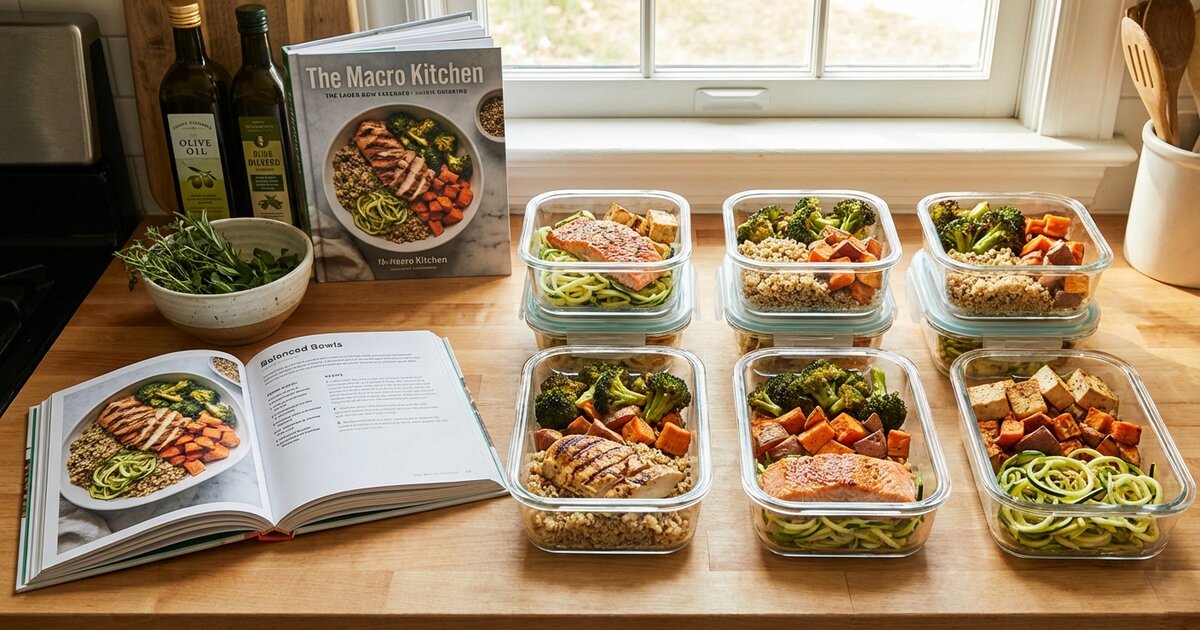
30 Macro Friendly Meals: Easy Recipes That Hit Your Targets
30 simple, delicious macro friendly meals for breakfast, lunch, dinner, and snacks. Easy...
Read guide →