Balsamic Vinegar Macros: Calories, Carbs & Nutrition Facts
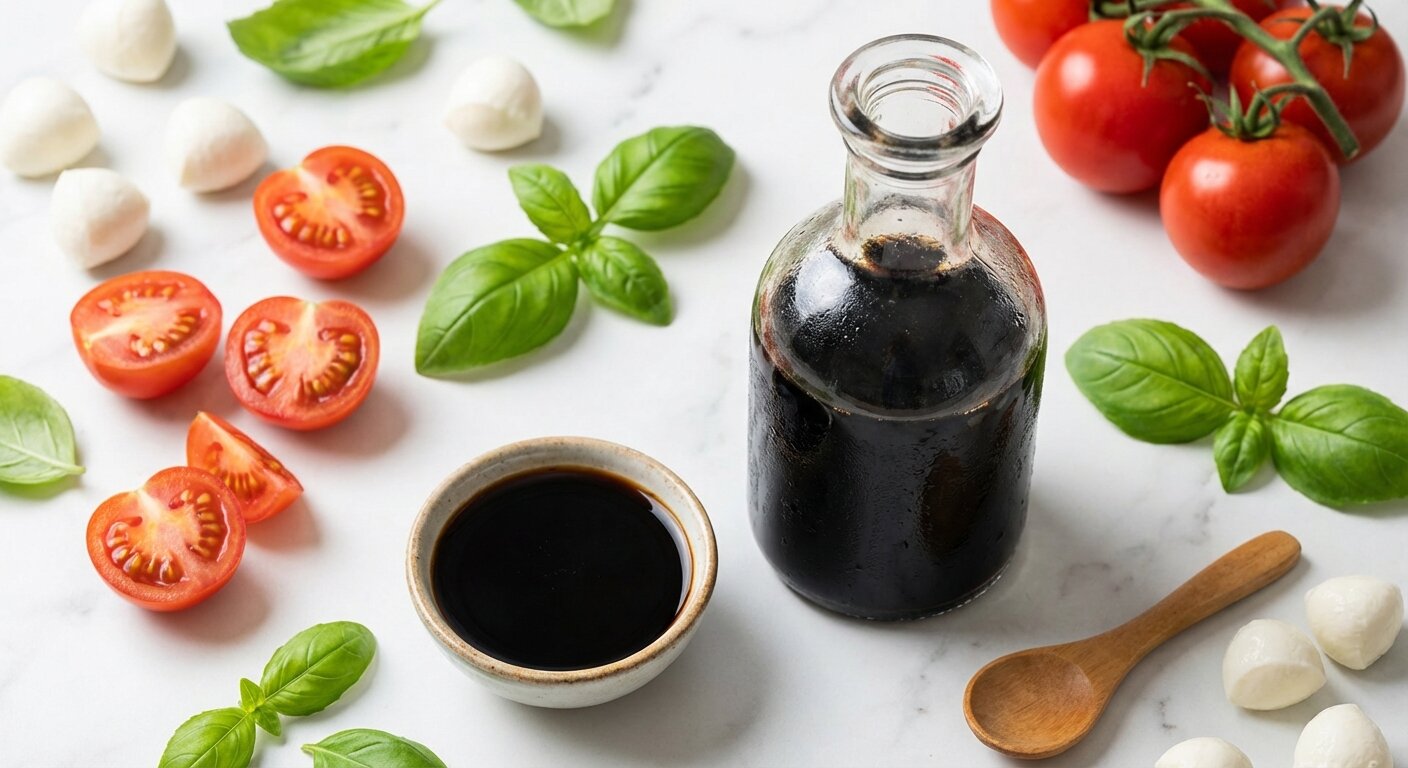
Balsamic vinegar transforms ordinary dishes into culinary experiences—but if you’re tracking macros, you need to know what you’re drizzling on your salads. This comprehensive guide breaks down the complete nutritional profile of balsamic vinegar, from everyday supermarket bottles to premium aged varieties.
Whether you’re counting calories, managing carbs, or simply curious about what’s in your favorite condiment, understanding balsamic vinegar’s macros helps you make informed choices without sacrificing flavor. The good news? Balsamic vinegar is remarkably macro-friendly, delivering rich, complex taste with minimal caloric impact.
Ready to learn exactly what’s in every tablespoon? Use our macro calculator to see how balsamic vinegar fits into your personalized nutrition plan, then dive into the complete breakdown below.
Related: Learn more about what macros are and how they impact your diet.
Balsamic Vinegar Macros: Complete Breakdown
Standard Serving Size (1 Tablespoon / 15ml)
Commercial Balsamic Vinegar (typical supermarket variety):
- Calories: 14-16
- Carbohydrates: 2.7-3g
- Sugars: 2-2.5g
- Protein: 0g
- Fat: 0g
- Fiber: 0g
- Sodium: 4-6mg
Traditional Aged Balsamic Vinegar (Aceto Balsamico Tradizionale):
- Calories: 18-20
- Carbohydrates: 4-5g
- Sugars: 3-4g
- Protein: trace (< 0.5g)
- Fat: 0g
- Fiber: 0g
- Sodium: 5-8mg
Per 100ml Comparison
For those who prefer metric measurements or need to calculate larger quantities:
Commercial Balsamic:
- Calories: 88-100
- Carbs: 17-20g
- Sugars: 13-16g
Traditional Aged Balsamic:
- Calories: 120-140
- Carbs: 25-30g
- Sugars: 20-24g
Understanding the Macro Profile
Why Balsamic Vinegar Contains Carbohydrates
Unlike olive oil, which is pure fat, balsamic vinegar derives all its calories from carbohydrates. This is because balsamic vinegar is made from grape must—crushed grapes including juice, skin, seeds, and stems. During the aging process, natural grape sugars concentrate, creating the characteristic sweet-tart flavor.
The fermentation and aging process converts some sugars to acetic acid (vinegar), but significant natural fruit sugars remain. This is why balsamic tastes noticeably sweeter than white or red wine vinegar, which undergo complete fermentation.
Zero Fat, Zero Protein
Balsamic vinegar contains essentially no protein or fat. The production process extracts and ferments grape carbohydrates while leaving behind proteins and fats present in whole grapes. This makes balsamic vinegar a pure carbohydrate source—excellent for adding flavor without affecting your fat or protein targets.
Minimal Sodium
With only 4-8mg of sodium per tablespoon, balsamic vinegar is naturally low in salt. This makes it an excellent choice for those monitoring sodium intake, especially compared to many commercial salad dressings that can contain 200-300mg per serving.
Traditional vs. Commercial Balsamic Vinegar
What Defines Traditional Balsamic
Aceto Balsamico Tradizionale di Modena or di Reggio Emilia is the real deal—a protected designation of origin (PDO) product with strict production standards:
- Production: Made only from cooked grape must (Trebbiano and Lambrusco varieties)
- No additives: Contains nothing but grapes—no vinegar, caramel coloring, or thickeners
- Aging requirements: Minimum 12 years (Tradizionale) or 25 years (Extra Vecchio)
- Barrel aging: Transferred through a series of progressively smaller barrels made from different woods
- Concentration: Significant evaporation during aging creates thick, syrupy consistency
- Price: $50-$400+ for a small bottle (100-250ml)
Nutritional impact: The extended aging process concentrates natural grape sugars, resulting in slightly higher calories and carbs per tablespoon. However, because traditional balsamic is so intensely flavored, you typically use much less—often just a few drops or a teaspoon.
Commercial Balsamic (Balsamic Vinegar of Modena)
Aceto Balsamico di Modena (without “Tradizionale”) is what most people buy and use daily:
- Production: Grape must mixed with wine vinegar (often 80% vinegar, 20% must)
- Additives allowed: Caramel coloring (for dark color), sulfites (preservatives), sometimes thickeners
- Aging: Minimum 60 days, typically 2-3 years for mid-range products
- Consistency: Thinner than traditional; may be artificially thickened
- Price: $5-$30 for a standard bottle (250-500ml)
Nutritional impact: Slightly lower in calories and carbs due to vinegar dilution and shorter aging. The macro differences are modest—you’re looking at 14 calories versus 20 per tablespoon.
Quality Indicators Beyond Macros
When shopping for balsamic vinegar, look beyond nutrition labels:
Signs of quality:
- Ingredient list: Only grape must and wine vinegar (no caramel color)
- IGP certification: “Aceto Balsamico di Modena IGP” guarantees minimum standards
- Density: Thicker consistency indicates more concentrated grape must
- Leaf rating system: Traditional balsamic uses 1-4 leaves (more leaves = older/thicker)
- Price per ounce: You generally get what you pay for
Red flags:
- “Balsamic flavored” products (mostly vinegar with artificial flavoring)
- Suspiciously cheap “aged” balsamic (likely artificially thickened)
- Caramel coloring high on ingredient list
- “Balsamic glaze” (often loaded with added sugar)
Balsamic Vinegar in Your Diet
Fitting Balsamic into Different Eating Patterns
Keto and Low-Carb Diets: At 3-4g net carbs per tablespoon, balsamic vinegar is higher in carbs than other vinegars but still manageable in moderation. Strategies for keto dieters:
- Use sparingly (1-2 teaspoons instead of a full tablespoon)
- Choose white wine vinegar or apple cider vinegar for zero-carb alternatives
- Account for balsamic carbs in your daily 20-50g limit
- Avoid balsamic glazes, which often contain added sugar
High-Protein Diets: Balsamic vinegar contains virtually no protein, making it a neutral choice that won’t help or hurt protein targets. Pair it with protein-rich foods like grilled chicken, salmon, or chickpeas in salads.
Calorie Restriction: At 14-20 calories per tablespoon, balsamic vinegar is excellent for weight loss. Compare to typical salad dressings:
- Balsamic vinegar: 14-20 calories/tbsp
- Italian dressing: 40-70 calories/tbsp
- Ranch dressing: 60-80 calories/tbsp
- Caesar dressing: 70-90 calories/tbsp
Switching from creamy dressings to balsamic can save 50-70 calories per salad—which adds up to 350-490 calories per week if you eat salad daily.
Mediterranean Diet: Balsamic vinegar is a staple of Mediterranean cuisine, traditionally paired with olive oil in a 1:3 ratio. A classic vinaigrette might contain:
- 1 tablespoon balsamic vinegar (14-20 cal)
- 3 tablespoons olive oil (360 cal)
- Total: 374-380 calories, mostly from healthy fats
Portion Control Strategies
Because balsamic vinegar is relatively low in calories, it’s easy to be generous—but those carbs can add up:
Visual guides:
- 1 teaspoon (5ml) = size of a sugar cube = 5-7 calories
- 1 tablespoon (15ml) = size of a poker chip = 14-20 calories
- 2 tablespoons (30ml) = standard salad dressing portion = 28-40 calories
Smart serving tips:
- Use a spray bottle for even, controlled distribution
- Drizzle traditional balsamic from a bottle with a pouring spout (controlled flow)
- Mix with water or broth to extend volume without increasing carbs proportionally
- Combine with dijon mustard and herbs for more volume and flavor
Health Benefits Beyond Macros
Antioxidant Properties
Balsamic vinegar contains polyphenols—antioxidant compounds from grapes that may offer health benefits:
- Resveratrol: Found in grape skins, may support heart health
- Quercetin: Anti-inflammatory properties
- Chlorogenic acid: May help regulate blood sugar
Traditional aged balsamic contains higher concentrations of these compounds due to the lengthy aging process and higher grape must content.
Potential Blood Sugar Management
Some research suggests that vinegar consumption before meals may help moderate blood sugar spikes. The acetic acid in vinegar may:
- Slow gastric emptying (food stays in stomach longer)
- Improve insulin sensitivity
- Reduce the glycemic response to carbohydrate-rich meals
Important caveat: Balsamic vinegar itself contains carbohydrates and sugars, so while the acetic acid may offer benefits, you’re also consuming glucose-raising carbs. For blood sugar management, apple cider vinegar or white wine vinegar (which contain minimal carbs) may be more effective choices.
Digestive Health
Like other fermented foods, balsamic vinegar—especially traditionally aged varieties—may contain beneficial bacteria and compounds that support digestive health. The fermentation process creates:
- Acetic acid bacteria (probiotics)
- Enzymes that aid digestion
- Compounds that may support gut microbiome diversity
However, the amounts are modest compared to dedicated probiotic foods like yogurt or kimchi.
Heart Health Considerations
The combination of antioxidants and acetic acid may support cardiovascular health:
- Polyphenols may help prevent LDL cholesterol oxidation
- Potassium (28mg per tablespoon) supports healthy blood pressure
- Using balsamic instead of high-sodium, high-fat dressings reduces dietary sodium and saturated fat
Culinary Applications and Macro Impact
Classic Uses
Salad Dressings: The most common application. A typical salad might use:
- 1-2 tablespoons balsamic vinegar (14-40 calories)
- Mixed with olive oil, herbs, and mustard
- Total dressing calories: 150-400 (mostly from oil)
Marinades: Balsamic’s acidity helps tenderize meat while adding flavor. For a chicken breast marinade (serving 4):
- 1/4 cup balsamic vinegar (56-80 calories total, 14-20 per serving)
- Mixed with herbs, garlic, and oil
- Minimal macro impact per serving after cooking
Roasted Vegetables: Drizzling balsamic over vegetables before roasting caramelizes the natural sugars:
- 1 tablespoon per baking sheet (serving 4) = 3-5 calories per serving
- Enhances flavor without significant calorie addition
Reduction/Glaze: Simmering balsamic vinegar concentrates flavors and creates a syrupy glaze. Macro impact:
- Reduces volume by 50-75%
- Concentrates sugars proportionally
- 1/4 cup vinegar → 1-2 tablespoons glaze
- Use sparingly as finishing drizzle (1 teaspoon per serving)
⚠️ Store-bought balsamic glazes often contain added sugar. Check labels—some contain 8-10g sugar per tablespoon (50-60 calories), making them more like dessert toppings than condiments.
Creative Applications
Balsamic on Fruit: Drizzle aged balsamic over strawberries, peaches, or melon. The acidity balances fruit sweetness:
- Adds 5-10 calories
- Enhances flavor perception
- Creates restaurant-quality presentation
Finishing Drizzle: A few drops of traditional balsamic on finished dishes:
- Grilled steak or chicken
- Caprese salad (tomato, mozzarella, basil)
- Risotto
- Pizza Impact: 2-5 calories, negligible macros, significant flavor boost
Balsamic in Cooking: Adding balsamic to pan sauces, braises, or soups:
- Deglazing a pan: 1-2 tablespoons (14-40 calories distributed across servings)
- Braising liquid: 1/4 cup in a pot serving 6 (9-13 calories per serving)
- Tomato sauce: 1 tablespoon per quart (3-5 calories per serving)
Storage and Quality Preservation
How Storage Affects Nutrition
Balsamic vinegar is remarkably shelf-stable, but proper storage maintains quality:
Ideal conditions:
- Cool, dark place (pantry or cupboard)
- Tightly sealed to prevent oxidation
- Away from heat sources
Does balsamic vinegar expire?
- Commercial balsamic: Best quality for 3-5 years, safe indefinitely
- Traditional balsamic: Improves with age, no expiration
- Nutritional content remains stable over time
Signs of quality loss:
- Sediment formation (natural, harmless—just strain)
- Fading color (indicates oxidation)
- Flat flavor (acidity diminishes)
Macros don’t change significantly with age or storage, but flavor quality does.
Brand Comparison: Macro and Quality Guide
Premium Traditional Options
Acetaia Malpighi Tradizionale (25+ year):
- 25+ calories per tablespoon (highly concentrated)
- Thick, syrupy consistency
- Price: $200-400 per 100ml
- Best use: Finishing drizzle (use teaspoon portions)
Acetaia Leonardi Tradizionale (12-year minimum):
- 18-22 calories per tablespoon
- Medium-thick consistency
- Price: $80-150 per 100ml
- Best use: Special occasion finishing
Mid-Range Quality Commercial
Fini Balsamic Vinegar of Modena (aged 6+ years):
- 15 calories per tablespoon
- Ingredients: Grape must, wine vinegar (no caramel color)
- Price: $15-25 per 500ml
- Best use: Daily salad dressings, marinades
Leonardi Balsamic Vinegar 4 Leaves:
- 16 calories per tablespoon
- Riserva-level aging (8-12 years)
- Price: $25-40 per 250ml
- Best use: Versatile—dressings, finishing, cooking
Budget-Friendly Options
Colavita Balsamic Vinegar of Modena:
- 14 calories per tablespoon
- Contains caramel coloring (acceptable quality)
- Price: $8-12 per 500ml
- Best use: Cooking, marinades, everyday dressings
365 by Whole Foods Balsamic Vinegar:
- 14 calories per tablespoon
- Basic but clean ingredients
- Price: $6-8 per 500ml
- Best use: Budget cooking, roasting vegetables
What to Avoid
“Balsamic flavored” products:
- Often 90%+ regular vinegar with artificial flavoring
- Minimal actual grape content
- Save your money
“Cream of balsamic” or glazes with added sugar:
- Can contain 8-12g sugar per tablespoon (50-70 calories)
- Check labels—first ingredient should be balsamic vinegar, not sugar
- Many are essentially balsamic-flavored corn syrup
Frequently Asked Questions
Does balsamic vinegar break a fast?
Technically yes, but the impact is minimal. One tablespoon of balsamic vinegar contains 14-20 calories from carbohydrates, which triggers a mild insulin response. For strict water-only fasting, avoid it. For flexible intermittent fasting approaches that allow <50 calories during the fasting window, a small amount of balsamic vinegar in a salad dressing likely won’t significantly impact autophagy or fat burning. Most fasting practitioners consider a teaspoon or less negligible.
Can diabetics eat balsamic vinegar?
Yes, in moderation. While balsamic vinegar contains natural sugars (2-3g per tablespoon), the glycemic index is relatively low due to the acetic acid content. The acetic acid may actually help moderate blood sugar spikes when consumed with meals. However, diabetics should:
- Measure portions carefully (stick to 1 tablespoon or less)
- Account for carbs in their meal planning
- Monitor individual blood sugar response
- Choose quality balsamic without added sugars
Is white balsamic vinegar healthier than dark balsamic?
White balsamic vinegar has virtually identical macros to traditional dark balsamic—same calories, carbs, and sugar content. The difference is purely aesthetic: white balsamic is made from white grape must and aged in uncharred barrels to maintain light color. It’s preferred for dishes where dark color would be undesirable (like potato salad or light-colored sauces). Nutritionally, choose based on flavor preference and recipe requirements, not health benefits.
Does balsamic vinegar contain alcohol?
Trace amounts only. During fermentation, alcohol converts to acetic acid (vinegar). By the time balsamic vinegar reaches store shelves, alcohol content is typically 0.5% or less—comparable to the trace amounts in fruit juice or bread. It’s considered non-alcoholic and safe for those avoiding alcohol. Traditional aged balsamic undergoes more complete fermentation and contains even less alcohol than commercial varieties.
Why do some balsamic vinegars have more calories than others?
Calorie variation (14-20 per tablespoon) depends primarily on:
- Grape must concentration: Higher must content = more natural sugars = more calories
- Aging time: Longer aging evaporates water, concentrating sugars
- Production method: Traditional balsamic is more concentrated than commercial blends
- Added ingredients: Some products add thickeners or sugars (check labels)
Expensive traditional balsamic has higher calories per tablespoon, but because it’s so intensely flavored, you use much less per serving. The net caloric impact in a typical dish is often similar.
Can I use balsamic vinegar past the “best by” date?
Yes. Balsamic vinegar doesn’t spoil due to its high acidity (pH ~3), which creates an inhospitable environment for bacteria. The “best by” date indicates peak quality, not safety. Even years past this date, balsamic vinegar remains safe to consume, though flavor quality may diminish slightly. Nutritional content (macros, calories) remains stable indefinitely. Store in a cool, dark place with the cap tightly sealed to maintain best quality.
How does balsamic vinegar compare to other vinegars nutritionally?
Per tablespoon comparison:
- Balsamic: 14-20 calories, 3-4g carbs
- Red/white wine vinegar: 3 calories, 0g carbs
- Apple cider vinegar: 3 calories, 0.1g carbs
- Rice vinegar: 0-5 calories, 0-1g carbs
Balsamic is significantly higher in calories and carbs due to grape must content. For zero-carb options, choose wine or apple cider vinegar. For flavor and culinary applications, balsamic’s modest calories are worth it for most people.
Is balsamic vinegar gluten-free?
Yes, pure balsamic vinegar made from grape must and wine vinegar is naturally gluten-free. However, some very low-quality products may use malt vinegar (contains gluten) or be produced in facilities that process wheat. For celiac disease or severe gluten sensitivity:
- Look for “gluten-free” certification on labels
- Choose quality products with only grape must and wine vinegar listed
- Avoid “balsamic-flavored” products with unclear ingredient sourcing
Reputable brands like Fini, Leonardi, and most Italian-produced balsamic vinegars are safe for gluten-free diets.
The Bottom Line: Balsamic Vinegar in Your Macro Plan
Balsamic vinegar delivers exceptional flavor with minimal macro impact. At 14-20 calories and 3-4g carbs per tablespoon, it’s one of the most macro-friendly condiments available—far superior to creamy dressings, mayonnaise-based sauces, or sugary glazes.
Key takeaways:
- Primarily carbohydrates from natural grape sugars
- Zero fat, zero protein makes it neutral for those macros
- Modest calorie content supports weight loss and calorie restriction
- Traditional aged varieties are slightly higher in calories but used in smaller amounts
- Quality matters for flavor, not significantly for macros
Whether you’re on keto, cutting calories, or simply eating mindfully, balsamic vinegar can enhance your meals without derailing your nutrition goals. Use it confidently in dressings, marinades, and finishing drizzles.
Want to see exactly how balsamic vinegar fits into your personalized macro targets? Use our macro calculator to create a plan that accommodates your favorite flavors while keeping you on track toward your goals.
Pair your balsamic vinegar with other macro-friendly ingredients like olive oil, lean proteins, and fresh vegetables for balanced, delicious meals that support your health and fitness objectives.
Related Articles
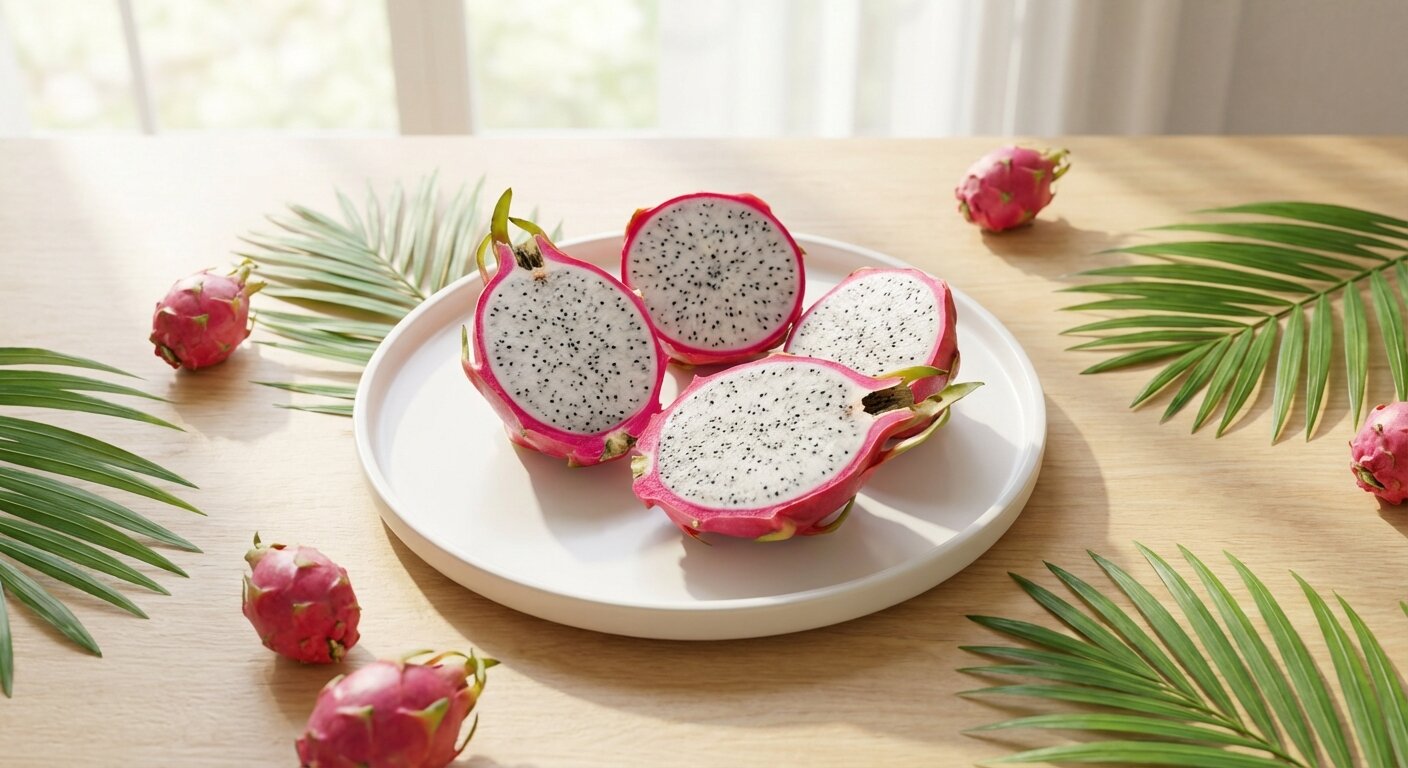
Dragonfruit Macros: Complete Nutrition Guide for Pitaya
Complete macro breakdown of dragonfruit (pitaya). Learn the calories, protein, carbs, and...
Read guide →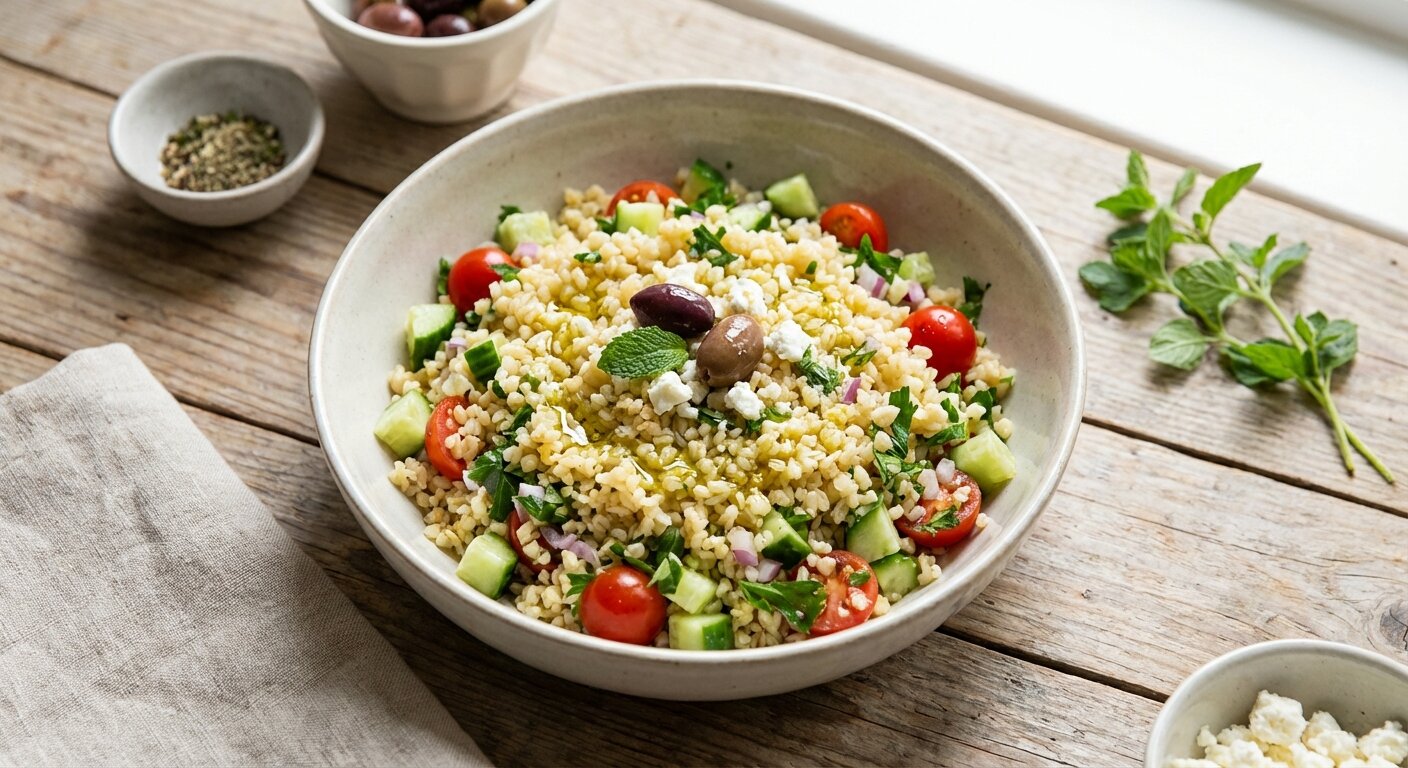
Bulgur Macros: Complete Nutritional Guide & Health Benefits
Discover bulgur's complete macro breakdown, nutritional benefits, and how to incorporate...
Read guide →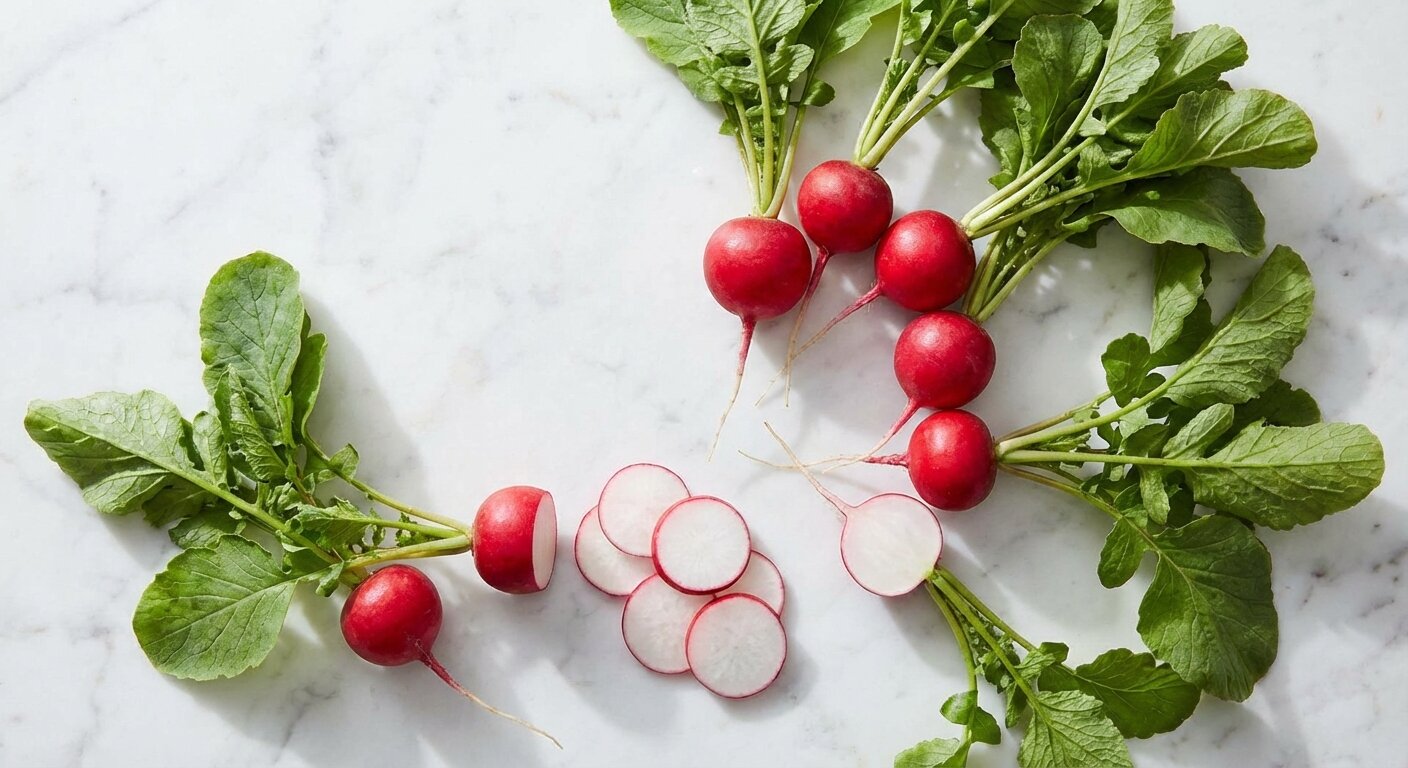
Radish Macros: Nutrition Facts and Health Benefits
Complete guide to radish macros and nutrition. Learn calories, protein, carbs, and health...
Read guide →Note: Nutrition values are approximate and may vary based on preparation method and source.