Bison Macros: Complete Nutrition Guide for This Lean Game Meat
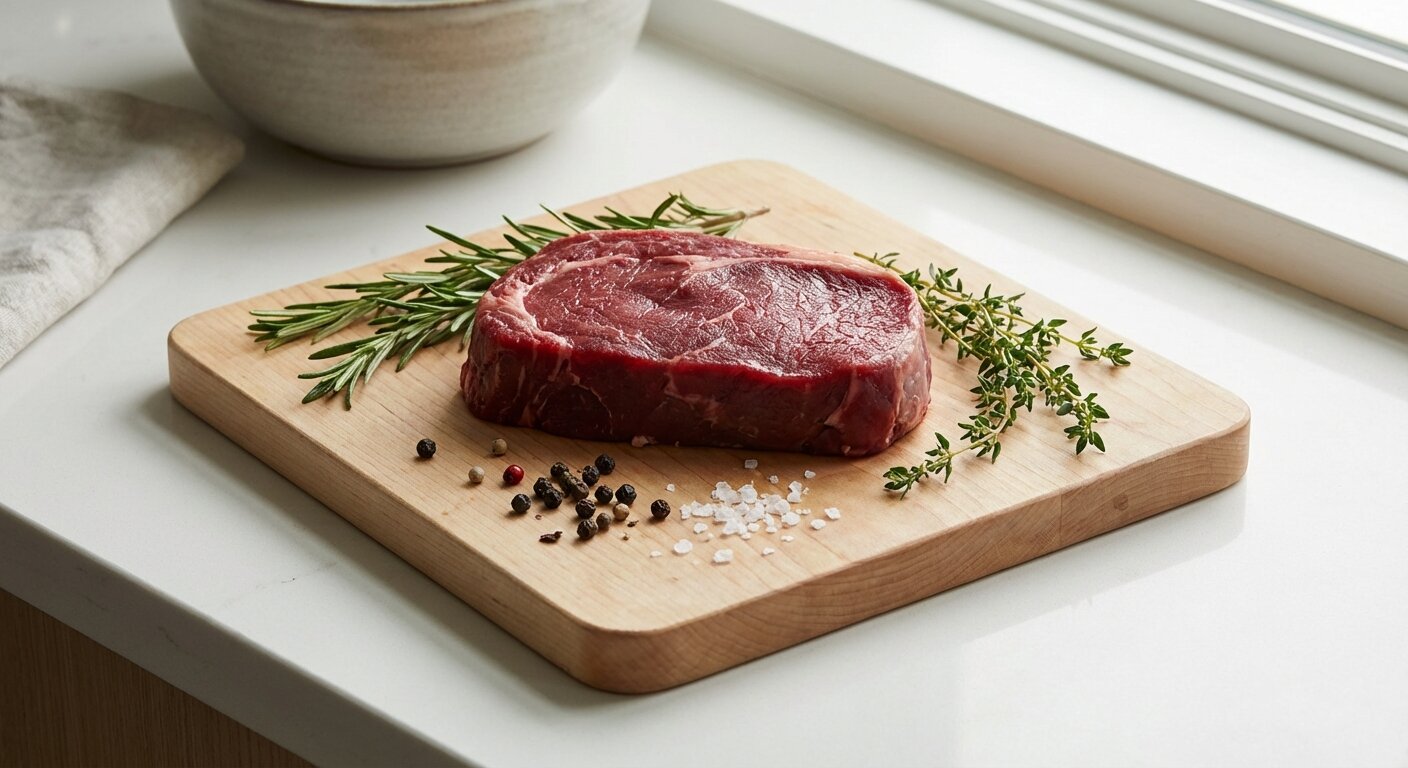
Bison meat is rapidly gaining popularity among health-conscious eaters, athletes, and anyone looking for a lean, nutrient-dense alternative to conventional beef. This game meat delivers exceptional protein content with minimal fat and zero carbs, making it one of the most macro-friendly red meats available.
Whether you’re tracking macros for muscle building, fat loss, or simply want to understand the nutritional value of this ancient protein source, this guide covers everything you need to know about bison nutrition. We’ll break down the complete macro profile, compare it to beef and other meats, and show you exactly how to incorporate bison into your meal plan.
Ready to calculate your personalized macro targets? Use our macro calculator to determine your optimal protein, carbs, and fats based on your specific goals.
Related: Learn more about what macros are and how they impact your diet.
Bison Macros: Complete Nutritional Breakdown
Raw vs Cooked Bison Macros
The cooking process concentrates bison’s nutrients as moisture evaporates. Here’s how the macros compare:
Raw Bison (100g/3.5 oz):
- Calories: 109
- Protein: 20.2g
- Carbs: 0g
- Fat: 2.4g
- Saturated Fat: 1g
- Cholesterol: 62mg
- Iron: 2.9mg (16% DV)
Cooked Bison, Roasted (100g/3.5 oz):
- Calories: 146
- Protein: 24g
- Carbs: 0g
- Fat: 5g
- Saturated Fat: 2g
- Cholesterol: 82mg
- Iron: 3.4mg (19% DV)
Key takeaway: Cooked bison contains about 34% more calories and protein per gram than raw due to moisture loss during cooking. Always track based on cooked weight for accuracy.
Common Serving Sizes
Most people don’t eat exactly 100g of meat. Here are the macros for standard portions:
4 oz (113g) Cooked Bison:
- Calories: 165
- Protein: 27g
- Carbs: 0g
- Fat: 5.6g
6 oz (170g) Cooked Bison:
- Calories: 248
- Protein: 41g
- Carbs: 0g
- Fat: 8.5g
8 oz (227g) Cooked Bison:
- Calories: 332
- Protein: 54g
- Carbs: 0g
- Fat: 11.3g
Bison vs Beef: Macro Comparison
How does bison stack up against conventional beef?
Per 100g Cooked:
| Meat | Calories | Protein | Fat | Sat Fat |
|---|---|---|---|---|
| Bison | 146 | 24g | 5g | 2g |
| 93/7 Ground Beef | 182 | 23g | 10g | 4g |
| Sirloin Steak | 201 | 26g | 10g | 4g |
| Ribeye Steak | 291 | 25g | 21g | 9g |
| Ground Beef (80/20) | 254 | 22g | 18g | 7g |
Winner: Bison is significantly leaner than most beef cuts, with 20-50% fewer calories and 30-75% less fat while maintaining comparable or higher protein.
Why Bison’s Macro Profile Is Exceptional
1. Highest Protein-to-Fat Ratio
Bison’s 24g protein to 5g fat ratio (4.8:1) is one of the best among red meats. For comparison:
- Chicken breast: 31g protein, 3.6g fat (8.6:1) - leaner but poultry
- Salmon: 25g protein, 12g fat (2.1:1) - much fattier
- 93/7 Ground beef: 23g protein, 10g fat (2.3:1) - twice the fat
This high protein-to-fat ratio makes bison ideal for:
- Cutting phases where you need protein but want to minimize fat calories
- High-protein diets (1g+ per lb bodyweight)
- Anyone prioritizing muscle retention during weight loss
2. Zero Carbs
Like all pure meats, bison contains no carbohydrates. This makes it:
- Perfect for keto, carnivore, and low-carb diets
- Easy to fit into any macro split
- A reliable protein source that won’t spike blood sugar
3. Rich in Essential Nutrients
Beyond macros, bison delivers impressive micronutrients:
Vitamin B12: 2.9mcg per 100g (121% DV)
- Critical for energy production, nerve function, and DNA synthesis
- Particularly important for athletes and those on plant-heavy diets
Iron: 3.4mg per 100g (19% DV)
- Heme iron (animal-based) is more bioavailable than plant iron
- Essential for oxygen transport and energy metabolism
- Women and athletes have higher iron needs
Zinc: 4.2mg per 100g (38% DV)
- Supports immune function, protein synthesis, and testosterone production
- Crucial for muscle recovery and growth
Omega-3 Fatty Acids: Bison contains 4-5x more omega-3s than conventional beef due to grass-fed diets. These anti-inflammatory fats support:
- Heart health
- Brain function
- Recovery and joint health
How to Track Bison Macros Accurately
1. Weigh After Cooking
Meat loses 20-30% of its weight during cooking as water evaporates. The USDA nutritional data is based on cooked meat, so:
Right way:
- Cook 6 oz raw bison (170g)
- Final cooked weight: ~4.5 oz (127g)
- Track as 4.5 oz cooked bison = 186 calories, 30g protein, 6g fat
Wrong way:
- Cook 6 oz raw bison
- Track as 6 oz cooked = overestimating by 25%+
2. Account for Added Fats
Bison is naturally lean, but cooking methods add calories:
Grilled/Broiled (no added fat):
- Track base macros only
Pan-seared with 1 tbsp butter:
- Add: 102 calories, 11.5g fat
Marinated in olive oil (1 tbsp absorbed):
- Add: 119 calories, 13.5g fat
Restaurant bison steak:
- Assume 1-2 tbsp butter/oil added
- Add 100-200 calories, 11-22g fat
3. Different Cuts, Different Macros
Not all bison cuts are equal:
Ribeye (fattiest cut):
- 179 calories, 23g protein, 9g fat per 100g cooked
- Still leaner than beef ribeye (291 cal, 21g fat)
Tenderloin (leanest cut):
- 140 calories, 25g protein, 4g fat per 100g cooked
Ground Bison (varies by fat content):
- 90/10: ~180 calories, 24g protein, 8g fat per 100g cooked
- 95/5: ~155 calories, 25g protein, 5g fat per 100g cooked
Always check the label or ask your butcher about fat content.
Fitting Bison Into Your Macro Goals
For Muscle Building (High Protein, Moderate Carbs/Fats)
Target: 180lb male, 3000 calories, 40/30/30 (P/C/F)
- Protein: 300g
- Carbs: 225g
- Fat: 100g
Sample Meal:
- 8 oz grilled bison steak: 332 cal, 54g protein, 11g fat
- 200g sweet potato: 180 cal, 2g protein, 42g carbs, 0g fat
- 2 cups roasted vegetables with 1 tbsp olive oil: 150 cal, 3g protein, 15g carbs, 11g fat
Meal totals: 662 calories, 59g protein, 57g carbs, 22g fat
This single meal provides 20% of daily protein needs with minimal fat, leaving room for higher-fat foods elsewhere.
For Fat Loss (High Protein, Lower Calories)
Target: 150lb female, 1600 calories, 40/30/30 (P/C/F)
- Protein: 160g
- Carbs: 120g
- Fat: 53g
Sample Meal:
- 6 oz grilled bison: 248 cal, 41g protein, 8.5g fat
- 150g white rice: 195 cal, 4g protein, 43g carbs, 0.5g fat
- Large green salad with balsamic: 50 cal, 2g protein, 8g carbs, 1g fat
Meal totals: 493 calories, 47g protein, 51g carbs, 10g fat
Bison’s lean profile lets you eat a substantial portion while keeping calories in check - critical for sustainable fat loss.
For Keto (High Fat, Very Low Carb)
Target: 170lb male, 2200 calories, 75/20/5 (F/P/C)
- Protein: 110g
- Carbs: 28g
- Fat: 183g
Sample Meal:
- 6 oz grilled bison: 248 cal, 41g protein, 8.5g fat
- 2 tbsp grass-fed butter (on steak): 204 cal, 0g protein, 23g fat
- 2 cups sautéed spinach in 1 tbsp olive oil: 160 cal, 5g protein, 5g carbs, 14g fat
- 1/2 avocado: 120 cal, 1.5g protein, 6g carbs, 11g fat
Meal totals: 732 calories, 47.5g protein, 11g carbs, 56.5g fat
Because bison is so lean, it’s easy to add your preferred fat sources (butter, oils, nuts, cheese) to hit keto macros.
Best Ways to Cook Bison (Macro-Friendly)
1. Grilling (Zero Added Fats)
Best for: Steaks, burgers Method: High heat, 4-5 minutes per side for medium-rare Macro impact: None - track base bison macros only
Pro tip: Bison is very lean and can dry out quickly. Don’t cook past medium or it becomes tough.
2. Pan-Searing (Minimal Fat)
Best for: Steaks, medallions Method: 1 tsp oil in hot cast iron, 3-4 min per side Macro impact: +40 calories, +4.5g fat (for 1 tsp oil)
3. Slow Cooking (Moist Heat Method)
Best for: Ground bison, stews, roasts Method: Low heat, 4-8 hours with liquid Macro impact: None if using broth/water
This method is excellent for tougher cuts and prevents overcooking.
4. Broiling (Restaurant-Style)
Best for: Thick steaks Method: High oven heat, 6-8 minutes per side Macro impact: None - track base macros
What to Avoid:
- Deep frying: Adds 200-400+ calories from oil absorption
- Heavy breading: Adds 100-200 calories and 20-40g carbs per serving
- Well-done: Makes lean bison dry and tough
Bison vs Other Protein Sources: Macro Showdown
Bison vs Chicken Breast
Per 100g Cooked:
| Metric | Bison | Chicken Breast |
|---|---|---|
| Calories | 146 | 165 |
| Protein | 24g | 31g |
| Fat | 5g | 3.6g |
| Iron | 3.4mg (19% DV) | 0.5mg (3% DV) |
| B12 | 2.9mcg (121% DV) | 0.3mcg (13% DV) |
Winner: Chicken for pure protein density, bison for iron and B12.
Bison vs Ground Turkey (93/7)
Per 100g Cooked:
| Metric | Bison | Ground Turkey |
|---|---|---|
| Calories | 146 | 176 |
| Protein | 24g | 25g |
| Fat | 5g | 8g |
| Sat Fat | 2g | 2.4g |
Winner: Bison is slightly leaner with comparable protein.
Bison vs Salmon
Per 100g Cooked:
| Metric | Bison | Salmon |
|---|---|---|
| Calories | 146 | 206 |
| Protein | 24g | 25g |
| Fat | 5g | 12g |
| Omega-3s | 84mg | 2,260mg |
Winner: Salmon for omega-3s, bison for lower calories and fat.
Bison vs Venison
Per 100g Cooked:
| Metric | Bison | Venison |
|---|---|---|
| Calories | 146 | 158 |
| Protein | 24g | 30g |
| Fat | 5g | 3g |
Winner: Venison is slightly leaner with more protein, but bison is more widely available and less gamey.
Common Mistakes When Tracking Bison Macros
1. Using Raw Weight for Cooked Bison
Problem: Raw meat has more water weight.
Example:
- 6 oz raw bison = 109 calories per 100g × 1.7 = 185 calories
- 6 oz cooked bison = 146 calories per 100g × 1.7 = 248 calories
Solution: Always weigh after cooking or use cooking loss factor (typically 25%).
2. Ignoring Cooking Oils and Butter
Problem: “Grilled bison” often means brushed with oil or topped with butter.
Restaurant reality:
- Most steakhouses add 1-2 tbsp butter on top
- This adds 100-200 calories you’re not tracking
Solution: Ask for dry grilling or account for added fats.
3. Assuming All Bison Is The Same
Problem: Ground bison fat content varies.
Reality:
- 90/10 ground bison: 180 calories, 8g fat per 100g
- 95/5 ground bison: 155 calories, 5g fat per 100g
- Bison ribeye: 179 calories, 9g fat per 100g
- Bison tenderloin: 140 calories, 4g fat per 100g
Solution: Check labels and track specific cuts.
4. Not Accounting for Marinades
Problem: Marinades with oil, sugar, or soy sauce add macros.
Common marinades:
- Teriyaki: +50 cal, 12g carbs per 2 tbsp absorbed
- Oil-based: +60 cal, 7g fat per 1 tbsp absorbed
- BBQ sauce: +40 cal, 10g carbs per 2 tbsp
Solution: Make marinades with low-cal ingredients (vinegar, lemon, herbs, spices) or account for absorbed calories.
Where to Buy Bison and What to Look For
Grocery Stores
Availability: Increasingly common in natural food sections Price: $8-15 per pound for ground, $20-35 per pound for steaks Quality: Usually frozen, grass-fed, no hormones/antibiotics
Brands to try:
- Great Range
- TenderBison
- Wild Idea Buffalo
- Northstar Bison
Online Retailers
ForceBrands.com: Wide selection, bulk pricing ButcherBox: Subscription service with grass-fed bison SnapyGourmet.com: Specialty cuts and variety packs
Advantages:
- Better pricing on bulk orders
- Specialty cuts not available locally
- Shipped frozen to your door
Local Ranches and Farmers Markets
Advantages:
- Often cheaper than retail
- Freshest option
- Support local sustainable farming
- Can buy in bulk (quarter/half animal)
How to find: Search “bison ranch near me” or check LocalHarvest.org
What to Look For
Grass-fed and grass-finished: Better nutrient profile, higher omega-3s No added hormones or antibiotics: Standard for bison (unlike beef) USDA certified: Ensures safety and quality standards Color: Deep red, not brown (indicates freshness)
Sample Meal Plan with Bison
Day 1: Muscle Building (3000 calories, 40/30/30)
Breakfast:
- 4 whole eggs scrambled: 280 cal, 24g protein, 20g fat
- 2 cups oatmeal with berries: 450 cal, 15g protein, 75g carbs, 9g fat
Lunch:
- 8 oz grilled bison steak: 332 cal, 54g protein, 11g fat
- 300g white rice: 390 cal, 8g protein, 86g carbs, 1g fat
- Steamed broccoli: 50 cal, 4g protein, 10g carbs
Dinner:
- 6 oz baked salmon: 350 cal, 42g protein, 20g fat
- 200g sweet potato: 180 cal, 2g protein, 42g carbs
- Mixed green salad with olive oil: 150 cal, 2g protein, 5g carbs, 14g fat
Snacks:
- Protein shake: 200 cal, 40g protein, 5g carbs, 3g fat
- 2 tbsp almond butter on apple: 268 cal, 7g protein, 24g carbs, 16g fat
Daily totals: 2,650 calories, 198g protein, 267g carbs, 94g fat
Day 2: Fat Loss (1600 calories, 40/30/30)
Breakfast:
- 3 egg whites + 1 whole egg: 130 cal, 18g protein, 5g fat
- 1/2 cup oatmeal: 150 cal, 5g protein, 27g carbs, 3g fat
Lunch:
- 6 oz grilled bison burger (no bun): 248 cal, 41g protein, 8.5g fat
- Large mixed salad: 100 cal, 3g protein, 12g carbs, 4g fat
Dinner:
- 4 oz baked bison tenderloin: 165 cal, 27g protein, 5.6g fat
- 150g white rice: 195 cal, 4g protein, 43g carbs, 0.5g fat
- Roasted vegetables: 100 cal, 3g protein, 15g carbs, 3g fat
Snacks:
- Greek yogurt (non-fat): 100 cal, 17g protein, 7g carbs
- Apple: 95 cal, 0g protein, 25g carbs
Daily totals: 1,283 calories, 118g protein, 129g carbs, 29.6g fat
(Add 300+ calories from a fourth meal or adjust portions to hit 1600)
Frequently Asked Questions
What are the macros in bison meat?
A 100g serving of cooked bison contains approximately 146 calories, 24g protein, 0g carbs, and 5g fat. This macro profile makes bison one of the leanest red meat options available.
The protein content is exceptional - 24g per 100g means you’re getting high-quality complete protein with all essential amino acids. This is comparable to beef (which typically ranges from 22-26g per 100g depending on the cut) but with significantly less fat.
The zero carbohydrate content makes bison incredibly versatile for any diet - keto, carnivore, paleo, low-carb, or flexible dieting. You don’t need to worry about bison affecting your carb macros at all.
The 5g of fat per 100g is where bison really shines compared to beef. Most beef cuts contain 10-21g of fat per 100g, meaning bison has 50-75% less fat while maintaining the same or higher protein. This lower fat content translates to fewer calories - crucial for anyone in a fat loss phase or simply trying to maximize protein while managing total calorie intake.
Is bison healthier than beef?
Yes, bison is generally considered nutritionally superior to conventional beef across multiple health metrics.
Calorie and fat comparison: Bison contains approximately 146 calories and 5g fat per 100g cooked, while comparable beef cuts contain 180-290 calories and 10-21g fat. This means you can eat a larger portion of bison for the same calorie intake, making it easier to stay full while managing weight.
Nutrient density: Bison provides more vitamin B12, iron, and selenium per calorie than most beef cuts. It also contains 4-5 times more omega-3 fatty acids than grain-fed beef due to bison’s primarily grass-fed diet. Omega-3s are anti-inflammatory and support heart health, brain function, and recovery.
Farming practices: Bison are typically raised on pasture, grass-fed, and finished without the use of hormones or antibiotics (which are common in conventional beef production). This results in cleaner meat with a better fatty acid profile.
Cholesterol: While both bison and beef contain similar cholesterol levels (around 80mg per 100g), bison’s lower saturated fat content (2g vs 4-9g in beef) may make it a better choice for cardiovascular health.
However, “healthier” depends on your specific goals. If you’re trying to gain weight or follow a high-fat ketogenic diet, fattier beef cuts might actually be more beneficial. But for most people focused on lean protein, nutrient density, and overall health, bison is the superior choice.
How much protein is in 4 oz of bison?
A 4 oz (113g) serving of cooked bison contains approximately 27g of protein.
This makes bison an incredibly protein-dense food. To put it in perspective:
- 4 oz chicken breast: 35g protein (more protein, but dry and less flavorful)
- 4 oz 85/15 ground beef: 26g protein (similar, but 50% more fat)
- 4 oz salmon: 28g protein (similar, but significantly higher in calories and fat)
- 4 oz ground turkey: 28g protein (comparable)
The 27g protein in a 4 oz bison serving represents roughly 20-30% of most people’s daily protein needs (depending on bodyweight and goals). For someone weighing 150 lbs aiming for 1g protein per pound bodyweight, this single serving provides 18% of their daily target.
What’s particularly valuable about bison’s protein is that it’s complete protein containing all nine essential amino acids in optimal ratios for human needs. It’s especially rich in leucine (approximately 2g per 4 oz serving), the key amino acid that triggers muscle protein synthesis.
For athletes and active individuals, bison’s protein is highly bioavailable - meaning your body can efficiently digest, absorb, and utilize it for muscle repair and growth. The digestibility-corrected amino acid score (PDCAAS) for bison is 1.0, the highest possible rating.
Is bison good for weight loss?
Absolutely. Bison is one of the best protein choices for weight loss due to its unique combination of high protein, low fat, and zero carbs.
High satiety: Protein is the most satiating macronutrient, and bison delivers 24g per 100g serving. Studies show that high-protein diets reduce hunger hormones (ghrelin) and increase fullness hormones (GLP-1, peptide YY). Eating bison helps you feel full longer on fewer calories - the key to sustainable weight loss.
Calorie efficiency: At 146 calories per 100g cooked, bison provides excellent protein-to-calorie ratio. Compare this to ribeye steak (291 calories per 100g) - you could eat nearly twice as much bison for the same calories.
Muscle preservation: When losing weight, the goal is to lose fat while preserving muscle. The high protein content in bison (24g per 100g) helps maintain lean body mass during a calorie deficit. Preserving muscle keeps your metabolism higher, making long-term weight management easier.
Metabolic advantage: Protein has the highest thermic effect of food (TEF) - your body burns 20-30% of protein calories just digesting it. Eating 100g of bison (24g protein) means your body expends 19-29 calories just processing it. While this isn’t massive, it adds up over time.
Flexible macro targets: Because bison is zero carbs and relatively low fat, it fits into virtually any weight loss macro split - whether you’re doing low-carb, keto, flexible dieting, or simply focusing on calories and protein.
Practical example: A 6 oz bison steak (248 calories, 41g protein) with vegetables and a small amount of rice creates a satisfying 400-500 calorie meal with 45+ grams of protein. This keeps you full for 4-5 hours while maintaining a calorie deficit.
Can I eat bison on a keto diet?
Yes, bison is excellent for ketogenic diets, though you’ll want to add fat to meet keto macro requirements.
Zero carbs: Bison contains no carbohydrates, making it perfect for staying in ketosis. You never need to worry about bison kicking you out of ketosis or affecting your carb limit.
Moderate fat: Bison’s 5g fat per 100g is relatively low for keto (which typically requires 70-75% of calories from fat). This is actually an advantage because it lets you control your fat sources. You can add preferred fats like:
- Grass-fed butter on top of steaks
- Cooking in ghee or tallow
- Serving with high-fat sides (avocado, creamy sauces)
- Making fattier ground bison burgers with added bacon
Adequate protein: The 24g protein per 100g fits well within keto’s moderate protein recommendation (typically 20-25% of calories). Some people mistakenly think keto is “high protein” - it’s not. Bison’s protein level is ideal for maintaining muscle while staying in ketosis.
Nutrient density: Keto diets can be micronutrient-deficient if not carefully planned. Bison provides crucial nutrients often lacking in keto: iron (3.4mg per 100g), B12 (2.9mcg), zinc (4.2mg), and selenium. This helps prevent common keto side effects like fatigue and brain fog.
Example keto meal with bison:
- 6 oz grilled bison: 248 cal, 41g protein, 8.5g fat
- 2 tbsp grass-fed butter (melted on steak): 204 cal, 0g protein, 23g fat
- 1 cup sautéed spinach in olive oil: 80 cal, 2.5g protein, 2g carbs, 7g fat
- 1/2 avocado: 120 cal, 1.5g protein, 6g carbs, 11g fat
Totals: 652 calories, 45g protein (28%), 8g net carbs (5%), 49.5g fat (67%)
This meal is firmly ketogenic while providing substantial protein for muscle maintenance.
Does bison taste like beef?
Bison has a similar but distinctively different flavor profile than beef - most people describe it as richer, slightly sweeter, and more robust.
Flavor characteristics:
- Sweetness: Bison has a naturally sweeter taste than beef, likely due to its grass-fed diet and different fat composition
- Richness: The flavor is deeper and more pronounced than beef without being overwhelming
- Less gamey: Despite being “wild game,” bison is far less gamey than venison, elk, or wild boar. It’s much closer to beef in flavor
- Cleaner finish: Many people report bison has a “cleaner” taste without the heavy, fatty aftertaste of marbled beef
Texture comparison:
- Tender when cooked right: Properly cooked (medium-rare to medium), bison is incredibly tender
- Denser than beef: The lean profile means it has a slightly denser, meatier texture
- Less marbling: You won’t see the white fat marbling common in beef, which some people prefer
Why it tastes different:
- Diet: Bison eat primarily grass and forage, while most beef cattle are grain-finished. Diet dramatically affects meat flavor
- Fat content: The lower fat content (5g vs 10-21g per 100g) means less fatty richness but more pronounced meat flavor
- Age: Bison used for meat are typically younger than beef cattle, resulting in more tender, milder meat
Most common reactions:
- “It tastes like really good beef”
- “Richer and slightly sweet”
- “Like grass-fed beef but better”
- “More flavorful than chicken, less fatty than beef”
Pro tip: Because bison is lean, overcooking makes it tough and dry. Cook to medium-rare or medium maximum. High-quality bison cooked properly rivals the best grass-fed beef steaks.
How should I cook bison to preserve macros?
The best cooking methods for preserving bison’s lean macro profile while maintaining flavor and tenderness are grilling, roasting, pan-searing, and slow cooking - all using minimal added fats.
Grilling (zero added macros):
- Preheat grill to high heat (450-500°F)
- Season bison with salt, pepper, and dry spices (no calories)
- Grill 4-5 minutes per side for medium-rare
- Rest 5 minutes before serving
- Macro impact: None - track base bison macros only
Pan-searing (minimal added fat):
- Use cast iron or stainless steel pan over high heat
- Add 1 tsp oil (40 cal, 4.5g fat) or use cooking spray (negligible calories)
- Sear 3-4 minutes per side
- Macro impact: +40 calories, +4.5g fat if using 1 tsp oil
Roasting (no added fat needed):
- Preheat oven to 375-400°F
- Season and place on roasting rack
- Roast 15-20 minutes for steaks, 25-30 for roasts (to 135°F internal temp)
- Macro impact: None if no oil used
Slow cooking (great for ground bison and tougher cuts):
- Use low heat (200-250°F) with liquid (broth, water)
- Cook 4-8 hours until tender
- Liquid prevents drying without adding fat
- Macro impact: None if using zero-calorie liquid
Critical cooking tips to preserve nutrition:
- Don’t overcook: Bison is very lean and becomes tough/dry past medium doneness. Target internal temp of 135-145°F.
- Use instant-read thermometer: The only way to consistently nail proper doneness
- Let it rest: 5-10 minutes after cooking allows juices to redistribute
- Avoid breading: Adds 100-200 calories and 20-40g carbs per serving
- Skip heavy sauces: BBQ sauce, teriyaki, and cream-based sauces add 50-150 calories
What to avoid:
- Deep frying: Absorbs 200-400+ calories of oil
- Heavy butter basting: Restaurant-style butter basting adds 100-200 calories
- Sugary marinades: Many contain 40-60 calories per 2 tbsp absorbed
Best macro-friendly seasonings:
- Dry rubs (paprika, garlic powder, onion powder, cumin)
- Fresh herbs (rosemary, thyme, oregano)
- Citrus juice (lemon, lime)
- Vinegar-based marinades
- Salt and black pepper
Is bison expensive compared to beef?
Yes, bison typically costs 2-3 times more than conventional beef, though the premium is justified by superior nutrition, sustainable farming practices, and limited supply.
Price comparison (per pound):
- Ground bison: $8-15 vs ground beef: $4-7
- Bison steaks: $20-35 vs beef steaks: $10-18
- Bison roasts: $12-20 vs beef roasts: $6-12
Why bison costs more:
-
Limited supply: There are only about 500,000 bison in North America compared to 94 million cattle. Basic supply and demand economics drive higher prices.
-
Slower growth: Bison take 24-30 months to reach market weight versus 18-22 months for beef cattle. Longer raising time = higher costs.
-
Smaller herd sizes: Most bison ranches have 100-500 animals versus industrial beef operations with 10,000+. Smaller scale = less efficiency.
-
Land requirements: Bison are raised on pasture and require more land per animal than conventional feedlot beef.
-
No hormones/antibiotics: Bison are raised without growth hormones or routine antibiotics (standard in beef production), which increases costs but improves quality.
-
Processing: Fewer facilities process bison, and smaller batches increase per-pound processing costs.
Is it worth it?
For many health-conscious consumers, yes:
- Nutrition: 30-50% fewer calories and fat per serving, more omega-3s, no hormones/antibiotics
- Sustainability: More environmentally friendly than industrial beef
- Flavor: Many consider it superior to commercial beef
- Cost per protein gram: While more expensive per pound, the high protein density means you’re getting excellent protein value
How to save money on bison:
- Buy in bulk: Many ranches offer discounts on quarter or half animals (40-100 lbs) for $1,000-2,000 total
- Online retailers: Often cheaper than grocery stores, especially on bulk orders
- Ground bison: More affordable than steaks while maintaining the same macro profile
- Buy direct from ranches: Cuts out middlemen and reduces costs 20-40%
- Watch for sales: Natural food stores often run periodic bison sales
Budget alternative: If bison is too expensive, 93/7 ground beef or grass-fed beef options provide similar (though not identical) nutrition at lower cost.
Conclusion: Is Bison Right for Your Macros?
Bison is one of the most nutritionally impressive proteins available - delivering exceptional protein density, minimal fat, zero carbs, and rich micronutrients in a sustainable, clean package.
Bison is ideal if you:
- Want the highest protein-to-fat ratio among red meats
- Are cutting fat or managing calories while preserving muscle
- Follow keto, paleo, carnivore, or low-carb diets
- Care about sustainable, grass-fed meat without hormones/antibiotics
- Enjoy red meat but want a leaner alternative to beef
- Need high iron, B12, and zinc from whole food sources
Consider other options if:
- Budget is extremely tight (though buying bulk or ground bison helps)
- You prefer fattier cuts for taste or keto macros (though you can add fats to bison)
- You can’t access bison locally or don’t want to buy online
The bottom line: Bison’s 146 calories, 24g protein, 0g carbs, and 5g fat per 100g cooked makes it one of the most macro-friendly proteins you can eat. Whether you’re building muscle, losing fat, or simply eating for health and performance, bison deserves a place in your meal rotation.
Ready to build a complete meal plan with bison and other macro-friendly foods? Use our macro calculator to determine your personalized protein, carb, and fat targets, then start tracking your meals to ensure you’re hitting your goals consistently.
Want to explore other lean protein options? Check out our guides on chicken breast macros, turkey macros, and venison macros to compare nutrition profiles and find the best proteins for your macro goals.
Related Articles

Dragonfruit Macros: Complete Nutrition Guide for Pitaya
Complete macro breakdown of dragonfruit (pitaya). Learn the calories, protein, carbs, and...
Read guide →
Bulgur Macros: Complete Nutritional Guide & Health Benefits
Discover bulgur's complete macro breakdown, nutritional benefits, and how to incorporate...
Read guide →
Radish Macros: Nutrition Facts and Health Benefits
Complete guide to radish macros and nutrition. Learn calories, protein, carbs, and health...
Read guide →Note: Nutrition values are approximate and may vary based on preparation method and source.