Black Beans Macros: Complete Nutrition Guide
Reviewed by Dr. Michael Torres, PhD
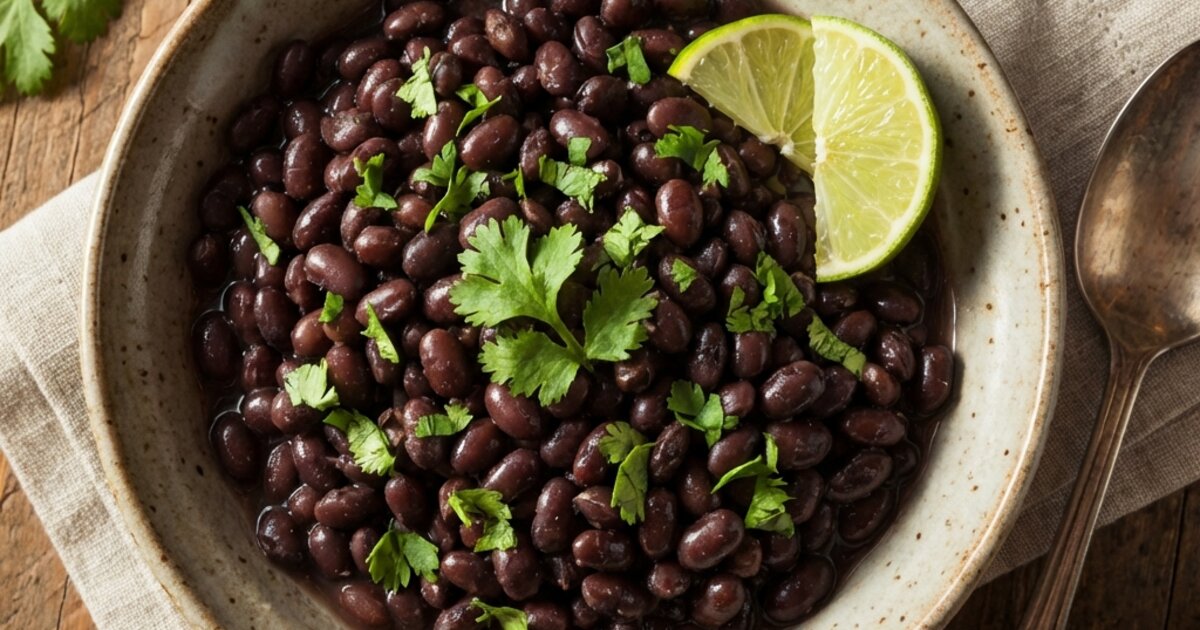
Black beans are a staple of Latin American cuisine and one of the most nutritious foods you can eat. High in protein, high in fiber, extremely affordable, and endlessly versatile—they check every box for smart eating.
For macro trackers, black beans offer an excellent plant-based protein source with the bonus of substantial fiber. Yes, they have carbohydrates, but these are complex carbs that digest slowly and provide sustained energy.
This guide covers black bean macros in detail, so you know exactly what you’re getting and how to use them strategically.
Black Beans Macros: Quick Reference
Here’s the complete nutritional breakdown for cooked black beans.
Per Cup (Cooked, 172g)
| Nutrient | Amount | % Daily Value |
|---|---|---|
| Calories | 227 | 11% |
| Protein | 15g | 30% |
| Total Carbs | 41g | 15% |
| Fiber | 15g | 54% |
| Net Carbs | 26g | - |
| Fat | 0.9g | 1% |
| Iron | 3.6mg | 20% |
| Folate | 256mcg | 64% |
| Magnesium | 120mg | 29% |
| Potassium | 611mg | 13% |
Per 100g (Cooked)
| Nutrient | Amount |
|---|---|
| Calories | 132 |
| Protein | 9g |
| Total Carbs | 24g |
| Fiber | 9g |
| Net Carbs | 15g |
| Fat | 0.5g |
Dry vs Cooked Comparison
| Measure | Dry Black Beans | Cooked Black Beans |
|---|---|---|
| 1 cup volume | ~185g | ~172g |
| Calories | 662 | 227 |
| Protein | 42g | 15g |
Note: 1 cup dry beans yields about 2.5-3 cups cooked.
Black Beans vs Other Beans
How do black beans compare to other common beans?
| Bean (1 cup cooked) | Calories | Protein | Carbs | Fiber | Fat |
|---|---|---|---|---|---|
| Black beans | 227 | 15g | 41g | 15g | 0.9g |
| Pinto beans | 245 | 15g | 45g | 15g | 1.1g |
| Kidney beans | 225 | 15g | 40g | 11g | 0.9g |
| Navy beans | 255 | 15g | 47g | 19g | 1.1g |
| Chickpeas | 269 | 15g | 45g | 12g | 4.2g |
| Lentils | 230 | 18g | 40g | 16g | 0.8g |
| Cannellini beans | 225 | 16g | 40g | 11g | 0.6g |
Black beans are middle-of-the-pack for most nutrients—solid protein, good fiber, moderate calories. They’re comparable to most beans with slight variations.
See also: Lentils Macros | Chickpeas Macros
Black Beans vs Other Protein Sources
How do black beans stack up against common proteins?
Protein Comparison (Per ~15g Protein)
| Food | Amount | Calories | Carbs | Fat |
|---|---|---|---|---|
| Black beans | 1 cup | 227 | 41g | 0.9g |
| Chicken breast | 2 oz | 94 | 0g | 2g |
| Eggs | 2.5 large | 195 | 1g | 13g |
| Greek yogurt | 3/4 cup | 100 | 5g | 0.5g |
| Tofu (firm) | 6 oz | 125 | 3g | 6g |
| Ground beef (90%) | 2 oz | 123 | 0g | 7g |
Key insight: Black beans require more calories and carbs than animal proteins for equivalent protein, but they’re very low in fat and provide significant fiber.
Cost Comparison (Per 15g Protein)
| Food | Approximate Cost |
|---|---|
| Black beans (dried) | $0.20 |
| Black beans (canned) | $0.40 |
| Chicken breast | $1.25 |
| Eggs | $0.60 |
| Ground beef | $1.50 |
Black beans are the most economical protein source by a significant margin.
Compare with Chicken Breast Macros for detailed animal protein comparison.
Understanding Black Bean Carbohydrates
The carb content scares some people away. Here’s the full picture.
Total Carbs vs Net Carbs
Per cup cooked:
- Total carbs: 41g
- Fiber: 15g
- Net carbs: 26g
That 15g of fiber provides bulk and keeps you full, but doesn’t contribute calories or raise blood sugar.
Glycemic Index
Black beans have a low glycemic index:
- GI value: ~30
Compare to:
- White rice: GI ~73
- White bread: GI ~75
- Potato: GI ~78
What this means: Black beans release sugar slowly into your bloodstream, providing sustained energy without crashes.
Resistant Starch
Black beans contain resistant starch—a type of carb that acts more like fiber:
- Feeds beneficial gut bacteria
- Reduces blood sugar response
- Improves insulin sensitivity
- May support weight loss
Cooling cooked black beans (like in a salad) increases resistant starch content.
Black Beans for Different Diet Goals
Black Beans for Weight Loss
Verdict: Excellent food for weight loss.
Why black beans work:
- High fiber (15g) increases satiety dramatically
- Protein (15g) prevents muscle loss during caloric deficit
- Low glycemic index provides stable energy
- Low fat keeps calories reasonable
- Very affordable, enabling budget-friendly meal prep
Sample weight-loss meal:
- 1/2 cup black beans: 114 cal, 7.5g protein, 7.5g fiber
- 1 cup mixed vegetables: 50 cal
- Salsa and spices: 10 cal
- Total: 174 calories, extremely filling
Use our Macro Calculator to see how black beans fit your goals.
Black Beans for Muscle Building
Verdict: Good plant-based option, works best alongside other proteins.
Considerations:
- Not a complete protein alone
- Need more volume for high protein intake
- Excellent as part of a varied diet
Muscle-building black bean bowl:
- 1 cup black beans: 227 cal, 15g protein
- 1 cup rice: 205 cal, 4g protein
- 4 oz chicken: 187 cal, 35g protein
- Vegetables: 50 cal
- Total: 669 cal, 54g protein
The combination provides complete protein and balanced macros.
Black Beans for Vegetarian/Vegan Diets
Verdict: Essential protein source for plant-based eating.
Role in plant-based nutrition:
- Primary protein source alongside other legumes
- Provides iron (20% DV per cup)
- Good folate source (64% DV per cup)
- Budget-friendly protein staple
Complete protein strategy: Combine black beans with grains at some point during the day:
- Rice and beans
- Beans in a corn tortilla
- Bean soup with bread
- Bean salad with quinoa
Black Beans on Keto
Verdict: Too high in carbs for strict keto.
The math:
- 1 cup black beans = 26g net carbs
- Strict keto daily limit = 20-25g net carbs
- One serving exceeds the entire day’s budget
If you want beans on low-carb:
- 1/4 cup serving = 6.5g net carbs
- May fit liberal low-carb (50-100g/day)
- Use sparingly as a flavor element, not main ingredient
Lower-carb alternatives:
- Black soybeans (1g net carbs per cup)
- Lupini beans (very low carb)
- Edamame (lower carb than black beans)
Black Beans for IIFYM/Flexible Dieting
Black beans fit flexible dieting perfectly—just track them accurately.
IIFYM considerations:
- Account for net carbs vs total carbs per your approach
- Great for hitting fiber targets (most people don’t get enough)
- Budget-friendly protein addition
Learn more in our Flexible Dieting Guide.
Canned vs Dried Black Beans
Nutritional Comparison (Per Cup Cooked)
| Type | Calories | Protein | Carbs | Sodium |
|---|---|---|---|---|
| Dried (cooked) | 227 | 15g | 41g | 2mg |
| Canned (drained) | 227 | 15g | 41g | 460mg |
| Canned (rinsed) | 227 | 15g | 41g | ~280mg |
The only significant difference is sodium. Canned beans have added salt for preservation.
Reducing Sodium in Canned Beans
Rinsing canned black beans for 1 minute under running water reduces sodium by approximately 40%.
Low-sodium options:
- Buy “no salt added” canned beans
- Rinse regular canned beans thoroughly
- Cook from dried (almost no sodium)
When to Choose Each
Choose dried beans when:
- Batch cooking for the week
- Sodium is a concern
- Budget is tight (dried is cheaper)
- You have time (requires soaking + cooking)
Choose canned beans when:
- Time is limited
- Making a quick meal
- Convenience matters most
- You don’t mind extra sodium
How to Cook Black Beans
Stovetop Method
Soaking (choose one):
- Overnight soak: Cover with water, soak 8+ hours
- Quick soak: Boil 2 minutes, let sit covered 1 hour
Cooking:
- Drain soaking water
- Cover beans with fresh water (2-3 inches above)
- Bring to boil
- Reduce heat, simmer partially covered
- Cook 1-1.5 hours until tender
- Add salt in last 15 minutes
Instant Pot Method
- 1 cup dried beans + 3 cups water
- Pressure cook: 25-30 minutes (unsoaked) or 8-10 minutes (soaked)
- Natural release 15-20 minutes
Batch Cooking for Meal Prep
Cook a large batch for the week:
- 2 cups dried = 5-6 cups cooked
- Refrigerate up to 5 days
- Freeze up to 6 months in portions
Black Bean Meal Ideas
Quick Black Bean Meals
Black bean tacos (2 tacos):
- 1/2 cup black beans: 114 cal
- 2 corn tortillas: 100 cal
- Salsa, cilantro, lime: 15 cal
- Optional: cheese (100 cal), avocado (60 cal)
- Basic: 229 cal | Loaded: 389 cal
Black bean soup:
- 1 cup black beans: 227 cal
- Chicken broth, spices: 15 cal
- Onion, garlic, peppers: 25 cal
- Total: ~270 cal, 15g protein
Black bean salad:
- 3/4 cup black beans: 170 cal
- Corn, tomatoes, peppers: 50 cal
- Cilantro-lime dressing: 60 cal
- Total: 280 cal, 12g protein
Black Bean Meal Prep Recipes
Burrito bowl base (4 servings):
- 2 cups cooked black beans
- 2 cups cooked rice
- Seasoned with cumin, garlic, lime
- Add fresh toppings throughout week
- Per serving: ~315 cal, 10g protein
Black bean soup (6 servings):
- 2 cans black beans
- 1 can diced tomatoes
- Onion, garlic, cumin, chili powder
- Per serving: ~180 cal, 10g protein
Black bean burger patties (4 patties):
- 1 can black beans, mashed
- 1/4 cup breadcrumbs
- Egg, spices
- Per patty: ~140 cal, 8g protein
See more ideas in our Macro-Friendly Meals guide.
Black Beans: Common Questions
Do Black Beans Cause Gas?
Yes, initially. The oligosaccharides (complex sugars) in beans ferment in your gut.
To reduce gas:
- Start with small portions (1/4 cup)
- Gradually increase over 2-3 weeks
- Rinse canned beans thoroughly
- Soak dried beans and discard soaking water
- Add digestive spices (cumin, epazote, ginger)
Your gut bacteria adapt with regular consumption.
Are Black Beans a Complete Protein?
No. They’re low in methionine (an essential amino acid).
Solution: Eat grains (rice, corn, bread, quinoa) at any point during the day. You don’t need to combine them in the same meal—your body pools amino acids throughout the day.
Classic complete protein combinations:
- Rice and beans (Latin American)
- Beans with cornbread (Southern US)
- Hummus with pita (Middle Eastern)
Can I Eat Black Beans Every Day?
Yes, for most people. Black beans are a healthy food with no evidence suggesting daily consumption is problematic.
Benefits of regular consumption:
- Consistent fiber intake
- Stable blood sugar
- Heart health benefits
- Cost-effective protein
Considerations:
- Some people need to manage fiber intake
- Those with kidney issues should monitor potassium
- Variety is generally good for nutrition
How Long Do Cooked Black Beans Last?
- Refrigerator: 3-5 days in airtight container
- Freezer: 3-6 months
Freezing tip: Freeze in 1-2 cup portions for easy meal prep.
The Bottom Line on Black Beans Macros
The facts:
- 1 cup cooked: 227 calories, 15g protein, 15g fiber
- Net carbs: 26g per cup (after subtracting fiber)
- Very low fat (under 1g)
- Low glycemic index—stable blood sugar
- Most affordable protein source available
Best uses:
- Plant-based protein in vegetarian/vegan diets
- Weight loss (high satiety for moderate calories)
- Budget meal planning
- Adding fiber to your diet (most people need more)
- Latin American and Southern cooking
Limitations:
- Not suitable for strict keto
- Not a complete protein alone
- Requires prep time if using dried
- Can cause digestive adjustment initially
Bottom line: Black beans are one of the most nutritious and cost-effective foods available. High in protein, high in fiber, low in fat, extremely affordable. If budget and nutrition efficiency matter to you, black beans should be a regular part of your diet.
For understanding how black beans fit your overall nutrition picture, read What Are Macronutrients.
Related Articles

Dragonfruit Macros: Complete Nutrition Guide for Pitaya
Complete macro breakdown of dragonfruit (pitaya). Learn the calories, protein, carbs, and...
Read guide →
Bulgur Macros: Complete Nutritional Guide & Health Benefits
Discover bulgur's complete macro breakdown, nutritional benefits, and how to incorporate...
Read guide →
Radish Macros: Nutrition Facts and Health Benefits
Complete guide to radish macros and nutrition. Learn calories, protein, carbs, and health...
Read guide →Note: Nutrition values are approximate and may vary based on preparation method and source.