Black Tea Macros: Nutrition Facts & Health Benefits
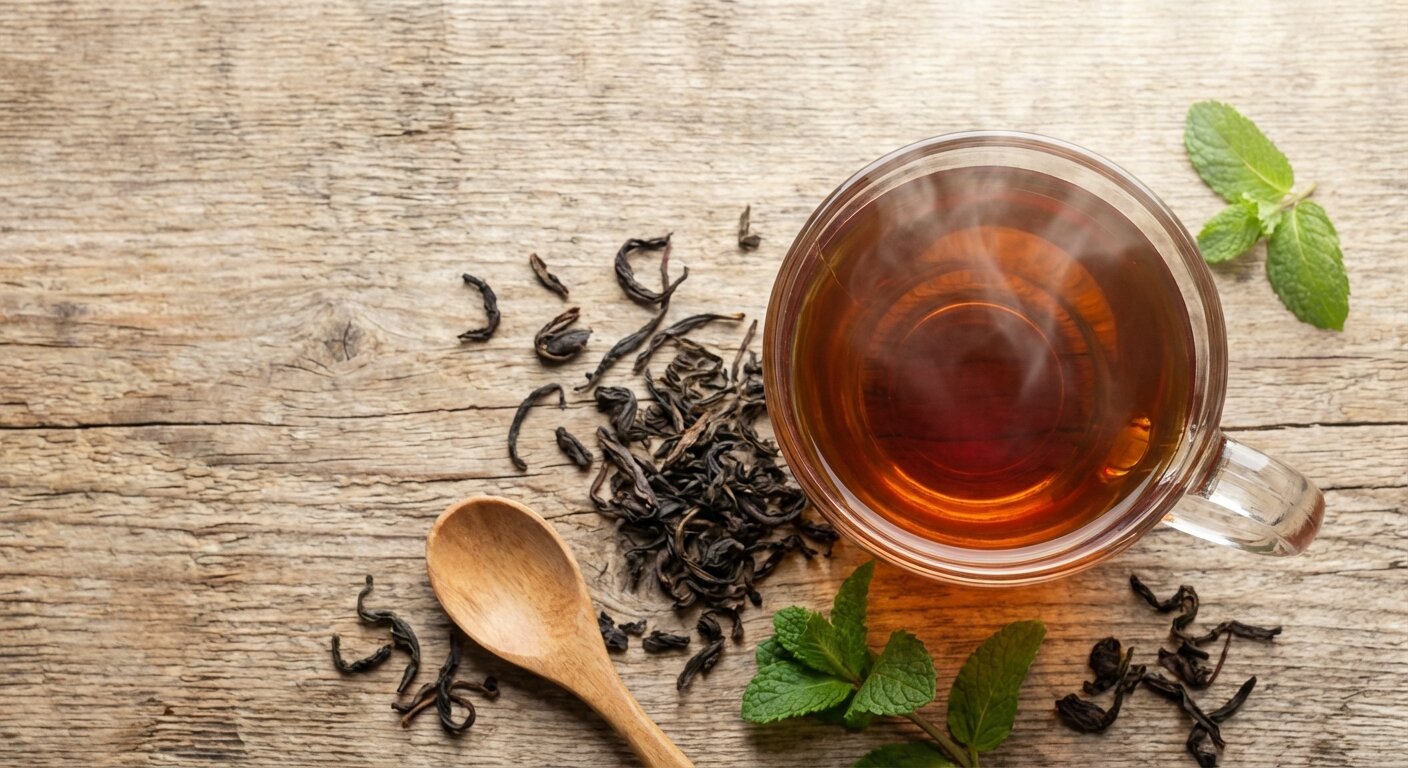
Black tea is the world’s most popular tea, accounting for over 75% of global tea consumption. Whether you’re sipping Earl Grey, English Breakfast, or Assam, you’re drinking a beverage that’s essentially macro-free while delivering powerful health benefits.
In this guide, you’ll learn the exact macros in black tea, how different preparations affect the nutrition profile, and why this ancient beverage might be your perfect diet companion.
Want to track your overall macro intake accurately? Use our macro calculator to set personalized targets based on your goals.
Black Tea Macros: The Complete Breakdown
Plain Black Tea (8 oz / 240ml)
| Nutrient | Amount |
|---|---|
| Calories | 2 kcal |
| Protein | 0g |
| Fat | 0g |
| Carbohydrates | 0.7g |
| Fiber | 0g |
| Sugar | 0g |
| Caffeine | 40-70mg |
Key takeaway: Plain black tea is nutritionally negligible for macro tracking purposes. It won’t impact your protein, fat, or carb targets.
Black Tea with Common Additions
Here’s how popular additions change the macro profile:
Black Tea with 2 tbsp Whole Milk:
- Calories: 20 kcal
- Protein: 1g
- Fat: 1g
- Carbs: 2g
Black Tea with 1 tsp Sugar:
- Calories: 18 kcal
- Protein: 0g
- Fat: 0g
- Carbs: 4g
Black Tea with 1 tbsp Heavy Cream:
- Calories: 52 kcal
- Protein: 0.4g
- Fat: 5.5g
- Carbs: 0.4g
Black Tea with 1 tsp Honey:
- Calories: 21 kcal
- Protein: 0g
- Fat: 0g
- Carbs: 6g
Milk Tea (Chai with Milk and Sugar):
- Calories: 120-150 kcal
- Protein: 4-6g
- Fat: 3-5g
- Carbs: 15-20g
What Makes Black Tea Different from Other Teas?
All true teas—black, green, white, oolong—come from the same plant (Camellia sinensis). The difference is processing:
Black Tea Processing
- Withering: Fresh leaves are spread out to reduce moisture
- Rolling: Leaves are rolled to break cell walls and release enzymes
- Oxidation: Leaves are exposed to oxygen for 2-4 hours (turns them black)
- Drying: Heat stops oxidation and preserves the tea
This full oxidation gives black tea its:
- Dark color
- Stronger, bolder flavor
- Higher caffeine content (compared to green/white tea)
- Different antioxidant profile (theaflavins instead of catechins)
Macro Comparison: Black Tea vs Other Teas (per 8 oz)
| Tea Type | Calories | Protein | Fat | Carbs |
|---|---|---|---|---|
| Black Tea | 2 | 0g | 0g | 0.7g |
| Green Tea | 2 | 0g | 0g | 0.5g |
| White Tea | 1 | 0g | 0g | 0.3g |
| Oolong Tea | 2 | 0g | 0g | 0.5g |
| Herbal Tea | 0-2 | 0g | 0g | 0-0.5g |
Bottom line: All teas are macro-identical when consumed plain. Choose based on flavor preference and desired caffeine level.
Black Tea and Weight Loss: What the Research Shows
While black tea won’t directly burn fat, research suggests several metabolic benefits:
1. Caffeine-Driven Thermogenesis
The 40-70mg of caffeine per cup can:
- Increase metabolic rate by 3-11% for 1-3 hours after consumption
- Enhance fat oxidation during exercise
- Improve mental alertness and focus (supporting consistent training)
Study: A 2014 meta-analysis in Critical Reviews in Food Science and Nutrition found that caffeine consumption increased energy expenditure by an average of 100 calories per day.
2. Polyphenol Benefits
Black tea contains theaflavins and thearubigins—antioxidants formed during oxidation. These compounds may:
- Reduce fat absorption in the gut
- Improve insulin sensitivity
- Support healthy gut bacteria
Study: Research in the European Journal of Nutrition (2017) showed that black tea polyphenols altered gut bacteria composition in ways associated with reduced obesity risk.
3. Zero-Calorie Beverage Substitution
The most direct weight loss benefit: replacing high-calorie drinks with black tea.
Example calorie savings:
- Swap 16 oz soda (150 cal) for black tea (4 cal) = save 146 calories
- Over 30 days = save 4,380 calories = 1.25 pounds of fat loss
Reality Check
Black tea is not a magic bullet. It won’t counteract a calorie surplus. But as part of a structured nutrition plan, it’s a valuable tool for:
- Hydration without calories
- Sustained energy without sugar crashes
- Antioxidant support during fat loss phases
Want to create a structured plan? Our macro calculator helps you set precise targets for your goals.
Black Tea for Specific Diets
Keto Diet
Verdict: ✅ Perfect
- Zero net carbs in plain black tea
- Won’t kick you out of ketosis
- Caffeine may enhance ketone production
Tip: Add heavy cream or MCT oil for a keto-friendly “bulletproof tea.”
Intermittent Fasting
Verdict: ✅ Fasting-Friendly
- Less than 1 calorie per cup won’t break a fast
- Caffeine may suppress appetite during fasting windows
- Avoid milk, sugar, or any caloric additions
Low-Calorie Diet
Verdict: ✅ Excellent
- Adds flavor and warmth without adding calories
- Helps meet daily fluid needs
- Can replace higher-calorie beverages
High-Protein Diet
Verdict: ✅ Neutral
- Won’t contribute to protein targets
- Won’t interfere with protein absorption
- Pairs well with protein-rich meals
Vegan Diet
Verdict: ✅ Naturally Vegan
- Plant-based and cruelty-free
- Provides trace minerals (manganese, potassium)
- Use non-dairy milk if adding milk
Best Types of Black Tea (and Their Macros)
All plain black teas have identical macros, but flavor profiles vary significantly:
1. Assam
- Origin: India (Assam region)
- Flavor: Malty, bold, robust
- Caffeine: High (60-90mg per cup)
- Best for: Morning energy boost, milk tea
- Macros: Same as standard black tea
2. Ceylon
- Origin: Sri Lanka
- Flavor: Bright, citrusy, medium body
- Caffeine: Moderate (50-70mg per cup)
- Best for: Afternoon tea, iced tea
- Macros: Same as standard black tea
3. Darjeeling
- Origin: India (Darjeeling region)
- Flavor: Floral, muscatel notes, light
- Caffeine: Lower (40-60mg per cup)
- Best for: Evening tea, pairing with light meals
- Macros: Same as standard black tea
4. Earl Grey
- Base: Black tea (usually Ceylon or Assam)
- Flavoring: Bergamot orange oil
- Caffeine: Moderate (50-70mg per cup)
- Best for: Afternoon tea, sophisticated flavor
- Macros: Same as standard black tea (bergamot adds no calories)
5. English Breakfast
- Blend: Assam, Ceylon, Kenyan black teas
- Flavor: Full-bodied, malty, strong
- Caffeine: High (60-90mg per cup)
- Best for: Morning wake-up, milk tea
- Macros: Same as standard black tea
Key insight: Choose your black tea based on desired strength and flavor, not macros—they’re all identical nutritionally.
Health Benefits of Black Tea Beyond Macros
1. Cardiovascular Health
Multiple studies link regular black tea consumption to reduced heart disease risk:
- Meta-analysis (2014): Drinking 3+ cups of black tea daily reduced heart disease risk by 11%
- Mechanism: Theaflavins may improve cholesterol profiles and reduce blood pressure
2. Antioxidant Protection
Black tea is rich in polyphenols that combat oxidative stress:
- Theaflavins: Formed during oxidation, shown to protect cells from free radical damage
- Thearubigins: May reduce inflammation and support immune function
3. Gut Health
Emerging research suggests black tea polyphenols act as prebiotics:
- 2017 UCLA study: Black tea altered gut bacteria in ways associated with weight loss
- Mechanism: Polyphenols too large to absorb in small intestine reach colon, where they feed beneficial bacteria
4. Mental Alertness
The combination of caffeine and L-theanine creates:
- Sustained focus: Caffeine provides energy
- Calm awareness: L-theanine reduces caffeine jitters
- Improved cognitive performance: Studies show enhanced attention and accuracy on mental tasks
5. Blood Sugar Regulation
Some research suggests black tea may improve insulin sensitivity:
- 2014 study: Black tea extract improved glucose tolerance in healthy adults
- Potential mechanism: Polyphenols may slow carbohydrate absorption
Important: These benefits come from plain black tea. Adding sugar negates blood sugar benefits.
Common Mistakes When Tracking Black Tea Macros
❌ Mistake #1: Not Logging Additions
The error: Drinking “black tea” but adding milk and sugar without logging it
Why it matters: A seemingly innocent tea habit can add 100-200 hidden calories daily
- 3 cups with milk and sugar = 150-180 calories
- Over a month = 4,500-5,400 calories (1.3-1.5 lbs of potential fat gain)
Solution: Log everything you add. Plain tea is free; additions are not.
❌ Mistake #2: Assuming All “Tea Drinks” Are the Same
The error: Ordering a “black tea latte” thinking it’s low-calorie like plain tea
Reality check:
- Plain black tea: 2 calories
- Starbucks Chai Tea Latte (Grande): 240 calories, 42g carbs
- Boba milk tea: 300-500 calories, 60-80g carbs
Solution: Ask for ingredients and log accurately. Most coffee shop tea drinks are more like desserts than tea.
❌ Mistake #3: Over-relying on Black Tea for Weight Loss
The error: Drinking 10 cups of black tea daily expecting significant fat loss
Reality: Black tea supports weight loss as part of a comprehensive strategy, but it can’t overcome a calorie surplus
Solution: Use black tea as a tool within a structured nutrition plan, not as a standalone solution.
❌ Mistake #4: Ignoring Caffeine Tolerance
The error: Drinking black tea late in the day and wondering why sleep quality suffers
Reality: Black tea has 40-70mg caffeine per cup. For caffeine-sensitive individuals, this can disrupt sleep if consumed after 2-3 PM.
Solution: Switch to decaf black tea or herbal tea in the afternoon/evening.
How to Brew Perfect Black Tea (for Best Flavor and Benefits)
Basic Brewing Parameters
| Factor | Recommendation |
|---|---|
| Water Temperature | 200-212°F (93-100°C) |
| Steep Time | 3-5 minutes |
| Tea Amount | 1 tsp per 8 oz water |
| Water Quality | Filtered preferred |
Step-by-Step Method
- Boil water to 200-212°F (just below or at boiling)
- Warm your teapot/cup by swirling hot water, then discard
- Add 1 tsp loose leaf tea (or 1 tea bag) per 8 oz water
- Pour water over tea and start timer
- Steep 3-5 minutes:
- 3 minutes = lighter flavor, less caffeine
- 5 minutes = stronger flavor, more caffeine, possible bitterness
- Remove tea leaves/bag to prevent over-steeping
- Enjoy plain or add measured additions
Pro Tips for Best Results
Avoid over-steeping: Steeping longer than 5 minutes extracts excessive tannins, creating bitterness without additional benefits.
Use quality water: Chlorine and minerals in tap water can affect flavor. Filtered water produces cleaner taste.
Store properly: Keep tea in an airtight container away from light, heat, and moisture. Stale tea loses antioxidant potency.
Experiment with temperature: Lower temperatures (190-200°F) produce smoother, less astringent tea. Higher temperatures extract more compounds but risk bitterness.
Black Tea vs Coffee: Which Is Better for Your Macros?
Macro Comparison (8 oz, plain)
| Beverage | Calories | Protein | Fat | Carbs | Caffeine |
|---|---|---|---|---|---|
| Black Tea | 2 | 0g | 0g | 0.7g | 40-70mg |
| Black Coffee | 2 | 0.3g | 0g | 0g | 95-165mg |
Key Differences
Caffeine Content:
- Coffee has 2-4x more caffeine than black tea
- Choose coffee for maximum energy boost
- Choose black tea for moderate, sustained energy
Antioxidants:
- Coffee: High in chlorogenic acids
- Black tea: High in theaflavins and thearubigins
- Both are excellent sources, but compounds differ
Acidity:
- Coffee is more acidic (pH 4.85-5.10)
- Black tea is less acidic (pH 4.9-5.5)
- Choose tea if coffee causes stomach discomfort
Sleep Impact:
- Coffee consumed after noon can disrupt sleep for sensitive individuals
- Black tea’s lower caffeine may be better for afternoon consumption
Macro impact: Both are essentially identical—choose based on personal preference, not macros.
Want to understand how beverages fit into your overall macro plan? Use our macro calculator to set targets and track accurately.
Sample Macro-Friendly Black Tea Drinks
1. Classic Black Tea (0 macros)
- 8 oz hot water
- 1 tsp loose black tea or 1 tea bag
- Steep 3-5 minutes
- Total: 2 calories, 0g P/F/C
2. Protein-Boosted Iced Tea
- 16 oz cold black tea
- 1 scoop vanilla protein powder
- Ice, lemon wedge
- Total: ~120 calories, 25g protein, 1g fat, 2g carbs
3. Keto “Bulletproof” Tea
- 8 oz hot black tea
- 1 tbsp grass-fed butter or ghee
- 1 tsp MCT oil
- Blend until frothy
- Total: 135 calories, 0g protein, 15g fat, 1g carbs
4. Low-Calorie Chai
- 8 oz black tea
- 2 tbsp unsweetened almond milk
- Cinnamon, ginger, cardamom to taste
- Stevia (optional)
- Total: 5 calories, 0.2g protein, 0.3g fat, 0.5g carbs
5. Post-Workout Iced Tea
- 16 oz cold black tea
- 1 scoop unflavored EAAs
- Juice of 1/2 lemon
- Ice
- Total: ~20 calories, 5g protein, 0g fat, 2g carbs
Frequently Asked Questions
Does black tea have more caffeine than green tea?
Yes, black tea typically contains 40-70mg of caffeine per 8 oz cup, while green tea has 20-45mg. The difference comes from processing—black tea’s full oxidation concentrates caffeine slightly. However, both are significantly lower than coffee (95-165mg per cup). If you’re sensitive to caffeine, green tea or white tea may be better choices for afternoon consumption.
Can I drink black tea every day?
Yes, drinking 3-5 cups of black tea daily is safe for most people and associated with health benefits. However, consider these factors: Caffeine tolerance (up to 400mg daily is considered safe for adults), Iron absorption (tea tannins can inhibit iron absorption—drink tea between meals if you have iron deficiency), Sleep quality (avoid tea 4-6 hours before bed if caffeine-sensitive), and Dental staining (black tea can stain teeth over time—rinse with water after drinking).
Will black tea stain my teeth?
Black tea contains tannins that can cause dental staining over time, similar to coffee and red wine. The staining is superficial and doesn’t damage tooth enamel. To minimize staining: Drink through a straw (especially iced tea), Rinse mouth with water after drinking tea, Practice good dental hygiene (brush twice daily, floss), Consider whitening (professional or at-home treatments reverse staining), and Add milk (reduces tannin contact with teeth). Green and white teas cause less staining if this is a major concern.
Is decaf black tea still healthy?
Yes, decaf black tea retains most antioxidants and health benefits. The decaffeination process removes 95-99% of caffeine but doesn’t significantly impact polyphenol content. Decaf black tea is ideal for: Caffeine-sensitive individuals, Pregnant/nursing women (limiting caffeine intake), Evening consumption (won’t disrupt sleep), and People with anxiety (avoiding caffeine-induced jitters). However, decaf has slightly lower antioxidant levels—if maximizing health benefits is your goal, regular black tea is superior.
Does black tea help with hydration?
Yes, black tea counts toward daily fluid intake despite containing caffeine. While caffeine is a mild diuretic, the fluid in the tea more than compensates for any diuretic effect. Research shows that moderate tea consumption (up to 6 cups daily) hydrates as effectively as water. Black tea is an excellent option for those who struggle to drink plain water, as it adds flavor without significant calories. Just avoid adding sugar or high-calorie additions if you’re tracking macros.
Can I add lemon to black tea without affecting macros?
Yes, lemon is an excellent macro-friendly addition. A squeeze of fresh lemon (1 wedge) adds: 4 calories, 0g protein, 0g fat, 1g carbohydrates. This is nutritionally insignificant. Lemon also: Enhances flavor without sugar, Adds vitamin C, May improve iron absorption (vitamin C counteracts tea tannins), and Reduces bitterness (citric acid balances tannins). Lemon is one of the best additions for flavor without macro impact.
Is black tea safe during pregnancy?
Black tea is generally safe during pregnancy in moderation, but monitor caffeine intake. The American College of Obstetricians and Gynecologists recommends limiting caffeine to 200mg daily during pregnancy. Since black tea has 40-70mg per cup, you can safely drink 2-3 cups daily. However, consider these factors: Talk to your healthcare provider (individual recommendations vary), Avoid late-day consumption (caffeine can affect sleep quality), Choose decaf if concerned (almost zero caffeine), and Focus on hydration (water should be primary fluid source). Tea tannins may also reduce iron absorption—important during pregnancy when iron needs increase.
Does the quality of black tea affect macros?
No, black tea macros remain consistent regardless of quality (loose leaf vs tea bags, premium vs budget). All plain black teas contain ~2 calories and 0.7g carbs per cup. Quality differences affect: Flavor complexity (premium teas have nuanced flavors), Antioxidant content (fresh, high-quality teas may retain more polyphenols), Pesticide exposure (organic/premium teas typically have less), and Enjoyment (better quality = more likely to drink plain without sugar). For macro tracking, quality doesn’t matter. For health benefits and enjoyment, higher quality is worth it.
Conclusion: Should You Track Black Tea Macros?
Short answer: Plain black tea is nutritionally negligible and doesn’t need to be tracked for macro purposes.
Key takeaways:
- Plain black tea has virtually no macros (2 calories, 0g P/F/C)
- Additions change everything (milk, sugar, honey all count)
- Black tea supports weight loss through hydration, caffeine, and calorie-free enjoyment
- Health benefits extend beyond macros (antioxidants, heart health, mental focus)
- All black teas are macro-identical (choose based on taste, not nutrition)
Action steps:
- Drink plain black tea freely on any diet without logging
- Log all additions accurately (milk, sugar, sweeteners)
- Replace high-calorie beverages with black tea for easy calorie reduction
- Experiment with quality teas to enjoy flavor without needing sugar
- Time caffeine intake wisely (avoid late afternoon if sleep-sensitive)
Ready to integrate black tea into a complete macro plan? Use our macro calculator to set personalized protein, fat, and carb targets based on your goals.
Related guides:
- Green Tea Macros - Compare nutrition profiles
- Coffee Macros - Another zero-macro beverage option
- Macros for Weight Loss - Complete fat loss strategy
Black tea is one of the simplest, healthiest beverages you can add to your nutrition plan. Enjoy it daily, keep it plain, and focus your macro tracking on foods that actually matter.
Related Articles
Dragonfruit Macros: Complete Nutrition Guide for Pitaya
Complete macro breakdown of dragonfruit (pitaya). Learn the calories, protein, carbs, and...
Read guide →
Bulgur Macros: Complete Nutritional Guide & Health Benefits
Discover bulgur's complete macro breakdown, nutritional benefits, and how to incorporate...
Read guide →
Radish Macros: Nutrition Facts and Health Benefits
Complete guide to radish macros and nutrition. Learn calories, protein, carbs, and health...
Read guide →Note: Nutrition values are approximate and may vary based on preparation method and source.