Brazil Nuts Macros: Nutrition Facts, Health Benefits & Macro Breakdown
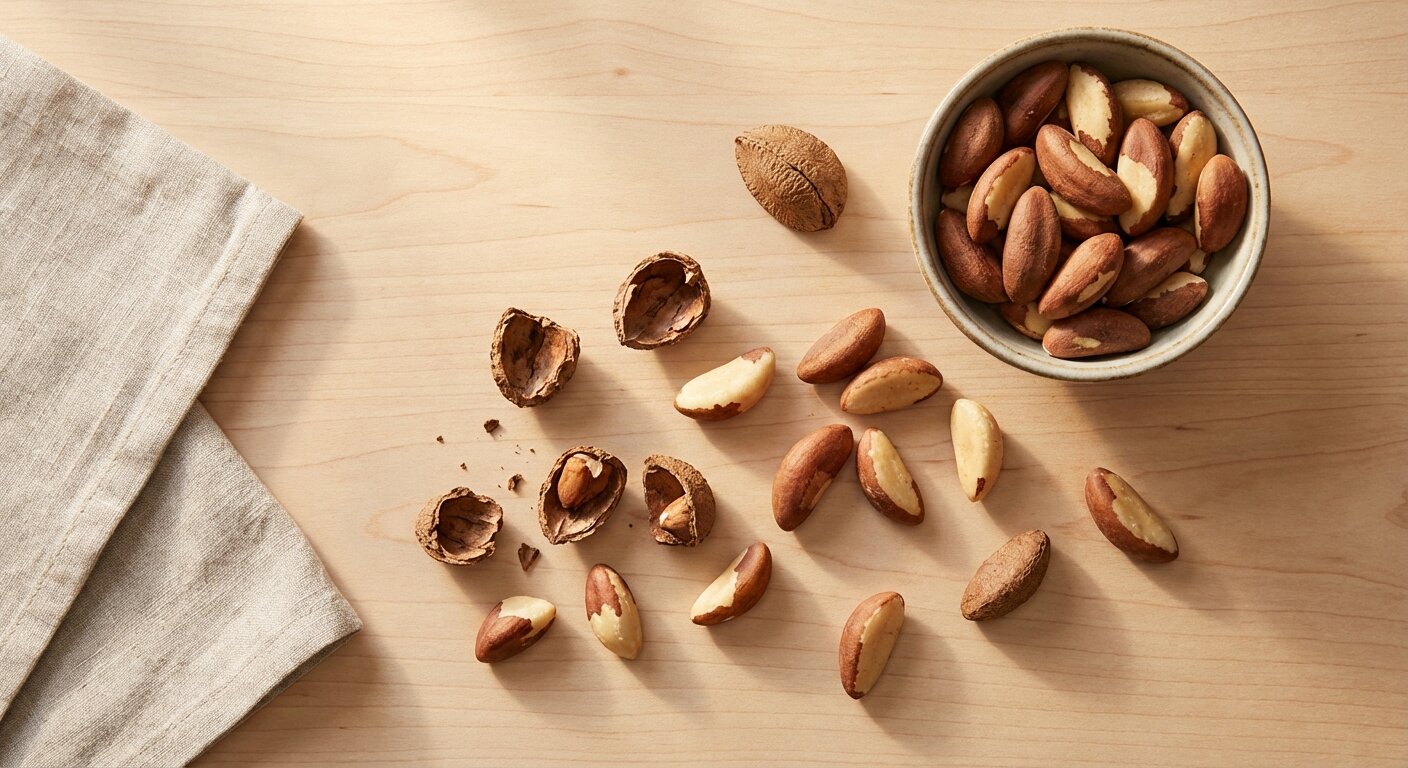
Brazil nuts are nutritional powerhouses unlike any other food on Earth—primarily because they contain astronomical amounts of selenium, a trace mineral critical for thyroid function, immune health, and antioxidant defense. But their unique macro profile, exceptional fat content, and calorie density make them a double-edged sword for anyone tracking macros.
Whether you’re counting macros for fat loss, muscle building, or general health, understanding brazil nuts’ precise nutritional breakdown is essential. A single nut can meet your entire daily selenium requirement, but eating too many can quickly sabotage calorie targets and even lead to selenium toxicity. This comprehensive guide breaks down brazil nuts macros, explores their impressive health benefits, and provides practical strategies for incorporating them into your nutrition plan without overdoing it.
Ready to dial in your overall macro targets? Use our macro calculator to determine your personalized protein, carb, and fat goals based on your specific objectives.
Related: Learn more about what macros are and how they impact your diet.
Brazil Nuts Macros: Complete Nutritional Breakdown
Brazil nuts deliver one of the most calorie-dense and fat-rich macro profiles in the entire nut family. Here’s the complete breakdown per standard serving sizes:
Per 100g (3.5 oz / approximately 15-18 nuts)
- Calories: 656 kcal
- Protein: 14.3g
- Total Fat: 66.4g
- Saturated fat: 15.1g
- Monounsaturated fat: 24.5g
- Polyunsaturated fat: 20.6g
- Omega-6: 20.6g
- Omega-3: 0g (trace amounts)
- Total Carbohydrates: 11.7g
- Dietary fiber: 7.5g
- Net carbs: 4.2g
- Sugars: 2.3g
Per 28g Serving (1 oz / approximately 6 nuts)
- Calories: 184 kcal
- Protein: 4g
- Total Fat: 18.6g
- Saturated fat: 4.2g
- Monounsaturated fat: 6.9g
- Polyunsaturated fat: 5.8g
- Total Carbohydrates: 3.3g
- Dietary fiber: 2.1g
- Net carbs: 1.2g
Per Single Brazil Nut (approximately 5g)
- Calories: 33 kcal
- Protein: 0.7g
- Total Fat: 3.3g
- Carbohydrates: 0.6g
- Fiber: 0.4g
The macro profile immediately reveals why brazil nuts require careful portion control: they’re approximately 85% fat by calorie, making them one of the most calorie-dense whole foods available. For context, eating just 6 brazil nuts delivers nearly 200 calories—equivalent to eating an entire medium apple, a large banana, or 200g of chicken breast.
Understanding Brazil Nuts’ Fat Content
The dominant macronutrient in brazil nuts is fat, accounting for roughly 66g per 100g—higher than nearly every other commonly consumed nut except macadamia nuts. But it’s not just the quantity of fat that matters; the composition and quality significantly impact their nutritional value:
Fat Composition Breakdown
Monounsaturated fats (37% of total fat): Brazil nuts provide approximately 24.5g of monounsaturated fat per 100g, primarily oleic acid—the same heart-healthy fat abundant in olive oil. Monounsaturated fats support cardiovascular health, help regulate LDL cholesterol, and reduce inflammation.
Polyunsaturated fats (31% of total fat): With roughly 20.6g of polyunsaturated fat per 100g, brazil nuts provide essential fatty acids your body cannot produce. However, nearly all of this comes from omega-6 fatty acids (primarily linoleic acid), with virtually no omega-3 content.
Saturated fats (23% of total fat): Brazil nuts contain approximately 15g of saturated fat per 100g. While saturated fat has been controversial, current research suggests the impact depends on the overall dietary context and the specific saturated fatty acids present.
The Omega-6 Consideration
Brazil nuts’ fat profile is overwhelmingly omega-6 dominant, with a ratio of roughly 1000:1 omega-6 to omega-3. While omega-6 fatty acids are essential, Western diets typically already contain excessive omega-6 relative to omega-3. If you’re consuming brazil nuts regularly, balance them with omega-3-rich foods like fatty fish (salmon, sardines), walnuts, flaxseeds, or chia seeds to maintain a healthy overall ratio.
Fat and Satiety
The exceptional fat content in brazil nuts provides remarkable satiety per nut. One or two brazil nuts can significantly reduce appetite and cravings, making them valuable for managing hunger between meals—as long as you don’t mindlessly overeat them.
Protein Content: Moderate But Complete
Brazil nuts provide 14g of protein per 100g, positioning them in the middle range among nuts. While not as protein-rich as almonds (21g per 100g) or peanuts (26g per 100g), they still deliver complete protein containing all nine essential amino acids.
Amino acid profile: Brazil nuts provide adequate amounts of all essential amino acids, though they’re particularly high in methionine and cysteine—sulfur-containing amino acids important for detoxification, antioxidant production (glutathione), and hair/skin/nail health.
Protein bioavailability: The digestibility of brazil nut protein is approximately 81%, meaning your body can utilize about 81% of the protein you consume. This is slightly lower than animal protein sources but comparable to most plant proteins.
Practical protein contribution: Realistically, given the recommended serving size of 1-2 nuts daily for selenium management, brazil nuts contribute only 0.7-1.4g of protein to your daily intake. They’re not a primary protein source but can add incremental protein to meals and snacks.
For those tracking protein macros seriously (athletes, bodybuilders, or anyone aiming for 0.8-1.2g per pound of body weight), brazil nuts serve as a complementary rather than cornerstone protein source.
Carbohydrate and Fiber Content
Brazil nuts are exceptionally low in carbohydrates, making them compatible with virtually all dietary approaches, including ketogenic, low-carb, and paleo diets.
Total carbohydrates: Just 11.7g per 100g, with only 3.3g in a standard 28g serving.
Dietary fiber: Brazil nuts provide 7.5g of fiber per 100g (2.1g per 28g serving), supporting digestive health, blood sugar regulation, and satiety. This fiber reduces the net carb count significantly.
Net carbs: After subtracting fiber, brazil nuts contain only 4.2g net carbs per 100g, or approximately 1.2g per standard serving—negligible for even the strictest low-carb protocols.
Sugar content: Brazil nuts contain minimal natural sugars (2.3g per 100g), with no added sugars in raw or dry-roasted varieties. Always check labels on flavored or honey-roasted versions, which can add significant sugar and calories.
The combination of high fiber and low net carbs makes brazil nuts ideal for stabilizing blood sugar and maintaining steady energy without insulin spikes.
The Selenium Phenomenon: Why Brazil Nuts Are Unique
No discussion of brazil nuts is complete without addressing their extraordinary selenium content—the defining characteristic that separates them from every other food on the planet.
Selenium content: Brazil nuts contain approximately 1,917mcg of selenium per 100g, with a single nut providing 68-91mcg. To put this in perspective:
- Recommended daily allowance (RDA): 55mcg for adults
- Upper tolerable limit: 400mcg daily
- One brazil nut: 68-91mcg (124-165% of RDA)
- Six brazil nuts (28g serving): 544mcg (136% of upper limit)
Why Selenium Matters
Selenium is a trace mineral with profound impacts on multiple body systems:
Thyroid function: Selenium is essential for converting the thyroid hormone T4 into its active form T3. Adequate selenium supports metabolic rate, energy levels, and body temperature regulation.
Antioxidant defense: Selenium is a cofactor for glutathione peroxidase, one of your body’s most powerful antioxidant enzymes. This protects cells from oxidative damage linked to aging, chronic disease, and cancer.
Immune function: Selenium enhances immune response, supports antibody production, and helps regulate inflammation. Deficiency impairs immune function and increases infection susceptibility.
Reproductive health: Selenium supports sperm motility and quality in men, and plays roles in fertility and healthy pregnancy outcomes in women.
Cognitive function: Adequate selenium levels are associated with better cognitive performance and may reduce risk of cognitive decline with aging.
The Selenium Variability Factor
Critically, selenium content in brazil nuts varies dramatically based on the soil where the trees grew. Brazil nuts from selenium-rich regions of Brazil can contain up to 512mcg per nut, while those from selenium-poor regions may have only 12mcg per nut. Most commercially available brazil nuts average 68-91mcg per nut, but you cannot reliably know the exact content.
This variability is why experts recommend consuming 1-2 brazil nuts daily rather than large servings—it provides a safety buffer against potential selenium toxicity while ensuring adequate intake.
Micronutrients Beyond Selenium
While selenium steals the spotlight, brazil nuts deliver impressive amounts of other essential micronutrients:
Magnesium
Brazil nuts provide 376mg of magnesium per 100g (approximately 106mg per 28g serving)—roughly 25% of the RDA. Magnesium supports muscle and nerve function, blood pressure regulation, protein synthesis, and energy production. Many people are marginally deficient in magnesium, making brazil nuts a valuable source.
Phosphorus
With 725mg per 100g (200mg per 28g serving), brazil nuts deliver about 28% of daily phosphorus needs. Phosphorus is essential for bone health, energy metabolism (ATP production), and cellular function.
Copper
Brazil nuts contain 1.7mg of copper per 100g (0.5mg per 28g serving), providing approximately 56% of the RDA. Copper supports iron metabolism, collagen formation, energy production, and nervous system function.
Zinc
Providing 4mg per 100g (1.1mg per 28g serving), brazil nuts contribute about 10% of daily zinc needs. Zinc supports immune function, protein synthesis, wound healing, and DNA synthesis.
Vitamin E
Brazil nuts contain 5.7mg of vitamin E per 100g (1.6mg per 28g serving), delivering about 11% of the RDA. Vitamin E acts as a fat-soluble antioxidant protecting cell membranes from oxidative damage.
Thiamin (Vitamin B1)
With 0.6mg per 100g, brazil nuts provide roughly 50% of daily thiamin needs. Thiamin is crucial for carbohydrate metabolism, nerve function, and energy production.
Health Benefits of Brazil Nuts
The unique nutritional profile of brazil nuts translates into several evidence-based health benefits when consumed appropriately:
Thyroid Support and Metabolic Health
Multiple studies demonstrate that adequate selenium intake supports optimal thyroid function, particularly in people with autoimmune thyroid conditions like Hashimoto’s thyroiditis. The selenium in brazil nuts helps:
- Convert inactive T4 to active T3 thyroid hormone
- Protect thyroid tissue from oxidative damage during hormone production
- Reduce thyroid antibodies in autoimmune thyroid disease
- Support metabolic rate and energy expenditure
A 2019 study published in the European Journal of Nutrition found that consuming just two brazil nuts daily significantly increased selenium status and improved thyroid function markers in overweight women.
Cardiovascular Protection
Despite their high fat content, brazil nuts may support heart health through several mechanisms:
- Cholesterol regulation: Studies show that single servings of brazil nuts can rapidly improve LDL oxidation status and HDL function
- Inflammation reduction: The selenium and antioxidants in brazil nuts help reduce inflammatory markers associated with cardiovascular disease
- Blood vessel function: Research demonstrates improvements in endothelial function (blood vessel flexibility) within hours of consuming brazil nuts
A notable 2013 study in the Journal of Nutrition and Metabolism found that a single serving of brazil nuts (about 4 nuts) produced improvements in cholesterol profiles that persisted for 30 days.
Antioxidant and Anti-Inflammatory Effects
The combination of selenium, vitamin E, and phenolic compounds in brazil nuts provides powerful antioxidant effects:
- Increases glutathione peroxidase activity (master antioxidant enzyme)
- Reduces lipid peroxidation (fat oxidation linked to disease)
- Decreases inflammatory cytokines (IL-6, TNF-alpha)
- Protects DNA from oxidative damage
These effects may reduce risk of chronic diseases linked to oxidative stress, including certain cancers, neurodegenerative diseases, and premature aging.
Cognitive Function and Mood
Emerging research suggests selenium status influences brain health and mood regulation:
- Adequate selenium associated with better cognitive performance in older adults
- Low selenium linked to increased risk of depression and anxiety
- Selenium supports brain antioxidant defenses against age-related decline
While more research is needed, the selenium and healthy fats in brazil nuts may support long-term brain health.
Immune System Support
Selenium plays critical roles in both innate and adaptive immunity:
- Enhances natural killer cell activity
- Supports antibody production
- Regulates inflammatory responses
- May reduce severity and duration of viral infections
Adequate selenium status is particularly important during immune challenges, though excessive intake doesn’t provide additional benefit and may impair immunity.
Brazil Nuts for Different Dietary Goals
For Fat Loss and Calorie Deficits
Challenge: At 33 calories per nut, brazil nuts can quickly add up when mindlessly consumed.
Strategy: Limit intake to 1-2 nuts daily. This provides the selenium benefit while contributing only 33-66 calories to your daily total—manageable even in aggressive deficits. Time your brazil nuts strategically (mid-afternoon) when satiety is most needed.
Benefit: The exceptional satiety from just one nut can curb cravings and reduce overall calorie intake throughout the day.
For Muscle Building and Bulking
Challenge: While calorie-dense, brazil nuts are so rich that they’re difficult to consume in large quantities.
Strategy: Use brazil nuts as a calorie-dense snack between meals, aiming for 3-4 nuts (100-132 calories). This adds manageable calories without excessive fullness that interferes with primary meals.
Benefit: The selenium supports thyroid function critical for maintaining metabolic rate during calorie surpluses, and the magnesium aids muscle function and recovery.
For Ketogenic Diets
Challenge: None—brazil nuts are nearly perfect for keto.
Strategy: Consume 2-3 brazil nuts daily (6-10g net carbs from the entire day’s nut intake remains well within keto limits). Their fat content aligns perfectly with keto macros, and selenium supports thyroid function sometimes challenged during carb restriction.
Benefit: Excellent portable keto snack that provides minerals often under-consumed in ketogenic diets.
For Plant-Based and Vegan Diets
Challenge: Selenium deficiency is more common in plant-based diets, as most dietary selenium comes from animal products.
Strategy: Make 1-2 brazil nuts daily a non-negotiable part of your routine. This single habit virtually guarantees adequate selenium intake.
Benefit: Brazil nuts also contribute plant protein, healthy fats, and minerals (magnesium, zinc, copper) that require attention in vegan diets.
For Thyroid Conditions
Challenge: Selenium needs may be higher in people with thyroid conditions, but selenium toxicity risk remains.
Strategy: Consult with your healthcare provider, but 1-2 nuts daily is generally safe and beneficial for most thyroid conditions. Never exceed 3-4 nuts daily without medical supervision.
Benefit: Studies specifically show benefits for Hashimoto’s thyroiditis, hypothyroidism, and general thyroid antibody reduction.
Practical Tips for Incorporating Brazil Nuts
Portion Control Strategies
Given their calorie density and selenium content, portion control is paramount:
Pre-portion servings: When you purchase brazil nuts, immediately portion them into small containers or bags with 1-2 nuts each. This prevents mindless overeating.
Set daily limits: Establish a firm rule (e.g., “2 brazil nuts maximum per day”) and stick to it religiously.
Use as garnish: Chop a single brazil nut and sprinkle it over salads, oatmeal, or yogurt rather than eating multiple whole nuts.
Count before eating: Never eat directly from the bag. Count out your portion, seal the bag, and put it away before consuming.
Optimal Timing
Mid-morning or mid-afternoon: Consuming brazil nuts between meals can reduce hunger and stabilize energy without interfering with main meal appetite.
Post-workout: The combination of protein, healthy fats, and selenium makes 1-2 brazil nuts a reasonable addition to post-workout snacks, though they shouldn’t be your primary protein source.
Before bed: Some people find 1 brazil nut before bed supports sleep quality, possibly due to selenium’s role in antioxidant defense during sleep recovery processes.
Storage Best Practices
Brazil nuts’ high fat content makes them highly prone to rancidity:
Refrigeration: Store shelled brazil nuts in an airtight container in the refrigerator for up to 3 months.
Freezing: For longer storage, freeze brazil nuts in airtight containers or freezer bags for up to 1 year. They can be eaten directly from frozen or thawed.
Room temperature: If keeping a small portion at room temperature for convenience, consume within 2-3 weeks and keep in a cool, dark location in an airtight container.
Check for rancidity: Rancid brazil nuts taste bitter, sour, or paint-like. Discard any nuts that smell or taste off.
Raw vs. Roasted
Raw brazil nuts: Preserve maximum selenium, vitamin E, and antioxidant content. Best for maximizing nutritional benefits.
Dry-roasted: Light roasting improves flavor and digestibility but may reduce selenium by 10-15%. Avoid high-temperature roasting or roasting with added oils to minimize nutrient loss.
Avoid: Heavily salted, honey-roasted, or chocolate-covered brazil nuts add unnecessary sodium, sugar, and calories that sabotage macro goals.
Potential Risks and Considerations
Selenium Toxicity (Selenosis)
The most significant risk with brazil nuts is selenium overconsumption:
Symptoms of selenosis:
- Hair loss and brittle nails
- Nausea and vomiting
- Diarrhea
- Skin rashes and lesions
- Fatigue and irritability
- Garlic breath odor
- Nervous system abnormalities
Safe limits: The upper tolerable limit for selenium is 400mcg daily. Six brazil nuts can deliver 544mcg—exceeding this limit. Regularly consuming more than 4-5 brazil nuts daily significantly increases selenosis risk.
Individual variability: Some people are more sensitive to selenium and may experience symptoms at lower intakes.
Key message: More is NOT better with brazil nuts. Stick to 1-2 nuts daily, maximum 3-4 occasionally.
Allergic Reactions
Tree nut allergies are common and can be severe:
- Brazil nuts are tree nuts and must be avoided by anyone with tree nut allergies
- Allergic reactions can range from mild (itching, hives) to life-threatening (anaphylaxis)
- Cross-contamination is possible in facilities that process multiple nut types
- Always check labels for allergen warnings
Radioactivity
Brazil nuts contain higher levels of naturally occurring radium than most foods because brazil nut trees have extremely deep root systems that concentrate radium from soil. While levels are well below safety concerns for occasional consumption, it’s another reason to limit intake to 1-2 nuts daily rather than large servings.
Interactions with Medications
Selenium can interact with certain medications:
- Chemotherapy drugs: High selenium intake may interfere with some chemotherapy agents
- Statins: Selenium may affect statin metabolism
- Niacin: Combined high-dose selenium and niacin supplementation may affect cholesterol differently than either alone
Always inform your healthcare provider if you’re regularly consuming brazil nuts, especially if taking medications.
Environmental and Ethical Considerations
Sustainability concerns: Most brazil nuts are wild-harvested from the Amazon rainforest. While this can support forest conservation (making intact forests more economically valuable than cleared land), increased demand can also pressure wild populations.
Fair trade and ethical sourcing: Look for fairly traded brazil nuts to ensure harvesters receive fair compensation and forests are managed sustainably.
Comparing Brazil Nuts to Other Nuts
Understanding how brazil nuts compare to other popular nuts helps you make strategic choices:
Brazil Nuts vs. Almonds
Protein: Almonds win with 21g per 100g vs. 14g in brazil nuts Fat: Brazil nuts have more (66g vs. 49g per 100g) Calories: Brazil nuts are more calorie-dense (656 vs. 579 kcal per 100g) Selenium: Brazil nuts dominate with 1,917mcg vs. 4.1mcg in almonds Best use: Almonds for higher protein; brazil nuts for selenium and satiety
Brazil Nuts vs. Walnuts
Protein: Similar (15g per 100g in walnuts vs. 14g in brazil nuts) Fat: Walnuts slightly higher (65g vs. 66g per 100g) Omega-3: Walnuts provide exceptional omega-3 (2.5g per 28g); brazil nuts provide virtually none Selenium: Brazil nuts vastly superior for selenium Best use: Walnuts for omega-3; brazil nuts for selenium
Brazil Nuts vs. Cashews
Protein: Cashews provide more protein (18g vs. 14g per 100g) Fat: Brazil nuts much higher (66g vs. 44g per 100g) Calories: Brazil nuts more calorie-dense (656 vs. 553 kcal per 100g) Carbs: Cashews higher in carbs (30g vs. 12g per 100g) Best use: Cashews for lower-fat, higher-protein option; brazil nuts for selenium and ketogenic diets
Brazil Nuts vs. Macadamia Nuts
Protein: Macadamias lower (8g vs. 14g per 100g) Fat: Macadamias slightly higher (76g vs. 66g per 100g) Calories: Macadamias more calorie-dense (718 vs. 656 kcal per 100g) Selenium: Brazil nuts far superior Best use: Macadamias for pure ketogenic fat source; brazil nuts for selenium with more protein
Macro-Friendly Ways to Enjoy Brazil Nuts
Chopped Brazil Nut Topping
Finely chop 1-2 brazil nuts and use as a crunchy topping for:
- Greek yogurt with berries
- Oatmeal or overnight oats
- Smoothie bowls
- Salads with balsamic vinaigrette
Macro benefit: Distributes the nutrients and satiety throughout a larger meal volume while preventing overconsumption.
Brazil Nut Butter (Small Batch)
Blend 8-10 brazil nuts with a pinch of salt until creamy. Store in the refrigerator and use 1 teaspoon (approximately 1 nut’s worth) as a spread.
Macro benefit: Makes it easy to portion control and incorporate brazil nuts into various dishes.
Trail Mix Component
Create a measured trail mix with:
- 2 brazil nuts, roughly chopped
- 10g dark chocolate chips (70%+ cacao)
- 15g dried cherries
- 1 tablespoon pumpkin seeds
Total macros: ~185 calories, perfect portable snack
Brazil Nut “Parmesan”
Pulse 4-5 brazil nuts with nutritional yeast, garlic powder, and salt to create a plant-based “parmesan” for sprinkling on pasta, vegetables, or salads. Use sparingly (1-2 teaspoons per serving).
Macro benefit: Adds flavor, nutrition, and satiety to plant-based meals with strict portion control built in.
Smoothie Addition
Add 1-2 brazil nuts to smoothies for selenium, healthy fats, and creaminess:
Example smoothie:
- 1 brazil nut
- 1 cup frozen berries
- 1 scoop protein powder
- 1 cup unsweetened almond milk
- 1 handful spinach
Macro benefit: The smoothie’s volume prevents overconsumption while distributing brazil nut nutrition.
Frequently Asked Questions
Do brazil nuts help with weight loss?
Brazil nuts can support weight loss in strict moderation (1-2 nuts daily). Their selenium content optimizes thyroid function, which regulates metabolic rate. Their exceptional satiety can reduce overall calorie intake by curbing cravings. However, their calorie density (33 calories per nut) means overconsumption quickly undermines calorie deficits. They’re most effective as a strategic satiety tool rather than a bulk food.
Can you eat brazil nuts every day?
Yes, eating 1-2 brazil nuts daily is safe and beneficial for most people, providing optimal selenium intake without toxicity risk. However, you should NOT eat large servings (6+ nuts) daily, as this can lead to selenium toxicity over time. The key is consistency with small amounts rather than sporadic large servings.
Are brazil nuts good before bed?
Some people find 1 brazil nut before bed supports sleep quality, possibly due to selenium’s role in antioxidant defenses during sleep recovery. The healthy fats may also promote satiety and prevent middle-of-the-night hunger. However, there’s limited research specifically on brazil nuts and sleep. If trying this, start with 1 nut and assess your individual response.
Do brazil nuts raise cholesterol?
Paradoxically, despite their high fat content (including saturated fat), research shows brazil nuts improve cholesterol profiles. Studies demonstrate that single servings can improve LDL particle quality, increase HDL (good) cholesterol, and reduce oxidative stress on cholesterol molecules. The selenium, vitamin E, and healthy monounsaturated fats likely contribute to these cardioprotective effects.
Can brazil nuts help thyroid function?
Yes, multiple studies confirm that brazil nuts benefit thyroid function due to their exceptional selenium content. Selenium is essential for converting T4 to active T3 thyroid hormone and protecting thyroid tissue. Research specifically shows benefits for people with Hashimoto’s thyroiditis, hypothyroidism, and elevated thyroid antibodies. However, people with hyperthyroidism should consult healthcare providers before regular consumption.
How long do brazil nuts stay fresh?
Shelled brazil nuts stay fresh for 2-3 weeks at room temperature, 3 months in the refrigerator, or up to 1 year in the freezer. Their high fat content makes them prone to rancidity, so proper storage is critical. Always store in airtight containers, and discard any nuts that taste bitter or smell off.
Are brazil nuts anti-inflammatory?
Yes, brazil nuts possess anti-inflammatory properties primarily due to their selenium content and antioxidant compounds. Research shows that consuming brazil nuts reduces inflammatory markers like IL-6 and C-reactive protein (CRP). The selenium increases glutathione peroxidase activity, your body’s master antioxidant enzyme that combats oxidative stress and inflammation.
Can you eat too many brazil nuts?
Absolutely. Consuming more than 4-5 brazil nuts daily significantly increases risk of selenium toxicity (selenosis), which causes hair loss, brittle nails, digestive issues, neurological problems, and other symptoms. Additionally, overconsumption rapidly increases calorie intake—10 brazil nuts deliver 330 calories. Stick to 1-2 nuts daily for optimal benefits without risks.
Conclusion: Small Nuts, Big Impact
Brazil nuts exemplify the principle that more isn’t always better. While most foods benefit from generous consumption, brazil nuts demand restraint and respect. One or two nuts daily can dramatically enhance your selenium status, support thyroid function, provide potent antioxidant protection, and deliver exceptional satiety—all while contributing manageable calories to your daily intake.
For anyone tracking macros, brazil nuts fit seamlessly into fat targets (especially keto), contribute modest protein, and provide negligible carbs. Their true value extends beyond macros to the micronutrient density few foods can match. The key is treating them as a targeted nutritional intervention rather than a casual snack—measure precisely, consume consistently, and never mindlessly overeat.
Whether you’re optimizing thyroid health, supporting weight loss, or simply seeking nutrient-dense whole foods, 1-2 brazil nuts daily offer disproportionate benefits relative to their tiny volume. Start with a single nut, assess your response, and make this simple habit a cornerstone of your nutrition strategy.
Ready to build a complete nutrition plan around your goals? Use our macro calculator to determine your personalized targets, then explore our comprehensive guides on other nuts and seeds, healthy fats, and micronutrient optimization to maximize your results.
Track your macros, honor the power of small portions, and let brazil nuts’ extraordinary nutrition work for you.
Related Articles

Dragonfruit Macros: Complete Nutrition Guide for Pitaya
Complete macro breakdown of dragonfruit (pitaya). Learn the calories, protein, carbs, and...
Read guide →
Bulgur Macros: Complete Nutritional Guide & Health Benefits
Discover bulgur's complete macro breakdown, nutritional benefits, and how to incorporate...
Read guide →
Radish Macros: Nutrition Facts and Health Benefits
Complete guide to radish macros and nutrition. Learn calories, protein, carbs, and health...
Read guide →Note: Nutrition values are approximate and may vary based on preparation method and source.