Bulgur Macros: Complete Nutritional Guide & Health Benefits
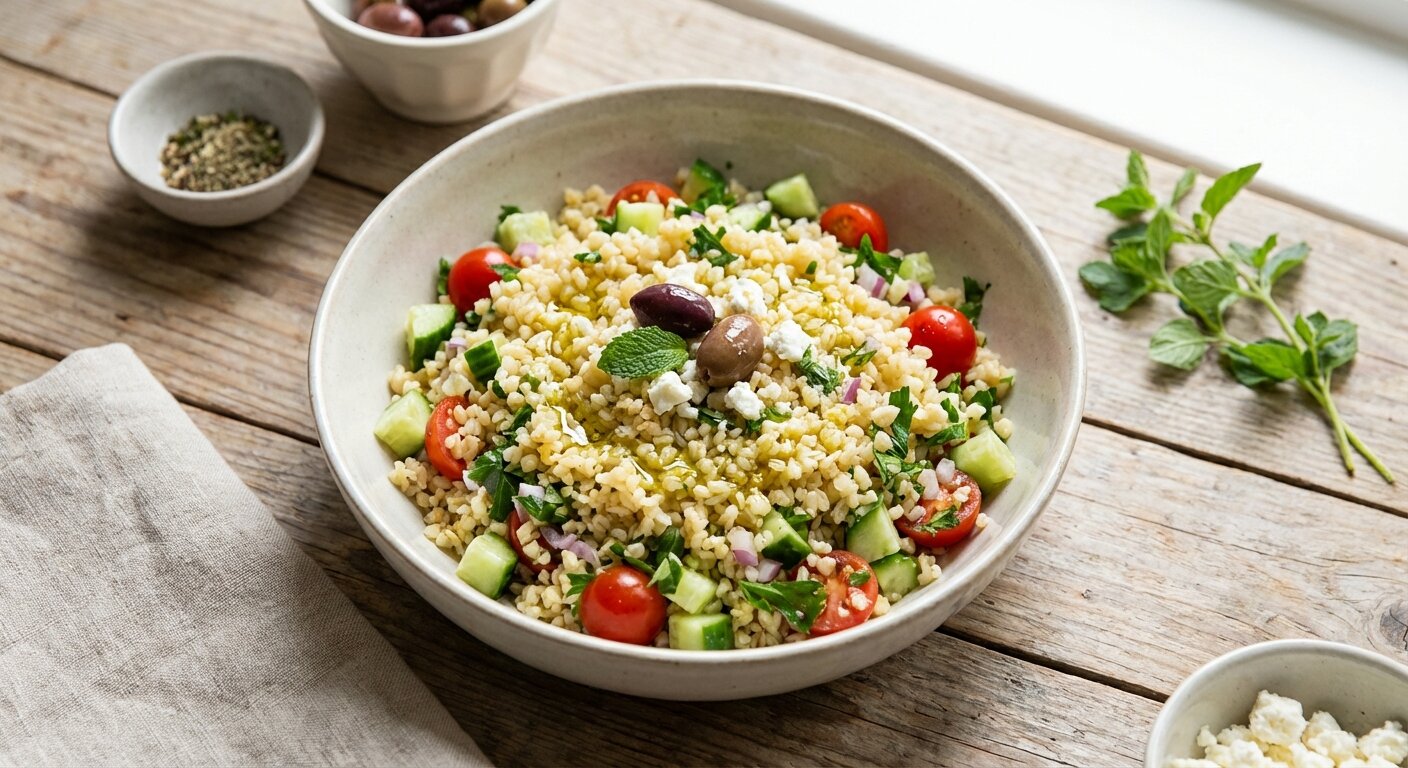
Bulgur wheat has been a staple in Middle Eastern and Mediterranean cuisines for thousands of years, prized for its nutty flavor, quick cooking time, and impressive nutritional profile. If you’re tracking macros or simply looking to add more whole grains to your diet, bulgur deserves a spot in your pantry. This ancient grain offers exceptional fiber content, quality plant-based protein, and complex carbohydrates that provide sustained energy without the blood sugar rollercoaster of refined grains.
In this comprehensive guide, we’ll break down bulgur’s complete macro profile, compare it to other popular grains, explore its health benefits, and show you how to incorporate it into your meal plan for optimal nutrition and performance.
Ready to calculate your personalized macros? Try our Free Macro Calculator to determine your ideal daily intake based on your goals, activity level, and preferences.
What Is Bulgur?
Bulgur (also spelled bulghur or burghul) is a whole grain made from cracked wheat kernels that have been parboiled, dried, and then ground into different sizes. Unlike many processed grains, bulgur retains its bran and germ layers, making it a true whole grain with all the nutritional benefits intact.
The parboiling process partially cooks the wheat, which is what gives bulgur its quick cooking time—one of its major practical advantages over other whole grains. This traditional Middle Eastern staple has been consumed for over 4,000 years and remains a cornerstone of Mediterranean and Middle Eastern diets.
Types of Bulgur
Bulgur comes in four main grades based on the size of the cracked kernels:
- Fine bulgur (#1): Powdery texture, cooks in 5-10 minutes, perfect for salads like tabbouleh
- Medium bulgur (#2): Most versatile, cooks in 12-15 minutes, works for most recipes
- Coarse bulgur (#3): Larger kernels, cooks in 15-20 minutes, ideal for pilafs
- Very coarse bulgur (#4): Largest kernels, requires 20+ minutes, used for stuffings and hearty dishes
Nutritionally, all grades are essentially identical—the choice is purely about texture and cooking time preferences.
Complete Bulgur Macros Breakdown
Understanding bulgur’s macro profile helps you incorporate it strategically into your meal plan. Here’s the complete breakdown:
Cooked Bulgur (182g / 1 cup)
- Calories: 151
- Protein: 6g (4% of calories)
- Carbohydrates: 34g (90% of calories)
- Fiber: 8g (included in carb count)
- Net Carbs: 26g (total carbs minus fiber)
- Fat: 0.4g (2% of calories)
- Sugar: 0.2g
Dry Bulgur (140g / 1 cup)
Dry bulgur has significantly more concentrated nutrition because it hasn’t absorbed water:
- Calories: 479
- Protein: 17g
- Carbohydrates: 106g
- Fiber: 26g
- Net Carbs: 80g
- Fat: 2g
- Sugar: 0.6g
Important note: Most recipes and meal prep work with dry measurements, but nutritional tracking should use cooked values since bulgur roughly triples in volume when cooked. One cup dry bulgur yields approximately 3 cups cooked.
Bulgur Serving Size Guide
| Serving Size | Calories | Protein | Carbs | Fiber | Fat |
|---|---|---|---|---|---|
| 1 oz (28g) dry | 96 | 3.4g | 21g | 5.2g | 0.4g |
| 1/2 cup (91g) cooked | 76 | 3g | 17g | 4g | 0.2g |
| 1 cup (182g) cooked | 151 | 6g | 34g | 8g | 0.4g |
| 100g cooked | 83 | 3.3g | 19g | 4.4g | 0.2g |
Bulgur vs Other Grains: Macro Comparison
How does bulgur stack up against other popular whole grains? Here’s a comprehensive comparison (all values for 1 cup cooked):
Bulgur vs Rice
| Grain | Calories | Protein | Carbs | Fiber | Fat |
|---|---|---|---|---|---|
| Bulgur | 151 | 6g | 34g | 8g | 0.4g |
| Brown Rice | 218 | 5g | 46g | 4g | 2g |
| White Rice | 205 | 4g | 45g | 0.6g | 0.4g |
| Wild Rice | 166 | 7g | 35g | 3g | 0.6g |
Verdict: Bulgur beats white rice hands down with dramatically more fiber and protein while having fewer calories. Compared to brown rice, bulgur has fewer calories and carbs while providing double the fiber. Wild rice offers slightly more protein but less fiber.
Bulgur vs Quinoa
| Grain | Calories | Protein | Carbs | Fiber | Fat |
|---|---|---|---|---|---|
| Bulgur | 151 | 6g | 34g | 8g | 0.4g |
| Quinoa | 222 | 8g | 39g | 5g | 4g |
Verdict: Quinoa has more protein (8g vs 6g) and is a complete protein with all essential amino acids, but bulgur has fewer calories, fewer carbs, more fiber, and less fat. For pure macro efficiency and fiber content, bulgur wins. For protein quality and variety, quinoa has the edge.
Bulgur vs Couscous
| Grain | Calories | Protein | Carbs | Fiber | Fat |
|---|---|---|---|---|---|
| Bulgur | 151 | 6g | 34g | 8g | 0.4g |
| Couscous | 176 | 6g | 36g | 2g | 0.3g |
Verdict: Despite their similar appearance and culinary uses, bulgur is nutritionally superior to couscous. It has fewer calories, fewer carbs, and four times the fiber while matching protein content. Couscous is technically a pasta made from refined wheat, while bulgur is a true whole grain.
Bulgur vs Oats
| Grain | Calories | Protein | Carbs | Fiber | Fat |
|---|---|---|---|---|---|
| Bulgur | 151 | 6g | 34g | 8g | 0.4g |
| Oatmeal | 166 | 6g | 28g | 4g | 3.6g |
Verdict: Similar protein content, but bulgur provides more fiber (8g vs 4g) and carbohydrates while oats have slightly more fat. Both are excellent whole grains with different textures and uses—oats for breakfast porridge, bulgur for savory dishes.
Bulgur vs Farro
| Grain | Calories | Protein | Carbs | Fiber | Fat |
|---|---|---|---|---|---|
| Bulgur | 151 | 6g | 34g | 8g | 0.4g |
| Farro | 200 | 7g | 37g | 5g | 1.3g |
Verdict: Farro has slightly more protein but also more calories, carbs, and fat. Bulgur wins for fiber content and calorie efficiency. Both are ancient wheat varieties with excellent nutritional profiles.
Health Benefits of Bulgur
Beyond its impressive macro profile, bulgur offers numerous health benefits backed by scientific research:
1. Exceptional Fiber Content
With 8g of fiber per cup (32% of the daily recommended intake), bulgur is one of the most fiber-rich grains available. This high fiber content provides multiple benefits:
- Digestive health: Promotes regular bowel movements and feeds beneficial gut bacteria
- Satiety: Keeps you feeling full longer, supporting weight management
- Blood sugar control: Slows glucose absorption and prevents spikes
- Cholesterol reduction: Soluble fiber binds to cholesterol and helps remove it from the body
- Heart health: High fiber intake is associated with reduced cardiovascular disease risk
The fiber in bulgur is primarily insoluble fiber from the wheat bran, which adds bulk to stool and promotes digestive regularity.
2. Low Glycemic Index
Bulgur has a glycemic index (GI) of approximately 48, which classifies it as a low-GI food. This means it causes a slower, more gradual rise in blood sugar compared to refined grains like white rice (GI: 73) or white bread (GI: 75).
Low-GI foods are beneficial for:
- Diabetes management: Better blood sugar control and reduced insulin spikes
- Weight management: Sustained energy and reduced cravings
- Athletic performance: Steady energy for endurance activities
- Metabolic health: Improved insulin sensitivity over time
3. Rich in Essential Minerals
Bulgur is an excellent source of several essential minerals:
- Manganese: 55% DV per cup—critical for bone health, metabolism, and antioxidant defense
- Magnesium: 15% DV per cup—supports muscle function, energy production, and sleep quality
- Iron: 10% DV per cup—essential for oxygen transport and energy levels
- Phosphorus: 7% DV per cup—supports bone health and cellular function
- Zinc: 9% DV per cup—crucial for immune function and wound healing
4. B Vitamin Content
As a whole grain, bulgur retains the B vitamins found in wheat’s germ and bran layers:
- Niacin (B3): 9% DV—supports energy metabolism and skin health
- Thiamine (B1): 6% DV—essential for nerve function and carbohydrate metabolism
- Vitamin B6: 4% DV—involved in protein metabolism and neurotransmitter synthesis
5. Antioxidant Properties
Whole grains like bulgur contain various antioxidant compounds, including:
- Ferulic acid: A phenolic compound with anti-inflammatory properties
- Phytic acid: Despite being considered an “antinutrient,” it has antioxidant benefits
- Lignans: Plant compounds associated with reduced cancer and heart disease risk
These antioxidants help combat oxidative stress and chronic inflammation, both linked to numerous chronic diseases.
6. Weight Management Benefits
Several properties make bulgur excellent for weight management:
- Low calorie density: Only 151 calories per cup provides substantial volume
- High satiety: Protein and fiber combination keeps you full
- Slow digestion: Low GI prevents the hunger spikes that follow refined carbs
- Nutrient density: Delivers essential nutrients without excess calories
Research shows that whole grain consumption is consistently associated with lower body weight and reduced obesity risk compared to refined grain consumption.
7. Heart Health Support
Epidemiological studies consistently show that whole grain intake reduces cardiovascular disease risk. Bulgur’s contribution to heart health includes:
- Cholesterol reduction: Soluble fiber lowers LDL cholesterol
- Blood pressure: Magnesium and fiber support healthy blood pressure
- Inflammation: Antioxidants combat inflammatory processes
- Weight management: Helps maintain healthy body weight, a key factor in heart disease prevention
The American Heart Association recommends making at least half your grain intake whole grains like bulgur.
Bulgur Macros for Different Goals
How you incorporate bulgur depends on your specific nutrition goals:
For Muscle Building
Target: Higher protein and calories with adequate carbs for performance
Bulgur provides quality complex carbohydrates for training fuel but needs protein pairing:
Example Meal (muscle-building lunch):
- 1 cup cooked bulgur (151 cal, 6g protein, 34g carbs)
- 6 oz grilled chicken breast (280 cal, 53g protein, 0g carbs)
- 1 tbsp olive oil (120 cal, 14g fat)
- Roasted vegetables (50 cal, 2g protein, 10g carbs)
Total: 601 calories, 61g protein, 44g carbs, 14g fat
This combination provides the protein needed for muscle synthesis plus carbohydrates for glycogen replenishment and sustained energy.
For Fat Loss
Target: Lower calories, high satiety, nutrient density
Bulgur’s high fiber content makes it excellent for fat loss when portion-controlled:
Example Meal (fat loss dinner):
- 1/2 cup cooked bulgur (76 cal, 3g protein, 17g carbs)
- 4 oz lean ground turkey (160 cal, 22g protein, 8g fat)
- 2 cups mixed vegetables (50 cal, 3g protein, 10g carbs)
- Lemon juice and herbs (5 cal)
Total: 291 calories, 28g protein, 27g carbs, 8g fat
This creates a filling, nutrient-dense meal under 300 calories with solid protein and fiber for satiety.
For Athletic Performance
Target: Optimal carb timing for fuel and recovery
Bulgur’s low GI makes it ideal for pre-workout meals (2-3 hours before) and recovery meals:
Pre-Workout Meal (2-3 hours before):
- 3/4 cup cooked bulgur (113 cal, 4.5g protein, 26g carbs)
- 3 oz grilled salmon (175 cal, 19g protein, 11g fat)
- Steamed broccoli (30 cal, 3g protein, 6g carbs)
Total: 318 calories, 26.5g protein, 32g carbs, 11g fat
This provides sustained energy without causing digestive issues during training.
Post-Workout Meal:
- 1 cup cooked bulgur (151 cal, 6g protein, 34g carbs)
- 5 oz grilled chicken (233 cal, 44g protein, 5g fat)
- Sweet potato (103 cal, 2g protein, 24g carbs)
Total: 487 calories, 52g protein, 58g carbs, 5g fat
This replenishes glycogen stores while providing ample protein for recovery.
For Plant-Based Diets
Target: Complete amino acid profile, adequate protein, nutrient variety
Bulgur combined with legumes creates a complete protein:
Example Meal (vegan Mediterranean bowl):
- 3/4 cup cooked bulgur (113 cal, 4.5g protein, 26g carbs)
- 1/2 cup chickpeas (135 cal, 7g protein, 22g carbs)
- 1/4 cup hummus (100 cal, 3g protein, 12g carbs, 5g fat)
- Mixed vegetables (40 cal, 2g protein, 8g carbs)
- 1 tbsp tahini (90 cal, 3g protein, 3g carbs, 8g fat)
Total: 478 calories, 19.5g protein, 71g carbs, 13g fat
This plant-based meal delivers complete protein from complementary grain and legume sources.
How to Cook Bulgur: Methods and Tips
One of bulgur’s major advantages is its quick cooking time. Here are the most common methods:
Absorption Method (Most Common)
This is the standard method for medium and coarse bulgur:
- Ratio: 1 cup dry bulgur to 2 cups liquid (water or broth)
- Method: Bring liquid to boil, add bulgur, reduce heat to low, cover
- Time: Simmer 12-15 minutes until tender and liquid is absorbed
- Rest: Remove from heat, let stand covered for 5 minutes, fluff with fork
Result: Fluffy, separated grains perfect for pilafs and side dishes
Soaking Method (For Fine Bulgur)
Fine bulgur doesn’t even need cooking:
- Ratio: 1 cup fine bulgur to 1.5 cups boiling water
- Method: Pour boiling water over bulgur in a bowl, cover
- Time: Let stand 15-20 minutes until tender
- Drain: Drain any excess water, fluff with fork
Result: Perfect texture for tabbouleh and cold salads
Pasta Method
For coarse bulgur or when you want more control:
- Method: Bring large pot of salted water to boil (like cooking pasta)
- Add bulgur: Cook uncovered, stirring occasionally
- Time: 15-20 minutes until desired tenderness
- Drain: Strain through fine-mesh sieve, rinse if desired
Result: Foolproof method that prevents overcooking
Instant Pot Method
For hands-off cooking:
- Ratio: 1 cup bulgur to 1.5 cups liquid
- Method: Add to Instant Pot, seal, set to Manual/Pressure Cook
- Time: High pressure for 3 minutes
- Release: Natural release for 10 minutes, then quick release
- Fluff: Open lid, fluff with fork
Result: Perfectly cooked bulgur with minimal effort
Pro Cooking Tips
- Toast first: Lightly toast dry bulgur in a skillet with a drizzle of oil before cooking to enhance nutty flavor
- Use broth: Replace water with vegetable, chicken, or beef broth for added flavor
- Season early: Add salt, herbs, or spices to the cooking liquid for better flavor absorption
- Don’t overcook: Bulgur should have a slight chewiness; overcooking makes it mushy
- Fluff gently: Use a fork to separate grains after cooking, not a spoon which can mash them
- Batch cook: Cook large batches and refrigerate or freeze for quick meal prep
Bulgur Meal Ideas and Recipes
Breakfast Ideas
-
Bulgur Breakfast Porridge
- Cook bulgur in milk or plant-based milk
- Top with berries, nuts, honey, and cinnamon
- Macros: Similar to oatmeal with more fiber
-
Mediterranean Breakfast Bowl
- Bulgur base with scrambled eggs
- Cherry tomatoes, cucumber, olives, feta
- Macros: Balanced protein, carbs, healthy fats
Lunch Ideas
-
Classic Tabbouleh Salad
- Fine bulgur base with parsley, mint, tomatoes
- Lemon juice, olive oil dressing
- Macros: Light carbs, healthy fats, fresh vegetables
-
Bulgur Buddha Bowl
- Roasted vegetables, chickpeas, tahini dressing
- Mixed greens, avocado
- Macros: Complete plant-based meal
-
Turkish Bulgur Pilaf (Bulgur Pilavı)
- Sautéed onions, tomato paste, bulgur
- Cook in broth with butter or olive oil
- Macros: Comfort food with whole grain benefits
Dinner Ideas
-
Stuffed Bell Peppers
- Ground meat or plant protein with cooked bulgur
- Tomato sauce, herbs, cheese topping
- Macros: Balanced complete meal
-
Middle Eastern Bulgur Bowl
- Spiced lamb or chicken with bulgur base
- Cucumber yogurt sauce, roasted vegetables
- Macros: High protein with complex carbs
-
Bulgur Risotto Style
- Cook bulgur slowly with gradual liquid addition
- Parmesan, mushrooms, white wine
- Macros: Creamy comfort food with more fiber than rice risotto
Side Dishes
-
Herb Bulgur Pilaf
- Simple preparation with fresh herbs
- Perfect accompaniment to grilled proteins
- Macros: Light, fluffy side
-
Bulgur and Vegetable Salad
- Cold salad with diced vegetables
- Lemon vinaigrette
- Macros: Refreshing, fiber-rich side
Storage and Meal Prep
Dry Bulgur Storage
- Pantry: Store in airtight container in cool, dry place for up to 1 year
- Refrigerator: Extends shelf life to 2+ years
- Freezer: Can be frozen for indefinite storage
- Signs of spoilage: Rancid smell, off taste, visible mold (rare with proper storage)
Cooked Bulgur Storage
- Refrigerator: Store in airtight container for 3-5 days
- Freezer: Portion into freezer bags, freeze for up to 3 months
- Reheating: Microwave with splash of water, or reheat in skillet with a bit of oil
- Meal prep tip: Cook large batch on Sunday, portion for weekday meals
Batch Cooking Strategy
- Cook 3-4 cups dry bulgur (yields 9-12 cups cooked)
- Divide into portions: 1 cup portions in containers
- Label with date: Use within 3-5 days or freeze
- Versatile base: Use for bowls, salads, stuffings, or side dishes throughout the week
Potential Drawbacks and Considerations
While bulgur is exceptionally nutritious, there are some considerations:
1. Contains Gluten
Bulgur is made from wheat and contains gluten. It’s unsuitable for:
- People with celiac disease
- Those with non-celiac gluten sensitivity
- Anyone following a strict gluten-free diet
Gluten-free alternatives with similar texture: Quinoa, buckwheat groats, millet, amaranth
2. Antinutrients
Like all whole grains, bulgur contains phytic acid, which can bind to minerals and reduce their absorption. However:
- The parboiling process reduces phytic acid content
- Cooking further reduces antinutrient levels
- The overall nutritional benefits far outweigh this minor concern
- Varied diet ensures adequate mineral absorption despite phytates
3. FODMAPs
Wheat-based products can be high in FODMAPs (fermentable carbohydrates that some people don’t digest well). Those with IBS or FODMAP sensitivity may experience digestive discomfort.
Low-FODMAP alternatives: White rice, quinoa, oats (in small portions)
4. Not a Complete Protein
While bulgur contains a decent amount of protein (6g per cup), it’s low in the essential amino acid lysine. This is only a concern for those relying heavily on grains for protein.
Solution: Pair with legumes (beans, lentils, chickpeas) which are high in lysine to create a complete amino acid profile.
5. Portion Control for Low-Carb Diets
At 34g carbs per cup, bulgur isn’t suitable for very low-carb or ketogenic diets. However, smaller portions (1/2 cup = 17g carbs) can fit into moderate low-carb approaches.
Frequently Asked Questions
What are the macros in 1 cup of cooked bulgur?
One cup (182g) of cooked bulgur contains approximately 151 calories, 34g carbohydrates, 6g protein, and 0.4g fat. It also provides an impressive 8g of fiber, which is 32% of the daily recommended intake. This fiber content makes bulgur exceptionally filling and beneficial for digestive health.
The carbohydrates in bulgur are complex carbs that digest slowly, providing sustained energy without blood sugar spikes. The 6g of protein, while not as high as quinoa, is still substantial for a grain and contributes to daily protein needs. The minimal fat content (0.4g) keeps calories low while the fiber maximizes satiety.
These macros make bulgur an excellent choice for balanced meals—it pairs well with protein sources and vegetables to create complete, nutritious dishes. The high fiber-to-calorie ratio is particularly valuable for those tracking macros for weight management or health goals.
Is bulgur good for weight loss?
Yes, bulgur is excellent for weight loss for several compelling reasons:
High fiber content (8g per cup) is the primary factor. Fiber increases satiety by slowing digestion, keeping you feeling full longer, and reducing overall calorie intake. Studies show that higher fiber intake is consistently associated with lower body weight and easier weight management.
Low calorie density means you can eat a satisfying portion (1 cup) for only 151 calories. This allows you to create filling meals without consuming excessive calories—crucial for creating the calorie deficit needed for fat loss.
Low glycemic index (GI 48) prevents the blood sugar rollercoaster that leads to cravings and overeating. Unlike refined grains that spike blood sugar and insulin (leading to fat storage and subsequent hunger), bulgur provides steady energy and helps regulate appetite.
High satiety factor from the combination of fiber, protein, and slow-digesting carbs means you’re less likely to snack between meals or overconsume calories later in the day.
Research comparing whole grain consumption to refined grain intake consistently shows that people who eat more whole grains like bulgur tend to have lower body weight and smaller waist circumference. Substituting bulgur for white rice, pasta, or bread is a simple, effective weight loss strategy that doesn’t require giving up satisfying, carbohydrate-containing foods.
How much protein is in bulgur wheat?
Cooked bulgur contains 6g of protein per cup (182g serving), which translates to approximately 3.3g per 100g. In dry form, before cooking, bulgur contains about 17g of protein per cup (140g).
While 6g per cup isn’t as protein-dense as animal sources (chicken breast has 53g per cup) or even some other grains (quinoa has 8g per cup), it’s still a meaningful contribution to daily protein needs, especially when bulgur is part of a balanced diet.
Protein quality: Bulgur protein is incomplete, meaning it doesn’t contain all essential amino acids in optimal amounts. Specifically, it’s low in lysine, one of the nine essential amino acids. However, this is easily remedied by combining bulgur with legumes (beans, lentils, chickpeas) which are high in lysine. This complementary protein pairing creates a complete amino acid profile comparable to animal proteins.
Compared to other grains: Bulgur’s protein content is higher than white rice (4g per cup), comparable to brown rice (5g per cup), and slightly lower than quinoa (8g per cup). For a wheat-based grain, it offers solid protein content while delivering exceptional fiber.
For plant-based eaters, bulgur can be a regular part of a high-protein diet when combined with beans, tofu, tempeh, nuts, and seeds. The key is variety and complementary pairing rather than relying on any single plant source.
Is bulgur healthier than rice or quinoa?
The answer depends on your specific health goals and nutritional priorities:
Bulgur vs White Rice: Bulgur is definitively healthier. It has fewer calories (151 vs 205), more protein (6g vs 4g), similar carbs but with dramatically more fiber (8g vs 0.6g), and far superior micronutrient content. White rice is a refined grain that’s been stripped of its nutritious bran and germ layers, while bulgur retains these components. The glycemic index comparison (bulgur 48 vs white rice 73) further demonstrates bulgur’s superiority for blood sugar management.
Bulgur vs Brown Rice: Here the comparison is closer since both are whole grains. Bulgur has fewer calories (151 vs 218), fewer carbs (34g vs 46g), double the fiber (8g vs 4g), and slightly more protein (6g vs 5g). Brown rice has more fat (2g vs 0.4g) but it’s minimal. For weight management and fiber intake, bulgur wins. For those who prefer brown rice’s taste or texture, it’s still a nutritious choice.
Bulgur vs Quinoa: This is the most nuanced comparison. Quinoa has more protein (8g vs 6g) and is a complete protein with all essential amino acids, giving it an edge for plant-based eaters prioritizing protein. However, bulgur has fewer calories (151 vs 222), fewer carbs (34g vs 39g), more fiber (8g vs 5g), and less fat (0.4g vs 4g). Bulgur also cooks faster and costs less. For pure macro efficiency and fiber content, bulgur wins. For protein quality and variety, quinoa has the advantage.
Verdict: All three can be part of a healthy diet, but bulgur offers exceptional value for its fiber content, calorie efficiency, and quick preparation time. The best choice depends on your goals—weight loss (bulgur), protein maximization (quinoa), or personal preference (any whole grain option).
Can diabetics eat bulgur wheat?
Yes, bulgur is an excellent grain choice for diabetics and those managing blood sugar levels. Here’s why:
Low glycemic index (GI 48) means bulgur causes a slower, more gradual rise in blood sugar compared to refined grains like white rice (GI 73) or white bread (GI 75). Low-GI foods help prevent the dramatic blood sugar spikes and crashes that are problematic for diabetics and can lead to long-term complications.
High fiber content (8g per cup) further supports blood sugar management. Fiber slows the absorption of glucose into the bloodstream, preventing rapid spikes. It also improves insulin sensitivity over time, meaning cells become more responsive to insulin and can more effectively manage blood sugar levels.
Whole grain benefits: Research consistently shows that replacing refined grains with whole grains like bulgur reduces type 2 diabetes risk and improves glycemic control in those already diagnosed. A meta-analysis of multiple studies found that eating 2-3 servings of whole grains daily reduced diabetes risk by 21-32%.
Practical tips for diabetics:
- Portion control: Stick to 1/2 to 3/4 cup cooked bulgur per meal
- Pair with protein: Combining bulgur with lean protein (chicken, fish, tofu) further slows digestion and moderates blood sugar response
- Add healthy fats: A drizzle of olive oil or some nuts provides additional blood sugar stability
- Monitor individual response: Everyone’s glucose response varies—test your blood sugar 1-2 hours after eating bulgur to see your personal response
Bulgur is generally considered diabetic-friendly, but as with any carbohydrate, mindful portion sizes and balanced meals are key.
Does bulgur contain gluten?
Yes, bulgur contains gluten and is not suitable for people with celiac disease or gluten sensitivity. Bulgur is made from wheat (usually durum wheat), which naturally contains gluten proteins—specifically gliadin and glutenin.
Who should avoid bulgur:
- People with celiac disease (autoimmune reaction to gluten)
- Those with non-celiac gluten sensitivity (digestive discomfort from gluten)
- Anyone following a gluten-free diet for medical or personal reasons
- Those with wheat allergies (separate from gluten sensitivity)
Gluten-free alternatives with similar texture and nutritional benefits:
- Quinoa: Complete protein, similar cooking time, slightly nuttier flavor
- Buckwheat groats (kasha): Despite the name, not related to wheat; gluten-free with earthy flavor
- Millet: Mild flavor, fluffy texture when cooked, good bulgur substitute
- Amaranth: Ancient grain with slightly sweet, earthy taste
- Brown rice or wild rice: More familiar options with good nutrition
- Teff: Tiny grain used in Ethiopian cuisine, nutrient-dense
Important note: While bulgur is not gluten-free, it’s a nutritious choice for those without gluten-related conditions. The parboiling process actually makes the grain easier to digest for many people (though this doesn’t apply to those with celiac disease or gluten sensitivity).
If you’re unsure whether you need to avoid gluten, consult with a healthcare provider or registered dietitian before eliminating whole grain foods from your diet.
How does bulgur compare to oats for macros?
Bulgur and oats are both nutritious whole grains, but they have different macro profiles and culinary uses:
Macro Comparison (per cup cooked):
| Nutrient | Bulgur | Oats |
|---|---|---|
| Calories | 151 | 166 |
| Protein | 6g | 6g |
| Carbs | 34g | 28g |
| Fiber | 8g | 4g |
| Fat | 0.4g | 3.6g |
Key differences:
Fiber: Bulgur provides double the fiber (8g vs 4g), making it superior for digestive health, satiety, and blood sugar management. This high fiber content is bulgur’s standout feature.
Carbohydrates: Bulgur has more total carbs (34g vs 28g), which can be beneficial for active individuals needing fuel or a drawback for those limiting carb intake. However, with bulgur’s higher fiber, the net carbs are comparable (26g vs 24g).
Fat: Oats contain more fat (3.6g vs 0.4g), primarily healthy unsaturated fats. This gives oats a slight edge for satiety and provides essential fatty acids, though the difference is minimal in the context of a complete diet.
Protein: Identical at 6g per cup, both contribute modestly to daily protein needs.
Texture and use: Oats are typically used for breakfast (oatmeal, overnight oats, granola) while bulgur is used for savory dishes (pilafs, salads, stuffings). This makes them complementary rather than competitive—oats for breakfast, bulgur for lunch and dinner.
Glycemic impact: Both have low-to-moderate GI, though oats (GI 55) are slightly higher than bulgur (GI 48). Both are excellent choices for steady energy and blood sugar management.
Verdict: For pure fiber content and calorie efficiency, bulgur wins. For breakfast applications and slightly higher fat content, oats win. Both are nutritious whole grains that deserve a place in a balanced diet.
What’s the difference between fine, medium, and coarse bulgur?
The different grades of bulgur refer to how finely the parboiled wheat kernels have been cracked. The grading affects texture, cooking time, and best culinary uses, but nutritionally all grades are identical.
Fine Bulgur (#1):
- Size: Almost powdery, smallest grain size
- Cooking time: 5-10 minutes, or simply soak in boiling water for 15-20 minutes
- Texture: Soft, fluffy, almost couscous-like
- Best uses: Tabbouleh salad, kibbeh (Middle Eastern meat dish), baked goods, cold salads
- Pros: Quickest preparation, excellent for no-cook recipes
- Cons: Can become mushy if overcooked
Medium Bulgur (#2):
- Size: Small to medium grains
- Cooking time: 12-15 minutes
- Texture: Fluffy with slight chewiness
- Best uses: Most versatile—pilafs, warm salads, stuffings, side dishes
- Pros: Good texture balance, readily available, forgiving to cook
- Cons: None significant—this is the “goldilocks” grade
Coarse Bulgur (#3):
- Size: Larger, distinctly visible kernels
- Cooking time: 15-20 minutes
- Texture: Hearty, chewy, grain-forward
- Best uses: Pilafs, stuffed vegetables, hearty soups, grain bowls
- Pros: Best texture retention, doesn’t get mushy, substantial mouthfeel
- Cons: Longer cooking time, less common in stores
Very Coarse Bulgur (#4):
- Size: Largest kernels, similar to wheat berries
- Cooking time: 20+ minutes
- Texture: Very chewy, distinct grain texture
- Best uses: Stuffings, stews, rustic dishes
- Pros: Maximum texture, hearty and filling
- Cons: Hardest to find, longest cooking time
Which to buy: Medium bulgur (#2) is the most versatile and widely available choice for home cooks. Fine bulgur is ideal if you frequently make tabbouleh or want quick preparation. Coarse bulgur is excellent for those who prefer more texture and don’t mind slightly longer cooking.
Storage note: All grades have the same shelf life and storage requirements. You can keep multiple grades on hand for different recipes.
Conclusion: Is Bulgur Worth Adding to Your Diet?
Bulgur is an exceptional whole grain that deserves a prominent place in any health-conscious diet. With only 151 calories per cup, 8g of fiber, 6g of protein, and a low glycemic index, it delivers outstanding nutrition without excess calories. Its quick cooking time, versatility, and affordability make it practical for daily meal prep and cooking.
Whether your goal is weight loss, muscle building, athletic performance, or simply improving overall health, bulgur can play a valuable role. Its high fiber content supports digestive health and satiety, while its complex carbohydrates provide sustained energy for workouts and daily activities. The impressive micronutrient profile—particularly manganese, magnesium, and B vitamins—further enhances its nutritional value.
Compared to refined grains like white rice, bulgur is definitively superior. Even compared to other whole grains, it stands out for its exceptional fiber content and calorie efficiency. While it contains gluten and isn’t suitable for everyone, those who can enjoy it will benefit from this ancient grain’s impressive nutrition and culinary versatility.
Ready to optimize your nutrition with precise macro tracking? Use our Free Macro Calculator to determine your personalized daily targets and see how bulgur fits into your meal plan.
Related Articles:
Related Articles

Dragonfruit Macros: Complete Nutrition Guide for Pitaya
Complete macro breakdown of dragonfruit (pitaya). Learn the calories, protein, carbs, and...
Read guide →
Radish Macros: Nutrition Facts and Health Benefits
Complete guide to radish macros and nutrition. Learn calories, protein, carbs, and health...
Read guide →
Honeydew Macros: Complete Nutrition Breakdown & Health Benefits
Discover honeydew macros: carbs, protein, and fat content. Plus calories, vitamins,...
Read guide →Note: Nutrition values are approximate and may vary based on preparation method and source.