Cabbage Macros: Complete Nutrition Guide for Weight Loss & Health
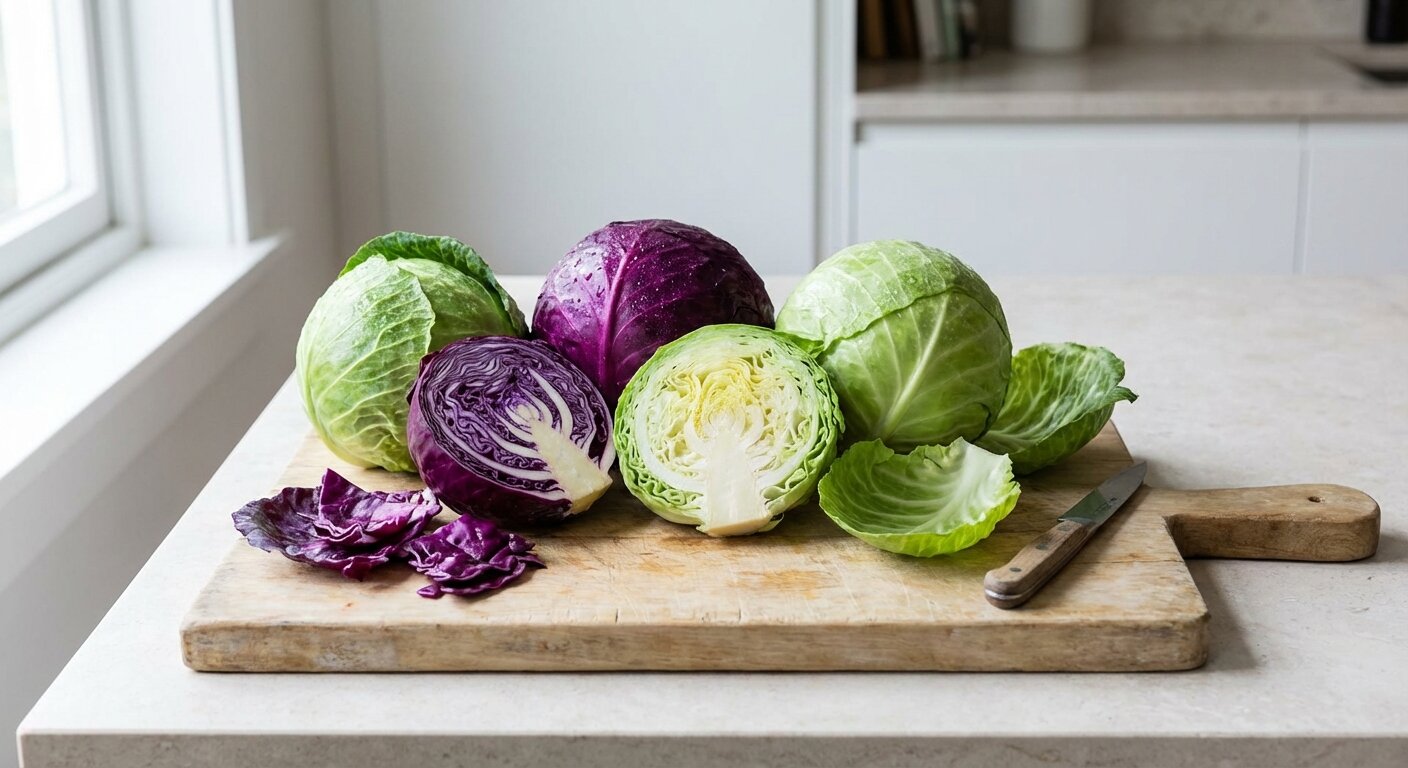
Cabbage is one of the most underrated vegetables for anyone tracking macros or trying to lose weight. With only 22 calories per cup and packed with nutrients, cabbage offers incredible volume and satisfaction without derailing your calorie goals. Whether you’re meal prepping for the week, looking for keto-friendly vegetables, or simply want to add more nutrient-dense foods to your diet, understanding cabbage macros will help you make smarter choices.
In this comprehensive guide, you’ll discover the complete macronutrient breakdown of different cabbage varieties, how cabbage supports weight loss, and practical tips for incorporating this cruciferous powerhouse into your meal plan. Plus, we’ll cover common questions about raw versus cooked cabbage, purple versus green varieties, and how to track cabbage accurately in your macro calculator.
Ready to add one of nature’s most diet-friendly vegetables to your rotation? Let’s dive into everything you need to know about cabbage nutrition.
Related: Learn more about what macros are and how they impact your diet.
Cabbage Macros: Complete Breakdown
Raw Green Cabbage (1 cup / 89g shredded)
- Calories: 22
- Protein: 1.1g
- Carbohydrates: 5.2g
- Fiber: 2.2g
- Sugar: 2.9g
- Net Carbs: 3g
- Fat: 0.1g
Raw Red/Purple Cabbage (1 cup / 89g shredded)
- Calories: 28
- Protein: 1.3g
- Carbohydrates: 6.9g
- Fiber: 2g
- Sugar: 3.8g
- Net Carbs: 4.9g
- Fat: 0.1g
Cooked Green Cabbage (1 cup / 150g)
- Calories: 34
- Protein: 1.6g
- Carbohydrates: 8.2g
- Fiber: 2.8g
- Sugar: 4.5g
- Net Carbs: 5.4g
- Fat: 0.1g
Savoy Cabbage (1 cup / 70g shredded)
- Calories: 19
- Protein: 1.4g
- Carbohydrates: 4.3g
- Fiber: 2.2g
- Sugar: 2.1g
- Net Carbs: 2.1g
- Fat: 0.1g
Napa Cabbage (Chinese Cabbage) (1 cup / 70g shredded)
- Calories: 9
- Protein: 0.8g
- Carbohydrates: 1.5g
- Fiber: 0.6g
- Sugar: 0.8g
- Net Carbs: 0.9g
- Fat: 0.1g
Why Cabbage Is Perfect for Weight Loss
Cabbage earns its reputation as a diet-friendly food for several scientific reasons:
Extremely Low Calorie Density
With only 25 calories per 100 grams, cabbage has one of the lowest calorie densities among all vegetables. This means you can eat large portions to feel satisfied without consuming many calories. Compare this to:
- Rice: 130 calories per 100g (5x more)
- Pasta: 131 calories per 100g (5x more)
- Chicken breast: 165 calories per 100g (6.6x more)
You could eat an entire 500g head of cabbage (about 6 cups shredded) for only 125 calories—roughly the same as one tablespoon of peanut butter.
High Water and Fiber Content
Cabbage is approximately 92% water by weight, which contributes to its filling nature without adding calories. Combined with 2.2g of fiber per cup, cabbage promotes:
- Increased satiety - You feel fuller longer
- Better digestion - Supports healthy bowel movements
- Stable blood sugar - Fiber slows glucose absorption
- Gut health - Feeds beneficial bacteria
Research shows that high-fiber vegetables like cabbage can reduce overall calorie intake by up to 10% simply by increasing fullness signals.
Volume Eating Strategy
Cabbage is ideal for “volume eating” strategies where you maximize food volume while minimizing calories. This psychological satisfaction helps prevent feelings of deprivation common in calorie-restricted diets.
A typical serving example:
- 3 cups of shredded cabbage slaw = 66 calories
- 1 tablespoon olive oil dressing = 120 calories
- Total = 186 calories for a huge, satisfying side dish
Nutrient Density
Despite being low in calories, cabbage delivers impressive nutrition:
Per 1 cup raw cabbage:
- Vitamin C: 36.6mg (41% DV) - Supports immune function
- Vitamin K: 67.6mcg (85% DV) - Essential for blood clotting and bone health
- Folate: 38.3mcg (10% DV) - Important for cell division
- Manganese: 0.1mg (7% DV) - Supports metabolism
- Vitamin B6: 0.1mg (6% DV) - Aids protein metabolism
- Potassium: 151mg (4% DV) - Regulates fluid balance
This nutrient profile means cabbage contributes to your daily micronutrient needs while barely affecting your calorie budget.
Cabbage Varieties: Which Has the Best Macros?
Different cabbage varieties offer slightly different nutritional profiles:
Green Cabbage (Most Common)
Best for: General use, coleslaw, stir-fries, soup Macro advantage: Lowest calories, most neutral flavor Texture: Crispy, slightly tough when raw
Green cabbage is the workhorse variety with the most favorable macros for strict calorie counting at only 22 calories per cup raw.
Red/Purple Cabbage
Best for: Raw salads, pickling, visual appeal Macro advantage: Highest antioxidant content (anthocyanins) Texture: Slightly tougher, more peppery flavor
Red cabbage has marginally more calories (28 vs 22 per cup) but offers 30% more vitamin C and powerful antioxidants that give it the purple color. These anthocyanins have anti-inflammatory properties.
Savoy Cabbage
Best for: Stuffed cabbage rolls, delicate dishes Macro advantage: Most tender leaves, easiest to digest Texture: Crinkly, softer leaves
Savoy cabbage has a similar macro profile to green cabbage (19 calories per cup) but with a more delicate texture that requires less cooking time.
Napa Cabbage (Chinese Cabbage)
Best for: Asian dishes, kimchi, light stir-fries Macro advantage: Lowest calories of all at only 9 calories per cup Texture: Very tender, mild, sweet
Napa cabbage is the clear winner for those watching calories most strictly. With only 9 calories per cup and 0.9g net carbs, you can eat enormous portions with virtually no macro impact.
Brussels Sprouts (Cabbage Family)
While technically not cabbage, Brussels sprouts are close relatives:
Per 1 cup cooked (156g):
- Calories: 56
- Protein: 4g
- Carbs: 11g (4g fiber, 7g net carbs)
- Fat: 0.8g
Brussels sprouts pack more protein and fiber than regular cabbage but also have more calories per serving.
Raw vs. Cooked Cabbage: Macro Differences
The cooking method significantly affects cabbage’s volume and concentration:
Raw Cabbage
Advantages:
- Maximum vitamin C retention (heat-sensitive)
- Highest water content = most volume per calorie
- Crunchiest texture for satisfaction
- Best for tracking accuracy (less variability)
Disadvantages:
- Harder to digest for some people
- Can cause gas/bloating from raw cruciferous compounds
- Less flavorful for many people
Best uses: Coleslaw, salads, wraps, fresh garnish
Cooked Cabbage
Advantages:
- Easier to digest (breaks down tough fibers)
- Reduces volume = easier to eat large quantities
- Enhances flavor (caramelization)
- Reduces goitrogenic compounds (thyroid concerns)
Disadvantages:
- Loses some vitamin C (30-40% reduction with boiling)
- Slightly higher calorie density per cup
- Can become mushy if overcooked
Best uses: Stir-fries, soups, braised dishes, sautéed sides
Macro Comparison (1 cup)
| Type | Calories | Protein | Carbs | Fiber | Net Carbs | Fat |
|---|---|---|---|---|---|---|
| Raw green | 22 | 1.1g | 5.2g | 2.2g | 3g | 0.1g |
| Boiled | 34 | 1.6g | 8.2g | 2.8g | 5.4g | 0.1g |
| Sautéed (no oil) | 42 | 1.9g | 9.8g | 3.4g | 6.4g | 0.1g |
Key insight: Cooked cabbage appears to have more macros per cup simply because cooking removes water and condenses the vegetable. The actual cabbage material is the same; it just takes up less space.
Cooking Methods and Their Impact
Steaming (best nutrient retention):
- Retains 75-85% of vitamin C
- Minimal macro change
- Best for preserving nutrition
Boiling (most nutrient loss):
- Loses 40-60% of vitamin C to water
- Some minerals leach into cooking water
- Save the water for soup to retain nutrients
Stir-frying (oil adds calories):
- Quick cooking preserves nutrients
- Watch added oil: 1 tablespoon = 120 calories
- Use cooking spray or minimal oil for macro-friendly version
Roasting (best flavor):
- Caramelization enhances sweetness
- No water loss = denser, more calories per volume
- Use parchment paper to reduce oil needs
Cabbage on Popular Diets
Keto Diet
Verdict: ✅ Keto-friendly in moderation
With only 3g net carbs per cup, raw green cabbage fits easily into a standard ketogenic diet (20-50g net carbs daily). However, portion control matters:
- 1 cup cabbage = 3g net carbs (15% of 20g limit)
- 2 cups = 6g net carbs (30% of limit)
- 3 cups = 9g net carbs (45% of limit)
Keto tips for cabbage:
- Prioritize raw green cabbage or Napa cabbage (lowest carbs)
- Pair with high-fat additions (butter, cheese, bacon)
- Track cooked cabbage carefully (volume changes affect measurements)
- Consider it alongside other low-carb vegetables like broccoli and cauliflower
Paleo Diet
Verdict: ✅ Fully compliant
Cabbage is a whole food that aligns perfectly with paleo principles. It’s nutrient-dense, unprocessed, and has been eaten by humans for thousands of years. Check out our complete paleo macros guide for more vegetable options.
Carnivore Diet
Verdict: ❌ Not compliant
The carnivore diet excludes all plant foods, including cabbage. However, some modified carnivore dieters include small amounts of low-toxin vegetables. See our carnivore diet macros guide for more details.
Vegan/Vegetarian Diets
Verdict: ✅ Ideal choice
Cabbage is a staple in plant-based diets, providing:
- Bulk and volume for satiety
- Non-heme iron (1 cup = 2% DV)
- Vitamin C to enhance iron absorption from other plant foods
- Vitamin K often limited in plant-based diets
Tip: Pair cabbage with protein-rich plant foods like chickpeas or tofu for complete meals.
Mediterranean Diet
Verdict: ✅ Highly compatible
Cabbage fits the Mediterranean eating pattern, which emphasizes:
- Abundant vegetables
- Whole, minimally processed foods
- Diversity of plant foods
Learn more in our Mediterranean diet macros guide.
Low-FODMAP Diet
Verdict: ⚠️ Limited portions
Cabbage contains moderate FODMAPs (fermentable carbohydrates) that can trigger IBS symptoms in sensitive individuals. The Monash University app recommends limiting servings to 75g (about 3/4 cup) to stay in the low-FODMAP range.
Tracking Cabbage Macros Accurately
Measuring Raw vs. Cooked
Raw cabbage (most accurate):
- Use a food scale: 89g = 1 cup shredded
- If no scale, pack measuring cup loosely (don’t compress)
- Track as “raw cabbage, shredded”
Cooked cabbage (more variable):
- Weigh after cooking for accuracy
- 150g cooked ≈ 1 cup
- Track as “cabbage, cooked, boiled” or specify method
- Account for any added fats during cooking
MyFitnessPal and Tracking Apps
When logging in apps like MyFitnessPal or our macro calculator:
Search terms:
- “Cabbage raw” (not “fresh cabbage” which can vary)
- “Cabbage cooked boiled” (without added fat)
- Specify variety: “red cabbage,” “napa cabbage”
Common mistakes:
- ❌ Using “cabbage soup” (includes other ingredients)
- ❌ Not specifying raw vs. cooked (big calorie difference)
- ❌ Forgetting to track cooking oils/butter
- ❌ Using generic “vegetable” entries
Meal Prep and Batch Cooking
When meal prepping cabbage:
- Weigh the whole head: Most heads are 900g-1200g
- Calculate total macros: 900g cabbage = ~225 calories, 9.9g protein, 46.8g carbs
- Divide by portions: If making 6 servings = ~37 calories, 1.65g protein, 7.8g carbs each
- Add cooking adjustments: Note method and any added ingredients
This ensures accurate tracking across the week even when portions aren’t perfectly equal.
Cabbage Recipes for Macro-Friendly Meals
Low-Calorie Coleslaw (Per Serving)
Ingredients:
- 3 cups shredded green cabbage (66 calories, 7.8g carbs)
- 2 tbsp Greek yogurt (18 calories, 1g carbs, 3g protein)
- 1 tsp apple cider vinegar (0 calories)
- 1 tsp honey (21 calories, 5.7g carbs)
- Salt, pepper, celery seed to taste
Total per serving: 105 calories, 1g fat, 14.5g carbs, 3g protein
Keto Cabbage Stir-Fry (Per Serving)
Ingredients:
- 2 cups shredded cabbage (44 calories, 6g net carbs)
- 4 oz chicken breast, diced (165 calories, 31g protein)
- 1 tbsp coconut oil (120 calories, 14g fat)
- 1 tbsp soy sauce (10 calories, 1g carbs)
- Garlic, ginger, red pepper flakes
Total per serving: 339 calories, 14.1g fat, 7g net carbs, 31g protein
Stuffed Cabbage Rolls (Per Roll)
Ingredients:
- 1 large cabbage leaf (17 calories, 4g carbs)
- 3 oz ground turkey, 93/7 (120 calories, 18g protein, 3g fat)
- 1/4 cup cooked brown rice (54 calories, 11g carbs, 1g protein)
- Tomato sauce and spices
Total per roll: ~210 calories, 4g fat, 16g carbs, 19g protein
Cabbage Soup (Weight Loss Friendly) (Per 2-Cup Serving)
Ingredients:
- 4 cups chopped cabbage (88 calories, 12.4g net carbs)
- 2 cups vegetable broth (20 calories)
- 1 cup diced tomatoes (32 calories, 7g carbs)
- Onions, celery, carrots, garlic
Total per serving: ~70 calories, 0.5g fat, 14g carbs, 3g protein
This soup is a staple of many weight loss diets due to its extreme low calorie density and high satisfaction factor.
Roasted Cabbage Steaks (Per Serving)
Ingredients:
- 1-inch thick cabbage slice (75 calories, 17g carbs)
- 1 tsp olive oil (40 calories, 4.5g fat)
- Salt, pepper, garlic powder
- Optional: parmesan cheese (22 calories, 2g protein)
Total per serving: ~137 calories, 4.5g fat, 17g carbs, 4g protein
Roast at 400°F for 25-30 minutes until edges are crispy and caramelized.
Health Benefits Beyond Macros
While this guide focuses on macronutrients, cabbage offers significant health benefits:
Cancer-Fighting Compounds
Cabbage contains glucosinolates, sulfur-containing compounds that break down into active components like indole-3-carbinol and sulforaphane during chewing and digestion. Research suggests these compounds:
- Support detoxification enzymes
- May reduce cancer risk (particularly colon and lung cancer)
- Exhibit anti-inflammatory properties
Red cabbage has additional anthocyanins (the same compounds in blueberries) with antioxidant properties.
Gut Health and Digestion
The fiber in cabbage acts as a prebiotic, feeding beneficial gut bacteria. Fermented cabbage (sauerkraut, kimchi) provides additional benefits:
- Live probiotics (Lactobacillus bacteria)
- Enhanced vitamin C content
- Improved digestibility
- May support immune function
Anti-Inflammatory Effects
Cabbage contains multiple anti-inflammatory compounds:
- Sulforaphane
- Kaempferol
- Quercetin
- Vitamin C
These may help reduce chronic inflammation linked to heart disease, diabetes, and other conditions.
Blood Sugar Management
The fiber in cabbage slows carbohydrate digestion, leading to more stable blood sugar levels. Studies show that cruciferous vegetable intake is associated with:
- Lower fasting blood sugar
- Improved insulin sensitivity
- Reduced diabetes risk
Potential Downsides and Considerations
Digestive Issues
Raw cabbage contains:
- Raffinose: A complex sugar that humans can’t digest, leading to gas production in the colon
- Sulfur compounds: Can cause bloating and flatulence
Solutions:
- Start with smaller portions and gradually increase
- Cook cabbage to break down tough fibers
- Take digestive enzymes (alpha-galactosidase)
- Try easier-to-digest varieties like Napa cabbage
Thyroid Concerns (Goitrogens)
Raw cruciferous vegetables contain goitrogens—compounds that can interfere with thyroid function by blocking iodine absorption. However:
- This is primarily a concern with excessive raw consumption (multiple servings daily)
- Cooking significantly reduces goitrogenic activity
- People with adequate iodine intake are not at risk
- Those with hypothyroidism should consult their doctor but don’t necessarily need to avoid cabbage
Recommendation: If you have thyroid issues, moderate your intake to 1-2 servings daily and emphasize cooked cabbage over raw.
Medication Interactions
Blood thinners (Warfarin): Cabbage is high in vitamin K, which promotes blood clotting. If you take warfarin, maintain consistent cabbage intake rather than adding large amounts suddenly. Consult your doctor about dietary changes.
Food Safety
Raw cabbage can occasionally harbor bacteria like E. coli or Listeria. To minimize risk:
- Wash thoroughly under running water
- Remove and discard outer leaves
- Store below 40°F and use within 1-2 weeks
- Consider cooking for immune-compromised individuals
Cabbage vs. Other Low-Calorie Vegetables
How does cabbage compare to similar vegetables?
| Vegetable (1 cup raw) | Calories | Net Carbs | Protein | Fiber |
|---|---|---|---|---|
| Cabbage | 22 | 3g | 1.1g | 2.2g |
| Lettuce | 5 | 0.5g | 0.5g | 0.5g |
| Broccoli | 31 | 4g | 2.6g | 2.4g |
| Cauliflower | 25 | 3g | 2g | 2.1g |
| Bell peppers | 30 | 6g | 1g | 2.1g |
| Spinach | 7 | 0.4g | 0.9g | 0.7g |
| Cucumbers | 16 | 3g | 0.7g | 0.5g |
Key takeaways:
- Lettuce and spinach are lower calorie but less substantial
- Broccoli and cauliflower have similar macros but slightly more protein
- Cabbage offers better texture and versatility than most ultra-low-calorie options
- For pure volume eating, combine cabbage with lettuce and cucumbers
Sample Day: Incorporating Cabbage Into Your Macros
Here’s how to work cabbage into a 1,800-calorie macro plan targeting weight loss:
Breakfast (450 calories):
- 3 eggs scrambled (210 cal, 18g protein)
- 1 cup sautéed cabbage (42 cal, 1.9g protein)
- 1 slice whole grain toast (110 cal)
- 1 tsp butter (34 cal)
Lunch (500 calories):
- 4 oz grilled chicken breast (165 cal, 31g protein)
- 3 cups coleslaw (105 cal, 3g protein)
- 1 medium apple (95 cal)
Snack (150 calories):
- 1 oz almonds (164 cal, 6g protein)
Dinner (700 calories):
- 5 oz salmon (290 cal, 35g protein)
- 2 cups roasted cabbage with olive oil (274 cal)
- 1/2 cup quinoa (111 cal, 4g protein)
Daily totals: ~1,800 calories, 130g protein, 150g carbs, 65g fat
This example includes 6 cups of cabbage throughout the day (approximately 240 calories), demonstrating how you can eat substantial vegetable portions while hitting macro targets.
Frequently Asked Questions
Is cabbage a good source of protein?
No, cabbage is not a significant protein source with only 1.1g per cup. It’s primarily a low-calorie vegetable valued for fiber, vitamins, and minerals. For protein, pair cabbage with chicken, fish, eggs, tofu, or legumes.
Can eating too much cabbage be harmful?
While cabbage is healthy, excessive consumption can cause:
- Digestive discomfort (gas, bloating)
- Thyroid interference in very high amounts
- Vitamin K overdose concerns for those on blood thinners
Most people can safely eat 2-4 cups daily as part of a varied diet.
Does cabbage cause weight loss by itself?
No single food causes weight loss. However, cabbage supports weight loss by:
- Providing volume and fullness for few calories
- Delivering fiber that reduces overall food intake
- Offering nutrients while in a calorie deficit
Weight loss still requires consuming fewer calories than you burn. Cabbage just makes that easier by filling you up.
Should I eat cabbage raw or cooked for weight loss?
Both are effective for weight loss. Raw cabbage provides:
- Maximum volume per calorie
- Crunchiest texture for satisfaction
- Highest vitamin C
Cooked cabbage offers:
- Better digestibility
- Easier to eat larger quantities
- More flavor variety
Choose based on personal preference and digestive tolerance.
What’s the best type of cabbage for keto?
Napa cabbage is best for keto with only 0.9g net carbs per cup, followed by green cabbage at 3g net carbs per cup. Avoid “sweet” cabbage varieties and watch portion sizes when eating cooked cabbage, as the volume reduction can lead to higher carb consumption.
Can I freeze cabbage for meal prep?
Yes, but with texture changes:
- Freezing raw: Causes cell wall breakdown, resulting in limp, watery cabbage upon thawing. Best only if you plan to cook it later.
- Freezing cooked: Works better, especially for soups and stir-fries
- Best practice: Blanch first (30 seconds boiling, then ice bath), drain, and freeze in portions
Frozen cabbage loses its crisp texture but maintains most nutrients and works fine in cooked dishes.
Is fermented cabbage (sauerkraut) better than fresh cabbage?
Fermented cabbage offers different benefits:
Sauerkraut advantages:
- Contains beneficial probiotics
- Enhanced digestibility
- Increased vitamin C
- Longer shelf life
Fresh cabbage advantages:
- Lower sodium (sauerkraut is very salty)
- More versatile for different recipes
- Better texture for raw applications
Macros comparison (1 cup):
- Fresh cabbage: 22 calories, 5.2g carbs, 151mg sodium
- Sauerkraut: 27 calories, 6g carbs, 785mg sodium (33% DV)
Both are healthy choices; sauerkraut just adds significant sodium.
Does the “cabbage soup diet” actually work?
The cabbage soup diet is a very low-calorie fad diet (typically 800-1,000 calories daily) that promises rapid weight loss. While you will lose weight (primarily water and muscle), it’s:
Pros:
- Short-term (7 days)
- Creates a calorie deficit
- Simple to follow
Cons:
- Not sustainable long-term
- Lacks adequate protein (muscle loss)
- Missing essential fats
- Most weight returns after resuming normal eating
- Can cause fatigue, weakness, irritability
Better approach: Incorporate cabbage soup as part of a balanced, sustainable calorie deficit using our macro calculator rather than as an extreme crash diet.
How long does cabbage last in the fridge?
Storage times vary by type:
- Whole head: 3-4 weeks in the crisper drawer
- Cut/shredded: 2-3 days in an airtight container
- Cooked: 3-5 days refrigerated
Storage tips:
- Don’t wash before storing (moisture promotes spoilage)
- Wrap tightly in plastic wrap or place in a sealed bag
- Store away from ethylene-producing fruits (apples, bananas)
- Remove any damaged outer leaves
Can I eat cabbage if I have IBS?
Many people with IBS experience symptoms from cabbage due to:
- FODMAPs (fermentable carbohydrates)
- Sulfur compounds
- Insoluble fiber
Recommendations:
- Start with small portions (1/2 cup)
- Try cooked rather than raw (easier digestion)
- Consider lower-FODMAP alternatives like lettuce, carrots, or bell peppers
- Keep a food diary to identify personal triggers
- Work with a dietitian for individualized guidance
Does cabbage have any carbs that don’t count?
The 2.2g of fiber in cabbage are not digested and don’t provide calories, which is why we calculate “net carbs” (total carbs - fiber):
- Total carbs: 5.2g
- Fiber: 2.2g
- Net carbs: 3g
This net carb number is what matters for blood sugar impact and keto tracking. Some people also don’t count sugar alcohols, but cabbage doesn’t naturally contain these.
What vegetables pair well with cabbage for macro tracking?
Cabbage combines well with other low-calorie, high-volume vegetables:
Low-carb options:
- Broccoli - similar macros, more protein
- Cauliflower - versatile, mild flavor
- Bell peppers - adds sweetness and color
- Mushrooms - umami flavor, meaty texture
For color and nutrition:
- Carrots - slightly higher carbs but adds sweetness
- Tomatoes - adds acidity and lycopene
- Onions - flavor base for cooked dishes
For volume:
Final Thoughts: Making Cabbage Work for Your Macros
Cabbage is one of the most macro-friendly vegetables you can add to your diet. With only 22 calories per cup, high fiber content, and impressive nutrient density, it deserves a regular spot in your meal rotation—whether you’re cutting, maintaining, or even bulking on a budget.
The key takeaways:
- For weight loss: Cabbage provides maximum volume and satisfaction for minimal calories
- For keto: Stick to 1-2 cups (3-6g net carbs) of raw green or Napa cabbage
- For nutrients: All varieties offer vitamin C, vitamin K, and beneficial plant compounds
- For tracking: Always specify raw vs. cooked and weigh when possible for accuracy
Whether you’re making a big batch of coleslaw for the week, adding shredded cabbage to stir-fries, or experimenting with fermented versions, this humble vegetable offers incredible versatility and nutrition.
Ready to calculate how cabbage fits into your personalized macro targets? Use our free macro calculator to determine your optimal protein, carbs, and fats based on your goals, then explore more vegetable guides in our foods category to build a complete, nutritious meal plan.
Next steps:
- Calculate your personalized macros with our macro calculator
- Explore similar low-calorie vegetables like broccoli and cauliflower
- Learn about best macro ratios for fat loss
- Check out volume eating strategies for maximum satisfaction
Start tracking smarter, not harder—and let cabbage be your ally in reaching your goals.
Related Articles
Dragonfruit Macros: Complete Nutrition Guide for Pitaya
Complete macro breakdown of dragonfruit (pitaya). Learn the calories, protein, carbs, and...
Read guide →
Bulgur Macros: Complete Nutritional Guide & Health Benefits
Discover bulgur's complete macro breakdown, nutritional benefits, and how to incorporate...
Read guide →
Radish Macros: Nutrition Facts and Health Benefits
Complete guide to radish macros and nutrition. Learn calories, protein, carbs, and health...
Read guide →Note: Nutrition values are approximate and may vary based on preparation method and source.