Canned Tuna Macros: Complete Nutrition Guide
Reviewed by Dr. Michael Torres, PhD
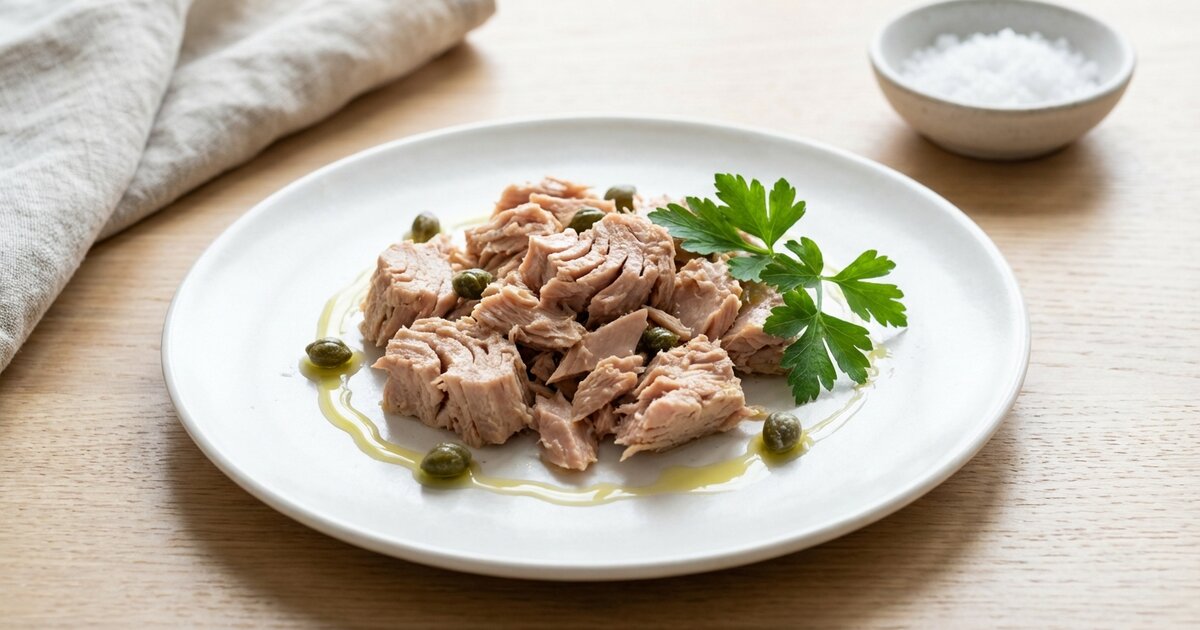
Canned tuna is the original protein hack. Cheap, shelf-stable, zero prep required, and absolutely loaded with protein. Bodybuilders and budget-conscious dieters have relied on it for decades, and for good reason—nothing else delivers this much protein for so few calories.
But canned tuna isn’t one product—it’s a category. Water vs oil, chunk light vs albacore, cans vs pouches, and brands that vary in quality. The macro differences between these options are significant enough to matter for your tracking.
This guide covers everything: exact macros for every type, how to choose the right tuna for your goals, mercury considerations, and creative ways to eat it that don’t involve sad desk lunches.
Canned Tuna Macros: Quick Reference
Here’s the breakdown for tuna packed in water (drained), which is the go-to for most macro trackers.
| Serving Size | Calories | Protein | Carbs | Fat | Sodium |
|---|---|---|---|---|---|
| 1 oz (28g) | 33 | 7.4g | 0g | 0.3g | 100mg |
| 3 oz (85g) | 99 | 22g | 0g | 0.9g | 300mg |
| 1 can (5 oz/142g drained) | 191 | 42g | 0g | 1.4g | 500mg |
| 100g | 116 | 26g | 0g | 1g | 350mg |
The protein-to-calorie ratio is exceptional: 42g protein for only 191 calories means about 88% of calories come from protein. For comparison, chicken breast is 77% protein by calories.
Tuna in Water vs Oil: The Macro Difference
This is the single most important choice for macro tracking.
Tuna in Water (Drained)
| Per Can (5 oz drained) | Amount |
|---|---|
| Calories | 191 |
| Protein | 42g |
| Carbs | 0g |
| Fat | 1.4g |
| Sodium | 500mg |
Best for: Weight loss, cutting phases, maximizing protein per calorie.
Tuna in Oil (Drained)
| Per Can (5 oz drained) | Amount |
|---|---|
| Calories | 339 |
| Protein | 42g |
| Carbs | 0g |
| Fat | 14g |
| Sodium | 500mg |
The difference: 148 extra calories and 12.6g more fat—all from the oil that clings to the fish even after draining.
Best for: Those who need more healthy fats, find water-packed too dry, or prefer the taste.
Oil-Packed (Not Drained)
If you use the oil (in a recipe or as dressing):
| Per Can with Oil | Amount |
|---|---|
| Calories | ~400 |
| Protein | 42g |
| Carbs | 0g |
| Fat | ~20g |
Tip: If using oil-packed tuna, drain it over a bowl and measure the oil separately. You can use some for dressing and track it accurately.
Chunk Light vs Albacore Tuna
The other major distinction you’ll see on labels.
Chunk Light Tuna
- Source: Usually skipjack tuna (sometimes yellowfin)
- Color: Darker, pinkish
- Texture: Softer, flakier
- Taste: Stronger “fishier” flavor
- Price: Cheaper ($1-2 per can)
- Mercury: Lower (about 0.12 ppm)
Macros (water-packed, per can):
- Calories: 191
- Protein: 42g
- Fat: 1.4g
Albacore (White) Tuna
- Source: Albacore tuna
- Color: Lighter, whiter
- Texture: Firmer, meatier
- Taste: Milder, less fishy
- Price: More expensive ($2-4 per can)
- Mercury: Higher (about 0.35 ppm)
Macros (water-packed, per can):
- Calories: 220
- Protein: 40g
- Fat: 5g
Nutritional difference: Albacore has slightly more fat and calories but similar protein. The main reason to choose one over the other is taste preference, price, and mercury concerns.
Canned Tuna Macros by Brand
Brands do vary. Here’s a comparison of popular options (5 oz can, water-packed, drained):
| Brand | Calories | Protein | Fat | Sodium |
|---|---|---|---|---|
| StarKist Chunk Light | 80 | 18g | 0.5g | 200mg |
| Bumble Bee Chunk Light | 60 | 13g | 0.5g | 180mg |
| Wild Planet Skipjack | 120 | 26g | 1g | 250mg |
| Safe Catch Elite | 110 | 25g | 1g | 140mg |
| Chicken of the Sea | 70 | 16g | 0.5g | 200mg |
| Genova Yellowfin (oil) | 120 | 25g | 2g | 250mg |
| Kirkland (Costco) | 90 | 21g | 0.5g | 210mg |
Note: These are per their labeled serving sizes, which vary. Some list per can, others per “drained weight” which assumes you remove the liquid. Always check serving size.
Highest protein: Wild Planet and Safe Catch use higher-quality fish with more actual tuna per can.
Lowest sodium: Safe Catch at 140mg stands out for sodium-conscious eaters.
Understanding Tuna Serving Sizes
Canned tuna serving sizes can be confusing. Let’s clarify.
Can Sizes
- “Standard” can: 5 oz (142g) total, ~4 oz (113g) drained
- Large can: 12 oz (340g) total, ~10 oz drained
- Pouch: Usually 2.5-3 oz, pre-drained
What “Drained” Means for Macros
When you drain tuna:
- Water-packed: You lose negligible nutrition (just water)
- Oil-packed: You lose some fat, but not all—oil clings to fish
For tracking: Use “drained” values when you drain, “with liquid” when you use it (like in a recipe).
Quick Conversion
- 1 can drained = ~4 oz = ~113g = ~25g protein (varies by brand)
- 2 cans = roughly 50g protein
- 1 pouch = roughly half a can = ~12-15g protein
This makes math easy: two cans of tuna gets most people halfway to their daily protein target.
Canned Tuna for Different Diet Goals
Canned Tuna for Muscle Building
Verdict: Excellent—possibly the best cheap protein source available.
The math: To hit 150g protein daily from tuna alone (don’t actually do this):
- 3.5 cans of tuna = 147g protein
- 670 calories total
- Leaves 1,300+ calories for carbs, fats, and other foods
Realistic approach: 1-2 cans of tuna daily provides 40-80g protein, making it much easier to hit high protein targets within calorie limits.
Combine with other protein sources from our High Protein Macro Meals guide.
Canned Tuna for Weight Loss
Verdict: One of the best foods for cutting weight.
Why it works:
- Extremely high satiety (protein + volume)
- Very low calorie density
- Zero carbs, minimal fat
- Convenient and requires no cooking
- Affordable
Sample cutting day with tuna:
- Breakfast: Eggs and vegetables (300 cal, 20g protein)
- Lunch: Tuna salad on greens (350 cal, 45g protein)
- Dinner: Chicken and rice (500 cal, 40g protein)
- Snacks: Greek yogurt, fruit (300 cal, 20g protein)
- Total: 1,450 cal, 125g protein
Tuna makes high protein, low calorie eating almost easy.
Canned Tuna for Keto
Verdict: Perfect keto food.
Zero carbs, high protein, low fat (water-packed) or moderate fat (oil-packed). Fits any keto macro setup without planning.
Keto tuna meal: Tuna salad made with mayo, celery, and spices. Serve in lettuce wraps or eat straight.
Canned Tuna for Budget Eating
Verdict: Best protein value on the market.
Cost comparison (per 30g protein):
- Canned tuna: $0.60-1.00
- Chicken breast: $1.50-2.50
- Ground beef: $1.75-2.50
- Protein powder: $1.00-1.50
- Steak: $4.00+
Store-brand tuna at ~$1 per can delivers 40g+ protein. Nothing beats that for cost-effectiveness.
Mercury in Canned Tuna: What You Need to Know
The mercury question comes up constantly. Here’s the evidence-based answer.
Mercury Levels by Type
| Tuna Type | Mercury (ppm) | FDA Category |
|---|---|---|
| Chunk light (skipjack) | 0.12 | ”Best choices” |
| Albacore (white) | 0.35 | ”Good choices” |
| Yellowfin | 0.35 | ”Good choices” |
| Bigeye | 0.69 | ”Choices to avoid” |
FDA Recommendations
- Chunk light tuna: 2-3 servings (12 oz) per week
- Albacore tuna: 1 serving (6 oz) per week
- Pregnant women: Same limits, but more conservative
Practical Advice
For most healthy adults eating canned tuna regularly:
- Prefer chunk light for frequent consumption
- Limit albacore to once or twice weekly
- Vary your protein sources rather than eating tuna every day
- Don’t panic if you occasionally exceed recommendations
The benefits of protein consumption generally outweigh mercury risks at moderate intake levels. Problems arise with excessive, daily consumption over long periods.
Ways to Eat Canned Tuna (Beyond Sad Tuna Salad)
Canned tuna has a reputation problem—too many joyless desk lunches. Here are better options:
Classic Tuna Salad (Improved)
Ingredients:
- 1 can tuna, drained
- 2 tbsp Greek yogurt (instead of mayo for better macros)
- 1 tbsp Dijon mustard
- Diced celery, red onion
- Salt, pepper, lemon juice
Macros: ~230 cal, 45g protein, 4g carbs, 3g fat
Tuna Melt (High Protein)
Ingredients:
- 1 can tuna
- 1 slice whole wheat bread
- 1 slice cheese
- Sliced tomato
Broil until cheese melts.
Macros: ~400 cal, 52g protein, 20g carbs, 12g fat
Mediterranean Tuna Bowl
Ingredients:
- 1 can tuna
- 1/2 cup cooked quinoa
- Cucumber, tomatoes, olives, red onion
- Feta cheese (1 oz)
- Olive oil and lemon dressing (1 tbsp)
Macros: ~500 cal, 50g protein, 30g carbs, 18g fat
Tuna Lettuce Wraps (Low Carb)
Ingredients:
- 1 can tuna
- Large butter lettuce leaves
- Sliced avocado (1/4)
- Sriracha mayo (1 tbsp)
Macros: ~330 cal, 44g protein, 4g carbs, 15g fat
Asian Tuna Rice Bowl
Ingredients:
- 1 can tuna
- 1 cup cooked white rice
- Soy sauce, sesame oil, rice vinegar
- Sliced scallions, sesame seeds
- Sriracha
Macros: ~450 cal, 48g protein, 45g carbs, 6g fat
Tuna Stuffed Peppers
Ingredients:
- 1 can tuna
- 2 bell peppers, halved
- 1/4 cup cream cheese
- Shredded cheese topping
Stuff peppers with tuna-cream cheese mixture, top with cheese, bake at 375°F for 20 minutes.
Macros: ~380 cal, 48g protein, 12g carbs, 15g fat
Canned Tuna vs Other Protein Sources
How does tuna stack up against the competition?
| Food (per 150 calories) | Protein | Carbs | Fat |
|---|---|---|---|
| Canned tuna (water) | 33g | 0g | 1g |
| Chicken breast | 27g | 0g | 3g |
| Greek yogurt | 15g | 9g | 4g |
| Cottage cheese | 19g | 6g | 3g |
| Eggs (2.5 large) | 16g | 1g | 10g |
| Salmon | 21g | 0g | 7g |
| Ground beef (90%) | 20g | 0g | 8g |
| Tofu | 16g | 4g | 9g |
Tuna wins the protein-per-calorie race by a significant margin. The only food that comes close is chicken breast, and tuna beats it while requiring zero cooking.
Compare with Salmon Macros and Chicken Breast Macros for detailed breakdowns.
Tuna Pouch vs Can: What’s Better?
Pouches have become popular. Here’s the breakdown:
Advantages of Pouches
- Pre-drained (no liquid mess)
- More portable
- No can opener needed
- Often better quality/texture
Disadvantages of Pouches
- More expensive per ounce
- Smaller portions (usually 2.5-3 oz)
- Less liquid = slightly drier texture
- More packaging waste
Macro Comparison
Nutritionally, pouches and cans of the same type are equivalent. The difference is convenience and cost, not macros.
Budget pick: Cans Convenience pick: Pouches
How to Store and Handle Canned Tuna
Shelf Life
- Unopened: 3-5 years (check best-by date)
- Opened, refrigerated: 3-4 days max
- Opened, frozen: Up to 3 months (texture suffers)
Storage Tips
- Keep cans in cool, dry place
- After opening, transfer to glass container
- Don’t leave opened tuna at room temperature
Batch Prep Ideas
Make large batches of tuna salad for weekly meal prep:
- 3 cans tuna = ~125g protein
- Mix with Greek yogurt, seasonings
- Portion into 4 containers
- Use within 4 days
Tuna Meal Prep for Macro Success
Weekly Tuna Prep Strategy
Sunday prep (30 minutes):
- Drain 4-6 cans of tuna
- Make two different preparations:
- Classic tuna salad (2-3 cans)
- Mediterranean style (2-3 cans)
- Store in individual containers
Throughout the week:
- Day 1-2: Classic salad on greens or bread
- Day 3-4: Mediterranean bowl with grains
- Day 5: Fresh can for different preparation
Portable Tuna Lunches
Office-friendly options:
- Tuna pouch + whole wheat crackers + apple
- Pre-made tuna salad in container + pita bread
- Tuna lettuce wrap kit (separate components)
Common Tuna Tracking Mistakes
Mistake 1: Using Wrong Entry (Water vs Oil)
Oil-packed tuna has 75% more calories. Always verify you’re using the right database entry.
Mistake 2: Not Draining Before Weighing
If your tracking entry says “drained,” weigh after draining. With liquid adds water weight but not calories (for water-packed).
Mistake 3: Forgetting Add-Ins
Tuna itself is lean, but tuna salad often includes:
- Mayo: 90 cal per tbsp
- Oil: 120 cal per tbsp
- Cheese: 100+ cal per oz
Track everything that goes in.
Mistake 4: Guessing Can Size
Cans range from 5-12 oz. Check the label—don’t assume all cans are equal.
The Bottom Line on Canned Tuna Macros
The good:
- Highest protein-to-calorie ratio of common foods
- Zero carbs, very low fat (water-packed)
- Cheap, shelf-stable, no cooking required
- Complete protein with all essential amino acids
- Extremely versatile in meals
The considerations:
- Mercury content requires moderation
- Sodium can be significant
- Taste/texture isn’t for everyone
- Gets boring if relied on too heavily
Best use case: Canned tuna is an essential tool in the macro tracker’s arsenal. Use it 2-3 times per week for easy, affordable, high-protein meals. Vary your preparations to avoid burnout, and choose chunk light for more frequent consumption.
Smart strategy: Keep canned tuna stocked at home and at work. When you need protein and don’t want to cook, it’s there. Pair with carbs and vegetables for complete meals, or eat straight from the can when desperate.
For personalized macro targets, use our Macro Calculator to determine exactly how much protein you need daily.
Learn how tuna fits into the bigger picture in our guide to What Are Macronutrients.
Related Articles
Dragonfruit Macros: Complete Nutrition Guide for Pitaya
Complete macro breakdown of dragonfruit (pitaya). Learn the calories, protein, carbs, and...
Read guide →
Bulgur Macros: Complete Nutritional Guide & Health Benefits
Discover bulgur's complete macro breakdown, nutritional benefits, and how to incorporate...
Read guide →
Radish Macros: Nutrition Facts and Health Benefits
Complete guide to radish macros and nutrition. Learn calories, protein, carbs, and health...
Read guide →Note: Nutrition values are approximate and may vary based on preparation method and source.