Cherries Macros: Nutrition Facts, Calories & Health Benefits
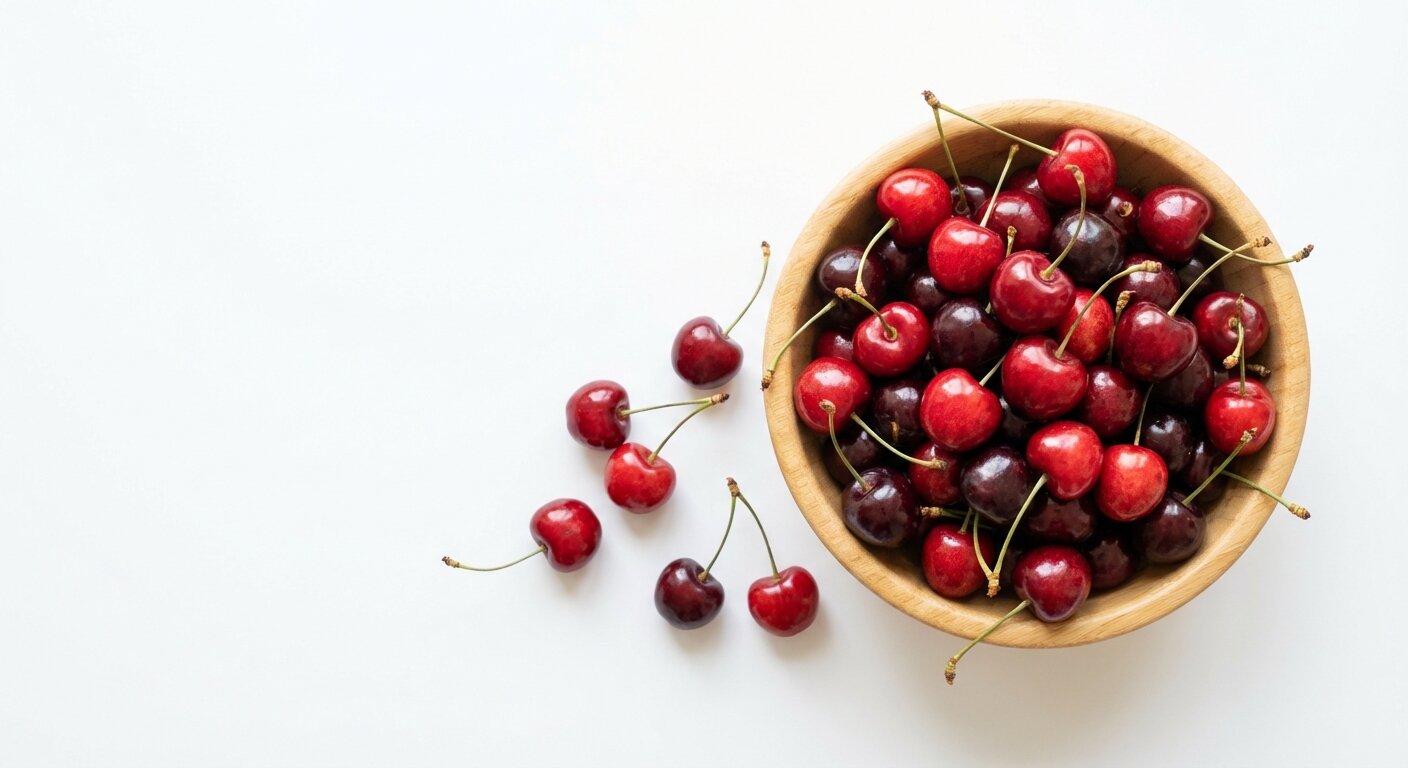
Cherries are one of summer’s most popular stone fruits, loved for their sweet-tart flavor and vibrant color. But beyond taste, understanding cherries macros helps you track nutrition accurately whether you’re managing calories, optimizing performance, or simply eating healthier.
This guide breaks down the complete macronutrient profile for fresh, dried, and frozen cherries—plus how different varieties compare nutritionally. Whether you’re tracking macros for fat loss, muscle gain, or general wellness, you’ll know exactly what you’re getting from each serving.
Ready to calculate your personalized macro targets? Try our Macro Calculator to match your nutrition to your specific goals.
Cherries Macros Breakdown
Fresh Sweet Cherries (1 cup / 154g)
Calories: 97 Protein: 1.6g Carbs: 25g
- Fiber: 3.2g
- Sugar: 20g Fat: 0.3g
Sweet cherries (like Bing or Rainier) are the most common fresh variety, offering a balanced mix of natural sugars and fiber with minimal fat.
Fresh Tart Cherries (1 cup / 155g)
Calories: 77 Protein: 1.5g Carbs: 19g
- Fiber: 2.5g
- Sugar: 13g Fat: 0.5g
Tart cherries (also called sour or Montmorency cherries) contain fewer sugars and calories than sweet varieties, making them a slightly lower-carb option.
Dried Cherries (1 cup / 160g)
Calories: 340 Protein: 3g Carbs: 85g
- Fiber: 3g
- Sugar: 71g Fat: 1g
Dried cherries are calorie-dense due to water removal and often contain added sugars. Always check labels—unsweetened dried cherries have approximately 265 calories and 60g carbs per cup.
Frozen Cherries (1 cup / 155g, unsweetened)
Calories: 90 Protein: 1.4g Carbs: 22g
- Fiber: 2.9g
- Sugar: 18g Fat: 0.3g
Frozen cherries retain nearly identical macros to fresh cherries and are available year-round, making them a convenient alternative.
Cherry Juice (8 oz / 240ml)
Calories: 140 Protein: 1g Carbs: 34g
- Fiber: 0.5g
- Sugar: 28g Fat: 0.5g
Cherry juice concentrates sugars while removing most fiber. Tart cherry juice (100% juice) typically has slightly fewer calories (130-140) but similar carbs.
Macros by Cherry Serving Size
| Serving Size | Calories | Protein | Carbs | Fiber | Fat |
|---|---|---|---|---|---|
| 10 cherries (75g) | 49 | 0.8g | 12g | 1.6g | 0.2g |
| 1/2 cup (77g) | 49 | 0.8g | 12.5g | 1.6g | 0.2g |
| 1 cup (154g) | 97 | 1.6g | 25g | 3.2g | 0.3g |
| 100g | 63 | 1g | 16g | 2.1g | 0.2g |
Most people eat cherries by the handful rather than measuring cups. Ten cherries is approximately half a cup and delivers about 50 calories—a reasonable snack portion.
Sweet Cherries vs Tart Cherries: Nutritional Comparison
| Nutrient (per 1 cup) | Sweet Cherries | Tart Cherries |
|---|---|---|
| Calories | 97 | 77 |
| Protein | 1.6g | 1.5g |
| Carbs | 25g | 19g |
| Fiber | 3.2g | 2.5g |
| Sugar | 20g | 13g |
| Fat | 0.3g | 0.5g |
| Vitamin C | 10.8mg | 16.1mg |
| Potassium | 342mg | 268mg |
| Anthocyanins | Moderate | High |
Key Differences:
- Tart cherries have 35% fewer sugars and 20 fewer calories per cup
- Sweet cherries provide more potassium (important for muscle function)
- Tart cherries contain higher concentrations of anthocyanins (anti-inflammatory compounds)
- Tart cherries deliver 50% more vitamin C
For recovery-focused nutrition, tart cherries are superior. For everyday snacking and higher sweetness, sweet cherries win.
Micronutrients in Cherries
Beyond macros, cherries deliver impressive micronutrient content:
Vitamins (per 1 cup sweet cherries)
- Vitamin C: 10.8mg (12% DV) – immune support, collagen production
- Vitamin A: 92 IU (2% DV) – vision, skin health
- Vitamin K: 3.2mcg (4% DV) – blood clotting, bone health
- Folate: 6.2mcg (2% DV) – DNA synthesis
Minerals (per 1 cup)
- Potassium: 342mg (10% DV) – muscle function, blood pressure regulation
- Magnesium: 17mg (4% DV) – energy production, muscle relaxation
- Calcium: 20mg (2% DV) – bone strength
- Iron: 0.6mg (3% DV) – oxygen transport
Antioxidants & Phytonutrients
- Anthocyanins: Powerful anti-inflammatory compounds that give cherries their red color
- Quercetin: Flavonoid with anti-inflammatory and antihistamine properties
- Melatonin: Natural sleep hormone (particularly high in tart cherries)
- Beta-carotene: Precursor to vitamin A
Tart cherries contain 3-5 times more anthocyanins than sweet cherries, making them particularly valuable for inflammation management and recovery.
Health Benefits of Cherries
1. Reduces Exercise-Induced Inflammation
Multiple studies show tart cherry juice reduces muscle soreness and inflammation after intense exercise. Athletes consuming tart cherry juice for 7 days before a marathon reported faster recovery and reduced muscle damage markers.
Mechanism: High anthocyanin content inhibits inflammatory enzymes (COX-1 and COX-2), similar to NSAIDs but without side effects.
2. Improves Sleep Quality
Tart cherries are one of the few natural food sources of melatonin. Research demonstrates tart cherry juice increases sleep time and efficiency in adults with insomnia.
Dose: 8 oz tart cherry juice twice daily (morning and 1-2 hours before bed) improved sleep duration by an average of 84 minutes in clinical trials.
3. Supports Heart Health
Cherries’ potassium content (342mg per cup) helps regulate blood pressure. Their anthocyanins reduce oxidative stress and improve cholesterol profiles.
Studies show regular cherry consumption lowers LDL cholesterol and reduces inflammatory markers associated with cardiovascular disease.
4. May Reduce Gout Attacks
Research published in Arthritis & Rheumatism found eating cherries or cherry extract lowered gout attack risk by 35-45%. Cherries reduce uric acid levels and inflammation in joints.
Effective dose: At least 10 cherries per day or 1 tablespoon of tart cherry concentrate.
5. Supports Weight Management
Despite containing natural sugars, cherries have a relatively low glycemic index (GI = 22 for sweet cherries). The fiber content (3.2g per cup) slows sugar absorption and promotes satiety.
At 97 calories per cup, cherries make a satisfying, nutrient-dense snack that fits most calorie-controlled diets.
6. Rich in Antioxidants
Cherries rank among the top 20 antioxidant-rich foods. Their ORAC (Oxygen Radical Absorbance Capacity) score is higher than strawberries, oranges, and plums.
Regular antioxidant intake helps combat cellular damage, supports immune function, and may reduce chronic disease risk.
How to Fit Cherries Into Your Macros
For Fat Loss (Calorie Deficit)
Serving: 1/2 to 1 cup fresh cherries (49-97 calories)
- Eat cherries as a standalone snack to satisfy sweet cravings without processed sugar
- Pair with 1 oz almonds or Greek yogurt for balanced macros (adds protein/fat)
- Use frozen cherries in protein smoothies for volume and nutrients
- Avoid dried cherries—calorie density makes portion control difficult
Pro tip: Ten cherries (about 50 calories) satisfies sweetness cravings with minimal calorie impact.
For Muscle Gain (Calorie Surplus)
Serving: 1-2 cups fresh or frozen cherries (97-194 calories)
- Add cherries to post-workout smoothies with protein powder and oats for glycogen replenishment
- Use dried cherries (1/2 cup) in trail mixes for calorie-dense snacks
- Blend frozen cherries into overnight oats for carb-rich breakfasts
- Consume tart cherry juice around workouts for recovery benefits
Pro tip: Pair cherries with protein sources to balance fast-digesting carbs with slower-release nutrients.
For Athletic Performance
Timing matters:
- Pre-workout (1-2 hours before): 1/2 to 1 cup fresh cherries for quick carbs
- Post-workout (within 30 min): 1 cup cherries + protein for recovery
- Daily recovery support: 8 oz tart cherry juice (morning and evening)
Research shows tart cherry juice consumed before and after endurance events reduces muscle damage and accelerates recovery.
For Low-Carb / Keto Diets
Challenge: 1 cup = 25g net carbs (22g if tart cherries)
Strategies:
- Limit to 10-15 cherries (12-15g carbs) if daily carb target is 50g+
- Incompatible with strict keto (under 20g carbs/day)
- Use sparingly as a controlled treat on higher-carb days
- Avoid dried cherries and cherry juice entirely
If you’re tracking net carbs, cherries provide 3.2g fiber per cup, bringing net carbs to approximately 22g.
For Balanced Macro Diets
Serving: 1 cup fresh cherries daily (97 calories, 25g carbs)
- Fits easily into most balanced approaches (IIFYM, 40/30/30, etc.)
- Use as a dessert replacement or between-meal snack
- Incorporate into breakfast bowls, salads, or yogurt parfaits
- No special timing needed—consume whenever convenient
Cherry Varieties and Their Macros
Bing Cherries (Most Common Sweet Variety)
- Calories: 97 per cup
- Carbs: 25g
- Characteristics: Large, dark red, very sweet
- Best for: Fresh eating, snacking
Rainier Cherries (Premium Sweet Variety)
- Calories: ~95 per cup
- Carbs: 24g
- Characteristics: Yellow-red skin, exceptionally sweet
- Best for: Fresh eating, fruit salads
- Note: Similar macros to Bing but sweeter taste
Montmorency Cherries (Most Common Tart Variety)
- Calories: 77 per cup
- Carbs: 19g
- Characteristics: Bright red, sour flavor
- Best for: Juice, baking, recovery nutrition
- Note: Highest anthocyanin content
Black Cherries (Wild Variety)
- Calories: ~80 per cup
- Carbs: 20g
- Characteristics: Small, very dark, intense flavor
- Best for: Preserves, medicinal use
- Note: Higher tannin content than cultivated varieties
All cherry varieties share similar macro profiles within 10-15% variance. The primary differences are taste and specific phytonutrient concentrations.
Fresh vs Frozen vs Dried: Which is Best?
Fresh Cherries
Pros:
- Best taste and texture
- Minimal processing
- Highest vitamin C content
- Naturally portion-controlled (eat until full)
Cons:
- Seasonal availability (May-July in most regions)
- Shorter shelf life (3-5 days refrigerated)
- More expensive per serving
- Requires pitting for most recipes
Best for: Peak season eating, fresh snacks, minimal prep recipes
Frozen Cherries
Pros:
- Available year-round
- Flash-frozen at peak ripeness (preserves nutrients)
- More affordable than fresh
- Long shelf life (6-12 months)
- Pre-pitted convenience
Cons:
- Softer texture when thawed
- Not ideal for fresh eating
- Slight vitamin C loss during freezing
Best for: Smoothies, baking, sauces, budget-conscious macro tracking
Macro comparison: Nearly identical to fresh (90 vs 97 calories per cup)
Dried Cherries
Pros:
- Extremely long shelf life (6+ months)
- Portable for travel/hiking
- Convenient addition to trail mixes and baked goods
Cons:
- 3.5x more calorie-dense than fresh
- Often contain added sugars
- Easy to overeat (small serving size)
- Most fiber and water removed
Best for: Calorie-dense snacks during bulking phases, endurance activities requiring portable carbs
Macro comparison: 340 vs 97 calories per cup (most people overeat dried by 2-3x without realizing)
Verdict: Fresh and frozen cherries offer the best nutritional value for macro tracking. Dried cherries are useful in specific contexts but require careful portion control.
Common Questions About Cherries and Macros
Do cherries spike blood sugar?
No—cherries have a low glycemic index (GI = 22 for sweet, 20 for tart). The fiber content slows sugar absorption, preventing rapid blood sugar spikes. Studies show cherries improve insulin sensitivity over time.
Compare to:
- White bread: GI = 75
- Watermelon: GI = 76
- Banana: GI = 51
Cherries are among the lowest-GI fruits, making them suitable for most people managing blood sugar.
Are cherries keto-friendly?
No—at 25g carbs per cup, fresh cherries exceed most ketogenic diet limits (typically 20-30g total carbs daily). However:
- Small portions (10 cherries = ~12g carbs) fit flexible low-carb plans
- Tart cherries have slightly fewer carbs (19g per cup)
- Consider cherries a treat on higher-carb days
Strict keto dieters should avoid cherries or consume them only on targeted carb days.
Can I eat cherries every day?
Yes—1 cup of fresh cherries daily provides health benefits without excessive calorie or sugar intake. Athletes and active individuals can safely consume 1-2 cups daily.
Considerations:
- Balance with other fruits (aim for 2-3 servings total daily)
- Monitor digestive tolerance (cherries contain sorbitol, which can cause gas/bloating in large amounts)
- Tart cherry juice (8 oz twice daily) is commonly used in research without adverse effects
How many cherries equal one serving of fruit?
One serving of fruit = 1 cup fresh cherries (about 21 cherries). This provides:
- 97 calories
- 25g carbs
- 3.2g fiber
- Significant vitamin C and potassium
Most dietary guidelines recommend 1.5-2 cups of fruit daily. One serving of cherries accounts for 50-66% of this target.
Are cherries good for diabetics?
Yes, in moderation. Despite containing natural sugars, cherries:
- Have a low glycemic index (22)
- Provide fiber that slows sugar absorption
- Contain anthocyanins that may improve insulin sensitivity
Research shows regular cherry consumption doesn’t negatively impact HbA1c (long-term blood sugar control) in diabetics. However, individual responses vary—monitor blood sugar 1-2 hours after eating to assess personal tolerance.
Recommended portion: Start with 1/2 cup (50 calories, 12g carbs) and increase if blood sugar remains stable.
Do frozen cherries have the same benefits as fresh?
Yes—frozen cherries retain 90-95% of nutrients found in fresh cherries. They’re flash-frozen within hours of harvest, preserving:
- Antioxidant content (anthocyanins)
- Mineral content (potassium, magnesium)
- Fiber
Minor losses:
- Vitamin C decreases by 10-15% during freezing
- Texture softens upon thawing
For macro tracking and health benefits, frozen cherries are virtually equivalent to fresh.
Can cherries help you sleep?
Yes—tart cherries are one of the few natural food sources of melatonin. Research shows:
- 8 oz tart cherry juice twice daily increases sleep time by 84 minutes
- Improves sleep efficiency and reduces insomnia severity
- Effects are modest but clinically meaningful
Mechanism: Cherries contain melatonin (0.1-0.3 mg per serving) plus tryptophan and anthocyanins that support natural melatonin production.
Best timing: Consume tart cherry juice 1-2 hours before bed for maximum effect.
Are cherries inflammatory or anti-inflammatory?
Anti-inflammatory. Cherries—especially tart varieties—are among the most potent anti-inflammatory foods available:
- Anthocyanins inhibit COX-1 and COX-2 enzymes (similar to ibuprofen)
- Reduces C-reactive protein (CRP), a key inflammation marker
- Lowers uric acid levels (beneficial for gout)
Studies show tart cherry consumption reduces post-exercise inflammation and muscle damage by 20-30% compared to placebo.
How should I store cherries?
Fresh cherries:
- Refrigerate immediately (do not wash until ready to eat)
- Store in breathable container or perforated plastic bag
- Shelf life: 3-5 days
- Freeze extras: Wash, pit, spread on tray, freeze, then bag
Frozen cherries:
- Keep sealed in freezer bags
- Shelf life: 6-12 months
- No thawing needed for smoothies; partially thaw for other uses
Dried cherries:
- Store in airtight container in cool, dry place
- Refrigerate for extended freshness
- Shelf life: 6-12 months
Frequently Asked Questions
How many calories are in cherries?
One cup of fresh sweet cherries (about 154g) contains approximately 97 calories. The calorie content varies by type: tart cherries have about 77 calories per cup, while dried cherries are significantly more calorie-dense at 340 calories per cup due to water removal. Frozen cherries contain roughly 90 calories per cup and maintain nearly identical nutrition to fresh varieties. If you’re snacking on cherries by the handful, ten cherries equal about 50 calories, making them a reasonable portion-controlled snack.
What are the macros in cherries?
Per 1 cup of fresh sweet cherries (154g), you’ll get 25g carbohydrates, 1.6g protein, and 0.3g fat. Of the 25g carbs, approximately 20g is natural sugar and 3.2g is fiber, bringing net carbs to about 22g. Tart cherries contain slightly fewer macros: 19g carbs, 1.5g protein, and 0.5g fat per cup. Cherries are primarily a carbohydrate source with minimal protein and virtually no fat, making them ideal for quick energy but not for protein or fat macros. The fiber content helps slow sugar absorption despite the relatively high carb count.
Are cherries good for weight loss?
Yes, cherries can support weight loss when consumed in appropriate portions. At 97 calories per cup with 3.2g of fiber, they provide volume and satiety without excessive calorie intake. Their low glycemic index (GI = 22) helps maintain stable blood sugar levels, reducing cravings and energy crashes. The natural sweetness can satisfy dessert cravings without resorting to processed sweets. However, portion control matters—dried cherries are calorie-dense and easy to overeat, so stick with fresh or frozen varieties. One cup makes an ideal serving for most weight loss plans, fitting easily into a 1,500-2,000 calorie daily target while providing beneficial nutrients and antioxidants.
Do cherries have a lot of sugar?
Fresh cherries contain about 20g of natural sugar per cup, which is moderate compared to other fruits. For context, one cup of grapes has 23g sugar, one cup of mango has 22g, and one banana has 14g. While this may seem high, cherries’ fiber content (3.2g per cup) slows sugar absorption, preventing blood sugar spikes. Their glycemic index is relatively low at 22, meaning they don’t cause rapid blood sugar increases. Tart cherries have less sugar—only 13g per cup—making them a better option if you’re monitoring sugar intake closely. The sugar in cherries is naturally occurring fructose, not added sugars, which makes them a healthier choice than processed sweets.
Are tart cherries healthier than sweet cherries?
Both varieties offer significant health benefits, but tart cherries have some advantages. Tart cherries contain 3-5 times more anthocyanins (anti-inflammatory compounds) than sweet cherries, making them particularly beneficial for reducing exercise-induced inflammation, supporting recovery, and managing conditions like gout. They also have 50% more vitamin C and 35% less sugar per serving. However, sweet cherries provide more potassium (342mg vs 268mg), which is important for muscle function and blood pressure regulation. For everyday snacking and enjoyment, sweet cherries win on taste. For recovery-focused nutrition and anti-inflammatory benefits, tart cherries are superior. Most people benefit from including both in their diets.
Can I eat cherries on a low-carb diet?
Cherries contain 25g carbs per cup (22g if tart cherries), which may be too high for strict ketogenic diets that limit daily carbs to 20-30g. However, if you’re following a more flexible low-carb approach (50-100g carbs daily), a small serving of 10-15 cherries (about 12-15g carbs) can fit within your targets. The key is portion control—weigh your serving rather than eating straight from the bag. Cherries have a low glycemic index, so they won’t spike blood sugar as dramatically as higher-GI fruits. If you’re on strict keto, save cherries for targeted carb days or special occasions. For moderate low-carb dieters, incorporate cherries strategically around workouts when your body can best utilize the carbohydrates for glycogen replenishment.
How many cherries should I eat per day?
A standard serving is 1 cup (about 21 cherries or 154g), providing around 97 calories and 25g carbs. This fits well into most balanced diets and represents approximately one serving of fruit from the recommended 1.5-2 cups daily. Active individuals or those with higher calorie needs can safely consume 1-2 cups of fresh cherries daily without issue. If you’re watching calories or carbs closely, start with a half-cup serving (about 50 calories) and adjust based on your macro targets. For tart cherry juice used specifically for recovery or sleep support, research suggests 8 oz twice daily (morning and evening) is effective and safe. Listen to your digestive tolerance—cherries contain sorbitol, which can cause gas or bloating in large quantities for sensitive individuals.
Are frozen cherries as nutritious as fresh?
Yes, frozen cherries retain most nutrients since they’re flash-frozen at peak ripeness, typically within hours of harvest. This process locks in antioxidants (anthocyanins), minerals (potassium, magnesium), and fiber effectively. While there’s a modest 10-15% reduction in vitamin C content during freezing, frozen cherries maintain 90-95% of the nutrition found in fresh varieties. The macros are nearly identical: frozen cherries contain about 90 calories and 22g carbs per cup compared to 97 calories and 25g carbs for fresh. The main difference is texture—frozen cherries become softer when thawed, making them ideal for smoothies, sauces, and baking rather than fresh eating. For year-round access to cherry nutrition at a lower cost, frozen is an excellent choice.
Conclusion
Cherries deliver impressive nutrition in a low-calorie package: 97 calories, 25g carbs, and 3.2g fiber per cup. Whether you choose sweet or tart varieties, fresh or frozen, you’re getting a fruit rich in antioxidants, anti-inflammatory compounds, and essential vitamins and minerals.
For macro tracking, cherries fit most approaches—fat loss, muscle gain, or maintenance—with appropriate portion control. Their low glycemic index and high fiber content make them a smarter choice than many other fruits for blood sugar management.
If you’re an athlete, tart cherry juice offers clinically-proven recovery benefits. If you’re focused on overall health, incorporating 1 cup of cherries daily supports cardiovascular health, reduces inflammation, and may improve sleep quality.
Action steps:
- Calculate your personalized macros with our Macro Calculator
- Track cherry intake by weight or cup measurement for accuracy
- Choose fresh or frozen over dried to maximize nutrients and minimize calorie density
- Experiment with tart cherry juice if you’re training hard or dealing with inflammation
Looking for more fruit nutrition guides? Check out:
- Watermelon Macros – another low-calorie summer fruit
- Grapes Macros – similar carb content, different benefits
- Best Macro Tracking Apps – tools to log your intake accurately
Cherries aren’t just delicious—they’re nutritional powerhouses that support your health and fitness goals when incorporated strategically.
Related Articles
Dragonfruit Macros: Complete Nutrition Guide for Pitaya
Complete macro breakdown of dragonfruit (pitaya). Learn the calories, protein, carbs, and...
Read guide →
Bulgur Macros: Complete Nutritional Guide & Health Benefits
Discover bulgur's complete macro breakdown, nutritional benefits, and how to incorporate...
Read guide →
Radish Macros: Nutrition Facts and Health Benefits
Complete guide to radish macros and nutrition. Learn calories, protein, carbs, and health...
Read guide →Note: Nutrition values are approximate and may vary based on preparation method and source.