Chia Seeds Macros: Complete Nutrition Guide & Benefits
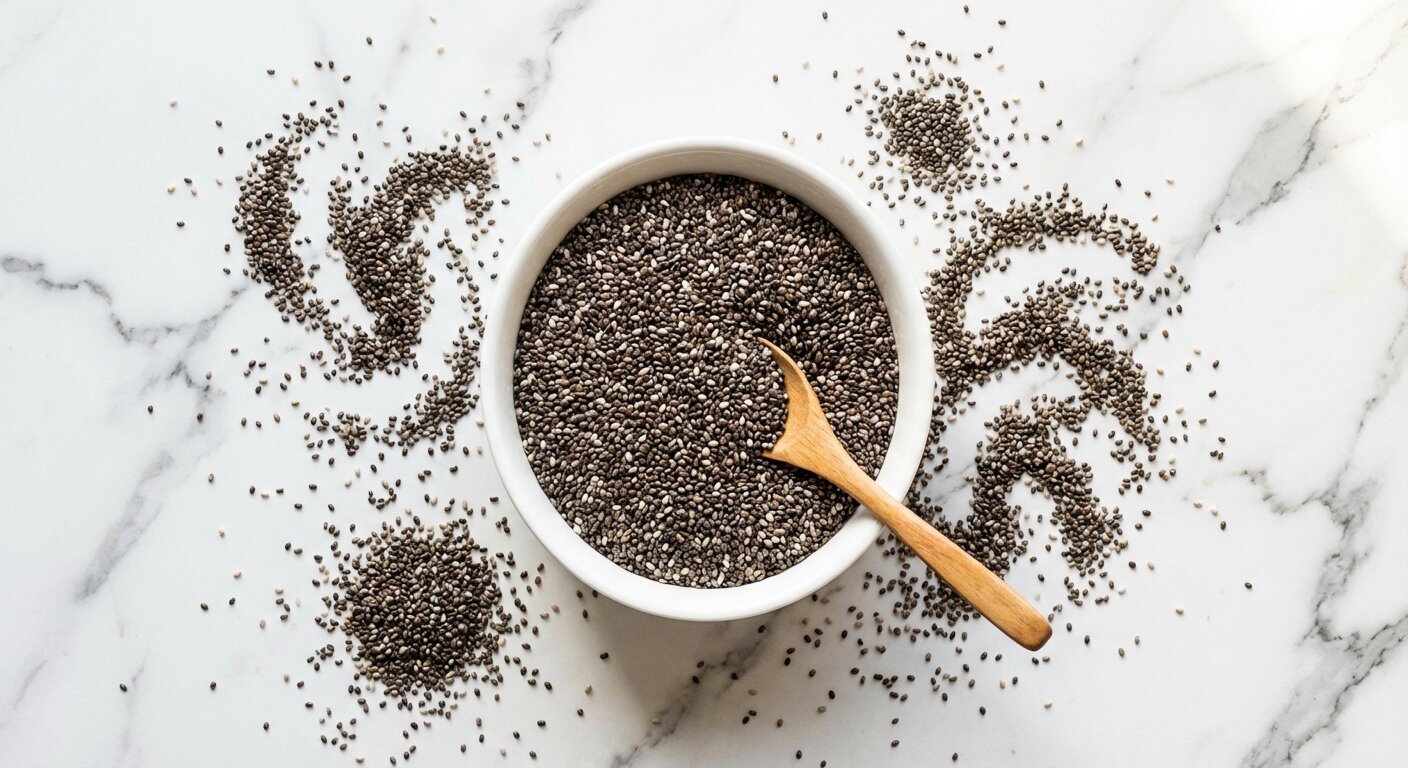
Chia seeds have exploded in popularity over the past decade, and for good reason. These tiny black or white seeds pack an impressive nutritional punch in a small package, offering a unique combination of healthy fats, protein, and fiber that few other foods can match.
If you’re tracking macros, chia seeds present an interesting case. They’re technically high in both fat and carbohydrates, but their massive fiber content (11g per ounce) makes them incredibly versatile for various dietary approaches—from keto to high-carb endurance diets. Whether you’re looking to increase your omega-3 intake, boost your fiber consumption, or simply add more nutrient-dense foods to your diet, understanding chia seeds’ macronutrient profile is essential.
Ready to see exactly how these superseeds fit into your macro goals? Use our macro calculator to build a complete nutrition plan that includes nutrient-dense foods like chia seeds.
Chia Seeds Macros Breakdown
Standard Serving (1 oz / 28g / 2 tablespoons)
| Nutrient | Amount | % Daily Value* |
|---|---|---|
| Calories | 138 | 7% |
| Protein | 5g | 10% |
| Total Fat | 9g | 12% |
| Saturated Fat | 1g | 5% |
| Omega-3 Fatty Acids | 5,000mg | 312%** |
| Total Carbohydrates | 12g | 4% |
| Dietary Fiber | 11g | 39% |
| Net Carbs* | 1g | <1% |
| Sugar | 0g | 0% |
| Calcium | 179mg | 14% |
| Iron | 2.2mg | 12% |
| Magnesium | 95mg | 23% |
| Phosphorus | 244mg | 20% |
| Zinc | 1.3mg | 12% |
*Based on a 2,000 calorie diet
**Based on 1,600mg adequate intake for adult males
***Net carbs = Total carbs - Fiber
What Makes Chia Seeds Unique
The most striking feature of chia seeds is their 11g of fiber per ounce—that’s nearly 40% of the recommended daily intake in just two tablespoons. This fiber content is so high that it actually exceeds the carbohydrate content minus the fiber, resulting in only 1g net carbs. This makes chia seeds one of the few foods that are simultaneously high-carb and keto-friendly.
The 5,000mg of omega-3 fatty acids (primarily ALA) per ounce is another standout feature. This is more than three times the adequate intake recommendation for adult males and makes chia seeds one of the richest plant-based sources of omega-3s available.
Macro Comparison: Chia vs. Other Seeds
Understanding how chia seeds compare to other popular seeds helps you make informed choices based on your macro goals:
| Seed Type (1 oz) | Calories | Protein | Fat | Carbs | Fiber | Net Carbs |
|---|---|---|---|---|---|---|
| Chia | 138 | 5g | 9g | 12g | 11g | 1g |
| Flaxseeds | 150 | 5g | 12g | 8g | 8g | 0g |
| Hemp Seeds | 162 | 9g | 13g | 3g | 1g | 2g |
| Pumpkin Seeds | 151 | 7g | 13g | 5g | 1g | 4g |
| Sunflower Seeds | 165 | 6g | 14g | 7g | 3g | 4g |
| Sesame Seeds | 160 | 5g | 14g | 7g | 3g | 4g |
Key Takeaways:
- Highest Fiber: Chia seeds win by a landslide with 11g per ounce
- Lowest Net Carbs: Chia and flaxseeds are the most keto-friendly
- Best for Protein: Hemp seeds lead with 9g per ounce
- Omega-3 Champion: Chia seeds contain the most plant-based omega-3s
- Lower Calorie: Chia seeds are among the lowest calorie options despite their nutrient density
If your primary goal is increasing fiber intake or getting more omega-3s, chia seeds are the clear winner. If you need more protein, consider mixing chia with hemp seeds for a complete nutritional profile.
How to Track Chia Seeds Accurately
Chia seeds are small and can be tricky to measure correctly. Here’s how to track them precisely:
Measurement Conversions
- 1 ounce = 28 grams = 2 tablespoons = 6 teaspoons
- 1 tablespoon = 14g = 3 teaspoons = 69 calories
- 1 teaspoon = 4.7g = 23 calories
- 1/4 cup = 42g = 1.5 oz = 207 calories
Weighing vs. Volume Measuring
Always weigh chia seeds when possible. These tiny seeds can compact differently depending on how they’re scooped, leading to significant variations:
- A “heaping” tablespoon might be 18-20g instead of 14g
- A “level” tablespoon measured after shaking might be only 12g
- This 8g difference translates to about 55 calories
Best practice: Place your bowl on a digital scale, tare it to zero, and add chia seeds until you reach your target weight. This ensures accuracy and helps you hit your macro targets consistently.
Soaked vs. Dry Weight
Here’s where many people get confused: always track chia seeds by their dry weight, regardless of whether you soak them before consuming.
When chia seeds absorb liquid, they can expand up to 10-12 times their original size, but the macros don’t change—you’re just adding water. The water has zero calories, so:
- 2 tablespoons dry chia seeds = 138 calories, 5g protein, 9g fat, 12g carbs
- 2 tablespoons chia seeds soaked in 1 cup water = still 138 calories, 5g protein, 9g fat, 12g carbs
Tracking by dry weight before soaking ensures consistency and accuracy. If you’re logging “chia seed pudding” that includes milk or other ingredients, track each component separately.
Chia Seeds for Different Macro Goals
High-Protein Diets
Chia seeds provide 5g protein per ounce, which is respectable for a plant-based food but modest compared to animal proteins. They’re a complementary protein source rather than a primary one:
- 1 oz chia seeds: 5g protein
- 1 oz chicken breast: 8g protein
- 1 oz Greek yogurt: 3g protein
- 1 oz almonds: 6g protein
How to use: Add chia seeds to protein-rich meals to boost overall nutrition without significantly altering protein content. For example, mix 1 oz chia seeds into Greek yogurt for a combined 8-10g protein snack with added omega-3s and fiber.
While chia contains all nine essential amino acids (making it a complete protein), the amounts of some amino acids are relatively low. It’s best combined with other protein sources throughout the day.
Low-Carb & Keto Diets
Chia seeds are exceptionally keto-friendly due to their high fiber content:
- Total carbs: 12g per ounce
- Fiber: 11g per ounce
- Net carbs: 1g per ounce
This makes them one of the lowest net-carb foods you can eat while still getting significant nutrition. The 9g of fat per ounce also helps you meet your fat macro targets on a ketogenic diet.
Keto chia pudding example:
- 2 oz chia seeds (2g net carbs)
- 1 cup unsweetened almond milk (2g net carbs)
- Vanilla extract and stevia to taste (0g carbs)
- Total: 4g net carbs for a filling, nutrient-dense meal
The fiber in chia seeds also helps prevent the constipation that many people experience when transitioning to keto.
High-Fiber Diets
If you’re focused on hitting 25-35g of fiber daily, chia seeds are one of the most efficient tools available:
- 2 tablespoons (1 oz): 11g fiber (40% DV)
- 4 tablespoons (2 oz): 22g fiber (79% DV)
The fiber in chia seeds is about 80% insoluble and 20% soluble. This combination:
- Insoluble fiber: Adds bulk to stool and helps food move through your digestive system
- Soluble fiber: Forms a gel-like substance that slows digestion, improves satiety, and helps regulate blood sugar
The gel-forming ability of chia seeds (when they absorb liquid) is particularly beneficial for digestive health and keeping you full between meals.
Weight Loss
Chia seeds can support weight loss through several mechanisms:
- Extreme satiety: The fiber expands in your stomach, creating physical fullness
- Blood sugar regulation: Slows carbohydrate digestion, preventing insulin spikes
- Protein content: 5g per ounce helps preserve muscle during a calorie deficit
- Nutrient density: Provides essential nutrients even when eating fewer calories
Practical tip: Consume chia seeds 20-30 minutes before meals. The gel-like consistency slows stomach emptying, helping you feel full faster and eat less at your main meal.
One study found that participants who consumed chia seeds with breakfast experienced reduced appetite and food intake throughout the day, though weight loss results were modest without additional dietary changes.
Health Benefits Beyond Macros
While macros are important, chia seeds offer several benefits that go beyond protein, fat, and carbohydrates:
Omega-3 Fatty Acids
Chia seeds contain approximately 5,000mg of alpha-linolenic acid (ALA) per ounce, making them one of the richest plant-based sources of omega-3s. While ALA must be converted to EPA and DHA in the body (the forms found in fish oil), this conversion rate is typically 5-10% at best.
Despite the low conversion rate, regularly consuming chia seeds can:
- Reduce inflammation
- Support heart health
- Improve cholesterol profiles
- Support brain function
- Lower triglycerides
For vegetarians and vegans, chia seeds are an essential omega-3 source. For omnivores, they’re an excellent complement to fish-based omega-3s.
Antioxidants
Chia seeds contain several powerful antioxidants:
- Chlorogenic acid: May help lower blood pressure
- Caffeic acid: Anti-inflammatory properties
- Quercetin: May reduce heart disease risk
- Kaempferol: May have anti-cancer properties
These antioxidants protect the fats in chia seeds from oxidizing (going rancid), which is why chia seeds have a long shelf life compared to other seeds high in polyunsaturated fats.
Minerals
The mineral content of chia seeds is impressive:
- Calcium: 179mg per ounce (14% DV) — more than most dairy products per serving
- Magnesium: 95mg per ounce (23% DV) — essential for muscle function and energy production
- Phosphorus: 244mg per ounce (20% DV) — important for bone health
- Zinc: 1.3mg per ounce (12% DV) — supports immune function
These minerals are especially important for people following plant-based diets, which can sometimes be low in these nutrients.
Blood Sugar Control
Several studies have shown that chia seeds can help reduce blood sugar spikes after meals. The combination of fiber, protein, and healthy fats slows the breakdown of carbohydrates into glucose, leading to more stable blood sugar levels.
This is particularly beneficial for people with insulin resistance, prediabetes, or type 2 diabetes. In one study, people with type 2 diabetes who consumed chia seeds daily experienced improved blood sugar control and reduced inflammation markers.
How to Use Chia Seeds in Your Diet
Chia seeds are incredibly versatile. Here are practical ways to incorporate them while tracking your macros accurately:
Chia Pudding (Most Popular Method)
Basic Recipe (1 serving):
- 2 oz chia seeds (276 calories, 10g protein, 18g fat, 24g carbs, 22g fiber)
- 1 cup unsweetened almond milk (30 calories, 1g protein, 2.5g fat, 1g carbs)
- Vanilla extract and stevia to taste (0 calories)
Total macros: 306 calories, 11g protein, 20.5g fat, 25g carbs (22g fiber, 3g net carbs)
Mix ingredients and refrigerate for at least 2 hours or overnight. The chia seeds will absorb the liquid and create a pudding-like consistency.
Flavor variations:
- Chocolate: Add 1 tbsp cocoa powder (+12 calories, 3g carbs)
- Matcha: Add 1 tsp matcha powder (+3 calories)
- Berry: Top with 1/2 cup berries (+40 calories, 10g carbs)
Smoothie Boost
Add 1-2 tablespoons of chia seeds to any smoothie for extra nutrition:
- 1 tablespoon (0.5 oz): 69 calories, 2.5g protein, 4.5g fat, 6g carbs (5.5g fiber)
- 2 tablespoons (1 oz): 138 calories, 5g protein, 9g fat, 12g carbs (11g fiber)
The chia seeds will thicken your smoothie slightly and keep you full longer. Add them at the beginning and blend for 30-60 seconds to break them down, or add at the end for a seeded texture.
Egg Substitute (Vegan Baking)
Chia egg = 1 tablespoon chia seeds + 3 tablespoons water
Mix and let sit for 5 minutes until gel-like. This replaces one egg in baking recipes.
Macros per chia egg:
- 69 calories, 2.5g protein, 4.5g fat, 6g carbs (5.5g fiber)
Compared to one large egg:
- 70 calories, 6g protein, 5g fat, <1g carbs
Chia eggs work well in muffins, pancakes, and quick breads but won’t provide the same structure in recipes that require significant rising (like angel food cake).
Yogurt or Oatmeal Topping
Sprinkle 1-2 tablespoons over your breakfast bowl:
Greek yogurt (1 cup) + chia seeds (1 oz):
- Yogurt: 100 calories, 17g protein, 0g fat, 7g carbs
- Chia: 138 calories, 5g protein, 9g fat, 12g carbs (11g fiber)
- Combined: 238 calories, 22g protein, 9g fat, 19g carbs (11g fiber, 8g net carbs)
This combination provides an excellent protein-to-satiety ratio and will keep you full for hours.
Energy Balls or Bars
Combine chia seeds with dates, nut butter, and protein powder for homemade energy snacks:
Basic recipe (12 balls):
- 1/2 cup chia seeds (3 oz)
- 1 cup Medjool dates (8 dates)
- 1/2 cup almond butter
- 1/4 cup protein powder
- 2 tbsp cocoa powder
Macros per ball: Approximately 120 calories, 4g protein, 6g fat, 15g carbs (4g fiber)
Chia Water or Chia Fresca
Traditional Mexican drink:
- 1 tablespoon chia seeds
- 1 cup water
- Juice of 1/2 lime
- Stevia or honey to taste
Let sit for 10 minutes. The chia seeds will form a gel-like texture that’s refreshing and hydrating.
Macros (with stevia): 69 calories, 2.5g protein, 4.5g fat, 6g carbs (5.5g fiber, 0.5g net carbs)
Common Mistakes When Using Chia Seeds
1. Not Soaking Before Consuming
The mistake: Eating dry chia seeds and drinking water separately.
Why it’s problematic: Dry chia seeds can absorb up to 12 times their weight in liquid. If you eat them dry, they’ll pull water from your digestive system, potentially causing:
- Esophageal blockage (rare but documented)
- Bloating and gas
- Constipation instead of relief
The fix: Always soak chia seeds for at least 10-15 minutes in liquid before consuming, or add them to already-liquid foods like smoothies or yogurt. Aim for a ratio of at least 1 part chia seeds to 6 parts liquid.
2. Consuming Too Much Too Fast
The mistake: Going from zero fiber to 20-30g of fiber daily by adding multiple servings of chia seeds.
Why it’s problematic: Your gut bacteria need time to adjust to increased fiber intake. Sudden increases can cause:
- Severe bloating
- Gas and cramping
- Diarrhea or constipation
The fix: Start with 1 tablespoon (half an ounce) daily for the first week. Gradually increase to 2 tablespoons after your digestive system adapts. Most people tolerate 1-2 ounces (2-4 tablespoons) daily without issues once acclimated.
3. Not Drinking Enough Water
The mistake: Adding chia seeds to your diet without increasing water intake.
Why it’s problematic: The high fiber content requires adequate hydration to move through your digestive system effectively. Without enough water, the fiber can actually cause constipation.
The fix: Drink an extra 8-16 ounces of water for every ounce of chia seeds you consume. If you’re eating 2 ounces of chia seeds daily, add 16-32 ounces to your normal water intake.
4. Tracking Soaked Weight Instead of Dry Weight
The mistake: Measuring chia seeds after they’ve absorbed liquid and expanded.
Why it’s problematic: A tablespoon of soaked chia seeds might only contain 5-7g of actual chia (35-49 calories), while you’re tracking it as 14g (69 calories). This can throw off your macro tracking significantly.
The fix: Always measure and track chia seeds in their dry form before adding any liquid. If using a recipe that calls for pre-soaked chia, convert the measurement back to dry weight for accurate tracking.
5. Assuming All Seeds Are Equal
The mistake: Substituting flaxseeds or hemp seeds 1:1 for chia seeds in recipes without adjusting macros.
Why it’s problematic: While all seeds are nutritious, their macro profiles differ significantly:
- Flaxseeds: More fat (12g vs 9g), less fiber (8g vs 11g)
- Hemp seeds: Much more protein (9g vs 5g), much less fiber (1g vs 11g)
The fix: If substituting seeds, recalculate your macros based on the actual seed you’re using. Different seeds serve different nutritional purposes.
Buying and Storing Chia Seeds
Black vs. White Chia Seeds
There’s a common misconception that black and white chia seeds have different nutritional profiles. The truth: they’re virtually identical.
The color difference is purely genetic, similar to how black beans and white beans are different varieties of the same species. Nutrition-wise:
- Same calories per ounce
- Same protein content
- Same fiber content
- Same omega-3 content
Choose based on:
- Appearance: White chia seeds are less visible in light-colored recipes
- Availability: Black chia seeds are more common and often less expensive
- Personal preference: Some people prefer the aesthetics of one over the other
Organic vs. Conventional
Chia seeds are naturally resistant to pests, so they’re typically grown with minimal pesticides even when not certified organic. The nutritional difference between organic and conventional chia seeds is negligible.
Consider organic if:
- You prioritize certified organic foods across your diet
- You want to support organic farming practices
- Price difference is minimal
Conventional is fine if:
- Budget is a concern
- Availability is limited
- You’re focused purely on nutrition
Storage
Chia seeds have a relatively long shelf life due to their antioxidant content, which protects the omega-3 fatty acids from oxidation:
Pantry storage (unopened):
- Room temperature
- 2-4 years shelf life
- Keep in original sealed packaging
After opening:
- Transfer to an airtight container
- Store in cool, dark place (pantry is fine)
- Shelf life: 1-2 years
- Refrigeration or freezing can extend shelf life to 3-4 years but isn’t necessary for most home use
Signs of spoilage:
- Rancid smell (like old oil or paint)
- Bitter taste
- Change in color (fading or darkening)
If stored properly, chia seeds rarely spoil. The high antioxidant content is one reason they were a staple food for ancient civilizations—they could be stored for long periods without refrigeration.
Chia Seeds Macros for Meal Planning
Here are realistic meal plan examples showing how to incorporate chia seeds across different macro targets:
Example 1: High-Protein, Moderate-Carb Day (2,000 calories, 150g protein, 200g carbs, 60g fat)
Breakfast - Protein Chia Pudding
- 1.5 oz chia seeds: 207 cal, 7.5g protein, 13.5g fat, 18g carbs (16.5g fiber)
- 1 cup unsweetened almond milk: 30 cal, 1g protein, 2.5g fat, 1g carbs
- 1 scoop vanilla protein powder: 120 cal, 25g protein, 1g fat, 3g carbs
- Total: 357 calories, 33.5g protein, 17g fat, 22g carbs (16.5g fiber, 5.5g net carbs)
Snack - Greek Yogurt with Chia
- 1 cup nonfat Greek yogurt: 100 cal, 17g protein, 0g fat, 7g carbs
- 1 tbsp chia seeds: 69 cal, 2.5g protein, 4.5g fat, 6g carbs (5.5g fiber)
- Total: 169 calories, 19.5g protein, 4.5g fat, 13g carbs (5.5g fiber, 7.5g net carbs)
Daily chia total: 2 oz (345 calories, 10g protein, 18g fat, 24g carbs, 22g fiber)
Example 2: Ketogenic Day (1,800 calories, 100g protein, 25g net carbs, 140g fat)
Breakfast - Keto Chia Smoothie
- 2 oz chia seeds: 276 cal, 10g protein, 18g fat, 24g carbs (22g fiber)
- 1 cup unsweetened coconut milk: 45 cal, 0g protein, 4.5g fat, 1g carbs
- 1/4 avocado: 80 cal, 1g protein, 7.5g fat, 4g carbs (3g fiber)
- 1 cup spinach: 7 cal, 1g protein, 0g fat, 1g carbs
- Total: 408 calories, 12g protein, 30g fat, 30g carbs (25g fiber, 5g net carbs)
This single meal provides 20% of your net carb limit while delivering significant fiber and healthy fats.
Example 3: Vegan High-Carb Day (2,200 calories, 80g protein, 350g carbs, 60g fat)
Snack - Chia Energy Balls
- 2 energy balls (recipe above): 240 cal, 8g protein, 12g fat, 30g carbs (8g fiber)
Dinner Addition - Chia-Crusted Tofu
- 1 oz chia seeds used as coating: 138 cal, 5g protein, 9g fat, 12g carbs (11g fiber)
- 6 oz firm tofu: 180 cal, 18g protein, 9g fat, 6g carbs
- Combined: 318 calories, 23g protein, 18g fat, 18g carbs (11g fiber, 7g net carbs)
Frequently Asked Questions
Can you eat raw chia seeds?
Yes, chia seeds can be eaten raw and don’t require cooking. However, it’s strongly recommended to soak them in liquid for at least 10-15 minutes before consuming. Eating dry chia seeds can potentially cause them to expand in your esophagus or stomach, leading to discomfort or, in rare cases, blockage. When properly soaked, chia seeds are completely safe to eat raw and retain all their nutritional benefits.
Do chia seeds make you gain weight?
Chia seeds don’t inherently cause weight gain—weight change depends on your total calorie intake versus expenditure. However, at 138 calories per ounce, chia seeds are calorie-dense. If you add chia seeds to your diet without reducing calories elsewhere, you could gain weight. Conversely, their high fiber content (11g per ounce) promotes satiety and can help with weight loss by keeping you full longer and reducing overall calorie intake. Use chia seeds strategically as part of a balanced, calorie-appropriate diet.
Are chia seeds better than flaxseeds?
Neither is objectively “better”—they excel in different areas. Chia seeds have more fiber (11g vs 8g per ounce) and don’t require grinding to absorb nutrients, making them more convenient. Flaxseeds have slightly more omega-3s and lignans (plant compounds with antioxidant properties) but must be ground for optimal absorption. Chia seeds are more versatile in recipes due to their gel-forming ability. For most people, chia seeds are easier to use and provide superior fiber content, making them the more practical choice for daily use.
How long do chia seeds last after opening?
When stored properly in an airtight container in a cool, dark place, chia seeds last 1-2 years after opening without significant quality loss. Their high antioxidant content protects the omega-3 fatty acids from oxidation, giving them an unusually long shelf life compared to other seeds high in polyunsaturated fats. For even longer storage (3-4 years), you can refrigerate or freeze them. Signs that chia seeds have gone bad include a rancid smell (like old cooking oil), bitter taste, or visible mold—though properly stored chia seeds rarely spoil.
Can chia seeds cause digestive problems?
Chia seeds can cause temporary digestive issues if introduced too quickly or consumed improperly. The most common problems are bloating, gas, and cramping due to the sudden increase in fiber intake (11g per ounce). To prevent this, start with just 1 tablespoon daily and gradually increase over 1-2 weeks as your gut bacteria adapt. Always soak chia seeds before eating and drink plenty of water (at least 8 ounces of water per ounce of chia seeds). Once your body adjusts, most people tolerate chia seeds well and experience improved digestive health.
Are chia seeds a complete protein?
Yes, chia seeds contain all nine essential amino acids, technically making them a complete protein. However, they’re lower in lysine compared to animal proteins, and the overall protein content is only 5g per ounce. While this is respectable for a plant-based food, chia seeds shouldn’t be relied upon as your primary protein source. They’re best used as a complementary protein alongside beans, lentils, tofu, nuts, or animal proteins throughout the day to ensure you’re getting adequate amounts of all essential amino acids.
Can diabetics eat chia seeds?
Chia seeds are excellent for people with diabetes. Multiple studies have shown that chia seeds can help reduce blood sugar spikes after meals due to their high fiber content (11g per ounce) and protein. The combination of fiber, protein, and healthy fats slows the breakdown of carbohydrates into glucose, leading to more stable blood sugar levels. With only 1g net carbs per ounce, chia seeds have minimal impact on blood glucose while providing satiety and important nutrients. Many diabetics include chia seeds as part of their regular meal plan to improve blood sugar control.
Do you need to grind chia seeds like flaxseeds?
No, grinding chia seeds is not necessary. Unlike flaxseeds, which have a hard outer shell that can pass through your digestive system intact, chia seeds are easily digested whole and their nutrients are readily absorbed. When chia seeds come into contact with liquid (in your stomach or beforehand), they form a gel-like coating that makes the nutrients bioavailable. That said, some people prefer to grind chia seeds for a different texture in smoothies or baked goods, and this is perfectly fine—it doesn’t reduce nutritional value.
Conclusion
Chia seeds are one of the most nutrient-dense foods you can add to your diet, offering an exceptional combination of omega-3 fatty acids, fiber, and plant-based protein in a tiny package. With just 1g net carbs per ounce, they’re versatile enough to fit into virtually any eating pattern—from ketogenic to high-carb endurance diets.
Key takeaways:
- Track by dry weight: Always measure chia seeds before soaking to ensure accurate macro tracking
- Start slowly: Introduce gradually to avoid digestive discomfort, beginning with 1 tablespoon daily
- Stay hydrated: Drink extra water to support the high fiber content (8-16 oz per ounce of chia)
- Soak before eating: Let chia seeds absorb liquid for 10-15 minutes before consuming
- Use strategically: Leverage their extreme satiety for weight loss or include them as a convenient omega-3 and fiber boost
Whether you’re mixing them into morning yogurt, blending them into smoothies, or making chia pudding for a nutrient-dense snack, these tiny seeds pack a powerful nutritional punch. The 11g of fiber per ounce alone makes them worth incorporating, and the additional omega-3s, minerals, and protein are excellent bonuses.
Ready to build a complete nutrition plan that incorporates superfoods like chia seeds? Use our macro calculator to determine your exact protein, carb, and fat targets based on your goals.
Related guides:
Related Articles
Dragonfruit Macros: Complete Nutrition Guide for Pitaya
Complete macro breakdown of dragonfruit (pitaya). Learn the calories, protein, carbs, and...
Read guide →
Bulgur Macros: Complete Nutritional Guide & Health Benefits
Discover bulgur's complete macro breakdown, nutritional benefits, and how to incorporate...
Read guide →
Radish Macros: Nutrition Facts and Health Benefits
Complete guide to radish macros and nutrition. Learn calories, protein, carbs, and health...
Read guide →Note: Nutrition values are approximate and may vary based on preparation method and source.