Chobani Greek Yogurt Macros: Complete Nutrition Facts by Flavor
Reviewed by Dr. Michael Torres, PhD
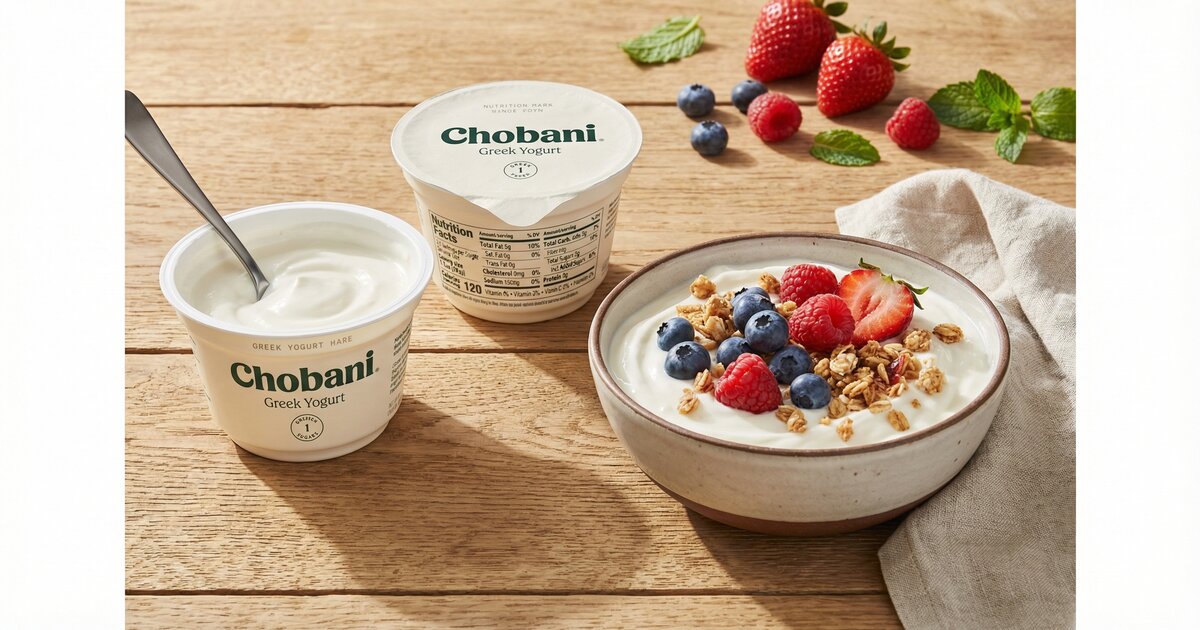
Chobani revolutionized the American yogurt market when it launched in 2007, bringing thick, protein-packed Greek yogurt to mainstream consumers. Today, it’s the best-selling Greek yogurt brand in the United States, and for good reason—the macros are genuinely impressive for a convenient snack food.
Whether you’re tracking macros for weight loss, muscle building, or just trying to hit your daily protein goals, Chobani offers options across the spectrum. From the protein-dense Plain Non-Fat to the indulgent Flip line, understanding the macro differences helps you choose the right one for your goals.
This guide breaks down the complete nutrition facts for every major Chobani variety, compares them to competitors, and shows you exactly how to fit Chobani into your macro targets.
Related: Understand what macros are and why they matter for your nutrition goals.
Chobani Macro Overview
What makes Chobani stand out is the protein content. Greek yogurt is strained to remove whey, concentrating the protein while reducing carbs compared to regular yogurt. Here’s how Chobani’s main lines compare:
| Variety | Calories | Protein | Carbs | Fat | Sugar |
|---|---|---|---|---|---|
| Plain Non-Fat (5.3oz) | 90 | 17g | 6g | 0g | 4g |
| Plain Whole Milk (5.3oz) | 130 | 13g | 6g | 6g | 4g |
| Zero Sugar (5.3oz) | 60 | 12g | 4g | 0g | 0g |
| Less Sugar (5.3oz) | 120 | 12g | 9g | 2.5g | 9g |
| Fruit on Bottom (5.3oz) | 140 | 12g | 18g | 2.5g | 15g |
| Flip (5.3oz) | 190 | 11g | 21g | 7g | 15g |
| Complete (5.3oz) | 110 | 15g | 10g | 2g | 6g |
Key insight: The protein varies by only 6g across all varieties (11-17g), but calories range from 60 to 190. The difference is almost entirely sugar and fat from flavorings and mix-ins.
Detailed Macro Breakdown by Line
Chobani Plain (Non-Fat)
The gold standard for macro-conscious eaters. Plain Non-Fat delivers the most protein per calorie of any Chobani product.
Per 5.3oz (150g) container:
| Macro | Amount | % Daily Value |
|---|---|---|
| Calories | 90 | - |
| Protein | 17g | 34% |
| Total Carbs | 6g | 2% |
| Sugar | 4g | - |
| Added Sugar | 0g | 0% |
| Fat | 0g | 0% |
| Calcium | 150mg | 10% |
| Potassium | 240mg | 6% |
The 4g of sugar is entirely natural lactose—no added sweeteners. This makes Plain Non-Fat ideal for low-sugar diets while still providing complete nutrition.
Macro ratio: 76% protein, 24% carbs, 0% fat
Chobani Plain (Whole Milk)
For those who prefer creamier texture and don’t mind extra calories from fat.
Per 5.3oz (150g) container:
| Macro | Amount |
|---|---|
| Calories | 130 |
| Protein | 13g |
| Total Carbs | 6g |
| Sugar | 4g |
| Fat | 6g |
| Saturated Fat | 4g |
The fat makes this more satiating and adds richness, but you trade 4g of protein compared to non-fat. Best for those not strictly cutting calories.
Chobani Zero Sugar
Launched to compete in the low-sugar market, Zero Sugar uses stevia and monk fruit for sweetness without carbs.
Per 5.3oz (150g) container:
| Macro | Amount |
|---|---|
| Calories | 60 |
| Protein | 12g |
| Total Carbs | 4g |
| Sugar | 0g |
| Fat | 0g |
| Fiber | 3g |
Available flavors: Mixed Berry, Strawberry, Vanilla, Peach, Blueberry, Raspberry
Zero Sugar is the best choice for strict low-carb diets. With only 60 calories and 12g protein, you get excellent protein density—20% of your protein per calorie needs in one container.
Macro ratio: 80% protein, 20% carbs, 0% fat
Chobani Less Sugar
A middle ground between plain and fruit-flavored, Less Sugar varieties contain 45% less sugar than traditional fruit yogurts.
Per 5.3oz (150g) container:
| Macro | Amount |
|---|---|
| Calories | 120 |
| Protein | 12g |
| Total Carbs | 9g |
| Sugar | 9g |
| Added Sugar | 5g |
| Fat | 2.5g |
Available flavors: Wild Blueberry, Monterey Strawberry, Gili Cherry, Madagascar Vanilla
Less Sugar provides flavor satisfaction while keeping macros reasonable. The 9g sugar is half what you’d find in regular fruit-on-bottom varieties.
Chobani Fruit on the Bottom
The classic flavored Greek yogurt with real fruit at the bottom of the container.
Per 5.3oz (150g) container:
| Macro | Amount |
|---|---|
| Calories | 140 |
| Protein | 12g |
| Total Carbs | 18g |
| Sugar | 15g |
| Added Sugar | 11g |
| Fat | 2.5g |
Popular flavors: Strawberry, Blueberry, Peach, Black Cherry, Mango, Raspberry, Vanilla
These are higher in sugar than the “health food” reputation suggests. The 11g added sugar is significant if you’re limiting intake. However, the protein remains solid at 12g.
Chobani Flip
The “dessert” of the Chobani line—yogurt plus crunchy mix-ins like chocolate, nuts, and cookie pieces.
Per 5.3oz (150g) container (varies by flavor):
| Flavor | Calories | Protein | Carbs | Fat | Sugar |
|---|---|---|---|---|---|
| Almond Coco Loco | 190 | 11g | 19g | 8g | 13g |
| Cookie Dough | 200 | 11g | 23g | 7g | 17g |
| Peanut Butter Dream | 200 | 12g | 17g | 9g | 12g |
| S’more S’mores | 190 | 10g | 23g | 7g | 16g |
| Key Lime Crumble | 190 | 10g | 25g | 6g | 17g |
Flip products are treats, not health foods. They work within flexible dieting when you want something sweet, but the sugar content rivals candy bars. Budget accordingly.
Chobani Complete
Designed for active lifestyles, Complete adds fiber, vitamins, and extra nutrients beyond standard Greek yogurt.
Per 5.3oz (150g) container:
| Macro | Amount |
|---|---|
| Calories | 110 |
| Protein | 15g |
| Total Carbs | 10g |
| Fiber | 3g |
| Sugar | 6g |
| Fat | 2g |
Complete includes added vitamin D, vitamin B12, and zinc. The 15g protein with only 6g sugar makes it one of the better flavored options for macro-focused eating.
Chobani vs Generic Greek Yogurt
How does Chobani compare to store-brand Greek yogurt?
| Brand | Calories | Protein | Sugar | Price (approx) |
|---|---|---|---|---|
| Chobani Plain Non-Fat | 90 | 17g | 4g | $1.59 |
| Kroger Greek Non-Fat | 90 | 15g | 5g | $0.89 |
| Great Value Greek Non-Fat | 90 | 14g | 5g | $0.78 |
| Kirkland Greek Non-Fat | 100 | 18g | 7g | $0.62/ea bulk |
Verdict: Store brands are significantly cheaper with comparable macros. Chobani has slightly more protein and less sugar in some cases, plus uses only non-GMO ingredients. The premium price buys ingredient quality and brand consistency, not dramatically different nutrition.
Chobani vs Fage: Head-to-Head
Fage is Chobani’s main premium competitor. Here’s how they stack up:
Plain Non-Fat (5.3oz):
| Metric | Chobani | Fage |
|---|---|---|
| Calories | 90 | 90 |
| Protein | 17g | 18g |
| Carbs | 6g | 5g |
| Sugar | 4g | 5g |
| Texture | Smooth, creamy | Dense, thick |
| Price | $1.59 | $1.79 |
Winner: Nearly a tie. Fage has 1g more protein and denser texture. Chobani is slightly cheaper with more flavor options. Choose based on texture preference and which is on sale.
For more Greek yogurt comparisons, see our complete Greek yogurt macros guide.
Chobani vs Oikos: Budget Comparison
Oikos (Danone) is often priced between Chobani and store brands.
Plain Non-Fat (5.3oz):
| Metric | Chobani | Oikos |
|---|---|---|
| Calories | 90 | 80 |
| Protein | 17g | 15g |
| Carbs | 6g | 6g |
| Sugar | 4g | 4g |
| Price | $1.59 | $1.29 |
Chobani edges out Oikos on protein (17g vs 15g) but costs more. For pure macro efficiency on a budget, Oikos delivers good value.
Where to Buy Chobani
Chobani is widely available at nearly every grocery store in the United States.
Best prices typically found at:
- Costco: Multi-packs at $0.70-0.80 per container
- Target: Regular sales bring prices to $1.00-1.25
- Walmart: Everyday low pricing around $1.37
- Grocery store sales: Weekly BOGO deals often available
- Amazon Fresh: Convenient but rarely cheapest
Pro tip: Buy plain in bulk and add your own fruit, honey, or protein powder. You’ll get better macros and save money compared to pre-flavored options.
Diet Compatibility
Keto Diet
Best choice: Chobani Zero Sugar (4g net carbs) Avoid: Flip and Fruit on Bottom (17-25g carbs)
Zero Sugar varieties can fit keto macros in moderation. Plain works too at 6g carbs. Fruit varieties will likely exceed your daily carb limit in one serving.
Low-Calorie/Weight Loss
Best choice: Chobani Zero Sugar (60 cal, 12g protein) Good option: Plain Non-Fat (90 cal, 17g protein)
Both deliver exceptional protein per calorie. Zero Sugar wins for strict calorie counting; Plain Non-Fat wins for protein density.
High-Protein/Muscle Building
Best choice: Plain Non-Fat (17g protein) Alternative: Complete (15g protein plus added nutrients)
For maximizing protein intake, plain varieties deliver the most. Double up with a 32oz container for 68g protein at 360 calories—excellent for bulking or cutting.
Vegetarian
All Chobani varieties are vegetarian-friendly. Greek yogurt is an excellent protein source for vegetarians struggling to hit protein targets.
Lactose Intolerance
Greek yogurt contains less lactose than regular yogurt due to straining. Many lactose-intolerant people tolerate Chobani well, though individual responses vary.
How to Fit Chobani in Your Macros
Using our macro calculator, here’s how Chobani fits common daily targets:
1,600 calorie fat loss (130g protein):
- Chobani Zero Sugar = 60 cal, 12g protein (3.75% of calories, 9% of protein)
- Excellent macro efficiency for cutting
2,200 calorie maintenance (165g protein):
- Chobani Plain Non-Fat = 90 cal, 17g protein (4% of calories, 10% of protein)
- Great protein boost without denting calorie budget
2,800 calorie muscle gain (180g protein):
- Chobani Flip = 190 cal, 11g protein (7% of calories, 6% of protein)
- Room for treats when bulking; protein still helps
Meal Ideas with Chobani
High-Protein Breakfast Bowl
- Chobani Plain Non-Fat + 1 scoop protein powder + berries
- Total: ~250 cal, 40g protein
Low-Calorie Snack
- Chobani Zero Sugar + cinnamon
- Total: 60 cal, 12g protein
Macro-Friendly Dessert
- Chobani Less Sugar + dark chocolate chips (1 tbsp)
- Total: ~175 cal, 13g protein, satisfies sweet cravings
Post-Workout Parfait
- Chobani Plain + granola (1/4 cup) + honey (1 tsp)
- Total: ~250 cal, 20g protein, 35g carbs for recovery
The Bottom Line
Chobani delivers on its protein promises. Even the most indulgent Flip varieties contain more protein than most snack foods, and the Plain Non-Fat version offers one of the best protein-to-calorie ratios of any whole food.
Choose Chobani Zero Sugar if you’re cutting calories or carbs Choose Chobani Plain Non-Fat if you want maximum protein Choose Chobani Less Sugar if you want flavor with reasonable macros Choose Chobani Flip if you’re flexible dieting and want a treat
For more on fitting dairy into your nutrition plan, see our guide on how to count macros and understand why protein matters in our protein macronutrient guide.
Nutrition information sourced from Chobani’s official website and USDA FoodData Central. Values may vary slightly by production batch. Always check packaging for the most accurate information.
Related Articles
Dragonfruit Macros: Complete Nutrition Guide for Pitaya
Complete macro breakdown of dragonfruit (pitaya). Learn the calories, protein, carbs, and...
Read guide →
Bulgur Macros: Complete Nutritional Guide & Health Benefits
Discover bulgur's complete macro breakdown, nutritional benefits, and how to incorporate...
Read guide →
Radish Macros: Nutrition Facts and Health Benefits
Complete guide to radish macros and nutrition. Learn calories, protein, carbs, and health...
Read guide →Note: Nutrition values are approximate and may vary based on preparation method and source.