Coca-Cola Macros: Complete Nutritional Breakdown & Healthier Alternatives
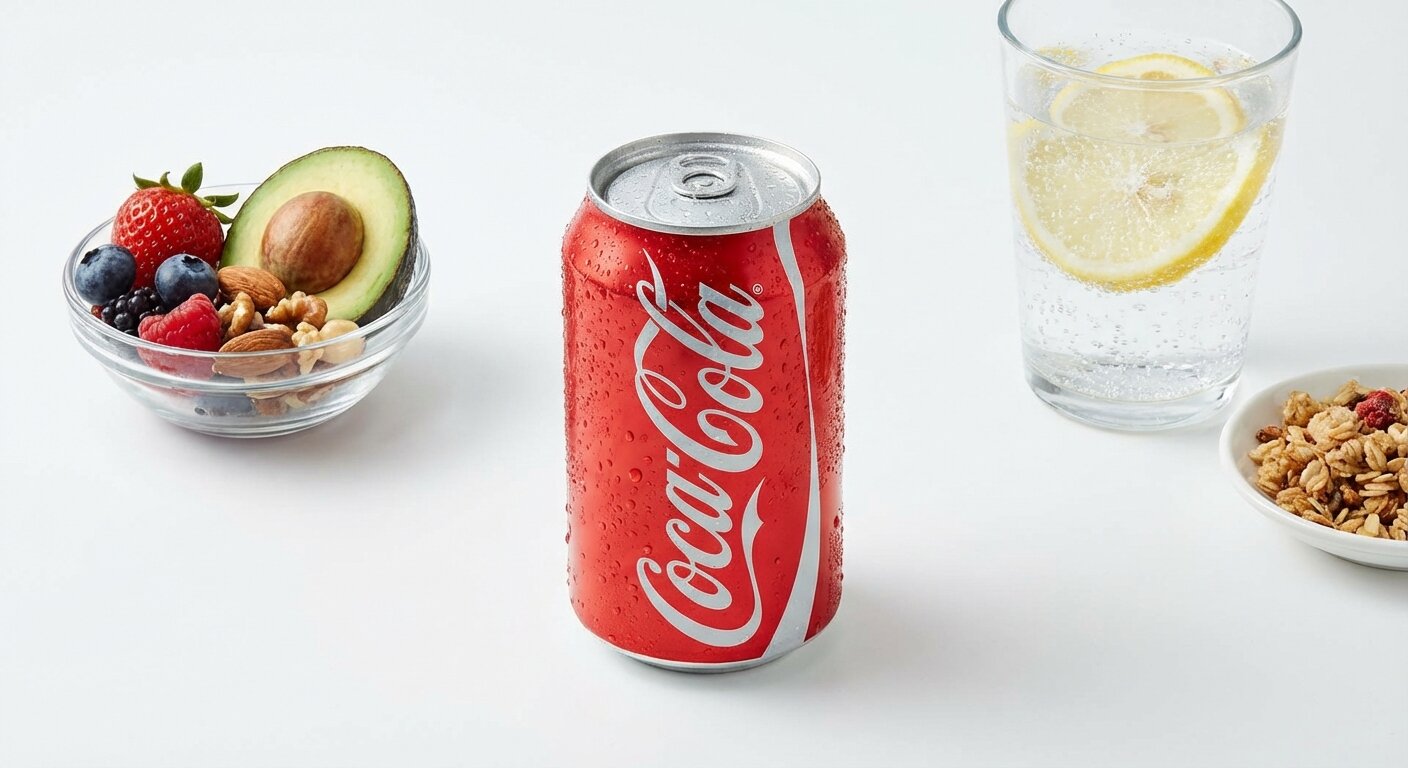
Coca-Cola is one of the world’s most consumed beverages, but its macronutrient profile is straightforward: it’s pure carbohydrates from sugar with zero nutritional value. If you’re tracking macros, understanding exactly what Coke does to your daily targets—and when it might be worth the carb cost—can help you make informed decisions.
This guide breaks down the complete nutritional profile of regular Coca-Cola, compares it to zero-calorie alternatives, and shows you how to fit soda into your macro goals without derailing your progress. Whether you’re calculating carbs for weight loss, muscle gain, or general health, you’ll know exactly what you’re getting.
Want to see how Coke fits into your daily macro targets? Try our free Macro Calculator to get your personalized protein, carb, and fat goals based on your body and goals.
Related: Learn more about what macros are and how they impact your diet.
Coca-Cola Macros: Complete Breakdown
Here’s the full macronutrient breakdown for various sizes of regular Coca-Cola:
| Size | Calories | Protein | Carbs | Fat | Sugar | Caffeine |
|---|---|---|---|---|---|---|
| 12 oz can (355ml) | 140 | 0g | 39g | 0g | 39g | 34mg |
| 16 oz bottle (473ml) | 190 | 0g | 52g | 0g | 52g | 45mg |
| 20 oz bottle (591ml) | 240 | 0g | 65g | 0g | 65g | 57mg |
| 1 liter (33.8 oz) | 400 | 0g | 108g | 0g | 108g | 95mg |
| 2 liter (67.6 oz) | 800 | 0g | 216g | 0g | 216g | 190mg |
Key Takeaways
-
All carbs, no nutrients: 100% of Coke’s calories come from carbohydrates in the form of high fructose corn syrup or cane sugar (depending on region).
-
Zero protein, zero fat: Coca-Cola provides no macronutrients other than simple sugars.
-
Rapid blood sugar spike: The liquid sugar enters your bloodstream quickly, causing insulin spikes and potential energy crashes 30-90 minutes later.
-
Moderate caffeine: At 34mg per 12 oz can, Coke has about one-third the caffeine of a typical cup of coffee (95mg).
Regular Coke vs Zero-Calorie Alternatives
If you love the taste of Coca-Cola but want to minimize macro impact, here’s how the alternatives compare:
| Product | Calories | Carbs | Sugar | Sweetener | Taste Profile |
|---|---|---|---|---|---|
| Coca-Cola (Regular) | 140 per 12 oz | 39g | 39g | HFCS/cane sugar | Classic, full-bodied sweetness |
| Coca-Cola Zero Sugar | 0 | 0g | 0g | Aspartame + acesulfame K | Very close to regular Coke |
| Diet Coke | 0 | 0g | 0g | Aspartame | Lighter, slightly different flavor |
| Coca-Cola Zero Caffeine Free | 0 | 0g | 0g | Aspartame + acesulfame K | Like Zero but no caffeine |
Which Zero-Calorie Option Is Best?
-
Coke Zero Sugar: Formulated to taste as close to regular Coke as possible. Uses a blend of aspartame and acesulfame potassium. Best for people who want the classic Coke taste without the carbs.
-
Diet Coke: Has its own unique formula (not just zero-sugar regular Coke). Lighter, crisper taste. Some people prefer this, others find it too different.
-
Taste test both: Flavor preference is personal. Some people can’t tell the difference between Zero and regular; others strongly prefer one over the other.
How Coca-Cola Impacts Your Macro Goals
For Weight Loss
The carb cost: A 12 oz Coke uses 39g of your daily carb allowance—equivalent to 2 slices of whole wheat bread or 1 cup of cooked rice—without providing any satiety, fiber, or nutrients.
Better carb sources: Those 39g could instead be:
- 1.5 cups of cooked oatmeal (filling, high fiber)
- 6 oz sweet potato (vitamins, minerals, fiber)
- 2 medium apples (fiber, antioxidants)
The insulin factor: Liquid sugar causes rapid blood glucose spikes followed by crashes, which can increase hunger and cravings 30-90 minutes after drinking.
Smart approach:
- Switch to Coke Zero or Diet Coke (zero macros)
- If you prefer regular, account for the 39g carbs in your daily targets
- Consider it a treat, not a daily beverage
- Drink it with meals to blunt the blood sugar spike
For Muscle Building
No protein, no problem? Coke provides carbs but zero protein, which means it can’t support muscle recovery or growth directly.
Post-workout timing: Some bodybuilders strategically use regular Coke post-workout to rapidly spike insulin and shuttle nutrients into muscles. While this works theoretically, whole food carbs (white rice, potatoes) provide similar benefits with more nutrients.
Practical use: If you’re bulking and struggling to hit high carb targets (300g+), liquid calories from Coke can help fill the gap. But prioritize whole foods first.
For Athletic Performance
Quick energy: The 39g of fast-acting sugar can provide rapid energy for endurance activities lasting 60+ minutes (running, cycling, sports).
Better sports drink alternative: Gatorade or Powerade provide similar carbs PLUS electrolytes (sodium, potassium) which Coke lacks.
Caffeine boost: The 34mg of caffeine per can provides mild stimulation but won’t dramatically improve performance like pre-workout or coffee (95-200mg caffeine).
Sugar Content: Daily Limit Context
A single 12 oz Coke contains 39g of sugar. Here’s how that compares to recommended daily limits:
| Organization | Daily Sugar Limit | % of Limit (1 can) |
|---|---|---|
| American Heart Association (Women) | 25g (6 tsp) | 156% |
| American Heart Association (Men) | 36g (9 tsp) | 108% |
| World Health Organization | 50g (12 tsp) | 78% |
| FDA (10% of 2000 cal diet) | 50g | 78% |
Key insight: One 12 oz can exceeds the AHA’s recommended daily limit for women and nearly maxes out the limit for men.
Health Implications of Excess Sugar
Regular consumption of high-sugar beverages is linked to:
- Weight gain and obesity
- Insulin resistance and type 2 diabetes
- Increased triglycerides and cardiovascular disease risk
- Tooth decay and dental erosion
- Non-alcoholic fatty liver disease
Bottom line: Occasional Coke won’t harm you, but daily consumption makes it very difficult to stay within healthy sugar limits.
Coca-Cola Ingredients: What’s Actually Inside
Regular Coca-Cola ingredients (U.S. formula):
- Carbonated water
- High fructose corn syrup (or cane sugar in some regions)
- Caramel color (E150d)
- Phosphoric acid
- Natural flavors
- Caffeine
What You’re NOT Getting
- No vitamins or minerals: Coke provides zero micronutrients
- No fiber: Unlike whole foods with carbs, Coke has zero fiber to slow digestion
- No protein or healthy fats: It’s nutritionally empty calories
Coca-Cola Zero ingredients:
- Carbonated water
- Caramel color (E150d)
- Phosphoric acid
- Aspartame (artificial sweetener)
- Potassium benzoate (preservative)
- Natural flavors
- Potassium citrate
- Acesulfame potassium (artificial sweetener)
- Caffeine
Practical Tips: Fitting Coke Into Your Macros
1. Track It Like Any Other Carb
If you drink regular Coke, log it:
- 12 oz = 39g carbs
- 20 oz = 65g carbs
Adjust your other meals to stay within your daily carb target.
2. Pair With Protein or Fiber
Drinking Coke with a meal containing protein and fiber slows sugar absorption and reduces blood glucose spikes. Don’t drink it on an empty stomach.
3. Switch to Zero-Calorie Versions
For daily consumption: Coke Zero or Diet Coke let you enjoy the flavor without using up your carb budget.
Artificial sweetener concerns: Aspartame and acesulfame potassium are FDA-approved and safe for most people. Some individuals report digestive discomfort or headaches—try it and see how you respond.
4. Hydrate With Water First
Soda doesn’t hydrate as effectively as water. If you’re thirsty, drink water first. Save Coke for enjoyment, not hydration.
5. Consider It a Treat, Not a Staple
If you’re serious about body composition, reserve regular Coke for occasional enjoyment rather than daily consumption. Zero-calorie alternatives let you enjoy the flavor more frequently without macro consequences.
Coca-Cola vs Other Popular Sodas
How does Coke compare to other soft drinks?
| Soda (12 oz) | Calories | Carbs | Sugar | Caffeine |
|---|---|---|---|---|
| Coca-Cola | 140 | 39g | 39g | 34mg |
| Pepsi | 150 | 41g | 41g | 38mg |
| Mountain Dew | 170 | 46g | 46g | 54mg |
| Dr Pepper | 150 | 40g | 40g | 41mg |
| Sprite | 140 | 38g | 38g | 0mg |
| Fanta Orange | 160 | 44g | 44g | 0mg |
Verdict: Coca-Cola is middle-of-the-pack for calories and sugar. Mountain Dew has the most sugar; Sprite has similar macros but zero caffeine.
Healthier Soda Alternatives
If you’re looking to reduce sugar and calories while keeping the fizz:
Zero-Calorie Sodas
- Coke Zero Sugar
- Diet Coke
- Zevia (stevia-sweetened, no artificial sweeteners)
- LaCroix or other sparkling waters (zero sweeteners)
Lower-Sugar Options
- Olipop (2-5g sugar, prebiotic fiber, 35-50 calories)
- Poppi (4-5g sugar, apple cider vinegar, 20-25 calories)
- Sparkling water + fresh fruit (DIY, control sugar content)
Best for Active Individuals
- Gatorade Zero (electrolytes, no sugar)
- Coconut water (natural electrolytes, 45 calories per 8 oz, 9g sugar)
Sample Macro Day: Fitting in Coca-Cola
Here’s how you might fit a 12 oz Coke into a 2,000-calorie macro day (180g protein, 200g carbs, 67g fat):
Breakfast (500 cal)
- 3 eggs scrambled (18g protein, 15g fat)
- 2 slices whole wheat toast (8g protein, 30g carbs, 3g fat)
- 1 cup mixed berries (15g carbs)
Lunch (550 cal)
- 6 oz grilled chicken breast (45g protein, 6g fat)
- 1 cup brown rice (45g carbs, 5g protein, 2g fat)
- Steamed broccoli (5g carbs)
Afternoon (140 cal)
- 12 oz Coca-Cola (39g carbs)
Dinner (650 cal)
- 8 oz salmon (50g protein, 24g fat)
- 6 oz sweet potato (30g carbs, 2g protein)
- Mixed green salad with olive oil dressing (10g fat)
Snack (160 cal)
- 1 oz almonds (6g protein, 6g carbs, 14g fat)
Daily totals:
- Protein: ~179g ✓
- Carbs: ~200g ✓
- Fat: ~74g (slightly over but acceptable)
Key point: The Coke fits, but it replaces more nutritious carb sources. You could swap it for an apple, yogurt, or oatmeal and get fiber, vitamins, and better satiety.
Frequently Asked Questions
Does Coca-Cola count as water intake?
No. While Coke is mostly water, the sugar, caffeine, and acidity don’t hydrate you as effectively as plain water. Caffeine has mild diuretic effects (though not enough to cause net dehydration). For hydration goals, water is always best.
Can diabetics drink Coca-Cola?
Regular Coca-Cola rapidly spikes blood sugar and is not recommended for diabetics. A 12 oz can contains 39g of fast-acting sugar, which can cause dangerous glucose spikes. Coke Zero or Diet Coke are better alternatives, as they have zero sugar and don’t raise blood glucose. Always consult your doctor about beverage choices.
Does Coca-Cola cause weight gain?
By itself, no—weight gain comes from a calorie surplus. But Coke adds 140 calories per can without providing satiety, making it easy to overconsume calories overall. Studies show people who drink sugar-sweetened beverages daily tend to gain more weight over time compared to non-consumers. Liquid calories don’t trigger fullness signals as effectively as solid food.
Is Coca-Cola bad for your teeth?
Yes. Coke contains both sugar (which feeds bacteria that produce acid) and phosphoric acid (pH ~2.5), which erodes tooth enamel. Regular consumption increases risk of cavities and enamel erosion. To minimize damage: drink through a straw, rinse with water afterward, don’t sip slowly over hours.
How long does the sugar rush from Coke last?
Blood glucose peaks 30-60 minutes after drinking Coke, then crashes 60-90 minutes later as insulin clears the sugar from your bloodstream. This crash often triggers hunger, cravings, and fatigue—the “sugar crash” effect. Whole food carbs with fiber cause slower, more stable blood glucose curves.
Does Coca-Cola have any health benefits?
Minimal. The caffeine provides mild mental alertness and may improve focus temporarily. Some people use Coke to settle an upset stomach (the carbonation and sugar can help). But these minor benefits don’t outweigh the downsides of high sugar intake. There are better sources of caffeine (coffee, tea) and better remedies for nausea (ginger tea, crackers).
Is Coca-Cola worse than fruit juice?
Both contain ~40g sugar per 12 oz, but fruit juice provides some vitamins (vitamin C, folate) while Coke has zero nutrients. However, liquid sugar is liquid sugar—both cause similar blood glucose spikes. Whole fruit is superior to both because of fiber content. If choosing between the two, fruit juice edges ahead due to micronutrients, but water is always the best choice.
Can I drink Coke before a workout?
You can, but it’s not optimal. The 39g of sugar provides quick energy, but the carbonation may cause bloating or discomfort during exercise. The 34mg of caffeine provides mild stimulation but is far less than pre-workout supplements (150-300mg). Better options: black coffee (caffeine without sugar) or a banana (carbs plus potassium).
Does Coke Zero really have zero calories?
Yes. By FDA standards, foods with fewer than 5 calories per serving can be labeled “zero calories.” Coke Zero contains trace amounts (<1 calorie) but rounds to zero. The artificial sweeteners (aspartame and acesulfame potassium) provide sweetness without calories. For macro tracking purposes, treat it as 0 calories, 0 carbs.
Is drinking Coke with ice different nutritionally?
No. Adding ice dilutes the flavor but doesn’t change the macros. A 12 oz Coke still has 140 calories and 39g sugar whether you add ice or not. The melting ice just means you’re drinking less soda and more water as it dilutes, which might help you consume less overall.
Conclusion: Making Coca-Cola Work For Your Macros
Coca-Cola is pure liquid sugar: 39g of carbs, zero nutrients, and 140 calories per 12 oz can. If you’re tracking macros, it’s not inherently forbidden—but it’s also not a smart use of your carb budget. Those 39g of carbs could come from oatmeal, sweet potatoes, or fruit, which provide fiber, vitamins, and satiety.
Best practices:
- For daily drinking: Switch to Coke Zero or Diet Coke (zero macros, similar taste)
- For occasional treats: Fit regular Coke into your carb allowance and track it like any other food
- For athletic performance: Consider sports drinks with electrolytes instead
- For weight loss: Zero-calorie alternatives let you enjoy the flavor without using carbs
Want to calculate your personalized macro targets? Use our Macro Calculator to see exactly how many carbs, protein, and fat you should eat daily based on your goals.
Related Articles:
Related Articles

Dragonfruit Macros: Complete Nutrition Guide for Pitaya
Complete macro breakdown of dragonfruit (pitaya). Learn the calories, protein, carbs, and...
Read guide →
Bulgur Macros: Complete Nutritional Guide & Health Benefits
Discover bulgur's complete macro breakdown, nutritional benefits, and how to incorporate...
Read guide →
Radish Macros: Nutrition Facts and Health Benefits
Complete guide to radish macros and nutrition. Learn calories, protein, carbs, and health...
Read guide →Note: Nutrition values are approximate and may vary based on preparation method and source.