Coffee Macros: Complete Nutritional Breakdown & Guide
What Are the Macros in Coffee?
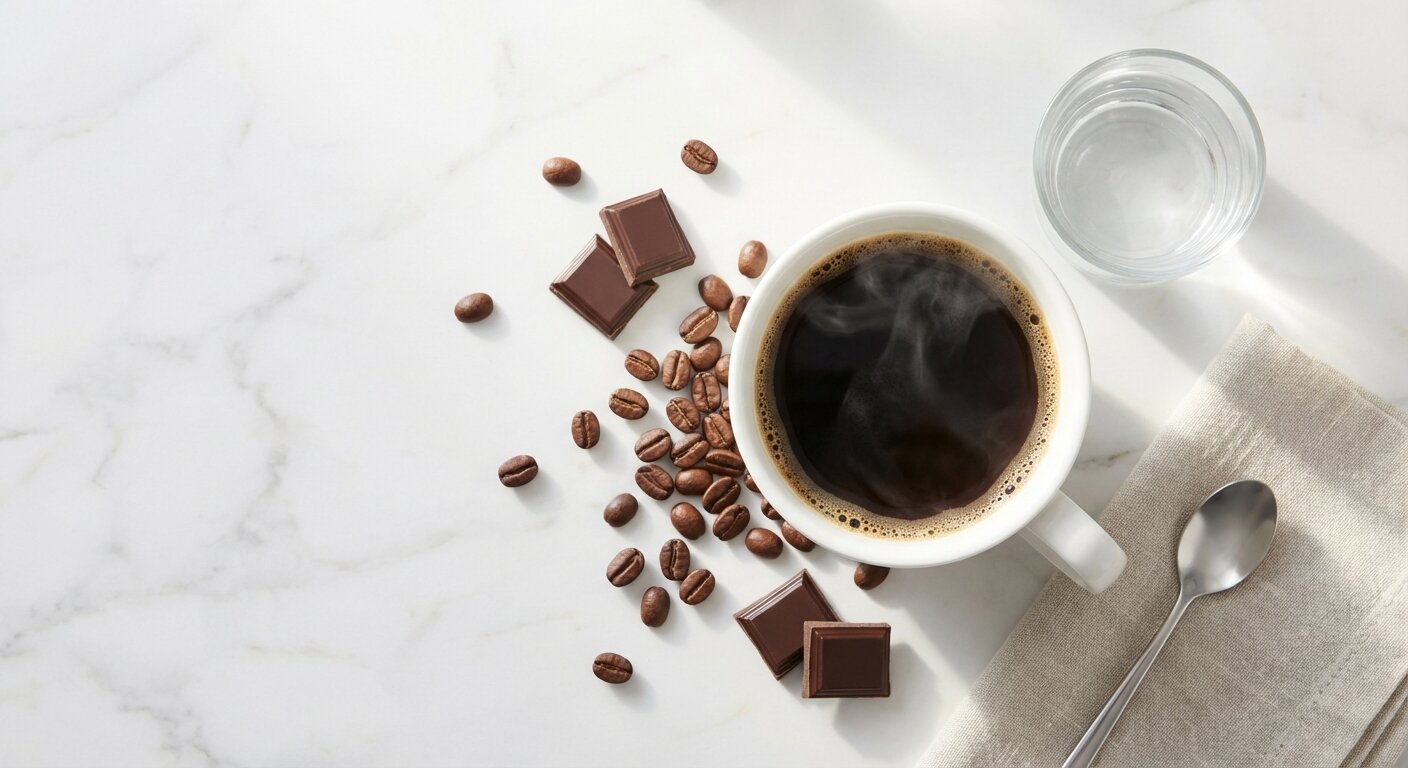
Black coffee contains almost zero macronutrients - about 2-5 calories per 8 oz cup with negligible amounts of protein, carbohydrates, and fat. This makes coffee one of the most macro-friendly beverages you can consume, especially when cutting or maintaining strict macro targets. To understand what macronutrients are and why they matter for your goals, start there.
Here’s the complete nutritional breakdown for black coffee (8 oz / 240ml):
| Nutrient | Amount per 8 oz |
|---|---|
| Calories | 2-5 cal |
| Protein | 0.3g |
| Carbohydrates | 0g |
| Fat | 0g |
| Caffeine | 95mg (varies by brew method) |
The minimal calories in black coffee come from trace oils and organic compounds extracted during brewing, not from traditional macronutrients. Coffee’s real value lies in its micronutrients (potassium, magnesium, niacin) and powerful antioxidants like chlorogenic acid, not its macro profile.
However, what you add to your coffee changes everything. A tablespoon of cream adds 50 calories and 5g fat. A teaspoon of sugar adds 16 calories and 4g carbs. A vanilla latte at Starbucks can pack 250+ calories with substantial carbs and fat.
Want to calculate your exact macro needs based on your goals? Use our Macro Calculator to get personalized protein, carb, and fat targets for fat loss, muscle gain, or maintenance.
Coffee Macros by Type & Preparation Method
Different coffee types and brewing methods produce virtually identical macro profiles when consumed black, but additions and preparation styles create massive variance:
Black Coffee (8 oz)
- Drip/Filter Coffee: 2 cal | 0g P | 0g C | 0g F
- French Press: 2 cal | 0g P | 0g C | 0g F
- Pour Over: 2 cal | 0g P | 0g C | 0g F
- Cold Brew: 3 cal | 0g P | 0g C | 0g F (slightly higher due to longer extraction)
- Instant Coffee: 4 cal | 0g P | 1g C | 0g F (per 1 tsp serving)
Espresso-Based Drinks (per serving)
- Single Espresso (1 oz): 2 cal | 0g P | 0g C | 0g F
- Double Espresso (2 oz): 4 cal | 0g P | 0g C | 0g F
- Americano (8 oz): 5 cal | 0g P | 1g C | 0g F (espresso + hot water)
- Cappuccino (8 oz): 80 cal | 5g P | 8g C | 3g F (espresso + steamed milk)
- Latte (12 oz): 190 cal | 13g P | 18g C | 7g F (espresso + lots of milk)
- Flat White (8 oz): 110 cal | 8g P | 10g C | 4g F (espresso + microfoam milk)
Specialty Coffee Drinks (12-16 oz)
- Iced Coffee (black): 5 cal | 0g P | 1g C | 0g F
- Nitro Cold Brew: 5 cal | 0g P | 0g C | 0g F (nitrogen infusion adds no calories)
- Mocha (12 oz): 360 cal | 13g P | 49g C | 14g F (chocolate + milk + whipped cream)
- Caramel Macchiato (12 oz): 250 cal | 10g P | 34g C | 7g F
- Pumpkin Spice Latte (12 oz): 380 cal | 14g P | 50g C | 14g F
Key takeaway: Black coffee and espresso-based drinks without milk are essentially macro-free. The moment you add milk, cream, sugar, or flavored syrups, you’re adding 100-500+ calories depending on the drink size and customization.
How Coffee Additions Impact Your Macros
Small additions to your coffee can dramatically change its macro profile. Here’s what common additions contribute per serving:
Milk & Cream (per 2 tbsp / 30ml)
- Whole Milk: 18 cal | 1g P | 1g C | 1g F
- 2% Milk: 15 cal | 1g P | 1g C | 0.6g F
- Skim Milk: 10 cal | 1g P | 1g C | 0g F
- Half-and-Half: 40 cal | 1g P | 1g C | 3.5g F
- Heavy Cream: 52 cal | 0.5g P | 0.5g C | 5.5g F
- Unsweetened Almond Milk: 4 cal | 0g P | 0.5g C | 0g F
- Oat Milk: 15 cal | 0.5g P | 2g C | 0.5g F
- Coconut Milk (canned): 50 cal | 0.5g P | 1g C | 5g F
Sweeteners (per tsp / 4g)
- White Sugar: 16 cal | 0g P | 4g C | 0g F
- Brown Sugar: 17 cal | 0g P | 4.5g C | 0g F
- Honey: 21 cal | 0g P | 6g C | 0g F
- Agave Syrup: 20 cal | 0g P | 5g C | 0g F
- Stevia: 0 cal | 0g P | 0g C | 0g F (zero-calorie sweetener)
- Monk Fruit: 0 cal | 0g P | 0g C | 0g F (zero-calorie sweetener)
Flavor Syrups (per 1 oz pump)
- Vanilla Syrup: 20 cal | 0g P | 5g C | 0g F
- Caramel Syrup: 20 cal | 0g P | 5g C | 0g F
- Sugar-Free Syrup: 0-5 cal | 0g P | 0-1g C | 0g F
Toppings & Extras
- Whipped Cream (2 tbsp): 50 cal | 0.5g P | 2g C | 5g F
- Chocolate Drizzle (1 tbsp): 50 cal | 1g P | 7g C | 2g F
- Cinnamon/Nutmeg (dash): 0 cal | 0g P | 0g C | 0g F (spices are macro-free)
Macro-friendly coffee strategy: If you want to keep your coffee under 50 calories while adding flavor, use unsweetened almond milk + stevia or monk fruit sweetener + cinnamon. This combination delivers sweetness and creaminess for less than 10 calories total.
Coffee Macros at Popular Coffee Chains
Understanding what you’re actually consuming when you order at coffee shops helps you make informed decisions that align with your macro goals:
Starbucks (Grande / 16 oz)
- Pike Place Brewed Coffee (black): 5 cal | 0g P | 1g C | 0g F
- Caffè Americano: 15 cal | 1g P | 3g C | 0g F
- Caffè Latte: 190 cal | 13g P | 18g C | 7g F
- Cappuccino: 120 cal | 8g P | 12g C | 4g F
- Flat White: 170 cal | 11g P | 17g C | 7g F
- Caramel Macchiato: 250 cal | 10g P | 34g C | 7g F
- Vanilla Latte: 250 cal | 12g P | 37g C | 6g F
- Mocha: 360 cal | 13g P | 49g C | 14g F
- White Chocolate Mocha: 430 cal | 13g P | 59g C | 16g F
- Pumpkin Spice Latte: 380 cal | 14g P | 50g C | 14g F
- Caramel Frappuccino: 420 cal | 5g P | 66g C | 16g F
- Java Chip Frappuccino: 470 cal | 6g P | 69g C | 19g F
Dunkin’ (Medium / 14 oz)
- Hot Coffee (black): 5 cal | 0g P | 1g C | 0g F
- Iced Coffee (black): 5 cal | 0g P | 1g C | 0g F
- Latte: 120 cal | 9g P | 10g C | 6g F
- Cappuccino: 80 cal | 6g P | 7g C | 4g F
- Caramel Swirl Latte: 270 cal | 9g P | 41g C | 7g F
- Mocha Latte: 290 cal | 10g P | 45g C | 9g F
- Frozen Coffee: 420 cal | 4g P | 70g C | 14g F
Peet’s Coffee (Medium / 16 oz)
- Café Americano: 10 cal | 1g P | 2g C | 0g F
- Café Latte: 180 cal | 12g P | 16g C | 8g F
- Cappuccino: 100 cal | 7g P | 9g C | 4g F
- Caffe Mocha: 350 cal | 12g P | 47g C | 14g F
- Vanilla Latte: 270 cal | 12g P | 39g C | 7g F
Smart ordering tips:
- Choose “tall” (12 oz) instead of “grande” (16 oz) to cut calories by ~25%
- Request “light” syrup or half pumps (cuts sugar by 50%)
- Ask for skim or almond milk instead of whole milk (saves 50-80 calories)
- Skip whipped cream (saves 50-80 calories)
- Order “sugar-free” syrups when available (zero carbs)
Does Coffee Affect Macronutrient Metabolism?
Coffee’s primary active compound - caffeine - influences how your body processes and utilizes macronutrients in several ways:
Fat Metabolism & Fat Burning
Caffeine increases lipolysis (fat breakdown) by stimulating your nervous system to release epinephrine (adrenaline), which signals fat cells to break down stored fat into free fatty acids that can be burned for energy. Studies show caffeine can increase metabolic rate by 3-11%, with more pronounced effects in lean individuals.
Practical impact: Drinking black coffee before fasted cardio or during a calorie deficit may enhance fat oxidation, though the effect is modest (burning an extra 50-100 calories per day maximum). This won’t outweigh poor diet choices, but it’s a legitimate tool for optimizing a cutting phase.
Carbohydrate Metabolism & Insulin Sensitivity
Research shows mixed results on coffee’s effects on insulin sensitivity:
- Short-term: Caffeine can temporarily reduce insulin sensitivity, potentially raising blood sugar slightly after meals
- Long-term: Regular coffee consumption is associated with lower risk of Type 2 diabetes and improved glucose metabolism over time
The antioxidants in coffee (especially chlorogenic acid) appear to improve insulin function chronically, even though caffeine may have acute negative effects. For most people tracking macros, this isn’t a concern unless you’re pre-diabetic or have blood sugar management issues.
Protein Metabolism & Muscle Growth
Good news: Coffee does not impair protein synthesis or muscle growth. Research confirms:
- Caffeine does not interfere with muscle protein synthesis when consuming adequate protein
- Caffeine may improve workout performance (strength, endurance, power output), indirectly supporting muscle growth
- No evidence that coffee consumption reduces protein absorption from food or supplements
Caveat: If you take calcium supplements, avoid drinking coffee immediately after taking them, as caffeine can reduce calcium absorption. Wait 30-60 minutes.
Appetite & Calorie Intake
Caffeine acts as a mild appetite suppressant, especially in the morning. This can help you:
- Control hunger during a calorie deficit or fasting window
- Stick to your macro targets without constant cravings
- Extend intermittent fasting windows more comfortably
However, this effect diminishes with caffeine tolerance, and some people experience increased hunger as caffeine wears off (the “crash”).
Bottom line: Black coffee is a valuable tool for fat loss and macro adherence, but it’s not magic. It may increase fat burning by 50-100 calories per day and help control appetite, but you still need to hit your macro targets and maintain a calorie deficit for fat loss.
Coffee & Fasting: Macro Implications
One of the most common questions: Does coffee break a fast?
The answer depends on the type of fast and your goals:
Intermittent Fasting (Time-Restricted Eating)
Black coffee does NOT break your fast. With negligible calories (2-5 cal per cup) and no insulin response, black coffee maintains the fasted state while providing:
- Appetite suppression to extend your fasting window
- Mental alertness and focus
- Enhanced fat oxidation during the fasted period
What breaks a fast: Adding milk, cream, sugar, or any caloric sweetener. Even small amounts can trigger an insulin response and technically end the fasted state.
Extended Fasting (24+ hours)
Black coffee is generally acceptable during extended fasts, though some purists avoid it. The caffeine provides energy and mental clarity, while the minimal calorie content won’t meaningfully impact autophagy or the metabolic benefits of extended fasting.
Fat Fasting / Keto Fasting
Some keto practitioners use “bulletproof coffee” (coffee + butter + MCT oil) as a “fat fast” tool. This approach:
- Contains 200-400 calories, almost entirely from fat
- Keeps insulin low (no carbs or protein)
- Provides sustained energy from fats
- Technically breaks a traditional fast but maintains some fasting benefits
Macro breakdown of bulletproof coffee (16 oz):
- Calories: 300-450 cal
- Protein: 0g
- Carbs: 0g
- Fat: 35-50g (from butter + MCT oil)
This is not macro-friendly for fat loss unless you’re intentionally allocating a large portion of your daily fat macros to your morning coffee. It works for keto/low-carb dieters who prioritize fat for energy, but most macro counters should stick to black coffee or minimal low-calorie additions.
How to Make Coffee Fit Your Macro Goals
Whether you’re cutting, bulking, or maintaining, here’s how to optimize your coffee consumption:
Cutting / Fat Loss (Calorie Deficit)
Goal: Minimize calories while maximizing satiety and energy
Best coffee choices:
- Black coffee (0-5 cal) - the gold standard
- Americano (5-10 cal) - espresso + water
- Cold brew (3-5 cal) - smooth, naturally less acidic
- Coffee with unsweetened almond milk + stevia (under 10 cal)
What to avoid:
- Flavored lattes (250-400 cal)
- Frappuccinos (400-600 cal)
- Sugary syrups (20 cal per pump, adds up fast)
- Whipped cream (50-80 cal)
Pro tip: Drink black coffee 30 minutes before meals to reduce appetite and naturally eat less. The caffeine also enhances fat burning during workouts when consumed pre-training.
Bulking / Muscle Gain (Calorie Surplus)
Goal: Hit calorie and macro targets, including protein and carbs
Best coffee choices:
- Latte with whole milk (190-250 cal, 13g protein)
- Protein coffee shake (blend coffee + whey protein + banana)
- Mocha with dark chocolate (adds carbs and calories)
- Coffee with oat milk (higher carbs than almond milk)
What to avoid:
- Black coffee alone (doesn’t contribute to surplus)
- Diet/low-calorie versions (you need the calories)
Pro tip: Add a scoop of whey protein to your iced coffee for an easy 25g protein boost. Blend with ice, coffee, protein powder, and a banana for a macro-friendly post-workout shake.
Maintenance (Balanced Macros)
Goal: Enjoy coffee while staying within macro targets
Best coffee choices:
- Cappuccino (120 cal, 8g protein) - balanced milk-to-espresso ratio
- Latte with skim milk (130 cal, 13g protein) - high protein, lower fat
- Cold brew with a splash of milk (20-40 cal)
- Homemade coffee drinks (full control over ingredients)
What to avoid:
- Daily specialty drinks (hard to track, inconsistent)
- Large sizes when medium would suffice
Pro tip: Make coffee at home using a Nespresso, French press, or pour-over to control exactly what goes into your cup. This saves money and makes macro tracking much easier.
Coffee for Specific Diets & Macro Styles
Keto / Low-Carb
Black coffee is perfect for keto - zero carbs, and caffeine supports ketone production and fat burning. Many keto dieters add heavy cream or MCT oil for sustained energy without carbs.
Keto-friendly coffee additions:
- Heavy cream (0.5g carbs per 2 tbsp)
- MCT oil (0g carbs, pure fat)
- Butter (0g carbs, used in bulletproof coffee)
- Sugar-free syrups (0-1g carbs)
Avoid: Regular milk (high lactose/carbs), sugar, flavored syrups, oat milk
High-Protein Diets
Coffee itself contains negligible protein, but you can boost protein intake by:
- Adding whey or casein protein powder to iced coffee (25g protein per scoop)
- Choosing lattes made with high-protein milk alternatives
- Drinking coffee alongside a high-protein meal or snack
Note: Don’t rely on coffee to hit protein targets - prioritize protein-rich foods and shakes.
Vegan / Plant-Based
Black coffee is naturally vegan. For creaminess without dairy:
- Unsweetened almond milk (low carb, low calorie)
- Oat milk (higher carbs, creamiest texture)
- Coconut milk (higher fat, tropical flavor)
- Soy milk (highest plant-based protein)
Check ingredients in flavored syrups - some contain honey or dairy derivatives.
IIFYM (If It Fits Your Macros)
Coffee is the ultimate IIFYM beverage when black. You can also “budget” for higher-calorie coffee drinks as long as they fit your daily macro targets. A 250-calorie vanilla latte is fine if you account for the 10g protein, 34g carbs, and 7g fat in your daily totals.
IIFYM coffee strategy: Pre-log your coffee drink in the morning so you know how many macros you have left for the rest of the day.
Frequently Asked Questions
Does decaf coffee have the same macros as regular coffee?
Yes, decaf coffee has virtually identical macros to regular coffee - about 2-5 calories per 8 oz cup with negligible protein, carbs, and fat. The decaffeination process removes 97%+ of caffeine but doesn’t meaningfully change the macro profile. The only difference is the absence of caffeine’s metabolic effects (appetite suppression, fat burning, energy boost).
Can I drink coffee before a workout on a cut?
Absolutely. Black coffee before training is one of the best pre-workout tools when cutting. Caffeine enhances fat oxidation, improves endurance, increases focus, and may improve strength performance. Aim for 100-200mg caffeine (1-2 cups of coffee) 30-45 minutes before training. Avoid adding calories (sugar, cream) if you’re training fasted.
Does coffee dehydrate you or affect water retention?
Coffee has a mild diuretic effect (increases urination), but research shows regular coffee drinkers develop tolerance to this effect. Moderate coffee consumption (3-4 cups/day) does not cause dehydration or negatively impact hydration status. Coffee contributes to your daily fluid intake. However, excessive caffeine (500mg+) can increase water loss, so balance coffee with adequate water intake.
How does cold brew compare to hot coffee for macros?
Cold brew has virtually the same macros as hot coffee - about 3-5 calories per 8 oz serving with negligible protein, carbs, and fat. Cold brew is brewed longer with cold water, which extracts slightly more oils and compounds, but the calorie difference is minimal. The main advantage of cold brew is smoother, less acidic taste, making it easier to drink black without additions.
Can I drink coffee while intermittent fasting and still get autophagy benefits?
Yes, black coffee does not meaningfully interfere with autophagy (cellular cleanup process) during fasting. With only 2-5 calories and no insulin response, black coffee maintains the fasted state. In fact, coffee may enhance autophagy through compounds like chlorogenic acid and caffeic acid, which activate cellular stress pathways. Avoid adding any calories (cream, milk, sugar) if autophagy is your primary goal.
What’s the healthiest way to sweeten coffee without adding macros?
The best zero-macro sweeteners for coffee are:
- Stevia - natural, zero calories, no glycemic impact
- Monk fruit - natural, zero calories, no aftertaste for most people
- Erythritol - sugar alcohol, virtually zero calories, minimal digestive issues
- Allulose - rare sugar, tastes like sugar, no calorie absorption
Avoid artificial sweeteners like aspartame or sucralose if you’re concerned about gut health or prefer natural options. Avoid “natural sweeteners” like honey, agave, or coconut sugar - these contain the same calories and carbs as regular sugar.
Does instant coffee have more or fewer macros than brewed coffee?
Instant coffee has virtually the same macros as brewed coffee - about 4 calories per serving (1 tsp powder) with 1g carbs and negligible protein and fat. The dehydration process that creates instant coffee preserves caffeine and flavor while removing water, but doesn’t meaningfully change the macro profile. Quality instant coffee is just as macro-friendly as freshly brewed.
How many cups of coffee per day is safe when tracking macros?
For most adults, 3-5 cups of coffee per day (300-500mg caffeine) is safe and may provide health benefits like improved focus, enhanced fat burning, and reduced disease risk. However, individual tolerance varies. Watch for signs of excessive caffeine intake: jitters, anxiety, disrupted sleep, elevated heart rate, or digestive issues. If you’re sensitive to caffeine, limit intake to 1-2 cups per day or switch to decaf.
Conclusion: Coffee Is a Macro-Tracking Champion
Coffee is one of the most macro-friendly beverages available - black coffee contains virtually zero calories, protein, carbs, or fat, making it perfect for any diet style or macro goal. Whether you’re cutting, bulking, or maintaining, coffee fits seamlessly into your plan.
Key takeaways:
- Black coffee = 2-5 calories, essentially macro-free
- Caffeine enhances fat burning, appetite control, and workout performance
- Coffee does NOT impair protein synthesis or muscle growth
- What you add to coffee matters - milk, cream, sugar, and syrups add 50-500+ calories
- Order smart at coffee shops: choose smaller sizes, skip whipped cream, use sugar-free syrups
- Black coffee does not break a fast and may enhance fasting benefits
Action steps:
- Calculate your personalized macro targets with our Macro Calculator
- If you’re cutting, stick to black coffee or add minimal low-calorie additions (almond milk + stevia)
- If you’re bulking, use coffee as a vehicle for extra calories and protein (lattes, protein coffee shakes)
- Track coffee additions just like any other food - even “small” amounts add up over time
- Experiment with zero-calorie sweeteners and plant-based milks to find what you enjoy
Related resources:
- Best Macro Ratio for Fat Loss - optimize your macros for cutting
- High Protein Foods - pair your coffee with protein-rich meals
- Macros for Intermittent Fasting - combine coffee with IF for maximum fat loss
- TDEE Calculator - calculate your calorie needs
- Milk Macros - compare different milk types for your coffee
Ready to dial in your nutrition? Start tracking your macros today and make coffee work for your goals, not against them.
Related Articles
Dragonfruit Macros: Complete Nutrition Guide for Pitaya
Complete macro breakdown of dragonfruit (pitaya). Learn the calories, protein, carbs, and...
Read guide →
Bulgur Macros: Complete Nutritional Guide & Health Benefits
Discover bulgur's complete macro breakdown, nutritional benefits, and how to incorporate...
Read guide →
Radish Macros: Nutrition Facts and Health Benefits
Complete guide to radish macros and nutrition. Learn calories, protein, carbs, and health...
Read guide →Note: Nutrition values are approximate and may vary based on preparation method and source.