Cranberry Juice Macros: Complete Nutrition Breakdown for Every Type
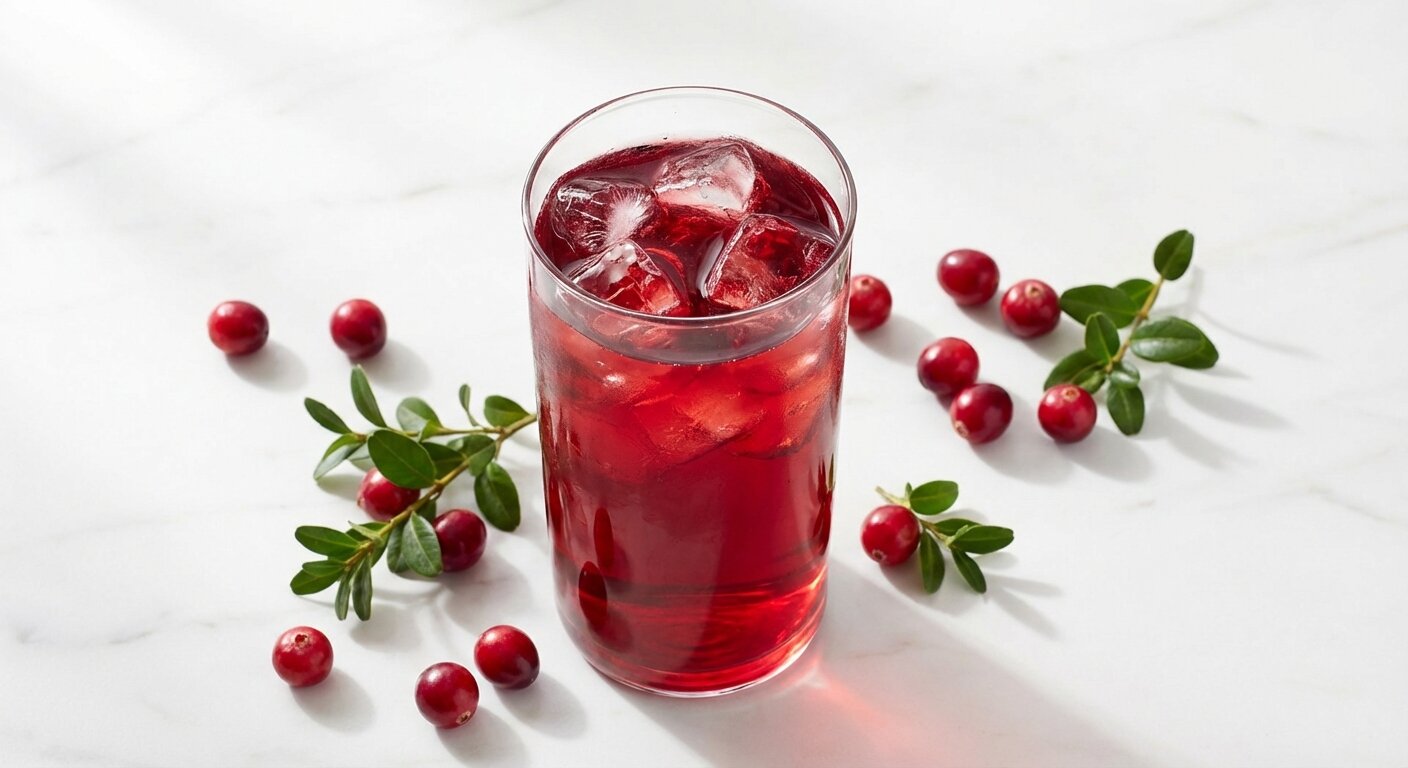
Cranberry juice is a staple in American households—known for its distinctive tart flavor, deep crimson color, and reputation as a home remedy for urinary tract infections. From Ocean Spray’s iconic cocktail to organic 100% juice varieties, cranberry juice occupies significant real estate in grocery store beverage aisles. But when you’re tracking macros for weight loss, muscle gain, or overall health optimization, understanding the nutritional reality behind that ruby-red liquid becomes essential.
The cranberry juice market presents a confusing array of options: juice cocktail, 100% juice, light versions, diet varieties, and everything in between. These aren’t just marketing terms—they represent dramatically different nutritional profiles that can make or break your macro targets. A single 8 oz glass of cranberry juice cocktail contains 30+ grams of carbohydrates (entirely from sugar), zero protein, and zero fat. That’s more sugar than a glazed donut, packaged in a beverage that many people perceive as “healthy” simply because it contains fruit.
Here’s the challenge for macro trackers: cranberry juice in its natural state is intensely tart—almost undrinkably so. Pure cranberry juice contains less than 4 grams of natural sugar per cup, making it one of the lowest-sugar fruits. But to make it palatable, manufacturers add significant amounts of sugar or other fruit juices, transforming a low-carb berry into a high-sugar beverage. The result? Most commercial cranberry juices deliver a carbohydrate load comparable to regular soda, while providing minimal protein or healthy fats to balance the nutritional equation.
This comprehensive guide breaks down the complete macro profile for every type of cranberry juice—from bargain-brand cocktails to premium organic cold-pressed varieties. We’ll examine what those numbers mean for your specific goals (cutting, bulking, or maintenance), compare homemade vs. store-bought options, and provide evidence-based strategies for incorporating cranberry juice into a macro-focused eating plan. Whether you’re drinking it for potential UTI prevention, antioxidants, vitamin C, or simply because you enjoy the taste, you’ll learn exactly how cranberry juice impacts your daily nutritional targets.
Want to see how cranberry juice fits your macros? Use our free macro calculator to determine your personalized daily targets based on your goals, activity level, and body composition. Then read on to understand exactly how this tart beverage impacts your nutritional strategy.
Complete Cranberry Juice Macro Breakdown
Cranberry Juice Cocktail (Most Common)
This is the product most people buy—typically 25-27% juice with added water, sugar, and sometimes vitamin C fortification.
Ocean Spray Cranberry Juice Cocktail - 8 oz (240ml)
- Calories: 110
- Protein: 0g
- Carbohydrates: 28g
- Sugars: 28g
- Fiber: 0g
- Fat: 0g
- Sodium: 5mg
- Vitamin C: 90mg (100% DV)
Ocean Spray Cranberry Juice Cocktail - 10 oz (296ml)
- Calories: 140
- Protein: 0g
- Carbohydrates: 36g
- Sugars: 36g
- Fat: 0g
Ocean Spray Cranberry Juice Cocktail - 64 oz Bottle (8 servings)
- Total Calories: 880
- Total Carbohydrates: 224g
- Total Sugar: 224g
Generic Cranberry Cocktail (Store Brands) - 8 oz
- Calories: 120-140
- Protein: 0g
- Carbohydrates: 30-36g
- Sugars: 30-36g
- Fat: 0g
100% Pure Cranberry Juice
Ocean Spray 100% Juice - 8 oz
- Calories: 110
- Protein: 1g
- Carbohydrates: 28g
- Sugars: 28g (includes added sugars to balance tartness)
- Fiber: 0g
- Fat: 0g
- Sodium: 5mg
- Vitamin C: 90mg (100% DV)
Tropicana Pure Premium Cranberry - 8 oz
- Calories: 120
- Protein: 0g
- Carbohydrates: 31g
- Sugars: 30g
- Fat: 0g
Lakewood Organic Pure Cranberry - 8 oz
- Calories: 140
- Protein: 0g
- Carbohydrates: 34g
- Sugars: 30g
- Fat: 0g
R.W. Knudsen Just Cranberry - 8 oz
- Calories: 130
- Protein: 1g
- Carbohydrates: 31g
- Sugars: 25g
- Fat: 0g
Light/Reduced Sugar Cranberry Juice
Ocean Spray Diet Cranberry Juice - 8 oz
- Calories: 5
- Protein: 0g
- Carbohydrates: 2g
- Sugars: 0g
- Fat: 0g
- Sweeteners: Sucralose, Acesulfame Potassium
Ocean Spray Light Cranberry Juice Cocktail - 8 oz
- Calories: 40
- Protein: 0g
- Carbohydrates: 10g
- Sugars: 10g
- Fat: 0g
Tropicana Trop50 Cranberry - 8 oz
- Calories: 50
- Protein: 0g
- Carbohydrates: 13g
- Sugars: 11g
- Fat: 0g
Cranberry Juice Blends
Many brands blend cranberry with other juices to improve palatability and nutritional profile.
Ocean Spray Cran-Apple - 8 oz
- Calories: 120
- Protein: 0g
- Carbohydrates: 30g
- Sugars: 29g
- Fat: 0g
Ocean Spray Cran-Grape - 8 oz
- Calories: 130
- Protein: 0g
- Carbohydrates: 33g
- Sugars: 32g
- Fat: 0g
Ocean Spray Cran-Raspberry - 8 oz
- Calories: 120
- Protein: 0g
- Carbohydrates: 30g
- Sugars: 30g
- Fat: 0g
Ocean Spray Cran-Pomegranate - 8 oz
- Calories: 110
- Protein: 0g
- Carbohydrates: 28g
- Sugars: 28g
- Fat: 0g
Unsweetened Cranberry Juice Concentrate
True unsweetened cranberry juice is extremely tart and typically sold as concentrate.
Dynamic Health Unsweetened Cranberry Juice Concentrate - 2 oz (59ml)
- Calories: 30
- Protein: 0g
- Carbohydrates: 7g
- Sugars: 3g (natural only)
- Fat: 0g
Diluted to 8 oz (1:4 ratio with water):
- Calories: 30
- Carbohydrates: 7g
- Sugars: 3g
Cranberry Juice vs. Fresh Cranberries
For comparison, here’s the macro profile of fresh cranberries (whole berries):
Fresh Cranberries - 1 cup (100g, whole berries)
- Calories: 46
- Protein: 0.4g
- Carbohydrates: 12g
- Sugars: 4g (natural)
- Fiber: 4g
- Fat: 0.1g
Key Difference: Whole cranberries retain fiber (4g per cup), while juice extraction removes all fiber, concentrating the sugar and eliminating the satiety benefits.
Understanding Cranberry Juice Nutrition Labels
Reading cranberry juice labels requires careful attention to serving size, juice percentage, and added ingredients.
Decoding “Juice Cocktail” vs “100% Juice”
Cranberry Juice Cocktail:
- Contains 25-27% cranberry juice
- Remainder is water + added sugars (high fructose corn syrup or cane sugar)
- Lower cost per ounce
- Nearly identical calorie/carb profile to 100% versions
- Example ingredients: “Filtered water, cranberry juice concentrate, sugar, vitamin C”
100% Cranberry Juice:
- Contains only cranberry juice (often from concentrate)
- May contain added sugars despite “100% juice” label (check ingredients)
- FDA allows “100% juice” label even with added sweeteners if no water is added
- Higher cost per ounce
- Similar macro profile to cocktail versions due to added sweeteners
- Example ingredients: “Cranberry juice from concentrate, sugar, natural flavor”
The Reality: Both cocktail and 100% juice contain similar amounts of sugar (28-31g per 8 oz) because pure cranberry juice is too tart for most consumers. The “100%” refers to juice content, not absence of added sugar.
Serving Size Tricks
Watch for these common serving size manipulations:
-
8 oz listed, but bottle contains 15.2 oz (1.9 servings)
- Listed: 110 calories, 28g sugar
- Actual bottle: 209 calories, 53g sugar
-
Single-serve bottles labeled as 2 servings
- Bottle size: 20 oz
- Listed serving: 10 oz
- Most people drink the entire bottle = 2x the listed macros
-
“Light” versions with artificial sweeteners
- May still contain 10-13g sugar per serving
- “Light” = reduced calories, not zero calories
- Check ingredients for sucralose, aspartame, or acesulfame potassium
Added Sugars vs. Natural Sugars
Fresh cranberries naturally contain:
- About 4g sugar per cup (very low for fruit)
- High acidity requiring sweetening for palatability
Commercial cranberry juice contains:
- 28-36g total sugar per 8 oz serving
- Typically 20-30g added sugars (check Nutrition Facts label)
- Only 4-8g natural cranberry sugars
New FDA label requirements (2020+):
- Must list “Added Sugars” separately from total sugars
- Look for this line: “Includes 24g Added Sugars (48% DV)”
- Helps distinguish natural fruit sugars from manufacturer additions
Cranberry Juice Ingredient Red Flags
Avoid or limit products with:
-
High fructose corn syrup (HFCS) as first or second ingredient
- Metabolizes differently than cane sugar
- Associated with increased fat storage
- Found in many budget brands
-
“Natural flavors” without juice percentage
- May contain <5% actual cranberry juice
- Remainder is water, sugar, and flavorings
- Provides minimal cranberry benefits
-
Multiple sweetener types
- Example: “Sugar, corn syrup, fruit juice concentrate”
- Indicates heavy sweetening to mask low juice content
-
Artificial colors (Red 40, etc.)
- Real cranberry juice provides natural color
- Added colors suggest diluted juice content
Look for positive indicators:
-
Juice percentage prominently displayed
- “Contains 27% juice” or “100% juice”
- Transparency indicates quality product
-
Organic certification
- USDA Organic requires organic cranberries and organic sweeteners
- No synthetic pesticides or GMO ingredients
-
“Not from concentrate”
- Made from fresh-pressed juice (premium products)
- Higher antioxidant retention
- Better flavor complexity
-
Short ingredient list
- Best: “Organic cranberry juice, organic cane sugar”
- Minimal processing and additives
Sugar Content Comparison: The Reality Check
Cranberry juice’s sugar content often surprises people who assume fruit juice is automatically “healthy.”
Cranberry Juice vs. Popular Sodas
8 oz serving comparison:
| Beverage | Calories | Sugar | Type |
|---|---|---|---|
| Ocean Spray Cranberry Cocktail | 110 | 28g | Fruit juice |
| Coca-Cola Classic | 100 | 27g | Soda |
| Sprite | 100 | 25g | Soda |
| Mountain Dew | 110 | 31g | Soda |
| Pepsi | 100 | 27g | Soda |
Key Insight: Cranberry juice cocktail contains MORE sugar than most sodas, ounce for ounce. The primary difference is vitamin C fortification (100% DV) and trace antioxidants in cranberry juice.
Cranberry Juice vs. Other Fruit Juices
8 oz serving comparison:
| Juice Type | Calories | Carbs | Sugar | Fiber |
|---|---|---|---|---|
| Cranberry cocktail | 110 | 28g | 28g | 0g |
| Orange juice (100%) | 110 | 26g | 21g | 0.5g |
| Apple juice (100%) | 120 | 28g | 24g | 0g |
| Grape juice (100%) | 150 | 38g | 36g | 0g |
| Pomegranate juice | 140 | 33g | 32g | 0g |
| Grapefruit juice (100%) | 100 | 24g | 22g | 0g |
Analysis:
- Cranberry cocktail falls mid-range for fruit juice sugar content
- Higher than orange and grapefruit juice
- Lower than grape and pomegranate juice
- All fruit juices lack fiber present in whole fruit
Daily Sugar Intake Perspective
American Heart Association recommendations for added sugar:
- Women: Maximum 25g per day (6 teaspoons)
- Men: Maximum 36g per day (9 teaspoons)
One 8 oz glass of cranberry juice cocktail contains:
- ~24g added sugars = 96% of women’s daily limit
- ~24g added sugars = 67% of men’s daily limit
One 64 oz bottle of cranberry juice cocktail contains:
- ~192g added sugars = 768% of women’s daily limit
- ~192g added sugars = 533% of men’s daily limit
- Equivalent to 48 teaspoons of sugar
Sugar Content by Brand Comparison
8 oz serving of various cranberry products:
| Brand/Product | Total Sugar | Added Sugar | % Juice |
|---|---|---|---|
| Ocean Spray Cocktail | 28g | ~24g | 27% |
| Ocean Spray 100% Juice | 28g | ~20g | 100% |
| Ocean Spray Light | 10g | 10g | 27% |
| Ocean Spray Diet | 0g | 0g | 27% |
| Tropicana Pure Premium | 30g | ~22g | 100% |
| Lakewood Organic | 30g | ~22g | 100% |
| R.W. Knudsen Just Cranberry | 25g | ~17g | 100% |
| Dynamic Health Concentrate (diluted) | 3g | 0g | 100% |
Key Findings:
- “100% juice” doesn’t mean less sugar—often means MORE
- Light versions cut sugar by 60-70% using artificial sweeteners
- Diet versions achieve zero sugar with full artificial sweetening
- Unsweetened concentrate offers lowest sugar option (but very tart)
How Much Sugar is Too Much?
For macro tracking context:
Cutting phase (calorie deficit):
- 28g sugar = 112 calories from liquid
- Provides no satiety (doesn’t fill you up)
- Better used for solid food that keeps hunger at bay
- Recommendation: Limit to 4 oz servings or switch to light/diet
Maintenance phase:
- 28g sugar fits more easily into daily totals
- Still displaces more nutritious options
- Recommendation: Moderate use (8 oz 2-3x per week)
Bulking phase (calorie surplus):
- 110 calories per 8 oz can help meet surplus
- Easy to consume liquid calories
- Still zero protein/fat limits usefulness
- Recommendation: Use sparingly; prioritize protein and whole foods
For health context:
- Diabetes/Prediabetes: Cranberry juice spikes blood glucose rapidly; avoid or limit to 4 oz with meals
- PCOS/Insulin Resistance: High sugar content worsens insulin sensitivity; choose unsweetened versions
- Weight Loss: Liquid calories don’t trigger satiety hormones; easy to over-consume
- Dental Health: Acidic + sugary = enamel erosion; drink through straw, rinse with water after
Health Benefits of Cranberry Juice (Evidence-Based)
Despite the high sugar content, cranberry juice does offer specific health benefits—particularly for urinary tract health.
UTI Prevention: The Science
What the research shows:
Positive findings:
- Cranberries contain proanthocyanidins (PACs) that prevent E. coli bacteria from adhering to urinary tract walls
- Meta-analysis of 7 studies found 26% reduction in UTI recurrence with cranberry products
- Most effective in women with recurrent UTIs (2+ infections per year)
- Requires consistent daily consumption (8+ oz) for preventive effect
Important caveats:
- Does NOT treat active UTIs (requires antibiotics)
- Effect is preventive, not curative
- Requires sufficient PAC concentration (36-72mg per day)
- Sugar content may counteract benefits by feeding bacteria
Best options for UTI prevention:
- Cranberry supplements (concentrated PACs, no sugar)
- Unsweetened cranberry concentrate (diluted, minimal sugar)
- 100% cranberry juice (moderate sugar, higher PAC content)
- Cranberry cocktail (least effective, highest sugar)
Who benefits most:
- Women with recurrent UTIs (2+ per year)
- Post-menopausal women (higher UTI risk)
- People with incomplete bladder emptying
- Those seeking non-antibiotic prevention
Who should skip it:
- People with active UTI (need medical treatment)
- Those with diabetes (blood sugar concerns)
- Anyone expecting immediate infection cure
Antioxidant Content
Cranberries rank high in antioxidant capacity:
ORAC score (Oxygen Radical Absorbance Capacity):
- Fresh cranberries: 9,090 per 100g (very high)
- Cranberry juice: Lower due to processing, dilution
Key antioxidants in cranberries:
- Proanthocyanidins (PACs) - Unique to cranberries, prevent bacterial adhesion
- Quercetin - Anti-inflammatory flavonoid
- Anthocyanins - Give cranberries red color, cardiovascular benefits
- Vitamin C - Most cranberry juices fortified to 100% DV (90mg)
Practical benefits:
- Reduced oxidative stress
- Anti-inflammatory effects
- Potential cardiovascular protection
- Immune system support
Reality check:
- Whole cranberries contain more antioxidants than juice (fiber + skin)
- Processing reduces antioxidant content by 20-40%
- Sugar content may promote inflammation, offsetting some benefits
- You can get equal or greater antioxidants from berries, dark chocolate, nuts with lower sugar
Vitamin C Content
Most commercial cranberry juices are fortified:
- 8 oz serving: 90mg vitamin C (100% Daily Value)
- Fresh cranberries: 14mg per cup (not fortified)
- Fortification adds synthetic ascorbic acid
Vitamin C benefits:
- Immune function support
- Collagen synthesis for skin and joints
- Antioxidant protection
- Iron absorption enhancement
Better vitamin C sources for macro tracking:
- Bell peppers: 190mg per cup, 46 calories, fiber
- Broccoli: 81mg per cup, 31 calories, 2.4g protein
- Strawberries: 89mg per cup, 49 calories, fiber
- Orange (whole): 70mg, 62 calories, 3g fiber
Cardiovascular Benefits
Some research suggests cranberry juice may:
- Improve HDL (good) cholesterol levels
- Reduce LDL (bad) cholesterol oxidation
- Lower blood pressure modestly
- Improve endothelial function (blood vessel health)
Study findings:
- 8-week study: 8 oz cranberry juice daily increased HDL by 10%
- Meta-analysis: Cranberry juice reduced systolic blood pressure by 3mmHg
- 12-week study: Improved flow-mediated dilation (vascular function marker)
Important context:
- Effects are modest compared to diet, exercise, medication
- High sugar content may worsen cardiovascular risk factors
- Whole cranberries or supplements provide benefits without sugar
- Similar benefits available from berries, dark chocolate, nuts
Digestive Health
Potential benefits:
- Prebiotic effect supporting beneficial gut bacteria
- May reduce H. pylori bacteria associated with stomach ulcers
- Anti-inflammatory effects on digestive tract
Limitations:
- High sugar feeds harmful bacteria as well as beneficial ones
- Acidic nature may worsen GERD or acid reflux
- No fiber content (removed during juicing)
Dental Health Considerations
Conflicting effects:
Positive:
- PACs may prevent bacteria from adhering to teeth
- May reduce plaque formation
Negative:
- High acidity erodes tooth enamel (pH 2.3-2.5)
- High sugar content promotes cavity formation
- Frequent sipping bathes teeth in acid + sugar
Protection strategies:
- Drink through a straw (bypasses teeth)
- Rinse mouth with water after drinking
- Don’t brush immediately (wait 30 min—acid softens enamel)
- Limit to mealtimes rather than sipping throughout day
Cranberry Juice Types: Detailed Comparison
Not all cranberry juice is created equal. Understanding the differences helps you choose products that align with your macro goals and health priorities.
Cranberry Juice Cocktail
What it is:
- 25-27% cranberry juice + water + added sweeteners
- Most common and affordable option
- Sweet, palatable flavor
Macro profile (8 oz):
- 110-140 calories
- 28-36g carbs (all sugar)
- 0g protein, 0g fat
Pros:
- Affordable ($2-4 per 64 oz)
- Widely available
- Pleasant taste (not tart)
- Vitamin C fortified (usually 100% DV)
Cons:
- High sugar content (28-36g per serving)
- Low actual cranberry content (25-27%)
- Added sugars (usually 20-30g)
- Minimal PAC content for UTI prevention
- No fiber
Best for:
- Occasional consumption for taste
- Budget-conscious buyers
- People who find pure cranberry too tart
Brands:
- Ocean Spray Cranberry Juice Cocktail
- Tropicana Cranberry Cocktail
- Store brands (Kroger, Target, Walmart)
100% Cranberry Juice
What it is:
- Pure cranberry juice (usually from concentrate)
- Contains added sugars despite “100%” label
- No water added
Macro profile (8 oz):
- 110-140 calories
- 28-34g carbs
- 25-30g sugar (includes added + natural)
- 0-1g protein, 0g fat
Pros:
- Higher cranberry content (100% vs 27%)
- More PACs for potential UTI prevention
- Higher antioxidant content
- Often organic options available
- Vitamin C rich
Cons:
- More expensive ($4-7 per 32 oz)
- Still high in sugar (similar to cocktail)
- Contains added sweeteners despite label
- Very tart taste even with sweeteners
- Zero protein/fat/fiber
Best for:
- UTI prevention (higher PAC content)
- Seeking maximum cranberry benefits
- Willing to pay premium for quality
- Mixing with other beverages
Brands:
- Ocean Spray 100% Juice
- Tropicana Pure Premium Cranberry
- Lakewood Organic Pure Cranberry
- R.W. Knudsen Just Cranberry
Light/Reduced Sugar Cranberry Juice
What it is:
- Regular cranberry juice with artificial sweeteners replacing some/all sugar
- “Light” = 50-75% fewer calories
- “Diet” = zero calories
Ocean Spray Light - 8 oz:
- 40 calories
- 10g carbs (10g sugar)
- Sweetened with sugar + sucralose
Ocean Spray Diet - 8 oz:
- 5 calories
- 2g carbs (0g sugar)
- Sweetened with sucralose + acesulfame potassium
Pros:
- 60-95% fewer calories than regular
- Significantly less sugar
- Same vitamin C fortification
- Easier to fit into cutting macros
- Similar cranberry content to cocktail
Cons:
- Contains artificial sweeteners
- Some people dislike artificial sweetener taste
- May trigger sweet cravings in some people
- Gut microbiome effects of sweeteners unclear
- Still acidic (tooth enamel concerns)
Best for:
- Cutting/fat loss phases
- Diabetics or blood sugar management
- People comfortable with artificial sweeteners
- Higher volume consumption without macro impact
Brands:
- Ocean Spray Light/Diet
- Tropicana Trop50 Cranberry
Unsweetened Cranberry Juice Concentrate
What it is:
- Pure cranberry juice with no added sweeteners
- Sold concentrated (dilute before consuming)
- Extremely tart taste
Dynamic Health Concentrate (2 oz concentrate = 8 oz diluted):
- 30 calories
- 7g carbs
- 3g sugar (all natural)
- 0g protein, 0g fat
Pros:
- Lowest sugar option (3g vs 28-30g)
- No added sweeteners or artificial ingredients
- Highest PAC concentration for UTI prevention
- Most cost-effective per serving
- Can control dilution/sweetness level
- Best antioxidant preservation
Cons:
- Extremely tart (undrinkable for most people undiluted)
- Requires dilution/mixing preparation
- Less convenient than ready-to-drink
- May need to add own sweetener
- Limited availability (health food stores, online)
- Higher upfront cost
How to use:
- Dilute 1:4 or 1:8 with water
- Mix with sparkling water for cranberry seltzer
- Add to smoothies (sweetness from fruit)
- Blend with apple juice or other juices
- Add stevia or monk fruit for sweetness
Best for:
- Serious UTI prevention
- Minimum sugar intake
- DIY beverage customization
- Maximum cost efficiency
- Avoiding artificial sweeteners
Brands:
- Dynamic Health Unsweetened Cranberry Concentrate
- Only Natural Organic Cranberry Concentrate
- Brownwood Acres Cranberry Concentrate
Organic vs. Conventional
Organic cranberry juice:
- USDA Organic certified cranberries
- Organic sweeteners (cane sugar vs HFCS)
- No synthetic pesticides or fertilizers
- No GMO ingredients
Macro differences:
- Nearly identical to conventional (110-140 cal per 8 oz)
- Similar sugar content (28-34g)
- Same lack of protein/fat/fiber
Benefits of organic:
- Lower pesticide exposure
- Better environmental practices
- Often higher quality juice (taste)
- No GMO concerns
Drawbacks:
- 30-50% more expensive
- Still high in sugar
- Same macro limitations
- Limited availability in some areas
Popular organic brands:
- Lakewood Organic Pure Cranberry
- R.W. Knudsen Organic Just Cranberry
- Santa Cruz Organic Cranberry Nectar
- Dynamic Health Organic Concentrate
How to Fit Cranberry Juice Into Your Macros
Successfully incorporating cranberry juice into a macro-tracking diet requires strategy, portion control, and understanding your specific goals.
Cutting Phase (Fat Loss)
The challenge:
- Reduced calorie budget (typically 1,400-2,200 calories)
- Limited carb budget (100-200g for most people)
- 8 oz cranberry juice = 110 calories, 28g carbs
- Provides no satiety (doesn’t fill you up)
Strategies:
1. Switch to light or diet versions
- Ocean Spray Light: 40 calories, 10g carbs (save 70 cal, 18g carbs)
- Ocean Spray Diet: 5 calories, 0g carbs (save 105 cal, 28g carbs)
- Maintain vitamin C and cranberry flavor
- Minimal macro impact
2. Reduce portion size
- Use 4 oz servings instead of 8 oz
- 55 calories, 14g carbs (50% reduction)
- Mix with sparkling water to increase volume
3. Use as post-workout fast carbs
- 8 oz cranberry juice = quick-digesting carbs for glycogen
- Pair with protein powder (30g) for complete post-workout
- Total: 230 calories, 28g carbs, 30g protein
4. Dilute regular juice
- Mix 4 oz cranberry juice + 4 oz water or sparkling water
- 55 calories, 14g carbs in 8 oz volume
- Reduces intensity of flavor and sugar
5. Use concentrate for maximum control
- 1 oz concentrate in 7 oz water = 15 calories, 3.5g carbs
- Add stevia for sweetness without calories
- Maintain cranberry benefits with minimal macro impact
Sample cutting day with cranberry juice:
- Breakfast: Greek yogurt (140 cal, 20g protein)
- Mid-morning: 4 oz cranberry juice (55 cal, 14g carbs)
- Lunch: Grilled chicken salad (350 cal, 40g protein)
- Snack: Apple + almonds (200 cal)
- Dinner: Salmon + vegetables (400 cal, 35g protein)
- Total: ~1,150 calories, room for discretionary foods
Bottom line for cutting:
- Light/diet versions are your best friend
- Regular juice competes with food calories
- Save full-sugar versions for maintenance or refeeds
Bulking Phase (Muscle Gain)
The advantage:
- Calorie surplus (typically 2,500-3,500+ calories)
- Higher carb budget (250-400g+)
- Easy to fit liquid calories
The limitation:
- Zero protein (need 0.8-1g per lb bodyweight)
- Zero fat (need 0.3-0.5g per lb bodyweight)
- Pure carbohydrate source
Strategies:
1. Use for convenient carb intake
- 8 oz = 28g carbs toward 300-400g daily target
- Quick, portable carb source
- No prep required
2. Add to protein shakes
- 8 oz cranberry juice + 1 scoop protein powder + ice
- 230 calories, 30g protein, 28g carbs
- Creates cranberry-flavored protein drink
3. Intra-workout carb source
- Sip 8-16 oz during long training sessions (60+ min)
- Provides glucose for sustained energy
- May improve performance and recovery
4. Pre-bed carb source (for hard gainers)
- 8 oz cranberry juice before bed
- Prevents overnight muscle breakdown
- Tops off liver glycogen
5. Meal accompaniment
- 8 oz with breakfast, lunch, or dinner
- Increases meal calorie content
- Improves palatability of dry foods (chicken, rice)
Sample bulking day with cranberry juice:
- Breakfast: 4 eggs, oatmeal, 8 oz cranberry juice (700 cal, 30g protein, 70g carbs)
- Mid-morning shake: Protein + banana + peanut butter (450 cal, 35g protein)
- Lunch: Double chicken burrito bowl, 8 oz cranberry juice (1,000 cal, 60g protein, 100g carbs)
- Pre-workout: Rice cakes + almond butter (300 cal)
- Post-workout: Protein shake + cranberry juice (230 cal, 30g protein, 28g carbs)
- Dinner: Steak, sweet potato, vegetables (800 cal, 50g protein, 80g carbs)
- Total: ~3,480 calories, 205g protein, 278g carbs
Bottom line for bulking:
- Cranberry juice is an easy carb source
- Still prioritize protein and whole foods
- Use strategically around workouts
- Don’t displace more nutritious options
Maintenance Phase
The balance:
- Eating at maintenance calories (TDEE)
- Moderate carb budget (150-250g typical)
- Room for enjoyment foods
Strategies:
1. Moderate, planned consumption
- 8 oz 2-3x per week
- Include in daily macro tracking
- Enjoy without guilt or over-restriction
2. Social/situational use
- Brunch mimosas (use cranberry juice as mixer)
- Holiday meals (cranberry sauce complement)
- Restaurant meals (substitute for soda)
3. Health-focused use
- Women prone to UTIs: daily 8 oz serving
- Track as part of carb budget
- Consider light versions to leave room for other foods
4. Performance timing
- Around workouts for energy/recovery
- With meals to increase carb intake on training days
- Skip on rest days to reduce unnecessary carbs
Sample maintenance day with cranberry juice:
- Breakfast: Eggs + toast (400 cal, 25g protein)
- Lunch: Turkey sandwich + side salad (500 cal, 35g protein)
- Afternoon: 8 oz cranberry juice + handful of nuts (240 cal, 28g carbs, 6g protein from nuts)
- Dinner: Grilled fish + rice + broccoli (600 cal, 40g protein, 60g carbs)
- Dessert: Greek yogurt + berries (150 cal)
- Total: ~1,890 calories, 100g protein, fits typical maintenance
Bottom line for maintenance:
- Most flexible phase for including cranberry juice
- Plan it into your day like any other food
- Balance enjoyment with nutritional priorities
Homemade vs. Store-Bought Cranberry Juice
Making cranberry juice at home gives you complete control over sugar content and quality, but requires more effort.
Homemade Cranberry Juice Recipe
Basic recipe (makes ~32 oz):
Ingredients:
- 12 oz fresh or frozen cranberries (3 cups)
- 4 cups water
- Sweetener to taste (1/4 to 1/2 cup depending on preference):
- Cane sugar (traditional)
- Honey (adds nutrients)
- Maple syrup (deeper flavor)
- Stevia or monk fruit (zero calorie)
Instructions:
- Combine cranberries and water in pot
- Bring to boil, reduce to simmer
- Cook 10-15 min until cranberries burst
- Strain through fine mesh sieve (press to extract juice)
- Add sweetener while juice is warm, stir to dissolve
- Refrigerate (lasts 7-10 days)
Macro profile (8 oz with 1/4 cup cane sugar per batch):
- Calories: ~85
- Carbohydrates: ~21g
- Sugar: ~19g (mostly added)
- Protein: 0g
- Fat: 0g
Benefits of homemade:
- Control sugar content (25-50% less than store-bought)
- No preservatives or additives
- Can use natural sweeteners
- Better flavor (less processed taste)
- More cost-effective ($4-5 per batch vs $4-5 per 32 oz bottle)
Drawbacks:
- Time and effort required
- Limited shelf life (7-10 days refrigerated)
- No vitamin C fortification (unless added)
- Requires fresh/frozen cranberries (seasonal availability)
Macro Comparison: Homemade vs. Store-Bought
8 oz serving comparison:
| Type | Calories | Carbs | Sugar | Cost per 8 oz |
|---|---|---|---|---|
| Ocean Spray Cocktail | 110 | 28g | 28g | $0.55 |
| Tropicana 100% | 120 | 31g | 30g | $1.00 |
| Homemade (1/4 cup sugar per batch) | 85 | 21g | 19g | $0.40 |
| Homemade (1/2 cup sugar per batch) | 110 | 28g | 26g | $0.42 |
| Homemade (stevia sweetened) | 25 | 6g | 3g | $0.38 |
Key findings:
- Homemade with reduced sugar saves 25-40 calories, 7-10g carbs
- Stevia-sweetened homemade provides biggest macro savings
- Homemade is more cost-effective even with organic cranberries
- Store-bought offers convenience, fortification, and shelf stability
Optimizing Homemade Cranberry Juice for Macros
For minimal sugar version:
- Use 2 tablespoons sugar per 32 oz batch
- Add stevia to desired sweetness
- Result: ~15 calories, 4g carbs per 8 oz
For maximum PACs (UTI prevention):
- Use 16 oz cranberries per 4 cups water (more concentrated)
- Don’t over-boil (preserves antioxidants)
- Strain lightly (keep some pulp for fiber)
For post-workout version:
- Add 1 scoop unflavored whey protein after cooling
- Results in cranberry protein drink
- Macros per 8 oz: 100 cal, 15g protein, 10g carbs
For vitamin C boost:
- Add 1/2 tsp ascorbic acid powder per 32 oz batch
- Provides 100% DV vitamin C per 8 oz serving
- Available at health food stores
Best Times to Drink Cranberry Juice for Fitness Goals
Timing matters when you’re tracking macros and optimizing performance.
Pre-Workout
Pros:
- Fast-digesting carbs provide quick energy
- No fat/protein to slow digestion
- Easy on stomach (liquid vs solid food)
- Hydration + electrolytes (if sodium added)
Cons:
- High acidity may cause stomach discomfort for some
- Sugar crash possible if consumed too early (60+ min pre-workout)
- Not ideal for fasted training
Best practice:
- Consume 15-30 minutes before training
- Use 4-8 oz depending on workout intensity
- Pair with small protein source (10-20g) for sustained energy
- Better for high-intensity or longer sessions (45+ min)
Sample pre-workout meal:
- 6 oz cranberry juice
- 1 scoop whey protein
- Small banana
- Total: 270 calories, 25g protein, 45g carbs
- Timing: 30 minutes before workout
During Workout (Intra-Workout)
Pros:
- Sustained carb availability for sessions over 60 minutes
- Prevents glycogen depletion
- Maintains blood glucose levels
- May improve performance and delay fatigue
Cons:
- Only beneficial for longer sessions (60+ min)
- Unnecessary for short workouts (under 45 min)
- Can cause GI distress if consumed too quickly
- Acidic nature may be hard on teeth during long sips
Best practice:
- Reserve for workouts over 60 minutes
- Dilute 4 oz cranberry juice in 12-16 oz water
- Sip throughout session (don’t chug)
- Use for endurance training, not strength training
Who benefits:
- Endurance athletes (running, cycling, swimming)
- High-volume bodybuilding sessions
- Sports with long practices (basketball, soccer)
- Anyone doing 90+ minute training sessions
Post-Workout
Pros:
- Fast-digesting carbs replenish glycogen quickly
- Can pair with protein for complete recovery meal
- Tastes good when you’re thirsty
- Convenient (no prep required)
Cons:
- Provides only carbs (needs protein added)
- Not significantly better than other carb sources
- Expensive compared to rice, potatoes, fruit
Best practice:
- Use 8 oz with 25-40g protein (whey shake, chicken, eggs)
- Consume within 60 minutes of finishing workout
- Better for intense sessions (heavy lifting, HIIT)
- Not necessary for light workouts (walking, yoga)
Sample post-workout meals:
Option 1:
- 8 oz cranberry juice
- 1 scoop whey protein
- Total: 230 calories, 30g protein, 28g carbs
Option 2:
- 8 oz cranberry juice
- 6 oz grilled chicken breast
- Total: 350 calories, 52g protein, 28g carbs
Option 3:
- 8 oz cranberry juice
- 2 whole eggs + 4 egg whites
- Total: 330 calories, 32g protein, 28g carbs
Morning (Breakfast)
Pros:
- Provides quick energy after overnight fast
- Tastes good with breakfast foods
- Vitamin C boost starts your day
- Easy to include with existing meal
Cons:
- High sugar load on empty stomach may cause energy crash
- Better to prioritize protein/fat in morning for satiety
- Displaces more nutritious breakfast options
Best practice:
- Have with protein-rich breakfast (eggs, Greek yogurt, protein pancakes)
- Use 4-6 oz serving rather than full 8 oz
- Avoid on empty stomach (eat solid food first)
- Skip if doing fasted cardio
Sample breakfast with cranberry juice:
- 3-egg omelet with vegetables and cheese
- 1 slice whole grain toast
- 6 oz cranberry juice
- Total: 500 calories, 32g protein, 40g carbs, 24g fat
Before Bed
Generally not recommended.
Cons:
- High sugar spike before 6-8 hours of fasting (sleep)
- Promotes fat storage (excess glucose → glycogen → fat)
- May disrupt sleep quality (sugar/energy)
- Frequent urination during night
- Acidic exposure to teeth overnight
Exception:
- Hard gainers needing extra calories
- People who wake up extremely hungry
- Post-evening workout (within 2 hours of bed)
Better alternatives:
- Casein protein shake (slow-digesting protein)
- Greek yogurt + berries (protein + moderate carbs)
- Cottage cheese (high protein, minimal carbs)
For UTI Prevention (Health Goal)
Research-based timing:
- Morning: 8 oz with breakfast
- Evening: 8 oz with dinner or before bed
- Total: 16 oz daily for preventive effect
Requires:
- 100% cranberry juice or concentrate (higher PACs)
- Consistent daily consumption (not occasional)
- Minimum 36mg PACs per day
Note: If actively fighting UTI, see doctor for antibiotics. Cranberry juice is preventive, not curative.
Common Mistakes Tracking Cranberry Juice Macros
Even experienced macro trackers make errors with cranberry juice that throw off their numbers.
Mistake #1: Not Reading Serving Size
The problem: Many bottles contain 2-3 servings but are packaged as single-serve.
Example:
- Bottle size: 15.2 oz
- Serving size: 8 oz
- Servings per bottle: 1.9
What people track: 110 calories, 28g carbs (one serving) Reality: 209 calories, 53g carbs (entire bottle) Difference: 99 calories, 25g carbs undertracked
Solution:
- Check “Servings per container” on label
- Weigh/measure actual consumption
- In My Fitness Pal, search for “entire bottle” entries
- Or multiply serving values × servings consumed
Mistake #2: Assuming “100% Juice” Means Healthy/Low Sugar
The problem: “100% juice” refers to juice content, not absence of added sugar.
Example:
- Ocean Spray 100% Juice: 28g sugar per 8 oz (includes ~20g added sugar)
- Ocean Spray Cranberry Cocktail: 28g sugar per 8 oz
What people think: “100% juice” = healthier, less sugar Reality: Nearly identical sugar content
Solution:
- Read “Added Sugars” line on Nutrition Facts
- Check ingredient list for sugar/sweeteners
- Don’t assume “100% juice” means unsweetened
Mistake #3: Forgetting to Log Beverages
The problem: Liquid calories don’t trigger satiety hormones, making them easy to forget.
Example:
- Breakfast: Logged food (400 cal)
- Drank 12 oz cranberry juice: Not logged (165 cal)
- Lunch: Logged food (500 cal)
- Afternoon: 10 oz cranberry juice: Not logged (138 cal)
- Total missed: 303 calories, 76g carbs
Over a week:
- 303 cal/day × 7 days = 2,121 untracked calories
- Enough to prevent fat loss on a cut
- Or explain unexpected weight gain
Solution:
- Log beverages IMMEDIATELY after pouring/consuming
- Set phone reminder to review beverage intake at end of day
- Use app with barcode scanner for easy logging
Mistake #4: Using Inaccurate Database Entries
The problem: Many My Fitness Pal entries are user-submitted and wrong.
Examples of bad entries:
- “Cranberry juice - 8 oz - 50 calories” (correct: 110)
- “Ocean Spray Cranberry - 1 cup - 25g carbs” (correct: 28g in 8 oz = 240ml, not full cup)
- “Cranberry juice cocktail - 100 calories, 18g carbs” (underestimated sugar)
Solution:
- Use entries with green checkmark (verified)
- Compare to actual bottle Nutrition Facts
- Create custom foods from your specific brand
- Use barcode scanner feature
Mistake #5: Not Accounting for Mixers
The problem: Using cranberry juice as a mixer adds significant macros often forgotten in social settings.
Example - Vodka Cranberry:
- 1.5 oz vodka: 97 calories, 0g carbs
- 6 oz cranberry juice cocktail: 83 calories, 21g carbs
- Total: 180 calories, 21g carbs
What people track: Often just the alcohol Reality: The mixer adds 45% more calories
Other common cocktails:
- Cosmopolitan (vodka, cranberry, lime, Cointreau): 250 cal, 28g carbs
- Sea Breeze (vodka, cranberry, grapefruit juice): 215 cal, 23g carbs
- Cape Codder (vodka, cranberry, lime): 180 cal, 21g carbs
Solution:
- Log every ingredient separately
- Measure mixer amounts (bartenders pour generously)
- Consider using diet/light cranberry to save 60-80 calories
Mistake #6: Drinking More Than You Think
The problem: Eyeballing portions leads to under-tracking, especially with beverages.
Example:
- You think: “I poured 8 oz” (110 cal)
- You actually poured: 12 oz (165 cal)
- Difference: 55 calories, 14g carbs
Over a day with 3 servings:
- 165 calories and 42g carbs unaccounted for
Solution:
- Use measuring cup for first week
- Notice what 8 oz looks like in your glass
- Use bottles/cans with serving size marked
- In doubt, overestimate slightly
Mistake #7: Ignoring “Light” vs “Diet” Differences
The problem: “Light” and “Diet” sound similar but have different macros.
Comparison (8 oz serving):
- Regular: 110 cal, 28g carbs
- Light: 40 cal, 10g carbs (save 70 cal, 18g carbs)
- Diet: 5 cal, 0g carbs (save 105 cal, 28g carbs)
What people think: “They’re basically the same” Reality: 3x calorie difference between light and diet
Solution:
- Check label carefully
- Know which version you’re drinking
- Choose diet for maximum macro savings during a cut
- Choose light if you want some real sugar
Mistake #8: Not Adjusting for Concentrate Dilution
The problem: Cranberry concentrate must be diluted, but people forget to adjust macros.
Example:
- Label says: “2 oz concentrate: 30 cal, 7g carbs”
- Instructions: “Mix with 6-8 oz water”
- People track: 30 cal for their 8 oz drink ✓ Correct
However:
- Some people drink concentrate stronger (less water)
- Or use 4 oz concentrate → 60 cal, 14g carbs
- But only track label serving (30 cal)
Solution:
- Measure concentrate amount precisely
- Adjust macros based on actual concentrate used
- Don’t guess or “eyeball” concentrate portions
Mistake #9: Assuming No Protein/Fat Means “Free” Food
The problem: Zero protein and fat doesn’t mean zero impact on your body.
Reality:
- 28g carbs from cranberry juice → 28g toward daily carb limit
- Raises blood glucose and insulin
- Gets stored as glycogen or fat if excess
- Displaces more nutritious carb sources
What people think: “It’s just juice, doesn’t really count” Reality: Impacts body composition, satiety, and macro targets
Solution:
- Track all carbohydrates, even from beverages
- Recognize cranberry juice as a carb source like bread, rice, pasta
- Account for it in your daily carb budget
Mistake #10: Not Checking Expiration/Storage Impact
The problem: Opened cranberry juice degrades, affecting taste and potentially nutrient content.
Not a macro issue, but affects value:
- Vitamin C degrades 20-30% after 7-10 days opened
- Flavor deteriorates
- Antioxidant content decreases
Solution:
- Check expiration dates
- Use within 7-10 days of opening
- Store in refrigerator immediately after opening
- If buying for UTI prevention, don’t keep opened bottle for weeks
Frequently Asked Questions
Can cranberry juice help you lose weight?
No, cranberry juice does not directly cause weight loss. At 110 calories and 28g sugar per 8 oz serving, it’s a high-calorie, high-sugar beverage that can actually hinder weight loss if consumed frequently. Weight loss requires a calorie deficit, and liquid calories from cranberry juice don’t provide satiety like solid foods do, making it easy to over-consume calories.
For weight loss, better strategies include:
- Switching to diet or light cranberry juice (5-40 calories vs 110)
- Limiting portion size to 4 oz servings
- Using unsweetened cranberry concentrate diluted in water
- Replacing cranberry juice with water, unsweetened tea, or other zero-calorie beverages
Some people claim cranberry juice “detoxifies” or “boosts metabolism,” but these claims lack scientific evidence. Your kidneys and liver handle detoxification naturally, and no beverage significantly increases metabolic rate enough to cause weight loss.
Is cranberry juice good for kidney health?
The relationship between cranberry juice and kidney health is nuanced and depends on the specific kidney condition.
Potential benefits:
- May help prevent kidney stones in some people by increasing urine pH and citrate levels
- Reduces bacteria adhesion in urinary tract (beneficial for kidney infection prevention)
- Antioxidants may provide mild protective effects
Concerns and limitations:
- High in oxalates, which can contribute to calcium oxalate kidney stones (most common type)
- Not recommended for people with history of oxalate stones
- High sugar content may worsen metabolic syndrome, a risk factor for kidney disease
- No evidence it improves kidney function in chronic kidney disease
Bottom line: If you have kidney disease, stones, or concerns, consult a nephrologist before regularly consuming cranberry juice. It’s not universally “good for kidneys” and can be harmful in certain conditions.
Does cranberry juice have electrolytes?
Cranberry juice contains minimal electrolytes compared to sports drinks or coconut water.
Typical cranberry juice cocktail (8 oz):
- Sodium: 5-10mg (0.2% DV)
- Potassium: 40-60mg (1% DV)
- Calcium: 10-15mg (1% DV)
- Magnesium: 5-10mg (2% DV)
For comparison, Gatorade (8 oz):
- Sodium: 110mg (5% DV)
- Potassium: 30mg (1% DV)
Verdict: Cranberry juice is NOT a good electrolyte replacement beverage. The sodium content is negligible, and potassium levels are very low. If you’re seeking electrolyte replenishment after exercise or illness, choose sports drinks, coconut water, or electrolyte supplements instead.
Can diabetics drink cranberry juice?
Diabetics can drink cranberry juice, but it requires careful consideration and portion control due to high sugar content.
Challenges for diabetics:
- 28g carbs per 8 oz serving raises blood glucose rapidly
- No fiber, protein, or fat to slow glucose absorption
- Easy to over-consume (liquid calories don’t satisfy hunger)
- Can interfere with blood sugar management
Better options for diabetics:
- Diet cranberry juice: 0-2g carbs, no blood sugar impact
- Light cranberry juice: 10g carbs (65% reduction)
- Unsweetened concentrate: 3-7g carbs per serving when diluted
- Pair with protein/fat: If drinking regular cranberry juice, have it with a meal containing protein and fat to slow glucose absorption
Recommendations:
- Check blood glucose before and 2 hours after drinking to see individual response
- Count the carbs toward your meal carb budget
- Choose no-added-sugar or artificially sweetened versions
- Consult with your diabetes educator or doctor
For UTI prevention in diabetics: Consider cranberry supplements (concentrated PACs in capsule form) to get benefits without sugar.
Is it better to drink cranberry juice in the morning or at night?
For most people, morning is better for drinking cranberry juice, though timing depends on your specific goals.
Morning (with breakfast) - Best for most people:
- Provides energy from carbs to start the day
- Vitamin C boost supports immune function
- Consumed with food, reducing blood sugar spike
- Less likely to disrupt sleep
- Natural acidity doesn’t sit in empty stomach overnight
Post-workout - Best for active people:
- Fast-digesting carbs replenish glycogen
- Pairs well with protein for recovery
- Tastes good when you’re thirsty
- Useful calories for muscle recovery
Before bed - Generally not recommended:
- High sugar before 6-8 hour fast promotes fat storage
- May cause energy spike, disrupting sleep quality
- Increases nighttime urination
- Acidic exposure to teeth overnight
For UTI prevention specifically: Research suggests splitting intake: 8 oz in morning + 8 oz in evening for consistent PAC levels throughout the day.
How much cranberry juice should I drink per day?
The ideal amount depends on your goals, macro targets, and overall diet quality.
For general health: 0-8 oz per day
- No need to drink cranberry juice daily
- Can get equivalent benefits from whole cranberries, other berries, vegetables
- If you enjoy it: 4-8 oz daily fits most macro plans
For UTI prevention: 8-16 oz per day
- Research suggests 8-10 oz minimum for preventive effect
- Must be 100% cranberry juice or concentrate (higher PAC content)
- Requires consistent daily consumption, not occasional
- Consider supplements for benefits without sugar (36mg PACs in capsule)
For macro tracking during cutting: 0-4 oz per day
- Limited calorie budget makes full 8 oz servings difficult
- Switch to light (40 cal) or diet (5 cal) for larger servings
- Better to prioritize solid food for satiety
For macro tracking during bulking: 8-16 oz per day
- Easy way to add carbs to reach surplus
- Still prioritize protein and whole foods first
- Use around workouts for performance/recovery
Maximum safe amount: Up to 32 oz (4 cups) per day
- Higher amounts may cause stomach upset, diarrhea
- Excessive sugar intake (100+ grams from juice alone)
- Interferes with medication absorption (particularly blood thinners)
- Tooth enamel erosion from acidity
Bottom line: Most people do fine with 0-8 oz daily. More than 16 oz daily is excessive and provides diminishing returns.
Does cranberry juice interact with medications?
Yes, cranberry juice can interact with several medications, most notably warfarin (Coumadin), a blood thinner.
Warfarin interaction:
- Cranberry juice may increase warfarin’s effects, raising bleeding risk
- Mechanism: Cranberry contains compounds that inhibit enzymes that break down warfarin
- Even small amounts (4-8 oz) can cause significant interaction
- If you take warfarin, avoid cranberry juice or consult your doctor before consuming
Other potential interactions:
1. Aspirin and NSAIDs (ibuprofen, naproxen):
- May increase bleeding risk when combined with cranberry
- Use caution if taking daily aspirin
2. Cyclosporine (immune suppressant):
- Cranberry may reduce cyclosporine absorption
- Important for organ transplant patients
3. Diabetes medications:
- High sugar content can interfere with blood sugar control
- May require medication adjustment
4. Diclofenac (anti-inflammatory):
- Cranberry may increase diclofenac levels in blood
5. Certain antibiotics:
- No evidence cranberry reduces antibiotic effectiveness
- Myth: Some people believe cranberry “counteracts” antibiotics for UTI treatment (it doesn’t)
When to consult your doctor:
- If you take blood thinners
- If you take immunosuppressants
- If you’re on multiple medications
- Before drinking large amounts daily (16+ oz)
Safe for most people: If you’re not on medications, occasional cranberry juice consumption (8 oz a few times per week) is safe for healthy adults.
Is cranberry juice actually effective for UTI prevention?
Research shows modest effectiveness for UTI prevention, but it’s not a magic cure and doesn’t work for everyone.
What the science says:
Positive findings:
- Meta-analysis of 7 trials: 26% reduction in UTI recurrence with cranberry products
- Most effective in women with recurrent UTIs (2+ per year)
- Contains proanthocyanidins (PACs) that prevent E. coli from adhering to urinary tract walls
- Some preventive benefit, though not as effective as low-dose antibiotics
Important limitations:
- Does NOT treat active UTIs (antibiotics required)
- Effect is preventive, not curative
- Requires consistent daily consumption (not occasional)
- Requires sufficient PAC concentration (36-72mg per day)
- Not all studies show benefit (results mixed)
- High dropout rates in studies due to sugar content, taste, calorie concerns
Who benefits most:
- Women with recurrent UTIs (2+ infections per year)
- Post-menopausal women (higher UTI risk)
- People seeking non-antibiotic prevention
- Those with incomplete bladder emptying
Who should skip it:
- People with active UTI (need medical treatment, not juice)
- Those with diabetes (sugar concerns)
- Anyone on warfarin (drug interaction)
Best products for UTI prevention:
- Cranberry supplements (concentrated PACs, no sugar, most cost-effective)
- Unsweetened cranberry concentrate (diluted, minimal sugar)
- 100% cranberry juice (moderate sugar, higher PAC content)
- Cranberry juice cocktail (least effective, highest sugar)
Bottom line: Cranberry juice provides modest UTI prevention benefit for some women, particularly those with recurrent infections. However, supplements offer equivalent benefit without the sugar and calories.
Conclusion
Cranberry juice occupies a unique place in the nutrition landscape—simultaneously known as a health beverage (for UTI prevention, antioxidants, vitamin C) and criticized as a high-sugar drink comparable to soda. The truth, as with most nutrition topics, is nuanced and depends on your specific goals, health status, and consumption patterns.
The macro reality: An 8 oz serving of standard cranberry juice cocktail provides 110 calories, 28g carbohydrates (entirely from sugar), zero protein, and zero fat. From a pure macronutrient perspective, it’s functionally similar to regular soda—a concentrated carbohydrate source that doesn’t contribute to your protein or healthy fat needs. For macro trackers, especially those in a cutting phase, cranberry juice competes directly with more satiating, nutrient-dense carbohydrate sources like oatmeal, sweet potatoes, fruit, and whole grains.
The strategic approach: If you’re tracking macros for weight loss, muscle gain, or performance optimization, cranberry juice requires careful integration:
-
During a cut: Switch to light or diet versions (40 calories or 5 calories vs 110), or use unsweetened concentrate diluted in water. Reserve full-sugar versions for special occasions or post-workout recovery when fast-digesting carbs serve a purpose.
-
During a bulk: Cranberry juice offers an easy 110 calories and 28g carbs per serving, making it useful for reaching calorie surpluses. However, prioritize whole foods and protein sources first—don’t let juice crowd out chicken, fish, eggs, nuts, and vegetables that provide essential nutrients.
-
During maintenance: You have the most flexibility to include 8 oz servings a few times per week without compromising other nutritional goals. Treat it as you would any discretionary carbohydrate source—plan it into your daily totals and balance it with protein and healthy fats at meals.
The health context: Beyond macros, cranberry juice does offer specific benefits that may justify its inclusion for some people:
-
UTI prevention: Women with recurrent urinary tract infections may benefit from 8-16 oz of 100% cranberry juice (or unsweetened concentrate) daily, though cranberry supplements provide equivalent proanthocyanidins (PACs) without the sugar and calories.
-
Antioxidants and vitamin C: Most commercial cranberry juices are fortified to provide 100% of your daily vitamin C needs, and cranberries naturally contain polyphenols and antioxidants. However, you can obtain equal or greater antioxidant benefits from whole berries, dark leafy greens, and nuts with less sugar and more fiber.
-
Convenience and taste: Sometimes you simply enjoy cranberry juice, and that matters for dietary adherence and quality of life. An 8 oz serving a few times per week won’t derail your goals if planned appropriately.
The practical action steps:
-
Know what you’re drinking: Read labels carefully, understand the difference between cocktail, 100% juice, light, and diet versions. Don’t assume “100% juice” means less sugar—it often doesn’t.
-
Measure your servings: Use measuring cups or buy single-serve bottles with servings clearly marked. Eyeballing leads to under-tracking by 30-50%.
-
Log it immediately: Liquid calories are easy to forget. Track cranberry juice in your app the moment you pour it, not at the end of the day.
-
Choose strategically: If you need the lowest-macro option, choose diet or light versions. If you’re prioritizing UTI prevention, choose 100% juice or unsweetened concentrate. If you’re bulking and need easy carbs, regular cocktail works fine.
-
Time it intelligently: Consume cranberry juice with meals (not on an empty stomach), around workouts (for performance/recovery), or split between morning and evening (for UTI prevention). Avoid before bed.
-
Don’t displace better options: Cranberry juice shouldn’t replace water for hydration, whole fruits for fiber and micronutrients, or protein sources for muscle building and satiety.
The final verdict: Cranberry juice isn’t inherently “good” or “bad”—it’s a tool that may or may not fit your current nutritional strategy. For most people tracking macros, light or diet versions offer the best compromise: you get the flavor, vitamin C, and cranberry compounds without the macro impact of 28g sugar. For those seeking UTI prevention benefits, supplements or unsweetened concentrate provide maximum PACs without maximum sugar. And for those in a bulking phase or maintaining weight with higher carb budgets, standard cranberry juice can be an enjoyable, convenient carbohydrate source when planned appropriately.
What matters most: Understanding exactly what cranberry juice provides (28g quick-digesting carbs, vitamin C, antioxidants, potential UTI prevention) and what it doesn’t (protein, fat, fiber, sustained energy), then making an informed decision based on your individual goals, preferences, and nutritional needs.
Ready to see how cranberry juice fits into YOUR specific macro targets? Use our free macro calculator to determine your personalized daily protein, carb, and fat goals based on your body composition, activity level, and objectives. Then apply the strategies in this guide to make cranberry juice work for you—not against you.
Related Articles
Dragonfruit Macros: Complete Nutrition Guide for Pitaya
Complete macro breakdown of dragonfruit (pitaya). Learn the calories, protein, carbs, and...
Read guide →
Bulgur Macros: Complete Nutritional Guide & Health Benefits
Discover bulgur's complete macro breakdown, nutritional benefits, and how to incorporate...
Read guide →
Radish Macros: Nutrition Facts and Health Benefits
Complete guide to radish macros and nutrition. Learn calories, protein, carbs, and health...
Read guide →Note: Nutrition values are approximate and may vary based on preparation method and source.