Duck Macros: Complete Nutrition Guide & Macro Breakdown
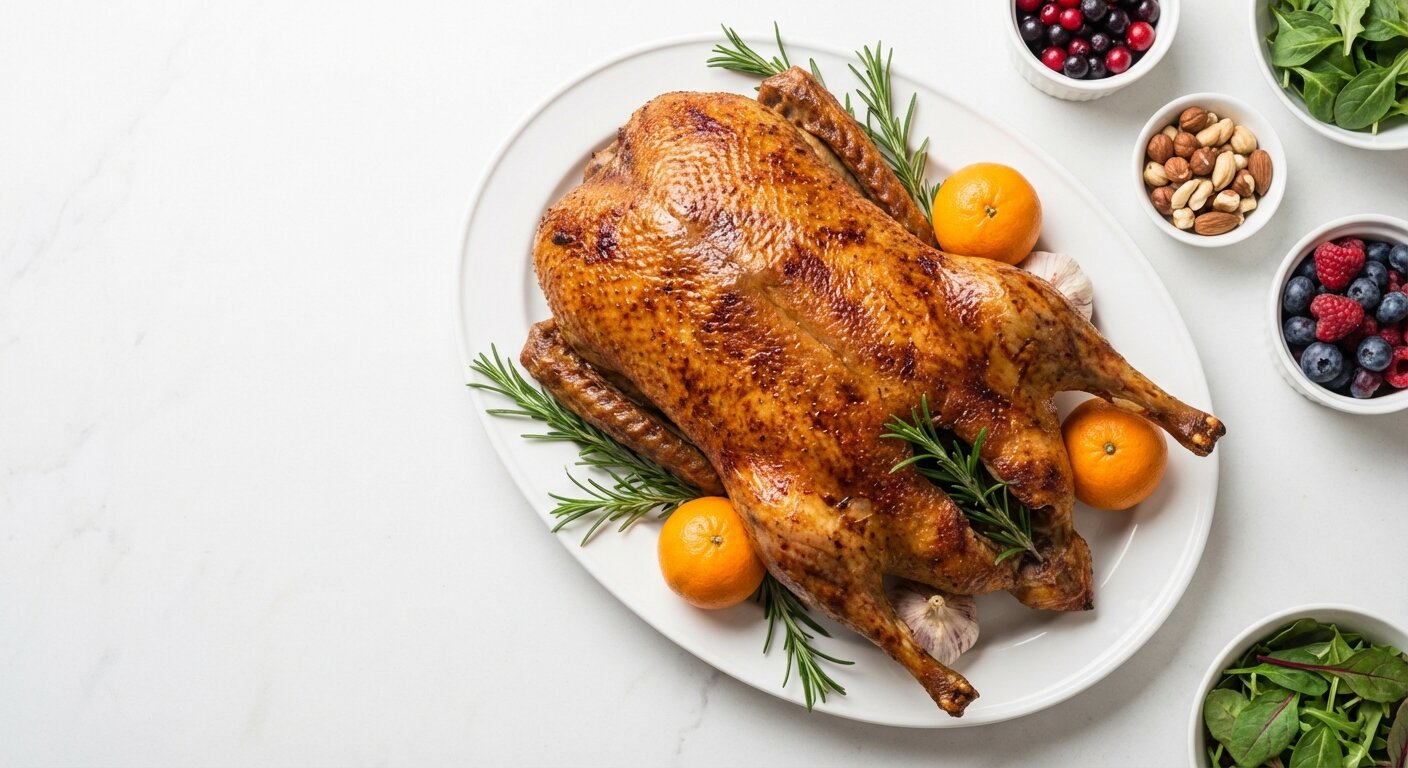
Duck is a flavorful, nutrient-dense poultry option that offers a unique macro profile compared to more common proteins like chicken or turkey. While duck has gained popularity in fine dining and international cuisines, many people tracking macros wonder how it fits into their nutrition goals.
Unlike chicken breast, which is prized for being ultra-lean, duck naturally contains more fat—especially in the skin and darker meat portions. This gives duck its rich, savory flavor but also means the macros can vary significantly depending on the cut and how it’s prepared. Understanding these differences is essential for accurately tracking your intake.
Whether you’re considering duck for a special meal, incorporating it into your regular protein rotation, or simply curious about how it compares nutritionally, this guide breaks down everything you need to know. We’ll cover the macro breakdown by cut, cooking methods that affect nutrition, and strategies for fitting duck into various dietary approaches from cutting to bulking.
Ready to calculate your personalized macro targets? Use our Macro Calculator to get your specific protein, carb, and fat goals based on your body composition and fitness objectives.
Related: Learn more about what macros are and how they impact your diet.
Duck Macros Overview
Duck provides a complete protein source with zero carbohydrates, but the fat content varies dramatically based on the cut and whether skin is included. Here’s the baseline nutritional breakdown:
Duck Breast (Skinless, Roasted)
Per 100g (3.5 oz):
- Calories: 135
- Protein: 24g
- Fat: 4g
- Carbs: 0g
This is the leanest way to consume duck, offering a protein profile similar to chicken thigh but with less fat than skin-on chicken breast.
Duck Breast (With Skin, Roasted)
Per 100g (3.5 oz):
- Calories: 200-230
- Protein: 19g
- Fat: 14-15g
- Carbs: 0g
The skin adds significant fat—primarily monounsaturated and saturated fats—which contributes to duck’s characteristic rich flavor and crispy texture when properly rendered.
Duck Leg (With Skin, Roasted)
Per 100g (3.5 oz):
- Calories: 220-250
- Protein: 20g
- Fat: 15-18g
- Carbs: 0g
Duck legs are naturally darker, fattier meat with more connective tissue. They’re perfect for slow-cooking methods like braising or confit but come with higher fat content than breast meat.
Ground Duck
Per 100g (3.5 oz, raw):
- Calories: 180-200
- Protein: 18-20g
- Fat: 12-14g
- Carbs: 0g
Ground duck typically includes both light and dark meat along with some fat. The exact macros depend on the fat-to-meat ratio, similar to ground beef or ground turkey.
Duck Confit (Traditional Preparation)
Per 100g (3.5 oz):
- Calories: 280-320
- Protein: 18g
- Fat: 24-28g
- Carbs: 0g
Confit involves curing duck legs in salt and slowly cooking them submerged in duck fat. This traditional French preparation creates incredibly tender meat but significantly increases fat content.
Duck vs. Other Poultry: Macro Comparison
Understanding how duck stacks up against other common poultry options helps you make informed choices for your macro goals:
Duck vs. Chicken Breast (Skinless)
Per 100g:
- Duck: 135 cal, 24g protein, 4g fat
- Chicken Breast: 165 cal, 31g protein, 3.6g fat
Chicken breast has slightly more protein per serving and marginally less fat, making it the leaner choice. However, duck breast offers more flavor and a richer nutrient profile including higher iron and B vitamin content.
Duck vs. Chicken Thigh (Skinless)
Per 100g:
- Duck: 135 cal, 24g protein, 4g fat
- Chicken Thigh: 180 cal, 24g protein, 9g fat
Skinless duck breast actually has LESS fat than skinless chicken thigh while providing the same protein content. This surprises many people who assume duck is always fattier than chicken.
Duck vs. Turkey Breast (Skinless)
Per 100g:
- Duck: 135 cal, 24g protein, 4g fat
- Turkey Breast: 135 cal, 30g protein, 1g fat
Turkey breast is the leanest of the three, with the highest protein-to-fat ratio. However, duck provides more iron (2.7mg vs 1.4mg) and selenium.
Duck vs. Chicken (Both With Skin)
Per 100g:
- Duck with skin: 200-230 cal, 19g protein, 14-15g fat
- Chicken with skin: 215-240 cal, 23g protein, 14-15g fat
When both include skin, the macro profiles are remarkably similar. The main difference is flavor—duck skin renders more fat and becomes crispier, while chicken skin is thinner.
Key Takeaway: Skinless duck breast is a legitimately lean protein source comparable to chicken breast. The “duck is fatty” reputation primarily comes from preparations that include skin or use fatty cooking methods like confit.
How Cooking Methods Affect Duck Macros
The way you prepare duck dramatically impacts its final macro profile. Here’s what you need to know:
Roasting
Roasting duck at high heat (400°F+) allows fat to render and drip away from the meat. This is especially effective with skin-on preparations:
- Skin-on, roasted: Fat reduces by 20-30% as it renders into the pan
- Skinless, roasted: Minimal macro change from raw
- Best for: Maximizing crispy skin while reducing overall fat content
Macro Impact: Medium reduction in fat if skin is kept on and fat is not consumed
Pan-Seared
Pan-searing duck breast, especially starting skin-side down in a cold pan, renders subcutaneous fat gradually:
- Technique: Slowly render fat for 6-8 minutes, then flip and finish
- Fat removal: Moderate, as you can pour off rendered fat during cooking
- Best for: Duck breast with perfect crispy skin
Macro Impact: Moderate fat reduction (10-15%) if you discard rendered fat
Grilling
Grilling allows fat to drip away from the meat directly into the fire:
- Skin-on: Fat drips off, reducing total fat content by 15-25%
- Skinless: Minimal fat loss, may actually lose moisture
- Best for: Skinless duck breast or quick-cooking preparations
Macro Impact: Moderate to high fat reduction depending on cooking time
Braising / Slow-Cooking
Braising duck legs or slow-cooking in liquid retains fat within the cooking liquid:
- Fat retention: High, unless you skim fat from braising liquid
- Texture benefit: Breaks down connective tissue for tender meat
- Best for: Duck legs, tough cuts
Macro Impact: Minimal fat reduction unless braising liquid is skipped
Confit
Confit involves submerging duck in fat and cooking at low temperature (200-250°F) for hours:
- Fat absorption: Very high, meat absorbs additional fat from cooking medium
- Traditional method: Uses duck fat exclusively
- Modern variations: Some use olive oil or mixed fats
Macro Impact: INCREASES fat content by 50-100% compared to roasted duck
Sous Vide
Sous vide cooking in a vacuum-sealed bag at precise temperatures preserves the duck’s original macro profile:
- Fat retention: High, as no fat can escape the bag
- Finishing required: Most sous vide duck is finished in a hot pan to crisp skin
- Best for: Perfect doneness with subsequent fat rendering
Macro Impact: Minimal change from raw macros unless post-seared with fat removal
Cooking Method Summary for Lowest Fat Content:
- Grilling (skinless breast)
- Roasting at high heat (with fat drainage)
- Pan-searing (with rendered fat removal)
- Sous vide + post-searing
- Braising (with skimmed liquid)
- Confit (highest fat retention)
Duck Macros by Popular Preparations
Real-world duck dishes often include sauces, seasonings, and cooking fats that alter the base macros. Here’s what you’re actually eating:
Peking Duck (With Pancakes & Sauce)
Per serving (3-4 oz duck + 2 pancakes + sauce):
- Calories: 420-500
- Protein: 28-32g
- Fat: 18-24g
- Carbs: 35-45g
The pancakes and hoisin sauce add significant carbs. Duck meat itself remains zero-carb, but the complete dish is far from low-carb.
Duck Breast with Cherry Glaze
Per serving (6 oz duck breast + 2 tbsp glaze):
- Calories: 380-450
- Protein: 42-48g
- Fat: 16-22g
- Carbs: 15-22g
Fruit-based glazes add natural sugars. The duck breast provides excellent protein, but the glaze nearly triples the carb content.
Duck Confit with Roasted Vegetables
Per serving (1 duck leg + 1 cup roasted vegetables):
- Calories: 450-550
- Protein: 32-38g
- Fat: 32-40g
- Carbs: 12-18g
Traditional confit is very high in fat. The vegetables add fiber and micronutrients but also additional calories and carbs.
Crispy Duck Salad (Asian-Style)
Per serving (4 oz duck + mixed greens + dressing):
- Calories: 320-400
- Protein: 32-38g
- Fat: 18-24g
- Carbs: 8-14g
The salad base keeps carbs relatively low, but dressings (especially sesame-based or sweet varieties) contribute both fat and sugar.
Duck Tacos (2 Tacos)
Per serving (4 oz pulled duck + 2 corn tortillas + toppings):
- Calories: 420-500
- Protein: 32-38g
- Fat: 16-22g
- Carbs: 32-42g
Corn tortillas add substantial carbs. This preparation works well for balanced macros with good protein and moderate fat.
Duck Fried Rice
Per 2-cup serving:
- Calories: 500-650
- Protein: 28-35g
- Fat: 18-28g
- Carbs: 55-70g
Rice dominates the macro profile here. Duck adds flavor and protein, but the dish is primarily carb-forward. Cooking oil further increases fat content.
Duck Burger (With Bun)
Per burger (6 oz ground duck + bun + toppings):
- Calories: 520-620
- Protein: 38-45g
- Fat: 24-32g
- Carbs: 35-45g
Ground duck makes an excellent burger with rich flavor. The bun adds carbs, and any cheese or mayo increases fat. Skip the bun for a dramatically lower-carb option.
Macro-Friendly Modifications:
- Request sauces and glazes on the side
- Skip or reduce bread/pancakes/rice in mixed dishes
- Ask for grilled instead of fried preparations
- Choose vegetable sides over starches
- Check if duck skin can be removed before serving
Fitting Duck Into Different Macro Goals
Duck’s unique macro profile makes it suitable for various dietary approaches—here’s how to optimize it for your specific goals:
High-Protein / Low-Fat (Cutting)
Goal: Maximize protein, minimize fat and calories
Best Choices:
- Skinless duck breast, grilled or roasted
- Remove all visible fat before cooking
- Use cooking spray instead of oil
- Season with herbs and spices, no butter or oil-based sauces
Serving Example: 6 oz skinless duck breast, grilled
- Calories: 240
- Protein: 42-48g
- Fat: 6-8g
- Carbs: 0g
Macro Strategy: Duck breast can substitute for chicken breast in any high-protein meal plan. Remove skin and trim visible fat for the leanest option.
Balanced Macros (Maintenance / Recomp)
Goal: Balanced protein, moderate fat, flexible carbs
Best Choices:
- Duck breast with skin, rendered properly
- Duck leg, roasted with fat drained
- Pair with vegetables and small portion of carbs
Serving Example: 5 oz duck breast with skin + 1 cup roasted Brussels sprouts + 1/2 cup sweet potato
- Calories: 450-520
- Protein: 38-42g
- Fat: 18-24g
- Carbs: 28-35g
Macro Strategy: The fat from duck skin provides satiety without needing added oils. This works well for balanced 40/30/30 or zone-style macros.
High-Fat / Low-Carb (Keto)
Goal: High fat, moderate protein, very low carb
Best Choices:
- Duck leg with skin
- Duck confit
- Duck breast with skin, keep rendered fat
- Ground duck (higher fat ratio)
Serving Example: 5 oz duck confit + 2 cups leafy green salad + olive oil dressing
- Calories: 520-600
- Protein: 32-38g
- Fat: 42-50g
- Carbs: 5-8g
Macro Strategy: Duck’s natural fat content makes it ideal for keto. The fat is primarily monounsaturated and saturated, which fits keto macros perfectly. No need to add extra fats.
Muscle Building (Bulking)
Goal: High protein, sufficient calories, flexible macros
Best Choices:
- Any cut of duck with skin
- Ground duck in higher-carb dishes
- Duck prepared with calorie-dense sauces
- Combine with rice, potatoes, or pasta
Serving Example: 6 oz duck breast with skin + 2 cups jasmine rice + stir-fry vegetables
- Calories: 720-820
- Protein: 48-54g
- Fat: 18-24g
- Carbs: 88-95g
Macro Strategy: Duck provides dense protein and calories. The skin adds flavor and fat without needing extra oils. Pair with substantial carbs for surplus eating.
Paleo / Whole30
Goal: Whole foods, no processed ingredients
Best Choices:
- Any cut of duck, skin on or off
- Season with compliant spices (no sugar)
- Cook in duck fat, ghee, or olive oil
- Pair with vegetables and compliant carbs (sweet potato, plantains)
Serving Example: 5 oz duck leg, roasted + roasted root vegetables + sautéed kale
- Calories: 480-550
- Protein: 35-40g
- Fat: 28-35g
- Carbs: 18-25g
Macro Strategy: Duck is naturally Paleo-compliant. Focus on quality sourcing (pastured when possible) and avoid grain-based sides or processed sauces.
Micronutrients in Duck
Beyond macros, duck provides a rich micronutrient profile that sets it apart from more common poultry:
High in Iron
Duck contains approximately 2.7mg iron per 100g, compared to chicken breast’s 1.0mg. This is particularly valuable for:
- Athletes with higher iron demands
- Women during menstruation
- Those following low-red-meat diets
Duck provides heme iron (the more bioavailable form found in animal products), making it an excellent alternative to red meat for iron intake.
Rich in B Vitamins
Duck is an excellent source of several B vitamins:
- B12 (Cobalamin): 0.4μg per 100g - essential for nerve function and DNA synthesis
- B3 (Niacin): 5.1mg per 100g - supports metabolism and cardiovascular health
- B6 (Pyridoxine): 0.3mg per 100g - important for protein metabolism and immune function
These vitamins are critical for energy production and cellular function, especially important for active individuals tracking macros.
Selenium Content
Duck provides approximately 14-18μg selenium per 100g. Selenium is:
- A powerful antioxidant
- Essential for thyroid hormone metabolism
- Important for immune system function
Zinc
With 1.9mg zinc per 100g, duck offers more than chicken (1.0mg) but less than red meat. Zinc supports:
- Immune function
- Protein synthesis
- Wound healing
- Testosterone production
Omega Fatty Acid Profile
Duck fat is approximately:
- 49% monounsaturated fat (similar to olive oil)
- 36% saturated fat
- 13% polyunsaturated fat
This profile is considered heart-healthy compared to many other animal fats, with oleic acid (the same beneficial fat in olive oil) being the dominant fatty acid.
Micronutrient Comparison (per 100g):
| Nutrient | Duck Breast | Chicken Breast | Beef Sirloin |
|---|---|---|---|
| Iron | 2.7mg | 1.0mg | 2.4mg |
| Zinc | 1.9mg | 1.0mg | 4.5mg |
| Selenium | 14μg | 24μg | 26μg |
| B12 | 0.4μg | 0.3μg | 2.1μg |
Duck Macros FAQs
Does duck count as red meat or white meat?
Duck is technically poultry, but the breast meat is darker than chicken or turkey breast due to higher myoglobin content (similar to beef). Nutritionally, duck is classified as poultry but has some characteristics of red meat, particularly in iron content and fat profile.
Can I eat duck every day?
Yes, duck can be part of a daily diet as long as it fits your macro goals. Varying protein sources provides broader micronutrient coverage, so rotating duck with chicken, fish, beef, and plant proteins is ideal. The higher fat content in duck with skin may not suit daily consumption on a strict cut.
Is duck bad for cholesterol?
Duck contains cholesterol like all animal products (approximately 80-90mg per 100g), but dietary cholesterol has minimal impact on blood cholesterol for most people. The predominant monounsaturated fat profile may actually support healthy cholesterol ratios. If you have specific cholesterol concerns, consult with a healthcare provider.
What about duck eggs—do they have similar macros?
Duck eggs are different from duck meat. One duck egg (70g) contains approximately 130 calories, 9g protein, 10g fat, and 1g carbs—similar to chicken eggs but larger and richer. Duck eggs have more fat and calories per egg compared to chicken eggs.
Is duck from restaurants accurate for macro tracking?
Restaurant duck varies significantly in preparation and portion size. When eating out:
- Ask about cooking method and sauces
- Request sauce on the side
- Estimate portions conservatively (restaurants typically serve 6-8 oz)
- Add 20-30% extra fat to account for cooking oils and butter
For precise tracking, preparing duck at home gives you complete control over macros.
Does duck skin add nutritional value beyond fat?
Duck skin provides primarily fat calories with minimal protein. However, it does contain collagen, which breaks down into gelatin during cooking. Some people value this for joint and skin health, though the amounts are relatively small. The main benefit of duck skin is flavor and texture.
Can I meal prep with duck?
Yes, duck meal preps well:
- Storage: Refrigerate cooked duck up to 4 days, freeze up to 3 months
- Reheating: Oven or air fryer works best to maintain texture
- Best cuts for prep: Duck breast portions well and reheats effectively
- Note: Duck fat solidifies when cold—this is normal and doesn’t affect quality
How do I know what cut of duck I’m getting?
Common cuts you’ll find:
- Duck breast (magret): Thick, boneless breast portion, usually with skin
- Duck leg (cuisse): Drumstick and thigh together, typically sold as one piece
- Whole duck: Includes breast, legs, wings—requires butchering or roasting whole
- Ground duck: Mixed light and dark meat, fat content varies by blend
Most retail packages indicate the cut and whether skin is included.
Is wild duck different from farmed duck nutritionally?
Wild duck is generally leaner than farmed duck, with slightly higher protein and lower fat content. However, wild duck has a gamier flavor and can be tougher. Most commercial duck (including Pekin and Muscovy breeds) is farmed. The macro differences are modest—wild duck may have 20-30% less fat depending on species and season.
What’s the difference between Pekin and Muscovy duck?
Pekin duck: Most common, mild flavor, fattier, larger breast portions Muscovy duck: Leaner, slightly gamier flavor, larger overall bird
For macro tracking:
- Pekin: Higher fat content (great for keto, may need trimming for cutting)
- Muscovy: Naturally leaner, closer to turkey in fat profile
Check labels or ask your butcher which type you’re purchasing for more accurate macro estimates.
Conclusion
Duck offers a versatile, nutrient-dense protein source with a macro profile that can fit into virtually any dietary approach—from aggressive cuts to high-fat keto diets. The key to successfully incorporating duck into your nutrition plan is understanding how cut selection and cooking methods affect the final macros.
Remember these core principles:
- Skinless duck breast is legitimately lean with 24g protein and only 4g fat per 100g—comparable to chicken breast
- Duck with skin increases fat content significantly but provides rich flavor and a complete amino acid profile
- Cooking method matters—grilling and roasting with fat drainage reduces overall fat content
- Zero carbs in plain duck means carbs come entirely from sauces, breading, and sides
- Higher iron and B vitamins compared to chicken make duck nutritionally valuable beyond just macros
Whether you’re tracking macros for fat loss, muscle building, or general health, duck can be a delicious and nutritious addition to your rotation. Start with skinless breast if you’re prioritizing protein, or embrace fattier cuts like confit or duck leg if you’re following a higher-fat approach.
Ready to see how duck fits into your personalized macro targets? Use our Macro Calculator to get your specific daily protein, carb, and fat goals based on your body stats and fitness objectives.
Looking to explore other protein sources? Check out our complete guides on chicken macros, turkey macros, and salmon macros to compare how different proteins stack up for your goals.
Related Articles
Dragonfruit Macros: Complete Nutrition Guide for Pitaya
Complete macro breakdown of dragonfruit (pitaya). Learn the calories, protein, carbs, and...
Read guide →
Bulgur Macros: Complete Nutritional Guide & Health Benefits
Discover bulgur's complete macro breakdown, nutritional benefits, and how to incorporate...
Read guide →
Radish Macros: Nutrition Facts and Health Benefits
Complete guide to radish macros and nutrition. Learn calories, protein, carbs, and health...
Read guide →Note: Nutrition values are approximate and may vary based on preparation method and source.