Farro Macros: Complete Nutrition Guide for This Ancient Grain
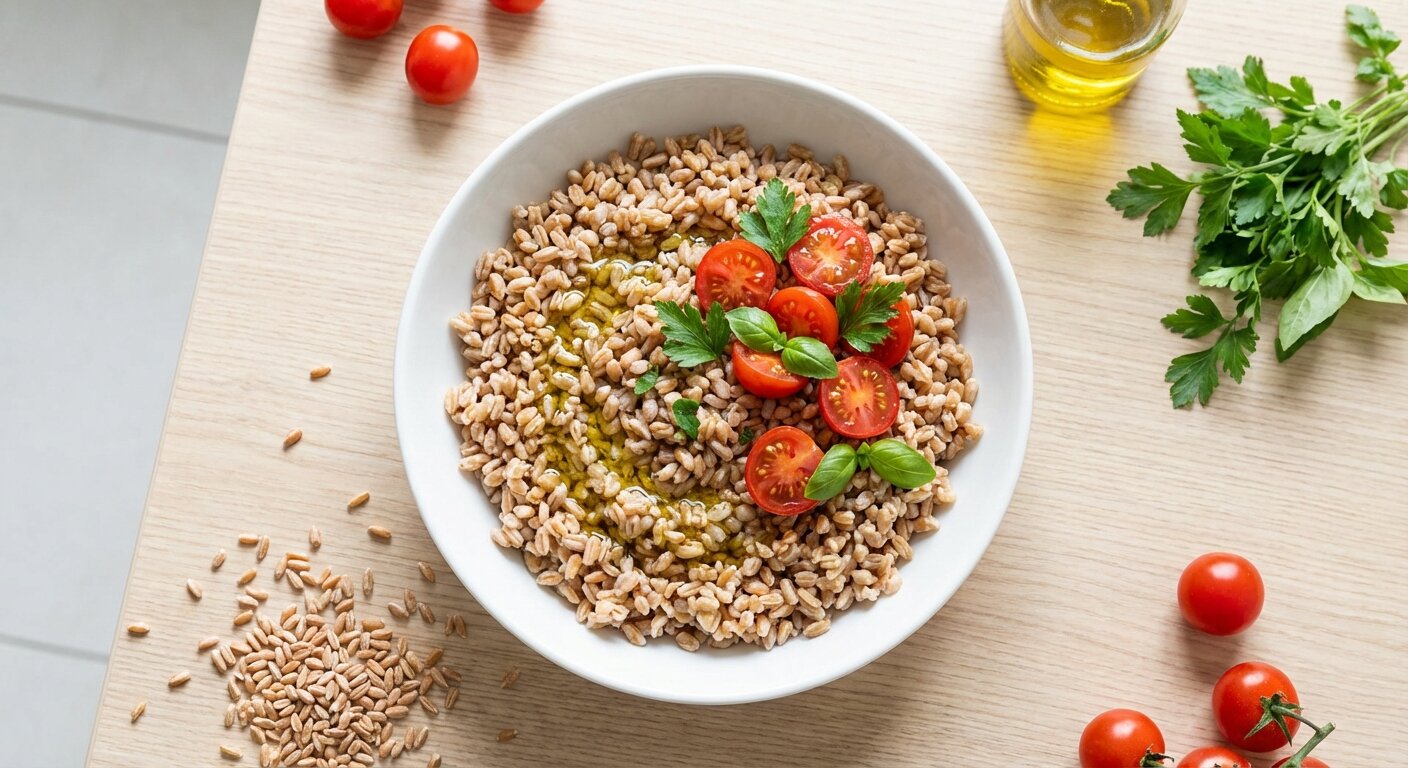
Farro is an ancient grain that’s making a comeback in modern kitchens—and for good reason. With its nutty flavor, satisfying chew, and impressive nutritional profile, farro offers a compelling alternative to rice, pasta, and other common grains. But how does it fit into your macronutrient goals?
Whether you’re counting macros for weight loss, muscle building, or general health, understanding farro’s nutritional breakdown is essential. This complete guide breaks down farro’s calories, protein, carbohydrates, and fats, plus how to incorporate this versatile grain into your meal plan.
Ready to calculate your personalized macro targets? Use our free macro calculator to determine your ideal protein, carb, and fat intake based on your specific goals.
What Is Farro?
Farro is an ancient wheat grain that has been cultivated for thousands of years, primarily in Mediterranean and Middle Eastern regions. The term “farro” actually refers to three different wheat species: einkorn (farro piccolo), emmer (farro medio), and spelt (farro grande). In the United States, farro typically refers to emmer wheat.
Unlike modern hybridized wheat varieties, farro retains its original genetic structure and is often sold as a whole grain with the bran and germ intact. This gives it a distinctive nutty, slightly sweet flavor and a pleasantly chewy texture—similar to barley but with more complexity.
Farro comes in three forms:
- Whole farro: The entire grain with bran, germ, and endosperm intact (most nutritious, longest cooking time)
- Semi-pearled farro: Part of the bran removed (moderate nutrition, faster cooking)
- Pearled farro: Most or all bran removed (less nutritious, quickest cooking)
Most grocery stores sell semi-pearled farro, which strikes a balance between nutrition, flavor, and convenience.
Farro Macros: Complete Nutritional Breakdown
Here are the macronutrients for 1 cup (170g) of cooked farro:
| Nutrient | Amount |
|---|---|
| Calories | 220 |
| Protein | 8g |
| Carbohydrates | 44g |
| Fiber | 5g |
| Net Carbs | 39g |
| Fat | 2g |
| Sodium | 60mg |
Per 100g (Cooked)
| Nutrient | Amount |
|---|---|
| Calories | 129 |
| Protein | 4.7g |
| Carbohydrates | 25.9g |
| Fiber | 2.9g |
| Fat | 1.2g |
Dry vs. Cooked Farro
Like most grains, farro absorbs water during cooking, significantly increasing its volume and reducing its calorie density:
1/4 cup (50g) dry farro yields approximately 1 cup cooked and contains:
- Calories: 180
- Protein: 7g
- Carbohydrates: 35g
- Fiber: 4g
- Fat: 1.5g
The cooking ratio is typically 1:3 (1 cup dry farro to 3 cups liquid), and cooking time ranges from 25-40 minutes depending on the type.
How Farro Compares to Other Grains
Understanding how farro stacks up against common alternatives helps you make informed meal planning decisions.
Farro vs. Brown Rice (per 1 cup cooked)
| Nutrient | Farro | Brown Rice |
|---|---|---|
| Calories | 220 | 218 |
| Protein | 8g | 5g |
| Carbohydrates | 44g | 46g |
| Fiber | 5g | 3.5g |
| Fat | 2g | 1.6g |
Winner: Farro edges out brown rice with 60% more protein and 43% more fiber while maintaining similar calories and carbs.
Farro vs. Quinoa (per 1 cup cooked)
| Nutrient | Farro | Quinoa |
|---|---|---|
| Calories | 220 | 222 |
| Protein | 8g | 8g |
| Carbohydrates | 44g | 39g |
| Fiber | 5g | 5g |
| Fat | 2g | 3.6g |
Winner: Nearly identical in protein and fiber. Quinoa is a complete protein (contains all essential amino acids) and has slightly fewer carbs, while farro has a nuttier flavor and chewier texture.
Farro vs. White Rice (per 1 cup cooked)
| Nutrient | Farro | White Rice |
|---|---|---|
| Calories | 220 | 205 |
| Protein | 8g | 4g |
| Carbohydrates | 44g | 45g |
| Fiber | 5g | 0.6g |
| Fat | 2g | 0.4g |
Winner: Farro is nutritionally superior with double the protein and more than 8x the fiber. White rice digests faster but provides fewer nutrients.
Farro vs. Barley (per 1 cup cooked)
| Nutrient | Farro | Barley |
|---|---|---|
| Calories | 220 | 193 |
| Protein | 8g | 3.5g |
| Carbohydrates | 44g | 44g |
| Fiber | 5g | 6g |
| Fat | 2g | 0.7g |
Winner: Farro has more than double the protein, while barley edges it out slightly in fiber content. Both have similar chewy textures and nutty flavors.
Farro for Different Macro Goals
For Weight Loss (Calorie Deficit)
Pros:
- Moderate calorie density (220 cal/cup cooked)
- High fiber content (5g) increases satiety and slows digestion
- Protein content (8g) helps preserve muscle during weight loss
- Chewy texture requires more chewing, which may reduce overeating
Cons:
- Higher calorie density than non-starchy vegetables
- Easy to overeat in large portions
- Often prepared with added fats (butter, oil) that increase calories
How to use it: Use farro as a base for vegetable-heavy grain bowls. Measure portions carefully (1 cup cooked = 220 cal). Pair with lean protein and plenty of vegetables to create volume without excessive calories.
Sample meal: 1 cup cooked farro (220 cal) + 4 oz grilled chicken breast (187 cal) + 2 cups roasted vegetables with 1 tsp olive oil (100 cal) = 507 calories, highly satiating.
For Muscle Building (Calorie Surplus)
Pros:
- Provides complex carbohydrates for workout fuel and recovery
- Contains 8g protein per cup to contribute to daily protein goals
- Nutrient-dense source of calories for clean bulking
- Easy to prepare in large batches for meal prep
Cons:
- Incomplete protein (lacks some essential amino acids)
- Relatively high volume for calorie content (may fill you up before hitting calorie targets)
- Lower protein density than protein-focused foods
How to use it: Combine farro with complete protein sources (chicken, fish, eggs, Greek yogurt) and add healthy fats (olive oil, nuts, avocado) to boost calorie density. Use it as a post-workout carb source.
Sample meal: 1.5 cups cooked farro (330 cal) + 6 oz salmon (309 cal) + 1/4 avocado (80 cal) + vegetables = 719 calories, 40g protein.
For Maintenance (Balanced Macros)
Pros:
- Well-balanced macronutrient profile
- Provides sustained energy without blood sugar spikes
- Versatile ingredient that works in many meal types
- Higher fiber content supports digestive health and satiety
How to use it: Use farro as your carbohydrate base 3-4 times per week, rotating with other grains and starches. Portion sizes of 1-1.5 cups cooked fit most maintenance calorie ranges.
Macro breakdown at 1 cup cooked: 36% calories from carbs (44g), 15% from protein (8g), 8% from fat (2g). This aligns well with balanced macro splits like 40/30/30 or 50/25/25 when combined with protein and healthy fats.
For Low-Carb or Keto Diets
Verdict: Farro is not suitable for strict low-carb or ketogenic diets.
With 44g total carbs and 39g net carbs per cup, farro would consume most or all of your daily carb allowance on keto (typically 20-50g net carbs). Even half a cup (22g net carbs) would be problematic.
Alternative: If you’re following a moderate carb reduction approach (100-150g carbs/day), small portions of farro (1/2 cup cooked = 110 calories, 22g carbs, 2.5g fiber) can work occasionally, especially around workouts.
Micronutrients in Farro
Beyond macros, farro provides significant vitamins and minerals per cup cooked:
- Magnesium: 60mg (14% DV) — supports muscle function, bone health, and energy production
- Iron: 2mg (11% DV) — essential for oxygen transport in blood
- Zinc: 2mg (18% DV) — supports immune function and wound healing
- B Vitamins: Niacin (3mg, 19% DV) and Thiamin (0.2mg, 17% DV) — energy metabolism
- Phosphorus: 130mg (10% DV) — bone health and cellular energy
The high magnesium content is particularly notable, as many Americans are deficient in this mineral. Magnesium plays crucial roles in over 300 enzymatic reactions in the body.
How to Cook Farro Perfectly
Basic Stovetop Method
- Ratio: 1 cup dry farro to 3 cups water or broth
- Steps:
- Rinse farro under cold water (optional but removes excess starch)
- Combine farro and liquid in a pot, bring to a boil
- Reduce heat to low, cover, and simmer 25-40 minutes
- Check at 25 minutes: farro should be tender but chewy (like al dente pasta)
- Drain any excess liquid
- Yield: 1 cup dry farro yields approximately 2.5-3 cups cooked
Cooking time varies by type:
- Pearled farro: 20-25 minutes
- Semi-pearled farro: 25-30 minutes
- Whole farro: 35-40 minutes (or soak overnight to reduce to 25 minutes)
Flavor Variations
Mediterranean: Cook in vegetable broth, add lemon zest, fresh herbs (parsley, dill), cherry tomatoes, cucumber, feta cheese, and olive oil.
Italian: Toast dry farro in olive oil for 2 minutes before adding liquid. Finish with Parmesan, arugula, and balsamic vinegar.
Middle Eastern: Cook with cumin and coriander, top with roasted vegetables, chickpeas, tahini sauce, and fresh mint.
Breakfast bowl: Cook in milk or water, add cinnamon, top with berries, nuts, Greek yogurt, and a drizzle of honey.
Farro Meal Prep Ideas
Farro is excellent for batch cooking and meal prep:
Storage:
- Refrigerator: 5-7 days in an airtight container
- Freezer: Up to 3 months in freezer bags (portion into 1-cup servings for easy thawing)
Meal prep strategy: Cook 3-4 cups of dry farro (yields 8-12 cups cooked) on Sunday. Portion into containers with different protein and vegetable combinations for grab-and-go lunches.
Sample meal prep combos:
- Farro + grilled chicken + roasted Brussels sprouts + tahini dressing
- Farro + black beans + bell peppers + salsa + avocado (burrito bowl)
- Farro + baked salmon + steamed broccoli + lemon-dill sauce
- Farro + ground turkey + sautéed spinach + sun-dried tomatoes
Farro for Athletes and Active Individuals
Farro’s carbohydrate profile makes it excellent pre- and post-workout fuel:
Pre-workout (2-3 hours before):
- 1 cup cooked farro (44g carbs) provides sustained energy
- Lower glycemic index than white rice means steadier blood sugar
- Pair with a lean protein source for balanced pre-workout meal
Post-workout (within 1-2 hours):
- Carbohydrates help replenish glycogen stores
- Protein content (8g) contributes to muscle recovery
- Add additional protein (chicken, fish, eggs) to hit 20-30g total protein post-workout
Glycemic index: Farro has a glycemic index of approximately 40-45 (low to medium), meaning it won’t cause dramatic blood sugar spikes. This makes it suitable for sustained energy rather than quick-digesting pre-workout carbs.
Common Mistakes When Tracking Farro Macros
1. Confusing dry and cooked weights
- 1 cup dry farro ≠ 1 cup cooked farro
- Always measure AFTER cooking or convert correctly (1/4 cup dry = ~1 cup cooked)
2. Ignoring preparation additions
- Cooking in broth adds minimal calories (5-10 per cup)
- Finishing with butter, oil, or cheese significantly increases fat and calories
- 1 tablespoon olive oil adds 119 calories and 13.5g fat
- 1 oz feta cheese adds 75 calories and 6g fat
3. Not accounting for added ingredients
- Farro salads often contain nuts, dried fruit, and dressing
- A Mediterranean farro salad can easily reach 500+ calories per serving
- Track all components, not just the grain
4. Assuming all farro is the same
- Pearled vs. whole farro has slightly different nutrition
- Restaurant farro dishes often contain significantly more oil and salt
- Pre-seasoned farro packages may have added sodium and calories
Is Farro Right for Your Macro Goals?
Choose farro if:
- You’re looking for a nutrient-dense complex carb source
- You want more protein and fiber than white rice
- You enjoy chewy, nutty-flavored grains
- You’re meal prepping and need a grain that stores well
- You want to add variety to your grain rotation
Skip or limit farro if:
- You’re following a strict low-carb or ketogenic diet
- You have celiac disease or gluten intolerance
- You’re trying to maximize protein per calorie (choose quinoa or lean meat instead)
- You need a quick-cooking option (white rice cooks in 15 minutes vs. 25-40 for farro)
Bottom line: Farro is a highly nutritious ancient grain that fits well into most macro-based eating plans. Its combination of protein, fiber, complex carbohydrates, and essential minerals makes it a superior choice compared to refined grains. Measure portions carefully, account for cooking additions, and pair with lean protein and vegetables for balanced, satisfying meals.
Frequently Asked Questions
What are the macros in farro?
One cup (170g) of cooked farro contains approximately 220 calories, 8g protein, 44g carbohydrates, and 2g fat. It also provides 5g of dietary fiber and 60mg sodium, making it a nutrient-dense complex carbohydrate source.
The macronutrient breakdown means that farro provides sustained energy from carbohydrates, a moderate amount of plant-based protein, and minimal fat. The significant fiber content (5g) helps slow digestion and promotes satiety, which is beneficial for weight management and blood sugar control.
When tracking macros, always measure farro AFTER cooking, as dry farro absorbs water and expands significantly. One-quarter cup of dry farro yields approximately one cup of cooked farro, with the cooked version having much lower calorie density due to water absorption.
Is farro high in protein?
Farro contains 8g of protein per cooked cup, which is higher than most grains like white rice (4g) or brown rice (5g), and comparable to quinoa (8g). While this makes it a good plant-based protein source, it’s important to note that farro is not a complete protein—it lacks adequate amounts of some essential amino acids, particularly lysine.
For vegetarians and vegans, farro’s protein content is helpful but should be combined with complementary protein sources like legumes (beans, lentils), nuts, or seeds to ensure you’re getting all essential amino acids. For example, pairing farro with chickpeas in a Mediterranean bowl creates a more complete amino acid profile.
Compared to animal protein sources, farro provides significantly less protein per calorie. Four ounces of chicken breast contains 35g of protein for 187 calories, while an equivalent calorie amount of farro (approximately 3/4 cup cooked) provides only 6g protein. Think of farro as a carbohydrate source that happens to provide some protein, rather than a primary protein source.
Is farro better than rice for weight loss?
Farro can be more effective than white rice for weight loss due to its higher fiber content (5g vs. 0.6g per cup) and slightly more protein (8g vs. 4g). The extra fiber helps you feel fuller longer, slows digestion, and may reduce overall calorie intake throughout the day.
The fiber in farro also means it has a lower glycemic index (40-45) compared to white rice (70-75), which means farro causes a slower, more gradual rise in blood sugar levels. This helps prevent energy crashes and can reduce cravings for sugary foods later in the day.
However, when comparing farro to brown rice, the difference is less dramatic. Brown rice has 3.5g fiber per cup versus farro’s 5g, and both have similar calorie counts (218 vs. 220 per cup). Farro does provide 60% more protein (8g vs. 5g), which can be beneficial for preserving muscle during weight loss and increasing satiety.
For maximum weight loss effectiveness, focus on portion control regardless of which grain you choose. One cup of cooked farro or rice as part of a balanced meal with lean protein and plenty of vegetables is appropriate. The grain itself matters less than your overall calorie intake, protein target, and meal composition.
What is farro and how is it different from wheat?
Farro is an ancient wheat species that includes three varieties: einkorn (Triticum monococcum), emmer (Triticum dicoccum), and spelt (Triticum spelta). In the United States, “farro” typically refers to emmer wheat, which has been cultivated for over 10,000 years in the Mediterranean region.
Unlike modern wheat varieties that have been hybridized and refined, farro retains its original genetic structure and is often sold as a whole grain with the bran, germ, and endosperm intact. This gives it several advantages: it contains more fiber, protein, and minerals than refined wheat products like white bread or regular pasta.
Farro has a distinctive nutty, slightly sweet flavor and a pleasantly chewy texture—similar to barley but with more complexity. The grains are larger and more oblong than typical wheat berries, and they maintain their shape well during cooking, making them ideal for salads, grain bowls, and pilafs.
Because farro is a type of wheat, it contains gluten and is not suitable for people with celiac disease or gluten sensitivity. However, some people who experience digestive discomfort with modern wheat find they tolerate ancient grains like farro better, possibly due to the different protein structures or the presence of the bran and germ, which slow digestion.
Can I eat farro on a low-carb diet?
Farro contains 44g of carbohydrates per cooked cup, making it unsuitable for strict low-carb or ketogenic diets, which typically limit carbs to 20-50g net carbs per day. Even a half-cup serving (22g net carbs) would consume most of your daily carb allowance on keto.
For moderate carb reduction approaches (100-150g carbs per day), small portions of farro can work, especially when timed around workouts. For example, eating 1/2 cup cooked farro (110 calories, 22g carbs, 2.5g fiber) post-workout can help replenish glycogen stores without derailing your carb targets.
If you’re following a low-carb diet, consider these lower-carb alternatives:
- Cauliflower rice: 5g net carbs per cup cooked (vs. 39g for farro)
- Shirataki rice: 3g net carbs per cup
- Cabbage “rice”: 4g net carbs per cup
- Konjac rice: 0g net carbs per cup
These alternatives won’t provide the same texture, flavor, or nutritional profile as farro, but they allow you to create grain-style bowls while staying within low-carb limits.
How should I cook farro for the best nutrition?
To preserve farro’s nutritional value, use the absorption method rather than boiling and draining excess water. Bring 1 cup dry farro and 3 cups water or broth to a boil, then reduce to a simmer and cook covered for 25-40 minutes until tender. This ensures water-soluble B vitamins stay in the grain rather than being poured down the drain.
Avoid adding excessive butter, oil, or salt during cooking to keep the macros lean. If using broth for flavor, choose low-sodium varieties to control sodium intake. Season with herbs, spices, lemon juice, or a small amount of olive oil (1 teaspoon per serving = 40 calories) after cooking.
Choose whole or semi-pearled farro over fully pearled varieties when possible. Whole farro retains all of the bran and germ, which contain most of the fiber, minerals, and B vitamins. Semi-pearled farro (most common in stores) has some bran removed but still provides good nutrition and cooks faster (25-30 minutes vs. 35-40 minutes for whole).
You can also toast dry farro in a dry skillet or with a small amount of olive oil for 2-3 minutes before cooking. This enhances the nutty flavor without adding significant calories and may improve the aroma and taste of the finished grain.
Is farro gluten-free?
No, farro is a type of ancient wheat and contains gluten. People with celiac disease, wheat allergy, or non-celiac gluten sensitivity must avoid farro and choose gluten-free grain alternatives instead.
Gluten-free substitutes with similar texture and nutrition include:
- Quinoa: Complete protein, similar cooking time, slightly less chewy
- Brown rice: Gluten-free, similar calories, less protein and fiber
- Buckwheat: Gluten-free despite the name, nutty flavor, good protein content
- Sorghum: Ancient grain, chewy texture, gluten-free
- Wild rice: Technically a grass seed, similar chewy texture, more protein than white rice
Despite being an ancient grain, farro still contains the same gluten proteins (gliadin and glutenin) found in modern wheat. Some people who react to modern wheat report better tolerance of ancient grains, but this is anecdotal and should not be relied upon by those with diagnosed celiac disease or wheat allergy.
Cross-contamination is also a concern. Even gluten-free grains processed in facilities that handle farro may contain trace amounts of gluten. If you have celiac disease, look for certified gluten-free products with third-party testing to ensure safety.
What are the health benefits of eating farro?
Farro provides numerous health benefits beyond basic macronutrient provision:
Digestive health: The 5g of dietary fiber per cup promotes regular bowel movements, feeds beneficial gut bacteria, and may reduce the risk of colon cancer. Fiber also helps maintain healthy cholesterol levels by binding to bile acids in the intestines.
Blood sugar control: Farro’s low glycemic index (40-45) causes gradual rises in blood sugar rather than spikes, which is beneficial for people with diabetes or prediabetes. The combination of fiber and complex carbohydrates provides sustained energy without insulin surges.
Heart health: The fiber, magnesium (60mg per cup), and plant compounds in farro support cardiovascular function. Magnesium helps regulate blood pressure and heart rhythm, while fiber reduces LDL cholesterol levels. Studies show whole grain consumption is associated with reduced risk of heart disease.
Weight management: Despite containing carbohydrates, farro’s fiber and protein content increase satiety and may reduce overall calorie intake. People who eat whole grains like farro tend to have lower body weight and less abdominal fat compared to those who eat primarily refined grains.
Nutrient density: Farro provides significant amounts of iron (2mg, 11% DV), zinc (2mg, 18% DV), B vitamins, and phosphorus in addition to macronutrients. This makes it a more nutritious calorie source than refined grains like white rice or pasta.
Antioxidants: Whole grain farro contains polyphenols and carotenoids that function as antioxidants, protecting cells from oxidative damage. These compounds are concentrated in the bran layer, which is why whole farro is more beneficial than pearled varieties.
Related Articles

Dragonfruit Macros: Complete Nutrition Guide for Pitaya
Complete macro breakdown of dragonfruit (pitaya). Learn the calories, protein, carbs, and...
Read guide →
Bulgur Macros: Complete Nutritional Guide & Health Benefits
Discover bulgur's complete macro breakdown, nutritional benefits, and how to incorporate...
Read guide →
Radish Macros: Nutrition Facts and Health Benefits
Complete guide to radish macros and nutrition. Learn calories, protein, carbs, and health...
Read guide →Note: Nutrition values are approximate and may vary based on preparation method and source.