Flax Seeds Macros: Complete Nutrition Guide
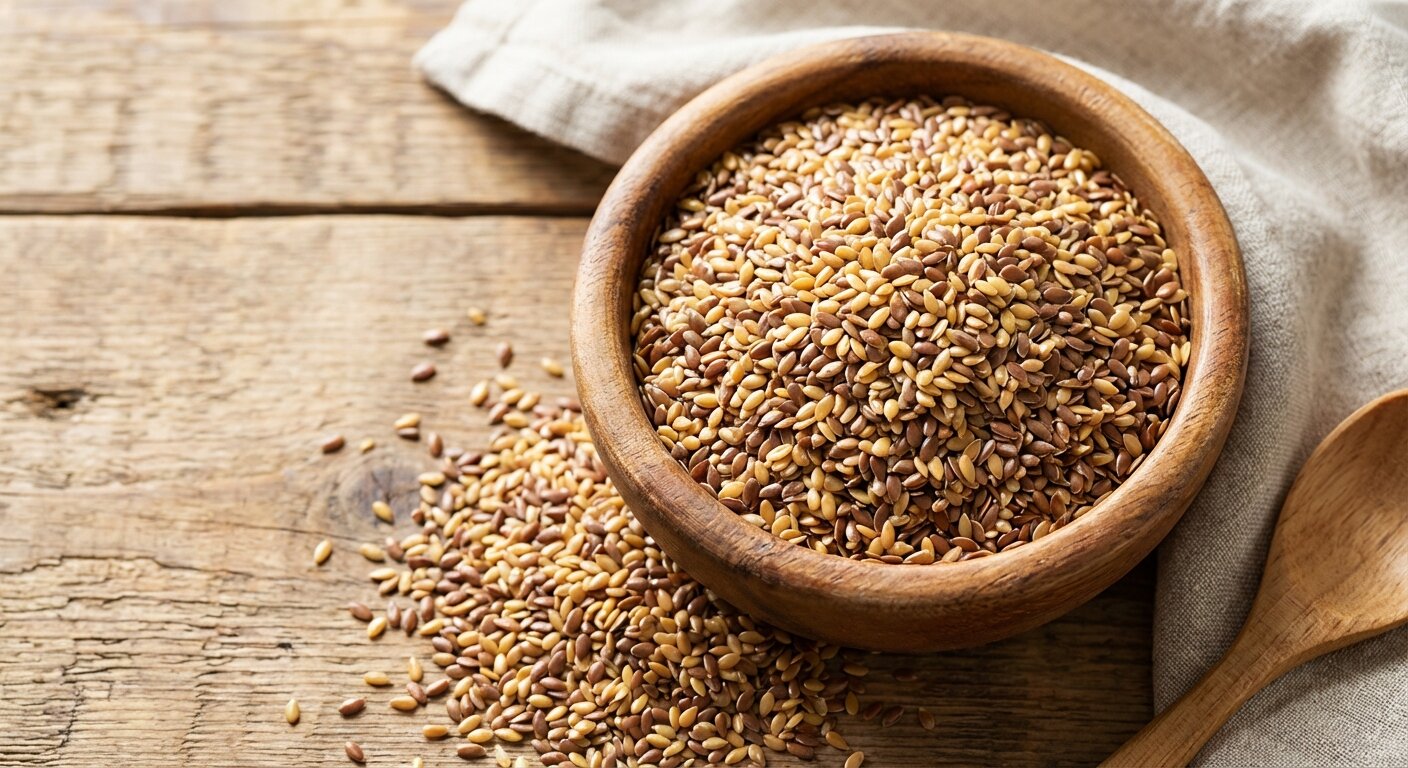
Flax seeds are nutritional powerhouses packed into tiny seeds. Whether you’re tracking macros for weight loss, muscle gain, or general health, understanding flax seed nutrition helps you incorporate this superfood effectively into your diet.
This guide breaks down flax seed macros per serving, compares ground vs. whole seeds, explores health benefits, and provides practical ways to add them to your meals. By the end, you’ll know exactly how flax seeds fit into your macro targets.
Ready to calculate your personalized macros? Use our macro calculator to determine your optimal protein, carbs, and fat intake based on your specific goals.
Related: Learn more about what macros are and how they impact your diet.
Flax Seeds Macros Breakdown
Per Tablespoon (7g) - Whole Flax Seeds
| Nutrient | Amount |
|---|---|
| Calories | 37 kcal |
| Protein | 1.3g |
| Carbohydrates | 2g |
| Fiber | 1.9g |
| Net Carbs | 0.1g |
| Fat | 3g |
| Omega-3 (ALA) | 1.6g |
| Omega-6 | 0.4g |
Per 2 Tablespoons (14g) - Common Serving Size
| Nutrient | Amount |
|---|---|
| Calories | 74 kcal |
| Protein | 2.6g |
| Carbohydrates | 4g |
| Fiber | 3.8g |
| Net Carbs | 0.2g |
| Fat | 6g |
| Omega-3 (ALA) | 3.2g |
| Omega-6 | 0.8g |
Per 100g
| Nutrient | Amount |
|---|---|
| Calories | 534 kcal |
| Protein | 18.3g |
| Carbohydrates | 28.9g |
| Fiber | 27.3g |
| Net Carbs | 1.6g |
| Fat | 42.2g |
| Omega-3 (ALA) | 22.8g |
| Omega-6 | 5.9g |
Key Macro Insight: Flax seeds are predominantly fat (70% of calories), with impressive fiber content and moderate protein. They’re extremely low in net carbs, making them ideal for keto and low-carb diets.
Ground vs. Whole Flax Seeds: Which is Better?
The debate between ground and whole flax seeds comes down to bioavailability—your body’s ability to absorb nutrients.
Nutrient Absorption
Whole flax seeds:
- Pass through your digestive system largely intact
- The hard outer shell prevents nutrient absorption
- Provides bulk and fiber but minimal omega-3 absorption
- Can be stored longer without oxidation
Ground flax seeds (flaxseed meal):
- Fully digestible and nutrients are absorbed
- Maximum omega-3 ALA bioavailability
- Lignans and other phytonutrients are accessible
- Should be refrigerated after grinding to prevent oxidation
- Typically ground fresh or purchased pre-ground
Bottom Line: Always choose ground flax seeds if your goal is to maximize nutritional benefits. Your body cannot break down the tough shell of whole seeds, meaning you’ll miss out on the beneficial omega-3s and lignans.
How to Grind Flax Seeds
If you buy whole flax seeds, grinding them fresh ensures maximum freshness and nutrient retention:
- Coffee grinder: Best method—grind 30 seconds to fine powder
- Blender: Works for larger batches but less consistent
- Mortar and pestle: Labor-intensive but effective for small amounts
- Food processor: Good for bulk grinding
Store ground flax in an airtight container in the refrigerator for up to 3 months or freezer for 6 months.
Macros by Flax Seed Type
Golden Flax Seeds
| Per 1 Tbsp (7g) | Amount |
|---|---|
| Calories | 37 kcal |
| Protein | 1.3g |
| Carbs | 2g |
| Fat | 3g |
Golden and brown flax seeds have nearly identical nutritional profiles. The color difference comes from pigmentation, not nutrient composition.
Brown Flax Seeds
| Per 1 Tbsp (7g) | Amount |
|---|---|
| Calories | 37 kcal |
| Protein | 1.3g |
| Carbs | 2g |
| Fat | 3g |
Difference: Golden flax seeds have a slightly milder flavor and lighter color, making them less noticeable in baked goods and smoothies. Nutritionally, they’re interchangeable.
Flaxseed Oil
| Per 1 Tbsp (14g) | Amount |
|---|---|
| Calories | 120 kcal |
| Protein | 0g |
| Carbs | 0g |
| Fat | 13.6g |
| Omega-3 (ALA) | 7.3g |
Important: Flaxseed oil is pure fat with zero protein or fiber. It’s useful for supplementing omega-3s but doesn’t provide the full nutritional package of ground seeds.
Health Benefits of Flax Seeds
1. Omega-3 Fatty Acids
Flax seeds are the richest plant source of alpha-linolenic acid (ALA), an essential omega-3 fatty acid. One tablespoon provides 1.6g of ALA, which your body converts (inefficiently, ~5-10%) to EPA and DHA—the active omega-3s that support:
- Heart health and reduced cardiovascular disease risk
- Reduced inflammation throughout the body
- Brain function and mood regulation
- Joint health
Note: While conversion to EPA/DHA is limited, ALA itself has independent anti-inflammatory benefits.
2. High Fiber Content
With 1.9g of fiber per tablespoon, flax seeds support:
- Digestive health and regular bowel movements
- Blood sugar regulation
- Cholesterol management
- Satiety and weight management
The fiber in flax is both soluble (forms gel in water) and insoluble (adds bulk), providing comprehensive digestive benefits.
3. Lignans (Phytoestrogens)
Flax seeds contain 75-800 times more lignans than other plant foods. These compounds:
- Act as antioxidants and protect cells from damage
- May reduce cancer risk (particularly hormone-related cancers)
- Support hormonal balance
- Have anti-inflammatory properties
Note: The phytoestrogen content is generally beneficial but those with hormone-sensitive conditions should consult a healthcare provider.
4. Blood Sugar Control
The combination of fiber, protein, and healthy fats helps stabilize blood sugar by:
- Slowing carbohydrate digestion and absorption
- Reducing post-meal blood sugar spikes
- Improving insulin sensitivity over time
Studies show regular flax consumption may benefit those with prediabetes or type 2 diabetes.
5. Heart Health
Multiple cardiovascular benefits include:
- Blood pressure reduction: Studies show 1-2 tablespoons daily can lower both systolic and diastolic pressure
- Cholesterol improvement: Reduces LDL (“bad”) cholesterol while maintaining HDL
- Arterial health: Omega-3s and lignans support flexible, healthy arteries
- Reduced clotting risk: ALA has mild blood-thinning effects
6. Weight Management
Flax seeds support weight loss through:
- High fiber promoting fullness and reduced calorie intake
- Stable blood sugar preventing energy crashes and cravings
- Healthy fats supporting metabolic function
- Low net carb content fitting various diet approaches
How to Incorporate Flax Seeds into Your Diet
Smoothies
Add 1-2 tablespoons of ground flax to any smoothie:
Berry Flax Smoothie:
- 1 cup unsweetened almond milk (30 cals, 1g protein, 1g carb, 2.5g fat)
- 1 scoop protein powder (120 cals, 24g protein, 2g carb, 2g fat)
- 1 cup mixed berries (70 cals, 1g protein, 17g carbs, 0.5g fat)
- 2 tbsp ground flax (74 cals, 2.6g protein, 4g carbs, 6g fat)
Total: 294 calories | 28.6g protein | 24g carbs | 11g fat
Oatmeal & Breakfast Bowls
Mix ground flax into oatmeal, yogurt, or chia pudding:
Protein Oatmeal Bowl:
- ½ cup rolled oats (150 cals, 5g protein, 27g carbs, 3g fat)
- 1 cup unsweetened almond milk (30 cals, 1g protein, 1g carb, 2.5g fat)
- 2 tbsp ground flax (74 cals, 2.6g protein, 4g carbs, 6g fat)
- ½ banana sliced (53 cals, 0.6g protein, 13.5g carbs, 0.2g fat)
- 1 tbsp almond butter (98 cals, 3.4g protein, 3g carbs, 9g fat)
Total: 405 calories | 12.6g protein | 48.5g carbs | 20.7g fat
Baking
Replace eggs or add nutrition to baked goods:
Flax Egg (egg replacement):
- 1 tbsp ground flax + 3 tbsp water
- Let sit 5 minutes to gel
- Use in place of 1 egg in recipes
Nutritional boost:
- Add 2-4 tablespoons ground flax to muffin, pancake, or bread recipes
- Adds nutty flavor and moist texture
- Increases fiber and omega-3 content
Salads & Bowls
Sprinkle ground flax on:
- Mixed green salads
- Grain bowls
- Roasted vegetable bowls
- Avocado toast
Mediterranean Bowl:
- 1 cup quinoa cooked (222 cals, 8g protein, 39g carbs, 3.5g fat)
- 4 oz grilled chicken (187 cals, 35g protein, 0g carbs, 4g fat)
- 1 cup roasted vegetables (70 cals, 2g protein, 12g carbs, 2g fat)
- 2 tbsp hummus (70 cals, 2g protein, 6g carbs, 4g fat)
- 2 tbsp ground flax (74 cals, 2.6g protein, 4g carbs, 6g fat)
Total: 623 calories | 49.6g protein | 61g carbs | 19.5g fat
Protein Shakes
Blend into post-workout or meal-replacement shakes:
Chocolate Flax Protein Shake:
- 1 cup unsweetened almond milk (30 cals, 1g protein, 1g carb, 2.5g fat)
- 1 scoop chocolate protein powder (120 cals, 24g protein, 2g carbs, 2g fat)
- 2 tbsp ground flax (74 cals, 2.6g protein, 4g carbs, 6g fat)
- 1 tbsp cocoa powder (12 cals, 1g protein, 3g carbs, 0.5g fat)
- Ice and stevia to taste
Total: 236 calories | 28.6g protein | 10g carbs | 11g fat
Flax Seeds for Different Macro Goals
Weight Loss (High Protein, Moderate Fat, Lower Carb)
Daily target: 1,500 calories | 130g protein | 100g carbs | 60g fat
Sample day with flax:
Breakfast:
- 2 eggs scrambled (140 cals, 12g protein, 1g carbs, 10g fat)
- 2 slices whole grain toast (160 cals, 8g protein, 28g carbs, 2g fat)
- 1 tbsp ground flax mixed into eggs (37 cals, 1.3g protein, 2g carbs, 3g fat)
Snack:
- Greek yogurt 150g (90 cals, 15g protein, 6g carbs, 0g fat)
- 1 tbsp ground flax stirred in (37 cals, 1.3g protein, 2g carbs, 3g fat)
Benefit: 2 tablespoons daily adds 74 calories, 2.6g protein, 4g fiber—supporting satiety without derailing calorie targets.
Muscle Gain (High Protein, Higher Carb, Moderate Fat)
Daily target: 3,000 calories | 200g protein | 350g carbs | 90g fat
Sample day with flax:
Post-Workout Shake:
- 2 scoops whey protein (240 cals, 48g protein, 4g carbs, 4g fat)
- 1 cup whole milk (150 cals, 8g protein, 12g carbs, 8g fat)
- 1 banana (105 cals, 1.3g protein, 27g carbs, 0.4g fat)
- 2 tbsp ground flax (74 cals, 2.6g protein, 4g carbs, 6g fat)
- 2 tbsp peanut butter (190 cals, 8g protein, 7g carbs, 16g fat)
Total shake: 759 calories | 67.9g protein | 54g carbs | 34.4g fat
Benefit: Adds healthy fats and omega-3s without excessive calories, supporting recovery and hormone production.
Keto/Low-Carb (High Fat, Moderate Protein, Very Low Carb)
Daily target: 1,800 calories | 100g protein | 20g net carbs | 140g fat
Why flax is perfect for keto:
- 2g total carbs - 1.9g fiber = 0.1g net carbs per tablespoon
- High in healthy fats (3g per tablespoon)
- Adds texture and nutrition to fat-heavy meals
Keto Flax Porridge:
- 3 tbsp ground flax (111 cals, 3.9g protein, 6g carbs, 9g fat)
- 1 tbsp chia seeds (58 cals, 2g protein, 5g carbs, 3.5g fat)
- ½ cup unsweetened coconut milk (45 cals, 0.5g protein, 1g carb, 4.5g fat)
- 1 tbsp almond butter (98 cals, 3.4g protein, 3g carbs, 9g fat)
- Cinnamon and stevia
Total: 312 calories | 9.8g protein | 15g total carbs (5.1g net) | 26g fat
Vegan/Plant-Based (Moderate Protein, Higher Carb, Moderate Fat)
Daily target: 2,000 calories | 80g protein | 250g carbs | 65g fat
Flax as protein supplement:
- Complements incomplete plant proteins
- Provides essential omega-3s often lacking in vegan diets
- Adds variety to protein sources
Vegan Power Bowl:
- 1 cup quinoa (222 cals, 8g protein, 39g carbs, 3.5g fat)
- 1 cup chickpeas (269 cals, 14.5g protein, 45g carbs, 4g fat)
- 2 cups mixed greens (15 cals, 1g protein, 3g carbs, 0g fat)
- ½ avocado (120 cals, 1.5g protein, 6g carbs, 11g fat)
- 2 tbsp ground flax (74 cals, 2.6g protein, 4g carbs, 6g fat)
- Tahini dressing 2 tbsp (178 cals, 5g protein, 6g carbs, 16g fat)
Total: 878 calories | 32.6g protein | 103g carbs | 40.5g fat
Flax Seeds vs. Other Seeds
Flax vs. Chia Seeds (per 1 tbsp)
| Nutrient | Flax Seeds | Chia Seeds |
|---|---|---|
| Calories | 37 | 58 |
| Protein | 1.3g | 2g |
| Carbs | 2g | 5g |
| Fiber | 1.9g | 4.1g |
| Fat | 3g | 3.5g |
| Omega-3 | 1.6g ALA | 2.5g ALA |
When to choose flax:
- Lower calorie option
- Prefer nutty flavor over neutral
- Want maximum lignans
- Need versatility in baking
When to choose chia:
- Want more protein and fiber
- Need gel-forming properties (puddings, thickeners)
- Prefer neutral taste
Flax vs. Hemp Seeds (per 1 tbsp)
| Nutrient | Flax Seeds | Hemp Seeds |
|---|---|---|
| Calories | 37 | 57 |
| Protein | 1.3g | 3.3g |
| Carbs | 2g | 0.9g |
| Fiber | 1.9g | 0.4g |
| Fat | 3g | 4.5g |
| Omega-3 | 1.6g | 0.3g |
When to choose flax:
- Want more omega-3 ALA
- Need high fiber content
- Prefer ground texture
When to choose hemp:
- Want complete protein (all 9 essential amino acids)
- Prefer nutty, mild flavor
- Want ready-to-eat without grinding
Flax vs. Pumpkin Seeds (per 1 tbsp)
| Nutrient | Flax Seeds | Pumpkin Seeds |
|---|---|---|
| Calories | 37 | 47 |
| Protein | 1.3g | 2.4g |
| Carbs | 2g | 1.3g |
| Fiber | 1.9g | 0.4g |
| Fat | 3g | 3.9g |
| Omega-3 | 1.6g | 0.02g |
When to choose flax:
- Want omega-3 fatty acids
- Need high fiber
- Prefer ground texture for mixing
When to choose pumpkin:
- Want more protein
- Need zinc and magnesium
- Prefer crunchy snacking
Potential Side Effects and Considerations
Digestive Issues
Starting with too much flax too quickly can cause:
- Bloating and gas
- Diarrhea or loose stools
- Abdominal cramping
Solution: Start with 1 teaspoon daily, gradually increase to 1-2 tablespoons over 2-3 weeks. Drink plenty of water (at least 8 cups daily).
Medication Interactions
Flax seeds may interact with:
Blood thinners (warfarin, aspirin): Flax has mild blood-thinning effects due to omega-3s Diabetes medications: May enhance blood sugar lowering effects Blood pressure medications: Can further reduce blood pressure
Recommendation: If taking any medications, consult your healthcare provider before adding significant amounts of flax to your diet.
Hormonal Considerations
The phytoestrogens (lignans) in flax seeds:
- Are generally beneficial for most people
- May affect hormone-sensitive conditions (discuss with your doctor)
- Can support hormonal balance in menopause
Current research shows no adverse effects in most populations, but individual responses vary.
Allergies
Flax seed allergies are rare but possible. Symptoms include:
- Skin rash or hives
- Difficulty breathing
- Nausea or vomiting
- Anaphylaxis (extremely rare)
If you experience any allergic symptoms, discontinue use immediately.
Oxidation Concerns
Omega-3 fats are sensitive to:
- Light exposure
- Heat
- Air (oxygen)
Best practices:
- Buy whole flax seeds and grind fresh
- Store ground flax in opaque container in refrigerator
- Use within 3-4 months for optimal freshness
- Don’t cook at high temperatures (add to foods after cooking)
Shopping and Storage Tips
Buying Flax Seeds
Whole vs. pre-ground:
- Whole: Longer shelf life (1 year at room temperature), grind as needed
- Pre-ground: Convenient but shorter shelf life (3-4 months refrigerated)
Golden vs. brown:
- Nutritionally identical
- Golden has milder flavor, better for light-colored baked goods
- Brown is more traditional and slightly less expensive
Organic vs. conventional:
- Organic recommended to avoid pesticides
- Flax seeds are often minimally treated, so conventional is acceptable if budget-conscious
Where to buy:
- Bulk bins (freshest, most economical)
- Health food stores
- Regular grocery stores (Bob’s Red Mill, Spectrum brands)
- Online retailers for bulk purchases
Storage
Whole flax seeds:
- Room temperature in airtight container: 6-12 months
- Refrigerator: up to 2 years
- Freezer: indefinitely
Ground flax seeds:
- Room temperature: not recommended (oxidizes within days)
- Refrigerator in airtight container: 3-4 months
- Freezer: 6-12 months
Signs of spoilage:
- Rancid smell (similar to paint or nail polish)
- Bitter or off taste
- Clumping (moisture exposure)
Frequently Asked Questions
What are the macros in flax seeds?
One tablespoon (7g) of whole flax seeds contains approximately 37 calories, 3g fat, 2g carbohydrates (1.9g fiber, 0.1g net carbs), and 1.3g protein. Ground flax seeds have virtually identical macros but are significantly better absorbed by the body. The fat content is predominantly omega-3 alpha-linolenic acid (1.6g per tablespoon), making flax seeds one of the richest plant sources of this essential fatty acid. Two tablespoons—a common daily serving—provides 74 calories, 6g fat, 4g carbs (3.8g fiber), and 2.6g protein.
Are flax seeds high in protein?
Flax seeds provide moderate protein at 1.3g per tablespoon (7g), which translates to about 18.3g per 100g. While this is respectable for a plant food, flax seeds are not considered a primary protein source. For comparison, hemp seeds provide 3.3g protein per tablespoon—more than double. However, flax seeds serve as a valuable supplementary protein source, especially for plant-based diets where every gram counts. The protein in flax is also of decent quality, containing reasonable amounts of several essential amino acids, though it’s not a complete protein on its own.
Should I eat flax seeds whole or ground?
Ground flax seeds are strongly recommended because your digestive system cannot break down the tough, fibrous outer shell of whole flax seeds. When you eat whole flax seeds, they pass through your system largely intact, providing bulk and fiber but minimal absorption of the beneficial omega-3 fatty acids, lignans, and other nutrients. Grinding the seeds—either fresh at home using a coffee grinder or purchasing pre-ground flaxseed meal—unlocks these nutrients for absorption. The difference in bioavailability is substantial: studies show omega-3 absorption from ground flax is significantly higher than from whole seeds.
How many flax seeds should I eat per day?
Most health experts and research studies recommend 1-2 tablespoons (7-14g) of ground flax seeds daily. This amount provides approximately 2-4g of omega-3 ALA, 3.8-7.6g of fiber, and 74-148 calories—a meaningful nutritional contribution without excessive calories. Starting with 1 teaspoon and gradually increasing over 2-3 weeks helps your digestive system adjust to the high fiber content. Some people consume up to 3-4 tablespoons daily (especially those focusing on omega-3 intake or cardiovascular health), but more than this may cause digestive discomfort and provide diminishing returns.
Are flax seeds good for weight loss?
Yes, flax seeds can effectively support weight loss through multiple mechanisms. Their high fiber content (1.9g per tablespoon) promotes satiety, helping you feel fuller longer and naturally reducing calorie intake. The combination of fiber, protein, and healthy fats also stabilizes blood sugar levels, preventing the energy crashes and cravings that derail many diets. Additionally, the extremely low net carb content (0.1g per tablespoon) makes flax seeds ideal for low-carb and ketogenic diets. Research suggests regular flax consumption may improve metabolic function and support fat loss, though they’re a tool to support your overall diet rather than a magic solution.
Do flax seeds need to be refrigerated?
Ground flax seeds should definitely be refrigerated in an airtight, opaque container to prevent the omega-3 fatty acids from oxidizing and becoming rancid. At room temperature, ground flax oxidizes within days to weeks, developing an unpleasant smell and taste while losing nutritional value. Refrigeration extends shelf life to 3-4 months, while freezing can preserve ground flax for 6-12 months. Whole flax seeds are more stable due to their protective outer shell and can be stored at room temperature in a cool, dark place for 6-12 months, though refrigeration or freezing extends their life even further.
Can you eat too many flax seeds?
Yes, consuming excessive amounts of flax seeds can cause problems. More than 4-5 tablespoons (28-35g) daily may lead to digestive issues including bloating, gas, diarrhea, and abdominal cramping due to the very high fiber load. Flax seeds also have mild blood-thinning effects due to omega-3 content, so excessive intake could interfere with blood clotting medications. The phytoestrogen content (lignans), while generally beneficial, may have hormonal effects in very high doses. Additionally, raw flax seeds contain small amounts of cyanogenic glycosides, which can produce cyanide in the body—though you’d need to consume massive amounts for this to be concerning. Stick to 1-2 tablespoons daily for optimal benefits.
What’s better for weight loss: chia seeds or flax seeds?
Both chia and flax seeds are excellent for weight loss, and the “better” choice depends on your specific needs and preferences. Chia seeds have slightly more fiber (4.1g vs. 1.9g per tablespoon) and protein (2g vs. 1.3g), which may provide greater satiety. However, flax seeds have significantly more omega-3 ALA (1.6g vs. 2.5g for chia, though chia still provides substantial omega-3s) and contain 75-800 times more lignans, which have antioxidant and potential metabolic benefits. Chia seeds have a gel-forming property that’s useful for puddings and feeling full, while flax seeds have a nuttier flavor. Many people use both in rotation for variety and complementary benefits.
Conclusion
Flax seeds pack impressive nutrition into a tiny package: 37 calories, 3g healthy fats, 1.9g fiber, and 1.3g protein per tablespoon. With virtually zero net carbs, substantial omega-3 ALA, and unique lignans, they fit seamlessly into nearly any diet—whether you’re cutting, bulking, keto, vegan, or simply eating for health.
Key takeaways:
- Always choose ground over whole for maximum nutrient absorption
- Start with 1 tablespoon daily, increase to 2 as tolerated
- Refrigerate ground flax to prevent oxidation
- Add to smoothies, oatmeal, baking, or bowls for easy incorporation
- Combine with adequate water to handle the high fiber content
Flax seeds aren’t a magic food, but they’re a powerful tool for anyone tracking macros and prioritizing nutrition. Their unique combination of omega-3s, fiber, and plant compounds supports everything from heart health to weight management.
Ready to dial in your complete macro plan? Use our macro calculator to determine your personalized targets, then use this guide to strategically incorporate flax seeds into your nutrition strategy.
For more plant-based protein and healthy fat sources, check out our guides on chia seeds macros, hemp seeds nutrition, and high-fiber foods.
Related Articles

Dragonfruit Macros: Complete Nutrition Guide for Pitaya
Complete macro breakdown of dragonfruit (pitaya). Learn the calories, protein, carbs, and...
Read guide →
Bulgur Macros: Complete Nutritional Guide & Health Benefits
Discover bulgur's complete macro breakdown, nutritional benefits, and how to incorporate...
Read guide →
Radish Macros: Nutrition Facts and Health Benefits
Complete guide to radish macros and nutrition. Learn calories, protein, carbs, and health...
Read guide →Note: Nutrition values are approximate and may vary based on preparation method and source.