French Fries Macros: Complete Nutrition Guide
Reviewed by Dr. Michael Torres, PhD
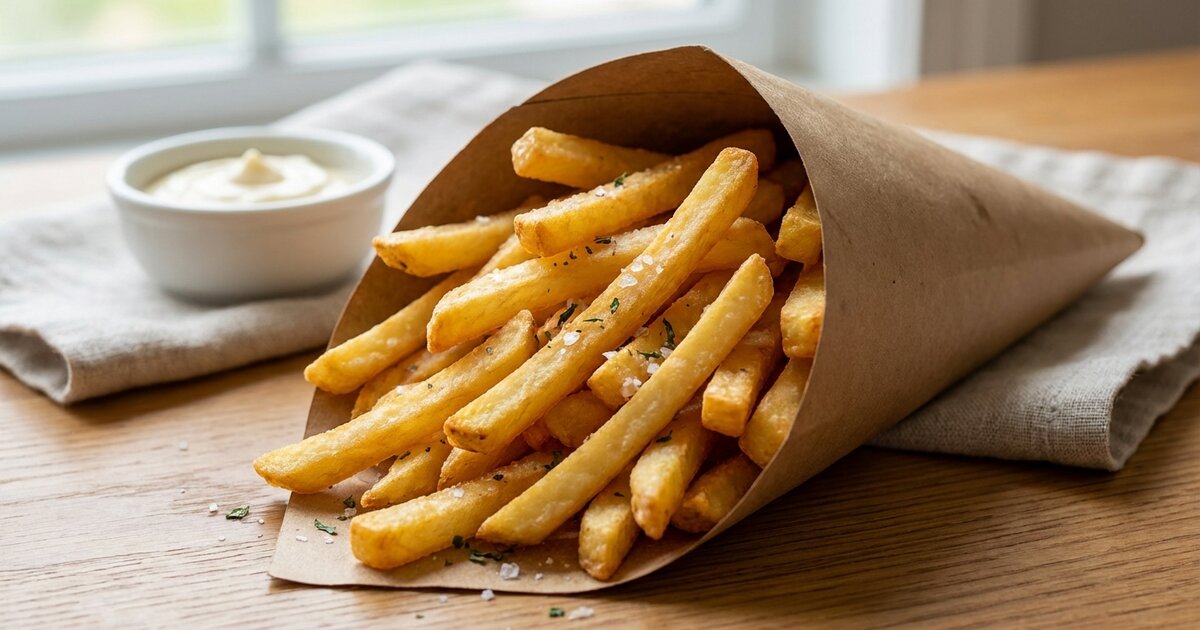
French fries are everywhere. They come with burgers, they come with sandwiches, they come as a side, they come as a snack. Americans eat roughly 30 pounds of fries per person per year—and if you’re tracking macros, you need to know what you’re eating.
The challenge with fries is the variability. A small order at one restaurant might equal a medium at another. Cooking methods matter. Toppings turn fries into a completely different nutritional beast. And let’s be honest—nobody orders fries thinking about the macros.
This guide breaks down french fry nutrition across brands, sizes, and styles so you can make informed choices and enjoy fries without the mystery.
French Fries Macros: Quick Reference
Here’s what you’re looking at with standard fast food french fries.
Per Serving (Generic Fast Food)
| Size | Calories | Carbs | Fat | Protein | Sodium |
|---|---|---|---|---|---|
| Small (71g) | 222 | 25g | 10g | 3g | 192mg |
| Medium (117g) | 365 | 41g | 17g | 4g | 316mg |
| Large (154g) | 480 | 54g | 22g | 5g | 416mg |
Per 100g (Standardized)
| Nutrient | Amount |
|---|---|
| Calories | 312 |
| Carbs | 35g |
| Fat | 15g |
| Protein | 3.4g |
| Fiber | 3g |
| Sodium | 270mg |
Key insight: Fries are primarily carbs and fat with minimal protein. The macro split is roughly 45% carbs, 42% fat, and 4% protein by calories.
French Fries Macros by Fast Food Chain
Here’s how major chains compare for their standard fry offerings:
Small Fries Comparison
| Chain | Calories | Carbs | Fat | Protein | Sodium |
|---|---|---|---|---|---|
| McDonald’s | 230 | 29g | 11g | 3g | 160mg |
| Wendy’s | 260 | 30g | 14g | 3g | 340mg |
| Burger King | 320 | 39g | 17g | 3g | 480mg |
| Five Guys | 320 | 39g | 17g | 4g | 240mg |
| Chick-fil-A | 280 | 32g | 14g | 3g | 150mg |
| In-N-Out | 395 | 54g | 18g | 7g | 245mg |
| Arby’s | 350 | 42g | 17g | 4g | 690mg |
Medium Fries Comparison
| Chain | Calories | Carbs | Fat | Protein | Sodium |
|---|---|---|---|---|---|
| McDonald’s | 320 | 41g | 15g | 5g | 260mg |
| Wendy’s | 350 | 40g | 19g | 4g | 460mg |
| Burger King | 380 | 46g | 20g | 4g | 570mg |
| Five Guys | 530 | 64g | 27g | 7g | 390mg |
| Chick-fil-A | 400 | 45g | 21g | 4g | 220mg |
Large Fries Comparison
| Chain | Calories | Carbs | Fat | Protein | Sodium |
|---|---|---|---|---|---|
| McDonald’s | 480 | 59g | 23g | 7g | 400mg |
| Wendy’s | 460 | 53g | 25g | 6g | 610mg |
| Burger King | 430 | 52g | 23g | 5g | 640mg |
| Five Guys | 953 | 115g | 49g | 13g | 700mg |
Notable: Five Guys “regular” and “large” are substantially bigger than other chains. Their “little” is comparable to others’ medium.
Compare with our restaurant guides: McDonald’s Macros | Wendy’s Macros
Fries by Style and Preparation
Not all fries are created equal. Style significantly affects macros.
Style Comparison (per medium serving equivalent)
| Style | Calories | Carbs | Fat | Notes |
|---|---|---|---|---|
| Thin cut (McDonald’s style) | 320 | 41g | 15g | More surface area = more oil |
| Thick cut (steak fries) | 350 | 50g | 14g | Less surface area = less oil but more potato |
| Crinkle cut | 340 | 42g | 17g | More surface area in ridges |
| Waffle fries | 400 | 45g | 21g | Maximum surface area |
| Curly fries | 420 | 50g | 22g | Often have seasoning with added calories |
| Shoestring | 380 | 40g | 20g | Very thin = very crispy = more fat absorption |
| Sweet potato fries | 360 | 48g | 17g | Similar calories, more carbs usually |
| Loaded fries | 600-1000 | 50-70g | 35-60g | Cheese/bacon adds substantially |
Cooking Method Comparison (per 100g)
| Method | Calories | Fat | Notes |
|---|---|---|---|
| Deep fried | 312 | 15g | Standard restaurant method |
| Air fried | 170 | 5g | Significantly less fat |
| Oven baked | 190 | 7g | Less fat than deep frying |
| Pan fried | 250 | 12g | Depends on oil amount |
Air fryer impact: You can cut calories by roughly 40-50% using an air fryer instead of deep frying.
French Fries vs Sweet Potato Fries
Many people assume sweet potato fries are healthier. Here’s the truth:
| Per Medium Serving | Regular | Sweet Potato |
|---|---|---|
| Calories | 365 | 360 |
| Carbs | 41g | 48g |
| Fiber | 3g | 5g |
| Fat | 17g | 17g |
| Protein | 4g | 3g |
| Sodium | 316mg | 280mg |
| Vitamin A | 0% DV | 120% DV |
The verdict: Sweet potato fries have similar calories and MORE carbs. They do provide more fiber and vitamin A. The nutritional difference is modest—both are primarily fried potato.
Choose sweet potato fries if: You want more fiber and vitamins, or prefer the taste. Choose regular fries if: You’re watching carbs specifically, or prefer the taste.
Loaded Fries: Macro Explosion
Loaded fries transform a side dish into a caloric main course.
Common Loaded Fry Options
| Type | Calories | Carbs | Fat | Protein |
|---|---|---|---|---|
| Cheese fries | 580 | 48g | 34g | 15g |
| Chili cheese fries | 680 | 52g | 40g | 22g |
| Bacon cheese fries | 650 | 48g | 42g | 20g |
| Poutine | 750 | 65g | 43g | 25g |
| Carne asada fries | 1,100 | 85g | 60g | 45g |
| Animal style fries (In-N-Out) | 750 | 57g | 52g | 15g |
| Loaded queso fries | 720 | 55g | 46g | 18g |
The reality check: Loaded fries can easily be 1,000+ calories—half a day’s intake or more for many people. They’re essentially a meal, not a side.
How to Fit French Fries Into Your Macros
Strategy 1: Size Down
The simplest fix—order small instead of medium/large.
Savings from sizing down (McDonald’s):
- Large → Medium: Save 160 calories
- Medium → Small: Save 90 calories
- Large → Small: Save 250 calories
A small order of fries satisfies the craving at roughly half the calories of a large.
Strategy 2: Share or Split
Order one medium for the table instead of individual orders. You get some fries without eating a full portion.
Strategy 3: Skip the Meal Deal
Meal deals encourage eating fries with every burger. Order à la carte:
- Get the burger/sandwich
- Skip the fries OR get a small
- Drink water instead of soda
Sample savings:
- Big Mac meal (medium): 1,080 calories
- Big Mac + water (no fries): 550 calories
- Saved: 530 calories
Strategy 4: Make Room in Your Day
If you want fries, budget for them:
Fries-inclusive day (1,800 cal budget):
- Breakfast: Eggs and vegetables (300 cal)
- Lunch: Salad with chicken (450 cal)
- Dinner: Burger with medium fries (800 cal)
- Snacks: Light options (250 cal)
You ate fries. You hit your calories. That’s flexible dieting.
Strategy 5: Make Them at Home
Homemade fries give you control over preparation and portions.
Air fryer fries (per serving):
- 1 medium potato, cut into fries
- 1 tsp oil spray
- Seasonings to taste
Result: ~170 calories, 35g carbs, 3g fat
Compare that to 365 calories for fast food medium fries—you cut calories in half.
Use our Macro Calculator to see how fries fit your daily targets.
French Fries for Different Diets
French Fries for Weight Loss
Can you eat fries and lose weight? Yes, with portion control.
Best approach:
- Limit to small orders, occasionally
- Don’t eat fries daily
- Balance with lower-calorie, protein-rich meals
- Make room by saving calories elsewhere
A small fries (230 cal) fits into most calorie budgets. A large fries (480 cal) is a significant chunk that requires compensation.
French Fries for Muscle Building
Fries can serve a purpose in bulking diets—they’re calorie-dense with easy-to-digest carbs.
When fries work for muscle building:
- Post-workout carb source (paired with protein)
- Easy calories for hard gainers
- Occasional treat during surplus phases
When to avoid:
- If hitting protein targets is difficult (fries have minimal protein)
- If struggling with food quality in general
- During cutting phases
French Fries on Keto
Traditional fries don’t work for keto. A medium serving has 40+ grams of carbs—two days’ worth for strict keto.
Low-carb alternatives:
- Jicama fries: ~5g net carbs per serving
- Zucchini fries: ~3g net carbs per serving
- Turnip fries: ~4g net carbs per serving
- Rutabaga fries: ~6g net carbs per serving
These require home preparation—fast food doesn’t offer keto fry options.
French Fries for Flexible Dieting
Fries are a flexible dieting classic—they fit if you track them.
IIFYM approach:
- Know the macros before ordering
- Track accurately (check the chain’s nutrition info)
- Balance with protein and nutrients at other meals
- Enjoy without guilt when it fits
Learn more in our Flexible Dieting Guide.
The Sodium Factor
French fries are a significant sodium source—worth noting if you’re watching intake.
Sodium by Serving Size
| Size | Sodium | % Daily Value |
|---|---|---|
| Small | 160-480mg | 7-21% |
| Medium | 260-570mg | 11-25% |
| Large | 400-700mg | 17-30% |
Arby’s fries are particularly high in sodium. McDonald’s tends to run lower.
Managing Sodium with Fries
- Choose lower-sodium chains
- Don’t add extra salt
- Balance with low-sodium meals the rest of the day
- Stay hydrated
Homemade French Fries vs Fast Food
Making fries at home gives you control and typically better macros.
Comparison (Per Serving)
| Version | Calories | Carbs | Fat | Protein |
|---|---|---|---|---|
| Fast food (medium) | 365 | 41g | 17g | 4g |
| Oven baked | 180 | 35g | 4g | 4g |
| Air fryer | 170 | 35g | 3g | 4g |
| Pan fried (moderate oil) | 250 | 35g | 10g | 4g |
Simple Air Fryer Recipe
Ingredients:
- 2 medium potatoes
- 1 tbsp olive oil
- Salt, pepper, garlic powder
Instructions:
- Cut potatoes into 1/4” strips
- Soak in cold water 30 min (crisper result)
- Dry thoroughly
- Toss with oil and seasonings
- Air fry 400°F for 15-20 minutes, shaking halfway
Result: Crispy fries at roughly half the calories of fast food.
Baked Fries Recipe
- Preheat oven to 425°F
- Cut potatoes into fries
- Toss with 1 tbsp oil per pound of potatoes
- Spread single layer on baking sheet
- Bake 25-30 minutes, flipping once
Tip: Adding cornstarch to the oil coating makes them crispier.
Frozen Fries: Middle Ground
Frozen fries offer a middle ground between homemade and fast food.
Popular Frozen Fry Options (per serving)
| Brand | Calories | Carbs | Fat | Sodium |
|---|---|---|---|---|
| Ore-Ida Classic | 120 | 20g | 4g | 230mg |
| Alexia Organic | 130 | 21g | 5g | 200mg |
| McCain Crinkle Cut | 140 | 22g | 5g | 310mg |
| Trader Joe’s | 110 | 19g | 3g | 170mg |
| Cascadian Farm Organic | 100 | 18g | 3g | 150mg |
Air fry or bake for best results with minimal added fat.
Fry Portion Reality Check
Let’s be honest about portions.
What Portions Actually Look Like
| Serving | Weight | Fries Count | Visual |
|---|---|---|---|
| ”Small” | 71g | ~40 fries | Fits in one hand |
| ”Medium” | 117g | ~70 fries | Small bowl |
| ”Large” | 154g | ~90+ fries | Overflowing container |
| ”Eating half” | ~60g | ~35 fries | Reasonable taste |
The Handful Method
If you’re grabbing from a shared order:
- Modest handful: ~15 fries ≈ 100 calories
- Generous handful: ~25 fries ≈ 165 calories
- “Just a few more”: Already at 250+ calories
Common French Fry Tracking Mistakes
Mistake 1: Ignoring Size Differences
A Five Guys “regular” is THREE TIMES the calories of a McDonald’s small. Always check the specific chain.
Mistake 2: Not Counting Shared Fries
“I only had a few” from the shared order adds up. Track what you actually ate.
Mistake 3: Forgetting Dipping Sauces
- Ketchup: 20 cal per tbsp
- BBQ sauce: 25 cal per tbsp
- Ranch: 70 cal per tbsp
- Honey mustard: 50 cal per tbsp
- Cheese sauce: 60 cal per oz
Three tbsp of ranch adds 210 calories to your fries.
Mistake 4: Using Generic Entries
“French fries” in databases varies wildly. Use the specific restaurant’s entry when possible.
The Bottom Line on French Fries Macros
The facts:
- French fries are primarily carbs and fat with minimal protein
- Portion size is the biggest variable in nutrition impact
- Fast food fries range from 230-950+ calories depending on chain and size
- Cooking method dramatically affects fat content
- Sweet potato fries aren’t significantly healthier—just different
Best practices for macro trackers:
- Order small or share larger portions
- Skip the upgrade to medium/large in meal deals
- Make fries at home (air fryer or baked) for better macros
- Track accurately using restaurant-specific nutrition info
- Balance fry-heavy meals with lean protein and vegetables
The flexible dieting perspective: French fries aren’t bad food—they’re just food with specific macros. If they fit your targets and you enjoy them, have them. If you can’t fit them, skip them or make room. That’s the whole point of tracking.
For understanding how fries fit your overall nutrition strategy, read What Are Macronutrients and use our Macro Calculator to dial in your daily targets.
Related Articles

Dragonfruit Macros: Complete Nutrition Guide for Pitaya
Complete macro breakdown of dragonfruit (pitaya). Learn the calories, protein, carbs, and...
Read guide →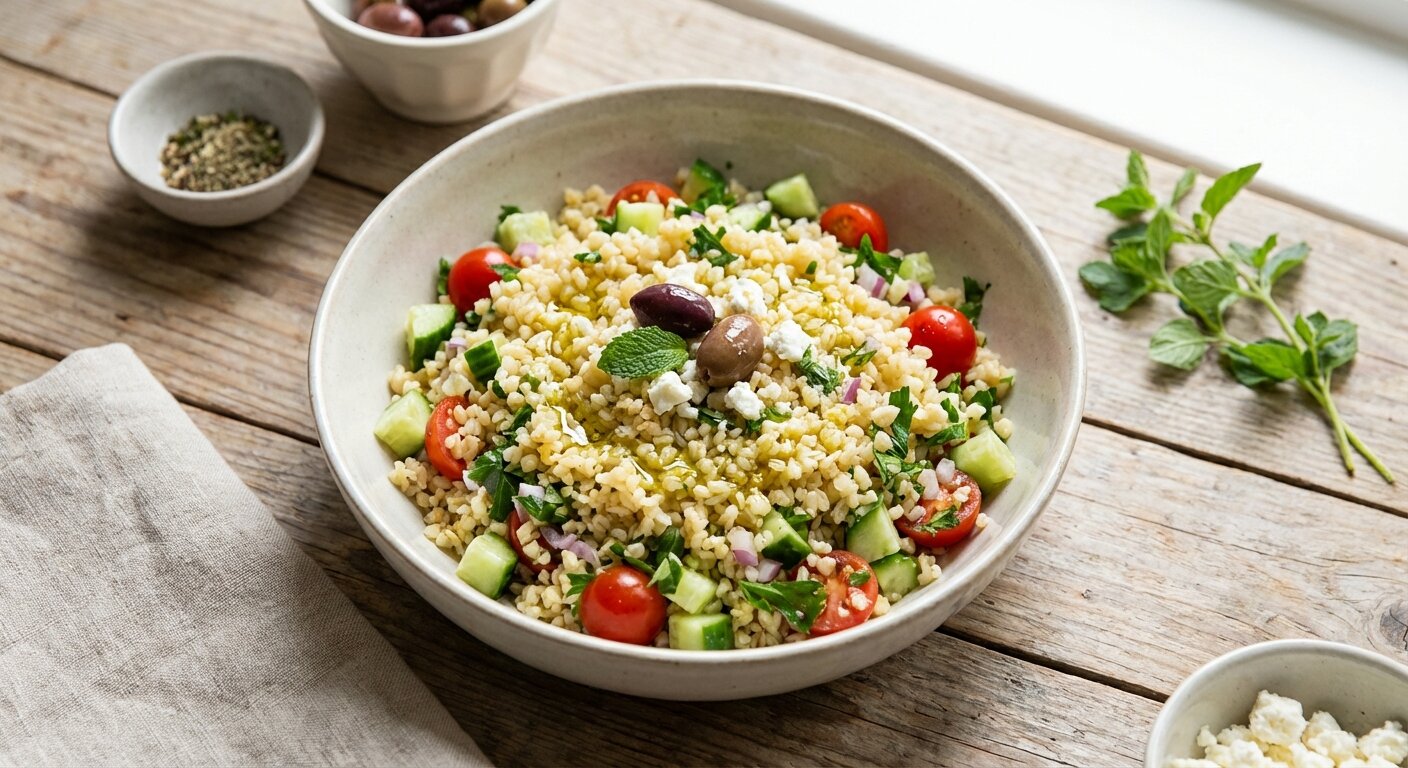
Bulgur Macros: Complete Nutritional Guide & Health Benefits
Discover bulgur's complete macro breakdown, nutritional benefits, and how to incorporate...
Read guide →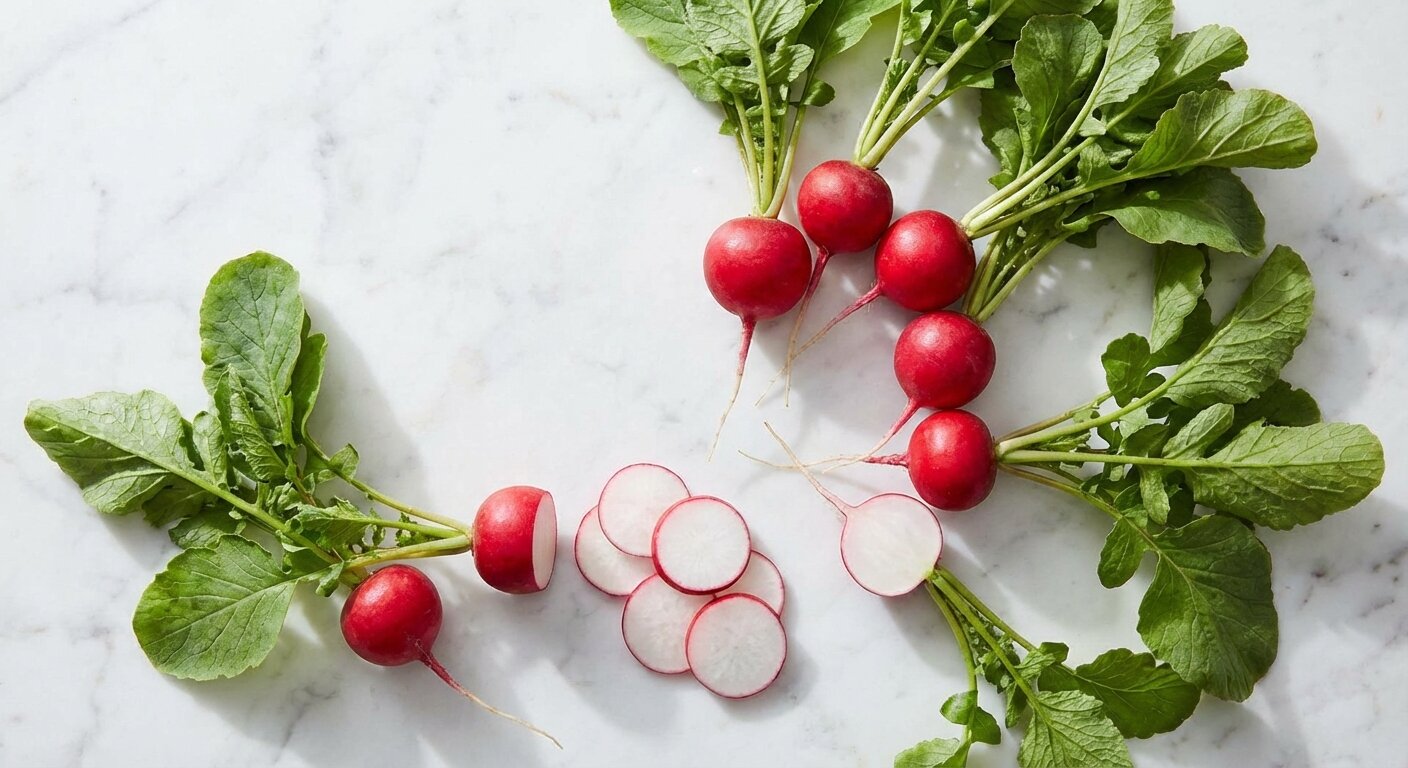
Radish Macros: Nutrition Facts and Health Benefits
Complete guide to radish macros and nutrition. Learn calories, protein, carbs, and health...
Read guide →Note: Nutrition values are approximate and may vary based on preparation method and source.