Garlic Macros: Complete Nutritional Breakdown & Health Benefits
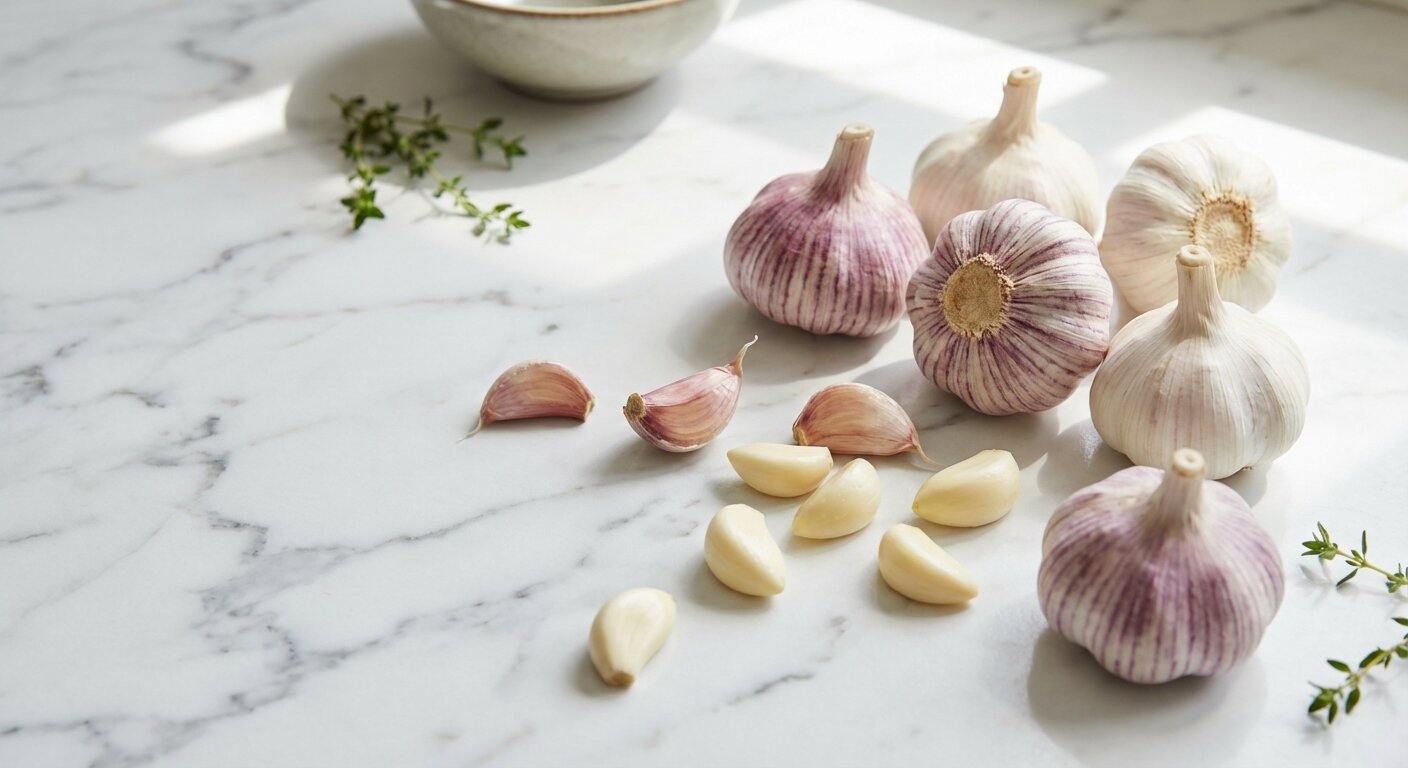
Garlic has been a culinary and medicinal staple for thousands of years, prized for its distinctive flavor and impressive health benefits. But if you’re tracking macros, you might wonder: does garlic fit into your daily nutrition goals? The good news: garlic is incredibly macro-friendly, delivering powerful flavor and nutrients with minimal caloric impact.
Whether you’re meal prepping, following a specific diet plan, or simply want to understand what you’re eating, knowing the macros in garlic helps you make informed choices. In this comprehensive guide, we’ll break down everything you need to know about garlic’s nutritional profile, from calories and macronutrients to vitamins, minerals, and how different forms of garlic compare.
Ready to track your macros with precision? Use our Macro Calculator to determine your personalized daily targets based on your goals, activity level, and body composition.
Related: Learn more about what macros are and how they impact your diet.
Garlic Macros: The Complete Breakdown
Understanding garlic’s macronutrient profile starts with recognizing that we typically use garlic in small quantities. While the nutritional data below shows values per 100 grams (for standardization), most recipes call for just a few cloves—making garlic’s caloric impact minimal while its flavor impact is substantial.
Raw Garlic Macros (Per 100g)
- Calories: 149 kcal
- Protein: 6.4g
- Carbohydrates: 33g
- Dietary Fiber: 2.1g
- Sugars: 1g
- Net Carbs: 30.9g
- Fat: 0.5g
- Saturated Fat: 0.1g
- Monounsaturated Fat: 0.0g
- Polyunsaturated Fat: 0.2g
Raw Garlic Macros (Per Clove, ~3g)
For practical cooking purposes, here’s what one average clove contains:
- Calories: 4 kcal
- Protein: 0.2g
- Carbohydrates: 1g
- Dietary Fiber: 0.1g
- Net Carbs: 0.9g
- Fat: 0.0g
This minimal macro footprint is why garlic is universally beloved by home cooks and professional chefs alike—you get maximum flavor for minimal nutritional cost.
Macro Ratio Breakdown
Looking at the percentage breakdown of macronutrients in garlic:
- Carbohydrates: 88% of calories
- Protein: 11% of calories
- Fat: 1% of calories
Garlic is clearly a carbohydrate-dominant food, but given the small serving sizes, these carbs rarely impact your daily macro targets significantly. For context, one clove of garlic contains fewer carbs than a single bite of banana.
How Different Forms of Garlic Compare
Not all garlic is created equal when it comes to macros. Depending on whether you use fresh cloves, minced garlic from a jar, garlic powder, or roasted garlic, the nutritional profile varies. Here’s how they stack up:
Garlic Powder Macros
Garlic powder is dehydrated and ground garlic, making it more concentrated than fresh cloves.
Per teaspoon (3g):
- Calories: 10 kcal
- Protein: 0.5g
- Carbohydrates: 2g
- Fiber: 0.3g
- Net Carbs: 1.7g
- Fat: 0.0g
Because water has been removed, garlic powder contains about 2.5 times the calories and carbs of fresh garlic per gram. When substituting in recipes, remember that 1 teaspoon of garlic powder equals approximately 2-3 fresh cloves in flavor intensity.
Jarred Minced Garlic Macros
Pre-minced garlic in jars often contains added ingredients like citric acid, preservatives, or oil, which can slightly alter the macro profile.
Per teaspoon (5g):
- Calories: 5-8 kcal
- Protein: 0.2g
- Carbohydrates: 1-2g
- Fat: 0-0.5g (depending on added oil)
While convenient, jarred garlic may have slightly more calories than fresh due to preservatives and oils. Always check the label for accurate information.
Roasted Garlic Macros
Roasting garlic caramelizes its natural sugars and softens the texture, but it doesn’t dramatically change the macro profile—unless you add oil.
Per clove (roasted without oil):
- Calories: 4 kcal
- Protein: 0.2g
- Carbohydrates: 1g
- Fat: 0.0g
Per clove (roasted with 1g oil):
- Calories: 13 kcal
- Fat: 1g
If you’re roasting garlic in olive oil or butter, remember to account for the added fats in your macro tracking.
Garlic Salt Macros
Garlic salt is a blend of garlic powder, salt, and sometimes anti-caking agents.
Per teaspoon (6g):
- Calories: 5 kcal
- Protein: 0.1g
- Carbohydrates: 1g
- Sodium: 1,800-2,300mg (75-95% of daily recommended intake)
The primary concern with garlic salt isn’t the macros—it’s the sodium content. If you’re watching your salt intake, use fresh garlic or garlic powder instead.
Micronutrients: What Else Does Garlic Provide?
Beyond macros, garlic is a nutritional powerhouse packed with vitamins, minerals, and bioactive compounds that support overall health. Here’s what you’re getting in a 100g serving (though remember, you’re unlikely to eat that much garlic in one sitting):
Vitamins in Garlic
- Vitamin C: 31.2mg (35% DV) – Supports immune function and skin health
- Vitamin B6 (Pyridoxine): 1.2mg (60% DV) – Essential for brain development and immune function
- Vitamin B1 (Thiamine): 0.2mg (13% DV) – Helps convert food into energy
- Folate: 3µg (1% DV) – Important for cell division and DNA synthesis
Minerals in Garlic
- Manganese: 1.7mg (73% DV) – Supports bone health and metabolism
- Selenium: 14.2µg (20% DV) – Powerful antioxidant that protects cells
- Calcium: 181mg (14% DV) – Essential for bone health and muscle function
- Phosphorus: 153mg (12% DV) – Supports bone health and energy production
- Potassium: 401mg (9% DV) – Regulates blood pressure and fluid balance
- Iron: 1.7mg (9% DV) – Necessary for oxygen transport in blood
- Copper: 0.3mg (15% DV) – Aids in iron absorption and nerve function
- Zinc: 1.2mg (8% DV) – Supports immune function and wound healing
While you won’t consume enough garlic in one meal to meet daily requirements for these nutrients, regular garlic consumption contributes to your overall micronutrient intake—especially manganese, vitamin B6, and selenium.
Health Benefits of Garlic: Beyond the Macros
Garlic’s true nutritional power extends far beyond its macronutrient profile. For millennia, garlic has been used medicinally, and modern science continues to validate many of these traditional uses. Here are the most well-researched health benefits:
1. Immune System Support
Garlic contains allicin, a sulfur compound formed when garlic is crushed or chopped. Allicin has antimicrobial, antiviral, and antifungal properties that can help your body fight infections. Studies show that regular garlic consumption may reduce the frequency and duration of common colds.
2. Cardiovascular Health
Multiple studies suggest garlic can support heart health by:
- Reducing LDL (bad) cholesterol levels
- Slightly lowering blood pressure in people with hypertension
- Improving blood vessel elasticity
- Reducing arterial plaque buildup
One meta-analysis found that garlic supplementation reduced total cholesterol by approximately 17 mg/dL on average.
3. Anti-Inflammatory Properties
Chronic inflammation underlies many diseases, from arthritis to heart disease. Garlic’s sulfur compounds exhibit anti-inflammatory effects that may help reduce inflammatory markers in the body.
4. Antioxidant Protection
Garlic contains numerous antioxidants, including selenium and vitamin C, that protect cells from oxidative damage. This protection may reduce the risk of chronic diseases and support healthy aging.
5. Blood Sugar Regulation
Some research suggests that garlic may help improve insulin sensitivity and reduce fasting blood sugar levels, potentially benefiting people with prediabetes or type 2 diabetes.
6. Cancer Prevention Potential
Population studies have found associations between higher garlic consumption and reduced risk of certain cancers, particularly stomach and colorectal cancers. The sulfur compounds in garlic may help inhibit cancer cell growth, though more research is needed.
7. Detoxification Support
Garlic’s sulfur compounds support the body’s natural detoxification processes, particularly in the liver. High doses of garlic have been shown to reduce lead toxicity in some studies.
Garlic in Different Diets: Does It Fit Your Plan?
One of garlic’s best qualities is its versatility across nearly every dietary approach. Let’s examine how garlic fits into popular eating patterns:
Garlic on a Keto Diet
Verdict: ✅ Keto-friendly in moderation
With only 1g of carbs per clove, garlic easily fits within keto macros. Since most recipes use 2-4 cloves, you’re looking at 2-4g of carbs total—well within the typical 20-50g daily carb limit on keto.
Tip: Use fresh garlic rather than garlic powder when possible, as powder is more concentrated and contains more carbs per gram.
Garlic on a Low-Carb Diet
Verdict: ✅ Excellent choice
Garlic is naturally low in net carbs, making it ideal for low-carb diets (typically 50-100g carbs per day). The fiber content also helps with digestion and satiety.
Garlic on a High-Protein Diet
Verdict: ✅ Compatible, but not a protein source
While garlic contains some protein (6.4g per 100g), you’d need to eat unrealistic amounts to contribute meaningfully to your protein goals. Use garlic for flavor and health benefits, but rely on foods like chicken, fish, eggs, and legumes for your protein needs.
Check out our guide to category/protein for high-protein food options.
Garlic on a Mediterranean Diet
Verdict: ✅ Essential ingredient
Garlic is a cornerstone of Mediterranean cuisine, used liberally in dishes from Greece, Italy, Spain, and beyond. Its heart-healthy properties align perfectly with this eating pattern’s focus on cardiovascular wellness.
Garlic on a Whole30 Diet
Verdict: ✅ Completely compliant
Fresh garlic is Whole30 approved. Avoid garlic salt (contains additives) and check labels on pre-minced garlic for non-compliant ingredients.
Garlic on a Vegan/Vegetarian Diet
Verdict: ✅ Ideal plant-based ingredient
Garlic is 100% plant-based and adds umami depth to vegetarian and vegan dishes. Its B vitamins and minerals are particularly valuable in plant-based diets.
Garlic for Weight Loss
Verdict: ✅ Supports weight loss goals
At just 4 calories per clove, garlic delivers enormous flavor for minimal caloric cost. This makes food more satisfying without adding significant calories, potentially helping with adherence to a calorie deficit.
Cooking with Garlic: Tips for Maximum Flavor and Nutrition
How you prepare garlic affects both its flavor profile and nutritional properties. Here’s what you need to know:
Raw vs. Cooked Garlic
Raw garlic has the strongest flavor and highest allicin content (the compound responsible for many health benefits). However, it can be harsh on the digestive system and leave lingering breath odor.
Cooked garlic is milder, sweeter, and easier to digest. Cooking does reduce allicin content somewhat, but garlic still retains significant nutritional value and other beneficial compounds.
The compromise: To maximize both flavor and health benefits, chop or crush garlic and let it sit for 10 minutes before cooking. This allows allicin to form fully before heat deactivates the enzyme responsible for its production.
Best Cooking Methods for Garlic
-
Sautéing: Cook minced garlic in oil over medium heat for 30-60 seconds until fragrant. Don’t burn it—burnt garlic tastes bitter.
-
Roasting: Roast whole garlic bulbs at 400°F (200°C) for 40-45 minutes until soft and caramelized. Squeeze out the cloves and spread on bread or mix into dishes.
-
Infusing: Add whole peeled cloves to simmering sauces, soups, or stews. They’ll soften and infuse the liquid with flavor without overpowering.
-
Raw: Mince or press raw garlic and add to salad dressings, dips, or as a finishing touch to cooked dishes.
Storage Tips
- Whole bulbs: Store in a cool, dry, dark place with good air circulation (not the refrigerator). Properly stored garlic lasts 3-6 months.
- Peeled cloves: Refrigerate in an airtight container and use within 1 week.
- Chopped garlic: Refrigerate and use within 2 days, as it oxidizes quickly.
- Frozen garlic: Peel and mince garlic, then freeze in ice cube trays with a little oil. Lasts up to 3 months.
Garlic Serving Sizes: Practical Tracking Guide
When tracking macros, accuracy matters. Here’s how to measure garlic portions:
Volume Measurements
- 1 clove: ~1 teaspoon minced (~3g)
- 3 cloves: ~1 tablespoon minced (~9g)
- 1 medium bulb: ~10-12 cloves
Weight Measurements
- 1 small clove: 2-3g
- 1 medium clove: 4-5g
- 1 large clove: 6-7g
For the most accurate macro tracking, weigh your garlic on a food scale. If that’s not practical, remember that garlic’s macro impact is so minimal that slight measurement variations won’t significantly affect your daily totals.
Common Garlic Myths: Fact vs. Fiction
Let’s address some widespread misconceptions about garlic:
Myth 1: “Garlic Burns Fat”
Reality: While garlic may support metabolic health and has been associated with weight management in some studies, no food directly “burns fat.” Weight loss requires a calorie deficit. Garlic can support your goals by adding flavor without calories, but it’s not a magic solution.
Myth 2: “Raw Garlic is Always Better Than Cooked”
Reality: Raw garlic contains more allicin, but cooked garlic is easier to digest and still provides substantial health benefits. Both forms have value; choose based on your preferences and digestive tolerance.
Myth 3: “Garlic Powder is Just as Nutritious as Fresh”
Reality: Garlic powder retains many nutrients but lacks some of the volatile compounds found in fresh garlic. Fresh garlic also contains more allicin. For maximum nutrition, choose fresh; for convenience, powder is still a good option.
Myth 4: “You Need to Eat Tons of Garlic for Health Benefits”
Reality: Studies showing cardiovascular benefits typically use 600-1,200mg of aged garlic extract, equivalent to roughly 2-4 fresh cloves daily. You don’t need excessive amounts—regular, moderate consumption is sufficient.
Myth 5: “Garlic is High in Calories and Should Be Avoided When Dieting”
Reality: At 4 calories per clove, garlic is one of the lowest-calorie flavor enhancers available. It’s an excellent choice for anyone watching their calorie intake.
Related Macro-Friendly Vegetables
If you’re interested in low-calorie, nutrient-dense vegetables similar to garlic, check out these related guides:
- Onion Macros – Another allium family member with similar macro profiles
- Mushroom Macros – Umami-rich, low-calorie vegetables
- Bell Peppers Macros – Colorful, vitamin-rich additions to any meal
- Tomato Macros – Versatile fruit (yes, fruit!) that pairs perfectly with garlic
For comprehensive macro tracking across all food groups, explore our Foods Database with detailed nutritional information on hundreds of ingredients.
How to Track Garlic in Your Macro App
Most macro tracking apps include garlic in their databases, but here’s how to ensure accuracy:
-
Search for “garlic, raw” rather than generic “garlic” to get the most accurate baseline data.
-
Use weight when possible: Measure in grams for precision, especially if you use multiple cloves.
-
Create a custom entry for frequently used amounts (like “3 cloves minced”) to save time on daily logging.
-
Don’t stress small amounts: If a recipe uses 1-2 cloves divided among 4 servings, the macro impact per serving is negligible (less than 1g carb). Some people don’t track garlic at all due to its minimal impact.
-
Track garlic powder separately: It’s more concentrated and has different macros than fresh garlic.
-
Account for cooking oils: If you sauté garlic in oil, track the oil’s macros—not the garlic—as the primary contributor.
The Bottom Line: Should You Track Garlic Macros?
For most people tracking macros, the answer depends on your goals and how precisely you’re tracking:
You might skip tracking garlic if:
- You’re using 1-3 cloves in recipes serving multiple people
- You’re focusing on hitting macro ranges rather than exact numbers
- You’re already in a calorie deficit and being generally mindful
You should track garlic if:
- You’re preparing for a physique competition and need extreme precision
- You use large amounts of garlic regularly (more than 10 cloves daily)
- You’re on a very strict keto diet and every carb gram matters
- You like being thorough and prefer complete data
Ultimately, garlic’s nutritional impact is so small that it rarely makes or breaks macro goals. What matters most is consistent tracking of your primary protein, carb, and fat sources.
Frequently Asked Questions
How many carbs are in a clove of garlic?
One medium clove of raw garlic contains approximately 1 gram of total carbohydrates, with about 0.1 grams of dietary fiber, resulting in roughly 0.9 grams of net carbs. This minimal carb content makes garlic suitable for virtually all eating patterns, including low-carb and ketogenic diets. When you consider that most recipes use 2-4 cloves distributed across multiple servings, the per-serving carb impact becomes almost negligible.
Is garlic good for weight loss?
While garlic doesn’t directly cause fat loss, it can support weight loss efforts in several ways. First, it adds substantial flavor to meals for only 4 calories per clove, making healthy food more enjoyable and satisfying. This can improve diet adherence, which is critical for long-term success. Second, some research suggests garlic may help regulate blood sugar and improve metabolism, though these effects are modest. Third, garlic’s anti-inflammatory properties may support overall health during a calorie deficit. The bottom line: garlic won’t replace a proper diet and exercise plan, but it’s an excellent tool in your weight loss toolkit.
Does cooking garlic destroy its nutrients?
Cooking garlic does reduce some of its beneficial compounds, particularly allicin, but it doesn’t eliminate all nutritional value. The macronutrients (protein, carbs, fat) remain essentially unchanged. Many vitamins and minerals withstand cooking reasonably well, especially when garlic is sautéed briefly or added near the end of cooking. To maximize both flavor and nutrition, try this technique: chop or crush garlic and let it sit for 10 minutes before cooking. This allows allicin to form fully before heat exposure. Additionally, cooking makes garlic easier to digest and reduces its harsh bite, which may allow you to consume more of it overall—potentially offsetting the slight nutrient reduction.
Can I eat raw garlic every day?
Yes, eating raw garlic daily is generally safe for most people and may provide enhanced health benefits compared to cooked garlic. However, start with small amounts (1 clove) and gradually increase to assess your tolerance. Raw garlic is more potent than cooked and can cause digestive discomfort, heartburn, or bloating in some individuals. It also produces stronger breath odor due to sulfur compounds. If you experience digestive issues, try eating raw garlic with food rather than on an empty stomach, or reduce your portion size. People taking blood-thinning medications should consult their healthcare provider before consuming large amounts of raw garlic, as it has natural anticoagulant properties.
What’s better for macros: fresh garlic or garlic powder?
Fresh garlic has slightly fewer calories and carbs per unit of flavor compared to garlic powder, but the difference is minimal in practical cooking amounts. One clove of fresh garlic (4 calories, 1g carbs) provides similar flavor intensity to about ½ teaspoon of garlic powder (5 calories, 1g carbs). The real consideration is convenience versus freshness: fresh garlic offers more allicin and volatile flavor compounds, while garlic powder is more convenient and has a longer shelf life. From a macro tracking perspective, both are low enough in calories and carbs that the choice should be based on culinary preference rather than nutritional optimization. If you’re being extremely precise with your tracking (like during contest prep), weigh your garlic powder on a food scale for accuracy.
How much garlic should I eat for health benefits?
Research on garlic’s health benefits typically involves consuming 600-1,200mg of aged garlic extract daily, which roughly translates to 2-4 fresh cloves of garlic. However, benefits have been observed with regular consumption of even smaller amounts (1-2 cloves daily). The key is consistency rather than massive quantities. Eating 1-3 cloves of garlic several times per week as part of your normal cooking routine is sufficient for most people to experience potential cardiovascular, immune, and anti-inflammatory benefits. There’s no need to force yourself to consume unrealistic amounts. If you dislike eating raw garlic, cooked garlic still provides valuable nutrients and health compounds, just in slightly reduced concentrations.
Does garlic have any protein?
Yes, garlic does contain protein, though not in amounts that significantly contribute to daily protein needs. One clove provides about 0.2 grams of protein, while 100 grams of garlic contains 6.4 grams. To put this in perspective, you’d need to eat about 50 cloves of garlic to get the same protein as one medium egg. While garlic’s protein content is negligible for macro tracking purposes, every small contribution adds up when you’re eating a varied diet with multiple plant foods. If you’re looking to increase your protein intake, focus on dedicated protein sources like meat, fish, eggs, dairy, legumes, and tofu, and consider garlic as a flavorful addition that provides micronutrients and health compounds rather than macronutrients.
Is garlic keto-friendly?
Yes, garlic is generally considered keto-friendly when used in typical cooking quantities. One clove contains only 1 gram of carbohydrates and 0.9 grams of net carbs (after subtracting fiber). Since most keto diets allow 20-50 grams of net carbs daily, using 2-4 cloves of garlic in a recipe contributes only 2-4 grams toward that limit—a negligible amount. Where you might need to be cautious is with garlic powder (more concentrated) or if you’re consuming large amounts of garlic. For example, if you’re making a garlic-heavy dish like garlic confit with 10+ cloves per serving, those carbs do start to add up. For 99% of keto dieters, garlic used in normal cooking won’t interfere with ketosis and provides valuable flavor and nutrients.
Conclusion
Garlic is a nutritional superstar that deserves its place in virtually every kitchen. With only 4 calories and 1 gram of carbs per clove, it delivers tremendous flavor, significant health benefits, and valuable micronutrients with minimal impact on your macro goals.
Whether you’re tracking macros for weight loss, muscle gain, athletic performance, or general health, garlic fits seamlessly into your plan. Its anti-inflammatory, cardiovascular, and immune-supporting properties make it far more than just a flavoring agent—it’s a functional food that enhances both the taste and nutritional value of your meals.
The key takeaway: don’t fear garlic when tracking macros. Embrace it as a powerful tool for making nutritious food delicious and sustainable. Track it if precision matters to you, or skip tracking it if you’re using small amounts in mixed dishes. Either way, you’re making a smart nutritional choice.
Ready to dial in your nutrition plan? Calculate your personalized macro targets with our Macro Calculator and start building a sustainable eating approach that includes all the flavorful, healthful foods you love—including plenty of garlic.
Related Articles

Dragonfruit Macros: Complete Nutrition Guide for Pitaya
Complete macro breakdown of dragonfruit (pitaya). Learn the calories, protein, carbs, and...
Read guide →
Bulgur Macros: Complete Nutritional Guide & Health Benefits
Discover bulgur's complete macro breakdown, nutritional benefits, and how to incorporate...
Read guide →
Radish Macros: Nutrition Facts and Health Benefits
Complete guide to radish macros and nutrition. Learn calories, protein, carbs, and health...
Read guide →Note: Nutrition values are approximate and may vary based on preparation method and source.