Grapes Macros: Complete Nutrition Guide for Red, Green, and Black Grapes
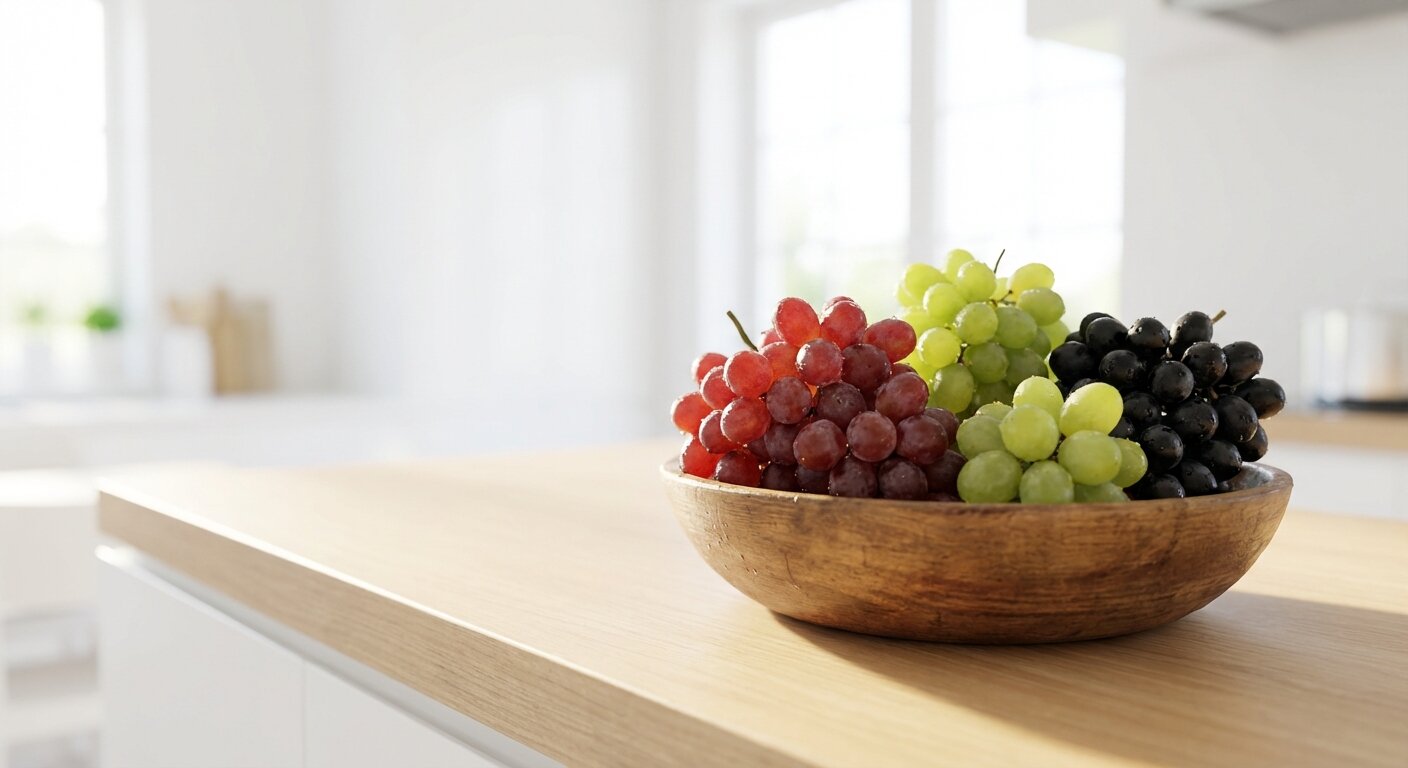
What Are the Macros in Grapes?
Grapes are one of nature’s most convenient snacks—sweet, portable, and packed with natural energy. But if you’re tracking macros, you might wonder how these bite-sized fruits fit into your daily targets. Are they too high in sugar? Can they support muscle building? Will they derail your cutting phase?
The truth is grapes are predominantly a carbohydrate source with minimal protein and almost no fat. This makes them an excellent choice for quick energy, pre-workout fuel, or post-workout glycogen replenishment. However, their sugar content means you need to be strategic about portions, especially if you’re in a calorie deficit.
Let’s break down exactly what you’re getting in every serving—and how to fit grapes into your macro goals without sabotaging your progress. Whether you’re bulking, cutting, or maintaining, this guide will show you how to enjoy grapes while staying on track.
Ready to dial in your macros? Use our macro calculator to find your personalized daily targets based on your goals, activity level, and body composition.
Grapes Macros: Complete Breakdown
Here’s the complete macro breakdown for one cup (151g) of raw grapes:
| Nutrient | Amount per Cup (151g) | % Daily Value |
|---|---|---|
| Calories | 104 cal | 5% |
| Protein | 1.1 g | 2% |
| Carbohydrates | 27.3 g | 9% |
| Fiber | 1.4 g | 5% |
| Sugar | 23.4 g | — |
| Fat | 0.2 g | <1% |
| Water | 122 g | 82% |
Macro ratio: 4% protein / 94% carbs / 2% fat
Key Takeaways:
- High in simple carbohydrates (27g per cup) — excellent for quick energy
- Very low in protein (1.1g) — not a protein source
- Virtually fat-free (0.2g)
- High water content (82%) — hydrating and filling
- Moderate fiber (1.4g) — helps slow sugar absorption slightly
This macro profile makes grapes ideal for:
- Pre-workout carb loading
- Post-workout glycogen replenishment
- Natural energy boost during endurance activities
- Sweet cravings without added sugar
However, they’re not ideal for:
- High-protein meals
- Strict keto or very low-carb diets
- Meal replacements (too low in protein/fat)
Red vs. Green vs. Black Grapes: Macro Comparison
All grape varieties have similar macros, but there are small differences worth noting:
| Variety | Calories (per cup) | Carbs | Protein | Fat |
|---|---|---|---|---|
| Red Grapes | 104 cal | 27.3g | 1.1g | 0.2g |
| Green Grapes | 104 cal | 27.3g | 1.1g | 0.2g |
| Black Grapes | 106 cal | 28.0g | 1.1g | 0.2g |
Verdict: The macro differences are negligible (2-3 calories per cup). However, red and black grapes contain significantly more resveratrol and anthocyanins—powerful antioxidants that support cardiovascular health and reduce inflammation.
For macro tracking: Any color works equally well.
For health benefits: Red and black grapes have a slight edge.
Different Serving Sizes: Scaling Grapes to Your Macros
Not everyone eats a full cup of grapes. Here’s how macros scale across common serving sizes:
| Serving Size | Weight | Calories | Protein | Carbs | Fat |
|---|---|---|---|---|---|
| 10 grapes | 49g | 34 cal | 0.4g | 8.9g | 0.1g |
| 1/2 cup | 76g | 52 cal | 0.6g | 13.7g | 0.1g |
| 1 cup | 151g | 104 cal | 1.1g | 27.3g | 0.2g |
| 1.5 cups | 227g | 156 cal | 1.7g | 41.0g | 0.3g |
| 2 cups | 302g | 208 cal | 2.2g | 54.6g | 0.4g |
Portion control tips:
- Cutting: Stick to 1/2 to 1 cup (52-104 cal)
- Maintaining: 1 to 1.5 cups (104-156 cal)
- Bulking: 1.5 to 2 cups or more (156-208+ cal)
- Pre-workout: 1/2 to 1 cup for quick carbs
- Post-workout: 1 to 2 cups with protein
Fresh vs. Frozen vs. Dried Grapes: Macro Differences
Fresh Grapes
- 1 cup (151g): 104 cal, 27.3g carbs, 1.1g protein, 0.2g fat
- Best for: Everyday snacking, pre-workout fuel, hydration
Frozen Grapes
- 1 cup (151g): 104 cal, 27.3g carbs, 1.1g protein, 0.2g fat
- Same macros as fresh — freezing doesn’t change nutritional content
- Best for: Low-calorie frozen treat, summer snack alternative to ice cream
Raisins (Dried Grapes)
- 1 cup (165g): 493 cal, 131g carbs, 5.3g protein, 0.8g fat
- 4.7x more calorie-dense than fresh grapes
- Best for: Calorie-dense bulking snack, hiking/backpacking fuel
Key Insight: Fresh and frozen grapes are interchangeable for macro tracking. Raisins are a completely different animal—use sparingly unless you’re aggressively bulking.
Are Grapes Good for Cutting (Fat Loss)?
Yes, but with caveats. Grapes can fit into a cutting diet if you manage portions carefully.
Pros for cutting:
- Low calorie density (0.69 cal/g) compared to nuts, oils, or processed snacks
- High water content (82%) helps with satiety
- Natural sweetness satisfies sugar cravings without processed foods
- Fiber content (1.4g per cup) slows digestion slightly
Cons for cutting:
- High in sugar (23g per cup) — easy to overeat
- Low in protein — doesn’t support muscle preservation
- Low in fiber compared to berries — less filling per calorie
How to use grapes while cutting:
- Limit to 1/2 to 1 cup per day (52-104 cal)
- Pair with protein (Greek yogurt, cottage cheese, protein shake)
- Time around workouts to use carbs for performance
- Pre-portion to avoid mindless snacking
- Choose berries if you want more fiber per calorie
Better cutting fruits: Berries (strawberries, blueberries, raspberries) offer more fiber and fewer calories per cup. But if you love grapes, they can absolutely work—just watch portions.
Are Grapes Good for Bulking (Muscle Building)?
Yes, grapes are excellent for bulking. Here’s why:
Pros for bulking:
- Easy to eat in large quantities without feeling overly full
- Quick-digesting carbs for glycogen replenishment
- Natural sugars for insulin spike and nutrient delivery
- Portable — easy to add to any meal or snack
- Calorie-efficient — 2 cups = 208 cal + 54g carbs
How to use grapes while bulking:
- Add 1-2 cups to breakfast (oatmeal, yogurt bowls, smoothies)
- Blend into mass-gainer shakes with protein powder, oats, and nut butter
- Post-workout with protein for optimal glycogen replenishment
- Snack throughout the day to hit calorie targets
- Pair with calorie-dense foods (nuts, cheese, nut butter)
Sample bulking snack:
- 1.5 cups grapes (156 cal, 41g carbs)
- 2 tbsp almond butter (190 cal, 16g fat, 7g protein)
- Total: 346 cal, 41g carbs, 16g fat, 7g protein
For even more calories, add raisins instead of fresh grapes—1 cup raisins packs 493 calories.
Best Times to Eat Grapes for Performance
Pre-Workout (30-60 minutes before)
- Why: Fast-digesting carbs provide immediate energy without stomach discomfort
- How much: 1/2 to 1 cup (13-27g carbs)
- Pair with: Nothing (keep it simple) or a small protein source
Post-Workout (within 30 minutes)
- Why: Simple carbs spike insulin and shuttle nutrients to muscles
- How much: 1 to 2 cups (27-54g carbs)
- Pair with: 20-30g protein (whey shake, Greek yogurt, chicken)
Intra-Workout
- Why: Easy to digest during long cardio or endurance training
- How much: 1/2 to 1 cup every 45-60 minutes
- Best for: Marathons, cycling, hiking, long training sessions
Before Bed
- Not ideal — high sugar content may spike blood glucose and disrupt sleep
- Better options: Casein protein, cottage cheese, nuts
Micronutrients in Grapes: Beyond Macros
While macros are essential, grapes also provide valuable micronutrients:
Vitamins:
- Vitamin K: 28% DV per cup — supports bone health and blood clotting
- Vitamin C: 27% DV per cup — immune function and collagen synthesis
- Vitamin B6: 6% DV per cup — energy metabolism
Minerals:
- Potassium: 288mg per cup — electrolyte balance and muscle function
- Copper: 10% DV per cup — iron absorption and nervous system health
Antioxidants:
- Resveratrol: Highest in red/black grapes — cardiovascular protection, anti-aging
- Anthocyanins: Gives red/black grapes their color — anti-inflammatory, neuroprotective
- Quercetin: Anti-inflammatory and immune-supporting
Bottom line: Grapes aren’t just carbs—they’re a whole-food source of antioxidants and micronutrients that support overall health.
Grapes vs. Other Fruits: Macro Comparison
How do grapes stack up against other popular fruits?
| Fruit (per cup) | Calories | Protein | Carbs | Fiber | Sugar |
|---|---|---|---|---|---|
| Grapes | 104 | 1.1g | 27.3g | 1.4g | 23.4g |
| Strawberries | 49 | 1.0g | 11.7g | 3.0g | 7.4g |
| Blueberries | 84 | 1.1g | 21.5g | 3.6g | 14.7g |
| Banana (1 medium) | 105 | 1.3g | 27.0g | 3.1g | 14.4g |
| Apple (1 medium) | 95 | 0.5g | 25.1g | 4.4g | 18.9g |
| Watermelon | 46 | 0.9g | 11.5g | 0.6g | 9.4g |
Key insights:
- Grapes are higher in sugar than most fruits
- Berries offer more fiber per calorie
- Bananas have similar macros but more fiber
- Watermelon is lower in calories but also lower in nutrients
For cutting: Choose berries (more fiber, less sugar)
For bulking: Grapes, bananas, and dried fruits are king
Common Mistakes When Eating Grapes for Macros
1. Not Weighing Portions
A “handful” of grapes can range from 10 grapes (34 cal) to 40 grapes (136 cal). Always weigh to track accurately.
2. Ignoring Sugar Content
Eating 3 cups of grapes = 312 calories and 70g sugar. This can spike blood sugar and leave you hungry. Limit to 1-2 cups max per sitting.
3. Eating Grapes as a Meal Replacement
Grapes have almost no protein or fat—two essential macros. Never replace meals with only grapes.
4. Choosing Raisins Without Adjusting Macros
Raisins are nearly 5x more calorie-dense than fresh grapes. Track separately and adjust portions accordingly.
5. Eating Grapes Before Bed
High sugar content can disrupt sleep quality and blood glucose stability. Save grapes for earlier in the day.
6. Overeating Because “They’re Just Fruit”
Fruit calories count. Eating 4 cups of grapes (416 cal, 109g carbs) will absolutely impact your macros. Track everything.
How to Track Grapes in Your Macro App
Best practices:
- Weigh in grams — most accurate method (1 cup = 151g)
- Use USDA entry — search “grapes raw” in MyFitnessPal or Cronometer
- Count individual grapes if you don’t have a scale (1 grape ≈ 5g, 3.4 cal)
- Avoid generic entries — “grapes” without specifics can be inaccurate
- Track immediately — don’t rely on memory
Sample entries:
- MyFitnessPal: “Grapes, red or green (European type), raw”
- Cronometer: “Grapes, red or green, raw”
- Lose It: “Grapes, raw”
Grapes on Different Diets
Keto / Low-Carb
❌ Not recommended — 27g carbs per cup exceeds most keto limits (20-50g/day). If you must, limit to 1/4 cup (7g carbs) and account for it carefully.
Paleo
✅ Allowed — grapes are a whole food and fit paleo guidelines. Focus on organic varieties to minimize pesticide exposure.
Vegan / Vegetarian
✅ Perfect fit — plant-based, no animal products.
Intermittent Fasting
✅ Works well — consume during eating window. Pair with protein/fat for better satiety.
IIFYM (If It Fits Your Macros)
✅ Absolutely — as long as grapes fit your daily carb target, they’re fair game.
Flexible Dieting
✅ Great option — natural, nutrient-dense carb source that fits most macro splits.
Meal Ideas: Adding Grapes to Your Macro Plan
Breakfast:
- Greek yogurt (20g protein) + 1 cup grapes + 2 tbsp granola
- Protein pancakes topped with fresh grapes and maple syrup
- Smoothie bowl with grapes, banana, spinach, and protein powder
Snacks:
- 1 cup grapes + 1 oz cheddar cheese (protein + carbs + fat)
- Frozen grapes as a sweet treat (0 added sugar)
- Grapes + 2 tbsp almond butter (carbs + healthy fats)
Post-Workout:
- 1.5 cups grapes + whey protein shake
- Grapes + cottage cheese (carbs + casein protein)
- Fruit salad with grapes, berries, and protein yogurt
Lunch/Dinner:
- Chicken salad with mixed greens, grapes, walnuts, and feta
- Quinoa bowl with roasted vegetables and grapes
- Grapes as a side to grilled salmon and sweet potato
Frequently Asked Questions
What are the macros in grapes?
One cup of grapes (151g) contains approximately 104 calories, 1.1g protein, 27.3g carbohydrates, and 0.2g fat. The carbohydrates consist primarily of natural sugars (23.4g) with a small amount of fiber (1.4g).
Grapes are 94% carbohydrates, 4% protein, and 2% fat by calorie distribution. This makes them an excellent source of quick-digesting carbs but a poor source of protein and fat. If you’re tracking macros, grapes should be counted primarily toward your daily carb target.
The high water content (82% of total weight) and natural sugars make grapes particularly useful as a pre-workout energy source or post-workout glycogen replenishment tool. However, because they’re so low in protein and fiber, they won’t keep you full for long and should be paired with protein-rich foods for balanced nutrition.
For personalized macro targets that account for foods like grapes, use our macro calculator to determine your ideal daily protein, carb, and fat intake based on your goals, activity level, and body composition.
Are grapes good for weight loss?
Grapes can fit into a weight loss diet, but portion control is essential. At 104 calories per cup and 27g of carbs, they’re relatively low in calorie density compared to processed snacks, but they’re also high in sugar and low in protein—two factors that make them less satiating than other fruits like berries or apples.
The key to using grapes for weight loss is strategic portioning. Limit yourself to 1/2 to 1 cup per day (52-104 calories) and pair them with protein sources like Greek yogurt, cottage cheese, or a handful of nuts. This combination provides sustained energy and better satiety.
The high water content (82%) does help with fullness, and the natural sweetness can satisfy sugar cravings without reaching for candy or baked goods. However, if you’re aggressive about fat loss and need maximum satiety per calorie, berries are a better choice—they offer more fiber and fewer calories per serving.
Bottom line: Grapes won’t derail your diet, but they won’t be your secret weapon either. Use them strategically, track portions carefully, and prioritize protein-rich foods for muscle preservation during a cut.
Which color grapes have the best macros?
All grape colors have nearly identical macros. Red, green, and black grapes all contain approximately 104 calories, 27g carbohydrates, 1.1g protein, and 0.2g fat per cup. The differences are negligible—black grapes may have 2-3 extra calories per cup, but this is insignificant for macro tracking purposes.
However, there are significant differences in micronutrient content. Red and black grapes contain much higher levels of resveratrol and anthocyanins—powerful antioxidants that support cardiovascular health, reduce inflammation, and may have anti-aging effects. These compounds are responsible for the darker pigmentation and are largely absent in green grapes.
If your primary goal is hitting your macro targets, choose whichever variety you prefer—the macro impact is identical. If you’re optimizing for overall health and longevity, red or black grapes have a clear edge due to their superior antioxidant profile.
For athletes and bodybuilders, the takeaway is simple: all grapes provide the same quick-digesting carbs for performance and recovery. Pick the one you enjoy most, and focus your nutritional optimization efforts on protein quality, meal timing, and overall calorie balance instead.
Can I eat grapes on a low-carb diet?
Grapes are challenging on strict low-carb or ketogenic diets. With 27g of carbohydrates per cup—almost entirely from sugar—a single serving can consume most or all of your daily carb allowance on keto (typically 20-50g/day).
If you’re following a strict keto diet (under 20g carbs/day), grapes are essentially off-limits unless you restrict yourself to an impractically small portion (1/4 cup = 7g carbs). Even then, you’d have almost no room for other carb-containing foods like leafy greens or nuts.
On a moderate low-carb diet (50-100g carbs/day), you can fit grapes in if you budget carefully. Consider using them as a pre-workout carb source to fuel training sessions, or limit to 1/2 cup (13g carbs) as an occasional treat. Pair with fat and protein to slow digestion and minimize blood sugar spikes.
Better low-carb fruit options include berries (raspberries, blackberries, strawberries), which offer more fiber and fewer net carbs per serving. A cup of raspberries has only 7g net carbs compared to 26g in grapes.
Bottom line: If you’re truly committed to low-carb eating, save grapes for strategic moments (pre-workout fuel) or skip them altogether. Your carb budget is better spent on nutrient-dense vegetables and minimal fruit like berries.
How many grapes should I eat per day?
The ideal serving depends on your macro goals, activity level, and overall calorie targets:
For cutting (fat loss):
Limit to 1/2 to 1 cup per day (52-104 calories, 13-27g carbs). This provides a sweet treat without consuming excessive sugar or derailing your deficit. Pair with protein to improve satiety.
For maintaining:
1 to 1.5 cups per day (104-156 calories, 27-41g carbs) fits comfortably into most maintenance plans. This is enough to enjoy grapes regularly without overthinking portions.
For bulking (muscle gain):
1.5 to 3 cups or more (156-312+ calories, 41-82+ carbs) depending on your calorie needs. Grapes are an easy, portable way to add carbs without excessive fullness. Consider adding raisins for even higher calorie density.
For athletes:
Use grapes around workouts—1/2 to 1 cup pre-workout for energy, 1 to 2 cups post-workout for glycogen replenishment. Total daily intake may be 2-3 cups depending on training volume.
General health:
The USDA recommends 1.5 to 2 cups of fruit per day for adults. If grapes are your primary fruit source, 1 to 1.5 cups fits well within this guideline. However, variety is important—mix in berries, apples, and citrus for broader micronutrient coverage.
Golden rule: One serving (1 cup) as a snack or paired with meals is a safe, balanced approach for most people. Track your intake, adjust based on results, and prioritize whole-food carb sources over processed alternatives.
Are grapes high in sugar?
Yes, grapes are relatively high in sugar compared to many other fruits. One cup contains 23.4g of natural sugar, which is significantly more than strawberries (7.4g), blueberries (14.7g), or watermelon (9.4g).
However, it’s important to distinguish between natural fruit sugars and added processed sugars. Grapes contain fructose and glucose packaged alongside fiber, antioxidants, vitamins, and water—making them far more nutritious than candy, soda, or baked goods with equivalent sugar content.
The sugar in grapes is quickly digested, which makes them excellent for immediate energy needs (pre-workout fuel, intra-workout carbs during endurance events). However, this same quality means they won’t keep you full for long, and eating large quantities can lead to blood sugar spikes followed by crashes.
For people managing insulin sensitivity, diabetes, or aggressive fat loss goals, the high sugar content is a valid concern. In these cases, portion control is critical—stick to 1/2 to 1 cup and pair with protein or fat to slow digestion and stabilize blood glucose.
Should you avoid grapes because of sugar? Not necessarily. Context matters. A cup of grapes post-workout is strategic carb timing. Three cups as an evening snack while watching TV is mindless overeating. Track your portions, time your intake around activity, and grapes can absolutely fit a healthy, performance-driven diet.
Do frozen grapes have different macros?
No, frozen grapes have identical macros to fresh grapes. Freezing doesn’t change the calorie, protein, carb, or fat content—it only changes the texture and temperature. One cup of frozen grapes still contains 104 calories, 1.1g protein, 27.3g carbs, and 0.2g fat.
Frozen grapes are an excellent low-calorie alternative to ice cream or frozen desserts. They satisfy the same craving for something cold and sweet but without added sugar, dairy, or processed ingredients. Because they’re frozen, they take longer to eat, which can help with portion control and mindful eating.
How to use frozen grapes:
- Freeze overnight and eat as a standalone snack (104 cal per cup)
- Blend into smoothies or protein shakes for added sweetness and texture
- Add to sparkling water for a refreshing fruit-infused drink
- Use as “ice cubes” in wine or cocktails (popular hack for preventing dilution)
The only potential downside is that freezing can make grapes slightly less hydrating since you’re not consuming the water content as quickly. If hydration is a priority, fresh grapes have a slight edge.
Bottom line: Frozen and fresh grapes are nutritionally identical. Choose whichever fits your preference—fresh for hydration and convenience, frozen for a satisfying cold treat that mimics dessert.
What’s the best time to eat grapes for muscle building?
The best times to eat grapes for muscle building are 30-60 minutes before training and immediately post-workout. These are the moments when your body most efficiently uses fast-digesting carbohydrates for performance and recovery.
Pre-Workout (30-60 minutes before):
Grapes provide quick-digesting carbs that fuel high-intensity training without causing digestive discomfort. The natural sugars (glucose and fructose) are rapidly absorbed and converted into ATP for immediate energy. Aim for 1/2 to 1 cup (13-27g carbs) to top off glycogen stores without feeling sluggish.
Post-Workout (within 30 minutes):
After training, your muscles are primed to absorb nutrients. The simple carbs in grapes spike insulin, which enhances amino acid uptake and drives protein and glycogen into muscle cells. Consume 1 to 2 cups (27-54g carbs) alongside 20-30g of fast-digesting protein (whey shake, Greek yogurt, chicken breast) for optimal recovery.
Why not eat grapes at other times?
Outside of workout windows, grapes don’t offer significant advantages over other carb sources. Their low protein and fiber content mean they won’t keep you full or support muscle protein synthesis throughout the day. Save them for performance and recovery—use whole grains, oats, and sweet potatoes for sustained energy during non-training hours.
Sample post-workout combo:
- 1.5 cups grapes (156 cal, 41g carbs)
- 1 scoop whey protein (120 cal, 24g protein)
- Total: 276 cal, 41g carbs, 24g protein, <1g fat
This combination maximizes glycogen replenishment, enhances protein synthesis, and accelerates recovery—exactly what your body needs after a hard training session.
Final Thoughts: Should You Track Grapes?
Absolutely. Grapes are a high-carb food that impacts your daily macros significantly. One cup = 27g carbs, and it’s easy to eat 2-3 cups without realizing it (54-82g carbs).
If you’re tracking macros seriously—whether for fat loss, muscle gain, or athletic performance—always weigh and log grapes. They’re not a “free food,” and the sugar content adds up quickly.
That said, grapes are a whole-food carb source that provides natural energy, hydration, antioxidants, and micronutrients. When eaten strategically (around workouts, in controlled portions, paired with protein), they’re an excellent addition to a macro-friendly diet.
Want to see exactly how grapes fit into your personalized macro plan? Use our macro calculator to determine your ideal daily protein, carb, and fat targets—then track your grapes accordingly.
Related Articles:
Related Articles
Dragonfruit Macros: Complete Nutrition Guide for Pitaya
Complete macro breakdown of dragonfruit (pitaya). Learn the calories, protein, carbs, and...
Read guide →
Bulgur Macros: Complete Nutritional Guide & Health Benefits
Discover bulgur's complete macro breakdown, nutritional benefits, and how to incorporate...
Read guide →
Radish Macros: Nutrition Facts and Health Benefits
Complete guide to radish macros and nutrition. Learn calories, protein, carbs, and health...
Read guide →Note: Nutrition values are approximate and may vary based on preparation method and source.