Green Tea Macros: Complete Nutritional Guide & Health Benefits
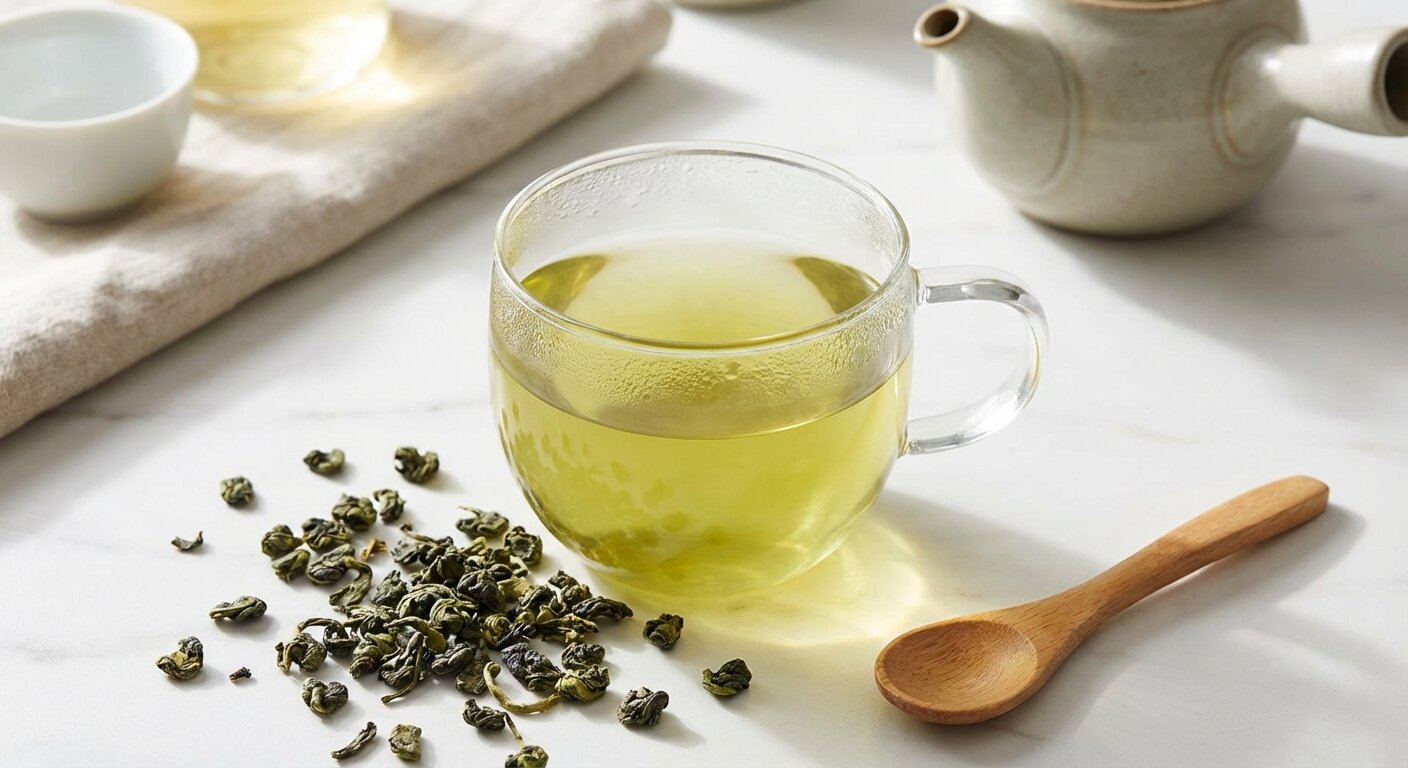
Green tea is one of the world’s healthiest beverages, consumed for thousands of years and celebrated for its remarkable health benefits. But if you’re tracking macros or monitoring your nutrition, you might wonder: what exactly is in your cup of green tea?
The short answer: green tea contains virtually zero macronutrients. A typical 8 oz cup has 2-3 calories, 0g protein, 0-0.5g carbohydrates, and 0g fat. What makes green tea nutritionally significant isn’t its macros—it’s the powerful bioactive compounds, particularly catechins like EGCG (epigallocatechin gallate), along with caffeine, L-theanine, and other beneficial polyphenols that support metabolism, brain function, and overall health.
Whether you’re drinking traditional sencha, premium matcha, or everyday green tea bags, understanding the nutritional profile helps you incorporate this superfood into your macro-friendly lifestyle. Let’s explore everything you need to know about green tea’s macros, caffeine content, health benefits, and how different varieties compare.
Related: Learn more about what macros are and how they impact your diet.
Green Tea Macro Breakdown
Here’s the complete nutritional profile of plain brewed green tea per 8 fl oz (240ml) cup:
Basic Macros:
- Calories: 2-3 kcal
- Protein: 0g
- Carbohydrates: 0-0.5g
- Fiber: 0g
- Sugars: 0g
- Fat: 0g (saturated, monounsaturated, polyunsaturated all 0g)
Micronutrients (per 8 oz cup):
- Caffeine: 25-50mg (varies by variety and brewing)
- L-Theanine: 6-8mg (amino acid promoting calm focus)
- Manganese: ~0.5mg (25% DV)
- Potassium: 20-30mg
- Magnesium: 2-3mg
- Fluoride: 0.3-0.4mg
- Folate (Vitamin B9): 10-15mcg
Bioactive Compounds:
- Total Catechins: 200-300mg per cup
- EGCG (epigallocatechin gallate): 50-100mg
- EGC (epigallocatechin): 30-60mg
- ECG (epicatechin gallate): 20-40mg
- EC (epicatechin): 10-30mg
- Total Polyphenols: 300-400mg
- Chlorophyll: Variable (higher in shade-grown teas)
The trace calories in green tea come primarily from small amounts of amino acids (particularly L-theanine and glutamic acid) and polyphenolic compounds. These molecules contribute minimal energy but deliver substantial health benefits.
Green Tea vs. Other Teas: Macro Comparison
While all true teas come from the same plant (Camellia sinensis), processing methods create different nutritional profiles:
Per 8 oz Cup (Unsweetened):
| Tea Type | Calories | Carbs | Protein | Fat | Caffeine |
|---|---|---|---|---|---|
| Green Tea | 2-3 | 0-0.5g | 0g | 0g | 25-50mg |
| Black Tea | 2-3 | 0-0.5g | 0g | 0g | 40-70mg |
| White Tea | 2-3 | 0-0.5g | 0g | 0g | 15-30mg |
| Oolong Tea | 2-3 | 0-0.5g | 0g | 0g | 30-50mg |
| Matcha (1 tsp powder) | 3-5 | 1g | 1g | 0g | 60-80mg |
| Coffee | 2-5 | 0g | 0.3g | 0g | 95-165mg |
Key Differences:
- Green tea undergoes minimal oxidation, preserving higher concentrations of catechins, particularly EGCG
- Black tea is fully oxidized, converting catechins to theaflavins and thearubigins with different antioxidant properties
- Matcha involves consuming the entire powdered leaf, providing more nutrients, fiber, and caffeine
- White tea is the least processed, with delicate flavor and lowest caffeine
- Oolong is partially oxidized, falling between green and black tea in both processing and composition
All plain teas are essentially calorie-free and macro-negligible, making them excellent choices for any dietary approach—whether you’re tracking macros, fasting, or simply prioritizing hydration.
Matcha vs. Regular Green Tea: Nutritional Differences
Matcha deserves special attention because its unique preparation method creates a different nutritional profile:
Regular Green Tea (Steeped):
- You steep leaves in water and discard them
- Extract water-soluble compounds only
- 2-3 calories per cup
- 25-50mg caffeine per cup
- 50-100mg EGCG per cup
Matcha (Powder Consumption):
- You whisk powdered whole leaves into water and consume everything
- Consume both water-soluble and water-insoluble compounds
- 3-5 calories per 1 tsp serving
- 60-80mg caffeine per serving
- 130-160mg EGCG per serving
- Small amounts of fiber, protein, chlorophyll, and fat-soluble nutrients (vitamins A, E, K)
Matcha Macro Breakdown (per 1 tsp / 2g powder):
- Calories: 3-5
- Protein: 1g
- Carbohydrates: 1g
- Fiber: 0.4g
- Fat: 0g
- Caffeine: 60-80mg
Matcha provides approximately 3-4 times the antioxidant concentration of regular steeped green tea because you’re consuming the entire leaf. However, it’s still extremely low in macronutrients and fits easily into any macro-tracking plan.
The higher caffeine content makes matcha more comparable to coffee, while the increased L-theanine content (double that of regular green tea) promotes a state of “calm alertness” without the jitters often associated with coffee.
How Green Tea Affects Your Macros
For anyone tracking macros, green tea is essentially a “free” beverage:
Plain Green Tea:
- Negligible caloric impact - 2-3 calories won’t meaningfully affect your daily targets
- Zero macronutrient contribution - doesn’t count toward protein, carb, or fat goals
- Perfect for any diet - keto, low-carb, high-protein, Mediterranean, paleo, vegan
- Fasting-friendly - won’t break a fast or spike insulin
However, additions change everything:
Common additions and their macro impact:
- Honey (1 tbsp): +64 calories, +17g carbs (see honey macros)
- Sugar (1 tsp): +16 calories, +4g carbs
- Whole milk (2 tbsp): +18 calories, +1g carbs, +1g protein, +1g fat
- Almond milk (2 tbsp, unsweetened): +3-5 calories, +0.5g carbs, +0.5g fat
- Coconut milk (2 tbsp): +30 calories, +0.5g carbs, +3g fat
- Lemon juice (1 tbsp): +3-4 calories, +1g carbs
- Artificial sweeteners: 0 calories, 0 macros (stevia, erythritol, monk fruit)
Macro Tracking Tips:
- Log plain green tea as 0 calories unless you’re tracking with extreme precision
- Always log additions - sweeteners and milk can add up quickly with multiple cups daily
- Pre-log sweetened versions - if you drink 3-4 cups daily with honey, that’s 200+ calories and 50g+ carbs
- Consider matcha separately - while still low-calorie, matcha has enough nutrients to warrant logging
- Use green tea strategically - it’s hydrating and filling without impacting your macro budget
For most people tracking macros, drinking 3-5 cups of plain green tea daily has essentially no impact on their calorie or macronutrient targets. This makes green tea an excellent tool for staying hydrated, managing appetite, and supporting metabolism without consuming any of your “macro budget.”
Green Tea’s Bioactive Compounds: Beyond Macros
While green tea’s macronutrient content is negligible, its true nutritional power comes from bioactive compounds that support health independent of calories:
Catechins (Polyphenolic Antioxidants)
Green tea is uniquely rich in catechins, a class of flavonoids with powerful antioxidant and anti-inflammatory properties:
EGCG (Epigallocatechin Gallate):
- The most abundant and potent catechin in green tea
- 50-100mg per cup of regular green tea, 130-160mg per matcha serving
- Powerful antioxidant activity - neutralizes free radicals and reduces oxidative stress
- Supports fat oxidation and metabolic rate
- May enhance insulin sensitivity and glucose regulation
- Anti-inflammatory effects throughout the body
- Potential cancer-protective properties through multiple mechanisms
- Crosses the blood-brain barrier, supporting cognitive function
Other Catechins:
- EGC (Epigallocatechin): 30-60mg per cup - antioxidant and anti-inflammatory
- ECG (Epicatechin Gallate): 20-40mg per cup - cardiovascular support
- EC (Epicatechin): 10-30mg per cup - blood flow and nitric oxide production
The total catechin content (200-300mg per cup) is what gives green tea its distinctive astringency and most of its health benefits. These compounds are water-soluble and extracted during brewing, meaning longer steeping times generally increase catechin concentration.
Caffeine and L-Theanine: Synergistic Cognitive Enhancement
Green tea contains a unique combination of caffeine and L-theanine that creates balanced, focused energy:
Caffeine (25-50mg per cup):
- Stimulates the central nervous system
- Enhances alertness, focus, and reaction time
- Increases metabolic rate by 3-4%
- Supports fat oxidation, particularly during exercise
- Improves physical performance
L-Theanine (6-8mg per cup, higher in matcha):
- Amino acid almost exclusively found in tea
- Promotes alpha brain wave activity associated with “calm alertness”
- Reduces caffeine-related jitters and anxiety
- Extends and smooths caffeine’s effects
- May improve sleep quality despite caffeine content
- Supports GABA production for relaxation
The caffeine-to-L-theanine ratio in green tea (roughly 6:1 to 8:1) creates a state of focused calm that many people find superior to coffee’s stimulation. This combination is why green tea provides energy without the crash or anxiety sometimes associated with coffee.
Additional Beneficial Compounds
Polyphenols (300-400mg per cup):
- Broader class of antioxidants including catechins
- Anti-inflammatory and cardioprotective
- Support gut microbiome health
- May reduce risk of chronic diseases
Amino Acids:
- Theanine - relaxation and focus
- Glutamic acid - neurotransmitter precursor
- Arginine - nitric oxide production
- Serine - cellular metabolism
Minerals:
- Manganese - antioxidant enzyme cofactor, bone health
- Potassium - electrolyte balance, heart function
- Fluoride - dental health (though excessive intake can be problematic)
Chlorophyll (particularly in shade-grown teas like matcha and gyokuro):
- Gives tea its green color
- Potential detoxification support
- Anti-inflammatory properties
- Fat-soluble nutrient when consumed in matcha
These compounds work synergistically—the whole is greater than the sum of its parts. This is why green tea extract supplements, while convenient, may not provide the same benefits as drinking whole brewed tea.
Green Tea and Weight Management
Despite containing virtually no calories, green tea has been extensively studied for its effects on weight management and body composition:
Metabolic Effects
Thermogenesis (Heat Production):
- Green tea catechins, particularly EGCG, increase thermogenesis by 4-5% over baseline
- In practical terms: burning an extra 60-80 calories per day
- The effect is modest but consistent across multiple studies
- Equivalent to 15-20 minutes of light walking
Fat Oxidation:
- EGCG inhibits catechol-O-methyltransferase (COMT), an enzyme that degrades norepinephrine
- Higher norepinephrine levels signal fat cells to break down fat for energy
- Studies show 10-17% increase in fat oxidation during exercise
- Effect is more pronounced during moderate-intensity activity
Insulin Sensitivity:
- Regular green tea consumption may improve insulin sensitivity
- Better glucose regulation means more stable energy and fewer blood sugar crashes
- May help partition nutrients toward muscle rather than fat storage
Real-World Weight Loss Impact
The research on green tea and weight loss shows modest but measurable effects:
Meta-Analysis Findings:
- Average weight loss: 1-3 pounds over 12 weeks compared to placebo
- Greater effect when combined with caffeine restriction (no other caffeine sources)
- More significant results in Asian populations (genetic differences in caffeine metabolism)
- Best results when combined with calorie restriction and exercise
Practical Interpretation:
- Green tea is NOT a magic weight loss solution
- It provides a small metabolic advantage (60-100 extra calories burned daily)
- Over months, this can contribute to 1-2 pounds of additional fat loss
- Most valuable as part of a comprehensive approach: calorie control, protein intake, strength training, sleep
How to Maximize Metabolic Benefits:
- Drink 3-5 cups spread throughout the day
- Consume 30-60 minutes before exercise for enhanced fat oxidation
- Time green tea during fasting periods or between meals
- Choose high-quality, high-catechin varieties (Japanese green teas, matcha)
- Steep at appropriate temperatures (160-180°F) for optimal catechin extraction
- Don’t add calories (sugar, honey, full-fat milk) that offset metabolic benefits
Appetite and Satiety
Beyond direct metabolic effects, green tea may support weight management through appetite regulation:
- Hydration: Drinking tea contributes to fluid intake, which can reduce perceived hunger
- Behavioral substitution: Replacing caloric beverages with green tea eliminates 100-300+ calories
- Ritual and satisfaction: The act of preparing and sipping tea can satisfy oral cravings
- Blood sugar stability: Some evidence suggests green tea helps stabilize blood glucose, reducing energy crashes and subsequent cravings
The psychological and behavioral aspects may be just as important as the metabolic effects for long-term weight management.
Green Tea Varieties and Their Nutritional Differences
All green teas come from Camellia sinensis, but cultivation, harvesting, and processing create distinct varieties with varying nutritional profiles:
Japanese Green Teas
Sencha:
- Most common Japanese green tea
- Steamed processing preserves catechins
- 25-40mg caffeine per cup
- Bright, grassy, slightly sweet flavor
- 200-250mg catechins per cup
Matcha:
- Shade-grown for 3-4 weeks before harvest (increases L-theanine and chlorophyll)
- Stone-ground into fine powder
- Entire leaf consumed
- 60-80mg caffeine per serving
- 280-320mg catechins per serving
- Highest nutrient density of any tea
Gyokuro:
- Premium shade-grown tea (20+ days)
- Highest L-theanine content of any tea (up to 16mg per cup)
- 30-50mg caffeine
- Rich, sweet, umami flavor
- 250-300mg catechins per cup
Genmaicha:
- Sencha or bancha blended with roasted brown rice
- Lower catechin concentration due to dilution with rice
- 15-25mg caffeine (lower due to less tea per serving)
- Nutty, comforting flavor
- 100-150mg catechins per cup
Hojicha:
- Roasted green tea (roasted at 150°C)
- Roasting reduces catechin content by 30-40%
- Very low caffeine: 10-15mg per cup
- Smooth, caramel-like, toasty flavor
- 120-180mg catechins per cup
Chinese Green Teas
Longjing (Dragon Well):
- Pan-fired processing
- 30-45mg caffeine per cup
- Sweet, nutty, chestnut-like flavor
- 180-220mg catechins per cup
Gunpowder:
- Leaves rolled into pellets
- Stronger, more robust flavor
- 35-50mg caffeine per cup
- 200-250mg catechins per cup
Bi Luo Chun:
- Early spring harvest (higher amino acid content)
- Delicate, fruity, floral
- 25-35mg caffeine per cup
- 190-230mg catechins per cup
Pi Lo Chun:
- Hand-rolled spirals
- Complex, floral, slightly sweet
- 30-40mg caffeine per cup
- 200-240mg catechins per cup
Processing Impact on Nutrition
Steaming (Japanese method):
- Preserves more catechins and chlorophyll
- Bright green color
- Fresh, vegetal flavor
- Higher vitamin C retention
Pan-firing (Chinese method):
- Slightly reduces catechin content (10-15%)
- Develops toasted, nutty flavors
- Golden-green color
- Maillard reaction creates different flavor compounds
Shading (Gyokuro, Matcha):
- Increases L-theanine significantly
- Boosts chlorophyll production
- Creates sweeter, less astringent flavor
- May increase caffeine content slightly
Roasting (Hojicha):
- Significantly reduces catechins (30-40% loss)
- Creates roasted flavor compounds
- Lowers caffeine content
- Easier on sensitive stomachs
For maximum catechin and EGCG content, choose steamed Japanese green teas, especially sencha and matcha. For lower caffeine with retained benefits, choose hojicha or genmaicha.
Health Benefits of Green Tea
The combination of catechins, caffeine, L-theanine, and other bioactive compounds makes green tea one of the most studied beverages for health promotion:
Cardiovascular Health
Blood Pressure:
- Meta-analyses show regular green tea consumption (3+ cups daily) associated with modest reductions in blood pressure
- Effect size: 2-3 mmHg reduction in systolic and diastolic pressure
- Most significant in those with elevated blood pressure at baseline
- Catechins improve endothelial function and nitric oxide production
Cholesterol:
- Green tea may reduce total cholesterol by 5-7 mg/dL
- More significant reduction in LDL cholesterol (7-9 mg/dL)
- May increase HDL cholesterol slightly (1-2 mg/dL)
- Effect likely due to reduced cholesterol absorption and increased excretion
Heart Disease Risk:
- Large observational studies show 20-31% reduced risk of cardiovascular disease with regular green tea consumption
- Dose-dependent effect: more tea, lower risk (up to 5-6 cups daily)
- May reduce stroke risk by 20-30%
- Anti-inflammatory and antioxidant effects protect blood vessels
Brain Function and Neuroprotection
Acute Cognitive Effects:
- Improved attention, working memory, and processing speed
- Enhanced task performance and reaction time
- Synergy between caffeine (alertness) and L-theanine (calm focus)
- Effects noticeable within 30-60 minutes, lasting 2-4 hours
Long-Term Cognitive Health:
- Observational studies suggest 30-50% reduced risk of cognitive decline with regular green tea consumption
- EGCG crosses blood-brain barrier and provides neuroprotective effects
- May reduce risk of Alzheimer’s disease and Parkinson’s disease
- Mechanisms include reduced oxidative stress, decreased neuroinflammation, and enhanced neuroplasticity
Mood and Stress:
- L-theanine promotes alpha brain wave activity associated with relaxed alertness
- May reduce stress and anxiety without causing drowsiness
- Regular consumption associated with lower rates of depression in epidemiological studies
Metabolic Health and Diabetes Prevention
Blood Sugar Regulation:
- Green tea catechins may improve insulin sensitivity
- Some studies show reduced fasting blood glucose levels
- May slow carbohydrate absorption and reduce post-meal blood sugar spikes
- EGCG may protect pancreatic beta cells that produce insulin
Type 2 Diabetes Risk:
- Meta-analyses suggest 15-20% reduced risk with regular consumption (3+ cups daily)
- Effect more pronounced in Asian populations
- Mechanisms include improved insulin sensitivity and reduced inflammation
Metabolic Syndrome:
- May improve multiple markers: waist circumference, triglycerides, HDL cholesterol, blood pressure, fasting glucose
- Addresses multiple aspects of metabolic health simultaneously
Cancer Prevention
While no food can “prevent” cancer, green tea consumption is associated with reduced risk of several cancer types:
Evidence is strongest for:
- Breast cancer: 20-30% risk reduction in some studies
- Colorectal cancer: 25-40% reduced risk with high consumption
- Prostate cancer: Reduced risk and potentially slower progression
- Esophageal cancer: Mixed evidence, but some protective effects observed
Mechanisms:
- EGCG induces apoptosis (programmed cell death) in cancer cells
- Inhibits angiogenesis (blood vessel formation that feeds tumors)
- Reduces inflammation and oxidative stress
- May modulate gene expression related to cancer development
- Enhances antioxidant enzyme activity
Important caveats:
- Most evidence comes from observational studies (can’t prove causation)
- Very high temperatures may increase esophageal cancer risk (let tea cool)
- Green tea is not a treatment for cancer
- Benefits are preventive and population-level, not guarantees for individuals
Liver Health
Protective Effects:
- May reduce risk of fatty liver disease
- Catechins support liver detoxification pathways
- Anti-inflammatory effects may protect against liver damage
- Some evidence for reduced liver enzyme markers (ALT, AST)
Important Warning:
- High-dose green tea extract supplements have been linked to liver damage in some cases
- Whole brewed tea is safe; be cautious with concentrated extracts
Dental Health
Antibacterial Properties:
- Catechins inhibit growth of Streptococcus mutans (primary cavity-causing bacteria)
- May reduce plaque formation
- Freshens breath by reducing odor-causing bacteria
Fluoride Content:
- Green tea naturally contains fluoride from soil
- May strengthen tooth enamel
- However, excessive fluoride can be problematic (don’t overdo it)
Longevity
Observational Evidence:
- Large Japanese studies show regular green tea drinkers have 15-20% lower mortality rates
- Most significant benefits with 5+ cups daily
- Effect seen across multiple causes of death (cardiovascular, cancer, respiratory)
Mechanisms:
- Reduced inflammation and oxidative stress
- Improved cardiovascular and metabolic health
- Enhanced cellular stress resistance
- Potential effects on autophagy and cellular repair
The totality of evidence suggests green tea, as part of a healthy lifestyle, supports longevity through multiple complementary pathways.
Brewing Green Tea for Optimal Nutrition
How you brew green tea significantly affects its nutritional content and catechin extraction:
Water Temperature
Optimal Temperature: 160-180°F (70-80°C)
- Too hot (>185°F): Destroys some catechins, increases bitterness, extracts excessive tannins
- Too cold (<150°F): Incomplete extraction, lower catechin content
- Sweet spot (170°F): Maximum catechin extraction with balanced flavor
Temperature Guidelines by Variety:
- Sencha: 160-170°F (70-75°C)
- Gyokuro: 140-160°F (60-70°C) - lower temperature preserves delicate sweetness
- Matcha: 160-175°F (70-80°C)
- Chinese green teas: 170-180°F (75-82°C)
- Budget green tea bags: 180-185°F (82-85°C) - can handle slightly higher heat
Practical tip: Boil water, then let it cool for 3-5 minutes before pouring over tea leaves.
Steeping Time
Optimal Steeping: 2-3 minutes
- Under 2 minutes: Incomplete extraction, lower catechin and caffeine content
- 2-3 minutes: Optimal balance of catechins, caffeine, L-theanine, and flavor
- 3-5 minutes: Maximum catechin extraction, but increasingly bitter and astringent
- Over 5 minutes: Diminishing returns, excessive tannins, unpleasant taste
Catechin Extraction Timeline:
- 0-1 minute: 40-50% of catechins extracted
- 1-2 minutes: 70-80% extracted
- 2-3 minutes: 85-95% extracted
- 3-5 minutes: 95-99% extracted
For maximum health benefits, steep 3 minutes. For best taste, steep 2-2.5 minutes. For both, steep 2.5-3 minutes.
Tea-to-Water Ratio
Standard Ratio: 1 tsp (2-3g) loose tea per 8 oz (240ml) water
- Too little tea: Weak flavor, lower catechin concentration
- Too much tea: Overly strong, bitter, wasted tea
- Just right: 1 tsp per cup provides 200-300mg catechins
Adjustments:
- Fine, powdered teas (matcha): 1/2-1 tsp per 6-8 oz
- Large, loose leaf teas: 1-1.5 tsp per 8 oz
- Tea bags: 1 bag per 8 oz (often contain 2-3g tea)
Multiple Infusions
High-quality green teas can be steeped multiple times:
First Infusion:
- Extracts 50-60% of catechins
- Highest caffeine content
- Most intense flavor
Second Infusion:
- Extracts 30-40% of remaining catechins
- Slightly less caffeine
- Smoother, sweeter flavor
Third Infusion:
- Extracts 10-20% of remaining catechins
- Minimal caffeine
- Delicate, subtle flavor
How to do multiple infusions:
- First steep: 2 minutes at 170°F
- Second steep: 3 minutes at 170-175°F
- Third steep: 4-5 minutes at 175-180°F
This maximizes catechin extraction while creating three distinct flavor experiences from the same leaves.
Storage for Freshness
Green tea degrades over time, losing catechins, flavor, and aroma:
Optimal Storage:
- Airtight container - prevents oxygen exposure
- Cool, dark place - heat and light degrade catechins
- Away from strong odors - tea absorbs surrounding smells
- Refrigerator or freezer (optional) - extends shelf life for long-term storage
Shelf Life:
- Unopened: 1-2 years (high-quality Japanese teas)
- Opened: 6-12 months (use within 6 months for best quality)
- Refrigerated: 12-18 months
- Frozen: 2+ years
Signs of degradation:
- Faded green color (turning yellowish-brown)
- Loss of aroma
- Stale or musty smell
- Flat, dull flavor
Buy green tea in quantities you’ll consume within 3-6 months for peak freshness and catechin content.
Potential Side Effects and Considerations
While green tea is safe for most people, there are some considerations:
Caffeine Sensitivity
Symptoms of Excess:
- Jitteriness, anxiety, or restlessness
- Insomnia or disrupted sleep
- Increased heart rate
- Digestive upset
- Headaches
Mitigation Strategies:
- Limit to 1-2 cups daily if sensitive
- Avoid green tea after 2-3 PM
- Choose lower-caffeine varieties (hojicha, genmaicha)
- Pair with food to slow caffeine absorption
- Stay hydrated with water
Safe Caffeine Limits:
- Most adults: up to 400mg daily (8-16 cups green tea)
- Pregnant women: limit to 200mg daily (4-8 cups green tea)
- Caffeine-sensitive individuals: 100-200mg daily (2-4 cups green tea)
Iron Absorption
Concern:
- Catechins bind to non-heme iron (plant-based iron), reducing absorption by up to 70%
- Not a problem for most people with adequate iron status
- Can be problematic for those with iron deficiency anemia
Solutions:
- Drink green tea between meals, not with meals
- Wait 1-2 hours after eating before drinking tea
- Pair iron-rich meals with vitamin C (enhances absorption)
- Consider decaffeinated green tea (lower catechin content, less inhibition)
- If anemic, discuss with healthcare provider
Stomach Sensitivity
Potential Issues:
- Tannins can irritate stomach lining in some people
- More problematic on empty stomach
- May worsen acid reflux or GERD
Solutions:
- Drink with or after food
- Choose lower-tannin varieties (hojicha)
- Avoid very strong, long-steeped tea
- Reduce steeping time to 1-2 minutes
- Add a small amount of milk to neutralize tannins
Medication Interactions
Green tea may interact with certain medications:
Blood Thinners (Warfarin):
- Vitamin K in tea (especially matcha) may interfere
- Consult healthcare provider
Stimulants:
- Additive effects with other caffeine sources or stimulant medications
- May increase side effects
Beta Blockers:
- Caffeine may reduce effectiveness
Blood Pressure Medications:
- Green tea’s caffeine may temporarily raise blood pressure
Antidepressants (MAOIs):
- Potential for elevated blood pressure with high caffeine intake
Always consult your healthcare provider if taking medications and planning to consume green tea regularly.
Pregnancy and Breastfeeding
General Guidance:
- Moderate green tea consumption (1-2 cups daily) is generally considered safe
- Limit total caffeine to 200mg daily during pregnancy
- Catechins may reduce folate absorption (ensure adequate folate intake)
- Caffeine passes into breast milk
- Discuss with healthcare provider
Liver Toxicity (Extracts Only)
Important Distinction:
- Whole brewed green tea is safe
- High-dose green tea extract supplements (especially on empty stomach) have been associated with liver damage in rare cases
- Stick to whole tea; be cautious with concentrated extracts
Green Tea in Different Dietary Approaches
Green tea’s negligible macro content makes it compatible with virtually every dietary pattern:
Keto and Low-Carb Diets
Perfect Fit:
- <1g carbs per cup
- Zero impact on ketosis
- May support ketosis through enhanced fat oxidation
- Caffeine and catechins support metabolic flexibility
Tips:
- Use as fasting beverage during intermittent fasting protocols
- Drink before exercise to enhance fat burning
- Add MCT oil or grass-fed butter for “keto tea” (adds fat, no carbs)
Intermittent Fasting
Ideal Fasting Beverage:
- Won’t break fast (essentially zero calories)
- No insulin response
- May enhance autophagy and fat oxidation
- Reduces hunger and supports compliance
- Provides energy without disrupting fasted state
Timing:
- Drink during fasting window for appetite suppression
- Consume 30-60 minutes before workout for enhanced fat oxidation
- Multiple cups throughout fasting period help with compliance
Vegan and Vegetarian Diets
Considerations:
- Excellent antioxidant source
- Provides minimal nutrients, so ensure balanced diet
- Be mindful of iron absorption (drink between meals)
- Matcha provides small amounts of plant-based protein
High-Protein Diets
Complementary Role:
- Zero protein content, won’t interfere with protein targets
- May support muscle recovery through anti-inflammatory effects
- Good hydration source during high-protein intake
- Can replace higher-calorie beverages
Paleo and Whole30
Status:
- Paleo: Yes (natural, minimally processed)
- Whole30: Yes (compliant as long as unsweetened)
Mediterranean Diet
Highly Compatible:
- Aligns with emphasis on plant-based antioxidants
- Complements heart-healthy fats and whole foods
- Traditional in some Mediterranean cultures
Green tea’s macro-neutral profile makes it a versatile addition to any structured eating plan without requiring special adjustments or considerations.
Frequently Asked Questions
Does green tea have calories?
Yes, but barely. Plain brewed green tea contains 2-3 calories per 8 oz cup. These minimal calories come from trace amounts of amino acids and polyphenolic compounds dissolved in water. For practical purposes, green tea is calorie-free and won’t impact weight management or calorie counting. However, any additions—sugar, honey, milk, or flavoring—will add calories. A tablespoon of honey adds 64 calories, and milk adds 10-20 calories per serving.
What are the macros in green tea?
Plain green tea contains virtually zero macronutrients: 0g protein, 0-0.5g carbohydrates, and 0g fat per 8 oz cup. Unlike foods that provide energy through macronutrients, green tea’s value comes from bioactive compounds—particularly catechins like EGCG—that support health without contributing calories or macros. This makes green tea perfect for anyone tracking macros on any dietary approach, from keto to high-carb, from cutting to bulking.
How much caffeine does green tea have?
Green tea typically contains 25-50mg of caffeine per 8 oz cup, though this varies by variety, brewing time, and water temperature. For comparison, coffee contains 95-165mg per 8 oz cup, and black tea contains 40-70mg. Matcha is an exception with 60-80mg of caffeine per serving since you consume the whole powdered leaf. The caffeine in green tea is balanced by L-theanine, an amino acid that promotes calm focus and reduces jitters, creating a different energy experience than coffee.
Does green tea break a fast?
No, plain green tea does not break a fast. With virtually zero calories and no impact on insulin levels, green tea is completely fasting-friendly. In fact, green tea may enhance fasting benefits by supporting fat oxidation, autophagy, and metabolic health. Many people use green tea strategically during intermittent fasting to suppress appetite, maintain energy, and stay hydrated. However, adding any sweeteners, milk, or lemon juice with calories would break a fast.
Can I drink green tea on keto?
Absolutely. Unsweetened green tea is ideal for keto diets with less than 1g of carbohydrates per cup and zero sugar. It won’t affect ketosis and may actually support it by promoting fat oxidation and metabolic flexibility. Some keto practitioners make “keto tea” by adding MCT oil, coconut oil, or grass-fed butter to green tea for additional healthy fats. Just avoid any sweeteners that contain carbs—stick to stevia, erythritol, or monk fruit if you need sweetness.
What’s healthier: green tea or coffee?
Both are healthy and offer different benefits. Green tea provides powerful antioxidants (catechins, particularly EGCG), anti-inflammatory compounds, and a balanced caffeine-L-theanine combination for focused calm. Coffee delivers more caffeine for stronger stimulation, different antioxidants (chlorogenic acids), and has its own impressive health benefits including reduced risk of type 2 diabetes and neurodegenerative diseases. The best choice depends on your goals: choose green tea for antioxidants and calm energy, or coffee for stronger stimulation. Many people enjoy both at different times of day.
How many cups of green tea should I drink per day?
Research suggests 3-5 cups of green tea daily provides optimal health benefits. This amount delivers sufficient catechins and antioxidants (600-1,500mg total catechins) while keeping caffeine intake moderate (75-250mg). However, individual tolerance varies based on caffeine sensitivity, diet, and health status. Start with 1-2 cups daily and gradually increase. If you experience jitters, sleep disruption, or stomach upset, reduce your intake. More isn’t always better—benefits plateau around 5-6 cups, and excessive consumption may cause side effects.
What’s the difference between matcha and regular green tea?
The key difference is consumption method. Regular green tea involves steeping leaves in water and discarding them—you extract only water-soluble compounds. Matcha involves whisking powdered whole leaves into water and drinking everything—you consume both water-soluble and water-insoluble nutrients. As a result, matcha provides 3-4 times more antioxidants, approximately double the L-theanine, higher caffeine (60-80mg vs. 25-50mg), and small amounts of fiber, protein, and chlorophyll. Matcha has 3-5 calories per serving versus 2-3 for regular green tea. Both are excellent choices with slightly different nutritional profiles.
Does green tea help with weight loss?
Green tea provides modest but measurable support for weight loss through multiple mechanisms. The combination of caffeine and EGCG increases thermogenesis (60-100 extra calories burned daily) and fat oxidation (10-17% increase during exercise). Meta-analyses show an average of 1-3 pounds additional weight loss over 12 weeks compared to placebo. However, green tea is not a magic solution—it works best when combined with calorie control, adequate protein, strength training, and quality sleep. Think of it as a helpful tool in your toolkit, not a standalone solution.
Can green tea lower cholesterol?
Yes, but modestly. Studies show regular green tea consumption (3+ cups daily) may reduce total cholesterol by 5-7 mg/dL and LDL (“bad”) cholesterol by 7-9 mg/dL. It may also slightly increase HDL (“good”) cholesterol. The catechins in green tea appear to reduce cholesterol absorption in the digestive tract and increase excretion. While these effects are real, they’re modest compared to medication or major dietary changes (like reducing saturated fat or increasing fiber). Green tea is a helpful addition to a heart-healthy lifestyle, not a replacement for medical treatment.
Does green tea stain teeth?
Green tea can cause mild teeth staining over time, though less than black tea or coffee. The tannins in green tea can adhere to tooth enamel and cause gradual discoloration. However, green tea also contains catechins that inhibit cavity-causing bacteria and may support dental health. To minimize staining: drink through a straw, rinse with water after drinking, maintain good oral hygiene, and consider using whitening toothpaste. The dental health benefits likely outweigh the mild staining risk for most people.
Is it better to drink green tea hot or cold?
Both hot and cold green tea provide similar health benefits, though brewing method affects catechin extraction. Hot brewing (160-180°F) extracts catechins more efficiently and quickly (2-3 minutes). Cold brewing (refrigerator temperature over 6-12 hours) extracts catechins more slowly but can produce a smoother, less bitter flavor. Cold brewing may preserve vitamin C better but extracts slightly less caffeine. For maximum catechin content, choose hot brewing. For convenience and smooth flavor, cold brewing works well. Both are nutritionally beneficial.
Can children drink green tea?
Children can consume green tea in moderation, but parents should consider caffeine content. The American Academy of Pediatrics recommends limiting caffeine for children: ages 4-6 should have less than 45mg daily (1-2 cups green tea maximum), ages 7-9 less than 62.5mg daily (2 cups maximum), and ages 10-12 less than 85mg daily (3 cups maximum). Lower-caffeine options like hojicha or genmaicha may be better for children. Green tea provides antioxidants and is a healthier alternative to sugary sodas or energy drinks, but moderation is key.
Does green tea go bad?
Yes, green tea degrades over time, losing flavor, aroma, and catechin content. Unopened, high-quality green tea lasts 1-2 years when stored properly. Once opened, use within 6-12 months for best quality. Signs of degradation include faded color (turning yellowish-brown), loss of aroma, stale or musty smell, and flat flavor. Store in an airtight container in a cool, dark place away from moisture and strong odors. Refrigeration or freezing can extend shelf life to 12-18 months or longer. For maximum catechin content and flavor, buy in quantities you’ll consume within 3-6 months.
Is green tea acidic?
Green tea is mildly acidic with a pH of 7-10 (closer to neutral than coffee or black tea). However, the tannins in green tea can irritate sensitive stomachs or worsen acid reflux in some people, especially when consumed on an empty stomach. If you experience stomach discomfort, try drinking green tea with or after food, choosing lower-tannin varieties like hojicha, reducing steeping time, or adding a small amount of milk to neutralize tannins. Most people tolerate green tea well, but individual responses vary.
Can I drink green tea at night?
It depends on your caffeine sensitivity. Green tea contains 25-50mg of caffeine per cup, which can interfere with sleep if consumed too close to bedtime. Caffeine has a half-life of 5-6 hours, meaning half remains in your system 5-6 hours after consumption. If you’re caffeine-sensitive, avoid green tea after 2-3 PM. If you tolerate caffeine well, early evening consumption may be fine. Alternatively, choose decaffeinated green tea or caffeine-free herbal teas at night. The L-theanine in green tea does promote relaxation, but it doesn’t fully counteract caffeine’s stimulating effects for everyone.
What’s the best green tea for beginners?
For beginners, start with mild, approachable varieties like Japanese sencha or Chinese dragonwell (Longjing). These teas offer balanced flavor without excessive bitterness or astringency. Genmaicha (green tea with roasted rice) provides nutty, comforting flavors and lower caffeine, making it very beginner-friendly. Avoid very high-quality or expensive teas initially—your palate needs time to develop appreciation. Use proper brewing temperature (160-170°F) and steeping time (2-3 minutes) to prevent bitterness. Consider starting with tea bags for convenience before graduating to loose leaf. Most importantly, experiment to find what you enjoy.
Conclusion: Green Tea as a Macro-Friendly Superfood
Green tea occupies a unique position in nutrition: virtually zero macronutrients yet packed with powerful bioactive compounds that support health, metabolism, cognitive function, and longevity.
Key Takeaways:
- Macros: 2-3 calories, 0g protein, 0-0.5g carbs, 0g fat per 8 oz cup—essentially free in your macro budget
- Bioactives: 200-300mg catechins (including 50-100mg EGCG), 25-50mg caffeine, 6-8mg L-theanine
- Health Benefits: Cardiovascular protection, enhanced brain function, metabolic support, potential cancer risk reduction, and longevity benefits
- Weight Management: Modest metabolic boost (60-100 extra calories burned daily) and enhanced fat oxidation
- Universal Compatibility: Works with keto, low-carb, vegan, paleo, intermittent fasting, and any macro-tracking approach
- Optimal Consumption: 3-5 cups daily, brewed at 160-180°F for 2-3 minutes
Practical Application:
For anyone tracking macros or pursuing optimal health, green tea is a no-brainer addition:
- Replace caloric beverages - Swap sodas, juices, or sweetened coffee drinks with green tea to eliminate hundreds of calories daily
- Support fasting protocols - Use during intermittent fasting windows to manage hunger without breaking your fast
- Pre-workout boost - Drink 30-60 minutes before exercise for enhanced fat oxidation
- Afternoon energy - Replace afternoon coffee for calm, sustained focus without sleep disruption
- Social ritual - Replace mindless snacking with the ritual of brewing and enjoying tea
Final Thoughts:
Green tea won’t magically transform your physique or health—no single food will. But as part of a comprehensive approach that includes adequate protein, strength training, quality sleep, stress management, and overall dietary quality, green tea provides meaningful benefits with zero downside for most people.
The beauty of green tea lies in what it doesn’t have—no calories to budget, no sugars to manage, no macros to track—while simultaneously providing what matters most: powerful antioxidants, cognitive enhancement, metabolic support, and centuries of tradition in a simple, satisfying cup.
Whether you’re calculating macros for fat loss, building muscle, optimizing performance, or simply pursuing long-term health, green tea earns its place in your daily routine. Start with a cup or two daily, find varieties you enjoy, and let this ancient beverage support your modern health goals.
Ready to optimize your overall macro intake? Check out our macro calculator to determine your personalized protein, carb, and fat targets. Then explore related content on tea macros, coffee macros, and honey macros to fine-tune your beverage choices.
Related Articles
Dragonfruit Macros: Complete Nutrition Guide for Pitaya
Complete macro breakdown of dragonfruit (pitaya). Learn the calories, protein, carbs, and...
Read guide →
Bulgur Macros: Complete Nutritional Guide & Health Benefits
Discover bulgur's complete macro breakdown, nutritional benefits, and how to incorporate...
Read guide →
Radish Macros: Nutrition Facts and Health Benefits
Complete guide to radish macros and nutrition. Learn calories, protein, carbs, and health...
Read guide →Note: Nutrition values are approximate and may vary based on preparation method and source.