Guacamole Macros: Complete Nutrition Guide & Healthy Recipes
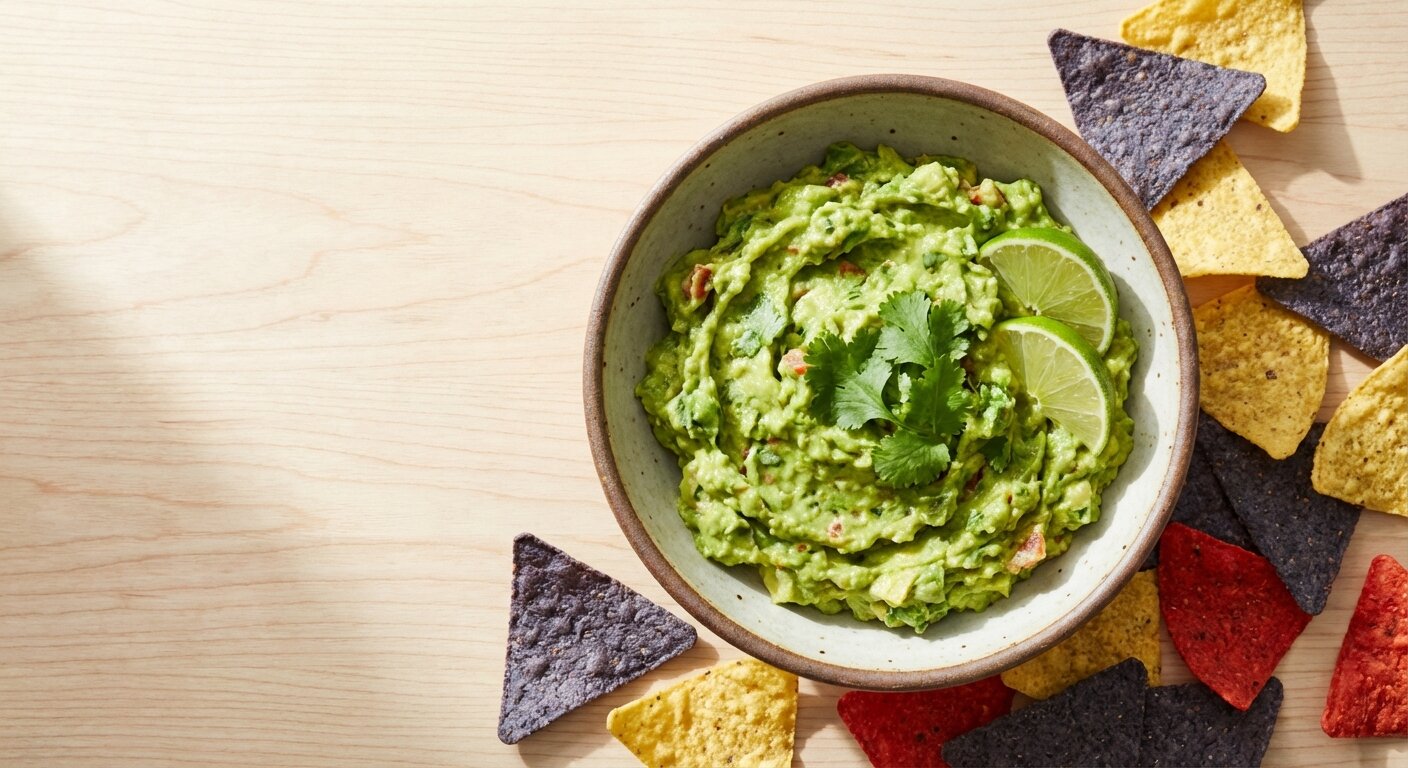
Guacamole is one of the most popular dips in the world—creamy, flavorful, and surprisingly nutritious. Whether you’re dipping tortilla chips, topping tacos, or spreading it on toast, understanding guacamole macros helps you incorporate this avocado-based favorite into your diet without derailing your nutrition goals.
In this comprehensive guide, you’ll discover the complete macro breakdown of guacamole, how different ingredients and preparation methods affect nutrition, portion control strategies, and healthy recipe variations to maximize both flavor and nutritional value.
Ready to calculate your personalized macros? Use our Free Macro Calculator to determine your optimal daily targets based on your goals, activity level, and preferences.
Related: Learn more about what macros are and how they impact your diet.
What Are Guacamole Macros?
Guacamole’s macronutrient profile is dominated by healthy fats from avocados, with moderate carbohydrates and minimal protein. Understanding these macros helps you incorporate guacamole strategically into meal plans without exceeding calorie or fat targets.
Basic Guacamole Macros (Per 2 Tablespoons / 30g)
| Nutrient | Amount | % Daily Value* |
|---|---|---|
| Calories | 50 | 2.5% |
| Total Fat | 4g | 5% |
| - Saturated Fat | 0.5g | 3% |
| - Monounsaturated Fat | 2.5g | - |
| - Polyunsaturated Fat | 0.5g | - |
| Carbohydrates | 3g | 1% |
| - Dietary Fiber | 2g | 8% |
| - Sugars | 0.5g | - |
| - Net Carbs | 1g | - |
| Protein | 1g | 2% |
| Sodium | 95mg | 4% |
| Potassium | 140mg | 3% |
*Based on a 2,000-calorie diet
Macro Percentage Breakdown
- Fat: 72% of total calories (predominantly monounsaturated)
- Carbohydrates: 24% of total calories (mostly fiber)
- Protein: 4% of total calories
This fat-dominant profile makes guacamole ideal for low-carb and ketogenic diets while providing satiety from healthy fats.
Guacamole Nutrition Facts: Beyond Macros
While macros tell part of the story, guacamole’s micronutrient profile makes it exceptionally nutritious:
Vitamins (Per 2 Tablespoons)
- Vitamin K: 10% DV – Essential for blood clotting and bone health
- Vitamin E: 6% DV – Powerful antioxidant protecting cells
- Folate: 5% DV – Critical for cell function and DNA synthesis
- Vitamin C: 4% DV – Immune support and collagen production
- Vitamin B6: 3% DV – Brain development and immune function
Minerals (Per 2 Tablespoons)
- Potassium: 140mg – Regulates blood pressure and fluid balance
- Magnesium: 8mg – Supports muscle and nerve function
- Phosphorus: 3% DV – Bone and teeth health
- Zinc: 2% DV – Immune function and wound healing
Beneficial Compounds
- Carotenoids: Lutein and zeaxanthin for eye health
- Oleic Acid: Heart-healthy monounsaturated fat
- Phytosterols: May help reduce cholesterol absorption
- Antioxidants: Combat oxidative stress and inflammation
Factors That Affect Guacamole Macros
Not all guacamole is created equal. Several factors significantly impact the nutritional profile:
1. Avocado Content
The foundation of guacamole is avocados, but the percentage varies:
- 100% Avocado Guacamole: Highest fat, lowest carbs, most nutrient-dense
- 50-75% Avocado: Common in restaurants, often diluted with sour cream or mayo
- Store-Bought Budget Brands: May contain as little as 30% avocado, filled with oils and starches
Tip: Check ingredient lists. Avocados should be the first ingredient for maximum nutrition.
2. Added Ingredients
Common additions alter macros:
| Ingredient (Per Serving) | Calories | Fat | Carbs | Protein |
|---|---|---|---|---|
| Plain Greek Yogurt (1 tbsp) | +15 | +0.5g | +1g | +2g |
| Sour Cream (1 tbsp) | +25 | +2.5g | +0.5g | +0.5g |
| Lime Juice (1 tbsp) | +4 | +0g | +1g | +0g |
| Tomatoes (2 tbsp) | +3 | +0g | +0.5g | +0g |
| Onions (1 tbsp) | +4 | +0g | +1g | +0g |
| Cilantro (2 tbsp) | +0 | +0g | +0g | +0g |
Greek yogurt increases protein while reducing fat compared to sour cream, making it an excellent modification for balanced macros.
3. Sodium Content
Sodium varies dramatically:
- Homemade (no added salt): 5-10mg per 2 tbsp
- Homemade (lightly salted): 50-100mg per 2 tbsp
- Store-bought: 100-200mg per 2 tbsp
- Restaurant: 150-300mg per 2 tbsp
For sodium-restricted diets, make guacamole at home with minimal or no added salt.
4. Texture and Dilution
Chunkier guacamole retains more avocado nutrition, while smoother versions may contain more liquid ingredients that dilute macros.
Guacamole Macro Comparison by Type
Classic Guacamole vs. Modified Versions (Per 2 Tablespoons)
| Type | Calories | Fat | Carbs | Protein |
|---|---|---|---|---|
| Classic Homemade | 50 | 4g | 3g | 1g |
| Greek Yogurt Guacamole | 45 | 3g | 3g | 2g |
| Creamy Sour Cream Guacamole | 70 | 6g | 3g | 1g |
| Store-Bought Traditional | 60 | 5g | 4g | 1g |
| Store-Bought Low-Fat | 35 | 2g | 5g | 1g |
Key Insight: Greek yogurt versions reduce fat while boosting protein, making them ideal for protein-focused diets. Low-fat versions often add starches and sugars, increasing carbs.
Restaurant Guacamole (Per 2 Tablespoons)
| Restaurant Style | Calories | Fat | Carbs | Protein |
|---|---|---|---|---|
| Mexican Restaurant | 60-80 | 5-7g | 3-5g | 1-2g |
| Chipotle Guacamole | 55 | 4.5g | 3g | 1g |
| Tex-Mex Chain | 70-90 | 6-8g | 4-6g | 1g |
| Fast-Casual | 50-70 | 4-6g | 3-4g | 1g |
Restaurant guacamole is often higher in sodium (150-300mg per serving) and may contain more oil for consistency.
Guacamole for Different Diet Goals
1. Weight Loss
Strategy: Use guacamole for satiety while controlling portions.
- Serving Size: Stick to 2-4 tablespoons (50-100 calories)
- Pair With: Vegetable sticks instead of chips to reduce overall calories
- Timing: Include with meals to increase satisfaction and reduce cravings
- Macros: 50-100 calories, 4-8g fat, 3-6g carbs, 1-2g protein
Why It Works: The combination of healthy fats and fiber promotes fullness, potentially reducing total calorie intake throughout the day.
2. Muscle Building
Strategy: Boost protein content while maintaining healthy fats.
- Modification: Add 2 tablespoons Greek yogurt per 1/2 cup guacamole
- Serving Size: 1/4 cup (60g) alongside protein-rich meals
- Pairing: Use as a topping on grilled chicken, fish, or turkey
- Enhanced Macros: 100 calories, 7g fat, 6g carbs, 4g protein
Why It Works: The protein boost supports muscle repair while avocado fats aid nutrient absorption and hormone production.
3. Keto Diet
Strategy: Maximize guacamole’s fat content while minimizing carbs.
- Serving Size: 1/4 to 1/2 cup (unlimited within daily fat macros)
- Modifications: Skip corn and beans; add extra avocado
- Net Carbs: 1g per 2 tablespoons (3g total minus 2g fiber)
- Macros: Approximately 100 calories, 8g fat, 2g net carbs, 2g protein per 1/4 cup
Why It Works: High fat, moderate protein, very low net carbs align perfectly with ketogenic macro ratios.
4. Low-Carb Diet
Strategy: Enjoy guacamole freely with minimal carb impact.
- Serving Size: 2-4 tablespoons per meal or snack
- Total Carbs: 3-6g (Net: 1-2g) per serving
- Use: Replace high-carb dips and spreads
- Macros: 50-100 calories, 4-8g fat, 1-2g net carbs, 1-2g protein
Why It Works: Guacamole’s fiber content minimizes net carb impact while providing satisfying texture and flavor.
5. Heart-Healthy Diet
Strategy: Leverage monounsaturated fats for cardiovascular benefits.
- Serving Size: 2-4 tablespoons daily
- Focus: Monounsaturated fats (2.5-5g per serving)
- Replace: Use instead of butter, mayo, or saturated fat-heavy dips
- Additional Benefits: Potassium helps regulate blood pressure; antioxidants reduce inflammation
Why It Works: Monounsaturated fats improve cholesterol profiles by raising HDL (good cholesterol) and lowering LDL (bad cholesterol).
Healthy Guacamole Recipes with Macro Breakdowns
1. Classic Traditional Guacamole
Ingredients:
- 2 medium avocados (300g)
- 2 tablespoons lime juice
- 1/4 cup diced tomatoes
- 2 tablespoons diced red onion
- 2 tablespoons fresh cilantro, chopped
- 1/4 teaspoon salt
- 1/4 teaspoon cumin (optional)
Instructions:
- Mash avocados in a bowl, leaving some chunks for texture
- Stir in lime juice immediately to prevent browning
- Fold in tomatoes, onion, and cilantro
- Season with salt and cumin
- Serve immediately or cover with plastic wrap pressed directly on surface
Macros Per 2 Tablespoons (Yields ~1 Cup):
- Calories: 50
- Fat: 4g (Saturated: 0.5g, Monounsaturated: 2.5g)
- Carbohydrates: 3g (Fiber: 2g, Net Carbs: 1g)
- Protein: 1g
2. High-Protein Greek Guacamole
Ingredients:
- 2 medium avocados (300g)
- 1/4 cup plain Greek yogurt (60g)
- 2 tablespoons lime juice
- 1 clove garlic, minced
- 2 tablespoons cilantro, chopped
- 1/4 teaspoon salt
- 1/4 teaspoon black pepper
Instructions:
- Mash avocados until mostly smooth
- Blend in Greek yogurt and lime juice
- Stir in garlic and cilantro
- Season to taste
Macros Per 2 Tablespoons (Yields ~1.25 Cups):
- Calories: 45
- Fat: 3g (Saturated: 0.5g, Monounsaturated: 2g)
- Carbohydrates: 3g (Fiber: 1.5g, Net Carbs: 1.5g)
- Protein: 2g
Why It’s Better: Greek yogurt boosts protein by 100% while reducing fat by 25%, making this version more balanced for muscle-focused diets.
3. Spicy Jalapeño Guacamole
Ingredients:
- 2 medium avocados (300g)
- 1 jalapeño, seeded and minced (adjust for heat preference)
- 2 tablespoons lime juice
- 1/4 cup red onion, finely diced
- 2 tablespoons cilantro, chopped
- 1/4 teaspoon salt
- 1/4 teaspoon cayenne pepper (optional)
Instructions:
- Mash avocados to desired consistency
- Mix in jalapeño, lime juice, and onion
- Add cilantro and spices
- Adjust heat level by adding more or less jalapeño
Macros Per 2 Tablespoons (Yields ~1 Cup):
- Calories: 50
- Fat: 4g (Saturated: 0.5g, Monounsaturated: 2.5g)
- Carbohydrates: 3g (Fiber: 2g, Net Carbs: 1g)
- Protein: 1g
Bonus: Capsaicin from jalapeños may boost metabolism slightly.
4. Chunky Pico Guacamole
Ingredients:
- 2 medium avocados (300g)
- 1/2 cup pico de gallo (tomatoes, onions, cilantro, jalapeño mix)
- 1 tablespoon lime juice
- 1/4 teaspoon salt
Instructions:
- Dice avocados into 1/2-inch cubes (don’t mash)
- Gently fold in pico de gallo
- Drizzle with lime juice
- Season with salt
- Serve immediately for best texture
Macros Per 2 Tablespoons (Yields ~1.5 Cups):
- Calories: 45
- Fat: 3.5g (Saturated: 0.5g, Monounsaturated: 2g)
- Carbohydrates: 3g (Fiber: 2g, Net Carbs: 1g)
- Protein: 1g
Why It’s Great: Extra vegetables increase volume and nutrients with minimal calorie addition, perfect for volume eaters.
Portion Control: How Much Guacamole Should You Eat?
Determining the right portion size depends on your total daily macro targets and how guacamole fits into your meal plan.
Standard Serving Sizes
| Serving Size | Weight | Calories | Fat | Carbs | Protein |
|---|---|---|---|---|---|
| 1 Tablespoon | 15g | 25 | 2g | 1.5g | 0.5g |
| 2 Tablespoons | 30g | 50 | 4g | 3g | 1g |
| 1/4 Cup | 60g | 100 | 8g | 6g | 2g |
| 1/2 Cup | 120g | 200 | 16g | 12g | 4g |
| 1 Cup | 240g | 400 | 32g | 24g | 8g |
Portion Recommendations by Goal
Weight Loss (Calorie Deficit):
- Serving: 2 tablespoons (50 calories)
- Daily Max: 4-6 tablespoons (100-150 calories)
- Strategy: Use as a condiment or side, not a main component
Maintenance:
- Serving: 1/4 cup (100 calories)
- Daily Max: 1/2 cup (200 calories)
- Strategy: Include with meals for satiety and flavor
Muscle Gain (Calorie Surplus):
- Serving: 1/4 to 1/2 cup (100-200 calories)
- Daily Max: 1 cup (400 calories)
- Strategy: Add to high-protein meals for healthy fat intake
Keto Diet:
- Serving: 1/4 to 1/2 cup (100-200 calories)
- Daily Max: Unlimited within fat macros (typically 1-2 cups)
- Strategy: Use liberally to meet high fat requirements
Visual Portion Guides
- 1 Tablespoon = Size of your thumb tip
- 2 Tablespoons = Size of a ping pong ball
- 1/4 Cup = Size of a large egg
- 1/2 Cup = Size of a tennis ball
Tracking Guacamole in Your Macro Plan
Measuring Accuracy
Best Method: Weigh on a food scale (grams)
- Most accurate, especially for homemade guacamole
- Accounts for varying consistency and ingredients
Alternative: Volume measurement (tablespoons/cups)
- Less precise but convenient
- Use level measuring spoons for consistency
Least Accurate: Eyeballing or “handful” estimates
- Can underestimate calories by 30-50%
- Okay for maintenance, problematic for strict diets
Using Macro Tracking Apps
When logging guacamole, search for:
- “Guacamole, Homemade” for recipes you make
- Specific brand name for store-bought versions
- “Avocado, Hass” if you make 100% avocado guacamole
Pro Tip: Create a custom recipe entry in your app for your signature guacamole recipe. Log it once with all ingredients, then use the saved recipe for quick tracking.
Restaurant and Takeout Considerations
When eating out:
- Ask for guacamole on the side to control portions
- Estimate conservatively: Assume restaurant portions are 1.5-2x standard servings
- Account for added oils: Add 20-30 calories per 2 tablespoons for restaurant guacamole
- Check chain nutrition: Major chains like Chipotle publish detailed macros
Guacamole vs. Other Dips and Spreads
How does guacamole stack up nutritionally against alternatives?
Macro Comparison (Per 2 Tablespoons)
| Dip/Spread | Calories | Fat | Carbs | Protein | Key Notes |
|---|---|---|---|---|---|
| Guacamole | 50 | 4g | 3g | 1g | Healthy fats, fiber |
| Hummus | 60 | 3g | 5g | 2g | Higher protein and carbs |
| Sour Cream | 50 | 5g | 1g | 1g | More saturated fat |
| Ranch Dressing | 145 | 15g | 2g | 1g | Nearly 3x calories |
| Salsa | 10 | 0g | 2g | 0g | Very low calorie |
| Cream Cheese | 100 | 10g | 1g | 2g | Higher saturated fat |
| Peanut Butter | 190 | 16g | 7g | 7g | High protein but calorie-dense |
| Mayonnaise | 200 | 22g | 0g | 0g | Mostly omega-6 fats |
Verdict: Guacamole offers moderate calories with heart-healthy fats and fiber, making it superior to most creamy dips and comparable to hummus (which is higher in protein but lower in healthy fats).
Common Mistakes When Eating Guacamole
1. Portion Distortion
Mistake: Eating 1/2 to 1 cup of guacamole thinking it’s a “healthy snack”
Reality: 1/2 cup = 200 calories, often consumed with 200+ calories of chips
Solution: Pre-portion 2-4 tablespoons, then put the container away
2. Chip Overload
Mistake: Pairing guacamole with unlimited tortilla chips (10 chips = 140 calories)
Reality: Most people eat 20-30 chips (280-420 calories) with guacamole
Solution:
- Swap chips for vegetables (cucumbers, bell peppers, carrots)
- Reduce chip calories by 70-80%
- Measure out a single serving of chips (1 ounce) before sitting down
3. Ignoring Added Fats
Mistake: Assuming all guacamole is pure avocado
Reality: Many recipes and products add sour cream, mayo, or oils
Solution: Read ingredient lists and nutrition labels carefully
4. Not Accounting for Restaurant Versions
Mistake: Logging “guacamole” without adjusting for restaurant preparation
Reality: Restaurant guacamole often has 20-30% more calories from added oils and larger serving sizes
Solution: Add 20-30 calories per 2-tablespoon estimate when eating out
5. Using Guacamole as a “Free Food”
Mistake: Thinking healthy fats don’t count toward daily calories
Reality: Guacamole still contains calories that contribute to your total intake
Solution: Track every serving and account for it in your daily macros
The Bottom Line: Guacamole Macros and Your Diet
Guacamole is a nutrient-dense food that fits into virtually any diet when consumed mindfully. With approximately 50 calories, 4g fat, 3g carbs (1g net), and 1g protein per 2-tablespoon serving, it offers heart-healthy monounsaturated fats, fiber, potassium, and essential vitamins.
Key Takeaways:
- Portion Control Is Critical: Stick to 2-4 tablespoons per serving to keep calories in check
- Choose Quality: Homemade or avocado-first ingredient lists provide the best nutrition
- Pair Wisely: Use vegetables instead of chips to maximize volume and reduce calories
- Track Accurately: Measure portions and log in your tracking app for dietary success
- Customize for Goals: Modify recipes with Greek yogurt for protein or extra avocado for keto diets
Whether you’re aiming for weight loss, muscle gain, or simply maintaining a balanced diet, guacamole can be a delicious and nutritious addition when incorporated strategically.
Ready to calculate your personalized macro targets? Use our Free Macro Calculator to determine exactly how guacamole fits into your daily nutrition plan based on your unique goals and activity level.
Frequently Asked Questions
What are the macros in guacamole?
A standard 2-tablespoon (30g) serving of guacamole contains approximately 50 calories with 4 grams of fat, 3 grams of carbohydrates (2g fiber, 1g net carbs), and 1 gram of protein. The majority of calories (about 72%) come from heart-healthy monounsaturated fats found naturally in avocados.
The exact macros can vary based on the recipe and ingredients used. Homemade guacamole made primarily with avocados will have a higher fat content and lower carbs, while store-bought versions may include additional ingredients like sour cream, oils, or starches that alter the nutritional profile. Greek yogurt additions can increase protein to 2 grams per serving while slightly reducing fat content.
For accurate macro tracking, it’s essential to measure portions carefully using a food scale or measuring spoons, as guacamole’s creamy texture makes it easy to underestimate serving sizes. Most nutrition apps and databases list guacamole macros based on this standard 2-tablespoon serving, which is equivalent to about 30 grams by weight.
Is guacamole good for weight loss?
Yes, guacamole can be beneficial for weight loss when consumed in appropriate portions as part of a balanced, calorie-controlled diet. The combination of healthy fats from avocados and fiber promotes satiety, helping you feel fuller for longer periods and potentially reducing overall calorie intake throughout the day.
A 2-tablespoon serving provides substantial flavor and nutrition for only 50 calories, making it an excellent alternative to higher-calorie dips like ranch dressing (145 calories per 2 tablespoons) or mayonnaise (200 calories). The monounsaturated fats in guacamole also support hormone production and nutrient absorption, both important for maintaining metabolic health during weight loss.
However, portion control remains critical. Many people consume 1/2 to 1 cup of guacamole in a single sitting (200-400 calories), often paired with high-calorie tortilla chips. For weight loss, stick to measured 2-4 tablespoon servings and pair with low-calorie vegetables like cucumber, bell peppers, or celery instead of chips. Track all guacamole consumption in your food diary, as the calories do add up and must fit within your daily calorie deficit for successful weight loss.
How many carbs are in guacamole?
Guacamole contains 3 grams of total carbohydrates per 2-tablespoon (30g) serving, with approximately 2 grams coming from dietary fiber. This results in only 1 gram of net carbohydrates (total carbs minus fiber), making guacamole an excellent choice for low-carb and ketogenic diets.
The carbohydrate content comes primarily from avocados themselves, which are naturally low in sugar and high in fiber. Additional ingredients like tomatoes, onions, and lime juice contribute minimal additional carbs—typically less than 0.5 grams per serving. The high fiber content not only reduces net carb impact but also supports digestive health and blood sugar regulation.
For comparison, guacamole has significantly fewer net carbs than many other popular dips and spreads. Hummus contains about 5 grams of carbs (3g net carbs) per 2 tablespoons, while bean dip can have 6-8 grams. This makes guacamole one of the lowest-carb dip options available, suitable for those following carb-restricted diets ranging from moderate low-carb (50-100g daily) to strict keto (under 20-30g daily net carbs).
Is store-bought guacamole healthy?
Store-bought guacamole varies significantly in nutritional quality depending on the brand and ingredients used. The healthiest options contain avocados as the first ingredient with minimal additives, closely resembling homemade versions in both nutrition and taste. However, many commercial brands dilute avocado content with less nutritious ingredients to reduce costs.
Look for these red flags on ingredient lists:
- Avocados listed second or third (indicating lower avocado content)
- Added vegetable oils (soybean, canola) that increase omega-6 fats
- Excessive sodium (over 150mg per 2-tablespoon serving)
- Preservatives and stabilizers (though some, like citric acid, are harmless)
- Added sugars or corn syrup
- Fillers like maltodextrin, modified food starch, or gums
The best store-bought brands contain 90% or more avocado by weight with only natural additions like lime juice, onions, cilantro, and salt. Check the macros: they should align closely with homemade guacamole (around 50 calories, 4g fat per 2 tablespoons). Brands with significantly different macros likely contain substantial filler ingredients.
While convenient, homemade guacamole remains nutritionally superior because you control ingredients, freshness, and sodium levels. If choosing store-bought for convenience, select brands with minimal, recognizable ingredients and consume within 2-3 days of opening for best quality and nutrition.
Can I eat guacamole on a keto diet?
Absolutely—guacamole is one of the best foods for a ketogenic diet. With only 1 gram of net carbs per 2-tablespoon serving and a macronutrient profile dominated by healthy fats (4 grams per serving), guacamole aligns perfectly with keto’s requirements of very low carbohydrates, moderate protein, and high fat intake.
A typical keto diet aims for 20-30 grams of net carbs daily, with 70-75% of calories from fat. A 1/4-cup serving of guacamole contributes only 2 grams of net carbs (well within most people’s daily limit) while providing 8 grams of fat. The monounsaturated fats in guacamole support ketosis by providing readily available energy once your body adapts to burning fat instead of glucose.
On keto, you can enjoy guacamole more liberally than on calorie-restricted diets. Many keto followers consume 1/4 to 1/2 cup daily (100-200 calories) as a side dish, topping for protein, or standalone snack. Pair it with keto-friendly dippers like celery, cucumber, bell pepper strips, or pork rinds instead of high-carb tortilla chips.
To maximize guacamole’s benefits on keto:
- Make it extra creamy by adding more avocado or a tablespoon of MCT oil
- Skip high-carb additions like corn or beans
- Use it as a fat source to meet your daily fat macros
- Top grilled meats, fish, or eggs with guacamole for complete keto-friendly meals
How much guacamole should I eat per serving?
A standard serving size is 2 tablespoons (30 grams), which provides balanced nutrition—50 calories, 4 grams of healthy fats, 3 grams of carbohydrates, and 1 gram of protein—without excessive calorie intake. This portion is ideal as a condiment or accompaniment to meals.
However, appropriate serving size varies based on your dietary goals:
For Weight Loss: Stick to 2 tablespoons (50 calories) per meal or snack. This provides flavor and satiety benefits without derailing a calorie deficit. Total daily maximum: 4-6 tablespoons (100-150 calories).
For Maintenance: 1/4 cup (60g, 100 calories) per serving is common and allows more generous portions while maintaining overall nutrition balance. Total daily maximum: 1/2 cup (200 calories).
For Muscle Gain: 1/4 to 1/2 cup (100-200 calories) per serving supports increased calorie needs while providing healthy fats for hormone production. Total daily maximum: 1 cup (400 calories).
For Keto Diets: 1/4 to 1/2 cup (100-200 calories) per serving helps meet high fat requirements with minimal carb impact. Total daily: unlimited within your fat macro targets, typically 1-2 cups.
Visual guides for accurate portioning:
- 1 tablespoon = size of your thumb tip
- 2 tablespoons = size of a ping pong ball
- 1/4 cup = size of a large egg
- 1/2 cup = size of a tennis ball
For best accuracy, use a food scale to weigh portions (30g for standard serving) or level measuring spoons. Pre-portioning into small containers prevents overconsumption and simplifies macro tracking.
Does guacamole have protein?
Guacamole contains modest amounts of protein, with approximately 1 gram per 2-tablespoon (30g) serving. While this isn’t considered a high-protein food, the protein comes primarily from avocados, which naturally contain all nine essential amino acids, making it a complete protein source (though in small quantities).
For comparison, 1 gram of protein represents only 4 calories of the 50-calorie serving, meaning protein comprises about 8% of guacamole’s calorie content. This is significantly lower than high-protein foods like Greek yogurt (15-20g per serving), chicken breast (25-30g per serving), or legumes (7-9g per 1/2 cup).
You can increase guacamole’s protein content through simple modifications:
Greek Yogurt Guacamole: Adding 2 tablespoons of plain Greek yogurt per 1/2 cup of guacamole boosts protein to approximately 2 grams per 2-tablespoon serving (100% increase) while slightly reducing fat content and adding a tangy flavor that complements the avocado.
Cottage Cheese Guacamole: Blending in 2 tablespoons of low-fat cottage cheese per 1/2 cup of guacamole increases protein to about 2.5 grams per serving while maintaining a creamy texture.
Protein Powder Addition: Some fitness enthusiasts add 1 scoop of unflavored or vanilla protein powder to larger batches of guacamole, though this significantly alters taste and texture.
While guacamole shouldn’t be relied upon as a primary protein source, pairing it with high-protein foods—such as using it as a topping on grilled chicken, adding it to scrambled eggs, or serving it alongside black beans—creates balanced meals that meet protein requirements while enjoying guacamole’s healthy fats and flavor.
What makes guacamole healthy?
Guacamole’s health benefits stem primarily from its main ingredient—avocados—which are one of the most nutrient-dense fruits available. The combination of healthy fats, fiber, vitamins, minerals, and beneficial plant compounds makes guacamole a nutritionally superior choice compared to most dips and spreads.
Monounsaturated Fats: About 70% of guacamole’s fat content comes from oleic acid, the same heart-healthy monounsaturated fat found in olive oil. Research shows these fats improve cholesterol profiles by increasing HDL (good cholesterol) and decreasing LDL (bad cholesterol), reducing cardiovascular disease risk.
Dietary Fiber: With 2 grams of fiber per 2-tablespoon serving, guacamole supports digestive health, blood sugar regulation, and satiety. The fiber content also reduces net carbohydrate impact, making guacamole suitable for blood sugar management.
Potassium: Each serving provides 140mg of potassium, an essential mineral that helps regulate blood pressure and fluid balance. Adequate potassium intake is associated with reduced risk of stroke and kidney stones.
Vitamins and Antioxidants: Guacamole contains:
- Vitamin K for blood clotting and bone health
- Vitamin E as a powerful antioxidant
- Folate for cell function and DNA synthesis
- Carotenoids (lutein and zeaxanthin) for eye health
- Vitamin C for immune support
Bioavailability Enhancement: The fats in guacamole enhance absorption of fat-soluble vitamins (A, D, E, K) and carotenoids from other foods eaten in the same meal, effectively boosting overall nutrient intake.
Anti-Inflammatory Properties: Avocados contain various phytochemicals and antioxidants that combat oxidative stress and inflammation, potentially reducing chronic disease risk.
Unlike many popular dips made primarily from saturated fats (sour cream, cheese-based dips) or heavily processed oils (ranch, Caesar dressing), guacamole provides whole-food nutrition with minimal processing when made at home. Its nutrient density means you get substantial health benefits relative to the calorie content, making it an excellent addition to balanced diets focused on whole, minimally processed foods.
Related Articles
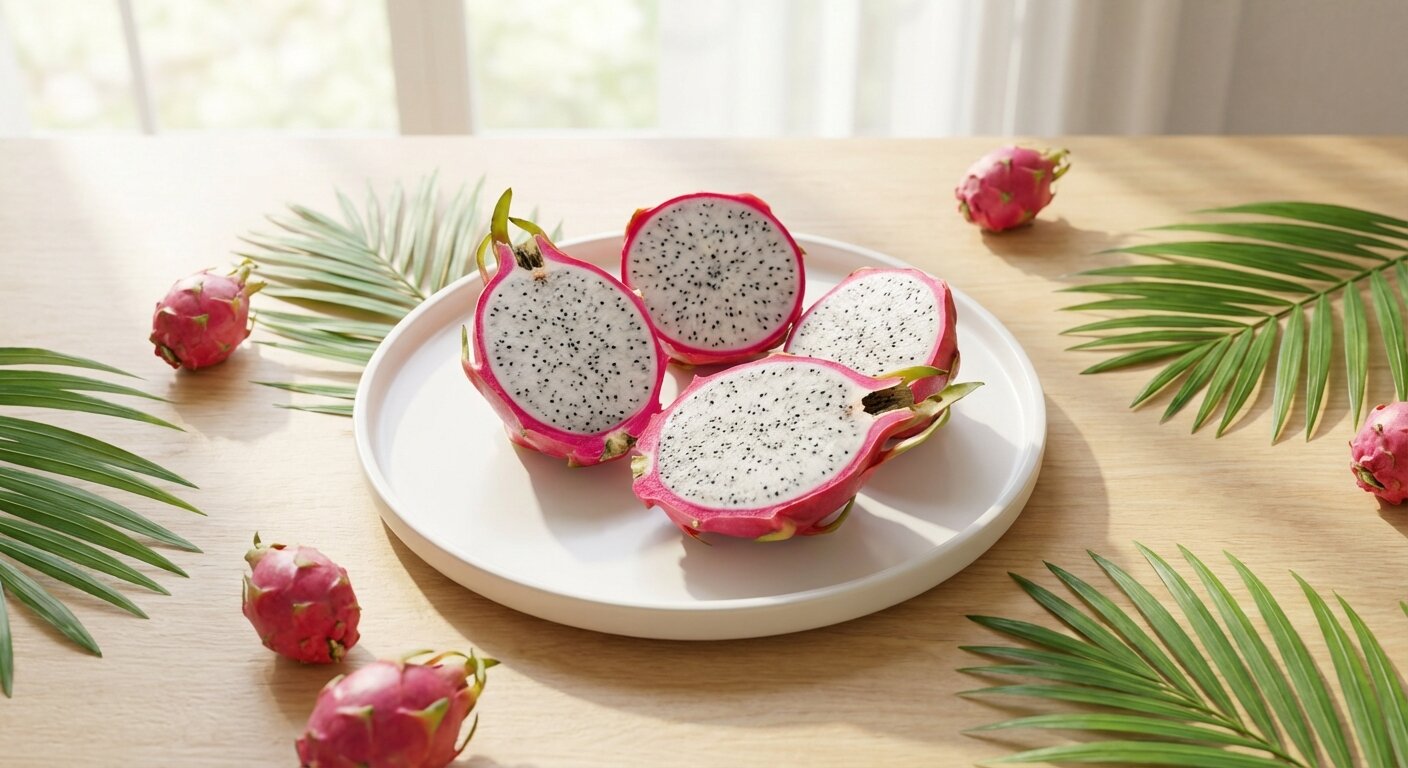
Dragonfruit Macros: Complete Nutrition Guide for Pitaya
Complete macro breakdown of dragonfruit (pitaya). Learn the calories, protein, carbs, and...
Read guide →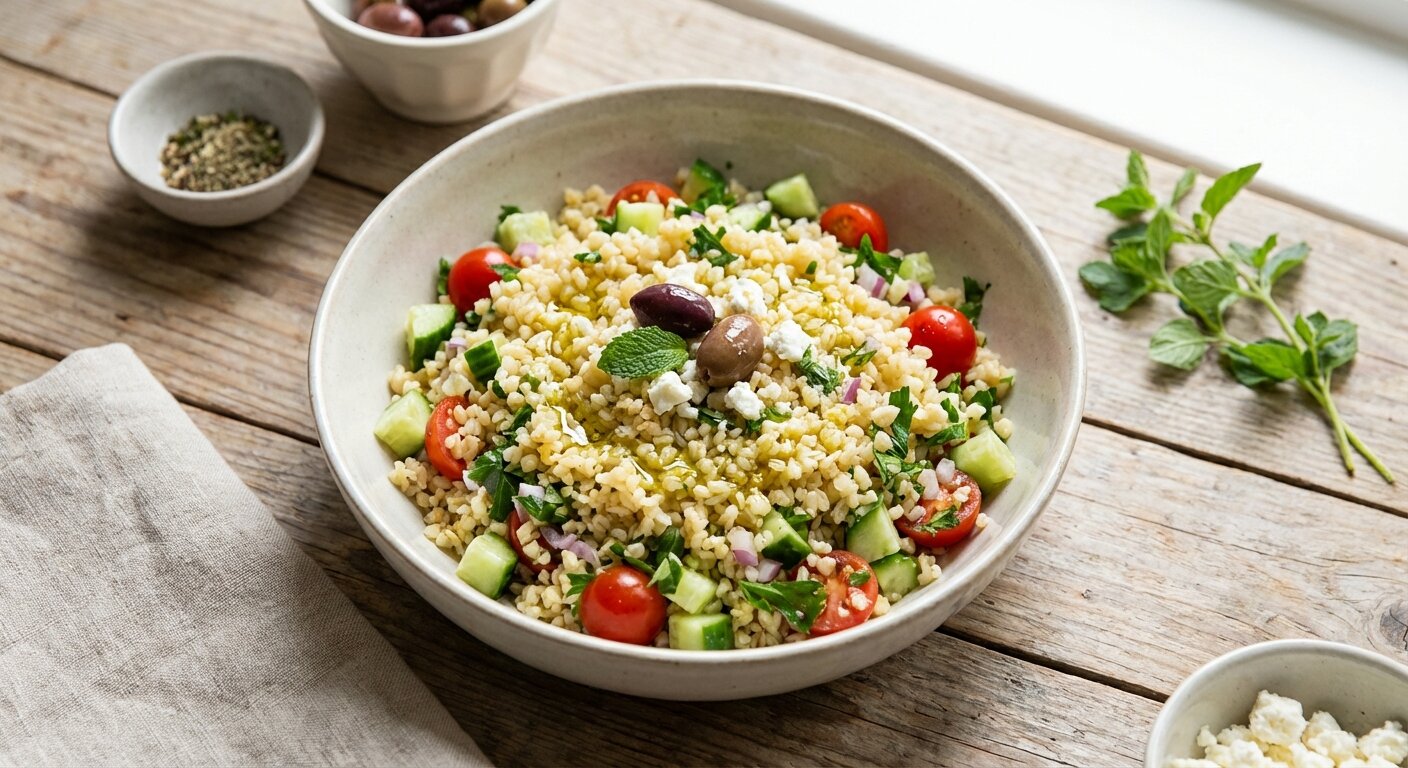
Bulgur Macros: Complete Nutritional Guide & Health Benefits
Discover bulgur's complete macro breakdown, nutritional benefits, and how to incorporate...
Read guide →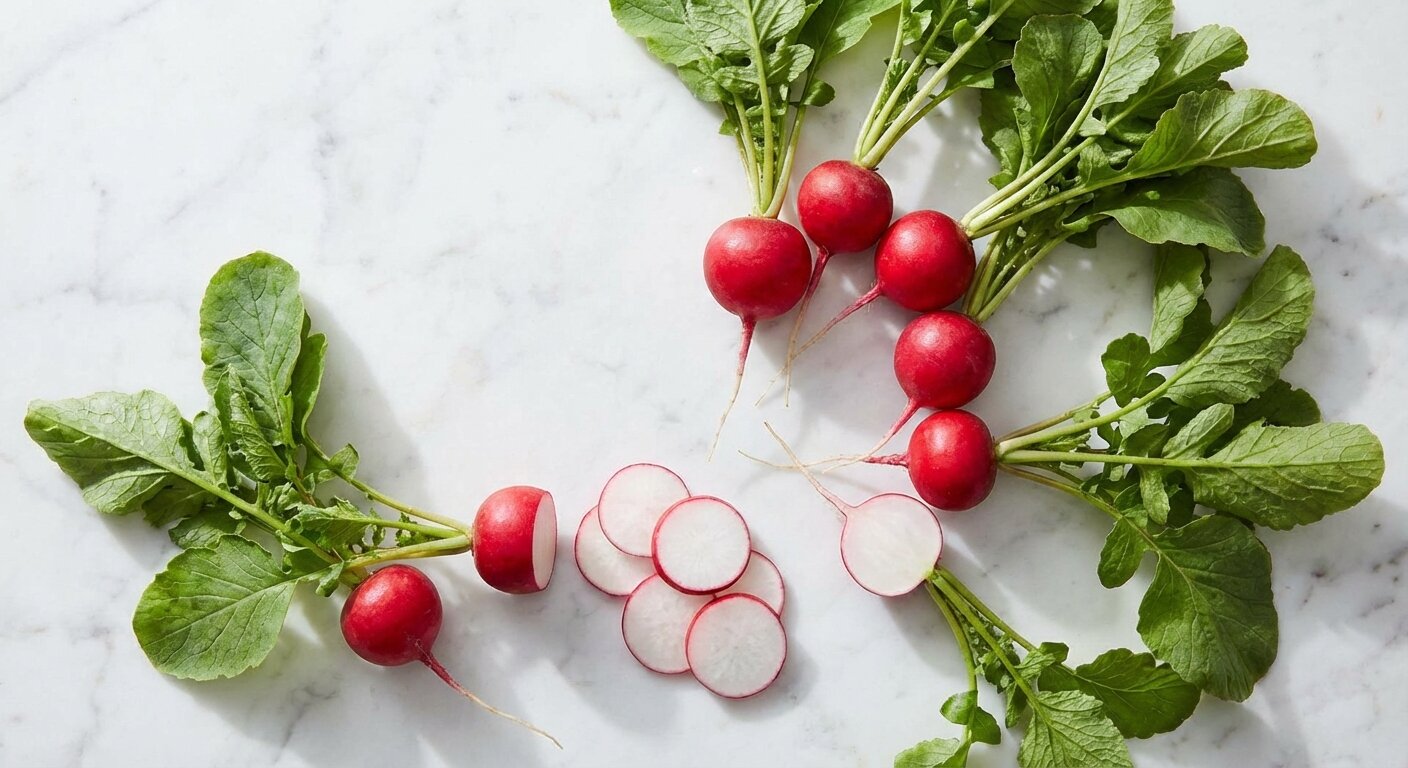
Radish Macros: Nutrition Facts and Health Benefits
Complete guide to radish macros and nutrition. Learn calories, protein, carbs, and health...
Read guide →Note: Nutrition values are approximate and may vary based on preparation method and source.