Hemp Seeds Macros: Complete Nutrition Guide & Health Benefits
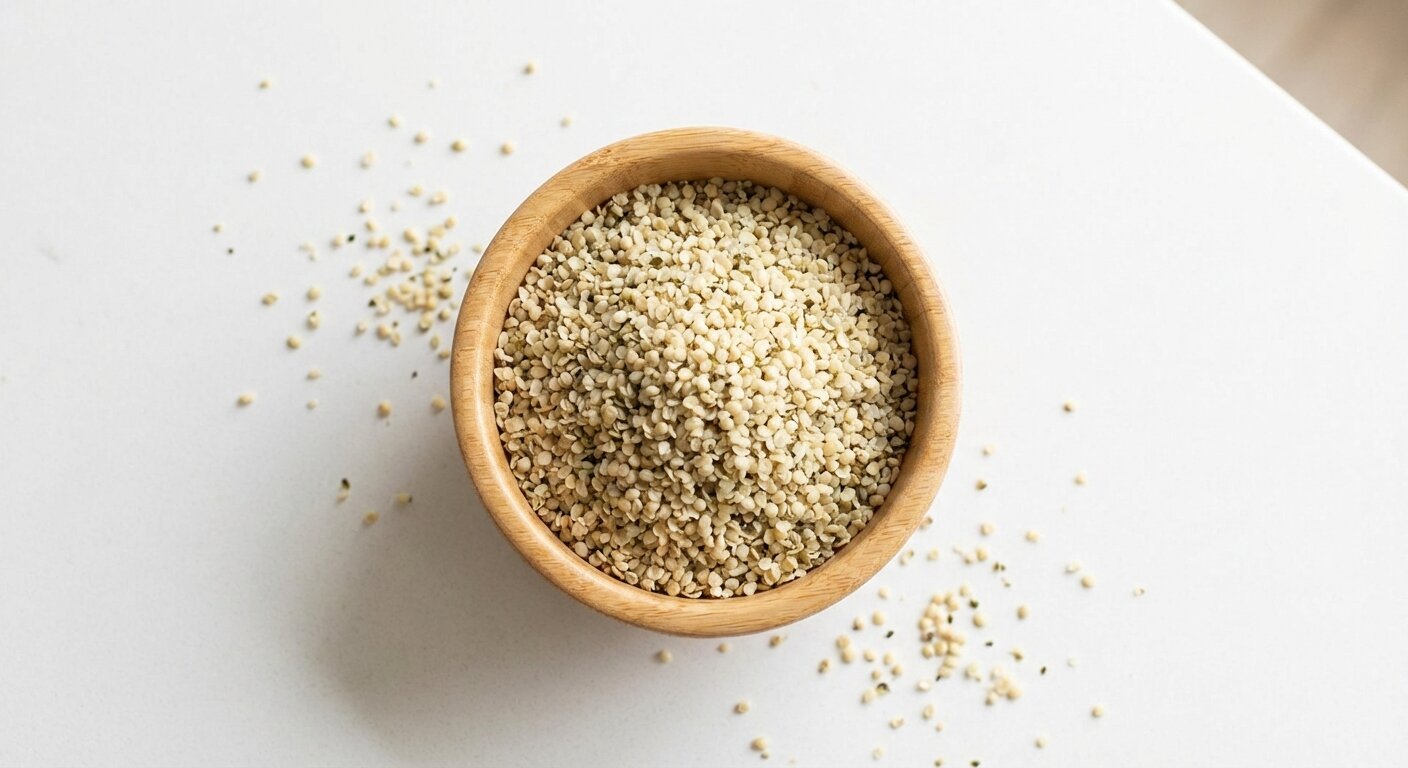
Hemp seeds, also known as hemp hearts when shelled, are one of nature’s most nutritionally complete foods—packing complete protein, essential fatty acids, and minerals into tiny, versatile seeds. Whether you’re tracking macros for muscle building, weight loss, or general health, hemp seeds deliver exceptional nutrition in a convenient form.
In this guide, you’ll learn the complete macro breakdown of hemp seeds, how they compare to other superfoods, their science-backed health benefits, and practical ways to incorporate them into your diet. If you want to calculate your optimal macro targets, check out our free macro calculator to personalize your nutrition plan.
Related: Learn more about what macros are and how they impact your diet.
Hemp Seeds Nutrition Facts
Here’s the complete macro and micronutrient breakdown for hulled hemp seeds (hemp hearts), the most commonly consumed form:
Per 3 tablespoons (30g serving):
Macronutrients:
- Calories: 166
- Protein: 9.5g (19% of calories)
- Carbohydrates: 3g (7% of calories)
- Fiber: 1g
- Net carbs: 2g
- Fat: 14.6g (74% of calories)
- Saturated: 1.4g
- Monounsaturated: 1.6g
- Polyunsaturated: 11.4g
- Omega-3 (ALA): 2.6g
- Omega-6 (LA): 8.7g
Key Micronutrients (% Daily Value):
- Magnesium: 140mg (33% DV)
- Phosphorus: 405mg (32% DV)
- Iron: 2.4mg (13% DV)
- Zinc: 3mg (27% DV)
- Manganese: 2.1mg (91% DV)
- Vitamin E: 0.6mg (4% DV)
Amino Acid Profile (Complete Protein): Hemp seeds contain all nine essential amino acids, with particularly high amounts of:
- Arginine: 3.6g per 30g (supports cardiovascular health)
- Leucine: 1.7g (key for muscle protein synthesis)
- Lysine: 1.0g (often limited in plant proteins)
Hemp Seeds Macro Breakdown by Serving Size
Understanding portions helps you fit hemp seeds into your macro targets:
| Serving Size | Calories | Protein (g) | Carbs (g) | Fat (g) |
|---|---|---|---|---|
| 1 tbsp (10g) | 55 | 3.2 | 1 | 4.9 |
| 2 tbsp (20g) | 111 | 6.3 | 2 | 9.7 |
| 3 tbsp (30g) | 166 | 9.5 | 3 | 14.6 |
| 1/4 cup (40g) | 222 | 12.7 | 4 | 19.5 |
| 1/2 cup (80g) | 443 | 25.3 | 8 | 38.9 |
Most common serving: 2-3 tablespoons daily provides substantial protein and omega-3s without excessive calories.
Hemp Seeds vs Other Seeds: Macro Comparison
How do hemp seeds stack up against other nutritious seeds?
Per 30g serving:
| Seed Type | Calories | Protein (g) | Carbs (g) | Fat (g) | Fiber (g) |
|---|---|---|---|---|---|
| Hemp | 166 | 9.5 | 3 | 14.6 | 1 |
| Chia | 146 | 4.7 | 12 | 9.3 | 10 |
| Flax | 151 | 5.1 | 8.1 | 11.8 | 7.6 |
| Pumpkin | 151 | 7 | 5 | 13 | 1.1 |
| Sunflower | 165 | 5.8 | 6.8 | 14.2 | 2.4 |
Key differences:
Hemp seeds win for:
- Highest protein (9.5g vs 4.7-7g)
- Complete protein (only seed with all essential amino acids in optimal ratios)
- Lowest carbs (3g vs 5-12g)
- Balanced omega-3:omega-6 ratio (approximately 1:3, considered ideal)
Other seeds excel at:
- Chia: Highest fiber (10g) for digestive health and satiety
- Flax: Highest omega-3 ALA (6.4g) for anti-inflammatory benefits
- Pumpkin: Highest zinc (2.3mg) for immune function
- Sunflower: Highest vitamin E (10mg) for antioxidant protection
Bottom line: Hemp seeds are the superior choice when protein is your priority, especially for plant-based eaters needing complete amino acid profiles.
Hemp Seeds for Different Diets
Hemp seeds’ macro profile makes them versatile across dietary approaches:
Keto & Low-Carb Diets
Excellent choice.
- 3g total carbs (2g net carbs) per 30g serving
- 14.6g fat for ketone production
- High-quality protein without carb load
- Use: Add to keto smoothies, salads, or make hemp seed fat bombs
High-Protein Diets
Very good option.
- 9.5g complete protein per 30g
- More efficient than most plant proteins (32% protein by weight)
- Pairs well with other protein sources
- Target: 3-5 tbsp (200-300 calories) for 10-16g protein
Vegan & Vegetarian Diets
Essential food.
- One of few plant-based complete proteins
- Provides all essential amino acids without combining foods
- Digestible protein (easier than beans/legumes)
- Rich in zinc and iron often limited in plant diets
Weight Loss
Supportive food.
- High protein-to-calorie ratio promotes satiety
- 1g fiber aids digestion and fullness
- Healthy fats slow gastric emptying
- Portion control matters: stick to 2-3 tbsp daily (110-166 calories)
Muscle Building
Beneficial addition.
- Complete protein supports muscle protein synthesis
- High arginine increases nitric oxide and blood flow to muscles
- Leucine triggers mTOR pathway for muscle growth
- Use: Post-workout in smoothies (3-4 tbsp for 10-13g protein)
Paleo Diet
Compliant food.
- Whole, unprocessed seed
- No grains, legumes, or dairy
- Rich in omega-3s similar to wild fish
- Common use: Paleo granola, energy balls, crusted proteins
Health Benefits of Hemp Seeds
Beyond macros, hemp seeds offer science-backed health advantages:
Complete Protein Source
Hemp seeds contain all nine essential amino acids in ratios comparable to animal proteins. The digestibility-corrected amino acid score (PDCAAS) ranges from 0.46-0.61, while the newer DIAAS score is even higher, making hemp protein among the most bioavailable plant proteins.
Research: A 2010 study in the Journal of Agricultural and Food Chemistry found hemp protein contains 25% more edestin (a highly digestible globular protein) than soy protein, with exceptional digestibility even without processing.
Heart Health
The ideal 3:1 omega-6 to omega-3 ratio in hemp seeds supports cardiovascular function without promoting inflammation.
Key compounds:
- Arginine: Produces nitric oxide, which dilates blood vessels and lowers blood pressure
- GLA (gamma-linolenic acid): An omega-6 that reduces inflammation and may lower heart disease risk
- Plant sterols: Compete with cholesterol absorption in the gut
Research: A 2014 review in Nutrition & Metabolism found that hemp seed consumption may reduce blood pressure, decrease blood clot formation, and aid recovery after heart attacks through arginine’s vasodilatory effects.
Anti-Inflammatory Effects
Hemp seeds contain gamma-linolenic acid (GLA), an omega-6 fatty acid that, paradoxically, reduces inflammation rather than promoting it.
Mechanisms:
- GLA converts to DGLA (dihomo-gamma-linolenic acid), which produces anti-inflammatory prostaglandins
- Balanced omega-3:omega-6 ratio prevents inflammatory cascade
- Antioxidants like vitamin E protect cell membranes from oxidative damage
Potential benefits:
- May reduce symptoms of rheumatoid arthritis
- Could improve skin conditions like eczema and psoriasis
- May help manage inflammatory bowel conditions
Digestive Health
While lower in fiber than chia or flax seeds, hemp seeds still support gut health:
Benefits:
- 1g fiber per 30g (primarily insoluble in whole seeds)
- Easy to digest without phytic acid concerns of some seeds
- Pre-digested when consumed as hemp hearts (shells removed)
- Gentle on sensitive stomachs unlike harder-to-digest seeds
Skin & Hair Health
The fatty acid profile in hemp seeds nourishes skin from the inside:
Omega fatty acids:
- Support skin barrier function and moisture retention
- May reduce acne through anti-inflammatory effects
- Improve skin elasticity and reduce signs of aging
Minerals:
- Zinc: Critical for collagen synthesis and wound healing
- Vitamin E: Protects skin from UV damage and oxidative stress
- Phosphorus: Supports cell membrane integrity
Application: Both consumed internally and applied topically (hemp seed oil) show benefits in research studies.
Hormone Balance
GLA in hemp seeds may support hormonal health, particularly in women:
Potential effects:
- May reduce PMS symptoms (breast pain, irritability, fluid retention)
- Could ease menopausal symptoms through prostaglandin regulation
- Supports production of anti-inflammatory prostaglandins
Research: A study in Reproductive Health found GLA supplementation (similar to amounts in hemp seeds) reduced PMS symptoms by 50% in some women, though more research is needed specifically on hemp seed consumption.
How to Use Hemp Seeds in Your Diet
Hemp seeds’ mild, slightly nutty flavor and soft texture make them incredibly versatile:
Simple Ways to Add Hemp Seeds
Breakfast:
- Sprinkle 2-3 tbsp on oatmeal, yogurt, or chia pudding
- Blend into smoothies (adds creaminess + protein)
- Mix into pancake or waffle batter
- Top açai or smoothie bowls
Lunch & Dinner:
- Toss into salads for protein boost (no prep needed)
- Mix into grain bowls (quinoa, rice, couscous)
- Stir into soups or stews before serving
- Use as breading for chicken or fish (hemp + almond flour)
Snacks:
- Make energy balls (dates, nut butter, hemp seeds)
- Add to homemade granola or trail mix
- Mix into hummus or pesto
- Sprinkle on avocado toast
Baking:
- Add to muffin, bread, or cookie recipes (up to 1/4 cup per batch)
- Substitute for some flour in protein bars
- Mix into pie crusts for nutrient boost
Hemp Seed Products
Hemp Hearts (Hulled Seeds):
- Most common form
- Soft, edible shell removed
- Best for direct consumption
- Easier to digest
Whole Hemp Seeds:
- Include outer shell
- Slightly higher fiber
- Chewier texture
- May be harder to digest
Hemp Seed Oil:
- Extracted from seeds
- Very high in omega-3s and omega-6s
- Delicate; use cold (not for cooking)
- Great for salad dressings
Hemp Protein Powder:
- Concentrated protein (10-15g per scoop)
- Good for smoothies and shakes
- May contain less fat and minerals than whole seeds
- Check for additives in processed versions
Storage Tips
Shelf life:
- Unopened: 12-14 months at room temperature
- Opened: 3-4 months refrigerated, up to 12 months frozen
- Signs of spoilage: Bitter or rancid smell, off taste
Best practices:
- Store in airtight container to prevent oxidation
- Refrigerate after opening to preserve omega-3s
- Keep away from heat and light
- Freeze for long-term storage (especially in warm climates)
Why refrigeration matters: The polyunsaturated fats in hemp seeds are prone to oxidation when exposed to heat, light, and oxygen, which can create rancidity and reduce nutritional value.
Hemp Seeds FAQs for Macro Tracking
Are hemp seeds high in calories?
Moderately high. At 166 calories per 30g (3 tbsp), hemp seeds are calorie-dense like most seeds and nuts. However, the calories come primarily from protein (9.5g) and healthy fats (14.6g) that promote satiety and metabolic health. A 2-3 tablespoon serving (110-166 calories) is reasonable for most macro targets and provides substantial nutrition per calorie.
Can I eat hemp seeds every day?
Yes, daily hemp seed consumption is safe and beneficial for most people. A typical serving of 2-3 tablespoons (20-30g) daily provides complete protein, essential fatty acids, and minerals without excessive calories or omega-6 fats. Some research participants have safely consumed up to 4-5 tablespoons daily. Start smaller if you’re sensitive to new foods.
Do hemp seeds cause weight gain?
Not inherently. While calorie-dense (166 calories per 30g), hemp seeds are unlikely to cause weight gain when consumed in reasonable portions as part of a balanced diet. The protein and fiber promote satiety, often leading to reduced overall calorie intake. Weight management depends on total caloric intake—hemp seeds can support weight loss when they replace less nutritious snacks.
Are hemp seeds better than protein powder for macros?
Different purposes. Hemp seeds provide complete nutrition—protein, healthy fats, fiber, and minerals—in whole food form (9.5g protein per 30g serving). Protein powder delivers concentrated protein (20-30g per scoop) with fewer calories and fats, making it more efficient for hitting high protein targets. Hemp seeds excel for overall nutrition; protein powder excels for lean protein specifically.
How do hemp seeds compare to chia seeds for protein?
Hemp seeds have double the protein (9.5g vs 4.7g per 30g serving) and are a complete protein with all essential amino acids. Chia seeds contain more fiber (10g vs 1g) and are better for digestive health. If protein is your priority, especially for muscle building or plant-based diets, hemp seeds are superior. For fiber and omega-3s, chia wins.
Can hemp seeds fit into a keto diet?
Absolutely. With only 3g total carbs (2g net carbs) per 30g serving and 14.6g of healthy fats, hemp seeds are ideal for ketogenic diets. They provide complete protein without spiking blood sugar and deliver fats that support ketone production. Use them to add texture, nutrition, and protein to keto meals without adding significant carbs.
Do I need to grind hemp seeds like flax seeds?
No. Unlike flax seeds, which have hard shells that must be ground for nutrient absorption, hemp hearts (hulled hemp seeds) are soft and easily digestible whole. Your body can access their nutrients without grinding. Whole hemp seeds with shells intact benefit from light grinding, but hemp hearts can be consumed as-is.
Are hemp seeds safe for children?
Yes, hemp seeds are safe and nutritious for children over 6 months old (consult pediatrician for younger ages). They’re a great plant-based protein source for growing kids, especially those with dairy or egg allergies. Start with 1-2 teaspoons daily for young children, gradually increasing to 1-2 tablespoons for older kids. The complete amino acid profile supports growth and development.
Will eating hemp seeds give me omega-3s like fish?
Partially. Hemp seeds provide alpha-linolenic acid (ALA), a plant-based omega-3 fatty acid (2.6g per 30g serving). However, your body must convert ALA to EPA and DHA—the active omega-3 forms in fish—and conversion rates are low (typically 5-15%). For optimal omega-3 status, combine hemp seeds with algae-based DHA supplements or fatty fish if not vegan.
Can I use hemp seeds as my only protein source?
Not recommended. While hemp seeds are a complete protein, meeting protein needs (0.8-2g per kg body weight) solely from hemp seeds would require excessive calories and fat. A 70kg person needing 140g protein would need 443g hemp seeds (1,500+ calories, 195g fat). Use hemp seeds as one of several protein sources alongside legumes, whole grains, tofu, or animal proteins for balanced nutrition.
Frequently Asked Questions
What are the macros in hemp seeds?
Three tablespoons (30g) of hulled hemp seeds contain approximately 166 calories, 9.5g protein, 3g carbohydrates, and 14.6g fat. The protein is complete, containing all nine essential amino acids in optimal ratios comparable to animal proteins. The fat is primarily polyunsaturated (11.4g), with an ideal 3:1 omega-6 to omega-3 ratio that supports heart health and reduces inflammation. The carbohydrate content is very low (only 3g, with 1g fiber), making hemp seeds suitable for low-carb and ketogenic diets.
The macro distribution breaks down to approximately 19% of calories from protein, 74% from fat, and 7% from carbohydrates. This high-fat, moderate-protein, very-low-carb profile makes hemp seeds versatile for many dietary approaches, from keto to high-protein to plant-based diets.
Are hemp seeds good for weight loss?
Yes, hemp seeds can be a valuable addition to a weight loss diet when consumed in appropriate portions. The combination of complete protein (9.5g per 30g) and healthy fats (14.6g) promotes satiety and helps control hunger between meals, potentially reducing overall calorie intake. Protein requires more energy to digest than carbohydrates or fats (thermic effect), slightly boosting metabolism.
The 1g of fiber per serving aids digestive health and slows gastric emptying, extending feelings of fullness. Research shows that higher-protein diets (25-30% of calories) support weight loss by preserving lean muscle mass during calorie restriction and reducing appetite through hormonal signals.
However, portion control is essential—at 166 calories per 30g, hemp seeds are calorie-dense. Stick to 2-3 tablespoons daily and account for them in your total calorie budget. They work best as a replacement for less nutritious snacks or as a protein booster for meals, not as unlimited additions to an already calorie-sufficient diet.
How much hemp seeds should I eat per day?
A typical serving is 2-3 tablespoons (20-30g) daily, providing 6-10g of complete protein, 10-15g of healthy fats, and substantial amounts of magnesium, iron, and zinc. This amount delivers significant nutritional benefits without excessive calories (110-166 calories) or unbalanced omega-6 intake.
Most people can safely consume up to 4-5 tablespoons (40-50g) daily if it fits their macro targets and calorie needs. Athletes or those with higher protein requirements might use larger amounts, while those watching calories or following lower-fat diets might stick to 1-2 tablespoons.
Start with smaller amounts (1-2 tablespoons) if you’re new to hemp seeds to assess digestive tolerance. Some people experience mild digestive discomfort when first introducing high-fiber or high-fat seeds. Gradually increase to your target amount over 1-2 weeks.
There’s no upper limit established for hemp seed consumption, but balance with other protein and fat sources for nutritional variety. Eating more than 5 tablespoons daily would likely be unnecessary and cost-ineffective compared to other protein sources.
Do hemp seeds have complete protein?
Yes, hemp seeds are one of the few plant-based foods that provide complete protein, containing all nine essential amino acids (histidine, isoleucine, leucine, lysine, methionine, phenylalanine, threonine, tryptophan, and valine) in sufficient quantities to meet human nutritional needs. This makes them particularly valuable for vegetarians, vegans, and anyone seeking plant-based protein alternatives.
The amino acid profile of hemp protein is remarkably similar to egg whites and soy protein. Per 30g serving, hemp seeds provide approximately:
- Leucine: 1.7g (critical for muscle protein synthesis)
- Lysine: 1.0g (often limited in plant proteins like wheat)
- Arginine: 3.6g (supports cardiovascular health and wound healing)
- Methionine: 0.6g (important for metabolism and detoxification)
The protein quality is enhanced by high digestibility—approximately 91-98% bioavailable according to studies. Hemp protein consists primarily of edestin (65%) and albumin (35%), both highly digestible globular proteins similar to those found in eggs and dairy.
This complete amino acid profile means you don’t need to combine hemp seeds with other foods (like rice and beans) to get complete protein. A single serving provides all the building blocks your body needs for muscle repair, enzyme production, and immune function.
Are hemp seeds or chia seeds better?
Both hemp seeds and chia seeds are nutritional powerhouses, but which is “better” depends on your specific dietary goals:
Choose hemp seeds if you prioritize:
- Higher protein: 9.5g vs 4.7g per 30g (double the protein)
- Complete protein: All essential amino acids in optimal ratios
- Lower carbs: 3g vs 12g per 30g (better for keto/low-carb)
- Immediate nutrition: No soaking required, eat straight from package
- Mild flavor: Slightly nutty, blends into more recipes
Choose chia seeds if you prioritize:
- Higher fiber: 10g vs 1g per 30g (excellent for digestive health)
- More omega-3 ALA: 5g vs 2.6g per 30g
- Lower calories: 146 vs 166 per 30g
- Gel-forming properties: Great for puddings, egg replacements, thickening
- Neutral taste: Virtually flavorless, disappears in recipes
For balanced nutrition, use both: Hemp seeds provide superior protein for muscle building and recovery, while chia seeds deliver exceptional fiber for gut health and satiety. Many health-conscious eaters alternate between them or combine both in smoothies and breakfast bowls for complementary benefits.
If you can only choose one: Hemp seeds are generally more versatile for hitting macro targets, especially if you’re tracking protein. Chia seeds excel for those prioritizing digestive health, plant-based omega-3s, or managing blood sugar.
Will hemp seeds make me fail a drug test?
No, consuming hemp seeds will not cause you to fail a drug test. Hemp seeds contain negligible amounts of THC (tetrahydrocannabinol, the psychoactive compound in marijuana)—typically less than 0.3%, which is far below the threshold to produce any psychoactive effects or trigger positive drug test results.
Hemp plants are specifically bred and legally regulated to contain minimal THC. The tiny amounts present are primarily on the seed’s outer shell, not in the inner kernel (hemp hearts). Modern processing removes most residual THC, leaving virtually undetectable levels in the final product.
Drug tests typically screen for THC metabolites at cutoff levels of 50 ng/mL (nanograms per milliliter) for initial screening and 15 ng/mL for confirmation. Research published in the Journal of Analytical Toxicology found that consuming even very large amounts of hemp seeds (125g daily—far more than typical consumption) did not produce urine THC levels above these thresholds.
You would need to consume massive quantities of hemp seeds (several cups per day) over multiple days—and even then, it’s unlikely to cause a positive result with modern drug testing standards. Normal dietary consumption (2-3 tablespoons daily) poses no risk.
If you’re subject to drug testing and still concerned, look for hemp seed products labeled “THC-free” or “non-detect” to ensure maximum purity, though standard products are already safe.
What’s the difference between hemp seeds and hemp hearts?
Hemp hearts are hulled (shelled) hemp seeds with the crunchy outer shell removed, leaving only the soft, edible kernel inside. Hemp seeds can refer to either whole seeds (with shells) or hulled seeds, though most products sold as “hemp seeds” in stores are actually hemp hearts.
Key differences:
| Feature | Hemp Hearts (Hulled) | Whole Hemp Seeds |
|---|---|---|
| Texture | Soft, tender, easy to chew | Crunchy shell, harder exterior |
| Taste | Mild, slightly nutty | Similar but shell adds crunch |
| Digestibility | Very easy to digest | Slightly harder; shell may pass undigested |
| Fiber | ~1g per 30g | ~2-3g per 30g (shell adds insoluble fiber) |
| Convenience | Ready to eat, no prep | May benefit from grinding for optimal absorption |
| Appearance | Pale tan/greenish, soft kernels | Brown/gray shells, harder |
Which should you buy?
Hemp hearts (recommended for most people):
- More pleasant to eat straight or sprinkled on foods
- Easier to digest for sensitive stomachs
- Better texture in smoothies, yogurt, salads
- More concentrated nutrition per gram
- Slightly more expensive but worth it for convenience
Whole hemp seeds:
- Higher fiber content (beneficial for digestive health)
- Often less expensive
- Work well when blended or ground
- Preferred by some for the added texture/crunch
Bottom line: For most uses—especially when adding directly to foods without processing—hemp hearts are the superior choice due to better texture, taste, and digestibility. Whole hemp seeds work well when you want extra fiber or plan to grind them into smoothies or baked goods.
Can I eat hemp seeds raw?
Yes, hemp seeds (especially hemp hearts) are best consumed raw to preserve their delicate nutritional profile, particularly the heat-sensitive omega-3 fatty acids. They have a mild, slightly nutty flavor and soft texture when hulled, making them pleasant to eat straight from the package without any cooking or processing.
Why raw is better:
- Preserves omega-3s: Polyunsaturated fats (particularly omega-3 ALA) are easily damaged by heat, light, and oxygen. Cooking can oxidize these fats, reducing their health benefits and potentially creating harmful compounds.
- Maintains vitamin E: Heat degrades this antioxidant, which helps protect the fats from oxidation.
- Better nutrient bioavailability: Some minerals and amino acids remain more intact without heat processing.
Best ways to eat hemp seeds raw:
- Sprinkle directly on salads, yogurt, oatmeal, or açai bowls
- Blend into smoothies (no heat exposure)
- Mix into no-bake energy balls or protein bars
- Stir into cold soups or grain bowls after cooking
- Add to homemade salad dressings or dips
Can you cook with hemp seeds? Yes, but minimize heat exposure:
- Low-heat baking: Adding to muffin or bread recipes (350°F or lower) is generally fine, as internal temperatures remain lower
- Quick cooking: Stirring into dishes just before serving preserves nutrients
- Avoid: High-heat frying, roasting above 350°F, or prolonged cooking
Storage matters too: Keep hemp seeds refrigerated in an airtight container after opening to prevent oxidation, even when eating them raw. This preserves freshness and nutritional value.
Conclusion
Hemp seeds deliver exceptional nutritional value in a tiny package: complete protein with all essential amino acids, ideal omega-3 to omega-6 fatty acid ratios, and substantial amounts of magnesium, iron, zinc, and manganese. At 166 calories, 9.5g protein, 3g carbs, and 14.6g fat per 30g serving, they fit seamlessly into virtually any macro-tracking approach—from keto to high-protein to plant-based diets.
Key takeaways:
- Hemp seeds are one of the few plant-based complete proteins, making them invaluable for vegetarians and vegans
- The balanced omega-3:omega-6 ratio supports heart health and reduces inflammation
- Low carb content (3g per serving) makes them ideal for ketogenic and low-carb diets
- Protein and healthy fats promote satiety, potentially supporting weight loss when portion-controlled
- Best consumed raw and refrigerated to preserve delicate omega-3 fatty acids
Action steps:
- Start with 2-3 tablespoons (20-30g) daily to assess tolerance and fit into your macro targets
- Add to breakfast (smoothies, oatmeal, yogurt) for sustained energy and fullness
- Sprinkle on salads and bowls for quick protein boosts without cooking
- Store in the refrigerator after opening to maintain freshness and nutritional quality
Whether you’re building muscle, losing fat, or simply optimizing your nutrition, hemp seeds offer a rare combination of complete protein, healthy fats, and essential minerals in a convenient, versatile form. Track your intake with our free macro calculator to see how hemp seeds fit into your personalized nutrition plan.
For more nutritious seed options, explore our guides on chia seeds macros, flax seeds macros, and pumpkin seeds macros.
Related Articles
Dragonfruit Macros: Complete Nutrition Guide for Pitaya
Complete macro breakdown of dragonfruit (pitaya). Learn the calories, protein, carbs, and...
Read guide →
Bulgur Macros: Complete Nutritional Guide & Health Benefits
Discover bulgur's complete macro breakdown, nutritional benefits, and how to incorporate...
Read guide →
Radish Macros: Nutrition Facts and Health Benefits
Complete guide to radish macros and nutrition. Learn calories, protein, carbs, and health...
Read guide →Note: Nutrition values are approximate and may vary based on preparation method and source.