Hot Sauce Macros: Nutrition Facts and Calorie Breakdown
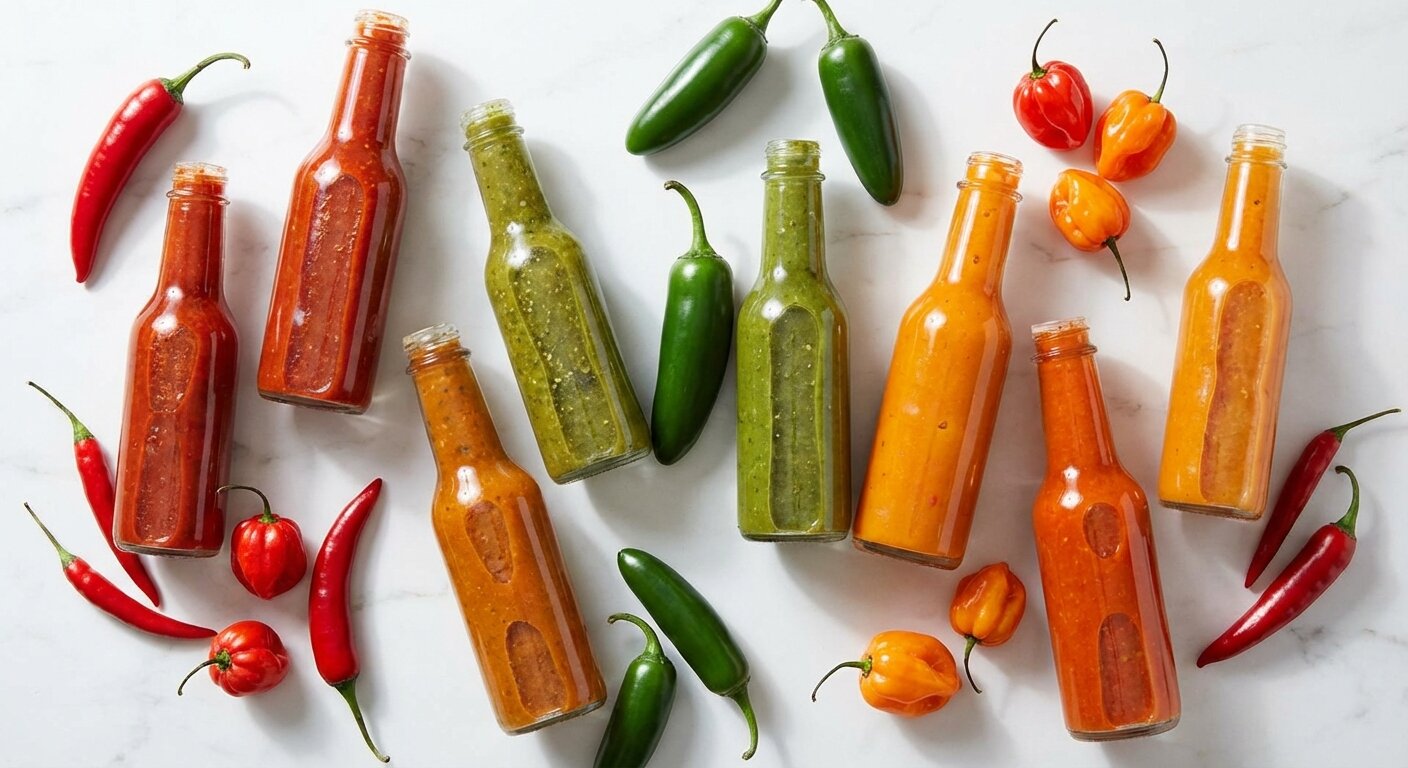
Hot sauce adds heat and flavor to virtually any meal without derailing your macros. Whether you’re tracking for weight loss, muscle building, or maintenance, understanding hot sauce nutrition helps you make informed choices about this popular condiment.
This guide covers everything you need to know about hot sauce macros, including calorie counts, brand comparisons, and how to incorporate hot sauce into your meal planning. If you’re ready to calculate your personalized macro targets, check out our macro calculator for customized recommendations.
Hot Sauce Nutrition Facts
Hot sauce is one of the lowest-calorie condiments available, making it ideal for adding flavor without adding significant macros to your meals.
Standard Hot Sauce Macros (per 1 tsp / 5g)
| Nutrient | Amount |
|---|---|
| Calories | 0-5 |
| Protein | 0g |
| Carbohydrates | 0-1g |
| Fiber | 0g |
| Net Carbs | 0-1g |
| Fat | 0g |
| Sodium | 100-200mg |
Key Characteristics:
- Virtually zero macros per serving
- High sodium content (varies by brand)
- No protein or fat
- Minimal carbohydrates
- Contains capsaicin (compound responsible for heat)
Hot Sauce vs Other Condiments
How does hot sauce compare to other popular condiments?
| Condiment (1 tsp) | Calories | Carbs | Protein | Fat |
|---|---|---|---|---|
| Hot Sauce | 0-5 | 0-1g | 0g | 0g |
| Ketchup | 15-20 | 4-5g | 0g | 0g |
| BBQ Sauce | 15-25 | 4-6g | 0g | 0g |
| Ranch Dressing | 60-80 | 1-2g | 0g | 6-8g |
| Soy Sauce | 5-10 | 1g | 1g | 0g |
| Mustard | 3-5 | 0-1g | 0g | 0g |
Hot sauce and mustard are the lowest-calorie condiment options, making them ideal for macro-conscious eating.
Popular Hot Sauce Brands Compared
Different hot sauce brands have varying macro profiles depending on ingredients and production methods.
Vinegar-Based Hot Sauces (Lowest Calories)
Tabasco Original
- Calories per tsp: 0
- Carbs: 0g
- Ingredients: Red peppers, vinegar, salt
- Heat level: Medium
Frank’s RedHot Original
- Calories per tsp: 0
- Carbs: 0g
- Ingredients: Cayenne peppers, vinegar, garlic powder, salt
- Heat level: Mild-Medium
Cholula Original
- Calories per tsp: 0
- Carbs: 0g
- Ingredients: Peppers, vinegar, water, salt, spices
- Heat level: Medium
Crystal Hot Sauce
- Calories per tsp: 0
- Carbs: 0g
- Ingredients: Cayenne peppers, vinegar, salt
- Heat level: Mild-Medium
Louisiana Hot Sauce
- Calories per tsp: 0
- Carbs: 0g
- Ingredients: Cayenne peppers, vinegar, salt
- Heat level: Mild
Thicker/Sweeter Hot Sauces (Slightly Higher Calories)
Sriracha (Huy Fong)
- Calories per tsp: 5
- Carbs: 1g (includes sugar)
- Ingredients: Chili peppers, sugar, garlic, vinegar, salt
- Heat level: Medium
Tapatio
- Calories per tsp: 0
- Carbs: 0g
- Ingredients: Water, red peppers, salt, spices, garlic, acetic acid
- Heat level: Medium
Valentina
- Calories per tsp: 0
- Carbs: 0g
- Ingredients: Water, chili peppers, vinegar, salt, spices
- Heat level: Mild-Medium
Specialty/Gourmet Hot Sauces
Yellowbird Habanero
- Calories per tsp: 0
- Carbs: 0g
- Ingredients: Habanero peppers, carrots, onions, vinegar, garlic, lime juice
- Heat level: Hot
Secret Aardvark
- Calories per tsp: 5
- Carbs: 1g
- Ingredients: Habanero peppers, tomatoes, carrots, onions, vinegar, mustard, spices
- Heat level: Medium-Hot
Cholula Green Pepper
- Calories per tsp: 0
- Carbs: 0g
- Ingredients: Green peppers, vinegar, water, salt, spices
- Heat level: Mild-Medium
How Hot Sauce Affects Your Macros
Why Hot Sauce Is Considered “Macro-Free”
Hot sauce contains trace amounts of macros, but typical serving sizes are so small that the contribution to daily totals is negligible:
Typical Use Case:
- 1 tsp on eggs: 0-5 calories
- 2 tsp on tacos: 0-10 calories
- 1 tbsp in recipe (4 servings): 0-2 calories per serving
When to Track:
- Using 3+ tablespoons at once
- Consuming sweeter varieties like sriracha regularly
- Preparing large-batch recipes with significant hot sauce content
Hot Sauce in Macro-Friendly Cooking
Hot sauce adds flavor without macro cost, making it ideal for:
Protein Enhancement:
- Buffalo chicken (using Frank’s RedHot)
- Spicy egg whites
- Hot sauce marinated fish
- Kicked-up lean ground turkey
Vegetable Flavor Boost:
- Roasted Brussels sprouts with hot sauce
- Cauliflower buffalo “wings”
- Spicy roasted broccoli
- Hot sauce sautéed greens
Carb-Conscious Options:
- Hot sauce on rice
- Spicy sweet potato wedges
- Hot sauce in black bean recipes
- Kick for oatmeal (savory preparations)
Health Benefits of Hot Sauce
Beyond its negligible macro impact, hot sauce offers several potential health benefits.
Capsaicin Benefits
Capsaicin, the compound that gives peppers their heat, has been studied for various effects:
Metabolism: Some research suggests capsaicin may slightly increase metabolic rate and fat oxidation. The effect is modest but may support weight management when combined with calorie control.
Appetite: Capsaicin may reduce appetite and calorie intake in some individuals, potentially due to the heat sensation or effects on hunger hormones.
Inflammation: Capsaicin has anti-inflammatory properties, though dietary amounts may be too small for significant therapeutic effects.
Pain Relief: Topical capsaicin is used for pain management, and dietary consumption may have mild analgesic effects.
Antioxidant Content
Peppers contain vitamins A and C, both antioxidants that support immune function and cellular health. While hot sauce servings are small, these nutrients contribute to overall antioxidant intake.
Sodium Considerations
Hot sauce is relatively high in sodium (100-200mg per teaspoon). For most people this isn’t concerning, but those watching sodium intake should:
- Monitor portion sizes
- Choose lower-sodium brands if available
- Balance with low-sodium foods throughout the day
- Stay hydrated
Hot Sauce for Different Diets
Keto and Low-Carb
Most hot sauces are keto-friendly with less than 1g net carbs per serving. Best choices:
- Tabasco (0g carbs)
- Frank’s RedHot (0g carbs)
- Cholula (0g carbs)
- Any vinegar-based variety
Watch for: Sweeter varieties like sriracha (1g+ carbs per tsp) or BBQ-flavored hot sauces that may contain added sugar.
Weight Loss
Hot sauce is ideal for weight loss:
- Adds flavor without calories
- May slightly boost metabolism
- Can reduce need for high-calorie sauces
- Makes healthy foods more palatable
- Potentially reduces appetite
Use hot sauce to make lean proteins and vegetables more enjoyable while staying within calorie targets.
Bodybuilding and Muscle Gain
Hot sauce helps during both cutting and bulking phases:
Cutting:
- Keeps food interesting on low calories
- No macro “cost” for flavor
- Helps maintain diet adherence
Bulking:
- Makes large protein portions more appetizing
- Can be added to any meal without affecting macro ratios
- Useful for calorie-dense but bland foods
Plant-Based Diets
Hot sauce is naturally vegan and adds essential flavor to plant-based proteins:
- Spicy tofu scrambles
- Buffalo cauliflower
- Hot sauce hummus
- Spicy lentil dishes
- Kicked-up beans
Check labels as some specialty sauces may contain fish sauce or other animal products.
Tracking Hot Sauce in Your Diet
When to Track
Track hot sauce if:
- Using more than 2 tablespoons in a meal
- Consuming sweeter varieties (sriracha, specialty sauces)
- Tracking sodium intake
- Preparing a recipe that includes significant amounts
Skip tracking if:
- Using small dashes or drizzles
- Sticking to vinegar-based varieties
- Total daily amount is under 1 tablespoon
- You’re not on extremely precise macros
How to Track
Manual Tracking:
- Measure servings: 1 teaspoon = 5g
- Most brands: 0-5 calories per tsp
- Sriracha/sweeter varieties: 5-10 calories per tsp
- Round up if unsure
MyFitnessPal Tips:
- Search “[Brand Name] Hot Sauce”
- Use verified entries (green checkmark)
- Default to brand-specific entries when available
- Most generic entries show 0-5 calories per tsp
Recipe Tracking:
- Measure total amount added to recipe
- Divide by servings
- Add per-serving amount to tracker
- Usually negligible unless using cups
Recipes Using Hot Sauce
Buffalo Chicken Meal Prep
A macro-friendly meal that uses hot sauce as the primary flavor component.
Ingredients (4 servings):
- 1.5 lbs chicken breast
- 1/2 cup Frank’s RedHot
- 2 tbsp butter (optional, for traditional buffalo flavor)
- 4 cups roasted broccoli
- 4 servings rice or quinoa
Macros per serving (with butter):
- Calories: ~400
- Protein: 40g
- Carbs: 35g
- Fat: 10g
Macros per serving (without butter):
- Calories: ~350
- Protein: 40g
- Carbs: 35g
- Fat: 4g
Spicy Egg White Scramble
Perfect high-protein breakfast with minimal calories from hot sauce.
Ingredients (1 serving):
- 1 cup egg whites
- 1 tsp hot sauce (your choice)
- Vegetables (peppers, onions, spinach)
- Salt, pepper
Macros per serving:
- Calories: ~140
- Protein: 28g
- Carbs: 8g (from vegetables)
- Fat: 0g
Cauliflower Buffalo “Wings”
Vegetable-forward meal that uses hot sauce for flavor without macros.
Ingredients (4 servings):
- 1 large head cauliflower, cut into florets
- 3/4 cup Frank’s RedHot
- 2 tbsp olive oil
- Garlic powder, salt
Macros per serving:
- Calories: ~120
- Protein: 3g
- Carbs: 10g
- Fat: 7g
Common Hot Sauce Mistakes
Using Too Much Sodium
While hot sauce itself is low-calorie, excessive sodium intake can cause water retention and blood pressure issues. Balance hot sauce with:
- Fresh herbs and spices
- Citrus juice for acid
- Low-sodium meals throughout the day
- Adequate hydration
Assuming All Hot Sauces Are Equal
Not all hot sauces have the same macro profile:
Low-macro: Tabasco, Frank’s, Cholula, Crystal, Louisiana Slightly higher: Sriracha, Secret Aardvark, BBQ-flavored varieties Watch out for: “Hot” BBQ sauces, sweet chili sauces (often 20+ calories per tbsp)
Overlooking Added Sugar
Some hot sauces contain added sugar or sweeteners:
- Check ingredient lists
- Compare nutrition labels
- Stick to vinegar-based varieties for lowest sugar
- Sriracha contains ~1g sugar per tsp
Not Considering Cooking Methods
How you use hot sauce affects the final dish:
Direct addition: Hot sauce drizzled on cooked food retains all properties Cooked/reduced: Some capsaicin evaporates; flavor concentrates Mixed with fat: Buffalo-style (hot sauce + butter) significantly increases calories
Shopping Guide for Hot Sauce
What to Look For
Label Reading:
- Ingredient list: Peppers, vinegar, salt should be first ingredients
- Added sugar: Minimize for lowest carbs
- Sodium content: Compare brands if watching sodium
- No artificial ingredients: Choose natural options when possible
Best Value Brands:
- Frank’s RedHot: Widely available, versatile, 0 calories
- Cholula: Affordable, great flavor, 0 calories
- Tapatio: Budget-friendly, Mexican-style, 0 calories
- Crystal: Southern-style, mild heat, 0 calories
Specialty Options:
- Yellowbird: Natural ingredients, various heat levels
- Secret Aardvark: Unique flavor, slightly thicker
- Marie Sharp’s: Belizean style, carrot-based sweetness
Storage and Shelf Life
Unopened:
- Store in cool, dark place
- Shelf life: 2-3 years typically
Opened:
- Refrigerate after opening (extends freshness)
- Lasts 6-12 months refrigerated
- Vinegar content prevents spoilage
- Color may darken over time (still safe)
Frequently Asked Questions
Does hot sauce burn fat?
Hot sauce contains capsaicin, which has been shown in some studies to slightly increase metabolism and fat oxidation. However, the effect is modest and shouldn’t be relied upon as a primary fat loss strategy. The real value of hot sauce for fat loss is that it adds flavor to healthy foods without adding calories, making it easier to stick to a calorie-controlled diet.
Can I use hot sauce on a cut?
Yes, hot sauce is ideal for cutting phases. It provides flavor without calories, helps make bland diet foods more palatable, and may provide a slight metabolic boost. Use hot sauce liberally on lean proteins, vegetables, and low-calorie meals to maintain diet adherence.
Why doesn’t my tracker show calories for hot sauce?
Many tracking apps round calories down to zero when they’re below 5 per serving. Since most hot sauces contain 0-5 calories per teaspoon and you’re likely using small amounts, the calorie contribution is negligible. Unless you’re consuming tablespoons at a time, you don’t need to track hot sauce.
Is hot sauce inflammatory or anti-inflammatory?
Capsaicin, the active compound in hot peppers, actually has anti-inflammatory properties. While the heat sensation might feel inflammatory, research suggests capsaicin can reduce inflammation markers in the body. However, some individuals with digestive sensitivities may experience irritation from hot sauce.
Which hot sauce is best for weight loss?
Any hot sauce with 0-5 calories per serving is excellent for weight loss. Top choices include Frank’s RedHot, Tabasco, Cholula, and Crystal. Avoid thick, sweet varieties like some BBQ-style hot sauces which may contain added sugar. The best hot sauce for weight loss is one you enjoy and will actually use to make healthy foods taste better.
Does hot sauce have any protein?
Hot sauce contains trace amounts of protein (less than 0.5g per serving), which is nutritionally insignificant. Don’t count on hot sauce for protein intake—focus on high-protein foods like chicken, fish, eggs, and legumes instead.
Can hot sauce help with appetite control?
Some research suggests capsaicin may reduce appetite and calorie intake, possibly by increasing feelings of fullness or altering hunger hormones. However, individual responses vary, and some people find spicy foods stimulate their appetite. Experiment to see how hot sauce affects your hunger signals.
Is sriracha the same as regular hot sauce nutritionally?
Sriracha contains more calories and carbs than traditional vinegar-based hot sauces due to added sugar and thicker consistency. Expect 5-10 calories and 1g+ carbs per teaspoon of sriracha compared to 0-5 calories and 0g carbs for Frank’s or Tabasco. It’s still a low-calorie condiment, just slightly higher than traditional varieties.
Should I track hot sauce in my macros?
For most people using typical amounts (a few dashes or teaspoons per meal), tracking hot sauce is unnecessary. Track it if you’re using more than 2 tablespoons per meal, consuming sweeter varieties regularly, or following extremely precise macros for competition prep. Otherwise, treat it as a “free” flavor enhancer.
Does cooking with hot sauce change the macros?
Cooking with hot sauce doesn’t significantly change the macro content. Some capsaicin may evaporate with high heat, reducing spiciness but not affecting calories. If you’re creating a reduced sauce by cooking hot sauce with butter or oil, track those added fats as they’ll significantly increase calories.
Conclusion
Hot sauce is one of the most macro-friendly flavor enhancers available, containing virtually zero calories, carbs, protein, or fat in typical serving sizes. Whether you’re cutting, bulking, or maintaining, hot sauce helps make healthy foods more enjoyable without derailing your nutrition goals.
Key Takeaways:
- Most hot sauces contain 0-5 calories per teaspoon
- Vinegar-based varieties (Frank’s, Tabasco, Cholula) are lowest in calories
- Sriracha and sweeter hot sauces contain slightly more carbs due to added sugar
- Hot sauce is generally “free” for macro tracking unless using large amounts
- Capsaicin may provide modest metabolism and appetite benefits
Next Steps:
- Calculate your personalized macros with our macro calculator
- Learn about other low-calorie condiments in our condiment guides
- Explore high-protein recipes that pair well with hot sauce
- Read about macros for weight loss to optimize your nutrition plan
Use hot sauce liberally to make healthy eating more sustainable and enjoyable—your taste buds will thank you, and your macros won’t suffer.
Related Articles
Dragonfruit Macros: Complete Nutrition Guide for Pitaya
Complete macro breakdown of dragonfruit (pitaya). Learn the calories, protein, carbs, and...
Read guide →
Bulgur Macros: Complete Nutritional Guide & Health Benefits
Discover bulgur's complete macro breakdown, nutritional benefits, and how to incorporate...
Read guide →
Radish Macros: Nutrition Facts and Health Benefits
Complete guide to radish macros and nutrition. Learn calories, protein, carbs, and health...
Read guide →Note: Nutrition values are approximate and may vary based on preparation method and source.