Italian Dressing Macros: Complete Nutrition Guide & Brand Comparison
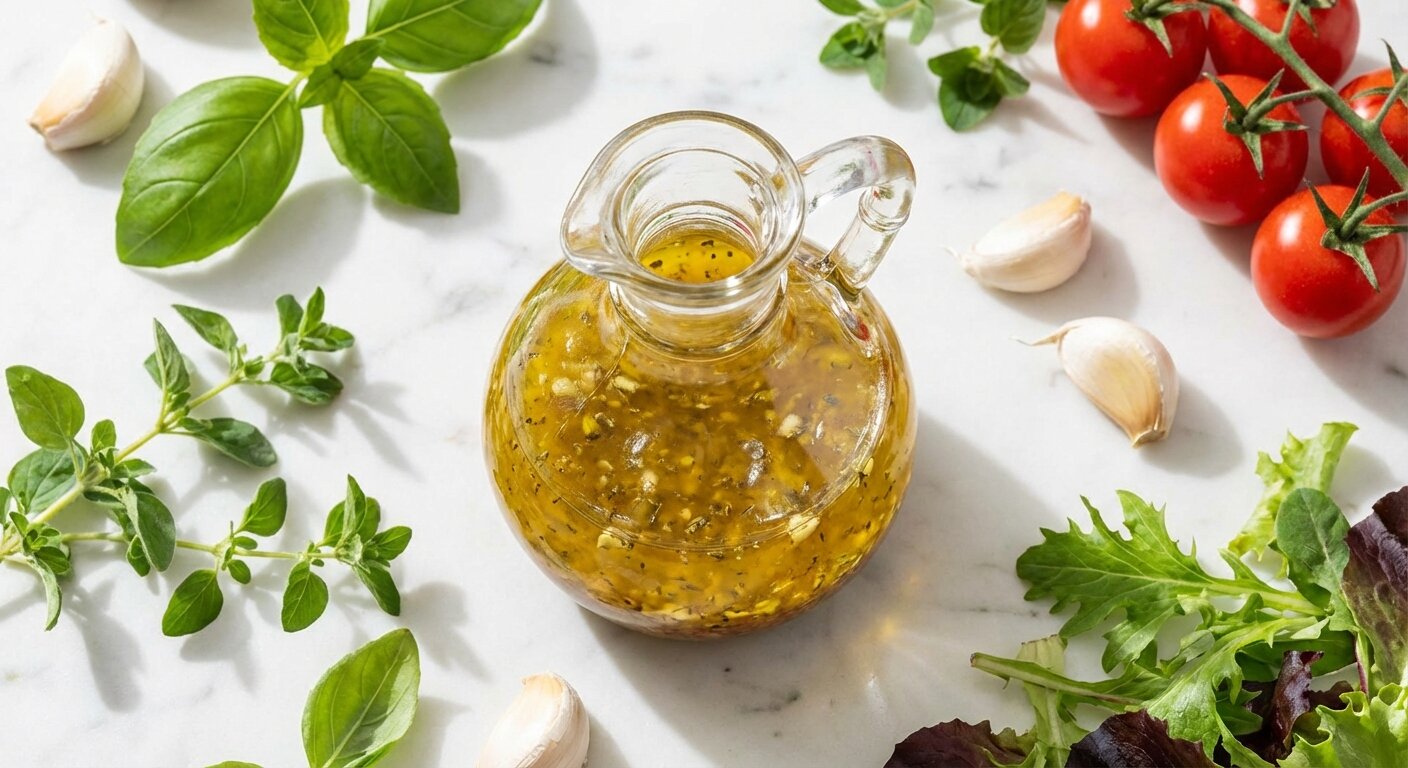
Italian dressing is one of the most popular salad dressings in America, known for its tangy, herb-infused flavor that complements everything from garden salads to pasta dishes and grilled vegetables. But if you’re tracking macros or managing your calorie intake, understanding the nutritional profile of Italian dressing is essential for making informed dietary choices.
Whether you prefer creamy or vinaigrette-style Italian dressing, the calories and macros can vary significantly between brands, preparation methods, and fat content. This comprehensive guide breaks down everything you need to know about Italian dressing nutrition, from standard serving sizes and macro breakdowns to brand comparisons, healthy alternatives, and practical tips for incorporating Italian dressing into your meal plan without derailing your diet goals.
Ready to make smarter choices with your salad dressing? Use our macro calculator to determine how Italian dressing fits into your personalized nutrition plan.
Related: Learn more about what macros are and how they impact your diet.
Italian Dressing Macros Overview
Standard Italian Dressing Nutrition Facts
Per 1 tablespoon (15ml) serving of regular Italian dressing:
- Calories: 50-70
- Protein: 0g
- Carbohydrates: 1-2g
- Fiber: 0g
- Net Carbs: 1-2g
- Fat: 5-7g
- Saturated Fat: 0.5-1g
- Monounsaturated Fat: 2-3g
- Polyunsaturated Fat: 2-3g
- Sodium: 150-240mg
Per 2 tablespoons (30ml) serving (typical salad portion):
- Calories: 100-140
- Protein: 0-1g
- Carbohydrates: 2-4g
- Fat: 10-14g
- Sodium: 300-480mg
Macro Percentage Breakdown
Italian dressing is a high-fat, low-carb condiment with the following macro distribution:
- Fat: 85-90% of total calories
- Carbohydrates: 10-15% of total calories
- Protein: 0-5% of total calories
This macro profile makes Italian dressing naturally compatible with ketogenic and low-carb diets, though portion control remains important for calorie management.
Types of Italian Dressing: Calorie & Macro Comparison
Italian dressing comes in several varieties, each with distinct nutritional profiles. Understanding these differences helps you choose the best option for your dietary goals.
1. Regular Italian Dressing (Oil-Based)
Traditional Italian vinaigrette uses a 3:1 ratio of oil to vinegar, creating a low-carb, high-fat dressing.
Per tablespoon:
- Calories: 60-70
- Fat: 7g
- Carbs: 1g
- Protein: 0g
Best for: Keto, low-carb diets, those seeking healthy fats Key characteristics: Simple ingredients, robust flavor, separates naturally (requires shaking)
2. Creamy Italian Dressing
Contains mayonnaise, sour cream, or buttermilk for a smooth, thick consistency with more calories.
Per tablespoon:
- Calories: 50-80
- Fat: 5-8g
- Carbs: 1-2g
- Protein: 0-1g
Best for: Moderate-fat diets, those who prefer creamy textures Key characteristics: Emulsified (doesn’t separate), richer flavor, often contains dairy
3. Light/Reduced-Fat Italian Dressing
Uses less oil and more water, vinegar, and thickeners to reduce calories and fat.
Per tablespoon:
- Calories: 15-35
- Fat: 1-3g
- Carbs: 2-3g
- Protein: 0g
Best for: Weight loss, calorie restriction, fat-restricted diets Key characteristics: More additives/thickeners, higher carb ratio, less satisfying flavor
4. Fat-Free Italian Dressing
Replaces oil with water, vinegar, and multiple thickeners and sweeteners.
Per tablespoon:
- Calories: 10-20
- Fat: 0g
- Carbs: 3-5g
- Protein: 0g
Best for: Very low-fat diets (rarely recommended) Key characteristics: Highest carb content, most additives, poorest satiety, compromised flavor
5. Homemade Italian Dressing
Complete control over ingredients and ratios allows customization for any dietary goal.
Per tablespoon (classic 3:1 oil:vinegar ratio):
- Calories: 65-75
- Fat: 7-8g
- Carbs: 0.5-1g
- Protein: 0g
Best for: All diets, those avoiding preservatives and additives Key characteristics: Freshest flavor, no preservatives, adjustable macro ratios, most cost-effective
Popular Italian Dressing Brand Comparison
Different brands vary significantly in calories, fat content, and ingredient quality. Here’s a comprehensive comparison to help you make informed choices.
Regular Italian Dressing Brands
| Brand | Calories (per 2 tbsp) | Fat | Carbs | Protein | Sodium | Key Ingredients |
|---|---|---|---|---|---|---|
| Kraft Zesty Italian | 110 | 11g | 3g | 0g | 510mg | Soybean oil, vinegar, water, sugar, salt, garlic |
| Wishbone Italian | 140 | 14g | 4g | 0g | 440mg | Soybean oil, vinegar, water, sugar, salt, spices |
| Newman’s Own Family Recipe Italian | 120 | 12g | 2g | 0g | 360mg | Olive oil, vinegar, water, salt, spices (no sugar) |
| Ken’s Steak House Italian | 130 | 13g | 3g | 0g | 480mg | Soybean oil, vinegar, water, sugar, salt, Romano cheese |
| Olive Garden Italian | 80 | 8g | 2g | 0g | 390mg | Soybean oil, vinegar, water, salt, sugar, Romano cheese |
| Brianna’s Italian Vinaigrette | 110 | 11g | 2g | 0g | 280mg | Canola oil, vinegar, water, spices, no sugar |
| Good Seasons Italian (prepared) | 130 | 14g | 1g | 0g | 320mg | Your oil choice, vinegar, water, seasoning packet |
Light/Reduced-Fat Italian Dressing Brands
| Brand | Calories (per 2 tbsp) | Fat | Carbs | Protein | Sodium | Sugar |
|---|---|---|---|---|---|---|
| Kraft Light Zesty Italian | 50 | 4g | 3g | 0g | 470mg | 2g |
| Wishbone Light Italian | 70 | 6g | 4g | 0g | 490mg | 3g |
| Newman’s Own Lite Italian | 60 | 5g | 3g | 0g | 350mg | 2g |
| Ken’s Lite Northern Italian | 45 | 4g | 3g | 0g | 390mg | 2g |
Premium/Specialty Italian Dressing Brands
| Brand | Calories (per 2 tbsp) | Fat | Carbs | Oil Type | Price Point |
|---|---|---|---|---|---|
| Primal Kitchen Italian Vinaigrette | 100 | 11g | 1g | Avocado oil | $$$ |
| Tessemae’s Organic Italian | 120 | 13g | 1g | Olive oil | $$$ |
| Annie’s Organic Italian | 80 | 8g | 2g | Olive oil | $$ |
| Trader Joe’s Italian Dressing | 120 | 12g | 2g | Olive oil blend | $ |
Key Takeaways from Brand Comparison
Highest calorie: Wishbone Italian (140 calories per 2 tbsp) Lowest calorie (regular): Olive Garden Italian (80 calories per 2 tbsp) Lowest sodium: Brianna’s Italian (280mg per 2 tbsp) Best ingredient quality: Primal Kitchen, Tessemae’s (avocado/olive oil, no sugar, organic) Best value: Good Seasons (you control oil quality, most servings per dollar) Most sugar: Wishbone brands (3-4g per 2 tbsp)
Healthy Italian Dressing Alternatives
If you’re looking to reduce calories, improve ingredient quality, or customize macros, these alternatives offer excellent options.
1. Homemade Classic Italian Dressing
Ingredients:
- 3/4 cup extra virgin olive oil
- 1/4 cup red wine vinegar or white wine vinegar
- 2 cloves garlic, minced
- 1 tsp dried oregano
- 1 tsp dried basil
- 1/2 tsp salt
- 1/4 tsp black pepper
- 1/4 tsp red pepper flakes (optional)
Per tablespoon: 90 calories, 10g fat, 0.5g carbs, 0g protein
Benefits: Complete control over oil quality, no preservatives, fresh herb flavor, zero sugar
Storage: Refrigerate up to 2 weeks; shake before each use
2. Light Homemade Italian (50% Less Oil)
Reduce oil by half and increase vinegar to maintain flavor while cutting calories by 50%.
Modified ratio:
- 1/2 cup olive oil
- 1/2 cup red wine vinegar
- Same seasonings as classic recipe
- Add 1-2 tbsp lemon juice for extra tang
Per tablespoon: 45 calories, 5g fat, 1g carbs, 0g protein
Benefits: Significantly lower calories, more vinegar = more polyphenols, tangier flavor profile
3. Greek-Style Lemon Herb Dressing
Similar herb profile with bright lemon flavor instead of Italian seasoning.
Ingredients:
- 1/2 cup olive oil
- 1/4 cup lemon juice
- 2 tbsp red wine vinegar
- 2 cloves garlic
- 1 tsp dried dill
- 1 tsp dried oregano
- Salt and pepper to taste
Per tablespoon: 80 calories, 9g fat, 1g carbs, 0g protein
Benefits: Vitamin C from lemon, Mediterranean diet-friendly, pairs well with Greek salads
4. Balsamic Italian Fusion
Combines Italian herbs with the sweetness of balsamic vinegar for a unique flavor profile.
Ingredients:
- 1/2 cup olive oil
- 1/4 cup balsamic vinegar
- 2 tbsp red wine vinegar
- Italian seasonings
- 1 tsp Dijon mustard (emulsifier)
Per tablespoon: 85 calories, 9g fat, 2g carbs, 0g protein
Benefits: Richer flavor, natural sweetness (no added sugar needed), emulsifies better with mustard
5. Avocado Oil Italian Dressing
Replace olive oil with avocado oil for higher smoke point and neutral flavor.
Ingredients:
- 3/4 cup avocado oil
- 1/4 cup white wine vinegar
- Italian seasonings (same as classic)
Per tablespoon: 90 calories, 10g fat, 0.5g carbs, 0g protein
Benefits: Higher in oleic acid, better for cooking/grilling, neutral flavor lets herbs shine
6. Creamy Yogurt Italian Dressing
Use Greek yogurt as base for a protein-rich, lower-calorie creamy option.
Ingredients:
- 1/2 cup plain Greek yogurt (2% or full-fat)
- 2 tbsp olive oil
- 2 tbsp red wine vinegar
- 1 tbsp lemon juice
- Italian seasonings
- Salt and pepper
Per tablespoon: 25 calories, 2g fat, 1g carbs, 1g protein
Benefits: Protein boost, probiotic benefits, creamy texture with fewer calories, more filling
Italian Dressing Nutrition: Complete Breakdown
Beyond macros, Italian dressing provides various micronutrients and health considerations.
Vitamins and Minerals
Italian dressing’s nutritional value depends heavily on ingredients and oil quality:
Good sources of:
- Vitamin E: 1-2mg per 2 tbsp (from olive oil)
- Vitamin K: 10-20mcg per 2 tbsp (from olive oil and herbs)
Minimal amounts of:
- Calcium: 5-20mg per 2 tbsp (higher in creamy versions with dairy)
- Iron: 0.1-0.3mg per 2 tbsp
- Potassium: 5-15mg per 2 tbsp
Sodium Content Considerations
Most commercial Italian dressings are high in sodium (300-500mg per 2 tbsp serving), which represents 13-22% of the daily recommended limit.
High-sodium brands to watch:
- Kraft Zesty Italian: 510mg per 2 tbsp
- Wishbone Light Italian: 490mg per 2 tbsp
- Ken’s Steak House Italian: 480mg per 2 tbsp
Lower-sodium options:
- Brianna’s Italian: 280mg per 2 tbsp
- Newman’s Own: 360mg per 2 tbsp
- Homemade (controlled): 100-200mg per 2 tbsp
Recommendations:
- If you’re sodium-sensitive or managing blood pressure, choose homemade or low-sodium brands
- Limit dressing to 1-2 tablespoons per meal
- Balance with low-sodium foods throughout the day
Sugar Content in Italian Dressing
Many commercial brands add sugar to balance acidity, but it’s unnecessary in quality dressings:
Sugar-free brands:
- Newman’s Own Family Recipe Italian (0g sugar)
- Brianna’s Italian Vinaigrette (0g sugar)
- Primal Kitchen Italian (0g sugar)
Higher-sugar brands to avoid:
- Wishbone Italian: 3-4g sugar per 2 tbsp
- Kraft Zesty Italian: 2-3g sugar per 2 tbsp
Health impact: While 2-4g sugar per serving isn’t excessive, it’s unnecessary and adds empty calories. Choose unsweetened versions or make your own.
Fat Quality in Italian Dressing
The type of fat in Italian dressing significantly impacts health benefits:
Healthy fat sources (best choices):
- Extra virgin olive oil: High in monounsaturated fats, polyphenols, oleic acid
- Avocado oil: High in oleic acid, stable at high temperatures
- Benefits: Heart health, anti-inflammatory properties, satiety
Lower-quality fat sources (common in cheap brands):
- Soybean oil: High in omega-6 fatty acids, often highly processed
- Canola oil: Moderate quality, highly processed, neutral flavor
- Concerns: Inflammatory potential from excess omega-6, lack of polyphenols
Recommendation: Always check the ingredient list. The first ingredient should be a quality oil. Avoid dressings listing “vegetable oil” (usually soybean) as the primary fat source.
Italian Dressing for Different Diet Goals
How Italian dressing fits into various eating plans and dietary approaches.
Italian Dressing for Weight Loss
Portion control is key: At 50-70 calories per tablespoon, Italian dressing can quickly add up.
Best practices:
- Measure portions: Use 1-2 tablespoons maximum per large salad
- Choose light versions: 15-35 calories per tablespoon saves 35-50 calories
- Dip, don’t pour: Dip fork in dressing before each bite to use less
- Dilute with vinegar: Add extra red wine vinegar to stretch dressing further
- Make it yourself: Control oil content for maximum calorie savings
Weight loss tip: One tablespoon of regular Italian dressing (60 calories) is enough to flavor a large salad when tossed thoroughly. Measuring prevents the common mistake of using 3-4 tablespoons (180-240 calories).
Italian Dressing for Keto and Low-Carb Diets
Italian dressing is naturally keto-friendly with minimal carbs and high healthy fats.
Why it works:
- Low net carbs: 1-2g per serving fits easily into 20-50g daily limit
- Healthy fats: Helps meet 70-75% fat macro target
- No sugar needed: Quality brands avoid added sugars
Best keto choices:
- Regular full-fat Italian dressing (never light or fat-free)
- Brands with 0-1g carbs per tablespoon
- Homemade with quality olive or avocado oil
Avoid on keto:
- Light or fat-free versions (higher carbs, more additives)
- Brands with added sugar or honey
- Creamy versions with buttermilk or skim milk (higher carbs)
Keto serving suggestion: 2-3 tablespoons per salad provides 14-21g fat and only 2-3g carbs, perfect for maintaining ketosis while adding flavor and satiety.
Italian Dressing for Muscle Building and Bulking
Adding healthy fats through Italian dressing supports calorie surplus goals without excessive volume.
Benefits for bulking:
- Calorie-dense: 100-140 calories per 2 tbsp adds easy energy
- Healthy fats: Supports hormone production and vitamin absorption
- Makes vegetables palatable: Helps consume more nutrient-dense foods
- Meal prep friendly: Pre-portioned dressing containers simplify tracking
Bulking strategy:
- Use regular or creamy Italian dressing (not light versions)
- Add 2-3 tablespoons to large salads (200-300 calories)
- Drizzle on roasted vegetables for extra calories and flavor
- Use as marinade for chicken, fish, or steak
Nutrient timing: Pair Italian dressing with protein-rich salads (grilled chicken, hard-boiled eggs, chickpeas) for balanced post-workout meals.
Italian Dressing for Heart Health
Quality Italian dressing made with extra virgin olive oil offers cardiovascular benefits.
Heart-healthy benefits:
- Monounsaturated fats: Lower LDL cholesterol, improve heart health
- Polyphenols: Anti-inflammatory compounds in olive oil
- Omega-3 fatty acids: Small amounts support cardiovascular function
- Antioxidants: Protect against oxidative stress
Best practices for heart health:
- Choose dressings made with extra virgin olive oil (highest polyphenol content)
- Limit sodium to 200-300mg per serving
- Avoid trans fats and highly processed oils
- Make homemade versions with cold-pressed olive oil
Mediterranean diet alignment: Italian dressing fits perfectly into the Mediterranean eating pattern when made with quality olive oil, herbs, and minimal salt.
Italian Dressing for Vegetarian and Vegan Diets
Most Italian dressings are naturally vegetarian and many are vegan.
Vegan considerations:
- Check for dairy: Creamy versions often contain Parmesan, buttermilk, or sour cream
- Avoid brands with cheese: Ken’s, Kraft creamy, Olive Garden signature
- Look for: Oil-based vinaigrettes, which are naturally plant-based
Vegan-friendly brands:
- Newman’s Own Family Recipe Italian (olive oil-based)
- Brianna’s Italian Vinaigrette
- Primal Kitchen Italian (check label, some varieties contain honey)
- Tessemae’s Organic Italian
- All homemade vinaigrette recipes (use no honey)
Plant-based tip: Combine Italian dressing with bean-based salads (chickpeas, black beans, lentils) for complete plant protein and satisfying meals.
Smart Ways to Use Italian Dressing
Beyond salads, Italian dressing offers versatility as a marinade, sauce, and flavor enhancer.
1. Salad Dressing (Classic Use)
Best salads for Italian dressing:
- Mixed greens with tomatoes, cucumbers, and olives (Mediterranean salad)
- Antipasto salad with salami, cheese, pepperoncini, and vegetables
- Chopped salad with romaine, radicchio, chickpeas, and red onion
- Caprese salad with mozzarella, tomatoes, and basil
Pro tip: Add dressing to salad just before serving to prevent wilting. Toss thoroughly so every piece is lightly coated rather than pooling at the bottom.
2. Marinade for Meat and Seafood
Italian dressing makes an excellent marinade due to its acid content (vinegar) which tenderizes proteins.
Best proteins for Italian dressing marinade:
- Chicken breasts or thighs: 2-4 hours or overnight
- Pork chops or tenderloin: 2-6 hours
- Fish (salmon, tilapia, mahi-mahi): 30 minutes to 1 hour (shorter to avoid over-tenderizing)
- Shrimp: 15-30 minutes
- Steak (flank, sirloin, skirt): 2-8 hours
Marinating tips:
- Use 1/4 to 1/2 cup dressing per pound of protein
- Place in sealed bag or covered container in refrigerator
- Don’t reuse marinade that touched raw meat (food safety)
- Pat dry before grilling or pan-searing for better browning
3. Pasta Salad Dressing
Italian dressing is the classic choice for pasta salad, providing tangy flavor without mayonnaise.
Basic Italian pasta salad:
- 1 lb cooked pasta (rotini, penne, or bowtie)
- 1/2 cup Italian dressing
- 1 cup cherry tomatoes, halved
- 1 cup cucumber, diced
- 1/2 cup red onion, sliced thin
- 1/2 cup black olives, sliced
- 1/2 cup Parmesan cheese, shredded (optional)
Macro-friendly tip: Use whole wheat or chickpea pasta for extra protein and fiber. The 1/2 cup dressing for 8 servings = only 1 tablespoon per portion.
4. Roasted Vegetable Enhancer
Drizzle Italian dressing over roasted vegetables before or after cooking for extra flavor and healthy fats.
Best vegetables for Italian dressing:
- Zucchini and summer squash
- Bell peppers (all colors)
- Cauliflower and broccoli
- Asparagus
- Mushrooms
- Brussels sprouts
- Cherry tomatoes
Roasting method:
- Toss vegetables with 2-3 tablespoons Italian dressing
- Spread on baking sheet in single layer
- Roast at 425°F for 20-30 minutes until caramelized
- Drizzle with additional dressing after roasting (optional)
5. Grain Bowl Dressing
Add Italian dressing to grain bowls for Mediterranean-inspired meals.
Macro-balanced Italian grain bowl:
- 1 cup cooked quinoa or farro (base)
- 4 oz grilled chicken or chickpeas (protein)
- 1 cup mixed roasted vegetables (fiber & nutrients)
- 2 tbsp Italian dressing (healthy fats)
- Fresh herbs and crumbled feta (optional)
Macros per bowl: ~450 calories, 30g protein, 45g carbs, 15g fat
6. Sandwich and Wrap Spread
Replace mayonnaise with Italian dressing for tangier, lower-calorie sandwiches.
Best applications:
- Italian sub sandwiches (classic use)
- Grilled chicken wraps
- Turkey and veggie sandwiches
- Panini before grilling
Calorie savings: 1 tablespoon Italian dressing (60 calories) vs. 1 tablespoon mayonnaise (90-100 calories) = 30-40 calorie savings per sandwich.
Meal Prep Tips with Italian Dressing
Efficient strategies for incorporating Italian dressing into weekly meal prep.
Batch-Making Homemade Italian Dressing
Standard batch recipe (makes ~1.5 cups, 24 tablespoons):
- 1 cup extra virgin olive oil
- 1/3 cup red wine vinegar
- 3 cloves garlic, minced
- 1 tbsp dried oregano
- 1 tbsp dried basil
- 1 tsp salt
- 1/2 tsp black pepper
- 1/2 tsp red pepper flakes
Storage: Refrigerate in airtight container or glass jar up to 2 weeks
Cost analysis: Homemade costs approximately $3-5 per batch vs. $4-6 for 16 oz bottle of premium brand
Time investment: 5 minutes to prepare (significant time savings over weekly grocery trips)
Pre-Portioning for Accurate Tracking
Avoid over-pouring by pre-measuring dressing into small containers.
Methods:
- Mini sauce containers: 1-2 oz containers (meal prep section of stores)
- Silicone muffin cups: Fill with measured dressing, cover with plastic wrap
- Ice cube trays: Freeze dressing in 1 tablespoon portions (thaw as needed)
Benefits:
- Precise macro tracking
- Prevents over-use that derails calorie goals
- Convenient for packed lunches
- Reduces decision fatigue
Marinated Protein Meal Prep
Prepare a week’s worth of marinated proteins at once using Italian dressing.
Sunday meal prep routine:
- Purchase proteins: 3-4 lbs chicken breast, thighs, or fish
- Divide into portions: 5-6 oz per meal (raw weight)
- Marinate separately: Place each portion in zip-lock bag with 2-3 tbsp Italian dressing
- Label and refrigerate: Use within 3-4 days, or freeze for longer storage
- Cook as needed: Grill, bake, or pan-sear directly from marinade
Macro tip: Account for dressing in your macros. If you use 2 tbsp per portion and half drips off during cooking, count 1 tbsp (60 calories) in your tracking.
Salad-in-a-Jar Method
Layer salad ingredients in mason jars with dressing at the bottom for grab-and-go meals.
Layering order (bottom to top):
- Italian dressing (2 tbsp in bottom)
- Hard vegetables (cucumbers, carrots, bell peppers)
- Protein (grilled chicken, chickpeas, hard-boiled eggs)
- Grains (quinoa, farro, optional)
- Soft vegetables (tomatoes, avocado)
- Greens (romaine, arugula, spinach packed tight on top)
Benefits:
- Dressing at bottom prevents sogginess
- Lasts 3-5 days in refrigerator
- Shake to distribute dressing when ready to eat
- Portable for work or travel
Macro tracking: Build each jar identically for consistent macros, or label each jar with calorie/macro content.
Common Italian Dressing Mistakes to Avoid
1. Over-Pouring Dressing
The problem: Most people pour 3-4 tablespoons instead of the recommended 1-2, adding 180-280 unnecessary calories.
The solution:
- Measure dressing with a tablespoon (level, not heaping)
- Use dressing on the side and dip fork method
- Pre-portion into small containers
- Remember: 2 tablespoons is plenty for a large salad when tossed thoroughly
2. Choosing Fat-Free Versions for Health
The problem: Fat-free Italian dressing contains more sugar, carbs, and chemical additives to compensate for removed fat. It’s less satisfying and can lead to overconsumption.
The solution:
- Choose regular or light versions (not fat-free)
- Healthy fats in dressing help absorb fat-soluble vitamins (A, D, E, K) from salad vegetables
- Fat increases satiety and prevents post-salad hunger
3. Not Reading Ingredient Labels
The problem: Many commercial brands use low-quality oils (soybean, “vegetable oil”), excessive sodium, and unnecessary sugars.
The solution:
- Check ingredients: first should be olive oil or avocado oil
- Avoid brands with soybean oil as primary fat
- Look for minimal ingredients (oil, vinegar, herbs, salt)
- Compare sodium content between brands (choose under 300mg per 2 tbsp)
4. Using Expired or Improperly Stored Dressing
The problem: Oil-based dressings can go rancid, losing flavor and health benefits, while creating off-tastes.
The solution:
- Store in refrigerator after opening (not pantry)
- Check expiration dates, especially for homemade versions
- Smell before using: rancid oil has a crayons/paint-like smell
- Homemade lasts 2 weeks refrigerated; commercial lasts 3-4 months opened
5. Assuming All Italian Dressings Are Low-Carb
The problem: Light and fat-free versions can contain 3-5g carbs per tablespoon due to added thickeners and sweeteners.
The solution:
- Always check nutrition labels for carb content
- Choose regular full-fat versions for keto and low-carb diets
- Avoid brands with sugar, corn syrup, or maltodextrin in top 5 ingredients
6. Not Accounting for Dressing in Macro Tracking
The problem: Small amounts of dressing add up quickly—3 tablespoons per day = 180-210 calories that derail weight loss if untracked.
The solution:
- Log dressing in your food diary every time you use it
- Measure rather than eyeball portions
- Pre-portion weekly dressing to stay accountable
- Remember: condiments count toward total daily calories and macros
Frequently Asked Questions About Italian Dressing Macros
Does Italian dressing have protein?
No, Italian dressing contains essentially zero protein—typically 0g per tablespoon, occasionally 0.5g in creamy versions with dairy. Italian dressing is primarily composed of fats (from oil) and minimal carbohydrates (from vinegar and seasonings). To add protein to your salad, focus on protein-rich toppings like grilled chicken (31g protein per 4 oz), hard-boiled eggs (6g protein per egg), chickpeas (7g protein per 1/2 cup), tuna (20g protein per 3 oz can), or Greek yogurt-based dressings instead.
Can I eat Italian dressing every day?
Yes, you can eat Italian dressing daily as part of a balanced diet, provided you practice portion control and choose quality brands. One to two tablespoons per day adds minimal calories (35-140) and fits easily into most macro plans. For optimal health, choose Italian dressing made with extra virgin olive oil for heart-healthy monounsaturated fats and anti-inflammatory polyphenols. Watch sodium intake if you’re salt-sensitive—some brands contain 500mg+ per serving, which is 20-25% of daily limits. Homemade versions allow complete control over ingredients and sodium content, making them ideal for daily consumption.
Is Italian dressing healthier than ranch dressing?
Italian dressing is generally healthier than ranch dressing, but it depends on the specific brands and preparation methods. Italian dressing typically contains 50-70 calories per tablespoon compared to ranch’s 60-80 calories, and it naturally contains no protein while ranch has 0-1g. The key advantage of Italian dressing is ingredient quality: oil-based Italian dressings made with olive oil provide heart-healthy monounsaturated fats and polyphenols, while ranch typically uses mayonnaise and sour cream (higher in saturated fat). However, ranch provides more satiety due to its creamy, protein-rich base. For heart health and lower calories, choose Italian; for satiety and protein, choose ranch in moderation.
What can I substitute for Italian dressing to lower calories?
To lower calories while maintaining Italian flavor, try these substitutions: (1) Diluted Italian dressing: Mix equal parts Italian dressing and red wine vinegar to cut calories by 50% while preserving tangy flavor; (2) Balsamic vinegar: Use plain balsamic vinegar (20 calories per tablespoon) with Italian herbs for 70% calorie reduction; (3) Lemon juice + herbs: Squeeze fresh lemon juice over salad and add Italian seasonings for nearly zero calories; (4) Greek yogurt Italian: Mix 2 tbsp Greek yogurt with 1 tsp Italian dressing for 30 calories with protein boost; (5) Vinegar-based marinara: Thin marinara sauce with red wine vinegar for a thick, flavorful, low-calorie dressing alternative. Each option dramatically reduces calories while maintaining Italian flavor profiles.
Does homemade Italian dressing have fewer calories than store-bought?
Homemade Italian dressing typically has similar or slightly higher calories compared to store-bought (70-90 calories per tablespoon vs. 50-70 for commercial brands) because you use pure oil without fillers, water, or thickeners that commercial brands add to reduce cost and calories. However, homemade is healthier despite similar calories because you control oil quality (extra virgin olive oil vs. cheap soybean oil), eliminate preservatives and additives, remove unnecessary sugars, and adjust sodium levels. The caloric trade-off is worthwhile for ingredient quality. If calorie reduction is your priority, make homemade Italian with a 1:1 oil-to-vinegar ratio instead of traditional 3:1 ratio to cut calories by approximately 50% while maintaining robust flavor.
Is Italian dressing good for weight loss?
Italian dressing can support weight loss when used in proper portions (1-2 tablespoons per salad) and chosen wisely. Light Italian dressing contains 15-35 calories per tablespoon, making it an excellent low-calorie option that adds flavor to vegetable-heavy meals without significantly impacting calorie budgets. Regular Italian dressing, while higher in calories (50-70 per tablespoon), provides healthy fats that increase satiety and help prevent overeating later. The key to weight loss success with Italian dressing is accurate measurement—using a tablespoon rather than free-pouring, which can easily result in consuming 3-4 servings (150-280 calories) without realizing it. Pair Italian dressing with protein-rich, fiber-filled salads for maximum fullness with minimal calories.
Can I use Italian dressing on keto?
Yes, Italian dressing is excellent for keto diets due to its naturally high-fat, low-carb composition. Regular Italian dressing contains only 1-2g net carbs per tablespoon and 5-7g fat, making it a perfect condiment for meeting keto macro ratios (70-75% fat, 20-25% protein, 5-10% carbs). Always choose full-fat, regular Italian dressing—never light or fat-free versions, which replace healthy fats with carb-heavy thickeners and sweeteners (3-5g carbs per tablespoon). Check labels to ensure no added sugar, honey, or corn syrup. The best keto choices are brands made with olive oil or avocado oil, such as Primal Kitchen, Newman’s Own Family Recipe, or homemade versions. Use 2-3 tablespoons per salad to add satisfying fats without exceeding carb limits.
How long does homemade Italian dressing last?
Homemade Italian dressing lasts 1-2 weeks when stored properly in the refrigerator in an airtight container or glass jar. The high acid content (vinegar) acts as a natural preservative, preventing bacterial growth. Oil-based dressings without dairy or eggs last longer than creamy versions. To maximize freshness: (1) Store in glass jars with tight-sealing lids to prevent air exposure; (2) Always refrigerate, never leave at room temperature; (3) Shake well before each use as separation is natural; (4) Use clean utensils when pouring to avoid contamination; (5) Check for signs of spoilage—off smell, mold, or rancid oil taste. If using fresh garlic instead of garlic powder, consume within 5-7 days to prevent botulism risk. Freeze in ice cube trays for longer storage (up to 3 months), thawing individual portions as needed.
What is the best Italian dressing for diabetics?
The best Italian dressing for diabetics is one with no added sugar, minimal carbohydrates, and made with healthy fats that won’t spike blood sugar. Choose regular, full-fat Italian dressing rather than light or fat-free versions, which contain more carbs and sweeteners. Top choices include Newman’s Own Family Recipe Italian (0g sugar, 2g total carbs), Brianna’s Italian Vinaigrette (0g sugar, 2g total carbs), and Primal Kitchen Italian (0g sugar, 1g total carbs made with avocado oil). Homemade Italian dressing is ideal because you control every ingredient, eliminating all sugar while using extra virgin olive oil for blood sugar stability and cardiovascular benefits. Avoid brands with sugar, honey, corn syrup, or maltodextrin in ingredients. The healthy fats in quality Italian dressing actually help stabilize blood sugar by slowing carbohydrate absorption from meals.
Can Italian dressing go bad?
Yes, Italian dressing can go bad, though the timeline depends on whether it’s store-bought or homemade and how it’s stored. Commercial Italian dressing lasts 3-4 months after opening when refrigerated, and 12-18 months unopened when stored in a cool, dark pantry. Homemade Italian dressing lasts only 1-2 weeks refrigerated due to lack of preservatives. Signs Italian dressing has gone bad include: (1) Rancid smell: Off-putting, paint-like, or crayon-like odor from oxidized oil; (2) Mold growth: Visible mold spots, usually white or green, especially around lid; (3) Color changes: Darkening or cloudiness beyond normal separation; (4) Taste: Bitter, sour, or unpleasant flavors different from normal tang; (5) Texture: Excessive thickness or sliminess indicating bacterial growth. Always refrigerate after opening, use clean utensils to prevent contamination, and when in doubt, throw it out—spoiled dressing can cause foodborne illness.
Conclusion: Making Italian Dressing Work for Your Macros
Italian dressing is a versatile, flavorful condiment that fits into virtually any dietary approach when used thoughtfully. With 50-70 calories and 1-2g net carbs per tablespoon for regular versions, Italian dressing provides healthy fats from quality oils, enhances the palatability of nutrient-dense vegetables, and adds authentic Italian flavor to countless dishes beyond salads.
Key takeaways for macro-conscious eating:
- Measure portions: Use 1-2 tablespoons per salad to control calories accurately
- Choose quality brands: Look for olive oil or avocado oil as first ingredient, minimal additives, and no added sugar
- Match to your goals: Regular for keto/low-carb, light for weight loss, homemade for complete control
- Read labels carefully: Sodium, sugar, and oil quality vary dramatically between brands
- Make it yourself: Homemade Italian dressing offers the best ingredient quality at the lowest cost
Whether you’re tracking macros for weight loss, muscle building, keto, or general health, Italian dressing can enhance your meals without derailing your goals. The combination of healthy fats, minimal carbs, and bold flavor makes it an ideal condiment for macro-friendly eating.
Ready to create a personalized nutrition plan that includes all your favorite foods? Use our macro calculator to determine your optimal daily targets based on your goals, activity level, and preferences. With the right macro balance, you can enjoy Italian dressing and other flavorful foods while making consistent progress toward your health and fitness goals.
Related articles you might find helpful:
- Ranch Dressing Macros - Compare Italian to another popular dressing
- Olive Oil Macros - Learn about the base ingredient in Italian dressing
- Tomato Macros - A common salad ingredient paired with Italian dressing
- Macro Calculator Guide - Calculate your personalized macro targets
Related Articles
Dragonfruit Macros: Complete Nutrition Guide for Pitaya
Complete macro breakdown of dragonfruit (pitaya). Learn the calories, protein, carbs, and...
Read guide →
Bulgur Macros: Complete Nutritional Guide & Health Benefits
Discover bulgur's complete macro breakdown, nutritional benefits, and how to incorporate...
Read guide →
Radish Macros: Nutrition Facts and Health Benefits
Complete guide to radish macros and nutrition. Learn calories, protein, carbs, and health...
Read guide →Note: Nutrition values are approximate and may vary based on preparation method and source.