Ketchup Macros: Nutrition Facts, Hidden Sugars & Healthier Options
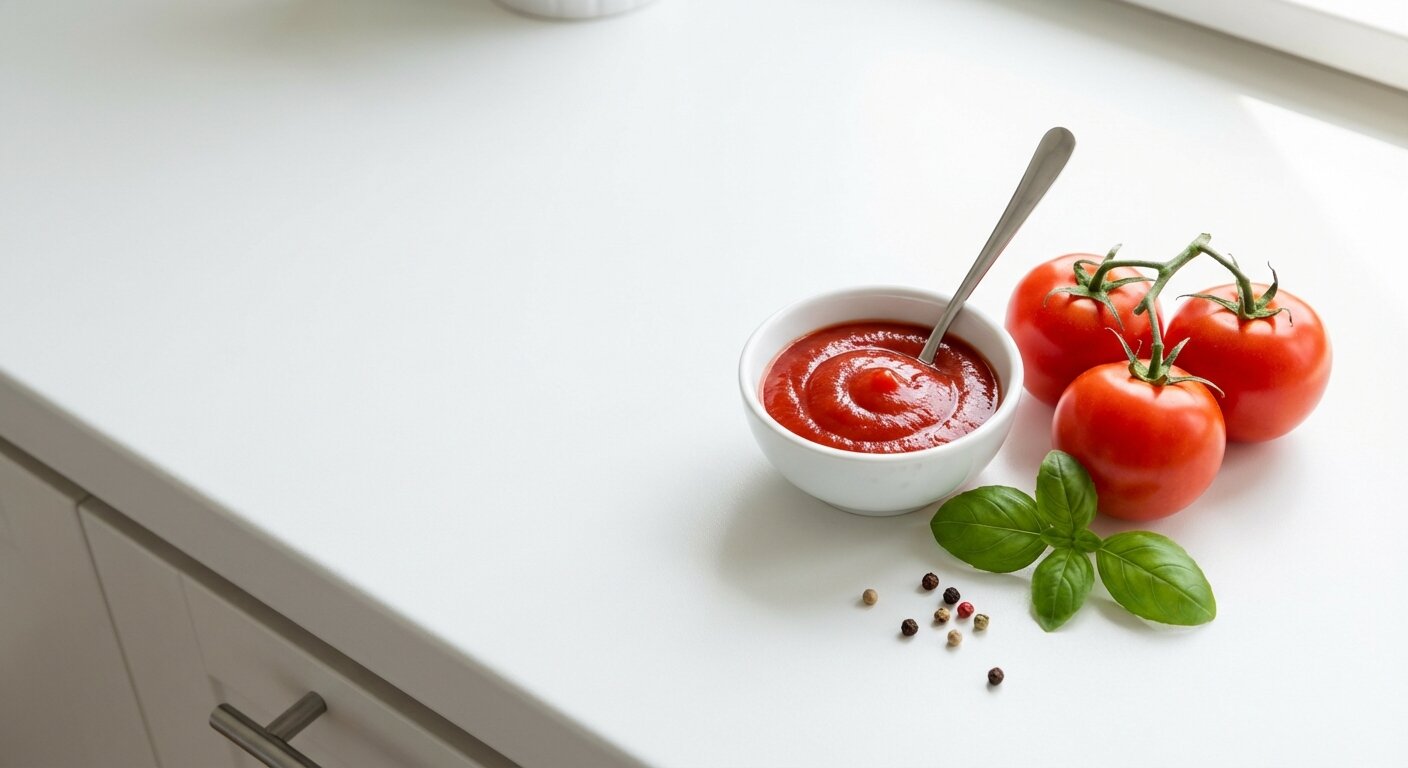
Ketchup is America’s favorite condiment—showing up on everything from burgers and fries to eggs and meatloaf. But if you’re tracking macros, you might be surprised to learn just how much sugar is hiding in that innocent-looking squeeze bottle.
While ketchup seems harmless because of its small serving size, the reality is that it’s essentially tomato-flavored sugar. A single tablespoon contains about 4 grams of sugar—roughly one teaspoon—and if you’re the type who drowns your fries in ketchup, those carbs add up fast.
In this guide, we’ll break down ketchup macros across popular brands, explore the hidden sugar problem, and show you how to enjoy ketchup while staying on track with your nutrition goals. Ready to calculate your full daily macros? Try our macro calculator to build a complete plan tailored to your goals.
Related: Learn more about what macros are and how they impact your diet.
Ketchup Macros: Standard Serving Breakdown
Here’s what you’re getting in a typical tablespoon (17g) of regular ketchup:
| Nutrient | Amount per 1 tbsp (17g) |
|---|---|
| Calories | 15-20 |
| Protein | 0g |
| Carbohydrates | 4-5g |
| Sugar | 3-4g |
| Fiber | 0g |
| Fat | 0g |
| Sodium | 150-190mg |
Key takeaways:
- Ketchup is essentially pure carbohydrate with zero protein or fat
- Sugar accounts for 80-100% of total carbs
- Even small amounts deliver significant sodium
- The “serving size” (1 tbsp) is often unrealistic—most people use 2-3 times that amount
The Hidden Sugar Problem
The biggest nutritional concern with ketchup isn’t the calories—it’s the sugar density. Here’s the reality check:
1 tablespoon of ketchup = 4g sugar = 1 teaspoon of table sugar
That means if you use 3 tablespoons on your burger and fries (which is common), you’re consuming 12g of sugar from ketchup alone. That’s nearly 3 teaspoons of pure sugar.
Why Is There So Much Sugar in Ketchup?
Ketchup manufacturers add sugar for three reasons:
- Balance acidity: Tomatoes and vinegar are naturally acidic; sugar masks the tartness
- Enhance flavor: Sugar creates the sweet-savory balance people expect
- Extend shelf life: Sugar acts as a natural preservative
The problem? Most brands use high-fructose corn syrup (HFCS) as their primary sweetener. HFCS is cheaper than cane sugar and sweeter per gram, but it’s metabolized differently in the body and may contribute to insulin resistance when consumed in excess.
How Ketchup Compares to Other Condiments
Here’s how ketchup stacks up against other popular condiments (per tablespoon):
| Condiment | Calories | Carbs | Sugar |
|---|---|---|---|
| Ketchup | 15-20 | 4-5g | 4g |
| Mustard | 3-5 | 0-1g | 0g |
| Mayo | 90-100 | 0g | 0g |
| BBQ Sauce | 25-30 | 6-7g | 5-6g |
| Hot Sauce | 0-5 | 0-1g | 0g |
| Salsa | 4-6 | 1g | 1g |
| Sriracha | 5 | 1g | 1g |
Verdict: Ketchup is moderately high in sugar compared to most condiments. Only BBQ sauce contains more sugar per serving.
Popular Ketchup Brands: Macro Comparison
Not all ketchups are created equal. Here’s a breakdown of macros across popular brands (per 1 tablespoon):
Heinz Tomato Ketchup (Regular)
- Calories: 20
- Carbs: 5g
- Sugar: 4g
- Sodium: 160mg
- Ingredients: Tomato concentrate, high-fructose corn syrup, vinegar, salt, spices
Notes: America’s most popular brand. Uses HFCS as the primary sweetener.
Heinz No Sugar Added Ketchup
- Calories: 10
- Carbs: 1g
- Sugar: 1g (from tomatoes)
- Sodium: 190mg
- Sweetener: Stevia leaf extract
Notes: Keto-friendly option with 75% less sugar than regular Heinz.
Hunt’s Tomato Ketchup
- Calories: 20
- Carbs: 5g
- Sugar: 4g
- Sodium: 190mg
- Ingredients: Tomato concentrate, HFCS, vinegar, salt, spices
Notes: Nearly identical macros to Heinz. Also uses HFCS.
Primal Kitchen Organic Ketchup
- Calories: 10
- Carbs: 2g
- Sugar: 1g
- Sodium: 115mg
- Sweetener: Balsamic vinegar (no added sugar)
Notes: Paleo and keto-friendly. Uses tomatoes and balsamic vinegar for natural sweetness.
True Made Foods Vegetable Ketchup
- Calories: 10
- Carbs: 2g
- Sugar: 1g
- Sodium: 135mg
- Ingredients: Tomato concentrate, butternut squash, carrots, spinach, beets
Notes: Uses vegetables for sweetness instead of sugar. Unique flavor profile.
G Hughes Sugar-Free Ketchup
- Calories: 5
- Carbs: 1g
- Sugar: 0g
- Sodium: 100mg
- Sweetener: Sucralose
Notes: Zero-sugar option for strict keto dieters. Contains artificial sweetener.
Sir Kensington’s Classic Ketchup
- Calories: 15
- Carbs: 4g
- Sugar: 3g
- Sodium: 110mg
- Sweetener: Organic cane sugar
Notes: Uses cane sugar instead of HFCS. No artificial ingredients.
How to Fit Ketchup Into Your Macros
Whether you’re cutting, maintaining, or bulking, here’s how to make ketchup work for your goals:
For Low-Carb & Keto Diets (Under 30g Carbs/Day)
Strategy: Use sugar-free or reduced-sugar ketchup exclusively
Best options:
- Primal Kitchen (2g carbs/tbsp)
- G Hughes Sugar-Free (1g carbs/tbsp)
- Heinz No Sugar Added (1g carbs/tbsp)
Portions: Stick to 1-2 tablespoons max to keep ketchup under 2-4g net carbs.
Alternative: Replace ketchup with mustard (0g carbs), hot sauce (0-1g), or homemade tomato sauce made with fresh tomatoes and spices.
For Fat Loss (Moderate Carb, Calorie Deficit)
Strategy: Use regular ketchup but measure portions carefully
Portion control:
- 1 tablespoon = 4-5g carbs
- Budget 2 tablespoons (8-10g carbs) if you’re craving ketchup with meals
- Track it in your food log to stay accountable
Reality check: Most people eyeball 3-4 tablespoons when they think they’re using 1-2. Measure with an actual tablespoon or use squeeze bottles with portion markers.
For Muscle Gain (Bulking)
Strategy: Ketchup is fine in moderate amounts; focus on getting protein from the food you’re dipping
Tips:
- If you’re eating 200g+ carbs per day, 10-15g from ketchup won’t impact your goals
- Use ketchup to make lean proteins (chicken, turkey, eggs) more palatable
- Prioritize whole-food carbs (rice, oats, potatoes) over condiment carbs
For Maintenance & Flexible Dieting
Strategy: Track it, enjoy it, move on
Guidelines:
- If you’re following IIFYM, ketchup fits easily into your daily carb budget
- Swap between regular and reduced-sugar versions based on your remaining macros
- Don’t obsess over 20 calories of ketchup; focus on overall diet quality
Making Your Own Low-Sugar Ketchup
If you want complete control over ingredients and sugar content, homemade ketchup is simple and delicious. Here’s a basic recipe:
Homemade Low-Sugar Ketchup Recipe
Ingredients:
- 1 can (6 oz) tomato paste
- 1/4 cup apple cider vinegar
- 1/4 cup water
- 2 tbsp maple syrup or honey (or substitute stevia/monk fruit)
- 1 tsp onion powder
- 1/2 tsp garlic powder
- 1/4 tsp salt
- 1/4 tsp black pepper
- Pinch of ground cloves (optional)
Instructions:
- Whisk all ingredients together in a bowl until smooth
- Taste and adjust sweetness/salt/tang as needed
- Store in an airtight container in the fridge for up to 2 weeks
Macros per tablespoon (using maple syrup):
- Calories: 12
- Carbs: 3g
- Sugar: 2g
Customization:
- Use stevia or monk fruit for keto-friendly version (0g sugar)
- Add smoked paprika for a smoky flavor
- Blend in roasted red peppers for extra depth
Common Ketchup Myths Debunked
Myth 1: “Ketchup is a vegetable”
Reality: While ketchup is made from tomatoes, the amount of actual tomato in a serving is minimal, and the processing destroys most nutrients. You’d need to eat a cup of ketchup to get the lycopene and vitamins in one fresh tomato.
Myth 2: “Organic ketchup is healthier”
Partially true: Organic ketchup avoids pesticides and often uses cane sugar instead of HFCS, but it still contains similar amounts of sugar. Organic ≠ low-sugar.
Myth 3: “A little ketchup won’t hurt”
Context-dependent: If “a little” means 1 tablespoon, you’re fine. If you’re drowning your food in ketchup (3-4 tablespoons), you’re adding 50-80 calories and 12-16g of sugar—which can derail fat loss goals.
Myth 4: “Ketchup has no nutritional value”
Mostly true: Ketchup provides small amounts of lycopene (an antioxidant from tomatoes) and vitamin A, but the quantities are negligible compared to whole foods. You shouldn’t rely on ketchup for nutrition.
Healthier Ketchup Alternatives
If you’re looking to cut sugar or add variety to your condiment game, try these alternatives:
1. Mustard
- Macros: 0g carbs, 0g sugar, 3 calories per tbsp
- Best for: Burgers, hot dogs, sandwiches
- Flavor: Tangy, sharp, zero sweetness
2. Hot Sauce
- Macros: 0-1g carbs, 0g sugar, 0-5 calories per tbsp
- Best for: Eggs, tacos, grilled meats
- Flavor: Spicy, vinegary, bold
3. Salsa
- Macros: 1g carbs, 1g sugar, 5 calories per tbsp
- Best for: Chips, eggs, Mexican food
- Flavor: Fresh, chunky, balanced
4. Sriracha
- Macros: 1g carbs, 1g sugar, 5 calories per tbsp
- Best for: Asian dishes, eggs, rice bowls
- Flavor: Sweet-spicy with garlic notes
5. Tomato Paste
- Macros: 1-2g carbs, 1g sugar, 10 calories per tbsp
- Best for: Cooking, marinades, homemade sauces
- Flavor: Rich, concentrated tomato flavor
6. Balsamic Reduction
- Macros: 2-3g carbs, 2g sugar, 10-15 calories per tbsp
- Best for: Grilled vegetables, steak, salads
- Flavor: Sweet, tangy, complex
Ketchup and Blood Sugar Impact
For those managing blood sugar or insulin sensitivity, ketchup can be problematic:
Glycemic Index: Ketchup has a GI of approximately 55-60 (medium), but because serving sizes are small, the glycemic load per tablespoon is low (~2-3).
Insulin Response: The combination of sugar and low fiber means ketchup causes a rapid insulin spike, especially when eaten without protein or fat to slow absorption.
Best practices for blood sugar management:
- Pair ketchup with protein and fat (e.g., ketchup on a burger with cheese)
- Use reduced-sugar or sugar-free versions
- Avoid eating ketchup on high-carb foods alone (e.g., ketchup on white bread toast)
Tracking Ketchup: Practical Tips
Use measuring spoons: Eyeballing ketchup leads to underestimating by 2-3x. Measure it.
Log it immediately: Even small condiments add up when you forget to track them.
Pre-portion bottles: Use squeeze bottles with measurement lines to control portions visually.
Swap strategically: On high-carb days, use regular ketchup. On low-carb days, switch to sugar-free.
Be honest about portions: If you’re using 4 tablespoons, log 4 tablespoons—not 1.
Final Verdict: Is Ketchup Worth Your Macros?
The short answer: It depends on your goals and how much you use.
When ketchup fits easily:
- You’re bulking or maintaining with 150g+ carbs per day
- You measure portions and use 1-2 tablespoons
- You’re flexible dieting and have room for small indulgences
When ketchup can be problematic:
- You’re on strict keto or very low-carb (under 30g/day)
- You tend to use large amounts without measuring
- You’re cutting aggressively and every carb counts
Bottom line: Ketchup isn’t a nutritional villain, but it’s also not innocent. Treat it like any other source of sugar—enjoy it in moderation, measure your portions, and consider lower-sugar alternatives if you’re serious about fat loss or blood sugar management.
Want to build a complete meal plan? Use our macro calculator to determine your ideal protein, carb, and fat targets based on your goals.
Related Resources
- BBQ Sauce Macros - How ketchup’s sweeter cousin stacks up
- Mayo Macros - The ultimate high-fat condiment breakdown
- Mustard Macros - The zero-carb alternative to ketchup
- Ranch Dressing Macros - Another popular condiment analyzed
- Macros for Cutting - How to adjust macros for fat loss
- IIFYM Guide - Flexible dieting approach that makes room for condiments
Frequently Asked Questions
How many calories are in a tablespoon of ketchup?
One tablespoon (17g) of regular ketchup contains approximately 15-20 calories, depending on the brand. The calorie content is almost entirely from carbohydrates, specifically sugar.
The exact amount varies slightly by brand:
- Heinz: 20 calories per tbsp
- Hunt’s: 20 calories per tbsp
- Primal Kitchen: 10 calories per tbsp
- G Hughes Sugar-Free: 5 calories per tbsp
Low-sugar and sugar-free ketchup brands contain fewer calories (5-10 per tablespoon) because they replace sugar with low-calorie or zero-calorie sweeteners like stevia or sucralose.
For context, most people use 2-3 tablespoons of ketchup per meal, which means you’re likely consuming 30-60 calories from ketchup alone. While this isn’t a huge amount, it can add up if you use ketchup multiple times per day or drench your food in it.
Is ketchup high in sugar?
Yes, regular ketchup is surprisingly high in sugar relative to its serving size. A single tablespoon of ketchup contains about 4 grams of sugar, which is equivalent to roughly 1 teaspoon of table sugar.
To put this in perspective:
- 1 tablespoon of ketchup = 4g sugar
- 3 tablespoons of ketchup (common for fries + burger) = 12g sugar = 3 teaspoons of sugar
- 1 can of Coca-Cola (12 oz) = 39g sugar = ~10 teaspoons
So while ketchup isn’t as sugar-dense as soda, it’s still a concentrated source of added sugar. In fact, sugar makes up 80-100% of the total carbohydrate content in most ketchup brands.
The sugar in ketchup comes from two sources:
- Natural sugars from tomatoes (minimal)
- Added sugars like high-fructose corn syrup, cane sugar, or other sweeteners (the majority)
Most mainstream brands like Heinz and Hunt’s use high-fructose corn syrup (HFCS) as the second ingredient after tomato concentrate. HFCS is sweeter than regular sugar and has been linked to negative metabolic effects when consumed in excess.
If you’re concerned about sugar intake, look for brands labeled “no sugar added” or “low sugar,” which typically contain 1g or less of sugar per tablespoon.
Can I eat ketchup on a low-carb or keto diet?
Traditional ketchup is not ideal for strict keto diets due to its relatively high carbohydrate content. One tablespoon of regular ketchup contains 4-5 grams of carbs, and most people use 2-3 tablespoons, which means you could be consuming 8-15g of carbs from ketchup alone.
On a strict keto diet (typically under 20-30g net carbs per day), this can eat up a significant portion of your daily carb budget.
However, there are keto-friendly ketchup options:
Several brands offer sugar-free or reduced-sugar ketchup that works well for low-carb and keto diets:
- Primal Kitchen Organic Ketchup: 2g net carbs per tbsp (sweetened with balsamic vinegar, no added sugar)
- Heinz No Sugar Added: 1g net carbs per tbsp (sweetened with stevia)
- True Made Foods Veggie Ketchup: 2g net carbs per tbsp (vegetables provide natural sweetness)
- G Hughes Sugar-Free Ketchup: 1g net carbs per tbsp (sweetened with sucralose)
With these options, you can enjoy ketchup in moderation (1-2 tablespoons) without derailing ketosis. Just make sure to measure your portions and log them in your macro tracker to stay within your carb limits.
Alternatives to ketchup on keto:
- Mustard (0g carbs)
- Hot sauce (0-1g carbs)
- Sugar-free BBQ sauce (some brands offer 1-2g carbs per serving)
- Homemade ketchup made with tomato paste, vinegar, and stevia
What are the healthier alternatives to regular ketchup?
If you’re looking to reduce sugar intake, improve ingredient quality, or simply add variety to your condiment rotation, here are the best alternatives to regular ketchup:
1. Reduced-Sugar or No-Sugar-Added Ketchup
Brands like Primal Kitchen, True Made Foods, and Heinz No Sugar Added offer ketchup with significantly less sugar (1-2g per tablespoon vs. 4g in regular ketchup). These options use natural sweeteners like stevia, monk fruit, or vegetables to maintain flavor without the sugar spike.
Best for: People who love ketchup but want to cut carbs or reduce sugar intake.
2. Mustard
Mustard is virtually carb-free (0-1g per tablespoon) and contains no sugar. It has a tangy, sharp flavor that pairs well with burgers, hot dogs, and sandwiches.
Macros: 0g carbs, 0g sugar, 3-5 calories per tbsp
Best for: Low-carb and keto diets; anyone looking for a zero-sugar condiment.
3. Hot Sauce
Hot sauce is another zero-carb, zero-sugar option that adds bold flavor without impacting your macros. Brands like Frank’s RedHot, Tabasco, and Cholula are excellent choices.
Macros: 0-1g carbs, 0g sugar, 0-5 calories per tbsp
Best for: People who enjoy spicy food and want to skip sugar entirely.
4. Salsa
Fresh salsa is made from tomatoes, onions, peppers, and cilantro—offering more nutrients and fiber than ketchup with less sugar.
Macros: 1-2g carbs, 1g sugar, 5-10 calories per tbsp
Best for: Mexican food, eggs, chips, or as a topping for grilled proteins.
5. Tomato Paste
Pure tomato paste contains no added sugar and delivers concentrated tomato flavor. Mix it with vinegar, spices, and a touch of sweetener (stevia or honey) to create your own ketchup-like sauce.
Macros: 1-2g carbs, 1g sugar, 10 calories per tbsp
Best for: Cooking, marinades, and homemade condiments.
6. Sriracha
Sriracha offers a sweet-spicy flavor with less sugar than ketchup. It’s made from chili peppers, garlic, vinegar, and a small amount of sugar.
Macros: 1g carbs, 1g sugar, 5 calories per tbsp
Best for: Asian dishes, eggs, rice bowls, and anyone who enjoys a spicy kick.
Bottom line: If you’re trying to reduce sugar or calories, switch to mustard or hot sauce. If you still want a tomato-based condiment, choose reduced-sugar ketchup brands like Primal Kitchen or Heinz No Sugar Added.
Does ketchup have any protein or fat?
No, ketchup contains negligible amounts of protein and fat—typically 0 grams of each per tablespoon.
Ketchup is almost entirely composed of carbohydrates, with the majority coming from sugar. This makes it a pure carbohydrate source in your macro breakdown, contributing calories exclusively from carbs (4 calories per gram).
Here’s the typical macronutrient profile of 1 tablespoon of ketchup:
- Protein: 0g
- Fat: 0g
- Carbohydrates: 4-5g (mostly sugar)
- Calories: 15-20
Because ketchup provides zero protein or fat, it doesn’t contribute to satiety (fullness) and won’t help you meet your daily protein or fat targets. It’s purely a flavor enhancer, not a nutritional contributor.
Implication for macro tracking: When you use ketchup, you’re adding carbs to your meal without adding any protein or fat. This can skew your macros if you’re trying to maintain specific ratios (e.g., 40/30/30 or keto ratios).
If you’re looking for a condiment with some protein or fat content, consider:
- Mayonnaise (high fat, 0g carbs)
- Ranch dressing (moderate fat, some protein from dairy)
- Greek yogurt-based dressings (moderate protein, low carbs)
How much ketchup can I use without ruining my macros?
The amount of ketchup you can use without impacting your macros depends on your daily carb budget and overall goals. Here’s how to think about it:
For Low-Carb & Keto Diets (20-50g Carbs/Day)
1-2 tablespoons max of reduced-sugar or sugar-free ketchup
- Regular ketchup: 1 tablespoon = 4-5g carbs (too high for strict keto)
- Low-sugar ketchup: 2 tablespoons = 2-4g carbs (manageable)
Recommendation: Stick to Primal Kitchen, Heinz No Sugar Added, or G Hughes brands to keep ketchup consumption under 5g net carbs.
For Moderate Carb Diets (100-150g Carbs/Day)
2-3 tablespoons of regular ketchup
- 2 tablespoons = 8-10g carbs
- 3 tablespoons = 12-15g carbs
Recommendation: This is a small percentage of your daily carb budget, so regular ketchup fits easily. Just measure it to avoid eyeballing 5+ tablespoons and overshooting.
For High Carb Diets (200g+ Carbs/Day)
3-5 tablespoons without concern
- Even at 5 tablespoons (20-25g carbs), this is only 10-12% of your daily carbs.
Recommendation: If you’re bulking or eating high-carb, ketchup is a non-issue. Focus on getting quality carbs from whole foods and treat ketchup as a flavor enhancer.
General Guidelines
- Measure portions: Most people underestimate ketchup usage by 2-3x. Use a measuring spoon or portion-controlled squeeze bottle.
- Track it: Even small condiments add up when you forget to log them.
- Swap strategically: On low-carb days, use sugar-free ketchup. On higher-carb days, regular ketchup is fine.
Reality check: If you’re someone who drowns fries, eggs, or burgers in ketchup (using 5+ tablespoons), you could be adding 20-25g of carbs and 75-100 calories from ketchup alone. This can derail fat loss goals if you’re not accounting for it.
Bottom line: Most people can use 1-2 tablespoons (15-30g) of ketchup per meal without ruining their macros, but measuring is critical.
Is organic ketchup better than regular ketchup nutritionally?
Organic ketchup is marginally better than conventional ketchup in some ways, but the nutritional difference is often minimal.
Here’s what sets organic ketchup apart:
Pros of Organic Ketchup:
- No pesticides: Organic tomatoes are grown without synthetic pesticides, which may reduce chemical exposure.
- No high-fructose corn syrup (HFCS): Most organic brands use cane sugar or natural sweeteners instead of HFCS, which some studies suggest may be worse for metabolic health.
- No artificial preservatives or colors: Organic ketchup typically avoids additives like Red 40 or sodium benzoate.
Cons of Organic Ketchup:
- Similar sugar content: Organic ketchup often contains the same amount of sugar as regular ketchup (3-4g per tablespoon). Organic cane sugar is still sugar.
- Higher cost: Organic ketchup can cost 2-3x more than conventional brands.
- Same macros: Calories, carbs, and protein are nearly identical to non-organic versions.
Nutritional Comparison (1 tablespoon):
| Ketchup Type | Calories | Carbs | Sugar | Sweetener |
|---|---|---|---|---|
| Heinz (Regular) | 20 | 5g | 4g | HFCS |
| Heinz Organic | 20 | 5g | 4g | Organic cane sugar |
| Sir Kensington’s Organic | 15 | 4g | 3g | Organic cane sugar |
| Primal Kitchen Organic | 10 | 2g | 1g | No added sugar |
Verdict: Organic ketchup is a better choice if you want to avoid HFCS and synthetic additives, but it won’t significantly change your macros or calorie intake unless you choose a reduced-sugar organic brand like Primal Kitchen.
For blood sugar management, the difference between HFCS and organic cane sugar is debatable—both are forms of added sugar that spike blood glucose and insulin.
Bottom line: If budget isn’t an issue and you prefer cleaner ingredients, go for organic ketchup. If your primary goal is reducing sugar intake, choose reduced-sugar or sugar-free ketchup (organic or not).
What brands make the best low-sugar ketchup?
If you’re looking to reduce sugar intake while still enjoying ketchup, here are the top low-sugar ketchup brands available:
1. Primal Kitchen Organic Unsweetened Ketchup
- Sugar: 1g per tablespoon
- Carbs: 2g per tablespoon
- Sweetener: Balsamic vinegar (no added sugar)
- Notes: Paleo and keto-friendly; uses organic tomatoes and natural ingredients. Slightly tangier than regular ketchup due to balsamic vinegar.
- Where to buy: Amazon, Whole Foods, Thrive Market
2. True Made Foods Veggie Ketchup
- Sugar: 1g per tablespoon
- Carbs: 2g per tablespoon
- Sweetener: Butternut squash, carrots, beets, spinach (vegetable-based sweetness)
- Notes: Unique flavor profile due to added vegetables. No added sugar, artificial sweeteners, or high-fructose corn syrup.
- Where to buy: Amazon, Target, specialty grocery stores
3. Heinz No Sugar Added Tomato Ketchup
- Sugar: 1g per tablespoon (from tomatoes)
- Carbs: 1g per tablespoon
- Sweetener: Stevia leaf extract
- Notes: Tastes very similar to regular Heinz but with 75% less sugar. Widely available and affordable.
- Where to buy: Most grocery stores, Amazon, Walmart
4. G Hughes Sugar-Free Ketchup
- Sugar: 0g per tablespoon
- Carbs: 1g per tablespoon
- Sweetener: Sucralose (Splenda)
- Notes: Zero sugar, zero calories. Great for strict keto dieters. Some people dislike the artificial sweetener aftertaste.
- Where to buy: Amazon, Walmart, health food stores
5. Lakanto Sugar-Free Ketchup
- Sugar: 0g per tablespoon
- Carbs: 1g per tablespoon
- Sweetener: Monk fruit extract
- Notes: Uses monk fruit, a natural zero-calorie sweetener. Keto-friendly and clean ingredient list.
- Where to buy: Amazon, Whole Foods
6. Simple Truth Organic No Added Sugar Ketchup
- Sugar: 1g per tablespoon
- Carbs: 2g per tablespoon
- Sweetener: Stevia
- Notes: Kroger’s organic line. Budget-friendly option with clean ingredients.
- Where to buy: Kroger, Fred Meyer
Best Overall Pick:
Primal Kitchen Organic Unsweetened Ketchup is the gold standard for low-sugar ketchup. It uses real food ingredients, contains only 1g of sugar from tomatoes, and avoids artificial sweeteners.
Best Budget Pick: Heinz No Sugar Added tastes nearly identical to regular Heinz but with 75% less sugar. It’s widely available and affordable.
Best Zero-Sugar Pick: G Hughes Sugar-Free Ketchup is perfect for strict keto dieters who want zero sugar and zero carbs, though the artificial sweetener taste may not appeal to everyone.
Bottom line: All of these brands offer significantly less sugar than regular ketchup (1-2g vs. 4g per tablespoon), making them excellent choices for low-carb, keto, and sugar-conscious eaters.
Related Articles

Dragonfruit Macros: Complete Nutrition Guide for Pitaya
Complete macro breakdown of dragonfruit (pitaya). Learn the calories, protein, carbs, and...
Read guide →
Bulgur Macros: Complete Nutritional Guide & Health Benefits
Discover bulgur's complete macro breakdown, nutritional benefits, and how to incorporate...
Read guide →
Radish Macros: Nutrition Facts and Health Benefits
Complete guide to radish macros and nutrition. Learn calories, protein, carbs, and health...
Read guide →Note: Nutrition values are approximate and may vary based on preparation method and source.