Lamb Macros: Complete Nutrition Guide by Cut (2025)
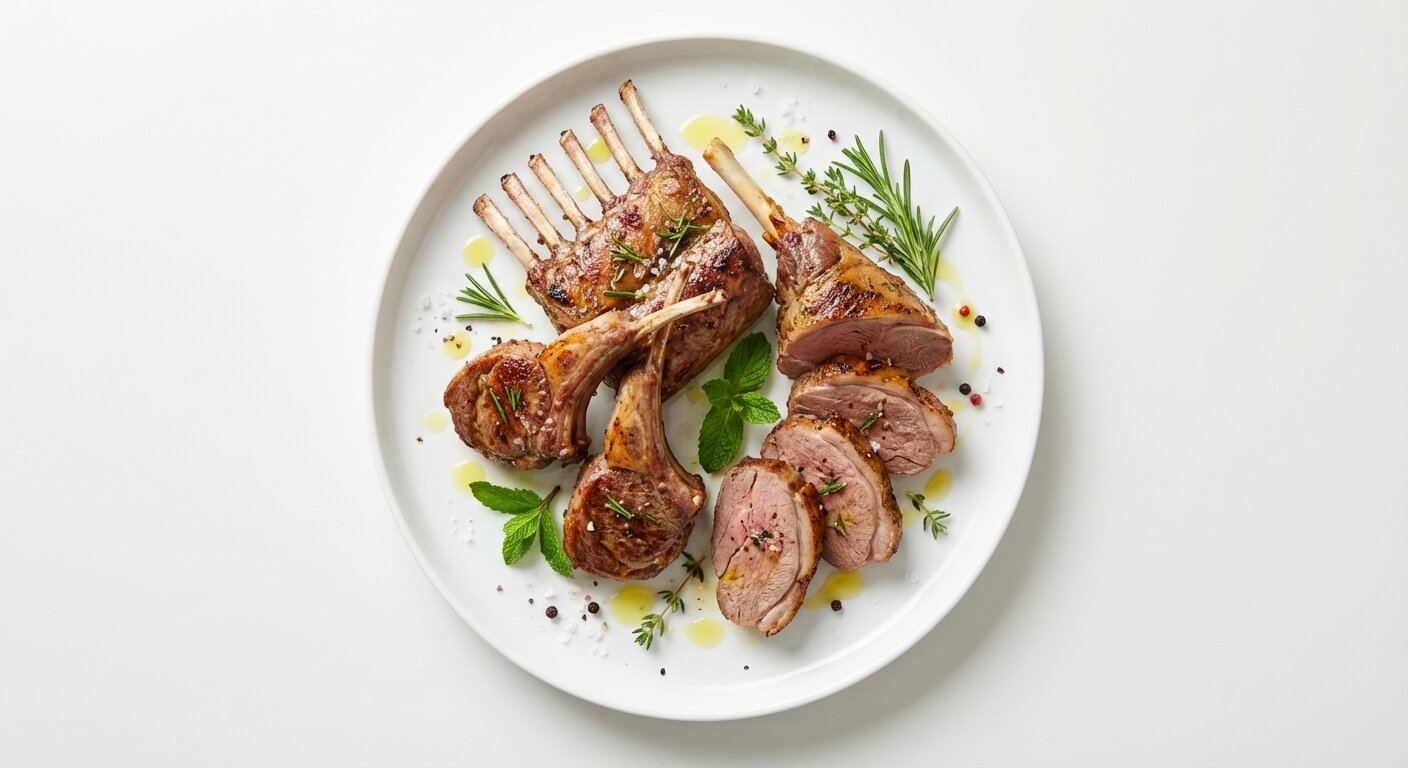
Lamb is a nutrient-dense red meat prized for its rich flavor and impressive macronutrient profile—but its macro breakdown varies dramatically depending on which cut you choose. Whether you’re tracking macros for bodybuilding, fat loss, or general health, understanding lamb’s protein, fat, and calorie content by cut is essential for making informed dietary decisions.
This comprehensive guide breaks down lamb macros by cut, explores cooking methods that optimize nutritional value, and provides practical strategies for incorporating lamb into your macro-friendly meal plan. You’ll learn which cuts offer the most protein per calorie, how lamb compares to other popular meats, and why this flavorful red meat deserves a place in your nutrition rotation.
Ready to dial in your macros? Use our macro calculator to determine your personalized protein, carb, and fat targets based on your goals.
Related: Learn more about what macros are and how they impact your diet.
Understanding Lamb Macros: The Basics
Lamb is the meat from sheep less than one year old, known for its tender texture and distinctive, slightly gamey flavor. Like all animal proteins, lamb is a complete protein source containing all nine essential amino acids your body needs for muscle growth, repair, and recovery.
The macronutrient profile of lamb varies significantly based on three key factors:
Cut selection: Different parts of the lamb contain varying amounts of intramuscular fat (marbling) and separable fat. Leg cuts are typically leanest, while shoulder and rib cuts contain more fat.
Trimming: Lamb often has a visible fat cap that dramatically affects macro ratios. “Trimmed to 1/8-inch fat” versus “untrimmed” can change fat content by 10-15g per serving.
Cooking method: Grilling and roasting allow fat to render and drip away, while pan-frying with added fats increases total calories and fat macros.
Understanding these variables helps you make strategic choices that align with your macro targets while still enjoying lamb’s unique nutritional benefits.
Lamb Macros by Cut: Complete Breakdown
Here’s a detailed breakdown of the most common lamb cuts, all based on cooked portions (per 100g/3.5 oz):
Lamb Leg (Lean, Roasted)
- Calories: 191
- Protein: 28g
- Fat: 8g
- Carbs: 0g
Lamb leg is the leanest and most protein-dense cut available. The leg consists of the shank end (lower portion) and sirloin end (upper portion), both offering exceptional protein-to-fat ratios. This cut is ideal for high-protein diets, bodybuilding prep, or anyone prioritizing lean protein sources.
Best for: Fat loss phases, high-protein requirements, meal prep.
Lamb Loin Chops (Lean, Grilled)
- Calories: 202
- Protein: 26g
- Fat: 10g
- Carbs: 0g
Loin chops are cut from the lamb’s back and resemble miniature T-bone steaks. When trimmed to 1/8-inch fat and grilled, they offer an excellent balance of protein and flavor with moderate fat content. These chops cook quickly and are perfect for weeknight dinners.
Best for: Balanced macros, quick cooking, variety in protein sources.
Lamb Shoulder (Roasted)
- Calories: 294
- Protein: 22g
- Fat: 23g
- Carbs: 0g
Lamb shoulder is a fattier, more marbled cut prized for its rich flavor and tenderness when slow-cooked. The higher fat content makes this cut more calorie-dense but also more flavorful and satisfying. Shoulder works beautifully for braising, stews, and pulled lamb preparations.
Best for: Maintenance calories, flavor-focused meals, special occasions.
Lamb Rib Chops (Grilled)
- Calories: 267
- Protein: 23g
- Fat: 19g
- Carbs: 0g
Rib chops (also called lamb cutlets or racks when connected) come from the rib section and contain more intramuscular fat than loin or leg. They’re tender, flavorful, and cook quickly over high heat. The fat content is higher, making portion control important for calorie-restricted diets.
Best for: Balanced macro diets, entertaining, special meals.
Ground Lamb (85% Lean, Pan-Browned)
- Calories: 240
- Protein: 25g
- Fat: 16g
- Carbs: 0g
Ground lamb is versatile and convenient for meal prep, meatballs, burgers, and Mediterranean-inspired dishes. The macro profile depends heavily on the lean-to-fat ratio—85% lean is a good middle ground. For leaner options, look for 90% or 95% lean ground lamb, though these can be harder to find.
Best for: Meal prep, quick cooking, recipe versatility.
Lamb Shank (Braised)
- Calories: 213
- Protein: 28g
- Fat: 11g
- Carbs: 0g
Lamb shanks are the lower leg portions, traditionally braised until fall-off-the-bone tender. When properly trimmed before cooking, shanks offer impressive protein content with moderate fat. The long cooking time allows connective tissue to break down, creating a rich, satisfying meal.
Best for: Slow cooking, comfort meals, high protein with moderate fat.
Protein Content: Why Lamb Excels
Lamb delivers complete, high-quality protein with all essential amino acids in optimal ratios for human nutrition. Here’s what makes lamb protein special:
High biological value: Lamb protein has a biological value of approximately 80-85, meaning your body can efficiently utilize most of the protein you consume for muscle building and repair.
Rich in leucine: Lamb contains approximately 2.0g of leucine per 100g, a branched-chain amino acid (BCAA) crucial for stimulating muscle protein synthesis. This makes lamb particularly valuable for post-workout recovery and muscle growth.
Complete amino acid profile: Unlike plant proteins that often lack one or more essential amino acids, lamb provides all nine in adequate amounts, eliminating the need for protein combining.
Highly bioavailable: Animal proteins like lamb are more easily digested and absorbed than plant proteins, with digestibility rates exceeding 95%.
For athletes, bodybuilders, or anyone with elevated protein needs, lean lamb cuts like leg and loin deliver 26-28g protein per 100g—rivaling chicken breast while offering superior micronutrient density.
Fat Content and Quality in Lamb
Lamb’s fat content varies dramatically by cut, but it’s not just about quantity—the quality and composition of lamb fat offer unique nutritional advantages:
Saturated vs. unsaturated fat: Lamb fat is approximately 50% saturated, 40% monounsaturated, and 10% polyunsaturated. The monounsaturated fat (primarily oleic acid) supports heart health and helps regulate cholesterol levels.
Omega-3 fatty acids: Grass-fed lamb contains significantly more omega-3 fatty acids (EPA and DHA) compared to grain-fed lamb or most beef. A 100g serving of grass-fed lamb provides approximately 100-150mg of omega-3s, supporting brain health, reducing inflammation, and improving recovery.
Conjugated linoleic acid (CLA): Grass-fed lamb is particularly rich in CLA, a naturally occurring trans fat linked to improved body composition, enhanced immune function, and potential anti-cancer properties. Grass-fed lamb contains 2-3 times more CLA than conventional lamb.
Strategic fat timing: While higher-fat lamb cuts aren’t ideal for every meal, the fat can support hormone production, vitamin absorption (A, D, E, K), and satiety—important factors for overall health and adherence to your nutrition plan.
When tracking macros, remember that trimming visible fat before or after cooking can significantly reduce total fat content. A lamb loin chop trimmed to 1/8-inch fat contains about 10g fat per 100g, while the same chop untrimmed can contain 18-20g fat.
Cooking Methods That Optimize Lamb Macros
How you cook lamb significantly impacts the final macro breakdown. These methods help you maximize protein while controlling fat and calories:
Grilling
Grilling over direct heat allows fat to render and drip away from the meat, reducing total fat content by 10-15% compared to pan-frying. The high heat also creates flavorful char without added fats.
Best for: Chops, leg steaks, kebabs, burgers.
Macro benefit: Reduced fat, concentrated protein, no added calories from cooking oils.
Roasting
Roasting lamb on a rack in the oven allows fat to render and collect below, keeping the meat moist while reducing fat content. Season with herbs and spices for flavor without adding calories.
Best for: Leg roasts, racks, shoulder (when slow-roasted).
Macro benefit: Fat reduction through rendering, minimal added ingredients.
Broiling
Broiling uses high heat from above, similar to inverted grilling. Fat drips away from the meat, and the quick cooking time helps preserve moisture without overcooking.
Best for: Chops, smaller cuts, quick-cooking portions.
Macro benefit: Fast cooking, fat reduction, no added oils needed.
Braising and Slow Cooking
While braising doesn’t reduce fat content as effectively as grilling, it allows you to trim all visible fat before cooking. The long, slow cook breaks down connective tissue, making even lean cuts incredibly tender.
Best for: Shanks, shoulder, stew meat.
Macro benefit: Opportunity for pre-cooking fat trimming, tender results from lean cuts.
Methods to Limit
Pan-frying with added fats: Adding butter or oil can contribute 50-120 extra calories per serving without nutritional benefit.
Deep frying: Dramatically increases calories and fat while providing minimal nutritional value.
Heavy cream-based sauces: Can double the calorie and fat content of an otherwise lean lamb meal.
Lamb for Bodybuilding and Athletic Performance
Lamb offers distinct advantages for athletes, bodybuilders, and active individuals beyond its impressive protein content:
Muscle Building Benefits
Complete protein source: With all essential amino acids in optimal ratios, lamb supports muscle protein synthesis as effectively as other high-quality animal proteins.
High iron content: Lamb provides 1.8-2.3mg of highly bioavailable heme iron per 100g—approximately 10-13% of daily needs. Iron is crucial for oxygen transport to working muscles and energy production.
Zinc for recovery: Lamb is one of the best dietary sources of zinc (4-5mg per 100g), a mineral essential for protein synthesis, immune function, and testosterone production in men.
B-vitamin complex: Lamb is rich in B12 (2.5mcg per 100g), B3 (niacin), and B6, all critical for energy metabolism, red blood cell production, and converting protein into usable amino acids.
Strategic Use in Training Cycles
Bulking phases: Fattier cuts like lamb shoulder or rib chops provide calorie density along with protein, making it easier to achieve caloric surpluses needed for muscle growth. The higher fat content also supports hormone production during mass-gaining phases.
Cutting phases: Lean cuts like lamb leg, loin, or trimmed chops deliver high protein with moderate calories, supporting muscle preservation while creating the caloric deficit needed for fat loss.
Maintenance and performance: Moderate-fat cuts provide balanced macros that support training intensity, recovery, and general health without excess calories.
Timing Considerations
Post-workout: While lamb isn’t typically the fastest-digesting protein source, a moderate serving (150-200g) of lean lamb provides sustained amino acid release for recovery. Pair with fast-digesting carbs for optimal glycogen replenishment.
Pre-workout: Lamb’s higher fat content (even in lean cuts) makes it less ideal for immediate pre-workout meals. If eating lamb within 2-3 hours of training, stick to lean cuts and moderate portions.
General meals: Lamb fits perfectly into breakfast, lunch, or dinner when protein timing is less critical and meal satisfaction matters more.
Comparing Lamb to Other Meats
Understanding how lamb stacks up against other popular protein sources helps you make strategic macro decisions:
Lamb vs. Beef
Protein: Nearly identical (20-26g per 100g in comparable cuts).
Fat: Lamb typically has slightly higher fat content in comparable cuts (e.g., lamb leg vs. beef sirloin).
Micronutrients: Lamb edges ahead with higher vitamin B12, iron, and zinc. Grass-fed lamb has a superior omega-3 profile.
Flavor: Lamb has a more distinctive, slightly gamey flavor that some find richer than beef.
Best for: When you want variety, enhanced micronutrient density, or better fat quality (grass-fed options).
Lamb vs. Chicken Breast
Protein: Chicken breast has slightly more protein per calorie (31g per 100g vs. 28g for lean lamb leg).
Fat: Chicken breast is significantly leaner (3.6g fat per 100g vs. 8g in lamb leg).
Micronutrients: Lamb provides substantially more iron, zinc, and B12 than chicken.
Satiety: Lamb’s higher fat content provides greater satiety per serving.
Best for: When you need maximum protein density, choose chicken. For micronutrient density and meal satisfaction, choose lamb.
Lamb vs. Pork
Protein: Similar protein content (20-26g per 100g in comparable cuts).
Fat: Depends heavily on cut—lean pork loin is comparable to lamb leg, while pork belly is much fattier than any lamb cut.
Micronutrients: Lamb provides more iron and B12; pork provides more thiamin (B1).
Versatility: Both offer diverse cuts for various cooking methods and cuisines.
Best for: Lamb offers richer flavor and better iron content; pork offers more budget-friendly options with similar protein.
Lamb vs. Salmon
Protein: Lamb provides more protein (22-28g vs. 20-25g per 100g).
Fat: Salmon has comparable or higher fat (13g per 100g in Atlantic salmon), but it’s predominantly heart-healthy omega-3s.
Micronutrients: Salmon wins for omega-3 fatty acids and vitamin D; lamb wins for iron, zinc, and B12.
Calorie density: Similar when comparing fatty cuts of each.
Best for: Rotate both for diverse nutritional benefits—salmon for omega-3s and heart health, lamb for iron and zinc.
Macro-Friendly Lamb Meal Ideas
Here are practical, macro-optimized meal ideas featuring lamb:
Greek-Style Lamb Bowls
Ingredients: 150g grilled lamb leg, 200g cauliflower rice, 100g cucumber-tomato salad, 30g tzatziki (made with Greek yogurt).
Macros: ~380 calories, 47g protein, 13g fat, 18g carbs.
Why it works: Lean lamb provides dense protein, cauliflower rice adds volume with minimal calories, and tzatziki contributes extra protein and creaminess.
Lamb and Vegetable Kebabs
Ingredients: 150g lamb leg cubes, 200g bell peppers/zucchini/onions, 10ml olive oil, spices.
Macros: ~340 calories, 42g protein, 15g fat, 12g carbs.
Why it works: Grilling renders fat, vegetables add fiber and micronutrients, and kebabs offer built-in portion control.
Moroccan Lamb with Quinoa
Ingredients: 150g ground lamb (90% lean), 100g cooked quinoa, 150g roasted vegetables, Moroccan spices (cumin, cinnamon, paprika).
Macros: ~455 calories, 38g protein, 16g fat, 42g carbs.
Why it works: Balanced macros suitable for active individuals, quinoa adds plant-based protein and complex carbs, spices boost flavor without calories.
Lamb Loin Chops with Sweet Potato
Ingredients: 175g lamb loin chops (trimmed), 200g roasted sweet potato, 150g steamed broccoli.
Macros: ~475 calories, 48g protein, 18g fat, 36g carbs.
Why it works: Balanced post-workout meal with complete protein, slow-digesting carbs, and micronutrient-rich vegetables.
Mediterranean Lamb Salad
Ingredients: 150g grilled lamb leg slices, 200g mixed greens, 50g cherry tomatoes, 30g feta cheese, 15ml olive oil vinaigrette.
Macros: ~405 calories, 44g protein, 22g fat, 11g carbs.
Why it works: High-protein, moderate-fat option ideal for cutting phases, with the salad base adding volume and satiety.
Practical Tips for Tracking Lamb Macros
Accurately tracking lamb macros ensures your nutrition plan stays on target. Follow these guidelines:
Raw vs. Cooked Weights
Lamb loses approximately 25-30% of its weight during cooking due to water and fat loss. If tracking raw lamb, use raw nutrition data; if weighing after cooking, use cooked data. Most database entries specify “raw” or “cooked, roasted/grilled.”
Example: 150g raw lamb leg = approximately 105-110g cooked. The protein content remains similar, but fat and water are reduced.
Account for Trimming
USDA nutrition data often lists cuts as “trimmed to 1/8-inch fat” or “trimmed to 1/4-inch fat.” Trimming more aggressively reduces fat content further. If you trim all visible fat, your macros will be closer to “trimmed to 0-inch fat” data.
Cooking Method Matters
Grilling and roasting can reduce fat content by 10-15% compared to pan-frying, where fat renders but stays in the pan with the meat. Track your cooking method in your food log for accuracy.
Use Specific Entries
Generic “lamb” entries in tracking apps can be highly inaccurate. Search for specific cuts (e.g., “lamb leg, lean only, roasted” or “lamb shoulder, braised”) for precise tracking.
Weigh Cooked Meat
For consistency, weigh lamb after cooking and use cooked nutrition data. This eliminates variability from cooking time, temperature, and fat rendering.
Potential Drawbacks and Considerations
While lamb offers impressive nutritional benefits, there are some considerations to keep in mind:
Cost
Lamb is typically more expensive than chicken, pork, or beef per pound. However, the superior micronutrient density and unique flavor profile may justify the premium for some meal rotations.
Availability
Lamb is less widely available than other meats in many regions, particularly in North America. You may need to visit specialty butchers or ethnic markets (Middle Eastern, Mediterranean) for the best selection and prices.
Flavor Intensity
Lamb has a distinctive flavor that not everyone enjoys. The flavor is most pronounced in older animals and fattier cuts. If you’re new to lamb, start with milder cuts like leg or loin.
Saturated Fat Content
While grass-fed lamb offers improved fat quality, it still contains significant saturated fat. If you’re tracking total saturated fat intake for health reasons, balance lamb consumption with leaner protein sources throughout the day.
Sourcing Quality
Like all animal products, lamb quality varies based on farming practices. Grass-fed, pasture-raised lamb offers superior omega-3 content and overall fat quality compared to grain-fed, factory-farmed lamb. Seek out reputable sources when possible.
Frequently Asked Questions
Is lamb healthier than beef?
Lamb and beef offer similar protein content, but lamb typically provides more vitamin B12, iron, and zinc per serving. Grass-fed lamb has a better omega-3 to omega-6 ratio than conventional beef, making it a slightly superior choice for those prioritizing fat quality. However, both can fit into healthy, balanced diets when lean cuts are chosen.
Can I eat lamb every day?
While lamb is nutritious, consuming it daily may lead to excessive saturated fat and heme iron intake over time. Most nutrition experts recommend rotating protein sources throughout the week—including poultry, fish, plant proteins, and red meats like lamb and beef—to ensure diverse nutrient intake and reduce potential health risks associated with high red meat consumption.
What’s the best lamb cut for weight loss?
Lamb leg is the best cut for weight loss, offering the highest protein-to-calorie ratio at 28g protein and 191 calories per 100g. Lamb loin chops (trimmed) are a close second. Both cuts provide satisfying meals while keeping calories and fat in check during caloric deficits.
How much lamb should I eat per serving?
A standard serving size for lamb is 100-150g (3.5-5.3 oz) cooked weight, which provides 25-42g of protein depending on the cut. This aligns with general recommendations of 0.8-1.2g protein per pound of body weight daily for active individuals. Adjust serving sizes based on your individual macro targets and daily protein needs.
Does lamb cause inflammation?
Like all red meats, lamb contains compounds that may promote inflammation when consumed in excessive amounts or as part of an overall poor-quality diet. However, grass-fed lamb’s high omega-3 content and anti-inflammatory nutrients like zinc and selenium can actually support inflammatory balance when consumed in moderation as part of a varied, whole-foods diet.
Is lamb easy to digest?
Lamb is generally well-digested by most people, with protein digestibility exceeding 95%. However, the higher fat content in some cuts may slow digestion compared to leaner proteins. If you have digestive sensitivities, start with lean cuts like leg or loin and consume moderate portions.
Can I eat lamb on a keto diet?
Yes, lamb is an excellent keto-friendly protein source due to its zero carbohydrate content and moderate-to-high fat content. Fattier cuts like lamb shoulder or rib chops fit particularly well into ketogenic macro ratios, while lean cuts work for those following modified keto approaches with slightly higher protein targets.
What’s better: fresh or frozen lamb?
From a macro and nutritional standpoint, fresh and properly frozen lamb are virtually identical. Freezing doesn’t significantly affect protein, fat, or micronutrient content. Choose based on availability, budget, and meal timing. Properly frozen lamb can be more convenient for meal prep and reduces food waste.
Conclusion: Making Lamb Work for Your Macros
Lamb is a nutrient-dense, flavorful protein source that absolutely can fit into macro-focused nutrition plans—when you understand how to choose cuts strategically and prepare them thoughtfully. By selecting lean cuts like lamb leg or loin, trimming visible fat, and using macro-friendly cooking methods like grilling and roasting, you can enjoy lamb’s rich flavor while staying aligned with your protein, fat, and calorie targets.
Whether you’re building muscle, cutting fat, or maintaining your physique, lamb offers complete protein, superior micronutrient density (especially iron, zinc, and B12), and satisfying flavor that adds variety to your meal rotation. Start with lean cuts if you’re new to tracking lamb macros, and experiment with different preparations to find what works best for your palate and nutritional goals.
Ready to build a complete nutrition plan around your goals? Use our macro calculator to determine your personalized targets, then explore our guides on protein-rich foods, post-workout nutrition, and meal prep strategies to optimize your results.
Track your macros, enjoy your meals, and let lamb’s impressive nutrition work for you.
Related Articles

Dragonfruit Macros: Complete Nutrition Guide for Pitaya
Complete macro breakdown of dragonfruit (pitaya). Learn the calories, protein, carbs, and...
Read guide →
Bulgur Macros: Complete Nutritional Guide & Health Benefits
Discover bulgur's complete macro breakdown, nutritional benefits, and how to incorporate...
Read guide →
Radish Macros: Nutrition Facts and Health Benefits
Complete guide to radish macros and nutrition. Learn calories, protein, carbs, and health...
Read guide →Note: Nutrition values are approximate and may vary based on preparation method and source.