Lettuce Macros: Complete Nutrition Guide for All Varieties
Reviewed by Dr. Michael Torres, PhD
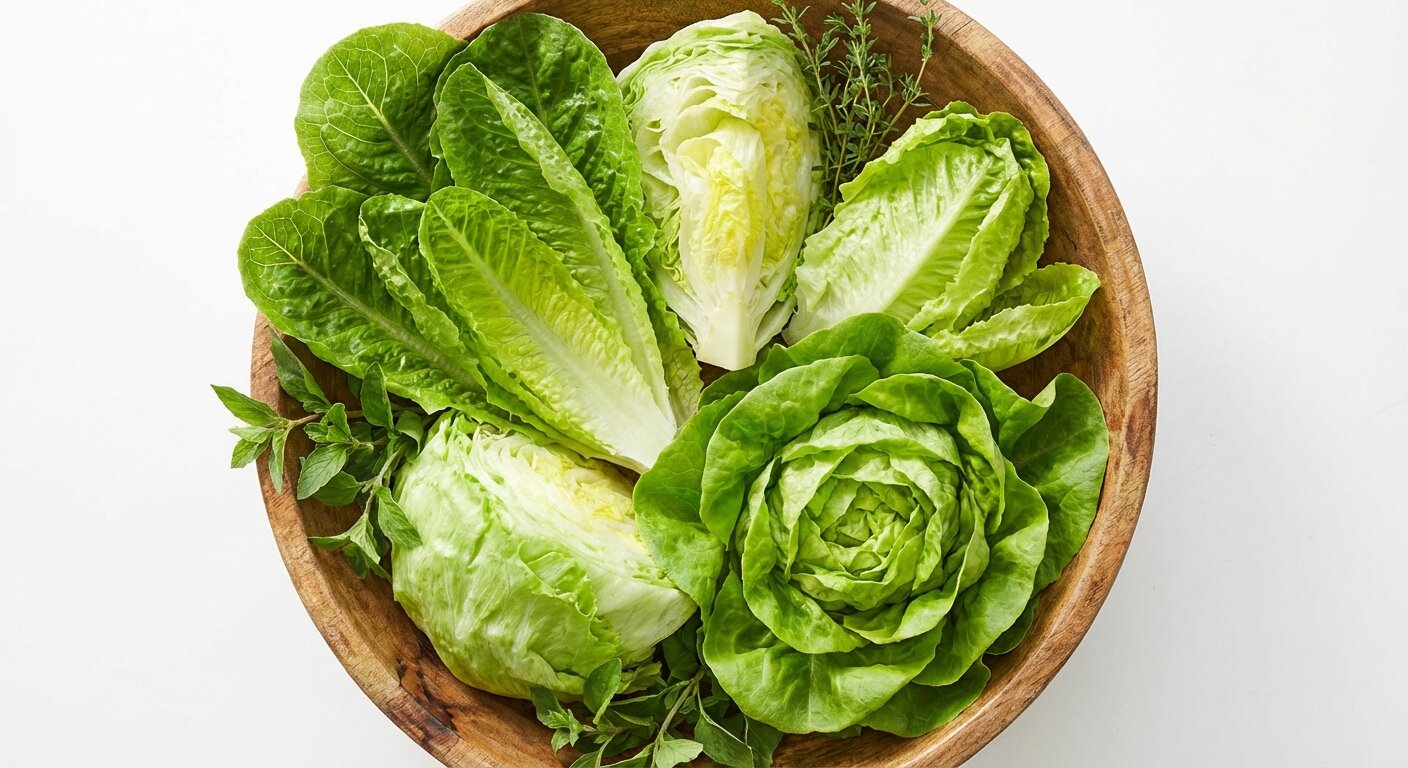
Lettuce is one of the most macro-friendly foods you can include in your diet. With its extremely low calorie density, high water content, and negligible macros, lettuce allows you to eat large portions while barely making a dent in your daily targets—making it perfect for weight loss, cutting diets, and anyone who loves feeling full without consuming many calories.
Whether you’re tracking macros, counting calories, or just trying to eat more vegetables, understanding the nutritional differences between lettuce varieties helps you make informed choices. This guide breaks down the complete macro profile for all common lettuce types, compares their nutritional value, and shows you how to incorporate lettuce into your macro diet effectively.
Quick Macro Summary: Romaine Lettuce (Most Common)
Per 100g (raw):
| Macro | Amount |
|---|---|
| Calories | 17 kcal |
| Protein | 1.2g |
| Carbohydrates | 3.3g |
| Fat | 0.3g |
| Fiber | 2.1g |
| Net Carbs | 1.2g |
| Water | 94.6% |
Per 1 cup shredded (47g):
| Macro | Amount |
|---|---|
| Calories | 8 kcal |
| Protein | 0.6g |
| Carbohydrates | 1.5g |
| Fat | 0.1g |
| Fiber | 1g |
| Net Carbs | 0.5g |
Per large head (626g):
| Macro | Amount |
|---|---|
| Calories | 106 kcal |
| Protein | 7.5g |
| Carbohydrates | 20.7g |
| Fat | 1.9g |
| Fiber | 13.1g |
| Net Carbs | 7.6g |
Lettuce Varieties: Complete Macro Comparison
Different lettuce varieties have slightly different nutritional profiles. Here’s a comprehensive breakdown:
Romaine Lettuce (Cos Lettuce)
Per 100g:
| Macro | Amount |
|---|---|
| Calories | 17 kcal |
| Protein | 1.2g |
| Carbohydrates | 3.3g |
| Fat | 0.3g |
| Fiber | 2.1g |
| Net Carbs | 1.2g |
Romaine is the most nutrient-dense common lettuce variety, with significantly more vitamin A, vitamin K, folate, and minerals than iceberg. It’s the best choice for those prioritizing nutrition along with macros.
Iceberg Lettuce
Per 100g:
| Macro | Amount |
|---|---|
| Calories | 14 kcal |
| Protein | 0.9g |
| Carbohydrates | 3g |
| Fat | 0.1g |
| Fiber | 1.2g |
| Net Carbs | 1.8g |
Iceberg has the mildest flavor and crunchiest texture, making it popular for sandwiches and wraps. While less nutrient-dense than darker varieties, it’s still excellent for volume eating and hydration.
Butterhead Lettuce (Boston, Bibb)
Per 100g:
| Macro | Amount |
|---|---|
| Calories | 13 kcal |
| Protein | 1.4g |
| Carbohydrates | 2.2g |
| Fat | 0.2g |
| Fiber | 1.1g |
| Net Carbs | 1.1g |
Butterhead varieties have tender, sweet leaves with a buttery texture. They’re slightly lower in calories than romaine but still provide good nutrition with minimal macros.
Green Leaf Lettuce
Per 100g:
| Macro | Amount |
|---|---|
| Calories | 15 kcal |
| Protein | 1.4g |
| Carbohydrates | 2.9g |
| Fat | 0.2g |
| Fiber | 1.3g |
| Net Carbs | 1.6g |
Green leaf lettuce offers a middle ground between romaine’s nutrients and iceberg’s mild flavor, with a slightly frilly texture that works well in mixed salads.
Red Leaf Lettuce
Per 100g:
| Macro | Amount |
|---|---|
| Calories | 16 kcal |
| Protein | 1.3g |
| Carbohydrates | 2.8g |
| Fat | 0.2g |
| Fiber | 0.9g |
| Net Carbs | 1.9g |
Red leaf lettuce provides antioxidants from its red pigmentation (anthocyanins) along with similar macro content to green leaf varieties.
Arugula (Rocket)
Per 100g:
| Macro | Amount |
|---|---|
| Calories | 25 kcal |
| Protein | 2.6g |
| Carbohydrates | 3.7g |
| Fat | 0.7g |
| Fiber | 1.6g |
| Net Carbs | 2.1g |
While technically not lettuce (it’s in the brassica family), arugula is often used like lettuce. It has more calories and protein than true lettuces, plus a distinctive peppery flavor and impressive nutrient density.
Mixed Spring Mix (Mesclun)
Per 100g (approximate average):
| Macro | Amount |
|---|---|
| Calories | 20 kcal |
| Protein | 1.8g |
| Carbohydrates | 3.5g |
| Fat | 0.3g |
| Fiber | 1.7g |
| Net Carbs | 1.8g |
Spring mix contains baby versions of multiple lettuces and greens, so nutritional content varies by brand but generally provides more nutrients than iceberg with minimal macro impact.
Why Lettuce Is Perfect for Macro Tracking
Lettuce offers unique advantages for anyone tracking macros:
1. Extreme Low Calorie Density
With 95% water content, lettuce provides volume and satiety for minimal calories. You could eat an entire 500g head of romaine lettuce for just 85 calories—the same calorie count as one tablespoon of peanut butter.
Volume comparison:
- 100 calories of lettuce = ~600g (about 12 cups shredded)
- 100 calories of rice = ~30g (about 2 tablespoons dry)
- 100 calories of chicken breast = ~60g (about 2oz)
2. Negligible Macros
Lettuce has such minimal protein, carbs, and fats that it barely affects your macro targets:
- Protein: 0.9-2.6g per 100g (negligible)
- Carbs: 2-4g per 100g (minimal)
- Fat: 0.1-0.7g per 100g (negligible)
This makes lettuce one of the few foods you can eat in large quantities without worrying much about tracking precision.
3. Perfect for Cutting and Fat Loss
When you’re in a calorie deficit for fat loss, hunger can be challenging. Lettuce lets you:
- Fill your plate without filling your calorie budget
- Add volume to meals for satiety
- Create massive salads for under 100 calories (before dressing)
- Bulk up sandwiches and wraps without adding significant macros
4. Keto and Low-Carb Friendly
With net carbs ranging from 1-2g per 100g, lettuce is ideal for keto diets and low-carb eating. Use lettuce leaves as wraps to replace high-carb tortillas and save 30-40g of carbs per meal.
5. Hydration Support
At 95% water content, lettuce contributes to your daily hydration needs—especially important when increasing protein intake, which requires more water for metabolism.
Detailed Nutritional Breakdown
Beyond macros, lettuce provides valuable micronutrients, especially darker varieties:
Vitamins (per 100g romaine)
| Vitamin | Amount | % Daily Value |
|---|---|---|
| Vitamin A | 436 mcg RAE | 48% |
| Vitamin K | 102.5 mcg | 128% |
| Folate | 136 mcg | 34% |
| Vitamin C | 4 mg | 7% |
| Vitamin B6 | 0.1 mg | 5% |
Key highlights:
- Vitamin K: Essential for blood clotting and bone health—romaine provides more than your daily needs
- Vitamin A: Supports vision, immune function, and skin health
- Folate: Important for cell division, DNA synthesis, and pregnancy health
Minerals (per 100g romaine)
| Mineral | Amount | % Daily Value |
|---|---|---|
| Potassium | 247 mg | 5% |
| Calcium | 33 mg | 3% |
| Magnesium | 14 mg | 3% |
| Iron | 0.97 mg | 5% |
| Phosphorus | 30 mg | 2% |
Key highlights:
- Potassium: Supports muscle function, heart health, and blood pressure regulation
- Calcium: Contributes to bone health (though absorption from plant sources is lower than dairy)
- Iron: Helps transport oxygen in blood (non-heme iron, best absorbed with vitamin C)
Phytonutrients and Antioxidants
Lettuce contains beneficial plant compounds:
- Beta-carotene: Antioxidant that converts to vitamin A (more in darker varieties)
- Lutein and zeaxanthin: Support eye health and may reduce macular degeneration risk
- Anthocyanins: In red varieties, provide antioxidant and anti-inflammatory benefits
- Flavonoids: Including quercetin, with potential anti-inflammatory effects
Darker lettuce varieties (romaine, red leaf, green leaf) contain significantly more of these beneficial compounds than pale iceberg lettuce.
How to Track Lettuce Macros
Despite lettuce’s minimal impact on macros, accurate tracking matters for consistency:
Best Tracking Methods
1. Weigh After Prep (Most Accurate)
Wash lettuce → Dry thoroughly → Weigh on food scale- Wet lettuce weighs more but the water adds no calories
- Use the weight in grams in your tracking app
- Log as “lettuce, raw” not “salad” (which includes unknown ingredients)
2. Use Cup Measurements (Easier)
Approximate weights per cup:
- 1 cup shredded lettuce = 40-50g
- 1 cup chopped lettuce = 35-45g
- 1 packed cup = 55-65g
Cup measurements are less precise but acceptable for such a low-calorie food.
3. Estimate Whole Leaves
For sandwiches and wraps:
- 1 large romaine leaf = ~15-20g (3-4 calories)
- 2-3 iceberg leaves = ~20-30g (4-6 calories)
With only 3-4 calories per leaf, precision matters less—round to the nearest 10 calories if you’re eating multiple leaves.
When Precision Matters Less
Lettuce is one of the few foods where you can be less precise:
- Eating 50g more than tracked: Only ~10 extra calories
- Using cups instead of grams: Difference of 5-15 calories
- Forgetting to log lettuce in a sandwich: Impact of 5-10 calories
That said, always track your dressing, cheese, proteins, and other salad toppings—those can easily add 200-500 calories or more.
Lettuce in Different Diet Contexts
Lettuce for Weight Loss and Cutting
Lettuce is a cutting diet staple:
Volume eating strategy:
- Start meals with a large salad (200-300g lettuce = 30-50 calories)
- Fills your stomach before higher-calorie foods
- Provides fiber to slow digestion and extend satiety
- Adds vitamins and minerals often lacking in calorie restriction
Macro-friendly meal example:
200g romaine lettuce:         34 calories, 2.4g P, 6.6g C, 0.6g F
150g grilled chicken breast: 248 calories, 47g P, 0g C, 5.4g F
15g olive oil vinaigrette:   120 calories, 0g P, 0g C, 14g F
Total:                       402 calories, 49.4g P, 6.6g C, 20g F
This massive salad provides 50g protein, keeps you full for hours, and fits easily into a cutting diet.
Lettuce for Bulking
While not calorie-dense enough to be a bulking staple, lettuce still serves purposes:
- Micronutrient insurance: Ensures vitamin and mineral needs during high-calorie eating
- Digestive health: Fiber supports gut health during high-protein consumption
- Meal variety: Prevents flavor fatigue from repetitive bulking meals
Tip for bulking: Don’t let lettuce fill you up at the expense of calorie-dense foods. Add it to meals but prioritize protein, carbs, and healthy fats.
Lettuce for Keto and Low-Carb
Lettuce is perfect for keto diets:
Net carbs per serving:
- 100g romaine: 1.2g net carbs
- 200g iceberg: 3.6g net carbs
- 50g arugula: 1g net carbs
Keto lettuce strategies:
- Lettuce wraps: Replace tortillas (30-40g carbs) with lettuce leaves (1-2g carbs)
- Bulk fat-heavy meals: Add volume to high-fat meals without excess carbs
- Taco shells: Large iceberg or romaine leaves make perfect taco holders
Keto Caesar salad example:
200g romaine:                 34 cal, 2.4g P, 6.6g C (2.4g net), 0.6g F
60g Caesar dressing (full-fat): 300 cal, 2g P, 2g C, 32g F
50g parmesan cheese:          215 cal, 19g P, 1g C, 14g F
100g grilled chicken:         165 cal, 31g P, 0g C, 3.6g F
Total:                        714 cal, 54.4g P, 9.6g C (5g net), 50.2g F
Perfect keto macros with only 5g net carbs.
Lettuce for Vegetarian and Vegan Diets
While lettuce alone isn’t a significant protein source, it’s valuable in plant-based diets:
Strategies:
- Base for protein: Top with chickpeas, tofu, lentils, or black beans
- Volume without calories: Allows larger portions of higher-calorie plant proteins and fats
- Nutrient variety: Darker lettuces contribute vitamins often lower in vegan diets (though not a primary source)
Vegan macro-friendly salad:
150g romaine:                 26 cal, 1.8g P, 5g C (2.7g net), 0.5g F
150g chickpeas:              246 cal, 12.6g P, 41g C (29g net), 4.2g F
50g avocado:                  80 cal, 1g P, 4.3g C (2.8g net), 7.3g F
30g pumpkin seeds:           158 cal, 8.3g P, 3.5g C (2g net), 13.5g F
Total:                       510 cal, 23.7g P, 53.8g C (36.5g net), 25.5g F
Good protein content with nutrient diversity.
Best Ways to Eat Lettuce for Macros
High-Volume, Low-Calorie Meals
Massive Chopped Salad
- 300g mixed lettuce varieties
- 200g cucumber
- 100g bell peppers
- 100g cherry tomatoes
- 20g red onion
Total: ~120 calories, huge volume, incredible satiety
Top with lean protein and measured dressing for a complete macro-friendly meal.
Lettuce Wraps and Roll-Ups
Replace bread, tortillas, and shells:
Traditional lettuce wrap:
- 4-5 large romaine leaves (15-20 calories)
- 150g ground turkey (225 cal, 35g P)
- Asian-style sauce (50-100 calories)
- Saves 150-200 calories vs. flour tortillas
Burger lettuce wrap:
- 2-3 large iceberg leaves (10 calories)
- Beef patty and toppings
- Saves 150-200 calories vs. burger bun
Salad Base for Complete Meals
Use lettuce as the foundation:
Protein-focused:
- Lettuce base (50 calories)
- Grilled chicken, salmon, or steak (200-300 calories, 35-50g protein)
- Light dressing (50-100 calories)
- Veggies (50 calories)
Total: 350-500 calories, 35-50g protein—perfect for cutting macros.
Balanced macro bowl:
- Lettuce base (50 calories)
- Protein source (150-200 calories)
- Healthy fat source (avocado, nuts, seeds) (100-150 calories)
- Colorful vegetables (50-75 calories)
- Light carb source (quinoa, sweet potato) (100-150 calories)
Total: 450-625 calories, balanced macros, extremely filling.
Lettuce Preparation and Storage
Selecting Fresh Lettuce
What to look for:
- Crisp, firm leaves without wilting or browning
- Vibrant color appropriate to variety (bright green, deep red)
- No sliminess on leaves or at core
- Fresh smell without off odors
- Heavy for size (indicates high water content, freshness)
Varieties by shelf life (longest first):
- Iceberg (up to 10 days)
- Romaine (7-10 days)
- Green/red leaf (5-7 days)
- Butterhead (3-5 days)
- Spring mix (3-5 days)
Proper Storage
Unwashed lettuce lasts longer:
- Don’t wash until ready to use (moisture accelerates spoilage)
- Keep in original packaging if store-bought in sealed bags
- Wrap in dry paper towels if you’ve washed it—absorbs excess moisture
- Store in crisper drawer at 32-40°F (0-4°C)
- Keep away from ethylene-producing fruits (apples, bananas) which accelerate yellowing
Extending shelf life:
- Line storage container with paper towels
- Change paper towels every 2-3 days if damp
- Store in breathable container (not fully sealed—lettuce needs airflow)
Washing and Prep
Proper washing technique:
- Separate leaves from core
- Rinse under cold running water to remove dirt and potential contaminants
- Soak in cold water for 5-10 minutes if very dirty
- Spin dry using salad spinner (or pat with clean towels)
- Ensure leaves are dry before storage—water causes wilting
Time-saving tip: Wash and prep lettuce for the entire week on meal prep day. Store in container lined with paper towels, separated by variety.
Reviving Wilted Lettuce
Lost your lettuce to the back of the fridge? Try this:
- Trim stem end to expose fresh core
- Submerge in ice-cold water for 15-30 minutes
- Dry thoroughly
- Refrigerate for 1 hour before using
This rehydrates the cells and restores some crispness. Works best if lettuce is wilted but not brown or slimy.
Common Mistakes When Eating Lettuce for Macros
Mistake 1: Ignoring Salad Dressing Macros
The problem: Lettuce is near-zero calories, but dressing isn’t.
Common salad dressing macros per 2 tablespoons (30ml):
- Ranch: 145 calories, 1g P, 2g C, 15g F
- Caesar: 150 calories, 1g P, 1g C, 16g F
- Blue cheese: 150 calories, 2g P, 2g C, 15g F
- Balsamic vinaigrette: 90 calories, 0g P, 4g C, 8g F
- Italian: 85 calories, 0g P, 3g C, 8g F
The solution:
- Measure dressing with tablespoon or food scale
- Use lighter dressings (vinaigrettes vs. creamy)
- Dilute dressing with vinegar or lemon juice
- Make homemade dressing to control ingredients
Macro-friendly dressing recipe:
3 tablespoons olive oil (360 cal, 0P, 0C, 40F)
3 tablespoons balsamic vinegar (15 cal)
1 teaspoon Dijon mustard (5 cal)
Salt, pepper, garlic powder

Makes 6 servings (1 tablespoon each)
Per serving: 63 calories, 0g P, 0.5g C, 6.7g F
Mistake 2: Forgetting Salad Toppings
The problem: Cheese, nuts, croutons, and other toppings add significant calories.
Common topping macros:
- Shredded cheese (30g): 120 cal, 7g P, 1g C, 10g F
- Croutons (30g): 120 cal, 3g P, 20g C, 3g F
- Sunflower seeds (30g): 175 cal, 6g P, 7g C, 15g F
- Dried cranberries (30g): 100 cal, 0g P, 26g C, 0g F
- Bacon bits (15g): 80 cal, 6g P, 0g C, 6g F
The solution:
- Weigh toppings separately before adding
- Log everything in your tracking app
- Choose protein-rich toppings (chicken, egg, turkey) over calorie-dense ones if hitting protein targets
- Use nuts sparingly (very calorie-dense but nutritious in moderation)
Mistake 3: Overfilling on Lettuce Before Protein
The problem: Starting with a huge salad can fill you up before eating enough protein.
The solution:
- Eat protein first or mix it throughout the salad
- Don’t use lettuce to avoid eating protein—hitting your protein target is crucial for muscle building and fat loss
- Balance volume with nutrition—lettuce provides volume, but you still need protein, fats, and carbs
Mistake 4: Relying Only on Iceberg
The problem: Iceberg has the least nutrition of all lettuce varieties.
The solution:
- Mix varieties in salads for better nutrition and flavor
- Use romaine as default for sandwiches and wraps
- Add dark leafy greens (spinach, arugula, kale) occasionally
- Iceberg is fine for texture, but don’t make it your only vegetable
Mistake 5: Not Eating Enough Vegetables Overall
The problem: Focusing on macros can lead to neglecting micronutrients.
The solution:
- Lettuce is just one vegetable—eat a variety of colors and types
- Add other vegetables to salads (tomatoes, peppers, cucumbers, carrots)
- Don’t count only lettuce toward your vegetable intake
- Aim for diversity to ensure micronutrient coverage
Lettuce Varieties for Different Purposes
Best for Flavor
- Arugula: Peppery, distinctive taste
- Red leaf: Slightly bitter, complex flavor
- Romaine: Crisp with mild sweetness
- Butterhead: Sweet, buttery, delicate
Best for Nutrition
- Romaine: Highest vitamin K, vitamin A, folate
- Red leaf: Antioxidants from anthocyanins
- Green leaf: Good balance of nutrients
- Spring mix: Variety provides diverse nutrients
Best for Texture
- Iceberg: Crispest, most substantial crunch
- Romaine: Crisp with good structural integrity
- Butterhead: Tender, soft, delicate
- Spring mix: Varied textures in one package
Best for Lettuce Wraps
- Iceberg: Large, sturdy leaves that hold fillings
- Romaine hearts: Boat shape perfect for holding ingredients
- Butterhead: Flexible, wraps around fillings easily
Best for Meal Prep
- Iceberg: Lasts longest (up to 10 days)
- Romaine: Good shelf life (7-10 days)
- Green leaf: Moderate shelf life (5-7 days)
- Spring mix: Use first (3-5 days)
Frequently Asked Questions
How much lettuce should I eat per day for weight loss?
There’s no upper limit for lettuce consumption—it’s nearly impossible to overeat due to its high water and fiber content. For weight loss, aim for 200-400g of lettuce daily (split between meals) to add volume and fiber without significantly impacting your calorie budget. This provides 30-70 calories while filling your plate and stomach. Many successful dieters eat even more, using lettuce to make every meal feel larger and more satisfying during calorie deficits.
Can eating too much lettuce be harmful?
It’s extremely difficult to eat harmful amounts of lettuce. The biggest risk is consuming too much vitamin K, which can interfere with blood-thinning medications—but you’d need to eat more than 500g of romaine daily consistently for this to matter. The more realistic concern is filling up on lettuce at the expense of more nutrient-dense foods. Make sure you’re still hitting your protein targets, eating adequate healthy fats, and consuming a variety of vegetables beyond just lettuce. If you’re on blood thinners, consult your doctor about vitamin K intake, but typical salad amounts are generally safe.
Does cooking lettuce change its macros?
Yes, but minimally. Cooked lettuce (like in Chinese dishes or wilted salads) loses water content, which concentrates the macros slightly. For example, 100g raw romaine with 17 calories becomes approximately 100g cooked romaine with 20-25 calories due to water loss. However, you typically cook larger amounts and they reduce in volume—so if you start with 200g raw lettuce and it reduces to 100g cooked, the total calorie content stays similar (around 30-35 calories). For macro tracking, weigh lettuce raw before cooking and use raw lettuce entries in your tracking app, as cooked entries are less standardized and vary by cooking method.
What’s the best lettuce for keto dieters?
All lettuce varieties are keto-friendly, but butterhead and romaine have the lowest net carbs (1.1-1.2g per 100g), making them ideal for strict keto. Iceberg has slightly higher net carbs (1.8g per 100g) but the difference is negligible—even eating 300g of iceberg only adds 5.4g net carbs to your day. For keto, focus more on using lettuce as a vehicle for healthy fats: use large lettuce leaves as wraps for high-fat fillings, create salads with olive oil-based dressings, and add avocado, cheese, nuts, and fatty proteins. The lettuce variety matters far less than how you dress and top it.
Is organic lettuce more nutritious than conventional?
Organic and conventional lettuce have virtually identical macro and micronutrient profiles. The main difference is pesticide residue—lettuce is on the Environmental Working Group’s “Dirty Dozen” list, meaning conventional lettuce tends to have higher pesticide levels. If budget allows, organic lettuce reduces pesticide exposure, but washing conventional lettuce thoroughly also removes most surface residues. From a macro tracking perspective, there’s zero difference—use the same entries in your tracking app regardless of whether you buy organic or conventional. Choose based on your budget and pesticide concerns, not nutritional differences.
Can I use lettuce to replace other vegetables in my diet?
No—lettuce is an excellent addition to your diet but shouldn’t be your only vegetable. While lettuce provides volume and some nutrients (especially romaine), it lacks the diverse phytonutrients, vitamins, and minerals found in other vegetables. For example, lettuce has minimal vitamin C compared to bell peppers, less calcium than broccoli, and fewer antioxidants than berries. Aim to eat a rainbow of vegetables: dark leafy greens (spinach, kale), cruciferous vegetables (broccoli, cauliflower), colorful vegetables (peppers, carrots, tomatoes), and yes, lettuce. Variety ensures you get comprehensive micronutrient coverage that no single vegetable can provide alone.
How do I make lettuce salads more filling for cutting?
The key is adding protein, fiber, and some healthy fat to your lettuce base. Start with 200-300g lettuce (30-50 calories), add 150-200g lean protein like grilled chicken or shrimp (200-250 calories, 40-50g protein), include fiber-rich vegetables like tomatoes, cucumbers, and bell peppers (30-50 calories), add a measured amount of healthy fat from avocado, nuts, or olive oil-based dressing (100-150 calories), and consider volume-boosting additions like mushrooms or cucumber. This creates a massive salad for 400-500 calories that will keep you full for hours. The protein and fat slow digestion, the fiber from vegetables adds bulk, and the water content from lettuce provides volume—all crucial for managing hunger during calorie deficits.
Does lettuce have any benefits for athletes and active people?
Yes, though not for the reasons you might expect. Lettuce isn’t a performance food like carbs or protein, but it supports athletic nutrition in several ways. First, its high water content (95%) helps with hydration, especially when athletes increase protein intake and need more fluids. Second, darker varieties like romaine provide vitamin K for bone health and blood clotting, plus folate for red blood cell production. Third, lettuce adds volume to meals without excessive calories, helping athletes maintain healthy body composition in the off-season or during weight cuts. Finally, lettuce provides an easy way to add vegetables to athlete diets, which often lack sufficient micronutrients due to focus on performance macros. For athletes tracking macros, lettuce helps fill plates and stomachs during cutting phases without sacrificing muscle-building protein budgets.
What are the best high-protein toppings for lettuce salads?
To transform lettuce into a complete macro-friendly meal, focus on lean protein sources. The best options include grilled chicken breast (31g protein per 100g, very lean), canned tuna (26g protein per 100g, convenient), grilled shrimp (24g protein per 100g, low calorie), hard-boiled eggs (13g protein per 100g, adds healthy fat), cottage cheese (11g protein per 100g, low fat versions available), turkey breast (29g protein per 100g, lean), grilled salmon (25g protein per 100g, adds omega-3s), and Greek yogurt-based dressings (10g protein per 100g, replaces regular dressing). For vegetarian options, add chickpeas (9g protein per 100g), black beans (9g protein per 100g), tofu (8g protein per 100g), or tempeh (19g protein per 100g). Aim for 150-200g of protein source per salad to hit 30-50g protein in the meal.
Can I meal prep salads with lettuce for the whole week?
Meal prepping salads requires a specific method to prevent soggy lettuce. Do NOT pre-mix salads—lettuce will wilt within a day when exposed to moisture. Instead, prep components separately: wash, dry, and store lettuce in containers lined with paper towels (change towels if they get damp), prepare and store dressing in small separate containers, cook and portion proteins (grilled chicken, hard-boiled eggs) in separate containers, chop and store harder vegetables (carrots, bell peppers, tomatoes) separately, and keep delicate items like avocado or cheese separate until serving. Assemble salads fresh each day by combining components. This method keeps lettuce crisp for 5-7 days (romaine, iceberg) or 3-5 days (spring mix, butterhead). Mason jar salads work too: layer dressing at bottom, hard vegetables, grains/beans, protein, and lettuce on top—shake when ready to eat.
How does lettuce compare to spinach for macro tracking?
Lettuce and spinach serve different nutritional purposes despite both being leafy greens. Spinach has slightly more calories (23 vs 15-17 per 100g), more protein (2.9g vs 1.2-1.4g), and similar carbs, making it marginally better for macro tracking when protein matters. However, spinach absolutely dominates in micronutrients: it has 5x more iron, 3x more magnesium, double the calcium, and significantly more vitamin E and B vitamins than lettuce. That said, lettuce has advantages too: it’s crunchier and more refreshing in salads, stays fresh longer, has a milder flavor that works better for picky eaters, and provides more volume for the same calories due to higher water content. For macro tracking purposes, the 8-calorie difference per 100g is negligible. Choose spinach when you want maximum nutrition in minimal volume, and choose lettuce when you want maximum volume and crunch with minimal calories.
Conclusion: Making Lettuce Work for Your Macros
Lettuce is one of the most forgiving foods in macro tracking. With its minimal calories, negligible impact on your protein/carb/fat targets, and incredible volume-to-calorie ratio, lettuce allows you to eat large, satisfying portions without derailing your diet goals.
Whether you’re cutting for fat loss, building muscle, following a keto diet, or simply trying to eat more vegetables, lettuce provides a versatile, low-calorie base for countless meals.
Key takeaways:
- All lettuce varieties are extremely low in calories (10-20 per 100g)
- Darker varieties offer more nutrients (romaine > green leaf > iceberg)
- Perfect for volume eating during calorie deficits
- Keto-friendly with just 1-2g net carbs per 100g
- Track your toppings and dressing carefully—that’s where calories hide
- Use lettuce as a base, not a protein source—always prioritize hitting your protein targets
Want to calculate your personalized macro targets for your specific goals? Use our macro calculator to determine your ideal protein, carb, and fat targets, then use lettuce as a strategic tool to fill your plate and satisfy your hunger without overfilling your calorie budget.
Start incorporating more lettuce into your meals today—your macros (and your stomach) will thank you.
Related Articles
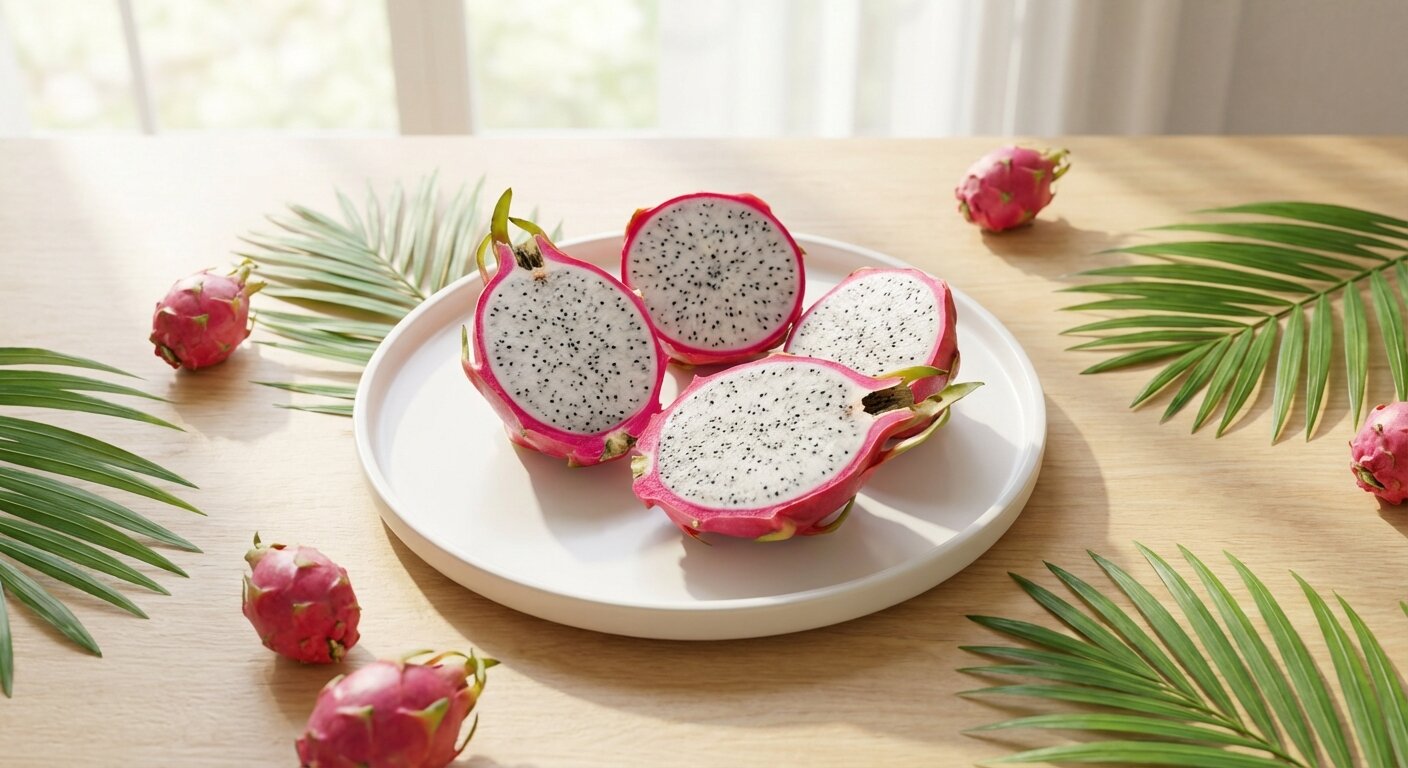
Dragonfruit Macros: Complete Nutrition Guide for Pitaya
Complete macro breakdown of dragonfruit (pitaya). Learn the calories, protein, carbs, and...
Read guide →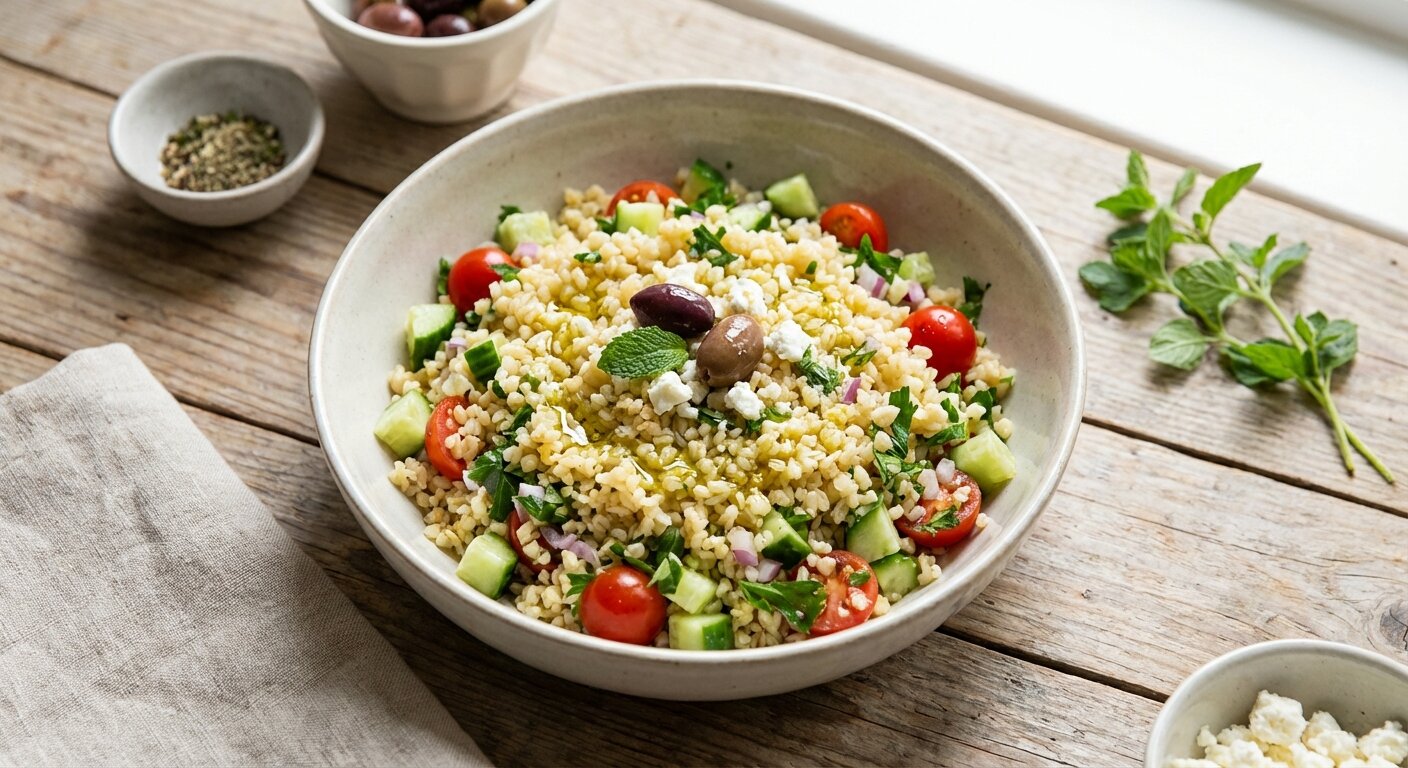
Bulgur Macros: Complete Nutritional Guide & Health Benefits
Discover bulgur's complete macro breakdown, nutritional benefits, and how to incorporate...
Read guide →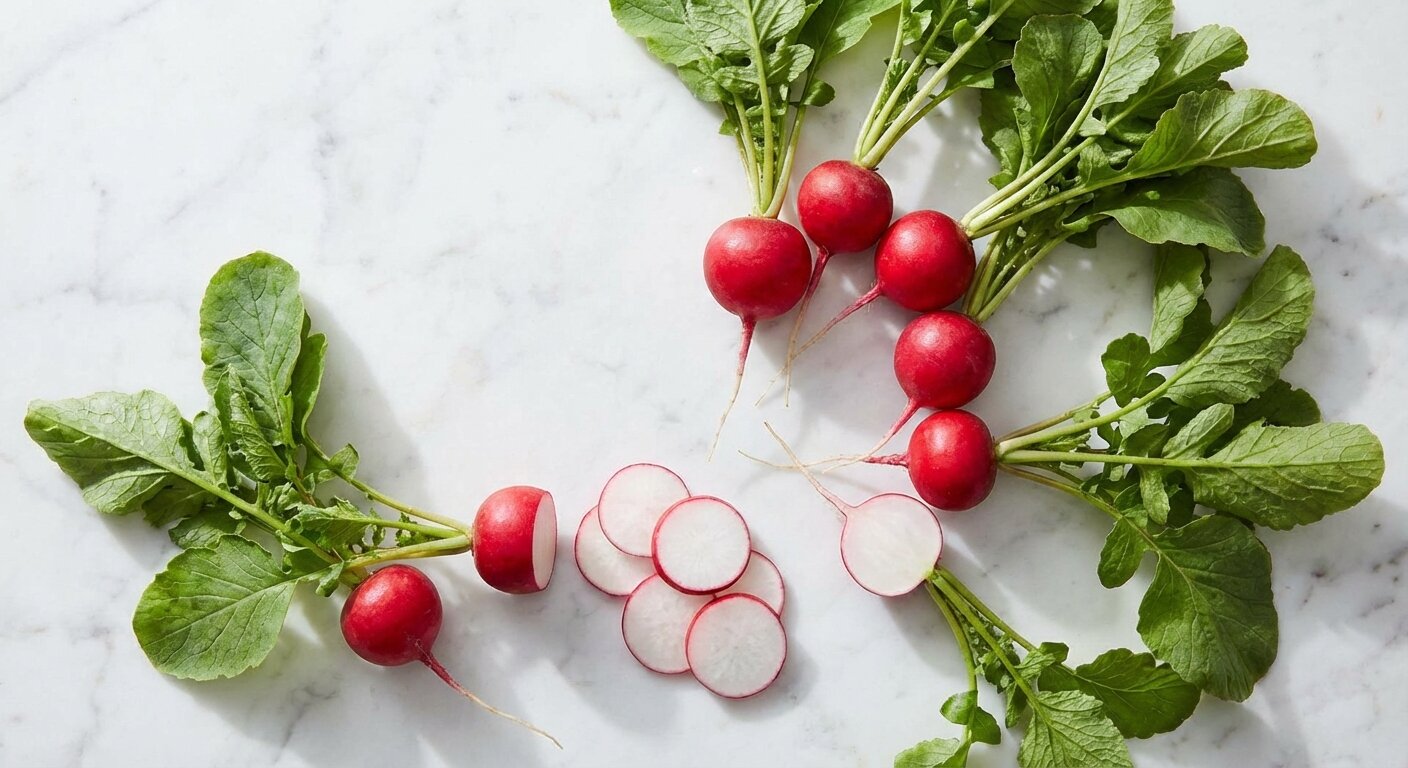
Radish Macros: Nutrition Facts and Health Benefits
Complete guide to radish macros and nutrition. Learn calories, protein, carbs, and health...
Read guide →Note: Nutrition values are approximate and may vary based on preparation method and source.