Mac and Cheese Macros: Complete Nutrition Guide + Healthier Recipes
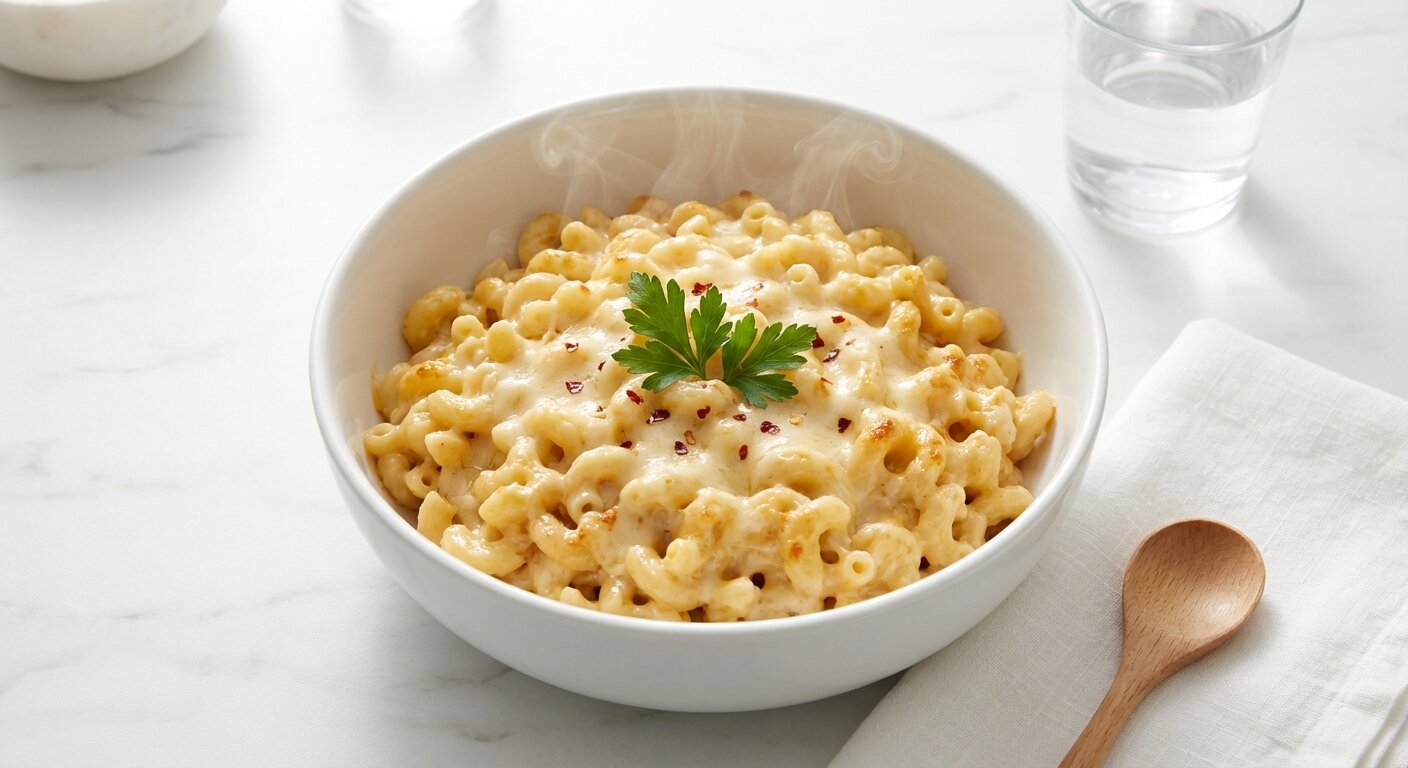
Mac and cheese is the ultimate comfort food — creamy, cheesy, and satisfying. Whether you’re reaching for a blue box on a busy weeknight or crafting a homemade version from scratch, understanding the macros in mac and cheese helps you enjoy this classic dish while staying on track with your nutrition goals.
The nutritional profile of mac and cheese varies dramatically based on preparation method. Boxed versions like Kraft offer convenience with relatively predictable macros. Homemade recipes allow control over ingredients but can quickly become calorie bombs. Restaurant mac and cheese often packs the highest calorie and fat counts with oversized portions and extra cream.
This guide breaks down the macros for every type of mac and cheese, from boxed classics to gourmet restaurant versions. You’ll learn how different preparation methods affect nutritional content, discover strategies to make mac and cheese fit your macro targets, and find recipe modifications that maintain flavor while improving the macro profile.
Want to track your entire day’s macros accurately? Use our macro calculator to set personalized targets based on your goals, then see how mac and cheese fits into your daily nutrition plan.
Related: Learn more about what macros are and how they impact your diet.
Mac and Cheese Macros by Type
Boxed Mac and Cheese (Kraft Original)
The classic blue box remains America’s favorite quick comfort food. One cup of prepared Kraft Mac & Cheese contains:
- Calories: 310
- Protein: 11g
- Carbohydrates: 47g
- Fat: 8g
- Fiber: 2g
- Sodium: 730mg
Macro ratio: 60% carbs / 14% protein / 23% fat
The standard box preparation uses 2% milk and butter. Using whole milk and more butter increases fat content significantly (up to 12-14g fat per cup). Skim milk reduces fat to approximately 5g per cup but affects creaminess.
Portion reality check: The box claims 3 servings, but most people consume 2-2.5 cups in one sitting, putting actual intake at 620-775 calories and 16-28g protein.
Homemade Mac and Cheese (Traditional Recipe)
Classic homemade mac and cheese made with elbow macaroni, sharp cheddar, whole milk, butter, and flour for the roux:
Per 1 cup serving:
- Calories: 390-450
- Protein: 15-18g
- Carbohydrates: 38-42g
- Fat: 18-24g
- Fiber: 2-3g
- Sodium: 450-650mg
Macro ratio: 40% carbs / 16% protein / 44% fat
Homemade versions typically contain more fat due to generous butter and full-fat cheese. The protein content increases with higher cheese-to-pasta ratios. Using multiple cheese varieties (cheddar, gruyere, parmesan) can push fat content even higher.
Baked vs. stovetop: Baked mac and cheese with breadcrumb topping adds 50-80 calories per serving from the topping (butter and breadcrumbs).
Restaurant Mac and Cheese
Restaurant portions are notoriously large and rich. Chain restaurant mac and cheese nutritional information:
Panera Bread Mac & Cheese (regular):
- Calories: 980
- Protein: 35g
- Carbohydrates: 86g
- Fat: 52g
- Sodium: 1,800mg
Chick-fil-A Mac & Cheese (medium):
- Calories: 450
- Protein: 18g
- Carbohydrates: 45g
- Fat: 21g
- Sodium: 1,090mg
Noodles & Company Wisconsin Mac & Cheese (regular):
- Calories: 1,030
- Protein: 38g
- Carbohydrates: 99g
- Fat: 50g
- Sodium: 1,720mg
Restaurant versions often use heavy cream instead of milk, multiple cheese types, and serve 2-3 cup portions as a single order.
Frozen Mac and Cheese
Popular frozen options analyzed per package serving:
Stouffer’s Macaroni & Cheese (1 cup):
- Calories: 350
- Protein: 13g
- Carbohydrates: 37g
- Fat: 16g
- Sodium: 920mg
Amy’s Organic Mac & Cheese (1 cup):
- Calories: 400
- Protein: 16g
- Carbohydrates: 47g
- Fat: 16g
- Sodium: 590mg
Frozen versions typically fall between boxed and homemade in terms of macros, with convenience as the trade-off for higher sodium content.
Protein-Enhanced Mac and Cheese
Modern high-protein pasta brands create more macro-friendly versions:
Banza Chickpea Mac & Cheese (1 cup prepared):
- Calories: 310
- Protein: 18g
- Carbohydrates: 43g
- Fat: 8g
- Fiber: 8g
- Sodium: 590mg
Barilla Protein+ Mac & Cheese:
- Calories: 330
- Protein: 17g
- Carbohydrates: 50g
- Fat: 7g
- Fiber: 5g
- Sodium: 690mg
These options nearly double the protein content of traditional boxed mac and cheese while maintaining similar calorie counts.
Factors That Change Mac and Cheese Macros
Pasta Type
The foundation of mac and cheese significantly impacts nutritional content:
Traditional white elbow macaroni (2 oz dry):
- Calories: 200
- Protein: 7g
- Carbs: 42g
- Fiber: 2g
Whole wheat elbow macaroni (2 oz dry):
- Calories: 190
- Protein: 8g
- Carbs: 39g
- Fiber: 6g
Chickpea pasta (2 oz dry):
- Calories: 190
- Protein: 14g
- Carbs: 32g
- Fiber: 8g
Protein+ pasta (2 oz dry):
- Calories: 200
- Protein: 13g
- Carbs: 38g
- Fiber: 5g
Switching pasta alone can add 6-7g protein and 4-6g fiber per serving without changing the sauce.
Cheese Selection
Different cheeses dramatically alter fat and protein content:
Cheddar (1 oz):
- Calories: 115, Protein: 7g, Fat: 9g
Gruyere (1 oz):
- Calories: 117, Protein: 8g, Fat: 9g
Parmesan (1 oz):
- Calories: 110, Protein: 10g, Fat: 7g
Part-skim mozzarella (1 oz):
- Calories: 72, Protein: 7g, Fat: 5g
Reduced-fat cheddar (1 oz):
- Calories: 70, Protein: 7g, Fat: 4g
Using reduced-fat cheese saves 40-50 calories per ounce but may compromise texture and flavor. Blending full-fat with reduced-fat cheese (50/50) balances taste and macros.
Milk and Butter Content
The sauce base determines creaminess and fat content:
2% milk (1/2 cup):
- Calories: 61, Protein: 4g, Fat: 2.4g
Whole milk (1/2 cup):
- Calories: 74, Protein: 4g, Fat: 4g
Heavy cream (1/2 cup):
- Calories: 400, Protein: 3g, Fat: 43g
Butter (1 tbsp):
- Calories: 102, Protein: 0.1g, Fat: 12g
Restaurant mac and cheese often uses heavy cream or half-and-half, explaining why a single serving can contain 50+ grams of fat. Swapping heavy cream for milk saves approximately 300 calories per cup of sauce.
Add-ins and Toppings
Common additions change the macro profile:
Breadcrumb topping (1/4 cup):
- Adds 100 calories, 3g protein, 15g carbs, 3g fat
Bacon bits (2 tbsp):
- Adds 80 calories, 6g protein, 0g carbs, 6g fat
Broccoli (1 cup):
- Adds 55 calories, 4g protein, 11g carbs, 4g fiber
Grilled chicken (3 oz):
- Adds 140 calories, 26g protein, 0g carbs, 3g fat
Ground turkey (3 oz, 93% lean):
- Adds 150 calories, 22g protein, 0g carbs, 7g fat
Adding lean protein transforms mac and cheese from a carb-heavy side dish into a more balanced meal with improved macro ratios.
How to Make Mac and Cheese Fit Your Macros
For Weight Loss (Calorie Deficit)
Strategy 1: Portion Control
- Measure servings with a measuring cup
- Start with 1 cup mac and cheese
- Add 1 cup steamed broccoli or cauliflower
- Add 3-4 oz lean protein (chicken breast, turkey, shrimp)
- Total meal macros: 500-550 calories, 35-40g protein, 50g carbs, 15g fat
Strategy 2: Lightened Recipe
- Use chickpea or protein pasta
- Replace butter with Greek yogurt (2-3 tbsp)
- Use 2% milk instead of whole milk or cream
- Measure cheese (2 oz sharp cheddar for maximum flavor)
- Add mustard powder and paprika for depth without calories
- Per cup: 280 calories, 18g protein, 38g carbs, 7g fat
Strategy 3: Volumize
- Start with 3/4 cup mac and cheese
- Mix in 1 cup riced cauliflower
- Add 1/2 cup diced tomatoes
- Top with 2 tbsp nutritional yeast
- Per 2-cup serving: 320 calories, 16g protein, 45g carbs, 10g fat
For Muscle Building (Calorie Surplus)
High-Protein Mac and Cheese Bowl:
- 1.5 cups protein pasta mac and cheese
- 5 oz grilled chicken breast, diced
- 1/4 cup cottage cheese mixed in for creaminess
- 1 cup roasted vegetables
- Total meal macros: 700 calories, 55g protein, 75g carbs, 16g fat
Bulking Mac and Cheese:
- 2 cups traditional homemade mac and cheese
- 4 oz ground beef (85/15)
- 2 tbsp butter mixed in
- Total meal macros: 1,050 calories, 48g protein, 85g carbs, 50g fat
For Macro Flexibility (Maintenance)
Balanced Mac and Cheese Meal:
- 1 cup boxed mac and cheese (Kraft or similar)
- 4 oz rotisserie chicken, shredded
- 1.5 cups roasted broccoli
- Total meal macros: 520 calories, 40g protein, 55g carbs, 13g fat
- Macro ratio: 42% carbs / 31% protein / 23% fat
This approach provides balanced macros, adequate protein for muscle maintenance, and comfort food satisfaction.
Restaurant Strategies
When eating out:
- Ask for a half portion or kids’ size (saves 300-500 calories)
- Request sauce on the side to control portions
- Add grilled protein to improve macro balance
- Share a full order and supplement with a side salad
- Skip the bread served alongside to reduce carbs
Healthier Mac and Cheese Recipe Swaps
Macro-Friendly Base Recipe
Ingredients (serves 4):
- 8 oz chickpea pasta (cooked)
- 1 cup low-fat cottage cheese
- 1/2 cup 2% milk
- 6 oz reduced-fat sharp cheddar, shredded
- 2 tbsp Greek yogurt
- 1 tsp Dijon mustard
- 1/2 tsp garlic powder
- 1/4 tsp paprika
- Salt and pepper to taste
Preparation:
- Cook pasta according to package directions
- Blend cottage cheese, milk, and Greek yogurt until smooth
- Heat cheese sauce ingredients in a pot over medium heat
- Add shredded cheddar gradually, stirring until melted
- Toss with cooked pasta
Per 1.5 cup serving:
- Calories: 380
- Protein: 28g
- Carbohydrates: 42g
- Fat: 10g
- Fiber: 8g
Macro ratio: 44% carbs / 29% protein / 24% fat
This recipe provides nearly triple the protein of traditional mac and cheese with similar calories.
Secret Ingredient Swaps
Butternut Squash Sauce: Replace 50% of cheese with pureed roasted butternut squash. Maintains creaminess while cutting 150 calories and adding vitamins A and C. Adds 2-3g fiber per serving.
Cauliflower Cream: Blend steamed cauliflower with milk and nutritional yeast to create a low-calorie cheese sauce base. Saves 200 calories per cup of sauce, adds 4g fiber.
Cottage Cheese Boost: Blend 1 cup cottage cheese into the sauce. Adds 14g protein and creates ultra-creamy texture without extra fat.
Greek Yogurt Finish: Stir in 1/4 cup Greek yogurt after removing from heat. Adds 6g protein and tangy depth with minimal fat.
High-Protein Additions
Transform mac and cheese into a complete high-protein meal:
Buffalo Chicken Mac:
- Add 1 lb shredded rotisserie chicken
- Mix in 1/4 cup buffalo sauce
- Top with blue cheese crumbles
- Protein boost: +25g per serving
Taco Mac:
- Brown 1 lb lean ground turkey with taco seasoning
- Mix into mac and cheese
- Top with salsa and Greek yogurt
- Protein boost: +22g per serving
Tuna Mac:
- Mix in 2 cans chunk light tuna (drained)
- Add frozen peas
- Season with lemon zest and dill
- Protein boost: +20g per serving
Mac and Cheese vs Other Comfort Foods
How does mac and cheese compare to similar comfort foods?
| Food (1 cup) | Calories | Protein | Carbs | Fat |
|---|---|---|---|---|
| Mac and cheese | 310 | 11g | 47g | 8g |
| Fettuccine alfredo | 410 | 12g | 45g | 20g |
| Chicken fried rice | 330 | 15g | 42g | 11g |
| Spaghetti with meat sauce | 280 | 16g | 38g | 7g |
| Loaded mashed potatoes | 240 | 6g | 32g | 10g |
| Pizza (2 slices) | 570 | 24g | 68g | 22g |
Mac and cheese sits in the middle for calories but lower for protein compared to alternatives with meat. It’s less fatty than alfredo but more carb-heavy than most options.
Best balanced option: Spaghetti with meat sauce provides similar comfort with better macros — higher protein, similar carbs, and less fat than mac and cheese.
Common Mac and Cheese Macro Mistakes
Mistake 1: Underestimating Portion Size
The problem: A standard “serving” is 1 cup, but most people eat 2-3 cups in one sitting.
The fix: Measure your actual portion. A 3-cup serving of homemade mac and cheese can exceed 1,200 calories and 60g fat.
Mistake 2: Not Accounting for Preparation Variations
The problem: Using “mac and cheese” as a database entry without specifying preparation method.
The fix: Log specific types:
- “Boxed mac and cheese, prepared with 2% milk”
- “Homemade mac and cheese with cheddar”
- “Restaurant mac and cheese”
Nutritional differences can exceed 300 calories per cup.
Mistake 3: Ignoring Add-Ins
The problem: Logging only the base mac and cheese while adding breadcrumb topping, bacon, and extra cheese.
The fix: Log every component separately or add 100-150 calories per significant addition.
Mistake 4: Choosing Low-Quality Boxed Versions for “Health”
The problem: Assuming boxed mac and cheese is “lighter” than homemade.
The fix: Many boxed versions contain as many calories as homemade but with less protein, more sodium (700-900mg per serving), and lower quality ingredients. If calories are equal, homemade with real cheese offers better nutrition.
Mistake 5: Over-Restricting
The problem: Attempting to make “healthy mac and cheese” that tastes nothing like the original.
The fix: Use the 80/20 approach — make 80% of the recipe lower-calorie (pasta choice, milk type, portion control) and keep 20% full-flavor (real cheese, small amount of butter). This maintains satisfaction while improving macros.
Special Dietary Considerations
Gluten-Free Mac and Cheese
Many gluten-free pasta options maintain similar macros to traditional pasta:
Brown rice elbow macaroni (2 oz dry):
- Calories: 200
- Protein: 4g
- Carbohydrates: 44g
- Fiber: 2g
Corn pasta (2 oz dry):
- Calories: 200
- Protein: 4g
- Carbohydrates: 43g
- Fiber: 5g
Gluten-free options typically contain slightly less protein but similar calories. The cheese sauce remains identical.
Dairy-Free Mac and Cheese
Creating dairy-free versions while maintaining macros:
Cashew cheese sauce (1 cup):
- Calories: 160
- Protein: 5g
- Carbohydrates: 10g
- Fat: 12g
Nutritional yeast (1/4 cup):
- Calories: 80
- Protein: 10g
- Carbohydrates: 5g
- Fat: 1g
Cashew-based sauces provide creaminess but lower protein than dairy cheese. Adding nutritional yeast compensates with 10g protein per 1/4 cup and a cheesy flavor profile.
Coconut milk alternative:
- Full-fat coconut milk creates richness but adds significant fat (24g per cup)
- Lite coconut milk reduces fat but affects texture
- Best approach: Blend cashews with lite coconut milk and nutritional yeast
Low-Carb / Keto Mac and Cheese
Traditional mac and cheese doesn’t fit ketogenic macros (50g+ carbs per serving), but alternatives exist:
Cauliflower “mac” and cheese (1.5 cups):
- Calories: 220
- Protein: 12g
- Carbohydrates: 12g (7g net carbs after fiber)
- Fat: 15g
- Fiber: 5g
Use cauliflower florets instead of pasta, prepare with heavy cream and full-fat cheddar. Maintains the comfort food experience with keto-friendly macros.
Shirataki noodle version:
- Shirataki noodles contain 0-1g net carbs per serving
- Prepare with full-fat cheese sauce
- Final macros per 2 cups: 8g carbs, 14g protein, 20g fat
Frequently Asked Questions
How many calories are in a box of Kraft mac and cheese?
One standard box (7.25 oz) of Kraft Mac & Cheese prepared according to package directions (with butter and milk) contains approximately 930 calories total. The box claims 3 servings, but most people consume 1.5-2 servings at a time, equating to 465-620 calories per meal.
Is mac and cheese a good source of protein?
Mac and cheese provides moderate protein (10-15g per cup) from cheese and milk, but it’s not considered a high-protein food. Traditional versions contain a carb-heavy macro ratio. To make it a better protein source, use protein pasta (adds 6-7g protein per serving), mix in cottage cheese or Greek yogurt (adds 10-15g protein per serving), or add lean meat like chicken or turkey (adds 20-25g protein per serving).
What’s the difference between homemade and boxed mac and cheese macros?
Boxed mac and cheese typically contains 310-350 calories per cup with 11-12g protein and 8-10g fat. Homemade versions range from 390-450 calories per cup with 15-18g protein and 18-24g fat. Homemade has more fat due to real cheese and butter but also more protein. Boxed versions are higher in sodium (700-900mg vs 450-650mg) but lower in overall calories and fat.
Can I meal prep mac and cheese?
Yes, mac and cheese meal preps well for 3-4 days. Cool completely before refrigerating in portioned containers. To prevent dryness, slightly undercook the pasta initially and add 2-3 tbsp milk when reheating. Reheat in microwave in 1-minute intervals, stirring between, or in oven at 350°F covered with foil for 15-20 minutes. Frozen mac and cheese keeps for 2-3 months but texture may become slightly grainy upon reheating.
How can I make mac and cheese more filling without adding calories?
Volumize with low-calorie, high-fiber vegetables mixed into the dish. Add 1-2 cups riced cauliflower, diced zucchini, or chopped broccoli. This doubles the volume while adding only 25-55 calories. The fiber increases satiety significantly. Another strategy: Use 3/4 cup mac and cheese mixed with 1 cup vegetables and 3-4 oz lean protein for a complete 500-calorie meal that’s far more filling than 2 cups of mac and cheese alone (620 calories).
What’s the healthiest cheese to use for mac and cheese?
Part-skim mozzarella provides the best calorie-to-protein ratio at 72 calories and 7g protein per ounce (compared to 115 calories and 7g protein for cheddar). However, mozzarella alone creates a mild, stretchy texture lacking the sharp flavor of traditional mac and cheese. The best strategy: Blend reduced-fat sharp cheddar (70 calories per oz) with part-skim mozzarella in a 50/50 ratio. This cuts calories by 30-40% while maintaining strong cheese flavor and creamy texture.
How does restaurant mac and cheese differ nutritionally from homemade?
Restaurant mac and cheese averages 900-1,100 calories per serving (2-3 cup portions) with 50+ grams of fat, primarily because restaurants use heavy cream instead of milk, serve oversized portions, and add extra butter for richness. A single restaurant order can contain your entire day’s saturated fat allowance (20-30g). Homemade mac and cheese averages 390-450 calories per cup, giving you far more control over ingredients and portion sizes. If eating restaurant mac and cheese, request a half portion or kids’ size and add a side salad with lean protein.
Can mac and cheese help with muscle building?
Traditional mac and cheese alone isn’t ideal for muscle building due to its low protein content (11-15g per cup) relative to calories. However, you can create a muscle-building version by using protein pasta (adds 6-7g protein), adding 4-6 oz lean meat like chicken or turkey (adds 20-30g protein), and mixing in Greek yogurt (adds 6-10g protein per 1/4 cup). A modified 2-cup serving can provide 550-650 calories with 40-50g protein, making it viable for a post-workout meal when paired with vegetables.
Conclusion
Mac and cheese doesn’t have to derail your macro goals. Understanding the nutritional differences between boxed, homemade, and restaurant versions empowers you to make informed choices. A single portion swap — from restaurant to homemade or traditional to protein pasta — can cut 300-500 calories while doubling protein content.
The key strategies: measure your portions, choose protein-rich pasta alternatives, use Greek yogurt or cottage cheese in your sauce, and add lean protein to transform mac and cheese from a carb-heavy side into a balanced meal. Even small modifications create significant nutritional improvements without sacrificing the comfort food experience.
Start by swapping traditional pasta for chickpea or protein pasta in your next box of mac and cheese. This single change adds 6-7g protein and 5-6g fiber with nearly identical taste and texture. Track your portion with a measuring cup to build awareness of actual serving sizes versus the “eyeball” method that often doubles intended portions.
Ready to plan your entire day around fitting mac and cheese into your macros? Use our macro calculator to set daily targets, then experiment with the recipe modifications in this guide to create a version that satisfies both your taste buds and your goals.
For more nutrition breakdowns of comfort foods, check out our guides on pizza macros, pasta macros, and grilled cheese macros.
Related Articles
Dragonfruit Macros: Complete Nutrition Guide for Pitaya
Complete macro breakdown of dragonfruit (pitaya). Learn the calories, protein, carbs, and...
Read guide →
Bulgur Macros: Complete Nutritional Guide & Health Benefits
Discover bulgur's complete macro breakdown, nutritional benefits, and how to incorporate...
Read guide →
Radish Macros: Nutrition Facts and Health Benefits
Complete guide to radish macros and nutrition. Learn calories, protein, carbs, and health...
Read guide →Note: Nutrition values are approximate and may vary based on preparation method and source.