Oatly Oat Milk Macros: Complete Nutrition Facts by Variety
Reviewed by Dr. Michael Torres, PhD
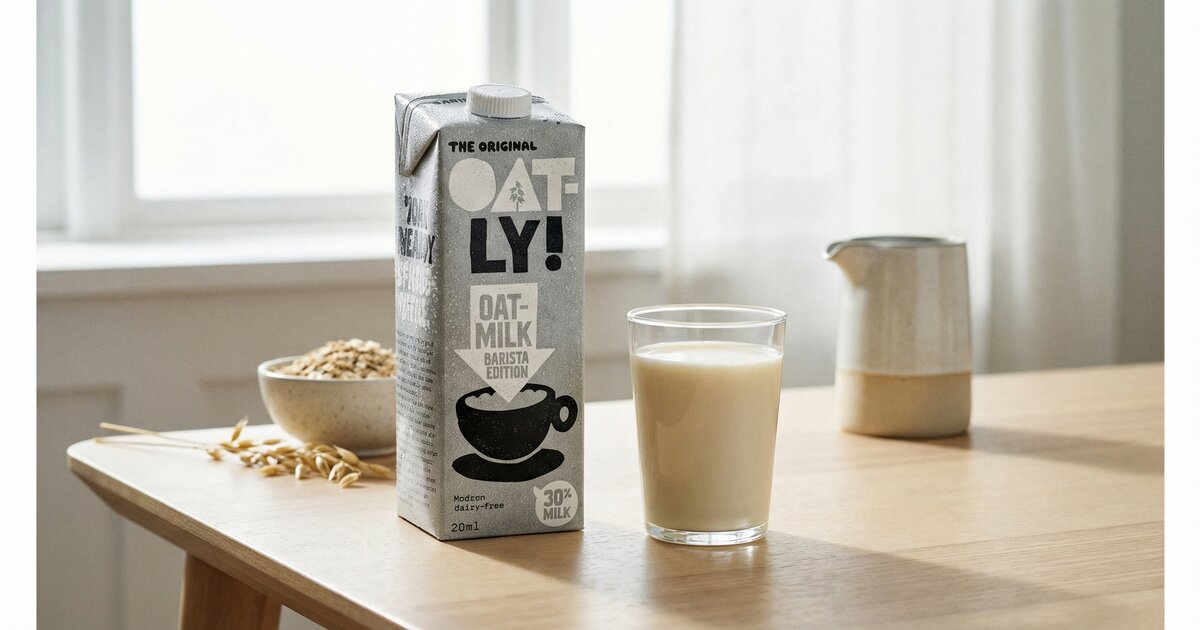
Oatly became a cultural phenomenon by making oat milk cool. The Swedish company’s irreverent marketing and exceptional product—especially the Barista Edition—turned oat milk from niche alternative to coffee shop default. If you’ve had a plant-based latte recently, it was probably made with Oatly.
For macro trackers, Oatly presents a different profile than other plant milks. More calories and carbs than almond milk, but creamier texture and better taste. Understanding the trade-offs helps you decide if oat milk fits your nutrition goals.
This guide covers every Oatly variety, compares them to other milks, and shows how to incorporate oat milk into your macro tracking.
Related: Understand what macros are and why they matter for your nutrition goals.
Oatly Macro Overview
Here’s how Oatly’s lineup compares:
| Variety | Serving | Cal | Protein | Carbs | Sugar | Fat |
|---|---|---|---|---|---|---|
| Original | 1 cup | 120 | 3g | 16g | 7g | 5g |
| Low-Fat | 1 cup | 90 | 2g | 16g | 7g | 1.5g |
| Barista Edition | 1 cup | 150 | 3g | 19g | 7g | 8g |
| Full Fat | 1 cup | 160 | 3g | 19g | 7g | 9g |
| Chocolate | 1 cup | 150 | 3g | 24g | 16g | 5g |
| Oat-Nog (Seasonal) | 1 cup | 180 | 3g | 26g | 14g | 7g |
Key insight: Oatly has 4x the calories of unsweetened almond milk (120 vs 30 cal). The trade-off is significantly better taste and texture—especially for coffee applications.
Detailed Breakdown by Variety
Oatly Original Oatmilk
The standard version for everyday use.
Per 1 cup (240ml):
| Macro | Amount | % Daily Value |
|---|---|---|
| Calories | 120 | - |
| Protein | 3g | 6% |
| Total Carbs | 16g | 6% |
| Fiber | 2g | 7% |
| Sugar | 7g | - |
| Added Sugar | 0g | 0% |
| Fat | 5g | 6% |
| Saturated Fat | 0.5g | 3% |
| Calcium | 350mg | 25% |
| Vitamin D | 3.6mcg | 20% |
| Vitamin B12 | 1.2mcg | 50% |
| Riboflavin | 0.6mg | 45% |
Sugar source: The 7g sugar comes from oats during processing—not added sugar. Enzymes break down oat starches into sugars.
Ingredients: Oatmilk (water, oats), rapeseed oil, dipotassium phosphate, calcium carbonate, tricalcium phosphate, sea salt, dicalcium phosphate, riboflavin, vitamin A, vitamin D2, vitamin B12
Oatly Low-Fat Oatmilk
Reduced fat for lower calories.
Per 1 cup (240ml):
| Macro | Amount |
|---|---|
| Calories | 90 |
| Protein | 2g |
| Carbs | 16g |
| Sugar | 7g |
| Fat | 1.5g |
| Fiber | 2g |
Trade-off: 30 fewer calories but less creamy. Better for cereal/smoothies than coffee.
Oatly Barista Edition
Designed specifically for coffee—froths like dairy.
Per 1 cup (240ml):
| Macro | Amount |
|---|---|
| Calories | 150 |
| Protein | 3g |
| Carbs | 19g |
| Sugar | 7g |
| Fat | 8g |
| Saturated Fat | 0.5g |
Why it’s different: Higher fat content (8g vs 5g) creates the creamy, steamed milk texture baristas need. Froths exceptionally well—better than any other plant milk.
Used at: Starbucks (many locations), Blue Bottle, Intelligentsia, and countless independent coffee shops.
Oatly Full Fat Oatmilk
Maximum creaminess for cooking and drinking.
Per 1 cup (240ml):
| Macro | Amount |
|---|---|
| Calories | 160 |
| Protein | 3g |
| Carbs | 19g |
| Sugar | 7g |
| Fat | 9g |
Best for: Cooking, baking, cream-based recipes, or those who want the richest oat milk experience.
Oatly Chocolate Oatmilk
Flavored version for chocolate milk lovers.
Per 1 cup (240ml):
| Macro | Amount |
|---|---|
| Calories | 150 |
| Protein | 3g |
| Carbs | 24g |
| Sugar | 16g |
| Fat | 5g |
Note: 16g sugar—significantly more than original. Use as an occasional treat, not daily consumption.
Oatly vs Other Plant Milks
Oatly vs Silk Almond Milk (Unsweetened)
| Metric (per cup) | Oatly Original | Silk Almond |
|---|---|---|
| Calories | 120 | 30 |
| Protein | 3g | 1g |
| Carbs | 16g | 1g |
| Sugar | 7g | 0g |
| Fat | 5g | 2.5g |
| Texture | Creamy | Thin |
Oatly wins: Creamier, more protein, better taste Almond wins: 75% fewer calories, 15g fewer carbs, keto-friendly
See our Silk Almond Milk macros guide for details.
Oatly vs Soy Milk
| Metric (per cup) | Oatly Original | Silk Soy |
|---|---|---|
| Calories | 120 | 110 |
| Protein | 3g | 8g |
| Carbs | 16g | 9g |
| Fat | 5g | 4.5g |
Soy wins: More protein (8g vs 3g), fewer carbs Oatly wins: Better taste for many, no soy concerns
Oatly vs Dairy Milk
| Metric (per cup) | Oatly Original | Whole Milk | Skim Milk |
|---|---|---|---|
| Calories | 120 | 149 | 83 |
| Protein | 3g | 8g | 8g |
| Carbs | 16g | 12g | 12g |
| Sugar | 7g | 12g | 12g |
| Fat | 5g | 8g | 0.2g |
Oatly vs Whole Milk: Fewer calories, less fat, but less protein Oatly vs Skim Milk: More calories and fat, same protein difference
Oatly vs Other Oat Milk Brands
Oatly vs Califia Oat
| Metric (per cup) | Oatly Original | Califia |
|---|---|---|
| Calories | 120 | 130 |
| Protein | 3g | 3g |
| Carbs | 16g | 19g |
| Sugar | 7g | 7g |
| Fat | 5g | 6g |
Verdict: Very similar. Oatly edges out on carbs; Califia has slightly more fat.
Oatly vs Planet Oat
| Metric (per cup) | Oatly Original | Planet Oat Extra Creamy |
|---|---|---|
| Calories | 120 | 130 |
| Protein | 3g | 4g |
| Carbs | 16g | 18g |
| Sugar | 7g | 6g |
Verdict: Near tie. Planet Oat has slightly more protein.
Where to Buy Oatly
Oatly is widely available:
Grocery stores:
- Target, Walmart, Kroger, Safeway
- Whole Foods (full selection)
- Trader Joe’s (doesn’t carry Oatly—has house brand)
Coffee shops:
- Starbucks (many locations)
- Most specialty coffee shops
Price: ~$4-5 per carton (32oz), premium pricing compared to other plant milks
Barista Edition: May need specialty stores or Amazon for home use.
Diet Compatibility
Keto Diet
Verdict: Not compatible 16g carbs per cup exceeds most keto daily limits. Choose unsweetened almond or coconut milk instead.
Low-Carb
Verdict: Use sparingly A splash in coffee might fit, but full servings are carb-heavy. Track carefully.
Low-Calorie/Weight Loss
Verdict: Be aware of calories 120 calories per cup adds up—4x more than almond milk. Fine if budgeted, but not “free” like unsweetened almond milk.
Use our macro calculator to see how Oatly fits your daily targets.
High-Protein
Verdict: Not a protein source 3g protein per cup is modest. If protein matters, choose soy milk (8g) or add protein powder.
Diabetic Diets
Verdict: Use caution 7g sugar and 16g carbs per cup will impact blood glucose. Less than dairy (12g sugar) but not as good as unsweetened almond (0g).
Vegan
Verdict: Yes 100% plant-based. Core use case.
Gluten-Free
Verdict: Oatly says yes Oatly uses gluten-free oats in the US and most markets. However, some people with celiac react to oats even without gluten contamination (avenin sensitivity).
Whole30
Verdict: Not compliant Contains rapeseed oil and is processed. Not aligned with Whole30 principles.
How to Fit Oatly in Your Macros
Coffee math:
- 2 oz Oatly in coffee = ~30 cal, 4g carbs
- vs 2 oz almond milk = 7 cal, <1g carbs
- Difference: 23 cal, 3g carbs per coffee
If you drink 3 coffees/day:
- Oatly: 90 cal, 12g carbs from milk alone
- Almond: 21 cal, <3g carbs
- Annual difference: ~25,000 calories
Worth it? Depends on how much you value taste. For many, Oatly’s superior coffee experience justifies the macro cost.
Best Oatly Varieties by Goal
Lowest Calorie: Low-Fat (90 cal)
Best for Coffee: Barista Edition (froths perfectly)
Highest Protein: All varieties tie at 3g (not impressive)
Lowest Carbs: Low-Fat and Original tie at 16g
Best Taste: Barista Edition or Full Fat (creamiest)
Avoid: Chocolate (16g sugar)
Usage Tips for Macro Tracking
For coffee:
- Barista Edition is worth the calories if you want proper lattes
- A little goes a long way—2oz is plenty
- Froths better than any other plant milk
For smoothies:
- Original or Low-Fat works well
- Adds creaminess without overpowering
- Consider calorie impact if making daily smoothies
For cooking:
- Full Fat best replicates dairy in recipes
- Works in soups, sauces, baked goods
- May alter flavor profile slightly
For cereal:
- Low-Fat is best option
- Original works fine
- Consider almond milk if watching carbs
The Oatly Phenomenon
Why did oat milk specifically become the plant milk of choice?
- Froths perfectly: Barista Edition changed coffee shop dynamics
- Neutral taste: Doesn’t overpower coffee like coconut or almond can
- Environmental story: Oat production uses less water than almonds
- Clever marketing: Oatly’s irreverent packaging and ads built brand loyalty
- Creaminess: Closest plant-based approximation to dairy texture
For macro trackers: These benefits come with 90 more calories per cup vs almond milk. Decide if the experience is worth the trade-off.
The Bottom Line
Oatly delivers the creamiest, most satisfying plant milk experience—especially for coffee. The Barista Edition has become the gold standard for plant-based lattes and cappuccinos.
The trade-off is real, though: 120+ calories and 16g carbs per cup versus almond milk’s 30 calories and 1g carbs. For strict macro tracking, keto, or aggressive cuts, almond milk wins mathematically.
Choose Oatly when:
- Coffee quality matters to you
- You need milk that froths well
- Creaminess and taste are priorities
- You’re not strictly counting carbs
Choose almond milk instead when:
- Every calorie counts
- You’re doing keto or low-carb
- You prefer neutral-tasting milk
- Daily usage would create significant macro impact
For more plant milk options, see our Silk Almond Milk macros guide and understand the full comparison in our almond milk vs regular milk guide.
Nutrition information sourced from Oatly’s official website and USDA FoodData Central. Values may vary by production batch. Always check packaging for the most accurate information.
Related Articles
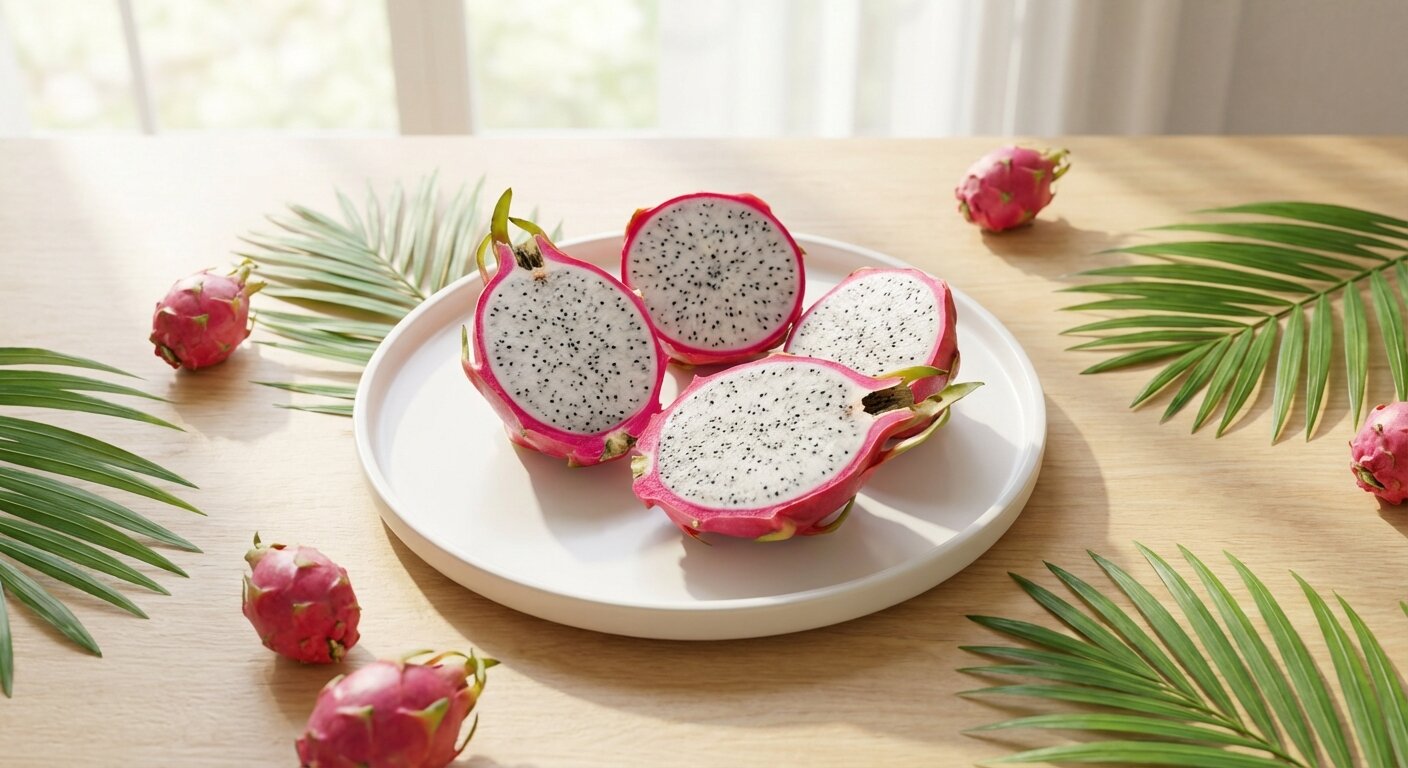
Dragonfruit Macros: Complete Nutrition Guide for Pitaya
Complete macro breakdown of dragonfruit (pitaya). Learn the calories, protein, carbs, and...
Read guide →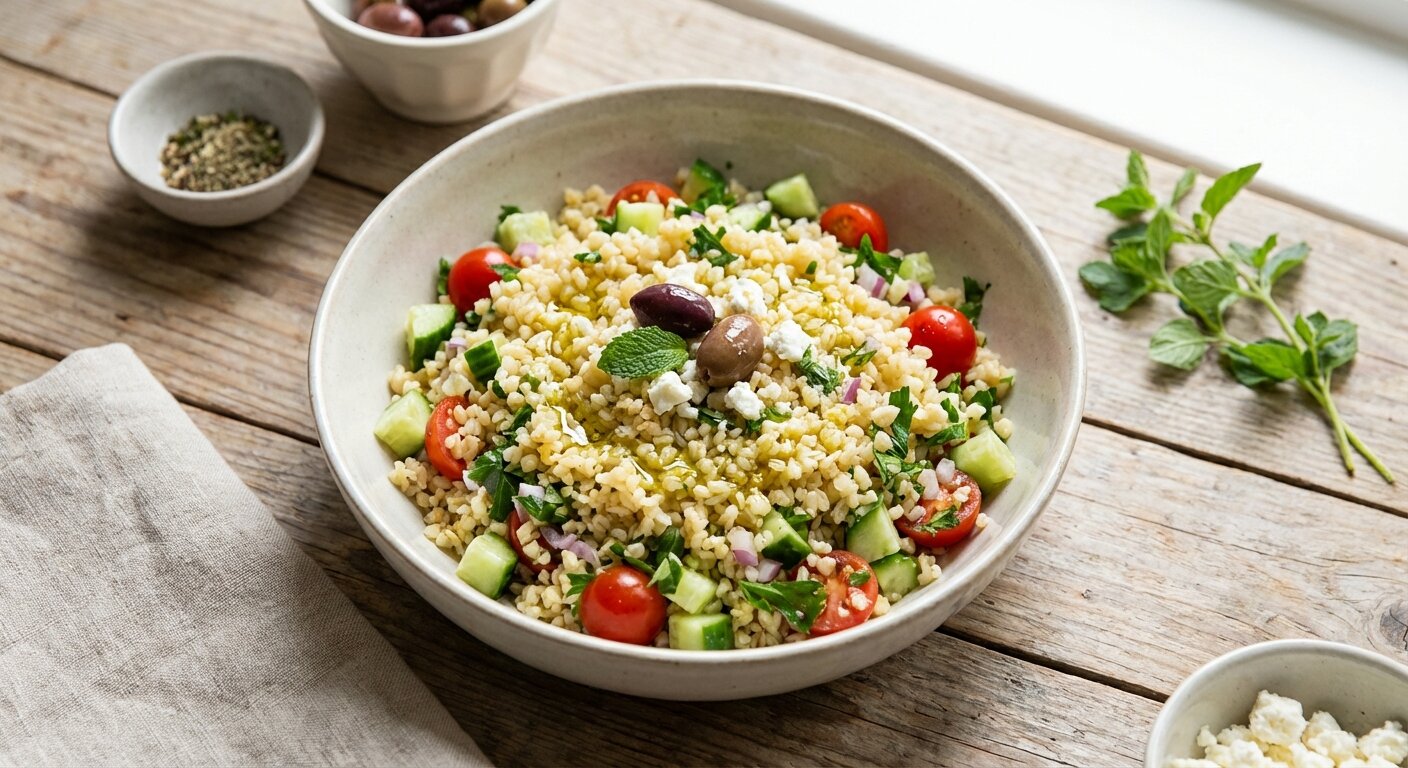
Bulgur Macros: Complete Nutritional Guide & Health Benefits
Discover bulgur's complete macro breakdown, nutritional benefits, and how to incorporate...
Read guide →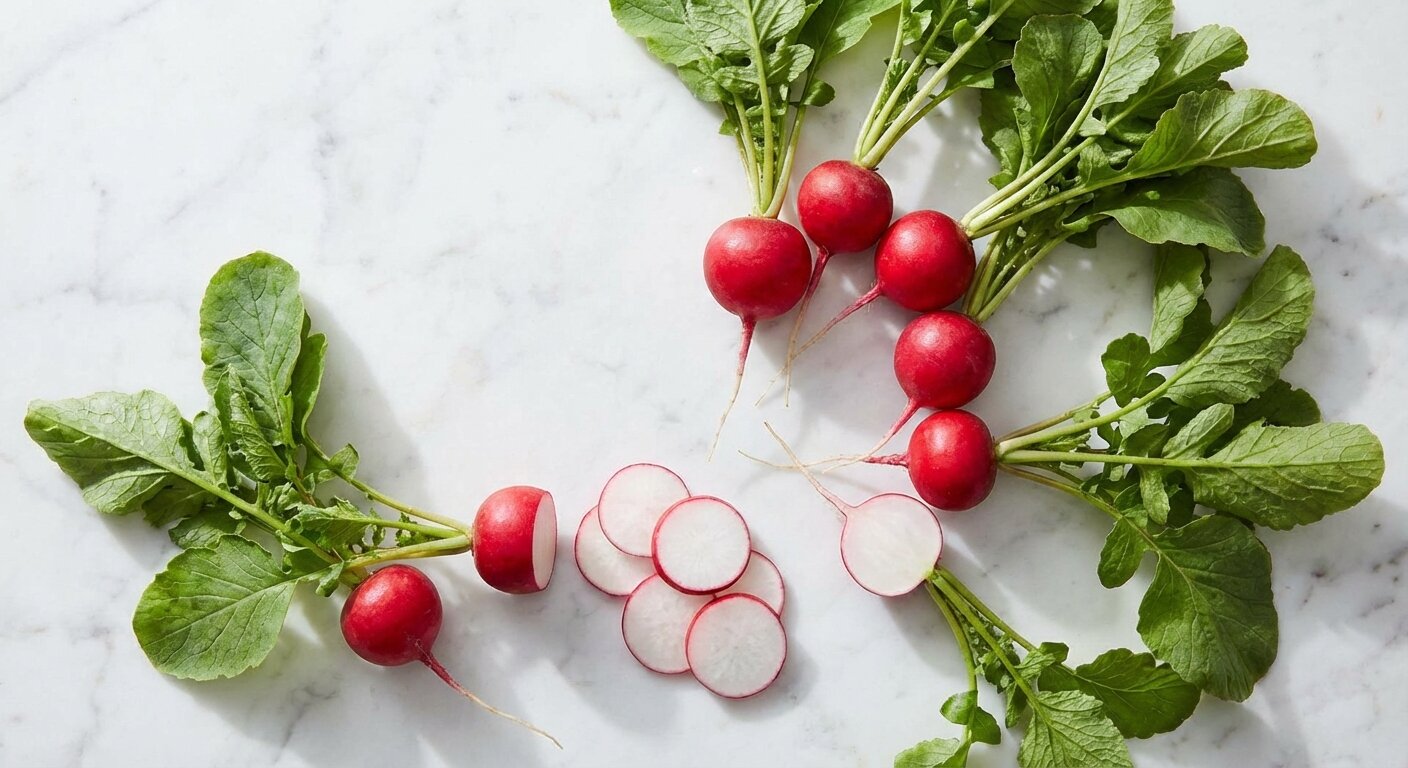
Radish Macros: Nutrition Facts and Health Benefits
Complete guide to radish macros and nutrition. Learn calories, protein, carbs, and health...
Read guide →Note: Nutrition values are approximate and may vary based on preparation method and source.