Olive Oil Macros: Complete Nutrition Guide
Reviewed by Dr. Michael Torres, PhD
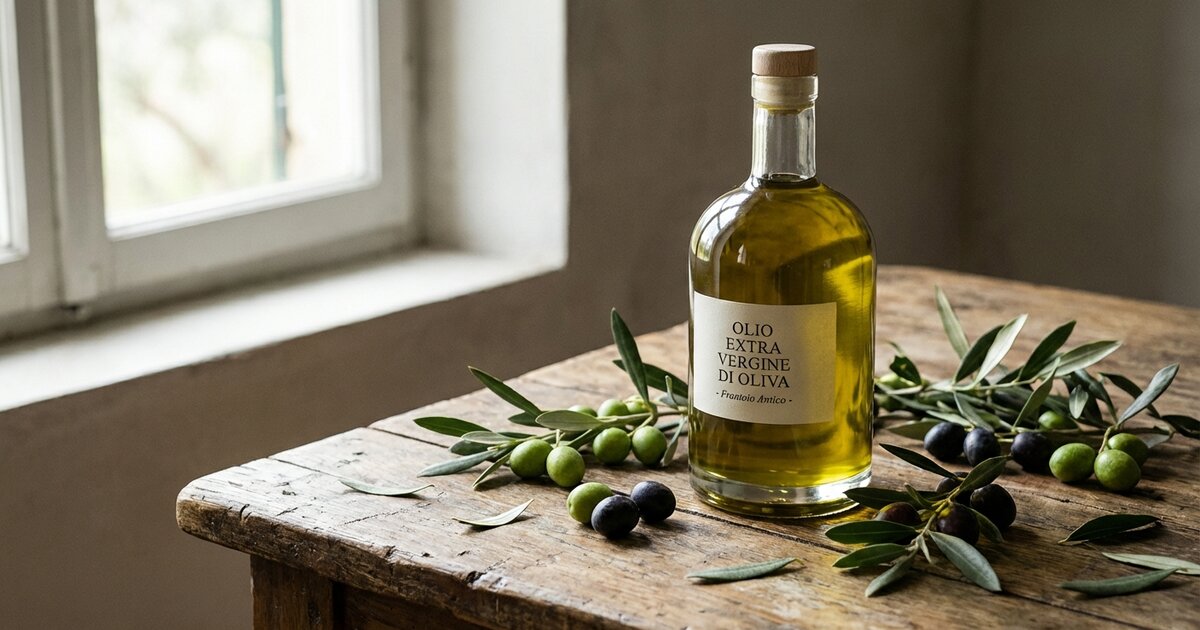
Olive oil is liquid fat—and that’s exactly what makes it valuable. It’s one of the healthiest fats you can consume, a cornerstone of the Mediterranean diet, and linked to numerous health benefits. But those benefits come with significant calories that demand respect when tracking macros.
The challenge with olive oil isn’t whether it’s healthy—it clearly is. The challenge is that it’s easy to pour 300-400 calories of oil without realizing it. A “drizzle” can be 200+ calories, and recipes calling for “generous” amounts can add serious macro impact.
This guide breaks down olive oil macros and teaches you to use it strategically.
Olive Oil Macros: Quick Reference
Olive oil is nutritionally simple—pure fat with zero carbs or protein.
Per Tablespoon (14g)
| Nutrient | Amount | % Daily Value |
|---|---|---|
| Calories | 119 | 6% |
| Total Fat | 13.5g | 17% |
| Saturated Fat | 1.9g | 9% |
| Monounsaturated Fat | 10g | - |
| Polyunsaturated Fat | 1.4g | - |
| Protein | 0g | 0% |
| Carbohydrates | 0g | 0% |
| Vitamin E | 1.9mg | 10% |
| Vitamin K | 8.1mcg | 9% |
Per 100ml (~92g)
| Nutrient | Amount |
|---|---|
| Calories | 824 |
| Total Fat | 93g |
| Saturated Fat | 13g |
| MUFA | 69g |
| PUFA | 10g |
Common Measurements
| Amount | Calories | Fat |
|---|---|---|
| 1 teaspoon (5g) | 40 | 4.5g |
| 1 tablespoon (14g) | 119 | 13.5g |
| 2 tablespoons | 238 | 27g |
| 1/4 cup (60ml) | 477 | 54g |
| 1/2 cup (120ml) | 954 | 108g |
Key insight: Small measurement differences have big calorie implications. The difference between a “drizzle” and a tablespoon can be 60-80 calories.
Understanding Olive Oil’s Fat Profile
Not all fats are created equal. Olive oil’s fat composition is what makes it special.
Fat Breakdown
| Fat Type | Percentage | Health Impact |
|---|---|---|
| Monounsaturated (MUFA) | 73% | Heart-healthy, reduces LDL |
| Saturated | 14% | Neutral in context |
| Polyunsaturated (PUFA) | 11% | Essential fats |
Monounsaturated fat (primarily oleic acid) is the star. It’s associated with:
- Reduced LDL (bad) cholesterol
- Maintained HDL (good) cholesterol
- Lower heart disease risk
- Reduced inflammation
Extra Virgin vs Other Types
| Type | Processing | Best Use | Health Value |
|---|---|---|---|
| Extra Virgin (EVOO) | Cold-pressed, unrefined | Dressings, finishing | Highest |
| Virgin | Slightly more refined | Cooking, dressings | High |
| Regular/Pure | Refined + virgin blend | Cooking | Moderate |
| Light/Extra Light | Highly refined | High-heat cooking | Lower |
Macros are identical across all types—the difference is antioxidant content and flavor. Extra virgin has the most polyphenols and health benefits.
Olive Oil vs Other Cooking Oils
How does olive oil compare to alternatives?
Macro Comparison (Per Tablespoon)
| Oil | Calories | Sat Fat | MUFA | PUFA |
|---|---|---|---|---|
| Olive oil | 119 | 1.9g | 10g | 1.4g |
| Avocado oil | 124 | 1.6g | 10g | 1.9g |
| Coconut oil | 121 | 11.2g | 0.8g | 0.2g |
| Butter | 102 | 7.3g | 3g | 0.4g |
| Canola oil | 124 | 1g | 8.9g | 3.9g |
| Vegetable oil | 124 | 1.5g | 6g | 5.6g |
| Sesame oil | 120 | 1.9g | 5.4g | 5.6g |
Key comparisons:
- Olive vs coconut: Olive has much less saturated fat
- Olive vs avocado: Very similar profiles, avocado has higher smoke point
- Olive vs butter: Olive has healthier fat composition
Health Ranking (Based on Research)
- Extra Virgin Olive Oil - Best documented health benefits
- Avocado Oil - Similar profile, good for high heat
- Canola Oil - Good omega ratio, affordable
- Coconut Oil - Saturated fat concerns, but has uses
- Butter - Use in moderation
Compare with Butter Macros and Avocado Macros.
Olive Oil for Different Diet Goals
Olive Oil for Weight Loss
The truth: Olive oil is healthy but calorie-dense.
For weight loss:
- Measure every pour. Eyeballing adds 100+ uncounted calories
- Use spray bottles for cooking (controls amount)
- A tablespoon per meal is reasonable
- Don’t drink it “for health”—the calories add up
Calorie reality check:
- “Drizzling” olive oil on salad: often 2-3 tablespoons = 240-360 calories
- That’s more calories than many salads themselves
Use our Macro Calculator to see how olive oil fits your daily fat budget.
Olive Oil on Keto
Verdict: Perfect keto food.
Why olive oil excels for keto:
- Zero carbs
- 100% fat
- Easy way to hit fat macros
- Healthy fat source
Keto uses:
- Salad dressing base
- Cooking fat
- Drizzled on vegetables
- Added to coffee (if you do that)
- Fat bombs ingredient
Keto math:
- Need 150g fat daily?
- 3 tbsp olive oil = 40g fat, ~360 calories
- That’s 27% of fat goal from olive oil alone
Olive Oil for Flexible Dieting
For IIFYM, olive oil is simply fat calories to track.
Key practices:
- Measure precisely (don’t pour from bottle)
- Use measuring spoons
- Account for cooking oil absorption
- Track restaurant olive oil if possible
Learn more in our Flexible Dieting Guide.
Olive Oil for Heart Health
Research consistently shows olive oil benefits cardiovascular health.
Evidence supports:
- 1-2 tablespoons daily associated with reduced heart disease risk
- Mediterranean diet (olive oil-rich) reduces cardiovascular events
- Replacing saturated fats with olive oil improves cholesterol
Practical application:
- Use olive oil instead of butter when possible
- Make olive oil-based dressings instead of creamy ones
- Cook with olive oil rather than vegetable shortening
How to Measure Olive Oil Accurately
Accurate measurement is critical—olive oil calories add up fast.
Use Measuring Spoons
Don’t pour directly from the bottle. Use actual measuring spoons:
- 1 tablespoon = 119 calories
- 1 teaspoon = 40 calories
Oil Spray Technique
Olive oil spray bottles dispense about:
- 1 second spray = ~1/4 teaspoon = 10 calories
- Good for coating pans with minimal calories
Scale Method
Most accurate: weigh olive oil in grams
- 14g = 1 tablespoon = 119 calories
- 5g = 1 teaspoon = 40 calories
Reality Check: Common “Drizzles”
| Description | Actual Amount | Calories |
|---|---|---|
| ”Light drizzle” | ~1 tbsp | 119 |
| ”Generous drizzle” | ~2 tbsp | 238 |
| ”Coated with olive oil” | ~3-4 tbsp | 357-476 |
| Restaurant bread service | 2-4 tbsp | 238-476 |
That bread and oil appetizer can easily be 400+ calories before your meal arrives.
Cooking with Olive Oil
Smoke Points
| Type | Smoke Point | Cooking Use |
|---|---|---|
| Extra Virgin | 375°F (190°C) | Sautéing, baking, low-heat |
| Virgin | 410°F (210°C) | Most cooking |
| Light/Refined | 470°F (243°C) | High-heat frying |
For high-heat cooking (stir-fry, searing), use light olive oil or avocado oil.
How Much Oil Absorbs into Food?
Food absorbs some cooking oil. Rough estimates:
- Sautéed vegetables: 30-50% of oil used
- Pan-fried foods: 10-20% absorption
- Deep frying: 10-15% absorption
Tracking strategy: Log all oil added, even if some stays in the pan. Better to overestimate than underestimate calories.
Low-Oil Cooking Techniques
To reduce olive oil while cooking:
- Use non-stick cookware
- Use oil spray instead of pouring
- Add water or broth for moisture
- Try air frying or baking
- Roast vegetables at high heat with minimal oil
Olive Oil Meal Ideas
Salad Dressing (Per Serving)
Simple vinaigrette:
- 1 tbsp olive oil: 119 cal
- 1 tbsp balsamic vinegar: 14 cal
- Dijon, salt, pepper
- Total: ~135 cal
Greek dressing:
- 1 tbsp olive oil: 119 cal
- 1 tbsp red wine vinegar: 5 cal
- Oregano, garlic
- Total: ~125 cal
Much lighter than creamy dressings (ranch: 130 cal/2 tbsp).
Cooking Applications
Sautéed vegetables:
- 1 tbsp olive oil for pan: 119 cal (assume 60% absorption)
- Absorbed: ~70 cal
- Per serving (serves 4): ~18 cal from oil
Roasted vegetables:
- 2 tbsp olive oil for sheet pan: 238 cal
- Divided by 4 servings: ~60 cal from oil per serving
Finishing Oil
Add olive oil after cooking for maximum flavor and health benefits:
- Drizzle on soup: 1 tsp = 40 cal
- Finish pasta: 1 tbsp = 119 cal
- Top hummus: 1 tsp = 40 cal
Health Benefits Beyond Macros
Antioxidants
Extra virgin olive oil contains polyphenols that:
- Reduce inflammation
- Protect against oxidative stress
- May reduce cancer risk
- Support brain health
Heart Health
Research links olive oil to:
- Reduced LDL cholesterol
- Improved arterial function
- Lower blood pressure
- Reduced heart disease risk
Other Potential Benefits
- Blood sugar regulation
- Brain health and cognitive function
- Reduced inflammation
- Gut health support
Note: These benefits come from moderate consumption (1-2 tbsp/day), not unlimited use.
Common Olive Oil Questions
Is “Light” Olive Oil Lower in Calories?
No. “Light” refers to flavor and color, not calories. All olive oils have identical macros—about 119 calories per tablespoon.
Should I Drink Olive Oil?
Some people drink 1-2 tablespoons daily for health. The research doesn’t clearly support this over simply cooking with olive oil. Those calories (120-240) need to fit your budget.
Does Olive Oil Go Bad?
Yes. Olive oil oxidizes over time:
- Best within 6 months of opening
- Store in dark, cool place
- Rancid oil tastes bitter and may have fewer benefits
Is Expensive Olive Oil Worth It?
For health benefits, quality matters:
- Look for harvest date on bottle
- Choose dark bottles (protects from light)
- “Cold pressed” and “extra virgin” are quality markers
- Very cheap oils may be diluted or mislabeled
Can I Fry with Extra Virgin Olive Oil?
Yes, despite myths. EVOO is stable up to 375°F for normal cooking. For very high heat (deep frying, wok cooking), refined olive oil or avocado oil is better.
Tracking Olive Oil: Best Practices
Don’t Eyeball
This is the #1 olive oil tracking mistake. What looks like a tablespoon might be 2-3. Always measure.
Account for Restaurant Oil
Restaurant cooking uses more oil than home cooking. When eating out:
- Assume dishes have 1-2 extra tablespoons
- Ask for “light oil” when ordering
- Request dressing on the side
Log Every Use
Track olive oil even in small amounts:
- Salad dressing: measure
- Cooking oil: measure
- Bread dipping: measure
- Finishing drizzle: measure
The Bottom Line on Olive Oil Macros
The facts:
- 119 calories per tablespoon—all from fat
- Zero carbs, zero protein
- 73% monounsaturated fat (heart-healthy)
- Contains antioxidants (especially extra virgin)
- Research-backed health benefits at 1-2 tbsp/day
Best practices:
- Always measure—never pour unmeasured
- Use measuring spoons or a scale
- Account for cooking oil absorption
- Choose extra virgin for maximum benefits
- Track every use, even “drizzles”
The balance: Olive oil is one of the healthiest fats available, but “healthy” doesn’t mean “unlimited.” The calories add up quickly. A couple tablespoons throughout the day provides benefits; half a cup ruins your calorie budget.
Smart approach: Make olive oil your primary cooking fat, use it in dressings, but measure every time. The health benefits are real at moderate consumption—not at unrestricted pouring.
For understanding how fats like olive oil fit your overall nutrition picture, read What Are Macronutrients.
Related Articles
Dragonfruit Macros: Complete Nutrition Guide for Pitaya
Complete macro breakdown of dragonfruit (pitaya). Learn the calories, protein, carbs, and...
Read guide →
Bulgur Macros: Complete Nutritional Guide & Health Benefits
Discover bulgur's complete macro breakdown, nutritional benefits, and how to incorporate...
Read guide →
Radish Macros: Nutrition Facts and Health Benefits
Complete guide to radish macros and nutrition. Learn calories, protein, carbs, and health...
Read guide →Note: Nutrition values are approximate and may vary based on preparation method and source.