Peach Macros: Complete Nutritional Breakdown and Health Benefits
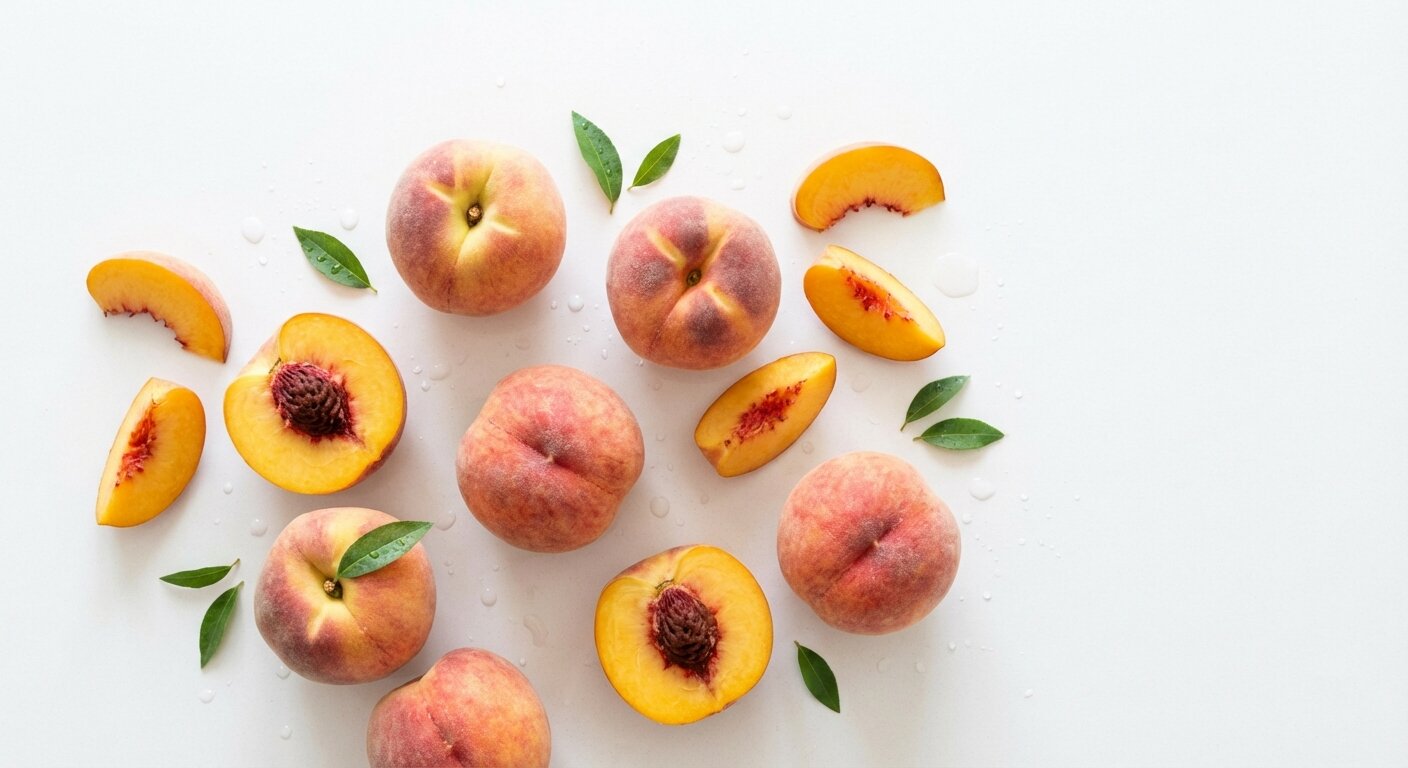
Peaches are one of summer’s most beloved fruits, offering a perfect combination of sweet flavor and juicy texture. But beyond their delicious taste, peaches pack impressive nutritional value with minimal calories. Whether you’re tracking macros for weight loss, muscle building, or general health, understanding the nutritional profile of peaches can help you make informed decisions about incorporating this stone fruit into your diet.
In this comprehensive guide, we’ll break down the complete macro profile of peaches in various forms—fresh, frozen, canned, and dried. We’ll also explore how peaches fit into different dietary goals, their health benefits, and practical tips for incorporating them into your nutrition plan. Ready to calculate your personalized macro targets? Use our macro calculator to get started with a nutrition plan tailored to your goals.
Related: Learn more about what macros are and how they impact your diet.
Peach Macros: Nutritional Breakdown
Understanding the macro composition of peaches helps you track them accurately and fit them seamlessly into your daily nutrition plan.
Fresh Peach Macros (Per Medium Peach, 150g)
- Calories: 59 kcal
- Protein: 1.4g
- Carbohydrates: 14.3g
- Dietary Fiber: 2.3g
- Sugars: 13g
- Fat: 0.4g
- Saturated Fat: 0.03g
- Monounsaturated Fat: 0.09g
- Polyunsaturated Fat: 0.09g
Macro Percentage Breakdown
- Carbohydrates: 92% of total calories
- Protein: 9% of total calories
- Fat: 6% of total calories
Peaches are overwhelmingly a carbohydrate source, with minimal protein and virtually negligible fat. This macro distribution makes them an excellent choice for quick energy, pre-workout fuel, or as a naturally sweet treat that won’t derail your fat or calorie targets.
Peach Macros by Serving Size
| Serving Size | Weight | Calories | Protein | Carbs | Fiber | Sugar | Fat |
|---|---|---|---|---|---|---|---|
| 1 small peach | 130g | 51 | 1.2g | 12.4g | 2g | 11.3g | 0.3g |
| 1 medium peach | 150g | 59 | 1.4g | 14.3g | 2.3g | 13g | 0.4g |
| 1 large peach | 175g | 68 | 1.6g | 16.7g | 2.7g | 15.2g | 0.4g |
| 1 cup sliced | 154g | 60 | 1.4g | 14.7g | 2.4g | 13.4g | 0.4g |
| 100g (reference) | 100g | 39 | 0.9g | 9.5g | 1.5g | 8.4g | 0.3g |
This table allows you to accurately track peaches regardless of how you measure them—by individual fruit size or by weight and volume.
Micronutrient Profile: More Than Just Macros
While macros tell you about energy and basic composition, peaches also deliver impressive micronutrients that support overall health:
Key Vitamins (Per Medium Peach)
- Vitamin C: 9.9mg (11% DV) - supports immune function and collagen production
- Vitamin A: 489 IU (10% DV) - crucial for vision and skin health
- Vitamin E: 1.1mg (6% DV) - powerful antioxidant
- Vitamin K: 3.9mcg (5% DV) - important for blood clotting
- B Vitamins: Small amounts of B1, B2, B3, B5, B6, and folate
Important Minerals
- Potassium: 285mg (8% DV) - regulates blood pressure and muscle function
- Phosphorus: 30mg (3% DV) - supports bone health
- Magnesium: 13mg (3% DV) - involved in 300+ enzymatic reactions
- Calcium: 9mg (1% DV)
- Iron: 0.4mg (2% DV)
Antioxidants and Phytonutrients
Peaches contain beneficial plant compounds including:
- Chlorogenic acid: May help regulate blood sugar
- Quercetin: Anti-inflammatory properties
- Catechins: Support metabolic health
- Beta-carotene: Converts to vitamin A in the body
- Lutein and zeaxanthin: Protect eye health
These compounds contribute to peaches’ health-promoting effects beyond their basic macro composition.
Different Types of Peaches: How Macros Compare
Not all peaches are nutritionally equal. Processing methods significantly impact the macro and calorie content.
Canned Peaches in Heavy Syrup (Per 1 Cup, 262g)
- Calories: 194
- Protein: 1.2g
- Carbohydrates: 52g
- Fiber: 3.4g
- Sugars: 48.5g (includes added sugar)
- Fat: 0.3g
Key difference: Canned peaches in heavy syrup contain more than triple the calories and nearly quadruple the sugar of fresh peaches due to added sweeteners.
Canned Peaches in Light Syrup (Per 1 Cup, 251g)
- Calories: 136
- Protein: 1.1g
- Carbohydrates: 36.5g
- Fiber: 3.3g
- Sugars: 34g
- Fat: 0.1g
Better choice: Light syrup versions cut calories roughly in half compared to heavy syrup while still providing convenience.
Canned Peaches in Water or Juice (Per 1 Cup, 248g)
- Calories: 59
- Protein: 1.2g
- Carbohydrates: 14.9g
- Fiber: 3.2g
- Sugars: 13.3g
- Fat: 0.1g
Best canned option: Nutritionally similar to fresh peaches without added sugars.
Frozen Peaches (Unsweetened, Per 1 Cup, 154g)
- Calories: 60
- Protein: 1.4g
- Carbohydrates: 15.3g
- Fiber: 2.4g
- Sugars: 13.7g
- Fat: 0.4g
Practical choice: Frozen peaches are nutritionally equivalent to fresh and available year-round. Perfect for smoothies and baking.
Dried Peaches (Per 1/4 Cup, 40g)
- Calories: 96
- Protein: 1.4g
- Carbohydrates: 24.7g
- Fiber: 3.2g
- Sugars: 21.6g
- Fat: 0.3g
Concentrated nutrition: Dried peaches are calorie-dense because water removal concentrates sugars and nutrients. They’re portable and shelf-stable but require portion control.
Peach Varieties: White vs. Yellow
While macro differences between white and yellow peaches are minimal, there are subtle nutritional variations:
- Yellow peaches: Higher in beta-carotene (precursor to vitamin A), giving them their golden color
- White peaches: Slightly lower in acidity, sweeter taste, similar macro profile
- Nutritional difference: Negligible for macro tracking purposes
Choose based on taste preference rather than nutritional superiority—both are excellent options.
How Peaches Fit Into Different Dietary Goals
The low-calorie, high-fiber, and natural sweetness of peaches makes them versatile for various nutrition strategies.
Peaches for Weight Loss
Why they work:
- Low calorie density: Only 39 calories per 100g means you can eat satisfying portions
- High water content: 89% water helps with fullness
- Fiber content: 2.3g per medium peach supports satiety
- Natural sweetness: Satisfies sugar cravings without processed foods
Practical tips:
- Use sliced peaches as a sweet snack between meals (59 calories keeps you in deficit)
- Add to Greek yogurt for a protein-rich, satisfying dessert
- Freeze and blend for a low-calorie “ice cream” alternative
- Pair with protein sources to stabilize blood sugar and extend fullness
Peaches for Muscle Building and Bulking
Carbohydrate timing:
- Pre-workout: One medium peach 30-60 minutes before training provides 14g quick-digesting carbs for energy
- Post-workout: Combine peaches with protein to replenish glycogen and support recovery
- Between meals: Add peaches to high-protein snacks to increase overall calorie and carb intake
Example bulking snack:
- 2 large peaches (136 calories, 33g carbs)
- 1 cup cottage cheese (206 calories, 28g protein)
- 2 tablespoons almond butter (190 calories, 7g protein, 16g fat)
- Total: 532 calories, 35g protein, 50g carbs, 18g fat
This combination provides quality macros and micronutrients to support muscle growth.
Peaches for Keto and Low-Carb Diets
The challenge: With 14g carbs per medium peach, they’re difficult to fit into strict ketogenic diets (typically 20-50g carbs daily).
Strategies if you want to include them:
- Stick to small portions: 1/4 to 1/2 of a peach (3-7g carbs)
- Reserve for targeted keto: Eat before intense workouts when you can utilize the carbs immediately
- Save carb budget: If peaches are a favorite, plan your day around fitting them in
- Consider alternatives: Lower-carb fruits like berries (raspberries, blackberries) might be better options
Verdict: Peaches aren’t ideal for keto but can work in moderate low-carb approaches (50-100g carbs daily).
Peaches for Endurance Athletes
Performance benefits:
- Quick carbohydrate source: Natural sugars provide immediate energy
- Potassium content: 285mg per peach helps prevent cramping and supports muscle function
- Hydration support: 89% water content contributes to fluid needs
- Easy to digest: Low in fat and fiber (compared to nuts/seeds) means less GI distress during activity
Timing recommendations:
- Morning of event: Include peaches in pre-race breakfast (2-3 hours before)
- During long efforts: Fresh peaches may be too bulky; dried peaches or peach puree are more practical
- Recovery: Peaches + protein within 30 minutes post-exercise
Peaches for Diabetics
Glycemic considerations:
- Glycemic Index (GI): 42 (low)
- Glycemic Load (GL): 5 per medium peach (low)
- Fiber content: 2.3g helps slow sugar absorption
Blood sugar impact:
Despite containing 13g natural sugar, peaches have a relatively low impact on blood glucose due to their fiber content and low glycemic index. However, individual responses vary.
Best practices:
- Monitor your response: Test blood sugar before and 1-2 hours after eating peaches
- Pair with protein/fat: Add nuts, cheese, or yogurt to further stabilize blood sugar
- Watch portions: Stick to one medium peach and observe how your body responds
- Choose fresh or water-packed: Avoid heavy syrup versions
Always consult your healthcare provider for personalized dietary advice regarding diabetes management.
Peaches and Gut Health
The fiber and specific compounds in peaches support digestive health:
Prebiotic Benefits
Peaches contain both soluble and insoluble fiber that feeds beneficial gut bacteria. A healthy microbiome is linked to improved digestion, immune function, and even mood regulation.
Digestive Support
- Soluble fiber: Softens stool and supports regular bowel movements
- Insoluble fiber: Adds bulk and helps prevent constipation
- High water content: Keeps digestive system hydrated
Polyphenol Content
Peaches contain polyphenolic compounds that may reduce inflammation in the digestive tract and support a healthy gut barrier.
Practical application: If you struggle with digestive regularity, incorporating peaches (along with other fiber-rich foods) may help. Start with one peach daily and increase gradually to avoid GI discomfort.
How to Track Peach Macros Accurately
Precise tracking ensures you’re hitting your nutrition targets without guesswork.
Method 1: Use a Food Scale (Most Accurate)
- Weigh the whole peach
- Eat the peach, saving the pit
- Weigh the pit
- Subtract pit weight from whole weight to get edible portion
- Log the edible weight in your tracking app
Average pit weight: 10-15g (but varies significantly)
Example:
- Whole peach: 170g
- Pit: 12g
- Edible portion: 158g
- Macros: (158g ÷ 100g) × 39 calories = 62 calories
Method 2: Use Standard Sizes
If you don’t have a scale, use these estimates:
- Small: 130g edible (51 calories, 12g carbs)
- Medium: 150g edible (59 calories, 14g carbs)
- Large: 175g edible (68 calories, 17g carbs)
Be conservative—if uncertain between sizes, choose the larger estimate.
Method 3: Volume Measurement
For sliced peaches in recipes:
- 1 cup sliced: 154g (60 calories, 15g carbs)
- 1/2 cup sliced: 77g (30 calories, 7g carbs)
Tracking Apps and Entries
When using apps like MyFitnessPal or Cronometer:
- Search: “Peaches, raw” or “Peaches, fresh”
- Verify entries: Check that macros match USDA database (approximately 39 calories per 100g)
- Be specific: Indicate if canned, frozen, or dried to ensure accurate tracking
Avoid generic “fruit” entries—they’re too imprecise for macro tracking.
Practical Ways to Add Peaches to Your Diet
Beyond eating them fresh, peaches are incredibly versatile in the kitchen.
Breakfast Ideas
Peach Protein Oatmeal:
- 1/2 cup dry oats (150 cal, 5g protein, 27g carbs)
- 1 scoop protein powder (120 cal, 25g protein, 3g carbs)
- 1 medium peach, diced (59 cal, 1g protein, 14g carbs)
- Total: 329 calories, 31g protein, 44g carbs
Peach Greek Yogurt Bowl:
- 1 cup nonfat Greek yogurt (100 cal, 18g protein, 7g carbs)
- 1 medium peach, sliced (59 cal, 1g protein, 14g carbs)
- 1 tablespoon honey (64 cal, 0g protein, 17g carbs)
- Total: 223 calories, 19g protein, 38g carbs
Snacks
- Peaches and cottage cheese: High protein, satisfying
- Sliced peaches with almond butter: Adds healthy fats and protein
- Frozen peach slices: Refreshing summer snack
- Peach and protein shake: Blend with protein powder and ice
Main Meals
Grilled Chicken with Peach Salsa:
- 6 oz grilled chicken breast (284 cal, 53g protein, 0g carbs)
- 1 cup peach salsa (peaches, jalapeño, cilantro, lime: ~70 cal, 1g protein, 17g carbs)
- Side salad (50 cal, 2g protein, 8g carbs)
- Total: 404 calories, 56g protein, 25g carbs, 6g fat
Peach and Prosciutto Salad:
- 2 cups mixed greens (10 cal, 1g protein, 2g carbs)
- 1 large peach, sliced (68 cal, 2g protein, 17g carbs)
- 2 oz prosciutto (120 cal, 16g protein, 0g carbs, 6g fat)
- 1 oz goat cheese (75 cal, 5g protein, 0g carbs, 6g fat)
- Balsamic vinaigrette (2 tbsp: 90 cal, 0g protein, 4g carbs, 8g fat)
- Total: 363 calories, 24g protein, 23g carbs, 20g fat
Desserts
Baked Peaches:
- 2 large peaches, halved and pitted (136 cal, 3g protein, 33g carbs)
- Sprinkle with cinnamon
- Bake at 375°F for 20 minutes
- Top with Greek yogurt or vanilla protein ice cream
- Total (with 1/2 cup Greek yogurt): 186 calories, 12g protein, 37g carbs
Peach Protein Ice Cream:
- 2 frozen peaches (120 cal, 3g protein, 29g carbs)
- 1 scoop vanilla protein powder (120 cal, 25g protein, 3g carbs)
- 1/4 cup unsweetened almond milk (8 cal, 0g protein, 0g carbs)
- Blend until smooth
- Total: 248 calories, 28g protein, 32g carbs
Buying, Storing, and Preparing Peaches
Getting the most nutrition and flavor from peaches requires proper selection and storage.
Selecting Ripe Peaches
Signs of ripeness:
- Slight give: Should yield gently to pressure (not mushy)
- Sweet aroma: Fragrant at the stem end
- Deep color: Vibrant yellow or cream background (depending on variety)
- No green shoulders: Green areas indicate underripeness
Avoid:
- Bruising or soft spots
- Wrinkled skin
- Excessive hardness (won’t ripen well)
Ripening at Home
If peaches are firm:
- Leave at room temperature for 2-4 days
- Place in a paper bag to speed ripening (traps ethylene gas)
- Add a banana or apple to the bag to further accelerate
- Check daily to prevent over-ripening
Storage Guidelines
Ripe peaches:
- Room temperature: 1-2 days
- Refrigerator: 5-7 days (in crisper drawer)
- Freezer: Up to 12 months
Freezing peaches:
- Wash and slice (optional: peel)
- Toss with lemon juice to prevent browning
- Spread on baking sheet and freeze until solid
- Transfer to freezer bags or containers
- Use directly from frozen for smoothies
Washing and Preparing
Important: Always wash peaches before eating, as they’re on the Environmental Working Group’s “Dirty Dozen” list (high pesticide residues).
Washing method:
- Rinse under running water
- Gently rub skin with hands or soft brush
- Dry with clean towel
Peeling (optional):
- Blanch method: Score an X on bottom, boil 30 seconds, ice bath, peel easily
- Raw method: Use a vegetable peeler (removes more flesh)
Peach pit removal:
- Cut along natural seam all the way around
- Twist halves in opposite directions
- Remove pit (freestone varieties separate easily; clingstone varieties require cutting)
Frequently Asked Questions
How many peaches can I eat per day?
Most people can safely eat 2-3 medium peaches daily (118-177 calories, 28-43g carbs) as part of a balanced diet. Athletes or those with higher calorie needs might consume more, while those on low-carb diets should limit intake. Listen to your body and adjust based on your macro targets and how you feel.
Are peaches better than other fruits for weight loss?
Peaches are an excellent weight loss fruit due to their low calorie density (39 cal/100g), high water content, and fiber. However, berries (strawberries, raspberries, blackberries) are even lower in calories and carbs. For weight loss, prioritize fruits you genuinely enjoy and will eat consistently—adherence matters more than small nutritional differences.
Do peaches cause bloating or gas?
Peaches contain sorbitol, a sugar alcohol that can cause gas, bloating, or diarrhea in some people, especially when consumed in large quantities. If you’re sensitive to FODMAPs (fermentable carbohydrates), start with small amounts and monitor symptoms. Most people tolerate peaches well in moderate portions.
Can I eat peaches on an empty stomach?
Yes, peaches can be eaten on an empty stomach. Their natural sugars provide quick energy, and the fiber helps prevent blood sugar spikes. However, some people may prefer pairing peaches with protein or fat to extend energy and satiety, especially if eating them as a pre-workout snack.
Are organic peaches worth the cost?
Peaches are on the Environmental Working Group’s “Dirty Dozen” list, meaning conventionally grown peaches tend to have high pesticide residues. If budget allows, organic peaches reduce exposure to synthetic pesticides. However, the health benefits of eating peaches (even conventional) likely outweigh concerns about pesticide traces when washed properly.
How do nectarines compare to peaches nutritionally?
Nectarines and peaches are nearly identical nutritionally. A medium nectarine (142g) contains 63 calories, 1.5g protein, 15g carbs, and 0.5g fat—essentially the same as a peach. The main difference is skin texture (nectarines are smooth; peaches are fuzzy) due to a genetic variation. Choose based on preference.
Can I eat peach skin?
Yes, peach skin is completely edible and nutritious. It contains additional fiber, antioxidants, and polyphenols. Some people find the fuzzy texture unpleasant, but washing thoroughly can help. If you prefer skinless peaches for texture reasons, you’re only missing a small amount of nutrients.
Do canned peaches have the same nutrients as fresh?
Canned peaches retain most vitamins and minerals, though some vitamin C is lost during processing. The major concern with canned peaches is added sugar (in heavy or light syrup), which significantly increases calories and carbs. Choose peaches canned in water or 100% juice for nutritional profiles closest to fresh.
How long do cut peaches last?
Cut peaches oxidize (turn brown) quickly when exposed to air. Store cut peaches in an airtight container in the refrigerator for 3-4 days maximum. Toss with lemon or lime juice to slow browning. For best quality and nutrition, cut peaches just before eating.
Are peaches inflammatory or anti-inflammatory?
Peaches have anti-inflammatory properties due to their polyphenol and vitamin C content. Research suggests these compounds may help reduce markers of inflammation. However, if you have a genuine peach allergy or oral allergy syndrome (cross-reactivity with birch pollen), peaches could trigger an inflammatory response. For most people, peaches are anti-inflammatory.
Conclusion: Peaches Are a Smart Macro-Friendly Choice
Peaches deliver impressive nutritional value in a low-calorie, naturally sweet package. With only 59 calories and 14g carbs per medium fruit, plus valuable fiber, vitamins, minerals, and antioxidants, peaches fit seamlessly into nearly any dietary approach.
Key takeaways:
- Low calorie density makes peaches ideal for weight loss and calorie-conscious eating
- Natural sweetness satisfies cravings without processed sugar
- Quick-digesting carbs provide pre-workout energy and post-workout recovery
- Fiber content supports digestive health and satiety
- Micronutrient profile delivers vitamin C, vitamin A, and potassium
- Versatility allows for use in meals, snacks, and desserts
Whether you’re tracking macros for fat loss, muscle building, athletic performance, or general wellness, peaches are a delicious and nutritious addition to your nutrition plan.
Ready to calculate exactly how peaches fit into your personalized macro targets? Use our macro calculator to determine your optimal daily intake of protein, carbs, and fat based on your goals, activity level, and preferences.
Related articles:
Related Articles
Dragonfruit Macros: Complete Nutrition Guide for Pitaya
Complete macro breakdown of dragonfruit (pitaya). Learn the calories, protein, carbs, and...
Read guide →
Bulgur Macros: Complete Nutritional Guide & Health Benefits
Discover bulgur's complete macro breakdown, nutritional benefits, and how to incorporate...
Read guide →
Radish Macros: Nutrition Facts and Health Benefits
Complete guide to radish macros and nutrition. Learn calories, protein, carbs, and health...
Read guide →Note: Nutrition values are approximate and may vary based on preparation method and source.