Pecans Macros: Complete Nutrition Guide & Health Benefits
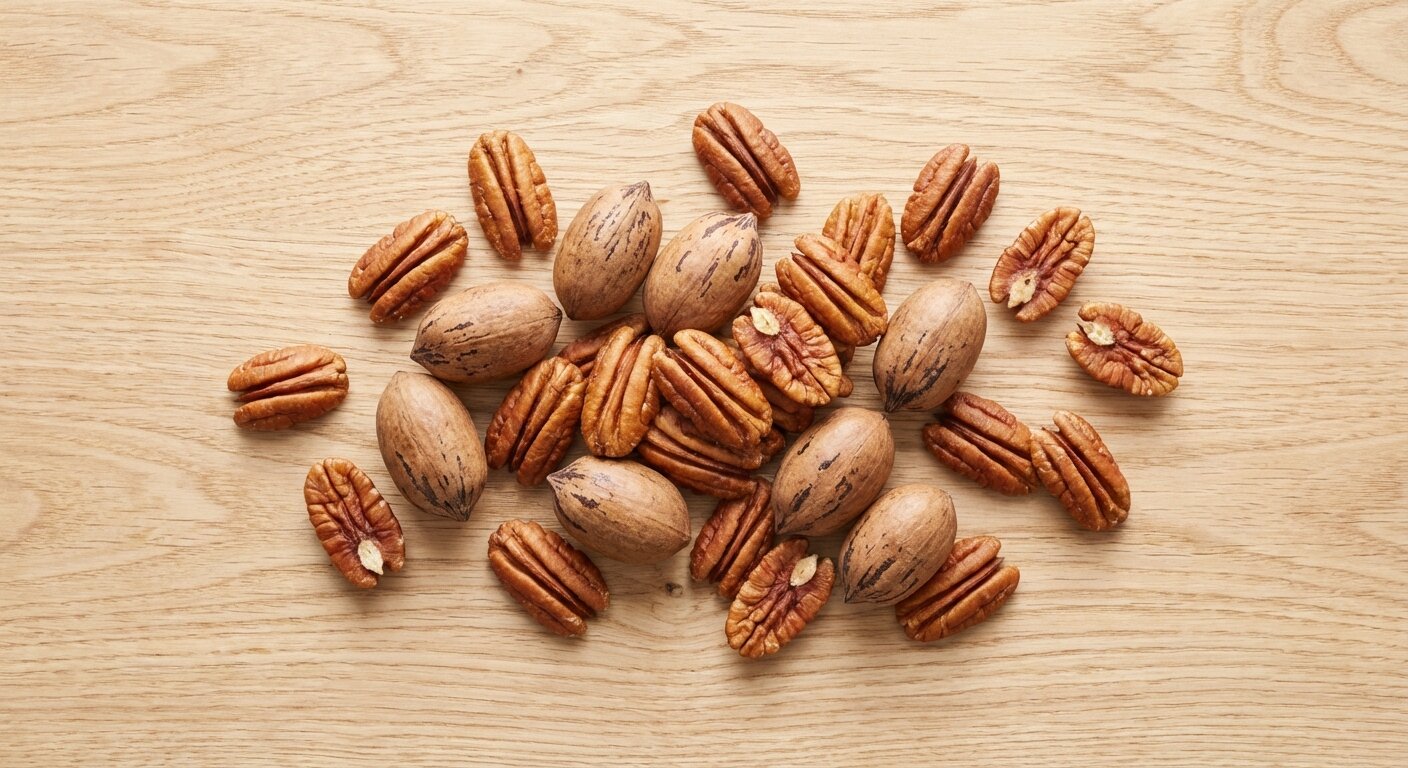
Pecans are one of nature’s most nutrient-dense foods, packed with healthy fats, essential minerals, and powerful antioxidants. Whether you’re tracking macros for weight loss, following a keto diet, or simply looking to make healthier food choices, understanding pecan nutrition is essential for incorporating these buttery, delicious nuts into your meal plan.
This comprehensive guide breaks down everything you need to know about pecans macros, including detailed nutritional information across different serving sizes, how they compare to other popular nuts, their impressive health benefits, and practical tips for adding them to various dietary approaches. If you’re serious about optimizing your nutrition, track your daily intake with our macro calculator to see exactly how pecans fit your personal goals.
Let’s dive into the complete nutritional profile of this Southern staple and discover why nutrition experts consistently recommend pecans as part of a healthy, balanced diet.
Related: Learn more about what macros are and how they impact your diet.
Complete Pecans Macros Breakdown
Understanding the precise macronutrient content of pecans helps you make informed decisions about portion sizes and how they fit into your daily nutrition targets.
Pecans Macros Per 1 Ounce (28g)
The standard serving size for nuts is 1 ounce, which equals approximately 19 pecan halves:
- Calories: 196 kcal
- Total Fat: 20.4g
- Saturated Fat: 1.8g
- Monounsaturated Fat: 11.6g
- Polyunsaturated Fat: 6.1g
- Total Carbohydrates: 3.9g
- Dietary Fiber: 2.7g
- Net Carbs: 1.2g
- Sugars: 1.1g
- Protein: 2.6g
Macro Ratio: 93% fat, 4% carbs, 3% protein (by calories)
This exceptionally high fat content, combined with minimal carbohydrates, makes pecans an ideal choice for ketogenic diets and anyone looking to increase healthy fat intake while keeping carbs low.
Pecans Macros Per 100 Grams
For recipe scaling or international measurements, here’s the nutritional content per 100g of raw pecans:
- Calories: 691 kcal
- Total Fat: 72g
- Saturated Fat: 6.2g
- Monounsaturated Fat: 40.8g
- Polyunsaturated Fat: 21.6g
- Total Carbohydrates: 14g
- Dietary Fiber: 9.6g
- Net Carbs: 4.4g
- Sugars: 4g
- Protein: 9.2g
This serving size illustrates just how calorie-dense pecans are—100 grams provides about one-third of the average person’s daily caloric needs, making portion control important even with such a nutritious food.
Pecans Macros Per 1 Cup (109g, Halves)
Many recipes call for cups rather than weight measurements. One cup of pecan halves (approximately 109g) contains:
- Calories: 753 kcal
- Total Fat: 78g
- Saturated Fat: 6.8g
- Monounsaturated Fat: 44.5g
- Polyunsaturated Fat: 23.5g
- Total Carbohydrates: 15g
- Dietary Fiber: 10.4g
- Net Carbs: 4.6g
- Sugars: 4.3g
- Protein: 10g
A full cup is a substantial amount—nearly four standard servings—so this quantity is typically divided among multiple servings in recipes like pecan pie, salads, or trail mix.
Pecans Macros Per 1 Cup (99g, Chopped)
Chopped pecans pack slightly differently, with one cup weighing about 99g:
- Calories: 684 kcal
- Total Fat: 71g
- Saturated Fat: 6.1g
- Monounsaturated Fat: 40.4g
- Polyunsaturated Fat: 21.4g
- Total Carbohydrates: 14g
- Dietary Fiber: 9.5g
- Net Carbs: 4.5g
- Sugars: 4g
- Protein: 9.1g
This measurement is common in baking recipes and when adding pecans to oatmeal, yogurt bowls, or as a salad topping.
Micronutrient Profile: Vitamins and Minerals
Beyond macros, pecans deliver an impressive array of essential vitamins and minerals that contribute to overall health. Per 1 ounce (28g) serving:
Key Minerals
- Manganese: 1.3mg (56% Daily Value) - Critical for bone health, metabolism, and antioxidant function
- Copper: 0.3mg (35% DV) - Supports iron absorption, nervous system function, and collagen production
- Magnesium: 34mg (8% DV) - Essential for muscle function, blood pressure regulation, and energy production
- Phosphorus: 79mg (6% DV) - Important for bone health and cellular energy
- Zinc: 1.3mg (12% DV) - Supports immune function, wound healing, and protein synthesis
- Iron: 0.7mg (4% DV) - Necessary for oxygen transport and energy metabolism
- Potassium: 116mg (2% DV) - Regulates fluid balance and heart function
Important Vitamins
- Thiamine (B1): 0.2mg (15% DV) - Supports energy metabolism and nervous system function
- Vitamin E: 0.4mg (2% DV) - Powerful antioxidant that protects cells from damage
- Folate: 6mcg (2% DV) - Important for DNA synthesis and cell division
- Vitamin K: 1mcg (1% DV) - Essential for blood clotting and bone health
Pecans are particularly notable for their manganese content—just one ounce provides more than half your daily requirement. Manganese is crucial for antioxidant defense, bone development, and processing cholesterol and carbohydrates.
Fat Composition: The Good, The Better, and The Best
The fat in pecans deserves special attention because quality matters just as much as quantity when it comes to dietary fats.
Breakdown by Fat Type (Per 1 oz)
Monounsaturated Fats: 11.6g (57% of total fat)
These are the same heart-healthy fats found in olive oil and avocados. Monounsaturated fatty acids (MUFAs), particularly oleic acid, have been extensively studied for their cardiovascular benefits:
- Lower LDL (bad) cholesterol without reducing HDL (good) cholesterol
- Reduce inflammation markers in the body
- May improve insulin sensitivity
- Support healthy blood pressure levels
Polyunsaturated Fats: 6.1g (30% of total fat)
Pecans contain both omega-6 and omega-3 fatty acids:
- Linoleic acid (omega-6): 5.8g - Essential fatty acid important for brain function and growth
- Alpha-linolenic acid (omega-3): 0.3g - Anti-inflammatory fatty acid that supports heart and brain health
While the omega-6 to omega-3 ratio in pecans (about 20:1) is higher than ideal, the absolute amounts are moderate, and the overall fatty acid profile remains beneficial when pecans are part of a varied diet rich in omega-3 sources like fatty fish, flaxseeds, and walnuts.
Saturated Fats: 1.8g (9% of total fat)
Pecans are remarkably low in saturated fat compared to some other nuts and most animal products, making them an excellent choice for those monitoring saturated fat intake for cardiovascular health.
No Trans Fats
Natural, unprocessed pecans contain zero artificial trans fats, the type most harmful to cardiovascular health.
How Pecan Fats Support Your Health
The favorable fatty acid profile of pecans translates into real-world health benefits:
-
Cardiovascular protection: Multiple studies have demonstrated that regular pecan consumption improves cholesterol profiles, with significant reductions in LDL cholesterol and total cholesterol levels.
-
Anti-inflammatory effects: The combination of monounsaturated fats and antioxidants helps reduce systemic inflammation, a key driver of chronic diseases.
-
Blood sugar regulation: Despite being low in protein and carbs, the healthy fats in pecans help slow glucose absorption, preventing blood sugar spikes.
-
Brain health: The brain is approximately 60% fat, and consuming high-quality fats like those in pecans supports cognitive function, memory, and mood regulation.
-
Satiety and weight management: Fat is the most satiating macronutrient, and the particular fats in pecans have been shown to enhance feelings of fullness, potentially reducing overall calorie intake throughout the day.
Pecans and Different Diet Approaches
The unique macronutrient profile of pecans makes them compatible with many popular dietary frameworks. Here’s how they fit into various eating styles:
Pecans on a Ketogenic Diet
Verdict: Excellent choice
Pecans are one of the best nuts for keto dieters:
- Net carbs: Only 1.2g per ounce makes pecans easy to fit within standard keto limits (20-50g net carbs daily)
- High fat content: 20g fat per ounce helps meet keto’s high-fat requirements (70-80% of calories from fat)
- Moderate protein: 2.6g protein per ounce won’t interfere with ketosis
- Versatile: Works as a standalone snack, salad topper, or keto baking ingredient
For optimal keto results, track your pecan intake with our macro calculator to ensure you’re staying within your personalized carb limits while meeting fat targets.
Keto-friendly pecan ideas:
- Pecan “granola” with coconut flakes and low-carb sweetener
- Pecan-crusted salmon or chicken
- Keto fat bombs made with pecans, coconut oil, and dark chocolate
- Adding chopped pecans to keto cheesecake or other desserts
Pecans on a Paleo Diet
Verdict: Fully compatible
Pecans align perfectly with paleo principles:
- Whole, unprocessed food: Natural pecans with no additives are a true paleo food
- Nutrient-dense: High in minerals and healthy fats that were staples in ancestral diets
- Anti-inflammatory: The fatty acid profile supports the anti-inflammatory goals of paleo eating
- No grains or legumes: Unlike some plant proteins, pecans contain no antinutrients or lectins that paleo dieters avoid
Paleo pecan tips:
- Choose raw or dry-roasted pecans over oil-roasted varieties
- Make homemade paleo granola with pecans, almonds, and coconut
- Use pecan flour as a grain-free alternative in baking
- Create paleo-friendly pecan butter as a spread
Pecans on Low-Carb Diets
Verdict: Ideal snack
For those following general low-carb approaches (not necessarily strict keto):
- Very low carb: At 1.2g net carbs per ounce, pecans are among the lowest-carb nuts
- High satiety: The fat and fiber combination keeps you full between meals
- Blood sugar friendly: Minimal impact on glucose levels makes pecans safe for those managing insulin resistance or prediabetes
Even at 2-3 ounces daily (2.4-3.6g net carbs), pecans remain low-carb friendly and can help you meet daily nutrition needs without spiking blood sugar.
Pecans on a Vegan Diet
Verdict: Excellent plant-based fat and protein source
Vegans benefit significantly from including pecans:
- Plant-based fats: Helps vegans meet fat needs without animal products
- Protein contribution: While not a complete protein, pecans provide 2.6g per ounce that contributes to daily protein goals
- Mineral-rich: Particularly valuable for zinc, iron, and magnesium—nutrients that can be challenging to obtain from plant sources alone
- Versatile ingredient: Works in both sweet and savory vegan dishes
Vegan pecan suggestions:
- Pecan “parmesan” made from nutritional yeast, pecans, and salt
- Vegan pecan pesto with basil, garlic, and olive oil
- Raw vegan pecan cheesecakes with cashew-pecan crusts
- Adding pecans to Buddha bowls for healthy fats and texture
Pecans on a Mediterranean Diet
Verdict: Highly recommended
The Mediterranean diet emphasizes nuts as a key food group:
- Heart-healthy fats: Aligns with the Mediterranean focus on olive oil and nut-based fats
- Whole food emphasis: Unprocessed pecans fit the diet’s anti-processed-food stance
- Supported by research: Nut consumption is associated with the cardiovascular benefits observed in Mediterranean diet studies
Mediterranean-style pecan ideas:
- Adding toasted pecans to Greek salads
- Pecan-crusted fish with olive oil and lemon
- Mixing pecans into whole grain pilafs or couscous
- Creating romesco-style sauces with pecans instead of almonds
Pecans for Bodybuilding and Muscle Building
Verdict: Good but not optimal as primary protein source
For those focused on muscle building:
Benefits:
- Calorie-dense: Helps meet the high caloric needs of bulking phases
- Healthy fats: Supports hormone production, including testosterone
- Micronutrients: Zinc, magnesium, and B vitamins support recovery and performance
Limitations:
- Low protein: At only 2.6g protein per 196 calories, pecans are inefficient for hitting protein targets
- Incomplete amino acid profile: Lacking in some essential amino acids crucial for muscle protein synthesis
Best practices: Combine pecans with high-protein foods to get the best of both worlds. For detailed guidance on optimizing macros for muscle growth, check out our macros for bodybuilders guide.
Bodybuilding pecan strategies:
- Add pecans to protein shakes for extra calories and micronutrients
- Top Greek yogurt with pecans for protein-plus-healthy-fats combo
- Use pecan butter on whole grain toast with protein powder
- Include pecans in homemade protein bars
Pecans vs. Other Nuts: Comprehensive Comparison
How do pecans stack up against other popular nuts? Here’s a detailed comparison based on 1-ounce (28g) servings.
Pecans vs. Walnuts
Both are tree nuts with impressive health benefits, but notable differences exist:
| Nutrient | Pecans | Walnuts |
|---|---|---|
| Calories | 196 | 185 |
| Total Fat | 20.4g | 18.5g |
| Saturated Fat | 1.8g | 1.7g |
| Monounsaturated Fat | 11.6g | 2.5g |
| Polyunsaturated Fat | 6.1g | 13.4g |
| Omega-3 (ALA) | 0.3g | 2.5g |
| Total Carbs | 3.9g | 3.9g |
| Fiber | 2.7g | 1.9g |
| Net Carbs | 1.2g | 2.0g |
| Protein | 2.6g | 4.3g |
Key differences:
- Omega-3 content: Walnuts contain over 8x more omega-3 fatty acids, making them superior for anti-inflammatory benefits
- Fat type: Pecans have significantly more monounsaturated fats (like olive oil), while walnuts are higher in polyunsaturated fats
- Protein: Walnuts provide 65% more protein per ounce
- Net carbs: Pecans have fewer net carbs, making them better for strict keto diets
- Antioxidants: Pecans have higher levels of certain antioxidants like ellagic acid, while walnuts are rich in different polyphenols
Bottom line: For maximum omega-3s, choose walnuts. For lowest carbs and highest monounsaturated fat, choose pecans. Ideally, include both for a diverse nutrient profile.
Pecans vs. Almonds
Almonds are often touted as the healthiest nut, but pecans hold their own:
| Nutrient | Pecans | Almonds |
|---|---|---|
| Calories | 196 | 164 |
| Total Fat | 20.4g | 14.2g |
| Saturated Fat | 1.8g | 1.1g |
| Total Carbs | 3.9g | 6.1g |
| Fiber | 2.7g | 3.5g |
| Net Carbs | 1.2g | 2.6g |
| Protein | 2.6g | 6.0g |
| Calcium | 20mg | 76mg |
| Vitamin E | 0.4mg | 7.3mg |
Key differences:
- Protein: Almonds provide more than double the protein, making them better for meeting protein goals
- Carbs: Pecans have significantly fewer net carbs (54% less)
- Calories: Pecans are more calorie-dense due to higher fat content
- Vitamin E: Almonds are vastly superior for vitamin E content
- Calcium: Almonds provide nearly 4x more calcium
Bottom line: Almonds win for protein, vitamin E, and calcium. Pecans win for keto-friendliness and lower carbs. Both are excellent choices depending on your nutritional priorities.
Pecans vs. Cashews
Cashews have a different nutritional profile that appeals to different dietary needs:
| Nutrient | Pecans | Cashews |
|---|---|---|
| Calories | 196 | 157 |
| Total Fat | 20.4g | 12.4g |
| Saturated Fat | 1.8g | 2.2g |
| Total Carbs | 3.9g | 8.6g |
| Fiber | 2.7g | 0.9g |
| Net Carbs | 1.2g | 7.7g |
| Protein | 2.6g | 5.2g |
| Iron | 0.7mg | 1.9mg |
| Magnesium | 34mg | 83mg |
Key differences:
- Net carbs: Cashews have more than 6x the net carbs, making them less suitable for keto
- Fat content: Pecans contain 65% more fat
- Protein: Cashews provide double the protein
- Magnesium: Cashews offer 2.4x more magnesium
- Fiber: Pecans contain 3x more fiber
Bottom line: Cashews are better for higher-protein, moderate-carb diets. Pecans are superior for keto, low-carb, and high-fat approaches. Cashews also win for magnesium and iron content.
Pecans vs. Macadamia Nuts
These two nuts share similar macronutrient profiles:
| Nutrient | Pecans | Macadamias |
|---|---|---|
| Calories | 196 | 204 |
| Total Fat | 20.4g | 21.5g |
| Saturated Fat | 1.8g | 3.4g |
| Monounsaturated Fat | 11.6g | 16.7g |
| Total Carbs | 3.9g | 3.9g |
| Fiber | 2.7g | 2.4g |
| Net Carbs | 1.2g | 1.5g |
| Protein | 2.6g | 2.2g |
Key differences:
- Saturated fat: Macadamias contain nearly double the saturated fat
- Monounsaturated fat: Macadamias edge out pecans for MUFAs
- Very similar profiles: Both are excellent for keto and low-carb diets
- Taste and texture: Macadamias are creamier and more buttery; pecans have a more distinctive, slightly sweet flavor
Bottom line: Nutritionally nearly identical for low-carb purposes. Choose based on personal preference and budget (macadamias are typically more expensive).
Quick Reference: Nuts Ranked by Key Metrics
Lowest Net Carbs (best for keto):
- Pecans (1.2g)
- Brazil nuts (1.4g)
- Macadamias (1.5g)
- Walnuts (2.0g)
- Almonds (2.6g)
Highest Protein:
- Peanuts (7.3g)
- Almonds (6.0g)
- Pistachios (5.7g)
- Cashews (5.2g)
- Walnuts (4.3g)
Highest Healthy Fats:
- Macadamias (21.5g total)
- Pecans (20.4g total)
- Walnuts (18.5g total)
- Hazelnuts (17.2g total)
- Almonds (14.2g total)
Most Antioxidants:
- Pecans
- Walnuts
- Hazelnuts
- Pistachios
- Almonds
Health Benefits of Pecans: What the Science Says
Beyond macros, pecans deliver powerful health benefits backed by extensive research. Here’s what the scientific literature reveals about regular pecan consumption.
Cardiovascular Health
Multiple clinical studies have demonstrated pecans’ profound effects on heart health:
Cholesterol improvements: A 2011 study in the Journal of Nutrition found that eating pecans daily for 8 weeks significantly reduced LDL cholesterol by 11.5% and total cholesterol by 6.7% compared to control diets. Even more impressive, pecans reduced small, dense LDL particles—the type most strongly associated with cardiovascular disease risk.
Reduced oxidation: Pecan consumption has been shown to reduce oxidized LDL cholesterol, a key step in atherosclerosis development. The antioxidants in pecans, particularly gamma-tocopherol (a form of vitamin E), protect cholesterol particles from oxidative damage.
Improved endothelial function: Research indicates that pecans help improve the function of the endothelium (the inner lining of blood vessels), promoting better blood flow and reducing cardiovascular disease risk.
Anti-inflammatory effects: Regular pecan consumption reduces inflammatory markers like C-reactive protein (CRP) and interleukin-6 (IL-6), both associated with increased cardiovascular risk when elevated.
Antioxidant Powerhouse
Pecans rank among the top antioxidant-rich foods in the American diet:
ORAC value: Pecans have an oxygen radical absorbance capacity (ORAC) value of 17,940 per 100g—higher than most other nuts and many antioxidant-rich fruits.
Key antioxidant compounds:
- Flavonoids: Including catechin, epicatechin, and proanthocyanidins
- Ellagic acid and ellagitannins: Powerful polyphenols with anti-cancer properties
- Gamma-tocopherol: The predominant form of vitamin E in pecans, particularly effective at neutralizing nitrogen-based free radicals
- Phytosterols: Plant compounds that compete with cholesterol for absorption
These antioxidants work synergistically to combat oxidative stress throughout the body, protecting cells from damage that can lead to chronic diseases, aging, and cognitive decline.
Blood Sugar Regulation and Diabetes Management
Despite their calorie density, pecans can be valuable for blood sugar control:
Low glycemic impact: With minimal carbohydrates and high fat and fiber content, pecans have virtually no impact on blood glucose levels, making them safe for people with diabetes or insulin resistance.
Improved insulin sensitivity: Some research suggests that regular nut consumption, including pecans, may improve insulin sensitivity over time, potentially reducing type 2 diabetes risk.
Post-meal glucose reduction: Adding pecans to carbohydrate-containing meals can blunt the glycemic response, preventing sharp blood sugar spikes.
Diabetes complication prevention: The antioxidants in pecans may help prevent some of the oxidative stress-related complications associated with diabetes, including cardiovascular disease and neuropathy.
Weight Management
The relationship between nuts and body weight seems paradoxical—how can such calorie-dense foods not cause weight gain? Research reveals several mechanisms:
Incomplete absorption: Not all the calories in pecans are absorbed during digestion. Studies using metabolic chambers show that approximately 10-20% of fat calories from nuts pass through the digestive system unabsorbed.
Increased satiety: The combination of protein, fiber, and fat in pecans significantly increases feelings of fullness, leading to reduced calorie intake at subsequent meals.
Thermogenesis: Some research indicates that nut consumption may slightly increase metabolic rate and energy expenditure through diet-induced thermogenesis.
Displacement effect: When people add nuts to their diets, they often spontaneously reduce intake of less nutritious foods, resulting in an overall dietary improvement without calorie increase.
Long-term studies: Population studies consistently show that regular nut consumers have lower body mass indexes (BMIs) and reduced obesity risk compared to those who rarely eat nuts, even when consuming 1-2 ounces daily.
Brain Health and Cognitive Function
The nutrients in pecans support brain health through multiple pathways:
Neuroprotective antioxidants: The vitamin E, flavonoids, and other antioxidants in pecans help protect brain cells from oxidative damage, potentially reducing risk of cognitive decline and neurodegenerative diseases.
Anti-inflammatory effects: Chronic brain inflammation is implicated in conditions like Alzheimer’s disease and Parkinson’s disease. The anti-inflammatory compounds in pecans may offer protective benefits.
Healthy fats for brain structure: Since the brain is approximately 60% fat, consuming high-quality fats like those in pecans provides the building blocks for healthy neuronal membranes and myelin sheaths.
Improved blood flow: By supporting cardiovascular health and endothelial function, pecans ensure adequate blood flow to the brain, delivering oxygen and nutrients crucial for optimal cognitive performance.
Cancer Prevention Potential
While no single food can prevent cancer, pecans contain several compounds with anti-cancer properties:
Ellagic acid: This polyphenol has demonstrated anti-cancer effects in laboratory studies, particularly against breast, prostate, and colon cancer cells. It works by inducing apoptosis (programmed cell death) in cancer cells while leaving healthy cells unharmed.
Oleic acid: The primary monounsaturated fat in pecans has been studied for its potential to suppress cancer-promoting genes and pathways.
Antioxidant protection: By reducing oxidative stress and DNA damage, the antioxidants in pecans may help prevent the cellular mutations that can lead to cancer development.
Fiber: The fiber in pecans supports healthy gut bacteria and may reduce colon cancer risk through improved digestive health.
While these mechanisms are promising, most evidence comes from laboratory and animal studies. More human research is needed to confirm pecans’ cancer-preventive effects.
Bone Health
Pecans contribute to skeletal health through several nutrients:
Manganese: At 56% of the daily value per ounce, pecans are an excellent manganese source. This mineral is essential for bone formation and the production of connective tissue.
Magnesium: Works with calcium to build strong bones and is involved in bone mineral density regulation.
Phosphorus: A key structural component of bones and teeth.
Anti-inflammatory effects: Chronic inflammation can accelerate bone loss. The anti-inflammatory compounds in pecans may help preserve bone density.
Gut Health
Emerging research on the gut microbiome reveals that pecans may support digestive health:
Prebiotic effects: The fiber and polyphenols in pecans can serve as fuel for beneficial gut bacteria, promoting a healthier microbiome composition.
Increased beneficial bacteria: Some studies show that pecan consumption increases populations of beneficial bacteria like Lactobacillus, while decreasing harmful bacteria.
Secondary metabolites: When gut bacteria break down the polyphenols in pecans, they produce beneficial metabolites like urolithins, which have antioxidant and anti-inflammatory properties that can benefit the entire body.
Potential Concerns and Considerations
While pecans are nutritious for most people, certain individuals should exercise caution or moderation.
Calorie Density and Portion Control
The primary concern with pecans is their extremely high calorie density:
Easy to overconsume: A single handful can easily contain 200-300 calories, and mindlessly snacking from a bag can quickly lead to consuming 500+ calories without feeling particularly full.
Portion control strategies:
- Pre-portion pecans into small containers or bags
- Measure out 1-ounce servings using a food scale
- Choose in-shell pecans, which slow down consumption
- Combine with lower-calorie foods like vegetables or low-fat dairy
Context matters: For those trying to lose weight, even healthy calories count. Track pecan intake carefully to ensure it fits within your overall caloric budget.
Nut Allergies
Tree nut allergies affect approximately 0.5-1% of the population and can be severe:
Allergy symptoms: Range from mild (itching, hives) to severe (anaphylaxis requiring immediate medical attention)
Cross-reactivity: People allergic to one tree nut often react to others, though this isn’t universal
Contamination risk: Even trace amounts can trigger reactions in highly sensitive individuals, making it crucial to check labels for “may contain tree nuts” warnings
When to avoid: Anyone with a confirmed pecan or tree nut allergy should completely avoid pecans and products containing them
Omega-6 to Omega-3 Ratio
Pecans contain significantly more omega-6 than omega-3 fatty acids (approximately 20:1 ratio):
The concern: Western diets already tend to be high in omega-6 relative to omega-3, and excessive omega-6 intake relative to omega-3 is associated with increased inflammation.
The reality: While the ratio is less than ideal, the absolute amounts matter more than the ratio. The omega-6 in pecans (about 5.8g per ounce) is unlikely to cause problems when pecans are consumed in moderation as part of a diet that also includes omega-3 rich foods like fatty fish, flaxseeds, chia seeds, and walnuts.
Balancing strategy: If you eat pecans regularly, ensure you’re also consuming adequate omega-3s from other sources to maintain a favorable overall dietary balance.
Oxalates
Pecans contain moderate amounts of oxalates, compounds that can contribute to kidney stone formation in susceptible individuals:
Who should be cautious: People with a history of calcium oxalate kidney stones may need to limit high-oxalate foods, including pecans, especially during stone-forming episodes.
Oxalate content: Pecans contain approximately 202mg of oxalates per 100g—moderate compared to some other nuts like almonds (469mg) but still significant.
Mitigation: Drinking plenty of water and consuming calcium-rich foods with pecans can help reduce oxalate absorption.
Phytic Acid
Like all nuts, pecans contain phytic acid, a compound that can bind to minerals and reduce their absorption:
Minerals affected: Iron, zinc, calcium, and magnesium can have reduced bioavailability when consumed with high-phytate foods.
Clinical significance: For most people eating varied diets, the phytic acid in pecans is not a concern. The overall nutritional benefits far outweigh this minor drawback.
For those at risk: People with mineral deficiencies, very restricted diets, or increased mineral needs (pregnant women, children) should ensure they’re getting adequate minerals from multiple sources.
Reducing phytic acid: Soaking, sprouting, or roasting pecans can reduce phytic acid content, though this also may reduce some beneficial compounds.
Added Ingredients in Commercial Products
Many commercially available pecans come with added ingredients that alter their nutritional profile:
Candied or glazed pecans: Often contain added sugars, multiplying the carbohydrate content and making them unsuitable for keto or low-carb diets
Roasted in oil: May contain inflammatory oils like soybean or canola oil, plus added salt
Flavored varieties: Often include MSG, artificial flavors, and excessive sodium
Best practice: Choose raw or dry-roasted pecans without added oils, salts, or sweeteners. If roasting at home, use heart-healthy oils like olive or avocado oil and minimal salt.
How to Select, Store, and Prepare Pecans
Getting the most nutrition and flavor from pecans requires proper selection, storage, and preparation.
Buying Pecans
Shell status:
- In-shell: Longer shelf life, protection from oxidation, slower eating pace (helps with portion control)
- Shelled: More convenient, easier to use in recipes, but more susceptible to rancidity
Processing:
- Raw: Most versatile, can be eaten as-is or roasted at home
- Dry-roasted: Enhanced flavor without added oils
- Oil-roasted: Convenient but check the oil type (avoid inflammatory oils)
- Seasoned/flavored: Check ingredients for unwanted additives
Organic vs. conventional: Pecans have relatively thick shells that protect the nut meat, so they typically have lower pesticide residues than some other produce. Organic certification may be less critical for pecans than for thin-skinned fruits, though organic options are available for those who prefer them.
Fresh vs. packaged: If available, buy from bulk bins at stores with high turnover, allowing you to inspect quality and freshness. Otherwise, choose packaged pecans with recent production dates.
Storage
Pecans’ high fat content makes them prone to rancidity when exposed to heat, light, or air:
Pantry storage: Unopened packages can last 3-6 months in a cool, dark pantry
Refrigerator: Extends shelf life to 6-12 months. Store in airtight containers to prevent absorption of other food odors
Freezer: Best for long-term storage (12-24 months). Pecans can be used directly from frozen in most applications
Signs of rancidity: Off smell (paint-like or sour), bitter or stale taste, discoloration. Rancid pecans should be discarded as they contain harmful free radicals.
Storage tips:
- Transfer opened packages to airtight containers
- Remove as much air as possible
- Label with purchase or storage date
- Keep away from strong-smelling foods
- Use the oldest pecans first (FIFO method)
Preparation Methods
Raw: Perfectly edible and nutritious straight from the package, with a softer texture and milder flavor
Dry-roasting: Enhances flavor and creates a crunchier texture without adding fat
Method: Spread on baking sheet, roast at 350°F for 7-10 minutes, stirring halfway through, until fragrant and lightly toastedOil-roasting: Creates the richest flavor and crispiest texture
Method: Toss pecans with 1 tsp heart-healthy oil per cup of nuts, spread on baking sheet, roast at 350°F for 10-15 minutes, stirring occasionallyCandying: Creates a sweet treat (but adds significant sugar)
Method: Coat pecans in a mixture of sugar, butter, and spices, then roast until caramelized—best reserved for special occasions rather than everyday eatingToasting: Quick method that enhances flavor
Method: Toast pecans in a dry skillet over medium heat for 3-5 minutes, stirring frequently, until fragrant and lightly brownedSoaking/sprouting: Reduces phytic acid and may improve digestibility
Method: Soak raw pecans in salted water for 8-12 hours, drain, rinse, then dehydrate in a low oven (150-170°F) or dehydrator until crispyCulinary Uses
Pecans’ rich, buttery, slightly sweet flavor makes them incredibly versatile:
Snacking:
- Enjoy raw or roasted as a standalone snack
- Mix with dark chocolate chips and dried fruit for trail mix
- Create savory roasted pecans with herbs and spices
Breakfast:
- Top oatmeal, yogurt, or cottage cheese with chopped pecans
- Add to smoothie bowls for crunch and healthy fats
- Mix into pancake or waffle batter
- Create low-carb pecan granola
Salads:
- Candied pecans on spinach or mixed green salads (use sparingly)
- Toasted pecans on roasted vegetable salads
- Combine with goat cheese, apples, and arugula
Main dishes:
- Pecan-crusted fish or chicken
- Add to grain bowls or Buddha bowls
- Create pecan pesto for pasta or vegetables
- Use as a topping for roasted Brussels sprouts or green beans
Baking:
- Classic pecan pie (holiday treat, not everyday food)
- Pecan cookies, brownies, or blondies
- Add to banana bread or muffins
- Create keto-friendly baked goods using pecan flour
Spreads and butters:
- Make homemade pecan butter by blending pecans until creamy
- Add pecans to homemade nut and seed butters
- Create pecan-based vegan cheese alternatives
Grain alternatives:
- Use finely chopped pecans as a low-carb “breading”
- Make pecan flour by grinding pecans finely
- Create cauliflower rice pilaf with pecans for crunch
Practical Tips for Including Pecans in Your Diet
Daily Serving Recommendations
General population: 1 ounce (about 19 halves) daily provides substantial benefits without excessive calories
For weight loss: 0.5-1 ounce daily, carefully tracked within overall calorie goals
For weight gain/bulking: 1.5-2+ ounces daily to boost calorie intake with nutrient-dense fats
For keto dieters: 1-2 ounces daily fits easily within carb limits and helps meet fat goals
For heart health: Studies showing cardiovascular benefits typically used 1-1.5 ounces daily
Timing Considerations
Pre-workout: Not ideal due to high fat content, which slows digestion. Better to consume 2-3 hours before exercise.
Post-workout: Can be combined with protein sources for a recovery snack, though higher-carb options may be preferable immediately post-exercise for muscle glycogen replenishment.
Between meals: Excellent snack choice to bridge gaps between main meals and prevent excessive hunger.
With meals: Great addition to breakfast, lunch, or dinner to increase satiety and add healthy fats.
Evening snack: The fat and protein content can help stabilize blood sugar overnight and prevent morning hunger.
Combining with Other Foods
To maximize nutrition and satisfaction, pair pecans with complementary foods:
Protein pairing:
- Greek yogurt + pecans + berries
- Hard-boiled eggs + pecans + veggies
- Grilled chicken salad with pecans
- Cottage cheese with pecans and cinnamon
Fiber pairing:
- Oatmeal with pecans and flaxseeds
- Salads with pecans and varied vegetables
- Apple or pear slices with pecans
- Roasted Brussels sprouts topped with pecans
Omega-3 balancing:
- Salmon with pecan crust
- Salad with pecans and chia seed dressing
- Trail mix with pecans and walnuts
- Smoothie with pecans and flax oil
Budget-Friendly Strategies
Pecans can be expensive, but these strategies help maximize value:
- Buy in bulk during harvest season (fall/early winter)
- Purchase larger bags for better per-ounce pricing
- Buy in-shell pecans for lower cost (requires more work)
- Watch for sales and stock up for freezer storage
- Buy conventional rather than organic if budget is tight
- Use pecans as an accent rather than main ingredient in recipes
Frequently Asked Questions
Can I eat pecans every day?
Yes, eating pecans daily is safe and beneficial for most people. Research shows that consuming 1-1.5 ounces of pecans daily can improve heart health markers, reduce inflammation, and provide essential nutrients without causing weight gain when consumed as part of a balanced diet. Daily pecan consumption has been studied extensively with positive results for cardiovascular health, cholesterol levels, and antioxidant status. Just be mindful of portion sizes—while nutritious, pecans are calorie-dense at 196 calories per ounce, so measure portions carefully if you’re watching your weight.
Are roasted pecans as healthy as raw pecans?
Roasted pecans retain most of their nutritional value, though some minor losses occur during the roasting process. Dry-roasting (without oil) causes minimal nutritional changes, with slight reductions in heat-sensitive antioxidants and B vitamins but enhanced flavor and crunch. Oil-roasted pecans maintain similar macros but add extra calories from the roasting oil and may contain inflammatory oils like soybean or canola oil depending on the brand. Some antioxidants actually become more bioavailable after roasting. For maximum nutrition, choose dry-roasted pecans or raw pecans that you toast briefly at home just before eating. Avoid pecans roasted at very high temperatures or those with added sugars, which significantly alter the nutritional profile.
What’s the best time of day to eat pecans?
There’s no single “best” time to eat pecans—it depends on your goals and schedule. For weight management, pecans make an excellent mid-morning or mid-afternoon snack, as their protein, fiber, and healthy fat content promotes satiety and prevents overeating at main meals. For keto dieters, pecans work well any time you need to increase fat intake while keeping carbs minimal. They’re less ideal immediately before workouts due to their high fat content, which slows digestion, but work well as part of post-workout recovery when combined with protein. Many people enjoy pecans at breakfast in oatmeal, yogurt, or smoothie bowls to create a more filling, blood-sugar-stabilizing morning meal. The most important factor is fitting them into your daily macro targets rather than the specific timing.
Can pecans help lower cholesterol?
Yes, multiple clinical studies confirm that pecans can significantly lower cholesterol levels. A landmark 2011 study in the Journal of Nutrition found that consuming pecans daily for 8 weeks reduced LDL (bad) cholesterol by 11.5% and total cholesterol by 6.7% compared to control diets. Even more importantly, pecans reduced the small, dense LDL particles most strongly associated with heart disease risk. The cholesterol-lowering effects come from pecans’ unique combination of monounsaturated fats (particularly oleic acid), polyunsaturated fats, fiber, plant sterols, and antioxidants. Most studies showing benefits used 1-1.5 ounces of pecans daily. The effects are most pronounced when pecans replace less healthy fats in the diet rather than being added on top of an already high-fat diet.
Are pecans inflammatory or anti-inflammatory?
Pecans are predominantly anti-inflammatory. They contain several compounds that actively reduce inflammation in the body, including monounsaturated fats (particularly oleic acid), polyphenolic antioxidants like ellagic acid and flavonoids, vitamin E (gamma-tocopherol), and fiber. Research shows that regular pecan consumption reduces inflammatory markers such as C-reactive protein (CRP) and interleukin-6 (IL-6). However, pecans do contain more omega-6 fatty acids than omega-3s (ratio approximately 20:1), and excessive omega-6 consumption relative to omega-3 can promote inflammation. This concern is minimized when pecans are consumed in moderate amounts (1-2 ounces daily) as part of a varied diet that includes omega-3 rich foods like fatty fish, walnuts, and flaxseeds. Overall, the scientific evidence strongly supports pecans as an anti-inflammatory food.
How many pecans equal 1 ounce?
One ounce of pecans (28 grams) equals approximately 19 pecan halves or 15 whole pecans. This is the standard serving size used on nutrition labels and in research studies. If you’re using chopped or pieces pecans, one ounce equals about 1/4 cup. The exact number can vary slightly based on pecan size, as pecans naturally vary in dimension. For accurate tracking, especially if you’re counting macros for weight loss or specific dietary goals, using a kitchen scale to weigh out 28 grams is more precise than counting individual nuts. One ounce provides 196 calories, 20g fat, 4g carbs, and 3g protein.
Can I eat pecans on a nut-free diet?
No, pecans are tree nuts and must be avoided on a nut-free diet. People with tree nut allergies can have severe reactions to pecans, ranging from mild symptoms like itching and hives to life-threatening anaphylaxis requiring immediate medical attention. Tree nut allergies are among the most common food allergies and tend to be lifelong. Even trace amounts can trigger reactions in highly sensitive individuals, so anyone with a diagnosed tree nut allergy should completely avoid pecans and any products that may contain them or be processed in facilities that handle tree nuts. If you’re following a nut-free diet due to allergy, seeds like sunflower seeds, pumpkin seeds, or chia seeds can provide some similar nutritional benefits without the allergy risk, though they have different macronutrient profiles.
Are pecans good for your skin?
Yes, pecans contain several nutrients that support healthy skin. Vitamin E, found in pecans as gamma-tocopherol, is a powerful antioxidant that protects skin cells from oxidative damage caused by UV radiation, pollution, and normal aging processes. The monounsaturated and polyunsaturated fats in pecans help maintain the skin’s lipid barrier, keeping it hydrated and supple. Zinc, which pecans provide at 12% of the daily value per ounce, is essential for wound healing, collagen synthesis, and managing inflammatory skin conditions. The antioxidants in pecans, including ellagic acid and flavonoids, help combat the free radicals that contribute to premature aging, wrinkles, and age spots. For visible skin benefits, pecans should be part of an overall healthy diet rich in varied nutrients, adequate hydration, and good skin care practices.
What happens if I eat too many pecans?
Eating excessive amounts of pecans can lead to several problems despite their nutritional benefits. The most immediate concern is weight gain—pecans are extremely calorie-dense at 691 calories per 100 grams, so overeating them can quickly create a caloric surplus. You might experience digestive discomfort including bloating, gas, or diarrhea from the high fat and fiber content if you’re not accustomed to eating large amounts. Excessive pecan consumption could lead to an unfavorable omega-6 to omega-3 ratio in your overall diet, potentially promoting inflammation over time. For people prone to kidney stones, overeating pecans could increase oxalate intake to problematic levels. The high manganese content, while beneficial in moderate amounts, could theoretically reach excessive levels if you’re eating several ounces daily long-term. Moderation is key—stick to 1-2 ounces daily for most people.
Do pecans need to be refrigerated?
Pecans don’t absolutely require refrigeration, but it significantly extends their shelf life. Due to their high unsaturated fat content (over 90% of their total fat), pecans are prone to rancidity when exposed to heat, light, and oxygen. At room temperature in a cool, dark pantry, unopened packages last 3-6 months, while opened containers should be used within 2-3 months. Refrigerating pecans in airtight containers extends shelf life to 6-12 months by slowing oxidation. For longest storage (12-24 months), freeze pecans in freezer-safe bags or containers—they can be used directly from frozen for most purposes. Signs that pecans have gone rancid include an off, paint-like smell, bitter or sour taste, and sometimes discoloration. Rancid nuts contain harmful free radicals and should be discarded rather than consumed.
Are pecans a complete protein?
No, pecans are not a complete protein. Complete proteins contain all nine essential amino acids in adequate proportions for human needs, which pecans do not provide. Like most plant proteins, pecans are limiting in certain essential amino acids, particularly lysine and methionine. However, this is not a significant concern for most people, as you don’t need to get all essential amino acids from a single food or even in a single meal. Eating a varied diet throughout the day that includes different protein sources (legumes, grains, seeds, nuts, and for non-vegans, animal products) easily provides all essential amino acids. Additionally, at only 2.6g protein per ounce, pecans are relatively low in protein compared to their calories, so they shouldn’t be relied upon as a primary protein source regardless of amino acid profile. They’re better viewed as a healthy fat source that provides some bonus protein.
Can pecans cause constipation?
Pecans are actually more likely to prevent constipation than cause it due to their fiber content—2.7g per ounce. Dietary fiber adds bulk to stool and helps food move through the digestive system. However, in rare cases, people who suddenly increase their nut consumption dramatically without adequate hydration might experience temporary digestive discomfort. This can happen because fiber requires water to work properly in the digestive tract. If you’re adding pecans to your diet in significant quantities, make sure you’re drinking plenty of water throughout the day. The high fat content of pecans can actually have a mild laxative effect for some people. If you’re experiencing constipation, focus on overall dietary patterns including adequate fiber from varied sources (fruits, vegetables, whole grains, nuts), proper hydration, and regular physical activity rather than singling out any one food.
Conclusion: Making Pecans Work for Your Goals
Pecans stand out as one of the most nutritionally impressive nuts available, offering an exceptional fat profile dominated by heart-healthy monounsaturated fats, minimal carbohydrates perfect for keto and low-carb diets, and an impressive array of vitamins, minerals, and antioxidants that support overall health.
With just 1.2g net carbs per ounce, pecans are among the most keto-friendly nuts while providing substantial amounts of manganese, copper, magnesium, and zinc. Their high antioxidant content—particularly ellagic acid, gamma-tocopherol, and flavonoids—helps combat oxidative stress and inflammation throughout the body.
Research consistently demonstrates that regular pecan consumption improves cardiovascular health markers, including significant reductions in LDL cholesterol and oxidized LDL particles. Additional benefits include improved blood sugar regulation, potential weight management support through enhanced satiety, and neuroprotective effects that may preserve cognitive function.
While pecans are incredibly nutritious, their calorie density (196 calories per ounce) requires mindful portion control, particularly for those tracking calories for weight loss. For most people, 1-1.5 ounces daily provides optimal benefits without excessive calories. Those with tree nut allergies must avoid pecans entirely, and people prone to kidney stones should moderate intake due to oxalate content.
The key to maximizing pecans’ benefits is incorporating them strategically into a balanced, varied diet rather than relying on any single food for nutrition. Combine pecans with adequate protein sources, omega-3 rich foods like fatty fish and walnuts, and plenty of fruits and vegetables for a well-rounded nutritional approach.
Whether you’re following keto, paleo, Mediterranean, or simply trying to eat healthier, pecans deserve a regular place in your nutrition plan. Start by measuring out proper portions, experiment with different preparation methods, and track your results to see how pecans fit your personal health goals.
Ready to see exactly how pecans fit your unique macro targets? Use our macro calculator to build a personalized nutrition plan that incorporates this nutrient powerhouse alongside other whole foods for optimal results.
Related Articles

Dragonfruit Macros: Complete Nutrition Guide for Pitaya
Complete macro breakdown of dragonfruit (pitaya). Learn the calories, protein, carbs, and...
Read guide →
Bulgur Macros: Complete Nutritional Guide & Health Benefits
Discover bulgur's complete macro breakdown, nutritional benefits, and how to incorporate...
Read guide →
Radish Macros: Nutrition Facts and Health Benefits
Complete guide to radish macros and nutrition. Learn calories, protein, carbs, and health...
Read guide →Note: Nutrition values are approximate and may vary based on preparation method and source.