Pepsi Macros: Complete Nutrition Breakdown for Every Size
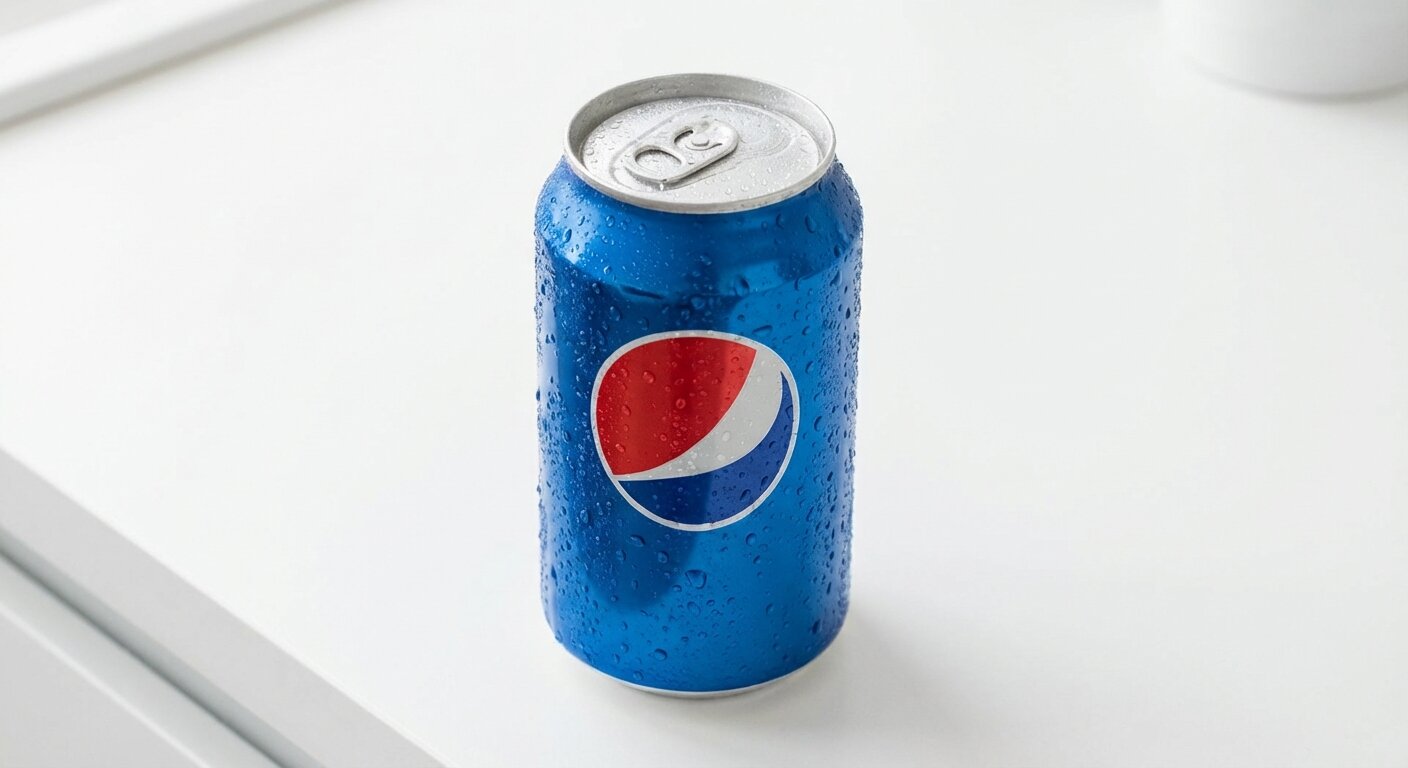
Pepsi is one of the world’s most popular carbonated soft drinks, instantly recognizable by its bold blue branding and sweet, citrusy cola flavor. But when you’re tracking macros for fitness, weight management, or health goals, understanding exactly what’s in that ice-cold can becomes crucial. Whether you’re reaching for a regular Pepsi, Diet Pepsi, or Pepsi Zero Sugar, the nutritional differences are dramatic—and they can significantly impact your daily macro targets.
The average American consumes about 39 gallons of soda per year, with Pepsi capturing roughly 25% of the U.S. cola market. That translates to millions of cans consumed daily, often without a second thought about the nutritional impact. But here’s the reality: a single 12 oz can of regular Pepsi contains 41 grams of sugar—more than the American Heart Association’s recommended daily limit for added sugar (25g for women, 36g for men). For macro trackers, that means one can uses up most of your daily carb budget while providing zero protein, fat, or micronutrients.
This guide breaks down the complete macro profile for every Pepsi variety and serving size, from the mini 7.5 oz cans to the 2-liter party bottles. We’ll compare regular vs. diet options, examine what those macros mean for your goals, and provide practical strategies for fitting Pepsi into your nutrition plan (if that’s your choice). Whether you’re a daily Pepsi drinker looking to understand the nutritional reality, or an occasional consumer wanting to make informed choices, this comprehensive breakdown gives you the data you need.
Ready to see how Pepsi fits your macros? Use our free macro calculator to determine your personalized daily targets based on your goals, activity level, and preferences. Then read on to understand exactly how this iconic soda impacts your nutritional strategy.
Related: Learn more about what macros are and how they impact your diet.
Complete Pepsi Macro Breakdown
Regular Pepsi (Standard Varieties)
12 oz Can (355ml) - Standard Serving
- Calories: 150
- Protein: 0g
- Carbohydrates: 41g
- Sugars: 41g (100% of carbs)
- Fiber: 0g
- Fat: 0g
- Sodium: 30mg
7.5 oz Mini Can (222ml)
- Calories: 100
- Protein: 0g
- Carbohydrates: 27g
- Sugars: 27g
- Fat: 0g
- Sodium: 20mg
16 oz Bottle (473ml)
- Calories: 200
- Protein: 0g
- Carbohydrates: 55g
- Sugars: 55g
- Fat: 0g
- Sodium: 40mg
20 oz Bottle (591ml)
- Calories: 250
- Protein: 0g
- Carbohydrates: 69g
- Sugars: 69g
- Fat: 0g
- Sodium: 50mg
2-Liter Bottle (2000ml / 8 servings)
- Total Calories: ~800
- Per Serving (8 oz / 240ml):
- Calories: 100
- Protein: 0g
- Carbohydrates: 27g
- Sugars: 27g
- Fat: 0g
Diet Pepsi
All Serving Sizes:
- Calories: 0
- Protein: 0g
- Carbohydrates: 0g
- Fat: 0g
- Sodium: 35mg (12 oz serving)
Sweeteners: Aspartame, Acesulfame Potassium Key Difference: Zero macros across all sizes
Pepsi Zero Sugar (formerly Pepsi MAX)
All Serving Sizes:
- Calories: 0
- Protein: 0g
- Carbohydrates: 0g
- Fat: 0g
- Sodium: 35mg (12 oz serving)
Sweeteners: Aspartame, Acesulfame Potassium Key Difference: Formulated to taste more like regular Pepsi than Diet Pepsi, but nutritionally identical
Pepsi Wild Cherry
12 oz Can:
- Calories: 160
- Protein: 0g
- Carbohydrates: 42g
- Sugars: 42g
- Fat: 0g
- Sodium: 25mg
Note: Slightly higher in calories and carbs than regular Pepsi due to added cherry flavoring.
What’s Actually in Pepsi?
Understanding the ingredient list helps explain why Pepsi’s macros look the way they do.
Regular Pepsi Ingredients
- Carbonated Water - The base (zero macros)
- High Fructose Corn Syrup - The sole source of all 41g carbs/sugar
- Caramel Color - For the signature brown color (negligible macros)
- Sugar - Additional sweetener beyond HFCS
- Phosphoric Acid - Provides tangy flavor, prevents bacterial growth
- Caffeine - Approximately 38mg per 12 oz can
- Citric Acid - Enhances tartness
- Natural Flavor - Proprietary blend including vanilla, citrus oils, spices
Why Pepsi Is 100% Carbs
The complete absence of protein and fat in Pepsi is intentional by design:
- High Fructose Corn Syrup (HFCS) is a pure carbohydrate sweetener, typically 55% fructose and 42% glucose. It’s cheaper than cane sugar and blends more easily into cold liquids.
- Granulated Sugar (sucrose) is also 100% carbohydrate, composed of glucose and fructose bonded together.
- No Fat Needed: Carbonated beverages don’t require fats for texture, mouthfeel, or preservation. The carbonation itself provides the characteristic sensation.
- No Protein: Proteins would cloud the beverage, affect shelf stability, and add unwanted flavors. Soda is engineered for clarity and long-term stability.
The result: Every calorie in Pepsi comes from simple sugars. Your body absorbs these rapidly, causing quick blood sugar spikes with no protein or fat to slow digestion.
How Pepsi Macros Impact Your Goals
For Weight Loss
The Challenge:
- Liquid Calories Don’t Satisfy: Studies show liquid calories provide minimal satiety compared to solid foods. You can drink 150 calories of Pepsi in 30 seconds and still feel hungry.
- Uses Limited Carb Budget: If you’re targeting 150g carbs/day for weight loss, one 12 oz Pepsi consumes 27% of your daily carbs without providing nutrients.
- Blood Sugar Rollercoaster: The rapid sugar absorption causes insulin spikes followed by crashes, potentially increasing cravings 1-2 hours later.
Better Alternatives for Weight Loss:
- Diet Pepsi or Pepsi Zero Sugar: Zero macros, zero impact on calorie budget
- Smaller Portions: The 7.5 oz mini can (100 calories, 27g carbs) provides the same satisfaction with 33% fewer macros
- Occasional Treat: Reserve regular Pepsi for planned treats (1-2x per week) rather than daily consumption
For Muscle Building
The Pros:
- Fast-Digesting Carbs: The simple sugars in Pepsi can be beneficial immediately post-workout, when your muscles are primed for rapid glycogen replenishment.
- Calorie Surplus Contribution: If you’re struggling to hit a high calorie target (3,500+ calories/day for bulking), Pepsi can add calories without filling you up.
- Caffeine Boost: 38mg per can can provide a mild pre-workout energy boost.
The Cons:
- Zero Protein: Muscle building requires adequate protein (0.8-1g per pound bodyweight). Pepsi contributes nothing to this goal.
- Empty Calories: The 150 calories could come from nutrient-dense sources that support muscle recovery (Greek yogurt, whole grain bread, fruit) instead of pure sugar.
- Better Post-Workout Options: Chocolate milk, protein shakes, or whole food meals provide carbs PLUS protein for optimal recovery.
Verdict: Pepsi can work in a muscle-building diet if you’re already hitting protein targets and need extra carbs/calories, but it shouldn’t replace nutrient-dense carb sources.
For Athletic Performance
When Pepsi Might Help:
- Endurance Events: During long runs, rides, or competitions lasting 90+ minutes, the simple sugars can provide quick energy.
- Pre-Competition Nerves: If you struggle to eat solid food before competing, the liquid carbs might be tolerable.
- Calorie Density: Athletes burning 3,000-5,000 calories/day may strategically use soda to hit calorie targets.
When Pepsi Hurts Performance:
- Carbonation Issues: The gas can cause bloating and GI discomfort during activity.
- Caffeine Timing: 38mg is too little for meaningful performance benefits but enough to affect sleep if consumed late.
- Hydration Concerns: The sodium content (30mg per can) doesn’t match electrolyte needs during prolonged sweating.
Better Performance Options: Sports drinks (Gatorade, Powerade) provide carbs WITH electrolytes. Energy gels offer concentrated carbs without carbonation.
For Diabetes Management
Critical Considerations:
- Massive Blood Sugar Impact: 41g of pure sugar will cause rapid glucose spikes in anyone, but especially problematic for diabetics with impaired insulin response.
- Glycemic Index: Pepsi has a GI of approximately 63 (high), meaning it raises blood sugar quickly.
- Insulin Demand: Regular consumption increases insulin needs (Type 1) or insulin resistance (Type 2).
Recommendations:
- Avoid Regular Pepsi: The carb load is incompatible with good glycemic control.
- Diet Pepsi/Zero Sugar Are Safe: Zero carbs mean zero blood sugar impact. Studies show artificial sweeteners don’t meaningfully affect blood glucose in diabetics.
- Pair with Protein/Fat: If you absolutely must have regular Pepsi, consuming it with a protein-fat meal (nuts, cheese) slows sugar absorption.
Studies: The Nurses’ Health Study found that consuming 1+ sugar-sweetened beverages daily increased Type 2 diabetes risk by 83% over 8 years. This correlation doesn’t prove causation but highlights the risk pattern.
Pepsi vs. Other Popular Sodas
Macro Comparison (12 oz serving)
| Beverage | Calories | Carbs | Sugar | Caffeine |
|---|---|---|---|---|
| Pepsi | 150 | 41g | 41g | 38mg |
| Coca-Cola | 140 | 39g | 39g | 34mg |
| Dr. Pepper | 150 | 40g | 40g | 41mg |
| Mountain Dew | 170 | 46g | 46g | 54mg |
| Sprite | 140 | 38g | 38g | 0mg |
| Fanta Orange | 160 | 44g | 44g | 0mg |
| Root Beer (A&W) | 160 | 43g | 43g | 0mg |
| Ginger Ale (Canada Dry) | 140 | 36g | 36g | 0mg |
Key Insights:
- Pepsi ≈ Coke: The macro difference is negligible (2g carbs, 10 calories, 4mg caffeine). Brand loyalty is about flavor preference, not nutrition.
- Mountain Dew Is Highest: 46g sugar makes it the most macro-dense mainstream soda.
- Sprite/Ginger Ale Are Slightly Lower: Caffeine-free options trend 2-3g lower in sugar, but the difference is minimal.
- All Are High-Carb, Zero-Nutrient: No soda provides meaningful vitamins, minerals, protein, or healthy fats.
Diet/Zero Sugar Comparison
| Beverage | Calories | Sweeteners |
|---|---|---|
| Diet Pepsi | 0 | Aspartame, Ace-K |
| Pepsi Zero Sugar | 0 | Aspartame, Ace-K |
| Coke Zero | 0 | Aspartame, Ace-K |
| Diet Coke | 0 | Aspartame, Ace-K |
| Sprite Zero | 0 | Aspartame, Ace-K |
| Diet Dr. Pepper | 0 | Aspartame, Ace-K |
Key Insight: Nutritionally, all diet sodas are identical (0 macros). Differences are purely flavor/formulation preferences.
Strategies for Fitting Pepsi Into Your Macros
If you love Pepsi and want to include it while hitting your macro goals, here are practical strategies:
Strategy 1: Portion Control
Instead of the standard 12 oz can, use smaller servings:
- 7.5 oz Mini Can: 100 calories, 27g carbs
- 8 oz Glass: 100 calories, 27g carbs
- 6 oz Serving: 75 calories, 20g carbs
Benefit: You still get the Pepsi experience but use fewer macros. Many people find a smaller portion satisfies the craving just as well as a full can.
Strategy 2: Switch to Zero-Calorie Versions
Diet Pepsi or Pepsi Zero Sugar provide:
- Same caffeine (38mg)
- Similar flavor profile (Zero Sugar is closer to regular)
- Zero impact on macro targets
- No blood sugar spike
Transition Tips:
- Mix 50/50 regular and diet for 1-2 weeks
- Gradually increase the diet ratio
- Try Pepsi Zero Sugar first (most Pepsi-like flavor)
- Give your taste buds 2-3 weeks to adjust
Strategy 3: Save It for Post-Workout
If you lift weights or do intense cardio:
- Immediately post-workout: Your muscles are depleted and insulin-sensitive. The fast-digesting carbs can support glycogen replenishment.
- Pair with protein: Add a protein shake or lean meat to turn Pepsi’s carbs into a recovery meal.
- Timing matters: This strategy only works within 30-60 minutes post-exercise. Later in the day, those carbs provide no special benefit.
Strategy 4: Budget Pepsi as a “Treat Macro”
Use the 80/20 approach:
- 80% nutrient-dense: Get 80% of your carbs from whole grains, fruits, vegetables
- 20% flexible: Reserve 20% for foods you love, including Pepsi
Example: If you eat 200g carbs/day:
- 160g from nutrient-dense sources
- 40g flexible = room for one 12 oz Pepsi
Important: This only works if you’re hitting protein and overall calorie targets consistently.
Strategy 5: Use Pepsi as a Carb Cycling Tool
For advanced macro trackers using carb cycling:
- High-carb days (training days): Include Pepsi as part of 250-350g carb target
- Low-carb days (rest days): Switch to Diet Pepsi to keep carbs at 50-100g
Benefit: You get Pepsi when your body can best utilize the carbs (around training), but avoid it when carbs aren’t prioritized.
Nutritional Context: What You’re NOT Getting
While Pepsi provides 150 calories and 41g carbs, here’s what you’re missing compared to other 150-calorie carb sources:
150-Calorie Comparison
Pepsi (12 oz):
- Carbs: 41g | Protein: 0g | Fat: 0g
- Fiber: 0g | Vitamins: 0% | Minerals: 0%
1 Medium Apple + 1 Tbsp Peanut Butter:
- Carbs: 29g | Protein: 4g | Fat: 8g
- Fiber: 4.5g | Vitamin C: 14% DV | Potassium: 6% DV
- Also provides: Antioxidants, polyphenols, magnesium
1 Cup Cooked Oatmeal:
- Carbs: 27g | Protein: 6g | Fat: 3g
- Fiber: 4g | Iron: 10% DV | B-vitamins: 10-15% DV
- Also provides: Beta-glucan (heart health), sustained energy
1.5 Cups Strawberries:
- Carbs: 18g | Protein: 2g | Fat: 0.5g
- Fiber: 5g | Vitamin C: 224% DV | Folate: 9% DV
- Also provides: Antioxidants, anti-inflammatory compounds
The Difference: All these foods provide carbs PLUS protein, fiber, vitamins, minerals, and phytonutrients. Pepsi provides pure sugar with zero nutritional additions. Over time, replacing nutrient-dense carbs with soda can contribute to micronutrient deficiencies even if you hit your macro targets.
Common Questions About Pepsi and Macros
Does Pepsi Break a Fast?
Yes. The 41g of sugar triggers insulin release, which stops the metabolic state of fasting. If you’re doing intermittent fasting:
- Regular Pepsi breaks the fast immediately
- Diet Pepsi/Zero Sugar: Debated. Technically zero calories, but artificial sweeteners may trigger minimal insulin response in some people. Most fasting protocols allow zero-calorie beverages, but “clean” fasting advocates avoid them.
Can I Drink Pepsi on Keto?
Regular Pepsi: Absolutely not. A single 12 oz can (41g carbs) exceeds the entire daily carb limit for ketosis (typically 20-50g net carbs).
Diet Pepsi/Zero Sugar: Yes. Zero carbs means no impact on ketosis. However, some keto practitioners report that artificial sweeteners trigger sugar cravings, making adherence harder.
Is Pepsi Better or Worse Than Fruit Juice?
Macros Comparison (12 oz):
| Beverage | Calories | Carbs | Sugar | Fiber | Vitamins |
|---|---|---|---|---|---|
| Pepsi | 150 | 41g | 41g | 0g | None |
| Orange Juice (not from concentrate) | 165 | 39g | 33g | 0.5g | Vitamin C: 124% DV |
| Apple Juice | 170 | 42g | 39g | 0.5g | Minimal |
Verdict: Fruit juice provides some vitamins (especially orange juice) but is still mostly sugar with minimal fiber. From a pure macro perspective, they’re nearly identical. Whole fruit is vastly superior to both.
Does Pepsi Make You Gain Weight?
Not directly—excess calories cause weight gain, regardless of source. However:
- Liquid calories don’t satisfy hunger: You can drink 150 calories without feeling full, then eat a normal meal on top of it.
- Studies show correlation: People who drink 1+ sugary sodas daily are more likely to be overweight, but this doesn’t prove causation. It may reflect overall diet quality.
- Displacement effect: If Pepsi replaces water, you’re adding calories. If it replaces another 150-calorie food, the impact is neutral (macro-wise).
Bottom Line: Pepsi contributes to weight gain if it creates a calorie surplus. If you account for the 150 calories in your daily target, it won’t inherently cause fat gain.
How Long Does It Take to Burn Off a Can of Pepsi?
150 calories from a 12 oz Pepsi requires approximately:
- Walking (3.5 mph): 35-40 minutes
- Jogging (5 mph): 15-18 minutes
- Cycling (moderate effort): 20-25 minutes
- Swimming (moderate effort): 15-20 minutes
- Strength training: 25-30 minutes
Important Note: These are rough estimates for a 150-pound person. Heavier individuals burn more calories per minute; lighter individuals burn fewer.
The Bottom Line on Pepsi Macros
Regular Pepsi is a 100% carbohydrate beverage providing 150 calories and 41g sugar per 12 oz can, with zero protein, fat, fiber, or micronutrients. From a pure macro-tracking perspective, it’s a high-carb food that contributes significantly to your daily carb budget without offering nutritional value beyond energy.
Who Should Drink Regular Pepsi:
- Athletes needing quick carbs during/after intense training
- Individuals struggling to hit high calorie targets (bulking)
- People using flexible dieting who budget Pepsi into their 20% “fun foods”
- Those who genuinely enjoy it and can fit it into their macros without sacrificing nutrition
Who Should Avoid Regular Pepsi:
- People cutting calories for weight loss (liquid calories provide minimal satiety)
- Diabetics or pre-diabetics (massive blood sugar impact)
- Anyone struggling with sugar cravings (Pepsi can perpetuate the cycle)
- Those who can easily switch to diet versions without missing the taste
Who Should Switch to Diet/Zero Sugar:
- Macro trackers who want the Pepsi experience without carb impact
- People following low-carb or keto diets
- Anyone looking to reduce sugar intake without giving up soda
The Nuanced Reality: Pepsi isn’t inherently “bad” or “good”—it’s a tool. Like any food, its appropriateness depends on your goals, overall diet quality, and how it fits into your total daily macros. One Pepsi won’t derail your progress if you’re consistently hitting protein targets, eating nutrient-dense foods 80% of the time, and staying within your calorie goals.
But drinking multiple Pepsis daily while trying to lose weight or improve health? That’s a strategy that makes success significantly harder. The 41g of sugar per can adds up quickly, displaces more nutritious foods, and can create blood sugar instability that triggers cravings.
Final Recommendation: If you track macros seriously, treat regular Pepsi as an occasional indulgence (1-3x per week) rather than a daily habit. For regular consumption, switch to Diet Pepsi or Pepsi Zero Sugar to enjoy the flavor without macro impact. And always prioritize whole, nutrient-dense carb sources (fruits, vegetables, whole grains) for the majority of your carbohydrate intake.
Want to know exactly how much Pepsi fits YOUR macro plan? Use our macro calculator to get your personalized daily targets. Then you can decide if that 41g of carbs is worth it—or if a zero-calorie alternative makes more sense for your goals.
Frequently Asked Questions
How many carbs are in a can of Pepsi?
A standard 12 oz can of Pepsi contains 41 grams of carbohydrates, all from sugar. This is equivalent to about 10 teaspoons of sugar dissolved in water. The carb content comes entirely from high fructose corn syrup and granulated sugar—there’s no fiber, starch, or complex carbohydrates present.
The 41g represents a significant portion of daily carb recommendations. For someone following a 2,000-calorie diet (which typically allows 225-325g carbs), one Pepsi uses 13-18% of the entire day’s carb budget. For anyone following lower-carb approaches (150g or less daily), a single can consumes 27-41% of available carbs.
What makes these carbs particularly impactful is their rapid absorption. Unlike carbs from whole grains or fruit (which include fiber that slows digestion), Pepsi’s liquid sugar hits your bloodstream within 10-15 minutes. This causes a sharp insulin spike followed by a potential crash 1-2 hours later, often triggering renewed hunger or cravings.
For macro tracking purposes, you can’t “balance out” Pepsi’s carbs by reducing protein or fat—those macros serve essential functions (muscle maintenance, hormone production) that carbs can’t replace. The 41g simply must fit within your carb budget, or you exceed your targets.
If you love Pepsi but want to reduce carb impact, consider the 7.5 oz mini can (27g carbs) or switch to Diet Pepsi/Pepsi Zero Sugar (0g carbs) for regular consumption.
Does Diet Pepsi have any macros?
No. Diet Pepsi contains 0 grams of protein, 0 grams of carbohydrates, and 0 grams of fat, making it completely macro-free from a nutritional tracking perspective. This is true across all serving sizes—whether you drink a 12 oz can or a 2-liter bottle, the macro content remains zero.
Diet Pepsi achieves its sweet taste through artificial sweeteners, primarily aspartame and acesulfame potassium (Ace-K). These compounds are hundreds of times sweeter than sugar on a per-gram basis, so only tiny amounts (milligrams) are needed to match or exceed the sweetness of 41g of sugar. The quantities are so small that they contribute negligible calories (<5 calories per serving, which the FDA allows to be rounded to zero).
From a macro-tracking perspective, this makes Diet Pepsi a “free” beverage—you can consume it without impacting your daily protein, carb, or fat targets. It’s particularly useful for:
- Cutting phases: When calories/carbs are restricted, Diet Pepsi provides flavor variety without using your limited budget.
- Keto diets: Zero carbs means no impact on ketosis.
- Diabetics: Zero carbs mean zero blood sugar impact.
- High-volume consumers: If you drink multiple sodas daily, switching to diet saves hundreds of daily calories without changing the consumption habit.
Important Note: While Diet Pepsi has no macros, it’s not nutritionally equivalent to water. The artificial sweeteners, phosphoric acid, and caffeine have effects beyond macros (some studies suggest artificial sweeteners may affect gut bacteria or insulin sensitivity, though evidence is mixed and contested). For pure hydration, water is superior. But for macro tracking and calorie management, Diet Pepsi is a legitimate zero-impact option.
How does Pepsi compare to Coca-Cola nutritionally?
From a macro perspective, Pepsi and Coca-Cola are virtually identical—any nutritional differences are negligible. Here’s the direct comparison for a standard 12 oz can:
Pepsi:
- Calories: 150
- Carbs: 41g
- Protein: 0g
- Fat: 0g
- Caffeine: 38mg
- Sodium: 30mg
Coca-Cola:
- Calories: 140
- Carbs: 39g
- Protein: 0g
- Fat: 0g
- Caffeine: 34mg
- Sodium: 45mg
The 2g Carb Difference: Pepsi has 2 grams more sugar than Coke (41g vs. 39g). This translates to 10 extra calories. Over a year of daily consumption, this theoretical difference amounts to about 0.6 pounds (3,650 calories ÷ 3,500 per pound). In practical terms, this is meaningless—well within normal fluctuations in diet and activity.
Caffeine: Pepsi has slightly more caffeine (38mg vs. 34mg), a 4mg difference. For context, this is roughly 3% of the caffeine in a cup of coffee (100-120mg). You would not notice a performance or energy difference between the two.
Sodium: Coca-Cola has 15mg more sodium per can. This matters only for individuals on strict sodium-restricted diets (heart disease, kidney disease, hypertension). For the general population tracking macros, it’s irrelevant.
The Real Difference: Flavor The only meaningful distinction is taste preference:
- Pepsi: Slightly sweeter, more citrusy flavor, brighter taste
- Coke: More vanilla and raisin notes, slightly sharper carbonation
Nutritional Verdict: Whether you choose Pepsi or Coke based on taste is fine—your macro goals won’t be affected. Both are high-carb, zero-nutrient beverages that require the same dietary considerations. If you’re trying to reduce sugar intake, the brand doesn’t matter; switching either to its diet version (Diet Pepsi/Coke Zero) provides the same zero-macro benefit.
Can I drink Pepsi while tracking macros?
Yes, you can drink Pepsi while tracking macros, but it requires careful planning and trade-offs. The key question isn’t “Can I?” but “Should I, given my goals?”
How to Fit Pepsi Into Your Macros:
-
Log it accurately: A 12 oz can = 150 calories, 41g carbs. Track it BEFORE drinking to see how it impacts your remaining budget.
-
Use your “flexible macro” allowance: Most successful macro trackers follow an 80/20 approach—80% nutrient-dense foods, 20% flexible “fun foods.” A daily Pepsi can fit into that 20% if you’re consistent with the other 80%.
-
Time it strategically: Drinking Pepsi post-workout allows the fast-digesting carbs to support glycogen replenishment. Drinking it at 10 PM provides no special benefit and may disrupt sleep (caffeine).
-
Adjust other carb sources: If you want Pepsi’s 41g carbs, reduce carbs elsewhere. Skip the dinner roll, reduce pasta portions, or choose lower-carb vegetables.
-
Prioritize protein first: Never sacrifice protein intake to “make room” for Pepsi. Protein is essential for muscle maintenance, satiety, and metabolic health. Pepsi should only fit if you’re already hitting 0.8-1g protein per pound bodyweight.
When Pepsi Makes Tracking Harder:
- Weight loss: The 150 liquid calories provide minimal satiety. You’ll drink it and still want to eat a full meal, making it easy to exceed calorie targets.
- Low-carb diets: If you’re eating 100-150g carbs daily, one Pepsi uses 27-41% of your entire allowance for zero nutritional benefit.
- Sugar addiction patterns: If you struggle with sugar cravings, Pepsi can perpetuate the cycle. The rapid blood sugar spike → crash → renewed craving makes adherence difficult.
Better Alternatives While Tracking:
- Diet Pepsi/Pepsi Zero Sugar: Zero macros, full flavor, no budget impact. This is the obvious choice if you can tolerate the taste.
- Smaller portions: A 7.5 oz mini can (100 calories, 27g carbs) provides the same psychological satisfaction with 33% less macro impact.
- Save it for special occasions: Drinking Pepsi 2-3x per week instead of daily keeps it special while minimizing nutritional compromise.
The Honest Truth: Many successful macro trackers do include soda occasionally. The diet coaches who preach “never drink soda” are often dogmatic rather than evidence-based. If you’re hitting protein targets, eating mostly nutrient-dense foods, staying within calorie goals, and making progress toward your objectives, a daily Pepsi won’t derail you.
But—and this is important—most people who drink Pepsi daily while “tracking macros” are fooling themselves. They log the Pepsi but conveniently undercount the rest of their intake, or they consistently exceed carb targets but blame “slow metabolism” for lack of progress.
Bottom line: Pepsi is trackable and fit-able, but it requires honesty, consistency, and usually some trade-offs that may not be worth it. For most people serious about body composition, switching to diet versions removes the dilemma entirely.
What’s the difference between Pepsi Zero Sugar and Diet Pepsi?
Both Pepsi Zero Sugar and Diet Pepsi are zero-calorie, zero-macro beverages, but they differ in flavor formulation and target audience.
Nutritional Comparison:
- Pepsi Zero Sugar: 0 calories, 0g carbs, 0g protein, 0g fat
- Diet Pepsi: 0 calories, 0g carbs, 0g protein, 0g fat
From a macro-tracking perspective, they’re identical. The difference lies in taste engineering and marketing positioning.
Flavor Differences:
Pepsi Zero Sugar (formerly Pepsi MAX):
- Formulated to taste as close to regular Pepsi as possible
- Uses a blend of artificial sweeteners optimized for “real sugar” taste mimicry
- Slightly sweeter, more rounded flavor profile
- Target audience: Regular Pepsi drinkers wanting to cut sugar without taste compromise
- Often described as “fuller” tasting than Diet Pepsi
Diet Pepsi:
- Has its own distinct flavor profile, not designed to mimic regular Pepsi
- Originally formulated in the 1960s with different taste priorities
- Slightly lighter, crisper taste
- Target audience: Long-time diet soda drinkers who prefer Diet Pepsi’s unique taste
- Some describe it as having more “chemical” aftertaste (though this is subjective)
Sweetener Blends: Both currently use aspartame and acesulfame potassium (Ace-K), but the ratios and any flavor-masking agents differ. Pepsi Zero Sugar typically uses more Ace-K to enhance the “full sugar” taste perception.
Historical Note: Diet Pepsi experimented with removing aspartame (2015-2018) in response to consumer concerns, using sucralose and Ace-K instead. The reformulation was unpopular (sales dropped 10%), and they reverted to the aspartame blend while also offering an “aspartame-free” version. Pepsi Zero Sugar has consistently used aspartame/Ace-K.
Which Should You Choose?
- If you’re transitioning from regular Pepsi: Start with Pepsi Zero Sugar. The taste is closer, making the switch easier.
- If you’ve always drunk diet soda: You probably already have a preference. Diet Pepsi loyalists often find Zero Sugar “too sweet.”
- If you’re new to both: Try both and see which you prefer. Neither has macro advantages over the other.
Important for Macro Tracking: Both are legitimate zero-macro options. Neither will impact your protein, carb, or fat targets. Neither will meaningfully affect blood sugar (despite some fearmongering about artificial sweeteners “tricking” your body—current evidence doesn’t support this for healthy individuals).
From a purist perspective, water is always superior for hydration. But if you’re going to drink soda, both Diet Pepsi and Pepsi Zero Sugar are nutritionally neutral choices that won’t interfere with macro-based fat loss or muscle building.
How much sugar is in a 20 oz bottle of Pepsi?
A 20 oz bottle of Pepsi contains 69 grams of sugar—that’s approximately 17 teaspoons of sugar dissolved into the beverage. This also translates to 250 total calories, all from carbohydrates.
To put 69g of sugar in perspective:
Daily Recommended Limits:
- American Heart Association (women): Maximum 25g added sugar per day
- American Heart Association (men): Maximum 36g added sugar per day
- WHO (World Health Organization): Less than 10% of total calories from added sugar (50g for 2,000-calorie diet)
A 20 oz Pepsi contains:
- 276% of the AHA women’s recommendation
- 192% of the AHA men’s recommendation
- 138% of the WHO recommendation
One bottle exceeds the entire day’s recommended added sugar limit by a significant margin—before you’ve eaten any food.
Macro Impact:
For someone tracking macros, 69g of carbs is massive:
- 2,000-calorie diet (225-325g carbs daily): Pepsi uses 21-31% of your carb budget
- 1,500-calorie diet (140-200g carbs daily): Pepsi uses 35-49% of your carb budget
- Low-carb diet (50-100g daily): Pepsi exceeds or nearly matches your ENTIRE daily carb allowance
Practical Comparison:
69g of carbs from Pepsi vs. whole foods:
- 2 cups of brown rice: 90g carbs, plus 8g protein, 4g fiber
- 2 large sweet potatoes: 54g carbs, plus 8g protein, 8g fiber
- 3 medium apples: 75g carbs, plus 12g fiber, vitamins, antioxidants
The whole foods provide not just carbs but protein, fiber, vitamins, and minerals. Pepsi provides pure sugar—energy with zero nutritional accompaniment.
Blood Sugar Impact:
69g of liquid sugar absorbed rapidly causes:
- Blood glucose spike within 15-20 minutes
- Massive insulin release to handle the glucose load
- Potential blood sugar crash 1-2 hours later, often triggering hunger/cravings
For diabetics, 69g would be dangerous without medication adjustment. For anyone, it represents a metabolic stress that whole-food carbs (with fiber and slower digestion) don’t create.
What Size Should You Buy?
If you’re going to drink Pepsi:
- 7.5 oz mini can: 100 calories, 27g sugar (most reasonable choice)
- 12 oz can: 150 calories, 41g sugar (standard serving)
- 20 oz bottle: 250 calories, 69g sugar (should be split across 2-3 servings if consumed)
Most people consume the entire 20 oz bottle in one sitting, treating it as “one drink.” Nutritionally, it’s 1.67 servings and should ideally be spread across multiple occasions.
Bottom Line: A 20 oz Pepsi contains more sugar than most people should consume in an entire day. If you track macros seriously, this size is impractical for regular consumption unless you’re an elite athlete burning 4,000+ calories daily. Switch to the 12 oz can (or better, 7.5 oz mini) if you must have regular Pepsi, or switch to Diet Pepsi/Pepsi Zero Sugar to eliminate the sugar entirely.
Is Pepsi worse for you than other sodas?
No. From a nutritional standpoint, Pepsi is not worse (or better) than other regular sodas. The macro profiles are nearly identical across all major brands, and the health implications are the same: high sugar content, zero nutrients, rapid blood sugar impact, liquid calories with minimal satiety.
Macro Comparison (12 oz serving):
| Soda | Calories | Carbs | Sugar | Notable Differences |
|---|---|---|---|---|
| Pepsi | 150 | 41g | 41g | Standard cola |
| Coca-Cola | 140 | 39g | 39g | 2g less sugar |
| Dr. Pepper | 150 | 40g | 40g | 23 flavors blend |
| Mountain Dew | 170 | 46g | 46g | Highest sugar content |
| Sprite | 140 | 38g | 38g | Caffeine-free |
| Fanta Orange | 160 | 44g | 44g | Fruit flavoring |
| Root Beer (A&W) | 160 | 43g | 43g | Caffeine-free |
Key Insight: The difference between Pepsi’s 41g sugar and Sprite’s 38g is 3 grams—12 calories. Over a year of daily consumption, this theoretical difference is 1.25 pounds. In practice, this is nutritionally meaningless. Your body doesn’t differentiate between “Pepsi sugar” and “Sprite sugar”—both are metabolized identically.
What Actually Determines “Worse”?
-
Consumption Volume:
- Drinking one 12 oz Pepsi per week: Minimal impact
- Drinking 2-3 cans daily: 300-450 calories, 120+ grams sugar = significant health impact
- The dose makes the poison, not the brand
-
Individual Context:
- Active athlete burning 3,500 calories/day: Can easily accommodate Pepsi
- Sedentary office worker consuming 1,800 calories/day: Pepsi uses a huge portion of the budget
-
Overall Diet Quality:
- If 90% of your diet is whole, nutrient-dense foods: Occasional Pepsi is fine
- If 50% of your diet is processed/sugary: Pepsi is part of a larger problem
Is Pepsi “Worse” Than Juice?
No. Despite health halo effects (“juice is natural”), the nutritional impact is nearly identical:
| Beverage | Calories | Sugar | Fiber | Vitamins |
|---|---|---|---|---|
| Pepsi (12 oz) | 150 | 41g | 0g | None |
| Orange juice (12 oz) | 165 | 33g | 0.5g | Vitamin C: 124% DV |
| Apple juice (12 oz) | 170 | 39g | 0.5g | Minimal |
Orange juice provides vitamin C, but it’s still mostly liquid sugar with minimal fiber. The “natural” sugar in juice raises blood sugar just as rapidly as HFCS in Pepsi. Whole fruit is vastly superior to both.
The Phosphoric Acid Concern:
Some health advocates claim Pepsi/Coke are “worse” than other sodas due to phosphoric acid content, which provides the tangy flavor. Concerns include:
- Calcium loss/bone health
- Dental enamel erosion
- Kidney strain
Current Evidence:
- Bone health: Studies show associations between cola consumption and lower bone mineral density, but causation is unclear (cola drinkers may consume less milk/calcium overall)
- Dental erosion: All acidic beverages (including juice, sports drinks, flavored water) erode enamel. Pepsi is no worse than Sprite or Mountain Dew.
- Kidney function: High phosphoric acid intake (from multiple daily colas) may stress kidneys over years, but occasional consumption isn’t problematic for healthy individuals.
Is Diet Pepsi “Worse” Than Regular?
From a macro perspective, Diet Pepsi is superior (zero calories/sugar). But some argue artificial sweeteners carry health risks:
Concerns (mostly overstated):
- Gut microbiome changes (emerging research, unclear clinical significance)
- Insulin response despite zero calories (weak evidence, not supported in well-controlled studies)
- Cancer risk (extensively studied; aspartame is one of the most researched food additives and consistently deemed safe at normal consumption levels)
Bottom Line: For macro tracking and weight management, Diet Pepsi is objectively better than regular Pepsi. For overall health, water is better than both.
Final Verdict: Pepsi is not nutritionally worse than other sodas. If you’re going to drink soda regularly, the brand doesn’t matter—what matters is:
- Frequency: Occasional (1-3x/week) vs. daily consumption
- Portion size: 7.5 oz vs. 20 oz bottles
- Regular vs. diet: 41g sugar vs. 0g sugar
- Overall diet context: Does Pepsi displace nutrient-dense foods, or is it a small part of an otherwise excellent diet?
Focus on these factors rather than stressing over whether Pepsi is “worse” than Coke or Sprite. They’re all essentially sugar water with flavoring.
How many calories in a 2-liter bottle of Pepsi?
A 2-liter (67.6 oz) bottle of Pepsi contains approximately 800 calories and 216 grams of sugar. This assumes the standard U.S. formulation where Pepsi provides about 100 calories per 8 oz serving.
Breakdown:
- Total servings: 8 servings (8 oz per serving)
- Calories per serving: 100
- Carbs per serving: 27g (all sugar)
- Total calories: 800
- Total carbs: 216g
Per 8 oz Serving:
- Calories: 100
- Protein: 0g
- Carbs: 27g
- Fat: 0g
If You Drink the Entire 2-Liter:
This represents:
- 40% of a typical 2,000-calorie daily budget (before eating any food)
- 70-96% of typical daily carb recommendations (225-300g for moderately active individuals)
- 864% of the American Heart Association’s added sugar recommendation for women (25g)
- 600% of the recommendation for men (36g)
Practical Scenarios:
-
Party/Gathering (shared among 4-6 people):
- 4 people: 200 calories, 54g sugar each
- 6 people: 133 calories, 36g sugar each
- This is reasonable for occasional social consumption
-
Individual consumption over 1 day:
- 800 calories from pure sugar leaves only 1,200 calories for actual food on a 2,000-calorie diet
- Nearly impossible to hit protein targets (100-150g) and get adequate nutrients with remaining calories
- Extremely poor nutritional strategy
-
Individual consumption over 3-4 days:
- 200-266 calories per day
- Still significant but more manageable within macro targets
- However, Pepsi loses carbonation quickly once opened, reducing enjoyment
Macro Impact If You Track:
For someone eating 2,000 calories (150g protein, 225g carbs, 65g fat):
- Entire 2-liter: Uses 96% of daily carbs, leaving just 9g for all other carb sources (vegetables, grains, fruit)
- Half the bottle (1 liter): Uses 48% of daily carbs (108g), more feasible but still significant
- One serving (8 oz): Uses 12% of daily carbs, reasonable as part of a balanced intake
Cost Per Calorie:
A 2-liter Pepsi typically costs $1.50-3.00:
- $2.00 ÷ 800 calories = $0.0025 per calorie
For comparison:
- Chicken breast: $0.005 per calorie (plus 30g protein per 100 calories)
- Brown rice: $0.001 per calorie (plus fiber, vitamins)
- Apple: $0.006 per calorie (plus fiber, vitamins, antioxidants)
Pepsi is cheap per calorie but provides zero nutritional value beyond energy.
Should You Buy the 2-Liter?
Pros:
- Cheapest per-ounce price (usually $0.03 per oz vs. $0.10 for 12 oz cans)
- Convenient for parties or families
- Less packaging waste than multiple cans
Cons:
- Encourages overconsumption (larger volumes available = more consumed)
- Goes flat quickly once opened
- Hard to track precise portions (pouring varies)
Better Strategy for Macro Tracking:
- 12 oz cans: Pre-portioned, easy to log exactly (41g carbs per can)
- 7.5 oz mini cans: Even better portion control (27g carbs)
- Diet Pepsi 2-liter: Zero macros, same cost efficiency, no overconsumption risk
Bottom Line: A 2-liter Pepsi contains 800 calories and 216g sugar—far too much for any individual to consume in a day while maintaining balanced nutrition. If you’re buying 2-liters regularly, either switch to diet versions (0 calories) or commit to treating it as a multi-person/multi-day container and logging portions accurately. For serious macro tracking, individual cans provide better portion control and accountability.
Related Articles
Dragonfruit Macros: Complete Nutrition Guide for Pitaya
Complete macro breakdown of dragonfruit (pitaya). Learn the calories, protein, carbs, and...
Read guide →
Bulgur Macros: Complete Nutritional Guide & Health Benefits
Discover bulgur's complete macro breakdown, nutritional benefits, and how to incorporate...
Read guide →
Radish Macros: Nutrition Facts and Health Benefits
Complete guide to radish macros and nutrition. Learn calories, protein, carbs, and health...
Read guide →Note: Nutrition values are approximate and may vary based on preparation method and source.