Pineapple Macros: Calories, Carbs & Nutrition Facts
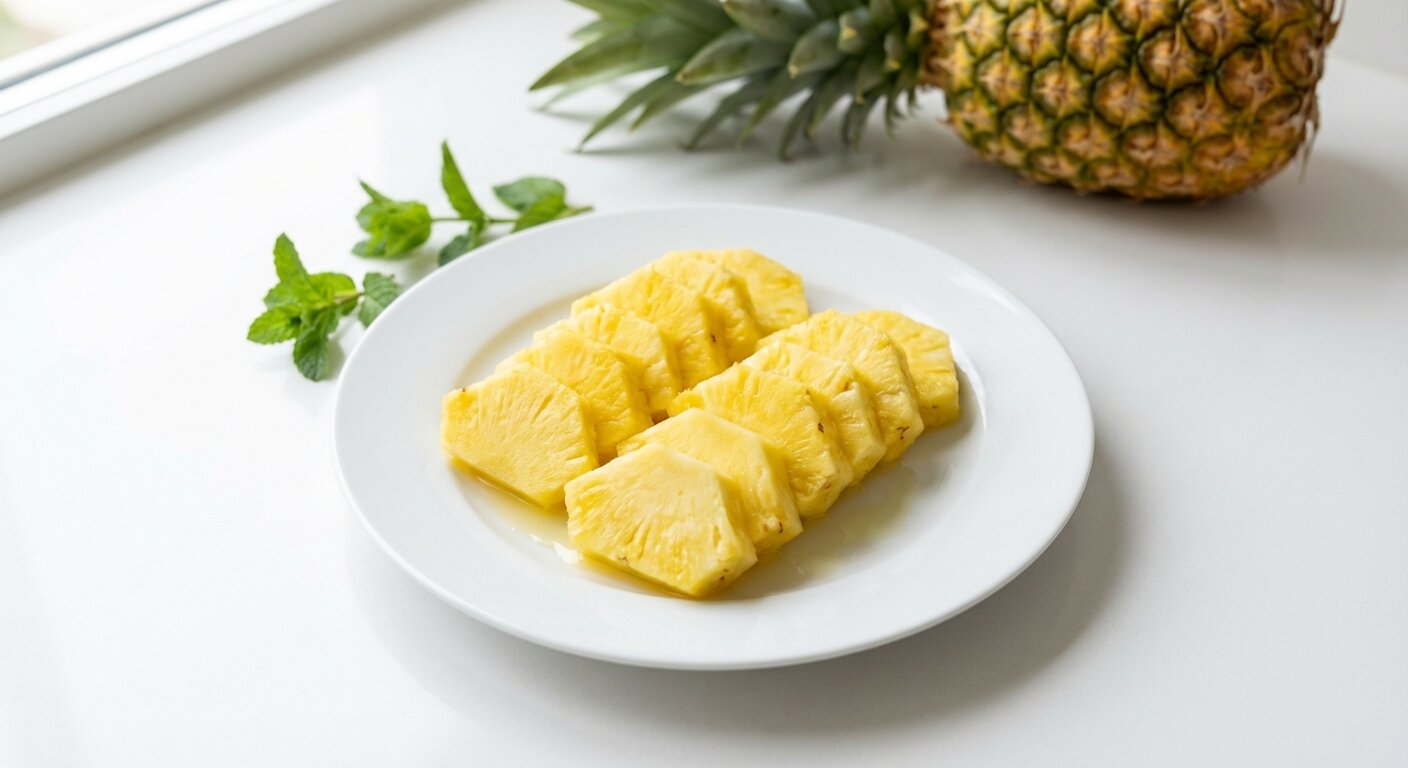
Pineapple is one of the most popular tropical fruits worldwide—sweet, juicy, and packed with flavor. But if you’re tracking your macros, you need to understand exactly what you’re getting in each serving.
This guide breaks down pineapple macros in complete detail: calories, carbs, protein, fat, fiber, and how different forms (fresh, frozen, canned, dried) compare. Whether you’re cutting, bulking, or maintaining, you’ll learn exactly how to fit pineapple into your nutrition plan.
Ready to track your pineapple intake accurately? Let’s start with the calculator, then dive deep into the numbers.
Calculate your personalized macro targets with our macro calculator and see exactly how pineapple fits your goals.
Pineapple Macros Overview
Here’s the complete nutritional breakdown for fresh pineapple:
Per 1 cup (165g) fresh pineapple chunks:
- Calories: 82
- Protein: 0.9g
- Carbohydrates: 21.6g
- Fiber: 2.3g
- Sugar: 16.3g
- Net carbs: 19.3g
- Fat: 0.2g
- Water content: 86%
Per 100g fresh pineapple:
- Calories: 50
- Protein: 0.5g
- Carbohydrates: 13.1g
- Fiber: 1.4g
- Sugar: 9.9g
- Fat: 0.1g
Macro Breakdown by Percentage
For one cup of fresh pineapple:
- Carbohydrates: 96% of calories
- Protein: 4% of calories
- Fat: <1% of calories
Pineapple is essentially a pure carbohydrate source with minimal protein or fat.
Fresh vs Canned vs Frozen vs Dried Pineapple
The form of pineapple you choose dramatically affects the macros:
Fresh Pineapple (1 cup, 165g)
- Calories: 82
- Carbs: 21.6g
- Protein: 0.9g
- Fat: 0.2g
- Best for: Whole food nutrition, maximum nutrients, lowest calorie density
Canned Pineapple in Juice (1 cup, 250g)
- Calories: 149
- Carbs: 39g
- Protein: 1g
- Fat: 0.2g
- Best for: Convenience, longer storage, similar nutrition to fresh
Canned Pineapple in Syrup (1 cup, 254g)
- Calories: 198
- Carbs: 51g
- Protein: 0.9g
- Fat: 0.3g
- Watch out: 2.4x more calories than fresh, massive sugar spike
Frozen Pineapple (1 cup, 155g)
- Calories: 82
- Carbs: 22g
- Protein: 0.9g
- Fat: 0.2g
- Best for: Smoothies, meal prep, nearly identical to fresh
Dried Pineapple (1 oz, 28g)
- Calories: 95
- Carbs: 25g
- Protein: 0.4g
- Fat: 0.1g
- Watch out: 7x more calorie-dense than fresh by weight, easy to overeat
Pineapple Serving Sizes Explained
Understanding serving sizes helps you track accurately:
Small Serving Sizes
- 1 slice (1/2” thick, 84g): 42 calories, 11g carbs
- 1/2 cup chunks (83g): 41 calories, 11g carbs
- 1/4 cup (41g): 21 calories, 5g carbs
Standard Serving Sizes
- 1 cup chunks (165g): 82 calories, 22g carbs (most common tracking unit)
- 100g: 50 calories, 13g carbs (metric standard)
Large Serving Sizes
- 1 medium whole pineapple (905g): 453 calories, 119g carbs
- 2 cups chunks (330g): 164 calories, 43g carbs
Most people underestimate pineapple portions. A “handful” is usually 1-1.5 cups, not the 1/2 cup they think it is.
How Pineapple Fits Different Macro Goals
Fat Loss / Cutting
Pineapple works for cutting if you control portions:
Pros:
- Low calorie density (0.5 cal/g)
- High water content keeps you full
- Natural sweetness satisfies cravings
- Contains digestive enzymes (bromelain)
Cons:
- 22g carbs per cup adds up fast
- Minimal protein or fat
- Easy to overeat due to sweetness
Strategy: Limit to 1 cup daily, track accurately, pair with protein to balance macros.
Muscle Building / Bulking
Pineapple provides quick carbs for energy and recovery:
Pros:
- Fast-digesting carbs for pre/post workout
- Vitamin C supports recovery
- Bromelain may reduce inflammation
- Convenient carb source
Cons:
- Low protein means poor standalone snack
- Not calorie-dense enough for aggressive bulking
Strategy: Use 1-2 cups around workouts, combine with protein shake or meal for complete nutrition.
Maintenance
Perfect for balanced nutrition:
- 1 cup daily fits most maintenance macros
- Provides vitamins (C, B6, folate, thiamine)
- Contains manganese for bone health
- Supports immune function with antioxidants
Keto Diet
Not recommended. With 22g carbs per cup, pineapple uses up 44-110% of typical keto carb limits (20-50g/day). Choose berries instead:
- Raspberries: 7g net carbs per cup
- Blackberries: 7g net carbs per cup
- Strawberries: 9g net carbs per cup
Pineapple vs Other Tropical Fruits
How does pineapple compare to other popular tropical fruits?
Per 1 cup comparison:
| Fruit | Calories | Carbs | Protein | Fat |
|---|---|---|---|---|
| Pineapple | 82 | 22g | 0.9g | 0.2g |
| Mango | 99 | 25g | 1.4g | 0.6g |
| Papaya | 62 | 16g | 0.7g | 0.4g |
| Banana (1 medium) | 105 | 27g | 1.3g | 0.4g |
| Kiwi | 110 | 26g | 2.1g | 0.9g |
| Cantaloupe | 60 | 14g | 1.5g | 0.3g |
Key takeaways:
- Pineapple is middle-of-the-pack for calories
- Higher carbs than papaya/cantaloupe, lower than mango/banana
- Minimal protein across all tropical fruits
- All are essentially pure carb sources
Micronutrients in Pineapple
Beyond macros, pineapple delivers important micronutrients:
Vitamins (per 1 cup)
- Vitamin C: 79mg (88% DV) - immune support, collagen synthesis
- Vitamin B6: 0.2mg (9% DV) - metabolism, brain function
- Folate: 30mcg (7% DV) - cell growth, DNA synthesis
- Thiamine: 0.1mg (9% DV) - energy metabolism
Minerals (per 1 cup)
- Manganese: 1.5mg (76% DV) - bone health, antioxidant defense
- Copper: 0.2mg (9% DV) - iron absorption, nervous system
- Potassium: 180mg (4% DV) - fluid balance, muscle function
Unique Compound: Bromelain
Pineapple contains bromelain, a proteolytic enzyme found primarily in the stem and fruit. Research suggests bromelain may:
- Reduce inflammation
- Aid protein digestion
- Support post-workout recovery
- Help reduce nasal swelling
Best Times to Eat Pineapple for Macro Goals
Pre-Workout (30-60 minutes before)
- Serving: 1 cup chunks
- Why: Fast-digesting carbs for immediate energy
- Pair with: Small protein source (Greek yogurt, protein shake)
Post-Workout (within 2 hours)
- Serving: 1-2 cups chunks
- Why: Replenishes glycogen, vitamin C supports recovery, bromelain reduces inflammation
- Pair with: 30-40g protein from chicken, fish, or protein powder
As a Snack
- Serving: 1/2 - 1 cup
- Why: Low calorie, satisfies sweet cravings
- Pair with: Cottage cheese or nuts for protein/fat balance
With Breakfast
- Serving: 1/2 - 1 cup
- Why: Adds natural sweetness, vitamin C kickstart
- Pair with: Oatmeal, yogurt, or eggs for complete meal
Common Pineapple Tracking Mistakes
1. Not Weighing Portions
Mistake: “I ate a handful” = 1/2 cup guess Reality: Most handfuls = 1-1.5 cups (164-246 calories, 43-65g carbs) Fix: Weigh 165g for accurate 1 cup measurement
2. Forgetting Canned Pineapple in Syrup
Mistake: Logging canned as fresh (82 cal) Reality: Canned in syrup = 198 calories, 51g carbs Fix: Always check label, choose pineapple in juice or water
3. Ignoring Dried Pineapple Density
Mistake: Eating dried pineapple like fresh portions Reality: 1 oz dried = 95 calories (same as 190g fresh) Fix: Measure dried pineapple in tablespoons (15g = ~34 cal)
4. Smoothie Portion Creep
Mistake: “Just a little pineapple” in smoothie Reality: Most recipes use 1-2 cups (164-328 calories) Fix: Pre-portion frozen pineapple in 1-cup bags
5. Not Accounting for Juice
Mistake: Drinking leftover juice from canned pineapple Reality: Juice adds 20-30 extra calories per 1/4 cup Fix: Drain and discard juice, or track separately
How to Meal Prep Pineapple
Fresh Pineapple Prep
- Cut and core: Remove skin, eyes, and woody core
- Chunk: Cut into 1” pieces for easy portion control
- Store: Airtight container, refrigerate up to 5 days
- Pre-portion: 1-cup containers for grab-and-go snacks
Frozen Pineapple Prep
- Freeze in single layer: Prevents clumping
- Transfer to bags: Label with date, use within 6 months
- Pre-portion: Freeze in 1-cup portions for smoothies
Meal Prep Recipes with Pineapple
- Tropical protein bowls: Grilled chicken, rice, pineapple chunks, bell peppers
- Smoothie packs: 1 cup frozen pineapple + spinach + protein powder
- Fruit salad prep: Pineapple + berries + melon in mason jars
- Post-workout snacks: Pineapple chunks + cottage cheese in containers
Pineapple in Popular Diets
Flexible Dieting (IIFYM)
Works perfectly. Track accurately, fit the macros. One cup = 82 calories, 22g carbs is easy to work into most macro splits.
Low-Carb Diets
Challenging. 22g carbs per cup is significant. Limit to 1/2 cup or less, or choose lower-carb fruits like berries.
Ketogenic Diet
Not recommended. Save your 20-50g daily carb limit for vegetables and trace carbs from protein/fat sources.
Paleo Diet
Approved. Pineapple is a whole, unprocessed fruit that fits paleo guidelines. Just watch portion sizes.
Whole30
Approved with caution. Allowed as a whole food, but discouraged as a sweet snack. Focus on vegetables first.
Mediterranean Diet
Perfect fit. Fresh fruits are a cornerstone of Mediterranean eating. 1-2 cups daily aligns with the pattern.
Plant-Based / Vegan Diets
Excellent choice. Provides natural carbs, vitamin C, and digestive enzymes. Pair with protein-rich plants (legumes, tofu, tempeh).
Is Pineapple Healthy?
Yes, in moderate amounts. Pineapple offers:
Health Benefits:
- Vitamin C for immune function (88% DV per cup)
- Manganese for bone health (76% DV per cup)
- Bromelain enzyme for digestion and inflammation
- Antioxidants (flavonoids, phenolic acids)
- High water content (86%) for hydration
Potential Concerns:
- High natural sugar (16g per cup) impacts blood sugar
- Low protein and fat means poor satiety alone
- Acidity can irritate sensitive stomachs
- Bromelain may interact with blood thinners (rare)
Bottom line: Pineapple is a nutritious fruit that fits most healthy diets. The key is portion control and pairing with protein/fat for balanced nutrition.
Frequently Asked Questions
How many calories are in pineapple?
One cup of fresh pineapple chunks (165g) contains 82 calories. Per 100g, fresh pineapple has 50 calories. This makes pineapple a relatively low-calorie fruit compared to bananas (105 cal/medium) or grapes (104 cal/cup), but higher than watermelon (46 cal/cup) or strawberries (49 cal/cup).
The calorie content changes dramatically based on the form:
- Fresh pineapple: 82 cal/cup
- Frozen pineapple: 82 cal/cup
- Canned in juice: 149 cal/cup
- Canned in syrup: 198 cal/cup (2.4x fresh)
- Dried pineapple: 95 cal/oz (7x more dense than fresh by weight)
For weight loss, stick with fresh or frozen pineapple and avoid dried or canned in syrup versions, which pack significantly more calories into smaller portions.
How many carbs are in pineapple?
One cup of fresh pineapple chunks contains 21.6 grams of carbohydrates, including 16.3 grams of natural sugars and 2.3 grams of fiber. This gives you 19.3 grams of net carbs per cup (total carbs minus fiber).
The carb breakdown matters:
- Sugars: 16.3g per cup (natural fructose and glucose)
- Fiber: 2.3g per cup (helps slow sugar absorption)
- Net carbs: 19.3g per cup (what impacts blood sugar most)
For context, 22g of carbs is roughly equivalent to:
- 1.5 slices of white bread
- 1/3 cup of cooked rice
- 1 medium apple
If you’re following a low-carb diet (under 100g carbs/day), one cup of pineapple represents 20-25% of your daily carb budget. For keto dieters (20-50g carbs/day), a single cup could max out your daily limit.
The natural sugars in pineapple are absorbed relatively quickly due to minimal protein and fat content. Pair pineapple with protein (Greek yogurt, cottage cheese) or healthy fats (nuts, nut butter) to slow digestion and stabilize blood sugar.
Does pineapple have protein?
Pineapple contains minimal protein—just 0.9 grams per cup (165g) or 0.5g per 100g. This is approximately 1% of the recommended daily protein intake for a 150-pound person.
For comparison, other common protein sources provide:
- 1 cup Greek yogurt: 17-20g protein (19x more than pineapple)
- 4 oz chicken breast: 35g protein (39x more)
- 1/4 cup almonds: 7.5g protein (8x more)
- 1 large egg: 6g protein (7x more)
Why so little protein? Fruits are primarily carbohydrate sources designed to provide quick energy, not build muscle tissue. Their protein content is negligible compared to animal products, legumes, nuts, or seeds.
Does pineapple destroy protein? You may have heard that bromelain (the enzyme in pineapple) “eats” protein. This is technically true—bromelain breaks down protein bonds, which is why it’s used as a meat tenderizer. However, this doesn’t mean pineapple “destroys” the protein you eat. Your stomach acid naturally breaks down proteins during digestion, and bromelain simply aids this process.
How to get protein with pineapple:
- Pair with Greek yogurt (20g protein per cup)
- Add to cottage cheese (28g protein per cup)
- Blend with protein powder (20-25g protein per scoop)
- Serve alongside grilled chicken or fish
- Combine with nuts (6-7g protein per ounce)
Bottom line: Don’t count on pineapple for protein. It’s a carb source that needs to be paired with protein-rich foods for balanced nutrition.
Is pineapple good for weight loss?
Pineapple can support weight loss when eaten in controlled portions, but it’s not a magic fat-burning food despite claims you may have seen online.
Pros for weight loss:
- Low calorie density: At 0.5 calories per gram, pineapple has high volume for relatively few calories
- High water content: 86% water helps you feel full
- Fiber content: 2.3g per cup slows digestion and improves satiety
- Natural sweetness: Can satisfy sweet cravings without processed sugar
- Vitamin C: Supports fat oxidation during exercise (some research suggests)
Cons for weight loss:
- Natural sugars: 16g per cup impacts blood sugar and insulin response
- Easy to overeat: Sweetness and juiciness make it tempting to eat 2-3 cups (164-246 calories)
- Low protein: Doesn’t promote fullness or preserve muscle during cutting
- Doesn’t actually “burn fat”: Despite claims about bromelain, no food directly burns fat
The research on pineapple and weight loss:
- Bromelain (the enzyme in pineapple) does NOT burn fat or boost metabolism
- Vitamin C may play a modest role in fat oxidation during exercise
- Fiber content helps with satiety, but 2.3g per cup is moderate (not exceptional)
- No studies show pineapple is superior to other fruits for weight loss
Best practices for weight loss:
- Limit to 1 cup per day (82 calories, 22g carbs)
- Eat fresh or frozen (avoid canned in syrup or dried versions)
- Pair with protein to balance blood sugar and improve satiety
- Track accurately—weight your portions instead of eyeballing
- Time around workouts for quick energy utilization
Better fruit choices for aggressive cutting:
- Berries (raspberries, blackberries, strawberries): Lower carbs, higher fiber
- Watermelon: Lower calories, higher volume
- Cantaloupe: Similar volume, fewer carbs
Bottom line: Pineapple won’t make or break your weight loss, but portion control and accurate tracking matter. It’s a solid choice for moderate-deficit diets, but not ideal for aggressive low-carb or keto approaches.
What’s the difference between fresh and canned pineapple macros?
The form of pineapple dramatically changes the nutritional profile:
Fresh Pineapple (1 cup, 165g):
- Calories: 82
- Carbs: 21.6g (16.3g sugar, 2.3g fiber)
- Protein: 0.9g
- Fat: 0.2g
- Vitamin C: 79mg (88% DV)
- Bromelain: Highest concentration
Canned Pineapple in Juice (1 cup, 250g):
- Calories: 149 (82% more than fresh)
- Carbs: 39g (80% more than fresh)
- Protein: 1g
- Fat: 0.2g
- Vitamin C: 25mg (28% DV) - significantly less due to processing
- Bromelain: Partially deactivated by heat processing
Canned Pineapple in Syrup (1 cup, 254g):
- Calories: 198 (141% more than fresh)
- Carbs: 51g (136% more than fresh, mostly added sugar)
- Protein: 0.9g
- Fat: 0.3g
- Vitamin C: 19mg (21% DV)
- Bromelain: Mostly destroyed
Why the differences?
- Added sugars: Canned in syrup adds corn syrup or sugar, dramatically increasing carbs
- Juice concentration: Even “in juice” versions concentrate natural sugars
- Processing: Heat treatment reduces vitamin C and destroys bromelain enzyme
- Portion differences: Serving sizes differ slightly by volume vs. weight
Which should you choose?
- Weight loss/cutting: Fresh or frozen (lowest calories)
- Convenience: Canned in juice (acceptable compromise)
- Avoid: Canned in syrup (too much added sugar)
- Budget: Frozen often cheapest per serving
Label reading tips:
- “In its own juice” = natural pineapple juice (moderate sugar)
- “In 100% juice” = often other fruit juices added (check sugar content)
- “In heavy syrup” = corn syrup or sugar added (avoid)
- “In light syrup” = less added sugar than heavy, but still significant
Bottom line: Choose fresh or frozen pineapple for best nutrition and lowest calories. If buying canned, always select versions packed in juice or water, never syrup.
Is pineapple keto-friendly?
No, pineapple is not keto-friendly for most people following a strict ketogenic diet.
Here’s why:
- Ketogenic diet limits: 20-50g net carbs per day (typically 20-30g for strict keto)
- Pineapple net carbs: 19.3g per cup (total carbs 21.6g minus 2.3g fiber)
- Percentage of daily limit: One cup = 64-97% of your total daily carbs on strict keto
Even small portions are challenging:
- 1/2 cup pineapple: 9.6g net carbs (32-48% of keto limit)
- 1/4 cup pineapple: 4.8g net carbs (16-24% of keto limit)
- 1 slice (84g): 5.6g net carbs (19-28% of keto limit)
What happens if you eat pineapple on keto? Consuming pineapple could potentially kick you out of ketosis by:
- Spiking blood sugar and insulin
- Using up your carb budget, leaving none for vegetables and fiber
- Providing fast-digesting carbs that your body will burn before returning to fat burning
Better keto fruit alternatives: Choose these lower-carb options instead:
| Fruit (1 cup) | Net Carbs | Keto-Friendly? |
|---|---|---|
| Raspberries | 7g | ✅ Yes (moderate portions) |
| Blackberries | 7g | ✅ Yes (moderate portions) |
| Strawberries | 9g | ✅ Yes (small portions) |
| Cantaloupe | 12g | ⚠️ Limited |
| Watermelon | 11g | ⚠️ Limited |
| Pineapple | 19g | ❌ No |
| Banana | 24g | ❌ No |
| Grapes | 26g | ❌ No |
Can you ever eat pineapple on keto? Only in very specific circumstances:
- Targeted Ketogenic Diet (TKD): Eating 15-30g fast carbs 30-60 minutes before intense workouts
- Cyclical Ketogenic Diet (CKD): Planned high-carb refeeds 1-2 days per week
- Maintenance keto: If your carb tolerance is higher (50-100g/day), small portions may fit
Bottom line: Standard keto dieters should avoid pineapple and choose berries instead. Save your limited carb budget for nutrient-dense vegetables and small portions of lower-sugar fruits.
What are the health benefits of pineapple?
Pineapple offers several science-backed health benefits beyond just macronutrients:
1. Immune System Support Pineapple is exceptionally high in vitamin C (79mg per cup = 88% daily value). Research shows vitamin C:
- Supports white blood cell production and function
- Acts as an antioxidant, protecting cells from damage
- May reduce duration and severity of colds (though evidence is mixed)
2. Anti-Inflammatory Properties Bromelain, the proteolytic enzyme unique to pineapple, has demonstrated anti-inflammatory effects:
- May reduce swelling after surgery or injury
- Could help with osteoarthritis symptoms
- Shows potential for reducing exercise-induced muscle damage
- Note: Most research uses concentrated bromelain supplements (much higher doses than eating fresh pineapple)
3. Digestive Health Bromelain also aids protein digestion by breaking down protein bonds:
- May help with protein absorption
- Could reduce bloating after high-protein meals
- Traditional use in meat tenderization demonstrates this effect
4. Antioxidant Protection Pineapple contains various antioxidant compounds:
- Flavonoids (quercetin, kaempferol)
- Phenolic acids
- Vitamin C These compounds help neutralize free radicals and reduce oxidative stress linked to chronic disease.
5. Bone Health Pineapple is one of the best food sources of manganese (1.5mg per cup = 76% DV):
- Essential for bone formation and density
- Supports connective tissue health
- Acts as an antioxidant cofactor
6. Eye Health Vitamin C and antioxidants may:
- Reduce risk of age-related macular degeneration
- Support overall eye health
- Protect against oxidative damage to eye tissues
7. Potential Cancer-Protective Properties Some research suggests bromelain may have anti-cancer effects:
- Laboratory studies show it may inhibit cancer cell growth
- May enhance immune system response to tumors
- Note: This research is preliminary and mostly in test tubes/animals, not humans
What pineapple does NOT do (despite internet claims):
- ❌ Burn fat or boost metabolism
- ❌ “Detox” your body
- ❌ Cure diseases
- ❌ Significantly aid weight loss beyond calorie control
- ❌ Replace medical treatment for any condition
Important caveats:
- Most bromelain research uses concentrated supplements (500-2000mg), not fresh pineapple
- Fresh pineapple contains bromelain but in much lower amounts
- Eating pineapple regularly as part of a balanced diet is healthy, but it’s not a superfood
- Always prioritize variety—no single fruit provides complete nutrition
Bottom line: Pineapple is a nutritious fruit with legitimate health benefits, particularly for vitamin C, manganese, and digestive support. However, many claimed benefits are exaggerated. Eat it as part of a diverse, balanced diet rather than expecting miraculous results.
How much pineapple should I eat per day?
Recommended daily amount: 1 cup (165g) of fresh pineapple chunks
This serving size provides:
- 82 calories (4% of a 2,000-calorie diet)
- 22g carbohydrates (7% of a 2,000-calorie diet at 50% carbs)
- 88% DV vitamin C (meets nearly all daily needs)
- 76% DV manganese (strong contribution to daily needs)
Why 1 cup is ideal:
- Fits most macro targets without dominating your carb budget
- Provides substantial nutrients (vitamin C, manganese, bromelain)
- Satisfies cravings for something sweet without excessive calories
- Leaves room for other fruits and vegetables in your diet
Can you eat more? Yes, but consider your overall macro goals:
2 cups per day (330g):
- 164 calories
- 43g carbohydrates
- May be appropriate for athletes, bulking phases, or maintenance with higher carb intake
- Still fits most flexible dieting approaches if tracked accurately
3+ cups per day (495g+):
- 246+ calories
- 65+ grams carbohydrates
- Not recommended for most people
- Takes up too much of your carb budget
- May cause digestive discomfort (bromelain can irritate mouth/stomach in large amounts)
- Reduces dietary diversity
Factors that influence your ideal amount:
Higher tolerance (1.5-2 cups acceptable):
- Athletes with high energy demands
- Bulking phases (muscle building)
- High carb intake targets (200g+ carbs/day)
- Using pineapple strategically around workouts
- No blood sugar management concerns
Lower tolerance (0.5-1 cup maximum):
- Low-carb diets (under 100g carbs/day)
- Cutting phases (fat loss)
- Blood sugar sensitivity or diabetes
- Small calorie budgets (1,200-1,500 cal/day)
- Preference for protein/fat-dense foods
Side effects of eating too much pineapple:
- Mouth/tongue irritation (bromelain breaks down tissue)
- Digestive upset (too much fiber, sugar, or acidity)
- Blood sugar spikes (especially if eating 3+ cups)
- Crowding out other nutrient-dense foods
- Potential interactions with blood thinners (rare, at very high intakes)
What about pineapple juice? Not recommended as a regular beverage. Pineapple juice removes fiber, concentrates sugar, and increases calorie density:
- 1 cup pineapple juice: 132 calories, 32g carbs, 0.8g fiber (vs. 82 cal, 22g carbs, 2.3g fiber for whole fruit)
- Liquid calories are less satiating
- Easier to overconsume
Bottom line: One cup (165g) of fresh pineapple per day is a reasonable target that fits most nutrition goals. Adjust up or down based on your total carb intake, activity level, and macro targets. Always prioritize dietary variety—pineapple should be one of many fruits and vegetables you eat, not the primary source.
Final Thoughts
Pineapple is a delicious tropical fruit that fits most macro-based nutrition plans when tracked accurately. With 82 calories and 22 grams of carbs per cup, it’s a moderate-carb fruit option that provides vitamin C, manganese, and the unique bromelain enzyme.
The keys to success:
- Track accurately: Weigh portions instead of eyeballing
- Choose wisely: Fresh or frozen over canned in syrup
- Pair with protein: Balance macros and stabilize blood sugar
- Control portions: 1 cup per day fits most goals
- Time strategically: Around workouts for best utilization
Whether you’re cutting, bulking, or maintaining, pineapple can be part of your nutrition plan. Just make sure you’re tracking it correctly and accounting for every gram.
Want to dial in your nutrition? Use our macro calculator to get personalized targets based on your goals, then build a meal plan that includes the foods you actually enjoy—including pineapple.
Related Articles
Dragonfruit Macros: Complete Nutrition Guide for Pitaya
Complete macro breakdown of dragonfruit (pitaya). Learn the calories, protein, carbs, and...
Read guide →
Bulgur Macros: Complete Nutritional Guide & Health Benefits
Discover bulgur's complete macro breakdown, nutritional benefits, and how to incorporate...
Read guide →
Radish Macros: Nutrition Facts and Health Benefits
Complete guide to radish macros and nutrition. Learn calories, protein, carbs, and health...
Read guide →Note: Nutrition values are approximate and may vary based on preparation method and source.