Pizza Macros: Complete Nutrition Guide
Reviewed by Dr. Michael Torres, PhD
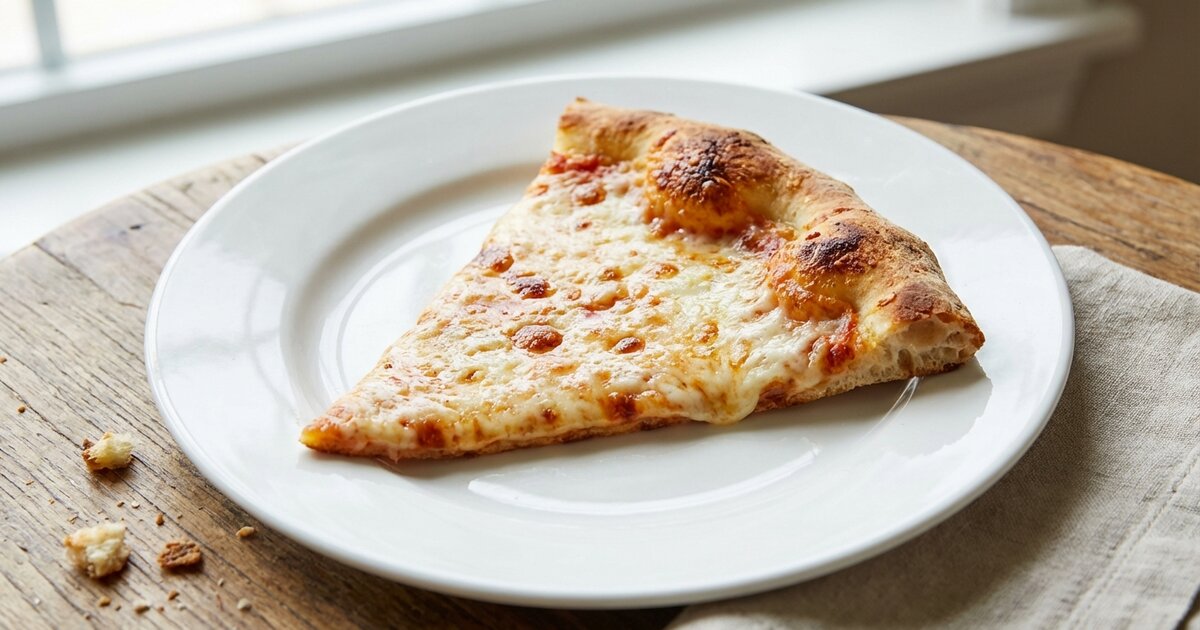
Pizza is the food nobody wants to give up—and the good news is you don’t have to. Whether you’re counting macros for weight loss, muscle building, or just maintaining health, pizza can fit. You just need to understand what you’re working with.
The challenge with pizza is the variability. A slice from your local pizzeria, a Domino’s delivery, a frozen DiGiorno, and a wood-fired Neapolitan slice are completely different nutritional animals. “Pizza” isn’t one food—it’s a category with enormous range.
This guide breaks down pizza macros across styles, brands, and toppings so you can make informed choices and enjoy pizza without wrecking your diet.
Pizza Macros: Quick Reference
Here’s the baseline for regular crust cheese pizza—the foundation for understanding all pizza variations.
Per Slice (1/8 of 14” large pizza)
| Type | Calories | Protein | Carbs | Fat |
|---|---|---|---|---|
| Cheese | 237 | 11g | 25g | 10g |
| Pepperoni | 298 | 13g | 27g | 14g |
| Meat Lovers | 340 | 15g | 27g | 18g |
| Veggie | 220 | 10g | 26g | 9g |
| Supreme | 290 | 13g | 28g | 14g |
| Hawaiian | 260 | 12g | 30g | 11g |
Per 100g (standardized comparison)
| Type | Calories | Protein | Carbs | Fat |
|---|---|---|---|---|
| Cheese | 266 | 11g | 33g | 10g |
| Pepperoni | 280 | 12g | 28g | 13g |
| Meat Lovers | 295 | 14g | 26g | 15g |
| Veggie | 235 | 10g | 32g | 8g |
Key insight: Pizza isn’t as protein-rich as many think. At 11g protein per slice with 25g carbs and 10g fat, it’s primarily a carb-and-fat food with moderate protein.
Pizza Macros by Crust Type
The crust makes the biggest difference in pizza macros.
Regular Hand-Tossed Crust
| Per Slice | Amount |
|---|---|
| Calories | 237 |
| Carbs | 25g |
| Protein | 11g |
| Fat | 10g |
The standard baseline. Most delivery and restaurant slices fall here.
Thin Crust
| Per Slice | Amount |
|---|---|
| Calories | 180 |
| Carbs | 18g |
| Protein | 9g |
| Fat | 9g |
Saves: ~60 calories and 7g carbs per slice. Over 3 slices, that’s 180 calories.
Deep Dish / Pan Pizza
| Per Slice | Amount |
|---|---|
| Calories | 340 |
| Carbs | 38g |
| Protein | 14g |
| Fat | 15g |
Adds: 100+ calories and 13g carbs per slice. The thick, oily crust is the culprit.
Stuffed Crust
| Per Slice | Amount |
|---|---|
| Calories | 310 |
| Carbs | 30g |
| Protein | 14g |
| Fat | 14g |
The cheese-filled edge adds about 50-70 calories and 4g fat per slice.
Cauliflower Crust
| Per Slice | Amount |
|---|---|
| Calories | 170 |
| Carbs | 15g |
| Protein | 8g |
| Fat | 9g |
Note: Cauliflower crusts vary widely. Some are mainly cauliflower; others are mostly rice flour with some cauliflower. Check labels.
Comparison Summary
| Crust Type | Calories | Carbs | Best For |
|---|---|---|---|
| Thin | 180 | 18g | Low-carb, calorie control |
| Regular | 237 | 25g | Balance |
| Deep dish | 340 | 38g | Treat meals |
| Stuffed | 310 | 30g | Occasional indulgence |
| Cauliflower | 170 | 15g | Lower carb |
Pizza Macros by Major Chain
Chain restaurants provide the most consistent, trackable options.
Domino’s Pizza (per slice, hand-tossed, large)
| Topping | Calories | Protein | Carbs | Fat |
|---|---|---|---|---|
| Cheese | 215 | 8g | 25g | 9g |
| Pepperoni | 250 | 10g | 25g | 11g |
| MeatZZa | 300 | 13g | 26g | 14g |
| Pacific Veggie | 230 | 9g | 27g | 9g |
Pizza Hut (per slice, hand-tossed, large)
| Topping | Calories | Protein | Carbs | Fat |
|---|---|---|---|---|
| Cheese | 230 | 10g | 26g | 9g |
| Pepperoni | 270 | 11g | 26g | 12g |
| Meat Lovers | 340 | 15g | 27g | 18g |
| Veggie Lovers | 220 | 9g | 27g | 8g |
Papa John’s (per slice, original, large)
| Topping | Calories | Protein | Carbs | Fat |
|---|---|---|---|---|
| Cheese | 210 | 8g | 27g | 7g |
| Pepperoni | 250 | 10g | 27g | 10g |
| The Works | 280 | 11g | 28g | 12g |
| Garden Fresh | 200 | 8g | 27g | 6g |
Little Caesars (per slice, large)
| Topping | Calories | Protein | Carbs | Fat |
|---|---|---|---|---|
| Cheese | 200 | 9g | 24g | 7g |
| Pepperoni | 240 | 10g | 24g | 10g |
| Supreme | 260 | 11g | 25g | 12g |
Best for macros: Papa John’s and Little Caesars tend to run slightly lower calories. Pizza Hut’s specialty pizzas run highest.
Frozen Pizza Macros
Frozen pizzas are often better for macro tracking—exact nutrition facts on the box.
Popular Brands (per serving, typically 1/4-1/5 pizza)
| Brand/Type | Calories | Protein | Carbs | Fat |
|---|---|---|---|---|
| DiGiorno Rising Crust Cheese | 310 | 14g | 37g | 11g |
| Red Baron Classic Pepperoni | 380 | 15g | 39g | 17g |
| Tombstone Original Cheese | 290 | 14g | 31g | 12g |
| California Pizza Kitchen Margherita | 310 | 14g | 34g | 13g |
| Amy’s Cheese | 290 | 12g | 37g | 11g |
| Trader Joe’s Cheese | 260 | 11g | 31g | 10g |
| Caulipower Margherita | 170 | 7g | 22g | 6g |
Frozen pizza advantage: Precise portions, consistent macros, cost-effective, no delivery temptation.
Best Frozen Options for Specific Goals
Lowest calorie: Caulipower, Trader Joe’s Highest protein: DiGiorno, Tombstone, Red Baron Lowest carb: Caulipower, Quest frozen pizza Best value: Tombstone, Totino’s (party pizza)
Pizza Toppings: Macro Impact
Toppings change your pizza’s nutritional profile. Here’s what each adds per slice:
Meat Toppings (per slice)
| Topping | Calories | Protein | Fat |
|---|---|---|---|
| Pepperoni | +40 | +2g | +3g |
| Italian sausage | +50 | +2g | +4g |
| Bacon | +35 | +2g | +3g |
| Ham | +15 | +2g | +0.5g |
| Grilled chicken | +25 | +4g | +1g |
| Ground beef | +45 | +3g | +3g |
| Anchovies | +15 | +2g | +1g |
Best protein topping: Grilled chicken adds the most protein with least fat.
Vegetable Toppings (per slice)
| Topping | Calories | Carbs | Notes |
|---|---|---|---|
| Mushrooms | +5 | +1g | Negligible impact |
| Bell peppers | +5 | +1g | Adds color/crunch |
| Onions | +5 | +1g | Flavor without calories |
| Olives | +15 | +1g | Adds some healthy fat |
| Tomatoes | +5 | +1g | Fresh flavor |
| Spinach | +3 | +0g | Nutrient boost |
| Jalapeños | +3 | +0g | Heat, no calories |
| Pineapple | +20 | +5g | Adds sugar/carbs |
Vegetables are essentially free from a macro perspective. Load up for volume and nutrients.
Cheese Additions (per slice)
| Cheese | Calories | Protein | Fat |
|---|---|---|---|
| Extra cheese | +50 | +3g | +4g |
| Parmesan | +20 | +2g | +1g |
| Feta | +25 | +1g | +2g |
| Ricotta dollops | +30 | +2g | +2g |
Sauces (per slice)
| Sauce | Calories | Carbs | Notes |
|---|---|---|---|
| Regular tomato | 15 | 3g | Standard |
| Alfredo/white | 45 | 1g | Higher fat |
| BBQ base | 30 | 7g | Higher sugar |
| Pesto | 40 | 1g | Healthy fats |
| No sauce | -15 | -3g | Lower carbs |
How to Make Pizza Fit Your Macros
Strategy 1: Portion Control
The simplest approach—eat less pizza.
Two slices of cheese pizza:
- 474 calories
- 22g protein
- 50g carbs
- 20g fat
This fits into most meal budgets. The problem is stopping at two slices.
Tips for portion control:
- Order a personal pizza instead of sharing a large
- Box up half immediately before eating
- Fill the rest of your meal with salad or vegetables
- Don’t keep leftovers in visible spots
Strategy 2: Choose Smarter Options
Make strategic choices:
Lower calorie combinations:
- Thin crust + vegetables + light cheese
- Two thin slices instead of one deep dish
- Load up on veggie toppings for volume
Higher protein combinations:
- Chicken and spinach toppings
- Extra cheese (adds protein + fat)
- Pair with a protein shake or Greek yogurt after
Strategy 3: Plan Your Day Around Pizza
If pizza’s on the menu, adjust other meals:
Pizza night meal plan:
- Breakfast: High protein, low carb (eggs, veggies)
- Lunch: Lean protein and vegetables (chicken salad)
- Dinner: 3 slices pizza + side salad
- Snack: Protein shake if needed
This keeps your daily macros balanced even with pizza.
Strategy 4: Make Macro-Friendly Homemade Pizza
Home pizza gives you total control.
Macro-friendly pizza recipe:
- Low-carb tortilla or pita as base
- 2 tbsp pizza sauce
- 1/4 cup part-skim mozzarella
- Chicken, vegetables, lean protein toppings
Per pizza: ~300 calories, 25g protein, 20g carbs, 12g fat
Use our Macro Calculator to see exactly how pizza fits your daily targets.
Pizza for Different Diet Goals
Pizza for Weight Loss
Can you eat pizza and lose weight? Yes, absolutely.
Keys to success:
- Budget for it—save calories earlier in the day
- Limit to 2-3 slices max
- Choose thin crust when possible
- Fill up on vegetables alongside
- Don’t eat pizza daily
Sample cutting day with pizza:
- Total budget: 1,600 calories
- Pizza dinner: 2 slices (474 cal) + large salad (100 cal) = 574 cal
- Remaining 1,026 calories for other meals—completely doable
Pizza for Muscle Building
Pizza actually works well for bulking—it’s calorie-dense with moderate protein.
Bulking approach:
- Pizza provides easy calories
- Add chicken or extra cheese for protein
- Pair with a protein shake to balance
- Good post-workout option (carbs + protein)
Post-workout pizza meal:
- 3 slices pepperoni pizza: 900 cal, 39g protein, 81g carbs
- Actually decent macros for muscle recovery
Pizza on Keto
Traditional pizza is challenging for keto (25g+ carbs per slice), but options exist:
Keto pizza options:
- Fathead dough: Made with mozzarella, cream cheese, almond flour (~3g net carbs/serving)
- Meat crust: Ground chicken or beef pressed into a crust
- Cauliflower crust: Some brands are keto-friendly (check net carbs)
- Toppings only: Order pizza, eat toppings, leave crust
Best chain option for keto: Blaze Pizza’s Keto Crust (6g net carbs per crust)
Pizza for IIFYM/Flexible Dieting
Pizza is the poster child for flexible dieting—fit it in, don’t stress about it.
IIFYM approach:
- Track accurately (use restaurant nutrition info when available)
- Balance with protein-rich, nutrient-dense other meals
- Don’t use IIFYM as an excuse to eat pizza daily
- Enjoy it as part of a balanced week
For more on flexible dieting, read our Flexible Dieting Guide.
Pizza Hacks for Better Macros
The Blotting Technique
Dabbing pizza with a napkin removes surface oil.
- Saves: 20-40 calories per slice
- Downside: Some purists consider this sacrilege
The Fold Trick
Fold your slice—it helps with portion awareness and prevents eating too fast.
The Salad First Strategy
Eat a large salad before your pizza arrives. You’ll naturally eat fewer slices while still feeling satisfied.
The Veggie Loading Approach
Order extra vegetables on every pizza. More volume, more fiber, more nutrients, minimal added calories.
The Day-After Cold Pizza Method
Cold pizza the next morning is a genuine technique—you’re more likely to eat a reasonable amount than during the excitement of fresh delivery.
Pizza vs Other Fast Food
How does pizza compare to alternatives?
| Meal | Calories | Protein | Carbs | Fat |
|---|---|---|---|---|
| 2 slices cheese pizza | 474 | 22g | 50g | 20g |
| Big Mac | 590 | 25g | 46g | 33g |
| Chick-fil-A sandwich | 440 | 28g | 40g | 18g |
| Chipotle burrito | 1,070 | 51g | 105g | 43g |
| 6” Subway turkey | 280 | 18g | 37g | 5g |
| Taco Bell 3 tacos | 540 | 21g | 51g | 27g |
Pizza’s position: Middle of the pack. Worse than Subway, better than Chipotle (for calories), comparable to most fast food.
Compare with our restaurant guides: McDonald’s Macros | Chipotle Macros
How to Track Pizza Accurately
For Chain Pizza
- Use the restaurant’s nutrition calculator (most chains have them)
- Specify crust type and size—big differences
- Account for every topping
- Remember dipping sauces: Ranch = 140 cal, Garlic butter = 150 cal
For Local Pizza Shops
When exact info isn’t available:
- Use generic entries: “Pizza, cheese, regular crust”
- Estimate based on similar chains
- Weigh if possible (use per 100g database entries)
- Round up slightly for safety
For Frozen Pizza
Easiest to track—use the nutrition label exactly. Just note whether the serving is 1/4, 1/5, or 1/6 of the pizza.
For Homemade Pizza
Track each ingredient:
- Dough/crust: Check package or recipe
- Sauce: Measure in tablespoons
- Cheese: Weigh in grams
- Toppings: Measure each one
Best practice: Make your own pizza crust once—you’ll realize how much oil/butter goes into it.
Common Pizza Tracking Mistakes
Mistake 1: Forgetting the Size
A “large” at one chain isn’t the same as another. Always verify whether you’re eating 1/8 or 1/6 of the pizza.
Mistake 2: Ignoring the Crust
That stuffed crust adds 50-70 calories. That garlic butter on the crust adds more. Track it.
Mistake 3: Underestimating Slices
It’s very easy to eat 3-4 slices while thinking you ate 2. Count before you start.
Mistake 4: Forgetting Extras
- Breadsticks: 100-150 cal each
- Wings: 70-100 cal each
- Dipping sauce: 50-200 cal per cup
- Soda: 140+ cal per can
These extras can add 500+ calories to a pizza order.
The Bottom Line on Pizza Macros
The truth about pizza:
- It’s not a health food, but it’s not diet poison either
- Macros are primarily carbs and fat with moderate protein
- Portion control is the real challenge
- Crust type matters more than toppings
- It can absolutely fit into a healthy diet
Best practices:
- Limit to 2-3 slices per sitting
- Choose thin crust when possible
- Load up on vegetable toppings
- Balance with a salad or vegetables
- Plan your other meals around pizza night
- Track accurately—don’t guess
The flexible dieting perspective: Pizza is food. It has macros. If it fits your targets and you eat it in reasonable amounts, enjoy it without guilt. If it doesn’t fit, adjust. That’s the whole point of tracking.
For help calculating your daily macro targets, use our Macro Calculator and learn the fundamentals in What Are Macronutrients.
Related Articles
Dragonfruit Macros: Complete Nutrition Guide for Pitaya
Complete macro breakdown of dragonfruit (pitaya). Learn the calories, protein, carbs, and...
Read guide →
Bulgur Macros: Complete Nutritional Guide & Health Benefits
Discover bulgur's complete macro breakdown, nutritional benefits, and how to incorporate...
Read guide →
Radish Macros: Nutrition Facts and Health Benefits
Complete guide to radish macros and nutrition. Learn calories, protein, carbs, and health...
Read guide →Note: Nutrition values are approximate and may vary based on preparation method and source.