Plum Macros: Nutrition Facts, Calories, and Health Benefits
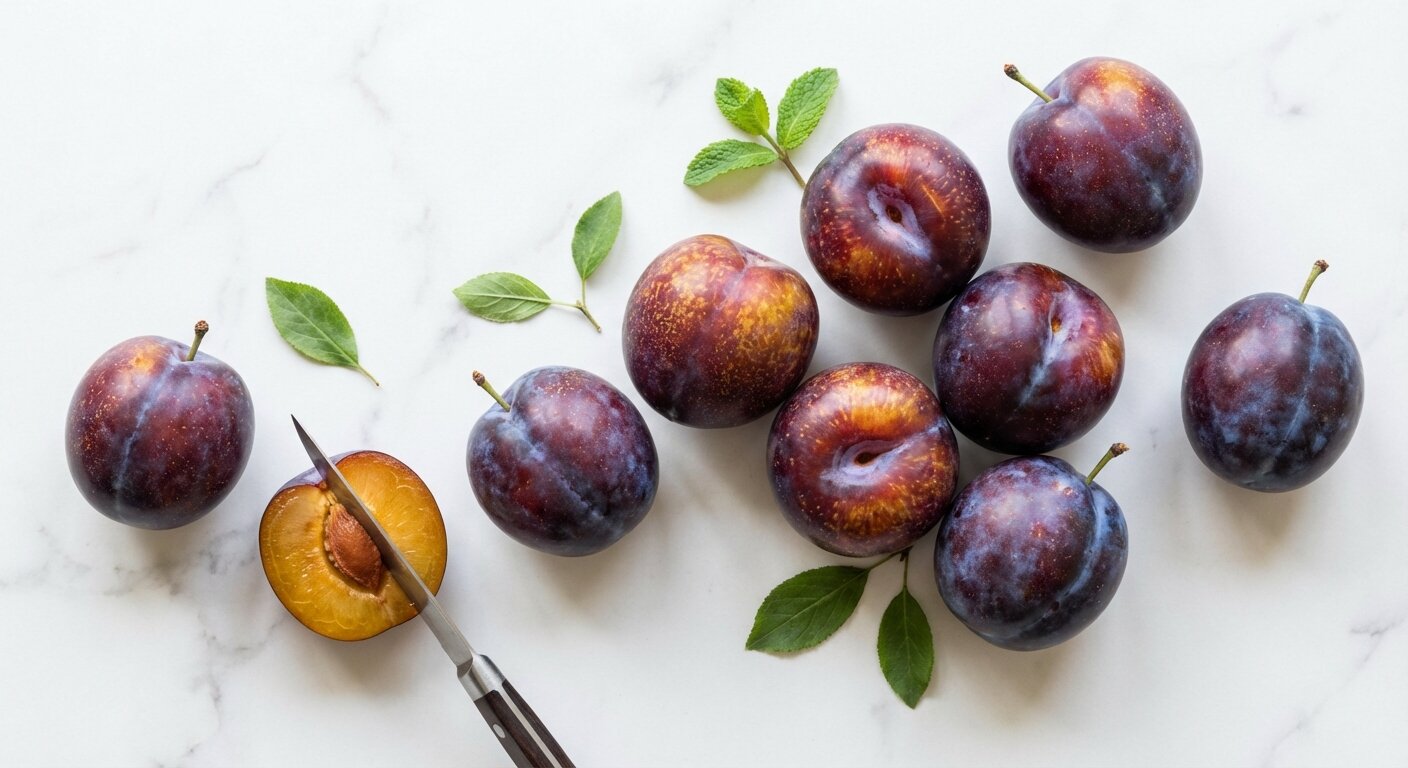
Plums are one of nature’s most satisfying sweet treats, offering vibrant flavor and impressive nutrition in a low-calorie package. Whether you’re tracking macros for weight loss, managing blood sugar, or simply want to understand what you’re eating, this complete nutritional guide breaks down everything you need to know about plum macros, calories, vitamins, and health benefits.
Looking to calculate your personalized macro needs? Try our free Macro Calculator to determine your optimal protein, carbs, and fats based on your goals and activity level.
Related: Learn more about what macros are and how they impact your diet.
Plum Macros Breakdown
Macros for One Medium Plum (66g)
| Nutrient | Amount |
|---|---|
| Calories | 30 |
| Protein | 0.5g |
| Carbs | 8g |
| Fiber | 1g |
| Sugar | 7g |
| Fat | 0.2g |
Macro ratio: 6% protein, 91% carbs, 3% fat
Macros by Plum Size
Different plum sizes vary in their macro content:
| Size | Weight | Calories | Protein | Carbs | Fat |
|---|---|---|---|---|---|
| Small | 50g | 23 | 0.4g | 6g | 0.2g |
| Medium | 66g | 30 | 0.5g | 8g | 0.2g |
| Large | 85g | 39 | 0.6g | 10g | 0.3g |
| Extra Large | 100g | 46 | 0.7g | 11g | 0.3g |
Macros for Common Serving Sizes
| Serving | Calories | Protein | Carbs | Fat |
|---|---|---|---|---|
| 1 small plum | 23 | 0.4g | 6g | 0.2g |
| 1 medium plum | 30 | 0.5g | 8g | 0.2g |
| 1 large plum | 39 | 0.6g | 10g | 0.3g |
| 1 cup sliced (165g) | 76 | 1.2g | 18g | 0.5g |
| 2 medium plums | 60 | 1g | 16g | 0.4g |
| 100g plums | 46 | 0.7g | 11g | 0.3g |
Plum Nutrition Facts
Complete Nutritional Profile (Per Medium Plum, 66g)
| Nutrient | Amount | % Daily Value |
|---|---|---|
| Calories | 30 | 2% |
| Protein | 0.5g | 1% |
| Carbs | 8g | 3% |
| Fiber | 1g | 4% |
| Sugar | 7g | — |
| Fat | 0.2g | 0% |
| Vitamin C | 6.3mg | 10% |
| Vitamin A | 228 IU | 5% |
| Vitamin K | 4.2mcg | 5% |
| Potassium | 104mg | 3% |
| Calcium | 4mg | 0% |
| Iron | 0.1mg | 1% |
| Magnesium | 5mg | 1% |
Key Vitamins and Minerals in Plums
Vitamin C (6.3mg per plum): Plums provide 10% of your daily vitamin C needs per fruit. This powerful antioxidant supports immune function, collagen production, and iron absorption. Eating 2-3 plums provides 20-30% of your daily vitamin C requirement.
Vitamin K (4.2mcg per plum): Essential for blood clotting and bone health, vitamin K in plums contributes 5% of daily needs. This fat-soluble vitamin works synergistically with calcium and vitamin D for optimal bone density.
Vitamin A (228 IU per plum): The vibrant pigments in plums contain provitamin A carotenoids, supporting eye health, immune function, and skin integrity. Purple and red varieties contain higher amounts of these beneficial compounds.
Potassium (104mg per plum): While not exceptionally high, plums contribute meaningful potassium for heart health and blood pressure regulation. Combined with their low sodium content, plums support cardiovascular wellness.
Antioxidant Compounds: Plums contain powerful polyphenol antioxidants including chlorogenic acid, anthocyanins, and quercetin. These compounds provide the fruit’s deep purple-red color and offer protective effects against oxidative stress and inflammation.
Plum Varieties and Macro Differences
Common Plum Types
Black/Purple Plums:
- Most common variety
- 30 calories per medium plum
- Higher anthocyanin content
- Sweetest when fully ripe
Red Plums:
- Slightly tart flavor
- 28-32 calories per medium plum
- Good vitamin C levels
- Excellent for cooking
Yellow/Golden Plums:
- Milder, less acidic taste
- 30-35 calories per medium plum
- Higher carotenoid content
- Popular in Asian cuisines
Green Plums (Greengage):
- More tart, less sweet
- 25-30 calories per plum
- Lower sugar content
- Used in preserves
Plumcots/Pluots (Plum-Apricot Hybrids):
- Sweeter than standard plums
- 40-50 calories per fruit
- Higher sugar concentration
- More intense flavor
Prunes vs. Fresh Plums
Dried plums (prunes) have dramatically different macros:
| Type | Serving | Calories | Carbs | Fiber | Sugar |
|---|---|---|---|---|---|
| Fresh Plum | 1 medium (66g) | 30 | 8g | 1g | 7g |
| Prune | 1 prune (9.5g) | 23 | 6g | 0.7g | 4g |
| Prunes | 1/4 cup (40g) | 104 | 28g | 3g | 17g |
Key differences:
- Prunes are 3-4x more calorie-dense than fresh plums
- Fiber concentration increases in dried form
- Sugar becomes more concentrated
- Prunes have stronger laxative effect due to sorbitol content
Health Benefits of Plums
Digestive Health Support
Fiber Content: With 1g fiber per medium plum, eating 3-4 plums provides 10-15% of daily fiber needs. The combination of soluble and insoluble fiber supports healthy digestion, promotes regular bowel movements, and feeds beneficial gut bacteria.
Sorbitol Content: Plums naturally contain sorbitol, a sugar alcohol with mild laxative effects. This makes plums (and especially prunes) effective for preventing constipation and supporting digestive regularity without harsh stimulants.
Prebiotic Properties: The fiber in plums serves as prebiotics, feeding beneficial gut bacteria and supporting a healthy microbiome. A thriving gut microbiome influences everything from immune function to mood regulation.
Antioxidant and Anti-Inflammatory Benefits
Polyphenol Content: Plums rank among the top fruits for antioxidant capacity, with powerful polyphenols including:
- Anthocyanins: Give plums their purple-red color and protect against cellular damage
- Chlorogenic acid: May help regulate blood sugar and reduce inflammation
- Quercetin: Supports immune function and may reduce allergy symptoms
Oxidative Stress Protection: The antioxidants in plums neutralize free radicals that damage cells and contribute to aging, chronic disease, and inflammation. Regular consumption of antioxidant-rich fruits like plums supports long-term health.
Blood Sugar Management
Low Glycemic Index: With a glycemic index of 40, plums cause a gradual, moderate rise in blood sugar rather than sharp spikes. This makes them suitable for diabetics and anyone managing blood glucose levels.
Fiber’s Role: The 1g fiber per plum slows sugar absorption, preventing rapid blood glucose fluctuations. This helps maintain steady energy levels and reduces cravings for additional sweets.
Chlorogenic Acid Effects: Research suggests chlorogenic acid in plums may improve insulin sensitivity and glucose metabolism, potentially offering protective effects against type 2 diabetes when consumed as part of a balanced diet.
Heart Health Support
Potassium Content: Plums provide potassium, an essential mineral that helps regulate blood pressure by counteracting sodium’s effects. Adequate potassium intake is associated with reduced risk of stroke and cardiovascular disease.
Antioxidant Protection: The polyphenols in plums protect LDL cholesterol from oxidation, a key step in the development of atherosclerosis. This antioxidant protection supports overall cardiovascular health.
Low Sodium, Low Saturated Fat: Plums are naturally sodium-free and contain virtually no saturated fat, making them an ideal fruit choice for heart-healthy eating patterns like DASH or Mediterranean diets.
Bone Health Benefits
Vitamin K Content: Plums provide vitamin K, essential for bone mineralization and calcium metabolism. Adequate vitamin K intake is associated with reduced fracture risk and better bone density in older adults.
Polyphenol Effects: Research on prunes (dried plums) suggests regular consumption may help prevent bone loss and improve bone density, particularly in postmenopausal women. While fresh plums are less concentrated, they still offer beneficial compounds.
Weight Management Support
Low Calorie Density: At only 30 calories per medium fruit, plums offer satisfying sweetness without significant calorie investment. This makes them ideal for satisfying sweet cravings during calorie restriction.
Fiber for Satiety: The fiber in plums helps promote fullness and extends satisfaction between meals. While not extremely high in fiber, the combination of fiber and water content makes plums filling relative to their calories.
Natural Sweetness: Plums satisfy sweet cravings with natural sugars accompanied by fiber, vitamins, and antioxidants—a far superior choice to candy, cookies, or other processed sweets that provide empty calories.
How to Fit Plums Into Your Macro Goals
For Fat Loss and Cutting
Plums are excellent during calorie restriction:
Benefits for fat loss:
- Very low calorie density (30 calories per fruit)
- Natural sweetness satisfies cravings
- Fiber provides some satiety
- Can replace higher-calorie desserts
Portion recommendations:
- 1-2 plums as a snack (30-60 calories)
- 2-3 plums to replace dessert (60-90 calories)
- Pair with protein for better satiety
Macro-friendly ideas:
- Plum with cottage cheese: Add sliced plum to 1/2 cup cottage cheese (15g protein, 120 calories total)
- Post-workout plums: Eat 2 plums after training for quick carbs (60 calories, 16g carbs)
- Evening sweet treat: Slice 1-2 plums as a dessert alternative
For Muscle Building and Bulking
While not protein-rich, plums offer benefits during bulking:
Benefits for bulking:
- Quick-digesting carbs around workouts
- Micronutrients support recovery
- Antioxidants combat training-induced oxidative stress
- Fiber supports digestive health with high calorie intake
Portion recommendations:
- 2-3 plums pre-workout (60-90 calories, 16-24g carbs)
- 3-4 plums post-workout with protein shake
- Add plums to high-protein meals for carbs
Macro-friendly ideas:
- Post-workout shake: Blend 3 plums with protein powder, Greek yogurt, and milk (40g protein, 350 calories)
- Pre-training fuel: Eat 2-3 plums 30-60 minutes before lifting
- High-protein snack: Plum slices with nut butter and protein yogurt
For Maintenance and General Health
Plums fit easily into balanced eating:
Daily serving suggestions:
- 1-2 plums with breakfast or as morning snack
- 2-3 plums as afternoon snack
- Sliced plums added to salads or grain bowls
Balanced meal ideas:
- Breakfast: Oatmeal with sliced plum, walnuts, and cinnamon
- Snack: Plum with cheese stick or handful of nuts
- Lunch addition: Add plum slices to chicken salad
- Dessert: Grilled plums with Greek yogurt and honey drizzle
For Low-Carb and Keto Diets
Plums are moderate-carb but can fit into flexible low-carb approaches:
Carb content considerations:
- 1 medium plum = 8g total carbs, 7g net carbs
- Fits into moderate low-carb diets (50-100g carbs/day)
- Challenging for strict keto (<20g net carbs/day)
How to include plums on low-carb:
- Limit to 1 plum per day if following 50-100g carbs daily
- Pair with fat (plum with almonds or cheese) to minimize blood sugar impact
- Save for post-workout when insulin sensitivity is highest
- Choose smaller plums to reduce carb load (6g carbs vs. 8g)
Alternatives for very low-carb: If plums don’t fit your carb targets, consider:
- Berries (raspberries, blackberries: 3-4g net carbs per 1/4 cup)
- Smaller portions (1/2 plum = 3.5g net carbs)
- Dried plum powder for flavor without full carb load
Plum Preparation and Storage Tips
Selecting the Best Plums
What to look for:
- Firmness: Gently firm with slight give when pressed
- Skin: Smooth, unblemished, with vibrant color
- Bloom: Natural white dusty coating (indicates freshness)
- Aroma: Sweet fragrance near stem end when ripe
Avoid:
- Hard, rock-solid plums (may never ripen properly)
- Wrinkled or shriveled skin
- Brown spots or soft mushy areas
- Lack of fragrance (indicates unripe or flavorless)
Ripening Plums at Home
Room temperature ripening:
- Place unripe plums in a paper bag with an apple or banana
- The ethylene gas from the other fruit speeds ripening
- Check daily—plums should ripen in 2-4 days
- Once ripe (slight softness, sweet aroma), refrigerate
How to tell when ripe:
- Slight give when gently squeezed
- Sweet, fruity aroma
- Deeper color development
- Skin feels slightly softer but not mushy
Storage Methods
Refrigerator storage:
- Store ripe plums in the crisper drawer
- Keep in a plastic bag with small holes for air circulation
- Will stay fresh for 3-5 days
- Bring to room temperature before eating for best flavor
Freezing plums:
- Wash and dry plums thoroughly
- Cut in half and remove pits
- Place on parchment-lined baking sheet, freeze until solid
- Transfer to freezer bags, removing excess air
- Will keep for 8-12 months
- Use frozen plums in smoothies or baking
Macro impact of frozen plums: Freezing doesn’t significantly alter macros. Frozen plums retain the same calories, carbs, and nutrients as fresh, though texture changes make them better for blending than eating whole.
Best Ways to Eat Plums
Fresh and raw (best nutrient retention):
- Wash, bite, and enjoy
- Slice for fruit salads or yogurt parfaits
- Cut into wedges for dipping in nut butter
Grilled or roasted:
- Halve plums, remove pit
- Grill cut-side down for 2-3 minutes
- Roast at 400°F for 15-20 minutes
- Caramelizes natural sugars, intensifies flavor
- Macros remain similar, just water loss concentrates slightly
Baked in desserts:
- Plum crumble or cobbler
- Baked plum halves with cinnamon
- Plum tart or galette
- Note: Added sugars and fats increase macros significantly
Blended in smoothies:
- Combine 2 plums with protein powder, Greek yogurt, spinach
- Add frozen plum halves for creamy texture
- Blend with berries and milk for antioxidant boost
Cooked into sauces:
- Plum compote for oatmeal or yogurt
- Plum chutney for meats
- Plum jam or preserves (watch added sugar)
Plums vs. Other Stone Fruits
Nutritional Comparison
| Fruit (100g) | Calories | Carbs | Fiber | Sugar | Vitamin C |
|---|---|---|---|---|---|
| Plum | 46 | 11g | 1.4g | 10g | 9.5mg |
| Peach | 39 | 10g | 1.5g | 8g | 6.6mg |
| Nectarine | 44 | 11g | 1.7g | 8g | 5.4mg |
| Apricot | 48 | 11g | 2g | 9g | 10mg |
| Cherry | 63 | 16g | 2.1g | 13g | 7mg |
Key differences:
- Plums have moderate calories and antioxidants (especially purple varieties)
- Peaches are slightly lower calorie with similar macros
- Nectarines are nearly identical to plums nutritionally
- Apricots offer slightly more fiber and vitamin A
- Cherries are higher in calories and sugar but also higher in antioxidants
When to Choose Plums Over Other Fruits
Choose plums if you want:
- Powerful antioxidants from anthocyanins
- Natural sweetness without excessive sugar
- Digestive support (sorbitol content)
- Budget-friendly stone fruit option
- Lower price per pound than cherries or berries
Choose other fruits if you want:
- More fiber: Apples, pears, raspberries, or blackberries
- Less sugar: Berries or grapefruit
- More protein: Guava or jackfruit (though still minimal)
- Higher vitamin C: Kiwi, strawberries, or oranges
Common Questions About Plums and Macros
Can I eat plums every day?
Yes, eating 1-3 plums daily is safe and beneficial for most people. This provides 30-90 calories, 8-24g carbs, and a variety of vitamins and antioxidants without excessive sugar intake.
Daily plum consumption benefits:
- Supports digestive regularity
- Provides consistent antioxidant protection
- Contributes to fruit intake recommendations (1.5-2 cups fruit daily)
- Satisfies sweet cravings naturally
Potential concerns:
- Excessive consumption (5+ plums daily) may cause digestive upset due to sorbitol
- People with IBS may be sensitive to the FODMAPs in plums
- Moderation is key—variety in fruit choices ensures diverse nutrient intake
Do plums cause blood sugar spikes?
No, plums have a low glycemic index (40) and cause a gradual blood sugar rise. The fiber content slows sugar absorption, and the polyphenols may even improve insulin sensitivity.
Best practices for blood sugar control:
- Eat plums with protein or fat to further slow digestion
- Choose whole plums over juice (juice removes fiber)
- Pair with meals rather than eating alone on an empty stomach
- Monitor your individual response with a glucose meter if diabetic
Are plums fattening?
No, plums are not fattening. At 30 calories per fruit with minimal fat and decent fiber, plums support weight management when eaten as part of a balanced diet. Weight gain comes from consistent calorie surplus, not from any single food.
How plums support healthy weight:
- Low calorie density allows larger portions
- Natural sweetness reduces cravings for processed sweets
- Fiber provides some satiety
- Nutrient density ensures you’re not eating “empty calories”
The key is overall calorie balance. Eating 2-3 plums daily (60-90 calories) easily fits into most people’s weight management plans.
Should I eat the skin of plums?
Yes, absolutely eat plum skin. The skin contains the highest concentration of antioxidants, fiber, and beneficial compounds. Removing the skin reduces the nutritional value significantly.
Nutrients concentrated in plum skin:
- Anthocyanins (powerful antioxidants)
- Additional fiber (about 30% of plum’s fiber is in the skin)
- Polyphenol compounds
- Vitamin C
Preparation tips:
- Wash thoroughly under running water
- Rub gently to remove any residue
- Buy organic if concerned about pesticide residues
- The skin is completely edible and adds texture
Can I eat plums before bed?
Yes, plums can be eaten before bed and may even promote better sleep due to their natural sugars providing steady energy and their antioxidants supporting recovery. However, individual tolerance varies.
Considerations for evening plum consumption:
- Small serving (1 plum) is unlikely to disturb sleep
- Natural sugars provide gentle energy for overnight fasting
- Fiber aids morning regularity
- Some people experience digestive activity from sorbitol content
Best practices:
- Eat 1-2 hours before bed rather than immediately before lying down
- Start with 1 plum to assess tolerance
- Pair with a small protein source (cheese, nuts) to balance blood sugar overnight
Do plums need to be refrigerated?
Ripe plums should be refrigerated to maintain freshness and prevent over-ripening. Unripe plums can be left at room temperature to ripen, then transferred to the refrigerator once soft.
Storage guidelines:
- Unripe plums: Room temperature in a paper bag until soft (2-4 days)
- Ripe plums: Refrigerate in crisper drawer (3-5 days)
- Cut plums: Refrigerate in airtight container (1-2 days)
- Frozen plums: Freezer storage for up to 12 months
Signs of spoilage:
- Extremely soft, mushy texture
- Brown or fermented smell
- Mold growth
- Liquid leaking from fruit
Are plums safe for dogs?
Plum flesh is generally safe for dogs in small amounts, but the pit is toxic and poses a choking hazard. The pit contains cyanogenic compounds that can be harmful if broken open or swallowed.
If feeding plums to dogs:
- Remove pit completely
- Offer only small amounts of flesh (1-2 thin slices)
- Monitor for digestive upset
- Too much fruit can cause diarrhea in dogs
Safer alternatives for dogs:
- Apples (without seeds)
- Blueberries
- Watermelon (without seeds)
- Bananas
Consult your veterinarian before introducing new foods to your dog’s diet.
Frequently Asked Questions
How many calories are in a plum?
A medium plum (66g) contains approximately 30 calories. This makes plums one of the lowest-calorie stone fruits available. Small plums have about 23 calories, while large plums contain around 39 calories. The low calorie density is due to the high water content (87% water) and relatively low sugar concentration compared to dried fruits like prunes.
The low calorie content makes plums ideal for weight management, as you can eat multiple plums for fewer calories than a single serving of most other desserts or processed snacks. For example, three medium plums (90 calories) provide more volume, fiber, and nutrients than a single cookie or small candy bar.
What are the macros in a plum?
A medium plum (66g) contains 8g carbohydrates, 0.5g protein, and 0.2g fat. The macro ratio is approximately 91% carbs, 6% protein, and 3% fat. Of the 8g carbs, about 1g comes from fiber and 7g from natural sugars.
The carbohydrate content in plums is primarily simple sugars (glucose, fructose, and sucrose) which provide quick energy. However, the presence of fiber helps slow the absorption of these sugars, preventing rapid blood glucose spikes. The minimal protein and fat content means plums should be paired with protein sources or healthy fats for a more balanced, satiating snack.
For example, eating a plum with a handful of almonds or a piece of cheese creates a more balanced macronutrient profile that provides sustained energy and better satiety than eating the plum alone.
Are plums good for weight loss?
Yes, plums are excellent for weight loss due to their low calorie density, natural sweetness, and fiber content. At only 30 calories per medium fruit, plums satisfy sweet cravings without derailing calorie targets. The 1g of fiber per plum helps promote feelings of fullness, although it’s not as high as some other fruits like apples or pears.
The natural sweetness of plums makes them an ideal substitute for higher-calorie desserts during calorie restriction. Instead of eating ice cream (150+ calories per serving) or cookies (70-150 calories each), you can eat 2-3 plums (60-90 calories) and still satisfy your sweet tooth while consuming significantly fewer calories.
Additionally, the water content in plums (87%) contributes to their low calorie density, meaning you can eat a relatively large volume of food while keeping calories low—a key strategy for sustainable weight loss that doesn’t leave you feeling deprived.
Do plums have a lot of sugar?
A medium plum contains about 7g of natural sugar, which is moderate for a fruit. This is less than bananas (14g per medium banana), grapes (23g per cup), or mangoes (46g per fruit), but more than berries like strawberries or raspberries.
However, the sugar in plums is naturally occurring fructose and glucose, not added refined sugar. These natural sugars come packaged with fiber, vitamins, minerals, and antioxidants that refined sugar lacks. The 1g of fiber in each plum helps slow the absorption of sugar into the bloodstream, preventing the rapid blood sugar spike associated with candy or sodas.
For context, a 12-ounce can of soda contains about 39g of added sugar with zero fiber or nutrients, while three medium plums contain 21g of natural sugar plus 3g of fiber, vitamin C, potassium, and powerful antioxidants. The difference is significant for both nutritional value and metabolic impact.
People managing blood sugar, such as diabetics, can generally include plums in their diet due to the low glycemic index (40) and the blood-sugar-regulating effects of the fiber and chlorogenic acid content.
What vitamins are in plums?
Plums are particularly rich in vitamin C, providing 6.3mg per medium plum (about 10% of the daily value). This water-soluble antioxidant supports immune function, collagen synthesis, and iron absorption. Eating 2-3 plums provides 20-30% of your daily vitamin C needs.
Plums also contain meaningful amounts of vitamin K (4.2mcg per plum, or 5% DV), which is essential for blood clotting and bone metabolism. The fat-soluble vitamin K works synergistically with calcium and vitamin D for optimal bone health.
Additionally, plums provide vitamin A in the form of carotenoids, particularly in red and purple varieties. One medium plum contains about 228 IU of vitamin A (5% DV), supporting eye health, immune function, and skin integrity.
Smaller amounts of B vitamins are also present, including thiamin (B1), riboflavin (B2), niacin (B3), and vitamin B6. While not major sources of B vitamins, plums contribute to overall intake when eaten regularly as part of a varied diet.
Are plums high in fiber?
A medium plum contains 1g of fiber, which is moderate for a fruit. While not as high as apples (4g per medium apple), pears (6g per medium pear), or raspberries (8g per cup), plums still contribute meaningfully to daily fiber intake, especially when eating 2-3 plums per serving.
The fiber in plums is a mix of soluble and insoluble types. Soluble fiber dissolves in water and forms a gel-like substance that slows digestion and helps regulate blood sugar and cholesterol. Insoluble fiber adds bulk to stool and promotes regular bowel movements.
For context, the recommended daily fiber intake is 25g for women and 38g for men. Eating three medium plums provides 3g of fiber, or about 8-12% of daily needs. While this isn’t exceptionally high, it’s a valuable contribution, especially when combined with other fiber-rich foods throughout the day.
The combination of fiber and sorbitol (a natural sugar alcohol) in plums gives them mild laxative properties, making them particularly effective for supporting digestive regularity and preventing constipation. This is why dried plums (prunes) are often recommended for digestive health.
Can diabetics eat plums?
Yes, diabetics can eat plums in moderation. With a glycemic index of 40, plums are classified as a low-GI food, meaning they cause a gradual rise in blood sugar rather than a sharp spike. The fiber content (1g per plum) further slows the absorption of natural sugars, helping to maintain more stable blood glucose levels.
Additionally, research suggests that chlorogenic acid—a polyphenol compound abundant in plums—may improve insulin sensitivity and glucose metabolism. Some studies indicate that regular consumption of plums or prunes may have beneficial effects on blood sugar control over time.
However, portion control is important. A serving of 1-2 plums (15-16g carbs) fits well within most diabetic meal plans. Pairing plums with protein or healthy fats (such as eating a plum with a handful of nuts or cheese) can further minimize blood sugar impact by slowing digestion and carbohydrate absorption.
Diabetics should monitor their individual blood glucose response to plums, as responses can vary based on insulin sensitivity, medication, and overall diet. Using a continuous glucose monitor or fingerstick testing after eating plums can help determine personal tolerance and optimal serving sizes.
It’s important to choose whole fresh plums over plum juice, as juice removes the beneficial fiber and concentrates the natural sugars, leading to faster blood sugar increases. Prunes (dried plums) are more calorie and sugar-dense, so portion sizes should be smaller (2-3 prunes rather than 2-3 fresh plums).
Are prunes and plums the same nutritionally?
No, prunes (dried plums) are significantly more calorie and nutrient-dense than fresh plums. The drying process removes water, concentrating the sugars, calories, fiber, and nutrients into a smaller package.
Fresh plum (66g medium):
- 30 calories
- 8g carbs
- 1g fiber
- 7g sugar
Prune (9.5g, one dried plum):
- 23 calories
- 6g carbs
- 0.7g fiber
- 4g sugar
While a single prune has fewer calories than a fresh plum, prunes are typically eaten in larger quantities because of their small size. A 1/4 cup serving of prunes (about 4-5 prunes) contains 104 calories, 28g carbs, and 3g fiber—more than three times the calories and carbs of a single fresh plum.
Key differences:
- Calorie density: Prunes are about 3-4x more calorie-dense
- Sugar concentration: Natural sugars become much more concentrated
- Fiber: While higher per ounce, you’re eating a smaller volume
- Vitamins: Some vitamins (like vitamin C) decrease with drying, while minerals remain concentrated
When to choose prunes:
- For digestive health (stronger laxative effect due to concentrated sorbitol)
- When you need portable, shelf-stable fruit
- For concentrated energy in a small package
- For cooking or baking applications
When to choose fresh plums:
- For lower calorie, higher volume snacking
- For hydration (87% water content)
- For maximum vitamin C content
- For satisfaction from chewing and eating a larger portion
Both forms offer nutritional benefits, but fresh plums are generally better for weight management due to their lower calorie density, while prunes are more effective for digestive support and portability.
Conclusion: The Macro-Friendly Sweet Treat
Plums are one of nature’s most satisfying low-calorie fruits, delivering impressive nutrition in a naturally sweet package. At just 30 calories per medium fruit with 8g carbs, 1g fiber, and minimal fat, plums fit easily into virtually any macro target—whether you’re cutting, bulking, or maintaining.
Key takeaways:
- Low-calorie snack: 30 calories per plum makes them ideal for weight loss
- Moderate carbs: 8g carbs per plum fits most dietary approaches
- Rich in antioxidants: Powerful polyphenols support long-term health
- Blood sugar friendly: Low GI (40) prevents sharp glucose spikes
- Digestive support: Fiber plus sorbitol promotes regularity
- Versatile: Enjoy fresh, grilled, baked, or blended
The natural sweetness of plums makes them an excellent substitute for processed desserts and sweets during fat loss phases. The antioxidant content supports recovery for athletes and active individuals. And the low calorie density means you can enjoy multiple plums for fewer calories than most snack foods.
Ready to optimize your nutrition beyond just eating more fruit? Use our free Macro Calculator to determine your personalized protein, carb, and fat targets based on your goals, activity level, and preferences. Understanding your macros is the foundation for sustainable results—whether you’re building muscle, losing fat, or simply eating for better health.
Related Articles:
- Peach Macros - Compare stone fruits
- Cherry Macros - Another antioxidant-rich option
- High Fiber Foods - Boost your fiber intake
- Low Calorie Snacks - More diet-friendly options
- Best Fruits for Weight Loss - Strategic fruit choices
Start tracking your plums and all your food with confidence, knowing exactly how they fit into your bigger nutritional picture.
Related Articles
Dragonfruit Macros: Complete Nutrition Guide for Pitaya
Complete macro breakdown of dragonfruit (pitaya). Learn the calories, protein, carbs, and...
Read guide →
Bulgur Macros: Complete Nutritional Guide & Health Benefits
Discover bulgur's complete macro breakdown, nutritional benefits, and how to incorporate...
Read guide →
Radish Macros: Nutrition Facts and Health Benefits
Complete guide to radish macros and nutrition. Learn calories, protein, carbs, and health...
Read guide →Note: Nutrition values are approximate and may vary based on preparation method and source.