Pomegranate Macros: Complete Nutrition Guide for This Superfruit
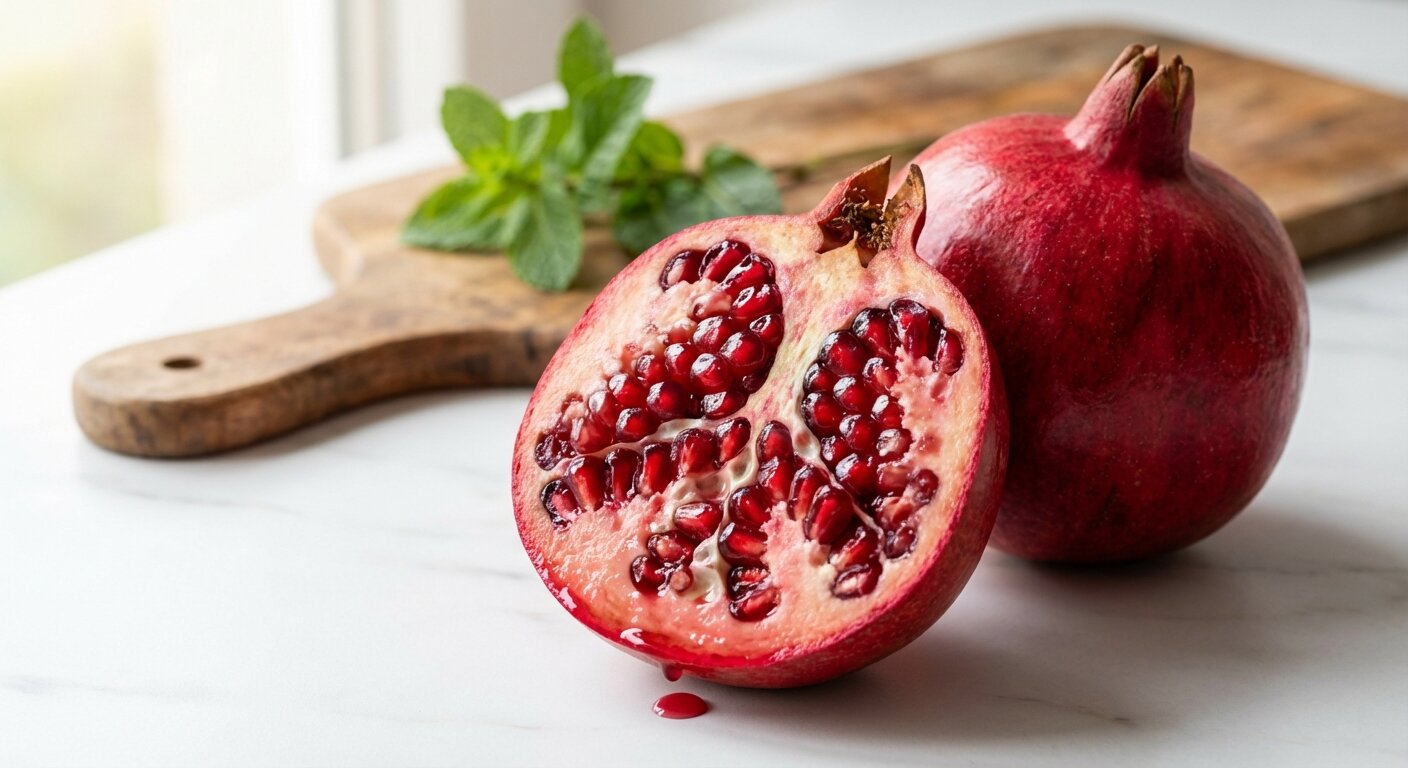
Pomegranates have earned their reputation as a nutritional powerhouse, but what do their macros actually look like? Whether you’re tracking calories for weight loss, managing carbs for keto, or optimizing your nutrition for athletic performance, understanding pomegranate macronutrients is essential for making informed dietary decisions.
This comprehensive guide breaks down everything you need to know about pomegranate macros - from the complete nutritional profile to practical tracking strategies and recipe ideas that fit your goals. Let’s decode the nutrition behind these jewel-toned seeds.
Ready to calculate your personalized macro targets? Use our macro calculator to determine exactly how pomegranates fit into your daily nutrition plan.
Complete Pomegranate Macro Breakdown
Understanding pomegranate macros starts with knowing the serving sizes and how different parts of the fruit contribute to your daily intake.
Whole Pomegranate vs. Arils: What’s the Difference?
When tracking pomegranate macros, you need to distinguish between the whole fruit and the edible portion:
Whole Pomegranate (1 medium, ~282g):
- Calories: 234
- Protein: 3g
- Carbohydrates: 53g
- Dietary Fiber: 11g
- Net Carbs: 42g
- Sugars: 38g
- Fat: 3g
- Weight: 282g
Pomegranate Arils Only (100g / ~3/4 cup):
- Calories: 83
- Protein: 1.7g
- Carbohydrates: 18.7g
- Dietary Fiber: 4g
- Net Carbs: 14.7g
- Sugars: 13.7g
- Fat: 1.2g
- Weight: 100g
Important note: The whole fruit weight includes the inedible peel and membranes. The actual edible yield from one medium pomegranate is approximately 150-170g of arils (seeds), which provides roughly 125-140 calories.
Pomegranate Macro Ratios
Based on the edible arils, pomegranate’s macronutrient distribution breaks down as:
- Carbohydrates: 83% of calories
- Protein: 8% of calories
- Fat: 9% of calories
This high-carb, low-protein, low-fat profile classifies pomegranates as primarily a carbohydrate source - ideal for energy but requiring pairing with protein/fat sources for balanced nutrition.
Common Serving Sizes and Their Macros
Different serving sizes affect your macro totals:
1/4 cup arils (43g):
- Calories: 36
- Protein: 0.7g
- Carbs: 8g (1.7g fiber)
- Fat: 0.5g
1/2 cup arils (87g):
- Calories: 72
- Protein: 1.5g
- Carbs: 16.3g (3.5g fiber)
- Fat: 1g
1 cup arils (174g):
- Calories: 144
- Protein: 3g
- Carbs: 32.5g (7g fiber)
- Fat: 2g
1 medium whole pomegranate (yields ~150g arils):
- Calories: 125
- Protein: 2.6g
- Carbs: 28g (6g fiber)
- Fat: 1.8g
Pomegranate Nutritional Profile Beyond Macros
While macros tell part of the story, pomegranates deliver impressive micronutrient density and bioactive compounds that significantly impact health.
Vitamin and Mineral Content
One medium pomegranate (arils) provides:
Vitamins:
- Vitamin C: 28.8mg (32% DV) - powerful antioxidant supporting immune function
- Vitamin K: 46.2mcg (39% DV) - essential for blood clotting and bone health
- Folate (B9): 107mcg (27% DV) - critical for DNA synthesis and cell division
- Vitamin E: 1.7mg (11% DV) - fat-soluble antioxidant protecting cell membranes
- B vitamins: Including B1, B2, B3, B5, and B6 in smaller amounts
Minerals:
- Potassium: 666mg (14% DV) - regulates fluid balance and blood pressure
- Copper: 0.4mg (44% DV) - supports iron metabolism and connective tissue
- Manganese: 0.3mg (13% DV) - involved in metabolism and antioxidant defense
- Magnesium: 34mg (8% DV) - supports muscle and nerve function
- Phosphorus: 102mg (8% DV) - essential for bone health and energy production
Antioxidant Powerhouse: Polyphenols and Punicalagins
Pomegranates rank among the highest antioxidant fruits, surpassing blueberries and cranberries in certain measures:
Key Antioxidant Compounds:
-
Punicalagins: Unique to pomegranates, these potent polyphenols provide approximately 3x the antioxidant activity of green tea or red wine. Research shows they may support heart health by reducing inflammation and oxidative stress.
-
Ellagic Acid: A polyphenol that breaks down from punicalagins in the digestive tract, linked to potential anti-cancer properties and cellular protection.
-
Anthocyanins: The pigments responsible for pomegranates’ deep red color, offering anti-inflammatory benefits and potential cognitive support.
-
Punicic Acid: A unique conjugated linolenic acid (found in pomegranate seed oil) with potential metabolic benefits.
ORAC Value: Pomegranates score approximately 4,479 μmol TE per 100g on the Oxygen Radical Absorbance Capacity scale - significantly higher than most common fruits.
Fiber Content and Digestive Health
With 4g of fiber per 100g of arils (11g per whole fruit), pomegranates provide both soluble and insoluble fiber:
- Soluble fiber: Feeds beneficial gut bacteria and may help regulate blood sugar and cholesterol
- Insoluble fiber: Promotes regular bowel movements and digestive health
The fiber content also contributes to pomegranate’s relatively low glycemic index (see below), making it a smarter carbohydrate choice than many processed options.
How Pomegranates Fit Different Macro Goals
Depending on your nutritional objectives, pomegranates can be strategically incorporated - or limited.
Pomegranates for Weight Loss
Pros for fat loss:
- Moderate calorie density: 83 calories per 100g makes pomegranates relatively filling for the calorie investment
- High fiber: 4g fiber per 100g promotes satiety and reduces overall calorie intake
- Natural sweetness: Can satisfy sugar cravings without reaching for processed desserts
- Low fat: Minimal fat content leaves room for protein and healthy fats from other sources
- Antioxidants: May support metabolic health and reduce inflammation associated with obesity
Portion control tips:
- Measure arils rather than eating straight from the fruit to avoid overconsumption
- Pair with protein sources (Greek yogurt, cottage cheese) to increase satiety
- Use as a topping rather than a standalone snack (1/4 to 1/2 cup portions)
- Track carefully if following a strict calorie deficit - calories from fruit still count
Sample weight loss serving: 1/2 cup arils (72 calories) mixed with 3/4 cup non-fat Greek yogurt (90 calories) provides 162 calories with 17g protein and 19g carbs - a balanced, satisfying snack.
Pomegranates for Muscle Building and Bulking
Pomegranates offer limited direct muscle-building benefits due to low protein content, but can support training and recovery:
Benefits for active individuals:
- Carbohydrates for energy: 18.7g carbs per 100g help fuel workouts and replenish glycogen
- Anti-inflammatory compounds: Punicalagins may reduce exercise-induced muscle damage and soreness
- Nitric oxide support: Some research suggests pomegranate compounds may enhance blood flow and exercise performance
- Recovery support: Antioxidants help combat oxidative stress from intense training
Strategic use for muscle building:
- Pre-workout: 1/2 to 1 cup arils (72-144 calories, 16-32g carbs) 30-60 minutes before training
- Post-workout: Combine arils with protein powder or Greek yogurt for carb+protein synergy
- During bulking: Use as part of calorie-dense smoothies with nut butter, protein, and other fruits
Remember: Pomegranates complement but don’t replace adequate protein intake (0.7-1g per pound bodyweight). Always pair with quality protein sources.
Calculate your protein needs with our protein calculator to ensure you’re hitting muscle-building targets.
Pomegranates on Keto and Low-Carb Diets
The challenge: With 14.7g net carbs per 100g, pomegranates are among the higher-carb fruits, making them difficult to fit into strict ketogenic diets (typically 20-50g net carbs daily).
Can you eat pomegranate on keto?
Technically yes, but portions must be carefully controlled:
Keto-friendly serving sizes:
- 1 tablespoon arils (~10g): 1.5g net carbs - can fit into strict keto
- 2 tablespoons arils (~20g): 3g net carbs - manageable on moderate keto
- 1/4 cup arils (~43g): 6.3g net carbs - pushes limits on strict keto, may work on higher-carb approaches
Comparison to other low-carb fruits:
- Raspberries: 5.4g net carbs per 100g ✓ Better for keto
- Blackberries: 4.9g net carbs per 100g ✓ Better for keto
- Strawberries: 5.7g net carbs per 100g ✓ Better for keto
- Pomegranate: 14.7g net carbs per 100g ⚠️ Use sparingly
- Grapes: 16g net carbs per 100g ⚠️ Similar to pomegranate
Bottom line: If following strict keto, prioritize lower-carb berries. If on a more flexible low-carb approach (50-100g carbs daily), small pomegranate portions can fit.
Pomegranates for Athletes and Active Lifestyles
Active individuals can leverage pomegranates’ unique properties:
Performance benefits:
- Ergogenic effects: Some studies show pomegranate juice may improve endurance and reduce perceived exertion
- Recovery acceleration: Antioxidants combat oxidative stress from intense exercise
- Inflammation reduction: May decrease muscle soreness and speed recovery time
- Cardiovascular support: Nitric oxide-boosting compounds may enhance blood flow and oxygen delivery
Timing strategies:
- Morning training: Include in breakfast 1-2 hours before workouts (paired with protein and fats for sustained energy)
- Endurance activities: Consume during pre-race meals for carbohydrate loading
- Post-workout: Within 30-60 minutes alongside protein for optimal recovery
- Rest days: Use as part of anti-inflammatory nutrition protocols
Sport-specific applications:
- Endurance athletes (runners, cyclists): Higher carb needs make pomegranates an excellent fit
- Strength athletes: Use strategically around workouts; prioritize protein at other meals
- Team sports: Pre-game or halftime fuel source
- CrossFit/HIIT: Post-workout to replenish glycogen
Pomegranate Glycemic Index and Blood Sugar Impact
Understanding how pomegranates affect blood glucose is crucial for diabetics and anyone managing energy levels.
Glycemic Index Rating
Pomegranates have a low to moderate glycemic index (GI) rating:
- Estimated GI: 35-55 (low to medium range)
- Glycemic Load (GL) per 100g: Approximately 6 (low)
For context:
- Low GI: Below 55
- Medium GI: 56-69
- High GI: 70+
Why Pomegranates Have a Lower GI Than Expected
Despite containing 13.7g of natural sugars per 100g, several factors moderate pomegranate’s glycemic impact:
- High fiber content: 4g fiber per 100g slows carbohydrate absorption
- Polyphenol compounds: May inhibit carbohydrate-digesting enzymes, reducing glucose spikes
- Fructose content: Pomegranates contain a mix of glucose, fructose, and sucrose, with fructose having lower glycemic impact
- Whole food matrix: Consuming arils (vs. juice) includes all fiber and bioactive compounds
Blood Sugar Management Tips
For diabetics and prediabetics:
- Always consume pomegranates with a source of protein or healthy fat (nuts, cheese, Greek yogurt)
- Monitor individual response with a glucose meter - responses vary
- Limit portions to 1/4 to 1/2 cup at a time
- Choose whole arils over pomegranate juice (juice removes fiber and concentrates sugars)
- Time consumption with meals rather than as isolated snacks
Pomegranate juice considerations:
- Pure pomegranate juice typically has a higher GI (55-65) due to removed fiber
- An 8oz glass contains 30-35g sugar without buffering fiber
- If choosing juice, limit to 2-4oz portions and dilute with water or unsweetened beverages
Comparing Pomegranate to Other Fruits
How do pomegranate macros stack up against similar fruits?
Macro Comparison Chart (per 100g)
| Fruit | Calories | Protein | Carbs | Fiber | Fat | Net Carbs |
|---|---|---|---|---|---|---|
| Pomegranate | 83 | 1.7g | 18.7g | 4g | 1.2g | 14.7g |
| Grapes | 69 | 0.7g | 18g | 0.9g | 0.2g | 17.1g |
| Cherries | 63 | 1.1g | 16g | 2.1g | 0.2g | 13.9g |
| Blueberries | 57 | 0.7g | 14.5g | 2.4g | 0.3g | 12.1g |
| Strawberries | 32 | 0.7g | 7.7g | 2g | 0.3g | 5.7g |
| Watermelon | 30 | 0.6g | 7.6g | 0.4g | 0.2g | 7.2g |
| Kiwi | 61 | 1.1g | 14.7g | 3g | 0.5g | 11.7g |
| Orange | 47 | 0.9g | 11.8g | 2.4g | 0.1g | 9.4g |
Key Takeaways from Comparisons
Pomegranates vs. Berries:
- Higher in calories and carbs than most berries
- Better fiber content than grapes but similar to cherries
- Significantly higher antioxidant content (especially punicalagins)
- More labor-intensive to eat, which may slow consumption
Pomegranates vs. Citrus:
- Higher calorie and carb content than oranges
- Better fiber profile
- Different vitamin profile (oranges win on vitamin C, pomegranates excel in K and folate)
Best choice when:
- Seeking maximum antioxidant benefits → Pomegranate
- Lowest calorie/carb option → Strawberries or watermelon
- Highest fiber per calorie → Strawberries or kiwi
- Best vitamin C source → Oranges or kiwi
- Most convenient eating → Grapes or berries
Pomegranate Juice vs. Whole Fruit: Macro Differences
The form in which you consume pomegranate dramatically affects both macros and health benefits.
Nutritional Comparison
Pomegranate Arils (100g):
- Calories: 83
- Carbs: 18.7g (4g fiber, 14.7g net carbs)
- Sugar: 13.7g
- Fiber: 4g
- Satiety factor: High (chewing, fiber, volume)
Pomegranate Juice (100ml / ~3.4oz):
- Calories: 54-60
- Carbs: 13-15g (0-0.5g fiber, 13-15g net carbs)
- Sugar: 12-14g
- Fiber: 0-0.5g
- Satiety factor: Low (liquid calories, no chewing)
8oz serving comparison:
- Whole arils (240g): 199 calories, 45g carbs, 9.6g fiber
- Juice (240ml): 128-144 calories, 31-36g carbs, 0-1g fiber
Why Whole Fruit is Superior for Macro Goals
- Fiber retention: Keeps you full longer and stabilizes blood sugar
- Calorie awareness: Harder to overconsume due to eating effort
- Glycemic control: Lower glycemic impact due to intact fiber
- Nutrient density: Retains all bioactive compounds and phytonutrients
- Portion control: Natural portion size vs. easy juice overconsumption
When juice might be appropriate:
- Quick pre-workout carbohydrate source (fast absorption)
- Post-workout recovery beverage (when mixed with protein)
- When whole fruit isn’t available or practical
- Medicinal/therapeutic purposes (concentrated antioxidants)
If choosing juice:
- Select 100% pomegranate juice with no added sugars
- Limit portions to 2-4oz (59-118ml)
- Dilute 1:1 with water or sparkling water
- Always pair with protein or fat to slow absorption
- Track accurately - liquid calories add up quickly
How to Track Pomegranate Macros Accurately
Proper tracking ensures pomegranates fit your macro targets without surprises.
Weighing and Measuring Best Practices
Most accurate method:
- Place bowl on food scale, tare to zero
- Add pomegranate arils
- Record weight in grams
- Calculate macros: (weight in g ÷ 100) × macros per 100g
Example: 65g arils = 0.65 × 83 cal = 54 calories, 12g carbs, 2.6g fiber
Volume measurements (less accurate but practical):
- 1/4 cup arils: Approximately 43g
- 1/2 cup arils: Approximately 87g
- 1 cup arils: Approximately 174g
Volume measurements vary based on how tightly arils are packed - weighing is always more precise.
Tracking Whole Pomegranates
When eating a whole fruit:
- Weigh the entire pomegranate
- Estimate edible yield at 50-60% of total weight
- Calculate macros based on aril weight
Example: 400g whole pomegranate → ~220g arils → 183 calories, 41g carbs, 8.8g fiber
Or use standard estimates:
- Small pomegranate (200g whole): ~85 calories
- Medium pomegranate (280g whole): ~125 calories
- Large pomegranate (370g whole): ~165 calories
Common Tracking Mistakes to Avoid
❌ Using “1 pomegranate” without specifying size - fruits vary dramatically ❌ Confusing whole fruit weight with aril weight - huge calorie difference ❌ Not accounting for fiber when tracking net carbs - overstates carb impact ❌ Forgetting to log pomegranate in mixed dishes - smoothies, salads, etc. ❌ Using pomegranate juice data for whole arils - different nutritional profiles
My Fitness Pal and Tracking App Tips
Search terms that work:
- “Pomegranate arils, raw” ✓
- “Pomegranate seeds, raw” ✓
- “Pomegranate, fresh” ✓
Avoid:
- “Pomegranate” (generic, unclear if whole or arils)
- “POM Wonderful” or brands (unless specifically consuming that product)
- “Pomegranate juice” (if eating whole fruit)
Create a custom food entry: For accuracy, add a custom entry with USDA data:
- Name: “Pomegranate Arils - Raw”
- Serving size: 100g
- Macros: 83 cal, 1.7g protein, 18.7g carbs, 4g fiber, 1.2g fat
Creative Ways to Add Pomegranate to Your Macro-Friendly Diet
Pomegranates are incredibly versatile beyond eating them plain.
High-Protein Pomegranate Combinations
Since pomegranates lack protein, pair them strategically:
1. Greek Yogurt Parfait
- 3/4 cup non-fat Greek yogurt (90 cal, 17g protein, 6g carbs)
- 1/4 cup pomegranate arils (36 cal, 0.7g protein, 8g carbs)
- Totals: 126 calories, 17.7g protein, 14g carbs, 0g fat
- Perfect for: Post-workout or high-protein breakfast
2. Cottage Cheese Bowl
- 1 cup low-fat cottage cheese (163 cal, 28g protein, 6g carbs)
- 1/4 cup pomegranate arils (36 cal, 0.7g protein, 8g carbs)
- Totals: 199 calories, 28.7g protein, 14g carbs, 2.5g fat
- Perfect for: Lunch or anytime high-protein snack
3. Protein Smoothie
- 1 scoop vanilla protein powder (120 cal, 24g protein, 3g carbs)
- 1/3 cup pomegranate arils (28 cal, 0.6g protein, 6g carbs)
- 1 cup unsweetened almond milk (30 cal, 1g protein, 1g carbs)
- Ice and blend
- Totals: 178 calories, 25.6g protein, 10g carbs, 3.5g fat
- Perfect for: Pre or post-workout fuel
4. Turkey & Pomegranate Salad
- 4oz grilled turkey breast (120 cal, 26g protein, 0g carbs)
- 2 cups mixed greens (10 cal, 1g protein, 2g carbs)
- 1/4 cup pomegranate arils (36 cal, 0.7g protein, 8g carbs)
- 2 tbsp balsamic vinaigrette (90 cal, 0g protein, 4g carbs)
- Totals: 256 calories, 27.7g protein, 14g carbs, 11g fat
- Perfect for: Lean lunch maintaining protein targets
Low-Calorie Pomegranate Ideas
Maximize volume and satisfaction while keeping calories in check:
1. Sparkling Pomegranate Water
- 8oz sparkling water
- 2 tbsp pomegranate arils (18 cal, 4g carbs)
- Squeeze of lime
- Fresh mint
- Totals: 18 calories - satisfying “mocktail” alternative
2. Pomegranate & Cucumber Salad
- 1 cup cucumber slices (16 cal, 4g carbs)
- 1/4 cup pomegranate arils (36 cal, 8g carbs)
- 1 tbsp fresh lemon juice (3 cal, 1g carbs)
- Fresh mint, salt
- Totals: 55 calories, 13g carbs - refreshing side dish
3. Pomegranate “Nice Cream”
- 1 frozen banana, blended (105 cal, 27g carbs)
- 2 tbsp pomegranate arils (18 cal, 4g carbs)
- Optional: splash of almond milk for texture
- Totals: 123 calories, 31g carbs - guilt-free dessert
4. Pomegranate & Greens Smoothie
- 2 cups spinach (14 cal, 2g carbs)
- 1/4 cup pomegranate arils (36 cal, 8g carbs)
- 1/2 cup frozen strawberries (25 cal, 6g carbs)
- 1 cup water
- Totals: 75 calories, 16g carbs, high volume nutrition
Balanced Macro Pomegranate Meals
For those following balanced macro splits (40/30/30 or similar):
1. Pomegranate Quinoa Bowl
- 1 cup cooked quinoa (222 cal, 8g protein, 39g carbs, 4g fat)
- 3oz grilled chicken (140 cal, 26g protein, 0g carbs, 3g fat)
- 1/4 cup pomegranate arils (36 cal, 0.7g protein, 8g carbs)
- 1 tbsp olive oil dressing (120 cal, 0g protein, 0g carbs, 14g fat)
- Totals: 518 calories, 34.7g protein, 47g carbs, 21g fat
- Macro split: 27% protein / 36% carbs / 37% fat
2. Pomegranate Breakfast Bowl
- 1/2 cup oats (150 cal, 5g protein, 27g carbs, 3g fat)
- 2 tbsp almond butter (196 cal, 7g protein, 6g carbs, 18g fat)
- 1/4 cup pomegranate arils (36 cal, 0.7g protein, 8g carbs)
- Totals: 382 calories, 12.7g protein, 41g carbs, 21g fat
- Macro split: 13% protein / 43% carbs / 44% fat
Meal Prep Ideas With Pomegranate
Storage tips:
- Fresh arils last 3-5 days refrigerated in airtight container
- Freeze arils in single layer on baking sheet, then transfer to freezer bag (lasts 3-6 months)
- Frozen arils work great in smoothies without thawing
Batch prep strategies:
- Prep multiple pomegranates at once (Sunday prep)
- Portion into 1/4 cup containers for grab-and-go additions
- Add to pre-portioned salad containers (add day-of for freshness)
- Freeze in ice cube trays with water for flavored ice cubes
Potential Health Benefits Beyond Macros
While this guide focuses on macronutrients, pomegranates offer research-backed health benefits worth noting:
Cardiovascular Health
Multiple studies suggest pomegranate consumption may:
- Reduce LDL (“bad”) cholesterol oxidation
- Lower blood pressure in hypertensive individuals
- Improve endothelial function and arterial health
- Reduce atherosclerotic plaque formation
The punicalagin content appears central to these cardiovascular benefits.
Anti-Inflammatory Effects
Chronic inflammation underlies many diseases. Pomegranate’s polyphenols demonstrate:
- Reduced markers of systemic inflammation (CRP, IL-6)
- Protection against inflammatory conditions
- Support for recovery from exercise-induced inflammation
Antioxidant Protection
With an ORAC value exceeding most common fruits, pomegranates:
- Combat oxidative stress at cellular level
- May protect against age-related cognitive decline
- Support skin health by reducing UV damage
- Potentially lower cancer risk (preliminary research)
Exercise Performance and Recovery
Emerging research on athletes shows pomegranate supplementation may:
- Improve endurance and time to exhaustion
- Reduce muscle soreness and damage markers
- Accelerate strength recovery between sessions
- Enhance blood flow and oxygen delivery
Note: Most performance research uses concentrated pomegranate juice or extract - whole fruit effects may differ in magnitude.
Cognitive Function
Preliminary studies suggest pomegranate polyphenols might:
- Support memory and cognitive function in older adults
- Protect against neurodegenerative diseases
- Improve blood flow to the brain
More research is needed to confirm these benefits and establish effective dosages.
Common Questions About Pomegranate Macros
Are pomegranates fattening?
No, pomegranates are not inherently fattening. At 83 calories per 100g with minimal fat content, they’re a relatively low-calorie fruit. Weight gain occurs from consistent caloric surplus - no single food causes fat gain. In context of a balanced diet within calorie targets, pomegranates support rather than hinder weight management.
Can I eat pomegranate every day?
Yes, daily pomegranate consumption is safe and potentially beneficial for most people. One serving (1/2 to 1 cup arils) daily provides antioxidants and nutrients without excessive calories or sugar. Individuals with specific medical conditions or on certain medications should consult healthcare providers, as pomegranate can interact with some drugs (similar to grapefruit).
Do pomegranates count as one of my 5-a-day fruit servings?
Yes, absolutely. One serving of pomegranate (approximately 80g or about 1/3 to 1/2 cup arils) counts as one portion toward daily fruit recommendations. The high fiber and vitamin content make them an excellent choice for meeting fruit intake goals.
Are frozen pomegranate arils as nutritious as fresh?
Yes, frozen pomegranate arils retain nearly all nutritional value. Freezing shortly after harvest actually preserves nutrients well. Macros remain essentially identical, and antioxidant content stays high. Frozen arils offer convenience and year-round availability, making them a practical option when fresh pomegranates are out of season.
Can diabetics eat pomegranate?
Yes, diabetics can include pomegranate in moderation with proper monitoring. The relatively low glycemic index (35-55) and high fiber content make pomegranates a better fruit choice than many alternatives. Key strategies: limit portions to 1/4-1/2 cup, pair with protein or fat, and monitor individual blood glucose response. Always consult with a healthcare provider or dietitian for personalized guidance.
Is pomegranate juice as good as eating the whole fruit?
No, whole pomegranate arils are nutritionally superior to juice for several reasons: retained fiber (4g vs. near zero), better satiety, lower glycemic impact, and reduced risk of overconsumption. Juice concentrates sugars and removes fiber, making it easier to consume excessive calories and carbs. If choosing juice, limit to 2-4oz portions and select 100% juice with no added sugars.
Why are pomegranates so expensive?
Pomegranates cost more than many fruits due to: labor-intensive harvesting, limited growing season and regions, delicate handling requirements, relatively low yield (only 50-60% of fruit weight is edible), and long tree maturation time (3-5 years before producing fruit). The perceived health benefits also support premium pricing. Buying in season (October through February in Northern Hemisphere) offers best value.
How do I easily remove pomegranate arils?
Quick method:
- Cut pomegranate in half horizontally
- Hold half cut-side-down over bowl
- Firmly tap the back with a wooden spoon
- Arils will fall out; remove any remaining white membrane
Water method (cleaner):
- Cut pomegranate into quarters
- Submerge in bowl of cold water
- Break apart underwater and separate arils
- Membranes float, arils sink
- Strain and pat dry
Both methods take 2-3 minutes once you’ve practiced a few times.
Can I eat pomegranate seeds (the inner part)?
Yes! The entire aril - both the juicy outer sac and the inner seed - is edible and nutritious. Some people spit out the seeds, but eating them provides additional fiber, healthy fats, and nutrients. The seeds have a slightly crunchy texture that many enjoy. If you prefer, you can chew the arils to extract juice and spit out seeds, but you’ll miss some nutritional benefits.
Frequently Asked Questions
What are the macros in a pomegranate?
One medium pomegranate (282g whole fruit) contains approximately 234 calories when you include the full weight, but the edible arils portion provides about 125 calories. The edible arils (approximately 150g) contain 2.6g protein, 28g carbohydrates (including 6g fiber, resulting in 22g net carbs), and 1.8g fat. Per 100g of arils, you get 83 calories, 1.7g protein, 18.7g carbohydrates (4g fiber, 14.7g net carbs), and 1.2g fat.
The key distinction is understanding whole fruit weight versus the edible yield - only about 50-60% of a pomegranate’s weight is edible arils, with the rest being peel and membrane. When tracking macros, always weigh the arils specifically rather than the whole fruit for accuracy.
Are pomegranates good for weight loss?
Yes, pomegranates can support weight loss when incorporated into a calorie-controlled diet. Several factors make them weight-loss-friendly:
Satiety benefits: The high fiber content (4g per 100g of arils) promotes feelings of fullness and helps control appetite. Fiber slows digestion, keeping you satisfied longer between meals and reducing the likelihood of overeating.
Moderate calorie density: At 83 calories per 100g, pomegranates provide satisfying volume and sweetness without excessive calories. This makes them a smart choice for satisfying fruit cravings while maintaining a caloric deficit.
Natural sweetness: The natural sugars in pomegranates can help curb cravings for processed desserts and high-calorie sweet foods, making dietary adherence easier.
Metabolic support: The powerful antioxidants in pomegranates, particularly punicalagins, may support metabolic health and reduce inflammation associated with obesity. While not a direct fat-burning food, these compounds support overall health during weight loss.
Practical tips for weight loss:
- Measure portions carefully (1/4 to 1/2 cup arils per serving)
- Pair with protein sources to increase satiety and balance macros
- Use as a topping or addition rather than eating in large quantities as a standalone snack
- Track calories accurately - fruit calories count toward your daily total
- Consider timing around workouts when your body can best utilize the carbohydrates
A reasonable serving of 1/2 cup arils (72 calories) with 3/4 cup non-fat Greek yogurt (90 calories) creates a 162-calorie snack with 17g protein and 19g carbs - balanced, filling, and weight-loss-friendly.
How many carbs are in pomegranate seeds?
Pomegranate arils (commonly called “seeds”) contain approximately 18.7g of carbohydrates per 100g serving (about 3/4 cup). This breaks down into:
- Total carbohydrates: 18.7g
- Dietary fiber: 4g
- Net carbohydrates: 14.7g (total carbs minus fiber)
- Sugars: 13.7g (natural fruit sugars)
For different serving sizes:
- 1/4 cup (43g): 8g total carbs, 1.7g fiber, 6.3g net carbs
- 1/2 cup (87g): 16.3g total carbs, 3.5g fiber, 12.8g net carbs
- 1 cup (174g): 32.5g total carbs, 7g fiber, 25.5g net carbs
- 1 whole medium pomegranate (~150g arils): 28g total carbs, 6g fiber, 22g net carbs
The carbohydrates in pomegranates consist primarily of natural sugars (fructose, glucose, and sucrose) along with beneficial dietary fiber. The fiber content helps slow sugar absorption and moderates blood glucose response, contributing to pomegranate’s relatively low glycemic index (35-55) compared to other sweet fruits.
For those tracking net carbs (common on low-carb or ketogenic diets), subtract the fiber from total carbs. Keep in mind that at 14.7g net carbs per 100g, pomegranates are on the higher end for low-carb diets, requiring careful portion control.
Can you eat pomegranate on keto?
Pomegranates are challenging on strict ketogenic diets but not completely off-limits with careful portion control. Here’s the full picture:
The challenge: Standard ketogenic diets typically limit net carbs to 20-50g daily to maintain ketosis. At 14.7g net carbs per 100g of arils, pomegranates are among the higher-carb fruits, making them difficult to fit into daily carb allowances without careful planning.
Keto-appropriate serving sizes:
- 1 tablespoon arils (10g): 1.5g net carbs - easily fits strict keto
- 2 tablespoons arils (20g): 3g net carbs - manageable on most keto plans
- 1/4 cup arils (43g): 6.3g net carbs - uses significant portion of daily carb budget
- 1/2 cup arils (87g): 12.8g net carbs - likely too much for strict keto
Strategic keto incorporation: If you choose to include pomegranate while staying in ketosis:
- Limit to 1-2 tablespoons as a garnish or flavor enhancer rather than a serving
- Time around workouts when carb tolerance is higher (targeted ketogenic diet approach)
- Track meticulously - even small portions need accurate logging
- Pair with fat - add to full-fat Greek yogurt or serve with cheese to balance macros
- Save for special occasions rather than daily consumption
- Monitor ketone levels if concerned about staying in ketosis
Better keto fruit alternatives:
- Raspberries: 5.4g net carbs per 100g
- Blackberries: 4.9g net carbs per 100g
- Strawberries: 5.7g net carbs per 100g
- Avocado: 1.8g net carbs per 100g (technically a fruit!)
Bottom line: On strict keto (20-30g net carbs daily), save pomegranates for tiny garnish amounts or occasional treats. On more liberal low-carb approaches (50-100g net carbs daily), small portions (2-4 tablespoons) can fit if you plan your other meals carefully. Always prioritize lower-carb berries if fruit is a priority in your diet.
Is pomegranate high in sugar?
Pomegranates contain moderate amounts of natural sugar - about 13.7g per 100g of arils or approximately 21-24g in a medium whole pomegranate’s worth of arils. To put this in context:
Comparison to other fruits:
- Lower sugar fruits: Strawberries (4.9g/100g), watermelon (6g/100g), raspberries (4.4g/100g)
- Similar sugar fruits: Oranges (9g/100g), peaches (8g/100g), pineapple (10g/100g)
- Higher sugar fruits: Grapes (16g/100g), mangoes (14g/100g), bananas (12g/100g), dried fruits (60-70g/100g)
Pomegranates fall in the moderate category - they’re sweeter than berries but contain less sugar than grapes, mangoes, or any dried fruit.
Why sugar content matters less than you think:
-
Natural vs. added sugars: Pomegranate sugars are naturally occurring and come packaged with fiber, vitamins, minerals, and powerful antioxidants. This is nutritionally different from added sugars in processed foods.
-
Fiber buffering: The 4g of fiber per 100g slows sugar absorption, preventing rapid blood glucose spikes. This moderates the glycemic impact significantly.
-
Low glycemic index: Despite containing 13.7g sugar per 100g, pomegranates have a glycemic index of only 35-55 (low to moderate), meaning they don’t cause dramatic blood sugar swings.
-
Polyphenol effects: Pomegranate’s unique compounds may actually slow carbohydrate digestion and improve insulin sensitivity, further moderating blood sugar impact.
-
Portion control: The effort required to eat pomegranates (vs. drinking juice or eating processed sweets) naturally limits consumption and prevents sugar overload.
For people managing blood sugar:
- Pomegranates are generally appropriate in moderate portions (1/4 to 1/2 cup)
- Always pair with protein or fat to further slow absorption
- Monitor individual response with glucose testing
- Choose whole arils over juice (which concentrates sugar without fiber)
- Spread fruit intake throughout the day rather than consuming large amounts at once
Practical perspective: A 1/2 cup serving of pomegranate arils contains about 12g sugar - comparable to what you’d find in an apple or orange. If you’re eating whole foods, tracking overall calorie and carbohydrate intake, and choosing pomegranate over candy or desserts, the natural sugar content is not a concern for most people.
What’s the best time to eat pomegranate for macros?
The optimal timing for pomegranate consumption depends on your specific macro goals, activity level, and dietary approach:
Pre-workout (60-90 minutes before): Pomegranates work well as part of pre-workout nutrition due to their carbohydrate content providing readily available energy. The natural sugars digest relatively quickly while the fiber prevents dramatic blood sugar drops during training.
Best for: Endurance activities, long training sessions, morning workouts where you need fuel Serving size: 1/2 to 1 cup arils (72-144 calories, 16-32g carbs) Combine with: Small amount of protein (Greek yogurt, protein shake) for sustained energy
Post-workout (within 30-60 minutes): The carbohydrates in pomegranates help replenish depleted glycogen stores after intense exercise. Combined with protein, this supports recovery and muscle repair.
Best for: Strength training, HIIT, CrossFit, or any intense workout Serving size: 1/2 to 3/4 cup arils Combine with: Protein source (protein shake, Greek yogurt, cottage cheese) for optimal recovery Why it works: The antioxidants may reduce exercise-induced inflammation while carbs restore energy
Morning/breakfast: Including pomegranate in your morning meal can provide energy for the day ahead and contribute to daily fruit intake goals. The fiber helps promote steady energy release.
Best for: Weight loss goals (fiber promotes satiety), general health, hitting daily fruit targets Serving size: 1/4 to 1/2 cup as part of balanced breakfast Combine with: Oatmeal, yogurt parfait, or protein-rich eggs for balanced macros
Afternoon snack (2-3pm): Pomegranates make an excellent afternoon pick-me-up when energy tends to dip. The natural sugars provide a boost without the crash of processed snacks.
Best for: Preventing late-afternoon snacking, satisfying sweet cravings, maintaining energy Serving size: 1/4 to 1/2 cup arils Combine with: Handful of nuts, string cheese, or Greek yogurt for staying power
Evening/dessert (with dinner or after): The natural sweetness makes pomegranate a satisfying, nutrient-dense dessert alternative that won’t derail macro goals.
Best for: Satisfying sweet tooth, replacing processed desserts, ending meal on sweet note Serving size: 1/4 to 1/2 cup Combine with: Full-fat Greek yogurt, dark chocolate, or as salad topping with dinner
Times to avoid or use caution:
- Late night before bed: Some people find fruit sugars before sleep disrupts rest; individual variation applies
- During fasted training: May break fast if practicing intermittent fasting
- Immediately before intense training: Could cause GI discomfort in sensitive individuals
For specific macro goals:
Weight loss: Morning or afternoon (helps control hunger throughout day) Muscle building: Post-workout (supports recovery with fast-acting carbs) Keto/low-carb: If including at all, time around workouts when carb tolerance highest General health: Timing matters less - focus on consistent daily inclusion
Bottom line: There’s no universally “best” time. Choose timing based on your activity level, macro targets, and what fits your daily routine. Consistency and total daily macro intake matter more than specific timing for most people.
Do pomegranate seeds have protein?
Yes, pomegranates contain protein, but they are not a significant protein source. Here’s the breakdown:
Protein content:
- Per 100g arils: 1.7g protein
- Per 1/4 cup serving (43g): 0.7g protein
- Per 1/2 cup serving (87g): 1.5g protein
- Per 1 cup serving (174g): 3g protein
- Per whole medium pomegranate (150g arils): 2.6g protein
Comparison to protein-rich foods: To put this in perspective:
- 100g chicken breast: 31g protein (18× more)
- 100g Greek yogurt: 10g protein (6× more)
- 100g lentils: 9g protein (5× more)
- 100g almonds: 21g protein (12× more)
- 100g pomegranate: 1.7g protein
Why pomegranates aren’t a protein source: With less than 2g protein per 100g, pomegranates provide only about 8% of their calories from protein - far too low to be considered a meaningful protein contributor. For reference, protein sources typically provide at least 20-40% of calories from protein.
The role of pomegranate protein: While minimal, the protein in pomegranates:
- Comes from amino acids in the seeds themselves
- Includes small amounts of essential amino acids
- Contributes negligibly to daily protein targets (which typically range from 50-150g+ depending on body weight and goals)
Making pomegranate protein-friendly: Since pomegranates lack protein, always pair them with high-protein foods:
Pairing suggestions:
- Greek yogurt parfait: 3/4 cup Greek yogurt (17g protein) + 1/4 cup pomegranate (0.7g protein) = 17.7g protein
- Cottage cheese bowl: 1 cup cottage cheese (28g protein) + 1/4 cup pomegranate (0.7g protein) = 28.7g protein
- Protein smoothie: 1 scoop protein powder (24g protein) + 1/3 cup pomegranate (0.6g protein) = 24.6g protein
- Chicken salad: 4oz grilled chicken (26g protein) + 1/4 cup pomegranate (0.7g protein) = 26.7g protein
Bottom line: While pomegranate arils technically contain protein, the amount is nutritionally insignificant. View pomegranates as a carbohydrate source with exceptional antioxidant benefits, not a protein contributor. Always pair with dedicated protein sources to create balanced macro profiles.
Are pomegranates good for muscle building?
Pomegranates are not directly effective for muscle building due to their low protein content, but they can play a supportive role in a muscle-building nutrition plan. Here’s the complete picture:
Why pomegranates aren’t primary muscle builders:
-
Insufficient protein: At only 1.7g protein per 100g, pomegranates cannot contribute meaningfully to the 0.7-1g protein per pound of bodyweight needed for muscle growth.
-
Carb-dominant macros: With 83% of calories from carbohydrates, pomegranates provide energy but not the building blocks (amino acids) needed for muscle protein synthesis.
-
No leucine threshold: Muscle protein synthesis requires approximately 2-3g of the amino acid leucine per meal - pomegranates provide negligible amounts.
How pomegranates CAN support muscle building:
Despite lacking direct muscle-building properties, pomegranates offer several indirect benefits:
1. Recovery support: The powerful antioxidants, particularly punicalagins, help combat exercise-induced oxidative stress and inflammation. Research shows pomegranate supplementation may:
- Reduce muscle soreness (DOMS) by 20-30%
- Decrease markers of muscle damage after intense training
- Accelerate strength recovery between sessions
- Support faster return to training capacity
2. Glycogen replenishment: The 18.7g carbs per 100g help restore muscle glycogen depleted during resistance training. Adequate glycogen is crucial for:
- Optimal workout performance and intensity
- Supporting high training volume
- Maintaining strength output
- Preventing muscle breakdown for energy
3. Exercise performance enhancement: Some research suggests pomegranate compounds may:
- Improve blood flow and oxygen delivery to muscles
- Enhance nitric oxide production
- Increase endurance and time to fatigue
- Support better training quality
4. Insulin response: The carbohydrates trigger insulin release, which has anabolic effects when combined with protein:
- Enhances amino acid uptake into muscles
- Reduces muscle protein breakdown
- Supports recovery processes
- Works synergistically with protein for growth
Strategic use for muscle building:
Post-workout combination: The most effective way to use pomegranates for muscle building is combining them with protein immediately after training:
Example: 1/2 cup pomegranate arils (72 cal, 16g carbs) + 1 scoop whey protein (120 cal, 24g protein) = 192 calories, 24g protein, 16g carbs - effective recovery nutrition
During bulking phases: When eating in a caloric surplus to build muscle, pomegranates provide:
- Nutrient-dense calories without excessive fat
- Natural sweetness for calorie-dense smoothies
- Variety in carbohydrate sources
- Antioxidant protection during high training volumes
Sample muscle-building meals with pomegranate:
Post-workout smoothie:
- 1 scoop protein powder (120 cal, 24g protein)
- 1/2 cup pomegranate arils (72 cal, 16g carbs)
- 1 banana (105 cal, 27g carbs)
- 1 cup milk (102 cal, 8g protein, 12g carbs)
- Total: 399 cal, 32g protein, 55g carbs - ideal post-workout ratio
Muscle-building breakfast:
- 4 egg whites + 2 whole eggs (250 cal, 26g protein, 10g fat)
- 1 cup oatmeal (150 cal, 5g protein, 27g carbs)
- 1/4 cup pomegranate arils (36 cal, 8g carbs)
- Total: 436 cal, 31g protein, 35g carbs, 10g fat - balanced muscle-building meal
Recovery salad:
- 6oz grilled chicken breast (180 cal, 39g protein)
- 1 cup quinoa (222 cal, 8g protein, 39g carbs)
- 1/4 cup pomegranate arils (36 cal, 8g carbs)
- Mixed greens and olive oil dressing
- Total: 500+ cal, 47g protein, 47g carbs - complete recovery meal
Research context: Most pomegranate performance research uses concentrated juice or extract (500-1000mg polyphenols) - equivalent to 1-2 whole pomegranates. Whole fruit provides benefits but likely in smaller magnitude than supplemental doses.
Bottom line: Pomegranates cannot replace protein in a muscle-building diet, but their recovery-supporting antioxidants and performance-enhancing compounds make them valuable additions to a comprehensive nutrition plan. Always prioritize adequate protein (0.7-1g per lb bodyweight), sufficient calories, and progressive training - then add pomegranates as a beneficial but supplementary element.
Use our protein calculator to determine your muscle-building protein needs, then strategically add pomegranates around workouts for recovery support.
Final Thoughts: Making Pomegranate Work for Your Macros
Pomegranates offer a unique nutritional profile that can fit virtually any macro strategy with the right approach:
Key takeaways:
- Primarily a carb source: 83% carbs, moderate calories, minimal protein/fat
- Rich in fiber: 4g per 100g supports satiety and blood sugar control
- Antioxidant powerhouse: Punicalagins provide exceptional anti-inflammatory benefits
- Moderate GI: Low glycemic index (35-55) makes them blood-sugar-friendly
- Versatile addition: Works in both savory and sweet applications
Best practices for macro management:
- Weigh accurately: Use a food scale for precise tracking - 100g portions are most accurate
- Pair strategically: Combine with protein sources to balance macro profile
- Time appropriately: Use around workouts when carbohydrates are most beneficial
- Choose whole over juice: Retain fiber and control portions more effectively
- Enjoy seasonally: Peak season (October-February) offers best quality and value
Who benefits most from pomegranates:
- Athletes and active individuals needing carbohydrates and recovery support
- Weight loss dieters seeking satisfying, high-fiber fruit options
- Health-conscious eaters prioritizing antioxidant intake
- Anyone wanting natural sweetness without processed sugars
Who should moderate intake:
- Strict keto dieters (limit to 1-2 tbsp if including at all)
- Very low-carb dieters (< 50g daily net carbs)
- Those with specific medical conditions or medication interactions (consult healthcare provider)
Pomegranates aren’t magic - they won’t build muscle alone or cause fat loss without a caloric deficit. But as part of a well-designed nutrition plan aligned with your goals, they offer exceptional nutritional value, satisfying flavor, and research-backed health benefits that extend well beyond their macro profile.
Ready to see how pomegranates fit YOUR specific macro targets? Use our macro calculator to generate your personalized daily macronutrient goals, then incorporate pomegranates strategically to support your health and performance objectives.
Track consistently, pair intelligently, and enjoy this nutritional powerhouse as part of your balanced, macro-friendly diet.
Related Articles

Dragonfruit Macros: Complete Nutrition Guide for Pitaya
Complete macro breakdown of dragonfruit (pitaya). Learn the calories, protein, carbs, and...
Read guide →
Bulgur Macros: Complete Nutritional Guide & Health Benefits
Discover bulgur's complete macro breakdown, nutritional benefits, and how to incorporate...
Read guide →
Radish Macros: Nutrition Facts and Health Benefits
Complete guide to radish macros and nutrition. Learn calories, protein, carbs, and health...
Read guide →Note: Nutrition values are approximate and may vary based on preparation method and source.