Powerade Macros: Complete Nutrition Guide for Every Flavor
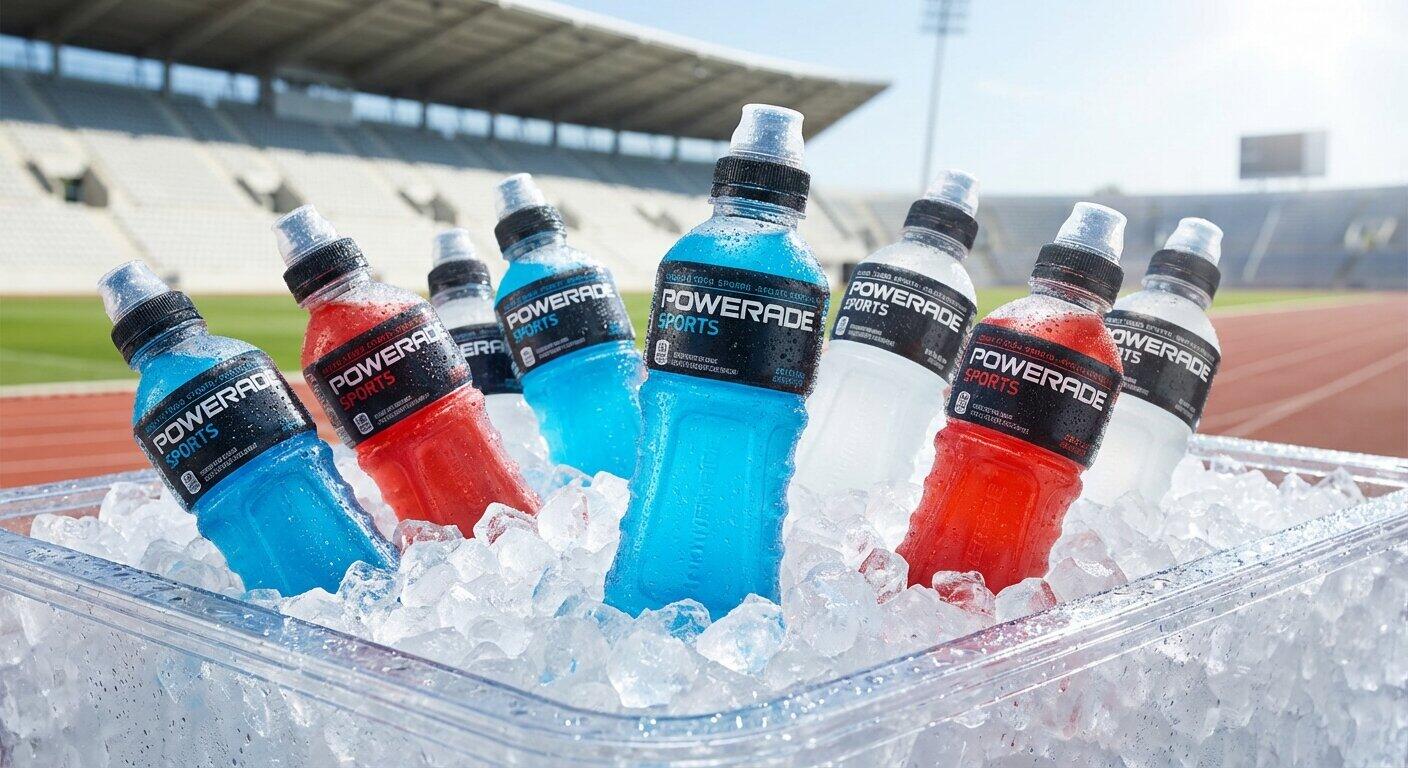
Powerade is one of the world’s most recognized sports drinks, formulated to restore fluids, electrolytes, and energy during and after physical activity. But how does this colorful beverage fit into your macro goals and overall nutrition plan?
Whether you’re an athlete optimizing hydration strategy, someone tracking sugar intake for weight management, or simply curious about what’s inside that bottle, understanding Powerade’s macronutrient breakdown empowers you to make informed nutrition decisions. From the original ION4 formula to Powerade Zero and Ultra, each variety serves different macro needs.
This comprehensive guide breaks down exactly what’s in every Powerade product, compares it to competing sports drinks, and explains when sports drink macros make sense for your goals. Let’s dive into the complete nutrition profile of Powerade across all varieties, flavors, and serving sizes.
Powerade Macros: Standard Bottle (20 oz)
| Nutrient | Amount | % Daily Value |
|---|---|---|
| Calories | 140 | 7% |
| Protein | 0g | 0% |
| Carbohydrates | 34g | 12% |
| — Fiber | 0g | 0% |
| — Sugars | 34g | — |
| Fat | 0g | 0% |
| Sodium | 250mg | 11% |
| Potassium | 80mg | 2% |
| Magnesium | 3mg | 1% |
| Calcium | 2mg | <1% |
| Vitamin B3 | 5mg | 25% |
| Vitamin B6 | 0.5mg | 25% |
| Vitamin B12 | 1.5mcg | 25% |
Nutrition facts based on Powerade ION4 (most common variety)
Quick breakdown: All 140 calories come from carbohydrates (34g × 4 cal/g = 136 cal, rounded to 140 on labels). Powerade contains zero protein and zero fat—it’s a 100% carbohydrate-based hydration solution with added electrolytes and B-vitamins.
Want to see how Powerade fits your specific macro targets? Use our macro calculator to set personalized ratios based on your training and body composition goals.
Macros by Powerade Size
Powerade is sold in various sizes, with macros scaling proportionally:
| Size | Calories | Carbs | Sugars | Protein | Fat | Sodium |
|---|---|---|---|---|---|---|
| 12 oz bottle | 80 | 21g | 21g | 0g | 0g | 150mg |
| 20 oz bottle | 140 | 34g | 34g | 0g | 0g | 250mg |
| 28 oz bottle | 190 | 49g | 49g | 0g | 0g | 350mg |
| 32 oz bottle | 224 | 56g | 56g | 0g | 0g | 400mg |
| 64 oz bottle | 448 | 112g | 112g | 0g | 0g | 800mg |
| 1 gallon | 896 | 224g | 224g | 0g | 0g | 1,600mg |
Per 8 oz serving (1 cup): 56 calories, 14g carbs, 14g sugar, 100mg sodium
The 20 oz bottle is the standard individual serving size, while 32 oz bottles are popular for extended training sessions or team sports where you need sustained carbohydrate and electrolyte intake.
Powerade Zero Macros (20 oz)
| Nutrient | Amount |
|---|---|
| Calories | 0 |
| Protein | 0g |
| Carbohydrates | 0g |
| — Sugars | 0g |
| Fat | 0g |
| Sodium | 250mg |
| Potassium | 80mg |
| Magnesium | 3mg |
| Calcium | 2mg |
| Vitamin B3 | 5mg (25% DV) |
| Vitamin B6 | 0.5mg (25% DV) |
| Vitamin B12 | 1.5mcg (25% DV) |
Key differences from regular Powerade:
- Zero sugar: Uses sucralose and acesulfame potassium (Ace-K) as non-nutritive sweeteners
- Zero calories: No caloric impact whatsoever
- Same electrolytes: Sodium, potassium, magnesium, and calcium levels match regular Powerade
- Same vitamins: B3, B6, and B12 retained at 25% DV
Ideal for:
- Ketogenic or low-carb diets (won’t break ketosis)
- Weight loss or fat loss phases (zero calorie impact)
- Type 1 or Type 2 diabetics needing electrolytes without glucose spike
- Anyone wanting electrolyte replenishment without added sugar
- Hydration during low-intensity activity where carbs aren’t needed
Learn more about macro strategies for different goals with our guide to macros for weight loss.
Powerade Ultra Macros (16.9 oz)
Powerade Ultra is a premium line with creatine monohydrate, BCAAs (branched-chain amino acids), and increased electrolytes:
| Nutrient | Amount |
|---|---|
| Calories | 130 |
| Protein | 0g |
| Carbohydrates | 33g |
| — Sugars | 32g |
| Fat | 0g |
| Sodium | 350mg |
| Potassium | 150mg |
| Creatine | 3g |
| BCAAs | 330mg |
What makes Ultra different:
- Creatine monohydrate (3g): Supports muscle power output and recovery
- BCAAs (330mg): Leucine, isoleucine, and valine for muscle protein synthesis
- 50% more electrolytes: Higher sodium (350mg vs 250mg) and potassium (150mg vs 80mg)
- Similar carb profile: 33g carbs vs 34g in standard Powerade
Best for: High-intensity training, strength athletes, or those seeking performance-enhancing ingredients beyond basic hydration.
Macros by Flavor (20 oz bottles)
Important: All standard Powerade ION4 flavors have identical macronutrient profiles regardless of flavor choice:
- Mountain Berry Blast
- Fruit Punch
- Orange
- Grape
- Strawberry Lemonade
- White Cherry
- Tropical Mango
- Lemon Lime
- Mixed Berry
- Blue Raspberry
All flavors: 140 calories, 34g carbs, 0g protein, 0g fat, 250mg sodium
The taste and color differences come from varying flavoring agents and food dyes, not different sugar or carbohydrate sources. This consistency makes macro tracking simple—you don’t need to worry about flavor-specific nutrition variations.
How Powerade Compares to Other Sports Drinks
Let’s compare Powerade’s macros to the major competing sports drink brands (all per 20 oz bottle):
| Drink | Calories | Carbs | Sugars | Protein | Sodium | Potassium | Unique Features |
|---|---|---|---|---|---|---|---|
| Powerade | 140 | 34g | 34g | 0g | 250mg | 80mg | Vitamins B3, B6, B12 |
| Gatorade | 140 | 34g | 34g | 0g | 270mg | 75mg | Most studied formula |
| BodyArmor | 140 | 36g | 33g | 0g | 125mg | 700mg | Coconut water base, higher potassium |
| BodyArmor Lyte | 30 | 8g | 3g | 0g | 125mg | 700mg | Stevia-sweetened |
| Electrolit | 140 | 35g | 35g | 0g | 540mg | 420mg | Clinical-grade electrolytes |
| Coconut Water | 90 | 22g | 20g | 2g | 470mg | 1,260mg | Natural potassium powerhouse |
| Pedialyte | 70 | 17g | 17g | 0g | 490mg | 780mg | Medical-grade rehydration |
Key observations:
Powerade vs Gatorade: Nearly identical macros. Powerade has 20mg less sodium but adds B-vitamins that Gatorade lacks. Performance-wise, they’re functionally equivalent.
Powerade vs BodyArmor: BodyArmor has slightly more total carbs (36g vs 34g) and significantly more potassium (700mg vs 80mg) due to its coconut water base. Lower sodium makes it less effective for heavy sweating.
Powerade vs Coconut Water: Coconut water has fewer calories (90 vs 140), less sugar (20g vs 34g), and naturally contains 2g protein. Potassium content is exceptionally high (1,260mg vs 80mg), but sodium is lower despite the higher absolute number due to volume differences.
Powerade vs Pedialyte: Pedialyte prioritizes electrolyte concentration over carbohydrates (70 cal vs 140 cal). Designed for illness recovery rather than athletic performance.
For sports drink comparisons, check out our guide on Gatorade macros.
Powerade vs Gatorade: The Macro Showdown
Since Powerade and Gatorade are the two dominant sports drinks, let’s break down their differences in detail:
Macronutrient Profile (20 oz)
| Nutrient | Powerade | Gatorade |
|---|---|---|
| Calories | 140 | 140 |
| Carbs | 34g | 34g |
| Sugars | 34g | 34g |
| Protein | 0g | 0g |
| Fat | 0g | 0g |
Winner: Tie. Macros are identical.
Electrolyte Profile (20 oz)
| Electrolyte | Powerade | Gatorade |
|---|---|---|
| Sodium | 250mg | 270mg |
| Potassium | 80mg | 75mg |
| Magnesium | 3mg | 0mg |
| Calcium | 2mg | 0mg |
Winner: Slight edge to Powerade for magnesium and calcium, but Gatorade’s higher sodium may be better for heavy sweaters.
Added Vitamins (20 oz)
| Vitamin | Powerade | Gatorade |
|---|---|---|
| B3 (Niacin) | 5mg (25% DV) | 0mg |
| B6 | 0.5mg (25% DV) | 0mg |
| B12 | 1.5mcg (25% DV) | 0mg |
Winner: Powerade. The B-vitamin complex supports energy metabolism, though the practical performance impact is minimal if you eat a balanced diet.
Bottom Line
For pure athletic performance, Powerade and Gatorade are essentially interchangeable. Choose based on flavor preference, price, or minor electrolyte/vitamin differences. If you’re deficient in B-vitamins, Powerade offers a slight advantage. If you’re a very heavy sweater, Gatorade’s extra 20mg sodium might be marginally better.
Powerade Nutrition Beyond Macros
While macronutrients tell the calorie story, Powerade’s micronutrient profile and ingredients are worth understanding:
ION4 Electrolyte System
Powerade’s proprietary ION4 formula includes four key electrolytes lost in sweat:
- Sodium (250mg per 20 oz): Primary electrolyte lost in sweat; critical for fluid balance and nerve function
- Potassium (80mg): Supports muscle contractions and cardiovascular function
- Magnesium (3mg): Involved in over 300 enzymatic reactions including energy production
- Calcium (2mg): Essential for muscle contractions and bone health
Reality check: While the ION4 branding sounds impressive, these amounts are relatively modest. A single banana provides 422mg potassium (5x more), and table salt provides far more sodium. However, the liquid form allows for rapid absorption during exercise when solid food isn’t practical.
B-Vitamin Complex
Powerade includes 25% of your daily value for three B-vitamins per 20 oz bottle:
- Vitamin B3 (Niacin - 5mg): Converts food to energy; supports skin and digestive health
- Vitamin B6 (0.5mg): Involved in amino acid metabolism and red blood cell production
- Vitamin B12 (1.5mcg): Critical for nerve function and DNA synthesis
Practical impact: These B-vitamins support energy metabolism, but unless you’re deficient, the performance enhancement is negligible. They do make Powerade a slightly more nutritionally complete beverage than pure sugar water.
Sugar Source: High Fructose Corn Syrup
Powerade’s carbohydrates come from high fructose corn syrup (HFCS), specifically HFCS-55 (55% fructose, 45% glucose). This is metabolically similar to table sugar (sucrose), which is 50% fructose and 50% glucose.
Pros:
- Rapid absorption provides quick energy during exercise
- Fructose and glucose use different intestinal transporters, allowing faster carb uptake than glucose alone
- Inexpensive, allowing affordable pricing
Cons:
- Large fructose loads may cause GI distress in sensitive individuals
- Some research links high fructose intake to metabolic issues (though context matters—active individuals burning these carbs immediately face less risk)
- Not “natural” if that matters to your food philosophy
For athletic performance: HFCS works just as well as cane sugar, honey, or any other carbohydrate source. Your muscles don’t care about the source during exercise—only that glucose and fructose are available.
When to Drink Powerade: Macro Timing
Sports drinks like Powerade are designed for specific use cases—not everyday casual sipping. Here’s when the 34g of carbs and electrolytes actually serve a purpose:
✅ During Intense Exercise (60+ Minutes)
When:
- Running, cycling, swimming, or team sports lasting over an hour
- Hot, humid conditions with heavy sweating
- High-intensity interval training or circuit training
Why it makes sense:
- Carbs maintain blood glucose levels as glycogen depletes
- Electrolytes replace what’s lost in sweat (you can lose 1,000-2,000mg sodium per hour)
- Fluid absorption is enhanced by the glucose-sodium combination
Macro context: The 34g carbs per bottle (140 cal) supports endurance without overloading your gut. Athletes often consume 30-60g carbs per hour during prolonged exercise.
✅ Post-Workout Glycogen Replenishment
When:
- Immediately after depleting workouts
- When you have another training session within 8-12 hours
- Part of a post-workout recovery protocol
Why it makes sense:
- Fast-digesting carbs spike insulin, driving glucose into muscles
- The “glycogen window” (0-2 hours post-exercise) is when carb uptake is most efficient
- 34g carbs + 20-30g protein (from another source) is a solid post-workout macro split
Macro context: Powerade provides carbs but no protein. Pair it with a protein source like Greek yogurt, chicken breast, or protein powder for complete recovery nutrition.
⚠️ Questionable Uses (When Powerade Doesn’t Make Sense)
Light activity or short workouts (<60 min):
- Your body’s glycogen stores are sufficient for 60-90 minutes of moderate activity
- The 140 calories are unnecessary and may impede fat-burning goals
- Plain water is adequate for hydration
Sitting at your desk:
- You’re not losing meaningful electrolytes through sweat
- The 34g sugar is just empty calories your body doesn’t need
- You’re essentially drinking sugar water for no performance benefit
Weight loss efforts:
- 140 calories of pure sugar adds to your daily intake without satiety
- Doesn’t provide protein or fat to keep you full
- Liquid calories are less satisfying than whole food calories
With meals:
- The added sugar may spike blood glucose unnecessarily
- You’re likely getting electrolytes from food anyway
- Better to save the 140 calories for more nutritious whole foods
🎯 The Bottom Line on Timing
Use Powerade when:
- Training hard for over 60 minutes
- Racing or competing
- In extreme heat/humidity
- Needing rapid glycogen replenishment
Skip Powerade when:
- Sitting around
- Working out for less than 60 minutes at moderate intensity
- Trying to lose weight (use Powerade Zero instead)
- Already consuming sufficient carbs from meals
Want to learn when to time your macros around training? Read our guide on meal timing macros.
Powerade and Different Diet Approaches
How does Powerade fit into various macro-based diet strategies?
Ketogenic Diet
Regular Powerade: ❌ Not compatible
- 34g carbs will kick you out of ketosis immediately
- Your daily carb limit on keto is typically 20-50g total
- One bottle consumes 68-170% of your entire daily carb allowance
Powerade Zero: ✅ Perfectly compatible
- Zero carbs means you stay in ketosis
- Electrolytes are especially important on keto (the “keto flu” is often electrolyte depletion)
- Provides sodium and potassium without breaking your macros
Strategy: Use Powerade Zero for hydration and electrolytes while keeping carbs for whole foods. Learn more about keto macros in our comprehensive guide.
Intermittent Fasting
Regular Powerade: ❌ Breaks your fast
- 140 calories and 34g carbs trigger insulin response
- You’re no longer in a fasted state metabolically
- Negates many fasting benefits (autophagy, fat oxidation)
Powerade Zero: ✅ Technically doesn’t break a fast
- Zero calories means no metabolic impact
- However, artificial sweeteners may still trigger some insulin response in sensitive individuals
- “Dirty fasting” approach accepts Powerade Zero; “clean fasting” purists stick to water
Strategy: Save regular Powerade for your eating window. During fasting windows, stick to water, black coffee, or Powerade Zero if you need electrolytes during fasted training.
Read more about macros and intermittent fasting for detailed guidance.
Flexible Dieting (IIFYM)
Regular Powerade: ✅ Fits if it fits your macros
- Track the 34g carbs toward your daily target
- Useful for intra-workout or post-workout carb timing
- No foods are “off limits” as long as you hit your macro targets
Strategy: Budget Powerade into your daily carb allowance. If you have 200g carbs per day, one bottle uses 17%. Make sure the context (timing around training) justifies using carbs on liquid sugar instead of more satiating whole foods.
Learn the fundamentals of flexible dieting and IIFYM.
Cutting / Fat Loss
Regular Powerade: ⚠️ Generally not recommended
- 140 calories with zero satiety factor
- Liquid calories don’t trigger fullness hormones
- Better to spend those 140 calories on protein or whole foods
Powerade Zero: ✅ Good option
- Zero calorie impact preserves your deficit
- Still provides electrolytes during training
- Keeps you hydrated without sabotaging fat loss
Strategy: Switch to Powerade Zero during cutting phases. Save carb calories for meals that keep you full. Read our complete guide on cutting macros.
Bulking / Muscle Gain
Regular Powerade: ✅ Can be useful
- Easy way to add 140 calories when you’re struggling to eat enough
- Fast-digesting carbs support training performance
- Post-workout carbs drive muscle glycogen replenishment
Strategy: Use Powerade strategically around training—pre-workout for energy, intra-workout for endurance, or post-workout for recovery. The liquid form won’t fill you up, leaving stomach space for protein-rich whole foods.
Check out our guide on bulking macros for detailed strategies.
Athletes and Endurance Training
Regular Powerade: ✅ Designed for this
- Endurance athletes need 30-60g carbs per hour during long efforts
- Electrolyte losses can reach 1,000-2,000mg sodium per hour
- Powerade provides both carbs and electrolytes in a convenient, fast-absorbing format
Strategy: Consume 8-16 oz every 20-30 minutes during efforts over 90 minutes. Rotate flavors to avoid palate fatigue. Combine with solid food on ultra-endurance events (4+ hours).
Read about macros for endurance athletes, macros for runners, and macros for cyclists.
Tracking Powerade in Your Macros
Here’s how to properly account for Powerade in macro tracking apps:
MyFitnessPal Entry
Search: “Powerade ION4 20 oz”
- Verify: 140 cal, 34g carbs, 0g protein, 0g fat
- Log it under the meal time when consumed (usually “Snacks” or “Post-Workout”)
Macro Breakdown
If your daily macro target is 2,000 calories (40/30/30 split):
- Protein: 200g (800 cal)
- Carbs: 150g (600 cal)
- Fat: 67g (600 cal)
One 20 oz Powerade uses:
- 7% of daily calories (140/2,000)
- 22.7% of daily carbs (34g/150g)
- 0% of protein or fat targets
Pre-Logging Strategy
Best practice: Log your Powerade in the morning as part of your meal plan. This ensures you account for those 34g carbs when planning your other meals, rather than treating it as “extra” at the end of the day.
When to Use Powerade Zero Instead
If tracking reveals Powerade’s 34g carbs are crowding out more nutritious carb sources (like sweet potatoes, quinoa, or oatmeal), switch to Powerade Zero for hydration and save your carb budget for whole foods.
Use our macro calculator to determine your personalized carb target.
Powerade for Specific Athletic Goals
Different sports and training styles have different hydration and macro needs. Here’s how Powerade fits:
Strength Training & Bodybuilding
During workout: Usually unnecessary unless training sessions exceed 90 minutes. Sip water instead to avoid stomach sloshing during heavy lifts.
Post-workout: Regular Powerade can be useful for rapid glycogen replenishment. The 34g fast carbs + your protein shake = solid recovery macros.
Best option: Powerade Zero during training, regular Powerade immediately post-workout if you’re bulking.
Learn more about macros for bodybuilders and macros for powerlifting.
Endurance Running
During runs over 60 minutes: Regular Powerade is ideal. The 34g carbs per 20 oz bottle provides sustained energy, and the 250mg sodium replaces sweat losses.
Marathon/half-marathon racing: Consume 8 oz every 15-20 minutes, providing 15-20g carbs per feeding. This supports the 30-60g/hour recommendation for endurance events.
Best option: Regular Powerade or rotate with gels/chews for variety.
Check out macros for runners for comprehensive fueling strategies.
Cycling
Rides under 90 minutes: Water is sufficient unless it’s extremely hot.
Rides over 90 minutes: Regular Powerade or alternate with solid foods like bananas or energy bars.
Best option: Two water bottles—one with Powerade, one with plain water—allowing you to alternate based on thirst and taste preference.
Read about macros for cyclists.
Team Sports (Basketball, Soccer, Football)
During competition: Sip Powerade on the sidelines between periods/quarters. The carbs maintain energy for explosive movements.
During practice: Regular Powerade if practice is intense and exceeds 60 minutes; water if it’s lighter skill work.
Best option: Regular Powerade during games, Powerade Zero during less intense practices.
Swimming
During swim training: Difficult to drink during swimming, so focus on pre- and post-session hydration.
Between events (competition): Small sips of Powerade to maintain energy and electrolytes without stomach fullness.
Best option: Powerade before and after training; small amounts between heats during competition.
Learn about macros for swimmers.
CrossFit / High-Intensity Interval Training
During WODs: Usually too short (5-30 min) to need intra-workout carbs. Water is sufficient.
Between multiple WODs: Regular Powerade helps replenish glycogen if you’re doing 2-3 sessions per day.
Best option: Powerade Zero during workouts, regular Powerade between sessions if training volume is very high.
Read about macros for CrossFit.
Common Questions: Powerade and Health
Is Powerade bad for you?
Context matters. Powerade is not inherently “bad”—it’s a tool designed for specific situations:
When it’s beneficial:
- Replacing fluids and electrolytes during/after intense exercise
- Preventing dehydration in hot conditions
- Supporting athletic performance during competition
When it’s problematic:
- Drinking it casually throughout the day (adds 140 empty calories per bottle)
- Using it as a regular beverage choice (contributes to excess sugar intake)
- Consuming it when you’re sedentary (no need for the carbs or electrolytes)
The verdict: Powerade is a performance tool, not a lifestyle beverage. Use it strategically around intense training, and it’s perfectly fine. Drink it all day every day while sitting on the couch, and it contributes to weight gain and poor metabolic health.
Does Powerade have caffeine?
No. Regular Powerade and Powerade Zero contain no caffeine. They rely on carbohydrates (regular) or zero-calorie sweeteners (Zero) for taste, plus electrolytes for function.
If you want a caffeinated sports drink, consider alternatives like:
- Gatorade Bolt24 Energize (75mg caffeine)
- BodyArmor Flash I.V. (100mg caffeine)
- PRIME Energy (200mg caffeine)
- Or simply combine regular Powerade with black coffee or a caffeine pill
Can you drink Powerade every day?
Regular Powerade: Not recommended unless you’re training intensely every day.
Why:
- 34g sugar per bottle = 980g sugar per month (if drinking one daily)
- 140 calories per bottle = 4,200 calories per month
- No micronutrient density beyond B-vitamins
- Liquid sugar contributes to insulin resistance over time in sedentary individuals
Better approach: Drink water as your primary hydration source. Reserve Powerade for training days when you actually need the carbs and electrolytes.
Powerade Zero: Safe to drink daily if you tolerate artificial sweeteners. It provides electrolytes without caloric impact, though plain water is still the gold standard for everyday hydration.
Is Powerade better than water?
During intense exercise (60+ min): Yes. Powerade’s combination of carbohydrates, electrolytes, and fluid is superior to plain water for maintaining performance and hydration.
During everyday life: No. Plain water is free, calorie-free, and perfectly adequate for normal hydration needs.
The science: When you’re sweating heavily, you lose both water and electrolytes. Replacing only water without sodium can lead to hyponatremia (dangerously low blood sodium). Powerade prevents this while also providing carbs for energy—water cannot do this.
Practical rule: Drink water 90% of the time. Use Powerade for the 10% of time when you’re training hard.
Will Powerade help with hangovers?
Sort of. Alcohol is a diuretic, causing dehydration and electrolyte loss. Powerade can help by:
- Rehydrating you faster than water alone (the sodium enhances fluid absorption)
- Replacing electrolytes lost through alcohol’s diuretic effect
- Providing quick glucose to stabilize blood sugar (alcohol depletes liver glycogen)
However: Pedialyte or Electrolit are more effective for rehydration because they have higher electrolyte concentrations and less sugar. Powerade’s 34g sugar may worsen nausea if your stomach is already upset.
Better hangover strategy:
- Drink water before bed (prevention)
- Electrolyte solution in the morning (Pedialyte, coconut water, or Powerade Zero)
- Eat a balanced meal with protein and complex carbs
- Take ibuprofen for headache (not acetaminophen—it’s hard on your already-stressed liver)
Can Powerade cause weight gain?
Yes, if consumed in excess. Any source of calories can cause weight gain if it creates a caloric surplus:
The math:
- One 20 oz Powerade = 140 calories
- One extra bottle per day = 51,100 calories per year
- 3,500 calories = 1 pound of body fat
- 51,100 ÷ 3,500 = 14.6 pounds of potential weight gain per year
The nuance: If you’re drinking Powerade before/during/after training and burning those 140 calories, it won’t cause weight gain—it’s simply fueling your activity. If you’re drinking it on the couch while playing video games, those 140 calories are excess energy your body will store as fat.
Solution: Track Powerade in your daily calorie and macro targets. If it fits your plan and supports your training, it’s fine. If it’s crowding out more nutritious foods or creating a surplus, switch to Powerade Zero.
Check our guide on macros for weight loss for strategies.
Does Powerade hydrate better than water?
During exercise: Yes. The combination of sodium and glucose enhances fluid absorption through the small intestine via the sodium-glucose cotransporter (SGLT1). This means your body actually absorbs the fluid faster than plain water.
At rest: Marginally. While the sodium helps retain fluid, the practical difference is minimal when you’re not sweating profusely. Plain water works just fine for everyday hydration.
The caveat: Powerade’s sugar content means you’re also consuming 140 calories. Unless you need those calories for training, it’s better to hydrate with water and get your nutrition from whole foods.
Is Powerade Zero actually healthy?
It depends on your definition of “healthy.”
Pros:
- Zero calories supports weight management
- Still provides electrolytes for hydration
- No sugar means no glucose/insulin spike
- Includes B-vitamins
Cons:
- Contains artificial sweeteners (sucralose and Ace-K)
- Some research suggests artificial sweeteners may affect gut bacteria or insulin sensitivity (though evidence is mixed)
- Not as “natural” as water or coconut water
The verdict: Powerade Zero is a reasonable choice for low-calorie hydration, especially during exercise. It’s certainly healthier than regularly consuming 34g of sugar from regular Powerade if you’re sedentary. However, plain water is still the optimal everyday hydration choice.
If you’re avoiding artificial sweeteners, consider alternatives like:
- Plain water with a pinch of salt and lemon
- Coconut water (natural electrolytes, ~45 cal per cup)
- Homemade electrolyte drink (water + salt + citrus + honey)
Frequently Asked Questions
How many carbs are in Powerade?
A standard 20 oz bottle of Powerade contains 34 grams of carbohydrates, all from sugar (high fructose corn syrup). There is no fiber, so net carbs are also 34g. Powerade Zero contains 0g carbs.
Is Powerade good for diabetics?
Regular Powerade: Generally not recommended. The 34g of rapidly-absorbed sugar can cause significant blood glucose spikes, especially problematic for Type 1 and Type 2 diabetics managing glucose control.
Powerade Zero: A better option. With zero sugar and zero carbs, it won’t impact blood glucose levels while still providing electrolytes. However, diabetics should still monitor their response, as individual sensitivity to artificial sweeteners varies.
Best practice for diabetic athletes: Test blood glucose before and after consuming Powerade Zero during exercise to understand your personal response. Discuss sports drink use with your endocrinologist or diabetes educator.
Learn more about macros for diabetes.
Does Powerade break a fast?
Regular Powerade: Yes, absolutely. The 140 calories and 34g carbs trigger insulin release and stop autophagy, breaking your fast metabolically.
Powerade Zero: Technically no, from a caloric perspective. However:
- Artificial sweeteners may still trigger a minor insulin response in some people
- The sweet taste may stimulate hunger hormones
- “Clean fasting” purists avoid anything but water, black coffee, or plain tea
Recommendation: If you’re fasting for autophagy or strict metabolic benefits, avoid Powerade entirely during the fasting window. If you’re using fasting primarily for calorie restriction, Powerade Zero is an acceptable “dirty fast” option.
Can I drink Powerade while pregnant or breastfeeding?
Generally safe when used appropriately:
Benefits:
- Helps maintain hydration (crucial during pregnancy and breastfeeding)
- Provides electrolytes (needs increase during pregnancy)
- The B-vitamins support energy metabolism
Considerations:
- Monitor sugar intake (gestational diabetes risk)
- Don’t replace water as your primary hydration source
- Powerade Zero’s artificial sweeteners are FDA-approved but some prefer avoiding them during pregnancy
Best practice: Discuss with your OB-GYN or midwife, especially if you have gestational diabetes or are at risk. Use Powerade strategically for exercise or hot weather, not as an everyday beverage.
Read about pregnancy and breastfeeding macros.
How much Powerade should I drink during a workout?
General guidelines:
Workouts under 60 minutes: Water is usually sufficient. Save Powerade for afterward if needed.
Workouts 60-90 minutes: 8-12 oz of Powerade, sipped throughout.
Workouts over 90 minutes: 16-32 oz total, consuming 6-8 oz every 20-30 minutes.
Hot/humid conditions: Increase intake by 25-50% to account for higher sweat rates.
Individual factors:
- Body size (larger athletes need more)
- Sweat rate (some people sweat more than others)
- Exercise intensity (higher intensity = more carbs and electrolytes needed)
The “sweat test”: Weigh yourself before and after a 60-minute workout. Every pound lost = 16 oz of fluid deficit. This helps you understand your personal hydration needs.
Can kids drink Powerade?
Yes, but with considerations:
When appropriate:
- During/after intense youth sports lasting over 60 minutes
- In hot weather when children are sweating heavily
- To encourage fluid intake for kids who refuse water
When to avoid:
- As an everyday beverage (contributes to childhood obesity and dental cavities)
- For sedentary kids sitting at home
- Instead of milk or water at meals
Better options for kids:
- Water as the primary hydration source
- Powerade Zero if they want flavor without sugar
- Dilute regular Powerade 50/50 with water (reduces sugar by half)
- Milk for nutrition with hydration
Pediatric guideline: The American Academy of Pediatrics recommends sports drinks only for children engaging in vigorous physical activity for over 60 minutes. Otherwise, water is the best choice.
Does Powerade have electrolytes?
Yes. Powerade’s ION4 system includes four electrolytes:
- Sodium: 250mg per 20 oz (11% DV)
- Potassium: 80mg per 20 oz (2% DV)
- Magnesium: 3mg per 20 oz (1% DV)
- Calcium: 2mg per 20 oz (<1% DV)
How this compares to sweat losses:
- Average sweat: 500-1,000mg sodium per liter
- Heavy sweaters: Up to 2,000mg sodium per liter
- One 20 oz Powerade (591ml) replaces only 250mg sodium
Implication: For very heavy sweaters or ultra-endurance events, Powerade alone may not replace all electrolytes lost. You may need additional sodium from salt tablets or higher-electrolyte drinks like Electrolit.
Can Powerade help with cramps?
Possibly, if cramps are electrolyte-related.
Muscle cramps have multiple causes:
- Electrolyte imbalance: Low sodium, potassium, magnesium, or calcium
- Dehydration: Reduced blood volume and muscle perfusion
- Fatigue: Muscle overload and neuromuscular fatigue
- Nerve issues: Pinched nerves or neurological problems
Powerade can help with #1 and #2 by providing:
- Sodium to restore electrolyte balance
- Fluid to rehydrate
- Potassium and magnesium (though in modest amounts)
What the science says: Research on electrolytes and cramps is mixed. Some studies show benefits; others don’t. Individual variation is huge—some people are “salty sweaters” who need significant sodium replacement, while others don’t.
Practical approach: If you frequently cramp during exercise, try Powerade during workouts and see if it helps. If not, the cramps are likely fatigue-related (solution: improve conditioning) or neurological (solution: see a doctor).
How long does Powerade last after opening?
Refrigerated after opening: 3-5 days for best quality
Signs it’s gone bad:
- Off smell or taste
- Mold growth (rare but possible)
- Carbonation loss (if you’re used to slight fizz)
Unopened shelf life: 9-12 months when stored in a cool, dark place. Check the “best by” date on the bottle.
Pro tip: Powerade doesn’t truly “go bad” in a safety sense for quite a while (the sugar and acidity inhibit bacterial growth), but flavor and nutrient quality degrade over time. When in doubt, trust your nose and taste buds.
The Bottom Line on Powerade Macros
Powerade is a carbohydrate and electrolyte replacement drink designed for athletic performance, not everyday sipping. Here’s what you need to remember:
Macros (20 oz bottle):
- 140 calories
- 34g carbohydrates (all sugar)
- 0g protein
- 0g fat
- 250mg sodium + other electrolytes
- B-vitamins (B3, B6, B12)
When Powerade makes sense:
- Intense exercise lasting over 60 minutes
- Hot, humid conditions with heavy sweating
- Competitive sports requiring sustained energy
- Post-workout glycogen replenishment (combined with protein)
- When you need convenient, fast-absorbing carbs
When to choose Powerade Zero instead:
- Weight loss or cutting phases
- Ketogenic or low-carb diets
- Diabetes management
- Hydration during lower-intensity or shorter workouts
- When you want electrolytes without calories
When to skip both:
- Sedentary days
- Short workouts under 60 minutes
- When you’re already meeting carb and electrolyte needs through food
- As a casual beverage throughout the day
Powerade vs competitors:
- Nearly identical to Gatorade (slight differences in sodium and B-vitamins)
- Lower potassium than BodyArmor or coconut water
- More carbs than Pedialyte (which prioritizes electrolytes over energy)
The macro-conscious approach: Track Powerade in your daily macros like any other food. Budget the 34g carbs strategically around training. If you’re consistently exceeding carb targets or the sugar is crowding out more nutritious foods, switch to Powerade Zero for hydration and save your carb budget for whole foods that provide more satiety and micronutrients.
Use sports drinks as a performance tool, not a lifestyle beverage. Master this distinction, and Powerade can support your training goals without sabotaging your macro targets or overall nutrition quality.
Ready to dial in your complete macro strategy? Use our macro calculator to determine your personalized targets, and explore our comprehensive guides on macros for athletes and how to track your macros for long-term success.
Whether you’re an elite athlete optimizing every detail or a weekend warrior looking to stay hydrated, understanding Powerade’s macros empowers you to make informed decisions that align with your goals. Train hard, hydrate smart, and let your macros work for you.
Related Articles

Dragonfruit Macros: Complete Nutrition Guide for Pitaya
Complete macro breakdown of dragonfruit (pitaya). Learn the calories, protein, carbs, and...
Read guide →
Bulgur Macros: Complete Nutritional Guide & Health Benefits
Discover bulgur's complete macro breakdown, nutritional benefits, and how to incorporate...
Read guide →
Radish Macros: Nutrition Facts and Health Benefits
Complete guide to radish macros and nutrition. Learn calories, protein, carbs, and health...
Read guide →Note: Nutrition values are approximate and may vary based on preparation method and source.