Red Bull Macros: Complete Nutrition Breakdown & Analysis
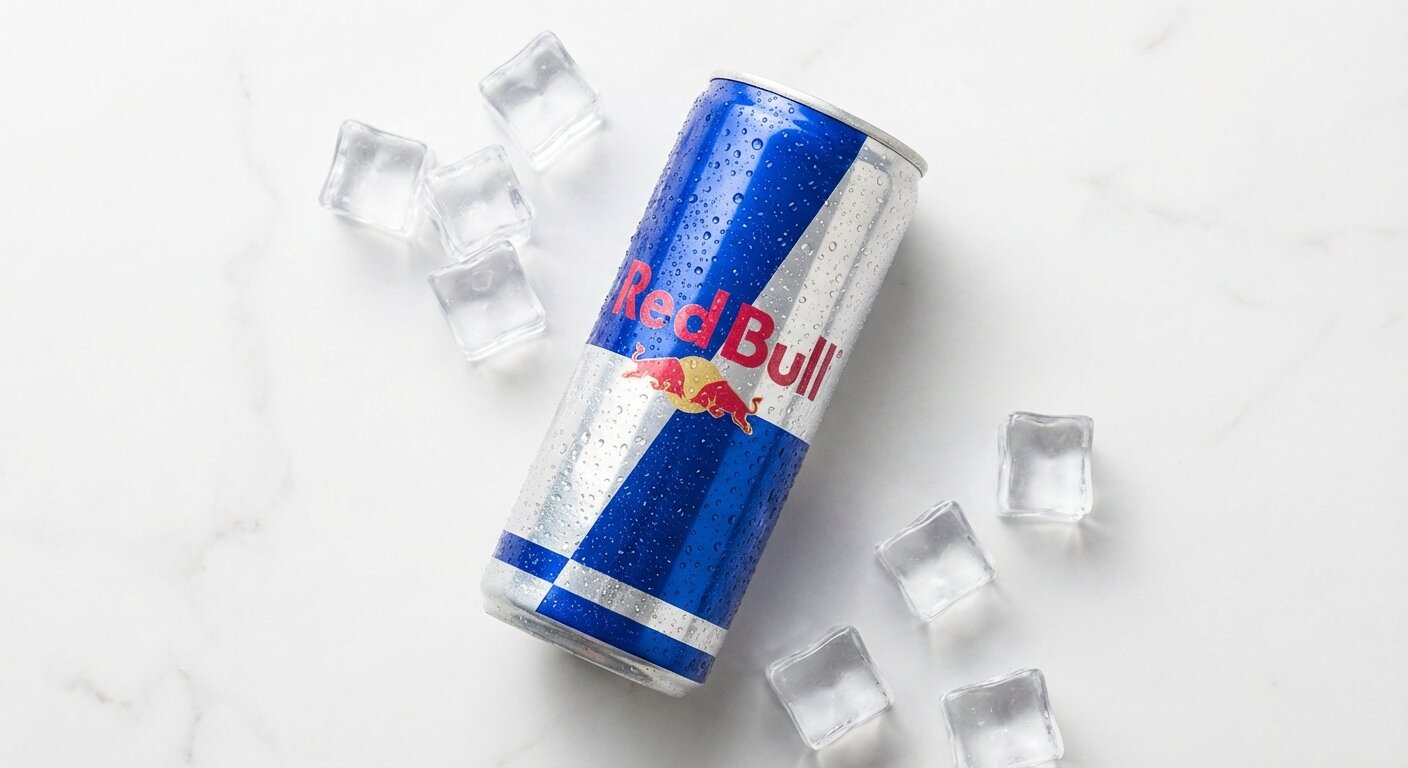
Red Bull is one of the world’s most popular energy drinks, but understanding its nutritional profile is crucial for anyone tracking macros or managing their diet. Whether you’re considering it as a pre-workout boost, a study aid, or just curious about what you’re consuming, this comprehensive guide breaks down everything you need to know about Red Bull’s macronutrient content.
The standard 8.4 oz can of Red Bull delivers 110 calories, 27g of pure sugar, 80mg of caffeine, and zero protein or fat. While the caffeine can provide a temporary energy boost, the high sugar content makes it a poor choice for most health-conscious individuals. Let’s dive deep into the nutritional breakdown of Red Bull and its various formulations.
Want to see how Red Bull fits into your daily macro targets? Use our free macro calculator to determine your optimal protein, carb, and fat intake based on your goals.
Related: Learn more about what macros are and how they impact your diet.
Red Bull Nutrition Facts by Size
Red Bull comes in several can sizes, each with proportionally scaled nutrition values. Here’s the complete breakdown:
Standard 8.4 oz (250ml) Can
- Calories: 110
- Protein: 0g
- Carbohydrates: 27g
- Sugars: 27g
- Fiber: 0g
- Fat: 0g
- Caffeine: 80mg
- Sodium: 105mg
12 oz (355ml) Can
- Calories: 160
- Protein: 0g
- Carbohydrates: 38g
- Sugars: 38g
- Fiber: 0g
- Fat: 0g
- Caffeine: 114mg
- Sodium: 150mg
16 oz (473ml) Can
- Calories: 210
- Protein: 0g
- Carbohydrates: 51g
- Sugars: 51g
- Fiber: 0g
- Fat: 0g
- Caffeine: 151mg
- Sodium: 200mg
20 oz (591ml) Can
- Calories: 270
- Protein: 0g
- Carbohydrates: 65g
- Sugars: 65g
- Fiber: 0g
- Fat: 0g
- Caffeine: 189mg
- Sodium: 250mg
Red Bull Product Line Comparison
Red Bull offers several varieties beyond the original formula. Here’s how they compare (based on 8.4 oz serving):
Red Bull Original
- Calories: 110
- Carbs: 27g (27g sugar)
- Protein: 0g
- Fat: 0g
- Caffeine: 80mg
Red Bull Sugar Free
- Calories: 10
- Carbs: 3g (0g sugar)
- Protein: 0g
- Fat: 0g
- Caffeine: 80mg
- Sweeteners: Aspartame, Acesulfame K
Red Bull Total Zero
- Calories: 0
- Carbs: 0g
- Protein: 0g
- Fat: 0g
- Caffeine: 80mg
- Sweeteners: Aspartame, Acesulfame K
Red Bull Editions (Flavored Varieties)
Most Red Bull Editions (Blue, Red, Yellow, etc.) have similar macros to the original:
- Calories: 110-120
- Carbs: 27-29g (all sugar)
- Protein: 0g
- Fat: 0g
- Caffeine: 80mg
Understanding Red Bull’s Ingredient Profile
Beyond basic macros, Red Bull contains several active ingredients worth understanding:
Caffeine Content
At 80mg per 8.4oz can, Red Bull contains roughly the same amount of caffeine as a cup of coffee. This is moderate by energy drink standards. For context:
- Coffee (8oz): 95mg caffeine
- Monster Energy (16oz): 160mg caffeine
- 5-Hour Energy (2oz): 200mg caffeine
- Red Bull (8.4oz): 80mg caffeine
The FDA recommends no more than 400mg of caffeine per day for healthy adults, meaning you’d need to consume five standard Red Bulls to reach that limit.
Taurine
Each can contains 1000mg of taurine, an amino acid that supports cardiovascular function and may enhance athletic performance. Despite myths, taurine is not extracted from bull urine or semen—it’s synthetically produced.
B-Vitamins
Red Bull is fortified with several B-vitamins:
- Niacin (B3): 100% DV
- Vitamin B6: 250% DV
- Vitamin B12: 80% DV
- Pantothenic Acid (B5): 50% DV
These vitamins play crucial roles in energy metabolism, but you’re likely getting adequate amounts from food if you eat a balanced diet.
Sugar Content Analysis
The most concerning aspect of Red Bull’s nutrition profile is its sugar content. Twenty-seven grams of sugar equals:
- 6.75 teaspoons of sugar
- 13.5% of a 2,000-calorie daily intake
- More sugar than a glazed donut (typically 12-14g)
- Nearly the same as Coca-Cola (8.4oz Coke = 28g sugar)
This sugar delivers a rapid blood glucose spike followed by a crash, which is why many people experience an energy slump 1-2 hours after consumption.
How Red Bull Fits Different Diets
Ketogenic Diet
Regular Red Bull: ❌ Not keto-friendly. With 27g of carbs (all sugar), a single can would use most or all of your daily carb allowance on keto (typically 20-50g net carbs).
Red Bull Sugar Free/Total Zero: ✅ Keto-friendly. Zero carbs make these versions compatible with ketogenic diets.
Low-Carb Diets
Regular Red Bull is problematic for low-carb approaches. The sugar-free versions are better options, though whole-food energy sources are preferable.
Intermittent Fasting
Does Red Bull break a fast?
- Regular Red Bull: ✅ Yes, it breaks your fast. The 110 calories and 27g sugar trigger insulin response and end your fasted state.
- Red Bull Sugar Free: ⚠️ Debated. The 10 calories and artificial sweeteners may cause a minor insulin response in some people.
- Red Bull Total Zero: ⚠️ Also debated. While technically zero calories, artificial sweeteners may still trigger cephalic phase insulin response.
For strict fasting protocols, avoid all Red Bull varieties. For “dirty fasting” approaches that allow minimal calories, the zero-calorie versions are acceptable.
High-Protein Diets
Red Bull offers no protein, making it a poor choice for high-protein diets. The sugar version actively works against muscle-building goals by promoting fat storage.
Weight Loss Diets
Regular Red Bull is problematic for weight loss:
- Liquid calories don’t promote satiety
- High sugar content causes insulin spikes and fat storage
- No nutritional value beyond caffeine
- Displaces nutrient-dense beverages
If you’re cutting calories, Red Bull Sugar Free (10 calories) or Total Zero (0 calories) are better options, though water and black coffee are ideal.
Red Bull vs. Other Energy Drinks
How do Red Bull’s macros compare to competitors?
Red Bull (8.4oz) vs. Monster Energy (16oz)
| Metric | Red Bull | Monster |
|---|---|---|
| Serving Size | 8.4 oz | 16 oz |
| Calories | 110 | 210 |
| Carbs | 27g | 54g |
| Sugar | 27g | 54g |
| Caffeine | 80mg | 160mg |
Per ounce comparison:
- Red Bull: 13.1 calories/oz, 3.2g sugar/oz, 9.5mg caffeine/oz
- Monster: 13.1 calories/oz, 3.4g sugar/oz, 10mg caffeine/oz
They’re remarkably similar in concentration, but Monster’s larger can size delivers more total nutrients.
Red Bull vs. Rockstar vs. NOS
| Energy Drink | Size | Calories | Carbs | Caffeine |
|---|---|---|---|---|
| Red Bull | 8.4oz | 110 | 27g | 80mg |
| Rockstar | 16oz | 270 | 63g | 160mg |
| NOS | 16oz | 210 | 54g | 160mg |
| Bang Energy | 16oz | 0 | 0g | 300mg |
Bang Energy stands out with zero calories but delivers significantly more caffeine (300mg), which may cause jitters or anxiety in sensitive individuals.
Impact on Athletic Performance
Many people consume Red Bull as a pre-workout or during endurance activities. Here’s what the research shows:
Potential Benefits
- Caffeine improves endurance: 80mg can enhance performance in aerobic activities lasting 60+ minutes
- Mental alertness: Improved reaction time and focus during competition
- Delayed fatigue perception: You may feel less tired during workouts
- Quick carbohydrate source: The 27g of sugar provides rapid fuel during intense exercise
Drawbacks for Athletes
- Sugar crash: Energy drops sharply 60-90 minutes post-consumption
- Gastrointestinal distress: Carbonation and high sugar can cause cramping
- Dehydration risk: Caffeine is a mild diuretic
- No protein for recovery: Doesn’t support muscle repair
- Better alternatives exist: Sports drinks, coffee, or whole foods provide benefits without downsides
Verdict: For casual exercisers, Red Bull before a workout isn’t ideal due to sugar content and crash potential. Serious athletes should opt for sugar-free versions or purpose-built sports nutrition products.
Health Concerns and Side Effects
While moderate Red Bull consumption is generally safe for healthy adults, several concerns exist:
Blood Sugar Impact
The 27g of rapidly-absorbed sugar causes:
- Immediate blood glucose spike (within 10-20 minutes)
- Insulin surge to manage elevated blood sugar
- Energy crash 60-90 minutes later as blood sugar drops below baseline
- Increased hunger due to insulin response
- Fat storage promotion from elevated insulin
For diabetics or those with insulin resistance, regular Red Bull is particularly problematic.
Cardiovascular Effects
Combining caffeine with high sugar creates cardiovascular stress:
- Increased heart rate from caffeine
- Elevated blood pressure (typically 3-5 mmHg increase)
- Arrhythmia risk in susceptible individuals
- Potential interactions with medications
If you have heart conditions, consult your doctor before consuming Red Bull.
Dental Health
Like all sugary beverages, Red Bull promotes tooth decay:
- Acidic pH (3.3) erodes tooth enamel
- High sugar content feeds bacteria that cause cavities
- Sipping over time extends acid exposure
If you drink Red Bull, use a straw and rinse with water afterward.
Dependency and Tolerance
Regular Red Bull consumption can lead to:
- Caffeine dependence requiring daily consumption to avoid withdrawal headaches
- Tolerance buildup needing more caffeine for the same effect
- Sleep disruption even when consumed earlier in the day
- Anxiety and jitters from high caffeine intake
Better Alternatives for Energy
If you’re looking for sustained energy without the sugar crash, consider these alternatives:
Black Coffee
- Calories: 5 per 8oz
- Carbs: 0g
- Caffeine: 95mg per 8oz
- Benefits: No sugar, higher caffeine, rich in antioxidants
- Cost: Much cheaper than Red Bull
Green Tea
- Calories: 0 per 8oz
- Carbs: 0g
- Caffeine: 25-50mg per 8oz
- Benefits: L-theanine for calm focus, antioxidants, no crash
Sugar-Free Energy Drinks
Red Bull Sugar Free, Monster Zero Ultra, or Bang Energy provide caffeine without sugar. Watch for artificial sweetener sensitivity.
Pre-Workout Supplements
Purpose-built supplements like C4 or Legion Pulse offer:
- Beta-alanine for endurance
- Citrulline malate for blood flow
- Caffeine for energy
- No sugar
Whole Food Options
- Apple + coffee: Natural sugar with fiber, plus caffeine
- Banana + water: Quick carbs, potassium for hydration
- Oats with cinnamon: Sustained energy from complex carbs
How to Track Red Bull in Your Macros
If you choose to include Red Bull in your diet while tracking macros:
- Log it accurately: Use the exact serving size (8.4oz vs. 12oz makes a difference)
- Account for all carbs: The entire 27g counts toward your daily carb target
- Factor into meal timing: Consuming Red Bull with meals spreads out sugar absorption
- Consider it a carb source: 27g of sugar equals 1-2 servings of fruit
- Budget calories: 110 calories is roughly 5-6% of a 2,000-calorie diet
Use our macro calculator to see how Red Bull fits your specific daily targets.
The Bottom Line on Red Bull Macros
Standard 8.4oz Red Bull:
- ✅ Provides 80mg caffeine for energy
- ✅ Convenient and portable
- ❌ Contains 27g of pure sugar (108 empty calories)
- ❌ Causes blood sugar spike and crash
- ❌ No protein or fat for satiety
- ❌ No significant micronutrients beyond B-vitamins
Sugar-Free/Total Zero versions:
- ✅ Minimal to zero calories
- ✅ Same caffeine content
- ✅ Fits keto and low-carb diets
- ⚠️ Contains artificial sweeteners
- ⚠️ May still trigger insulin response in some people
Recommendation: If you enjoy energy drinks, opt for sugar-free versions and limit consumption to 1-2 cans daily. For optimal health and energy, prioritize whole foods, adequate sleep, and strategic caffeine from coffee or tea.
Regular Red Bull should be treated as an occasional indulgence rather than a daily habit, especially if you’re tracking macros for weight loss or body composition goals. The sugar content simply doesn’t align with most health-conscious approaches to nutrition.
Frequently Asked Questions
What are the macros in a standard Red Bull?
A standard 8.4 oz can of Red Bull contains 110 calories, 27g of carbohydrates (all from sugar), 0g of protein, and 0g of fat. All calories come from sugar, making it a pure carbohydrate beverage with no macronutrient diversity.
The caffeine content is 80mg per can, which is moderate compared to other energy drinks. Red Bull also contains 1000mg of taurine and several B-vitamins, but these don’t contribute to the calorie or macro count.
From a macronutrient perspective, Red Bull functions similarly to drinking a soda—it’s essentially flavored sugar water with added caffeine. This makes it a poor choice for anyone prioritizing nutrient density or trying to balance their macro ratios.
If you’re tracking macros, those 27g of carbs represent approximately 15-20% of the carbohydrate allowance on a standard 150g/day target, with zero nutritional value beyond quick energy.
Is Red Bull keto-friendly?
No, regular Red Bull is not keto-friendly. With 27g of carbohydrates per 8.4oz can, a single Red Bull would consume more than an entire day’s carb allowance on a strict ketogenic diet (which typically limits carbs to 20-25g daily).
The carbohydrates in Red Bull come entirely from sugar (sucrose and glucose), which causes a rapid insulin response—exactly what keto dieters aim to avoid. This sugar intake would immediately kick you out of ketosis, undoing the metabolic benefits of the ketogenic diet.
However, Red Bull Sugar Free and Red Bull Total Zero are keto-compatible options. These contain 3g and 0g of carbs respectively, using artificial sweeteners (aspartame and acesulfame K) instead of sugar. The zero-carb Total Zero version is the safest choice for strict keto adherence.
That said, even sugar-free versions may cause issues for some individuals. Artificial sweeteners can trigger cravings or minor insulin responses in sensitive people. For optimal keto results, stick to water, black coffee, or tea as your primary beverages.
Does Red Bull have protein or fat?
No, Red Bull contains zero protein and zero fat. It’s a purely carbohydrate-based beverage, with 100% of its calories coming from sugar in the original version, or from zero-calorie sweeteners in the sugar-free versions.
This complete absence of protein and fat is significant for several reasons:
Why it matters:
-
No satiety: Protein and fat promote fullness, while pure sugar doesn’t. You’ll feel hungry shortly after consumption.
-
Blood sugar instability: Without protein or fat to slow digestion, the 27g of sugar hits your bloodstream rapidly, causing sharp insulin spikes and subsequent crashes.
-
No muscle support: Unlike protein-containing beverages, Red Bull does nothing to support muscle recovery or growth after exercise.
-
Imbalanced macros: If you’re trying to hit specific protein, carb, and fat targets, Red Bull only contributes to carbs, making it harder to balance your daily intake.
For a more complete energy beverage, you’d need to pair Red Bull with a protein source (like Greek yogurt) or choose alternatives that include protein, like protein coffee drinks or protein-enhanced sports drinks.
What’s the difference between Red Bull and Red Bull Sugar Free macros?
The macro difference between regular Red Bull and Red Bull Sugar Free is significant:
Regular Red Bull (8.4oz):
- Calories: 110
- Carbs: 27g (all sugar)
- Protein: 0g
- Fat: 0g
Red Bull Sugar Free (8.4oz):
- Calories: 10
- Carbs: 3g (0g sugar)
- Protein: 0g
- Fat: 0g
The primary difference is the replacement of 27g of sugar with artificial sweeteners (aspartame and acesulfame K). This reduces calories by 100 and eliminates the blood sugar spike associated with regular Red Bull.
Both versions contain the same 80mg of caffeine and 1000mg of taurine, so the energy-boosting effects from these ingredients remain identical. The only functional difference is the absence of sugar and its associated caloric and metabolic effects.
Which is better? For weight management, low-carb diets, or anyone watching sugar intake, Sugar Free is clearly superior. The artificial sweeteners are controversial but generally recognized as safe when consumed in moderation. If you’re concerned about artificial sweeteners, the better choice is neither—opt for black coffee or tea instead.
The small 10-calorie count in Sugar Free (compared to 0 in Total Zero) comes from other minor ingredients. For practical purposes, both sugar-free versions are essentially equivalent from a macro perspective.
How many carbs are in a 12 oz Red Bull?
A 12 oz (355ml) Red Bull contains approximately 38g of carbohydrates, all from sugar, and approximately 160 calories.
This is scaled proportionally from the standard 8.4oz can (which has 27g carbs). The 12oz size contains roughly 1.43 times the nutrients of the standard can:
12oz Red Bull breakdown:
- Calories: 160
- Carbs: 38g (100% sugar)
- Protein: 0g
- Fat: 0g
- Caffeine: ~114mg
- Sodium: ~150mg
To put 38g of sugar in perspective:
- 9.5 teaspoons of sugar
- Nearly 20% of a 200g/day carb target
- More sugar than three Krispy Kreme Original Glazed donuts (12g each)
- Equivalent to 1.5 cans of Coca-Cola
For anyone tracking carbs for weight loss or blood sugar management, a 12oz Red Bull represents a substantial portion of your daily carbohydrate allowance with zero nutritional benefit beyond quick energy.
If you need the larger serving size for extended energy, Red Bull Sugar Free in 12oz would provide the caffeine without the 38g carb hit, containing only about 4g of carbs instead.
Is Red Bull bad for weight loss?
Yes, regular Red Bull is counterproductive for weight loss for several reasons:
1. Empty calories: At 110 calories per 8.4oz can with zero nutritional value, Red Bull provides energy without nutrients. Those calories don’t contribute to satiety, protein intake, or micronutrients.
2. Liquid calories: Research consistently shows that liquid calories don’t register fullness the same way solid food does. You can drink 110 calories of Red Bull without feeling any less hungry.
3. Sugar-driven insulin spikes: The 27g of sugar causes rapid blood glucose elevation, triggering insulin release. Elevated insulin promotes fat storage and inhibits fat burning, directly opposing weight loss goals.
4. Energy crash and compensatory eating: The post-sugar crash often leads to increased hunger and cravings 60-90 minutes later, potentially causing you to overeat.
5. Disrupts metabolic health: Regular consumption of high-sugar beverages is linked to insulin resistance, metabolic syndrome, and difficulty losing weight.
Better options for weight loss:
- Red Bull Sugar Free: Only 10 calories, won’t spike insulin
- Red Bull Total Zero: Literally 0 calories
- Black coffee: 5 calories, higher caffeine, proven to slightly boost metabolism
- Green tea: 0 calories, contains EGCG which may enhance fat oxidation
If you’re serious about weight loss, eliminate regular Red Bull and other sugar-sweetened beverages entirely. The sugar-free versions are acceptable in moderation, but water, coffee, and tea are optimal choices.
How does Red Bull compare to Monster Energy macros?
Red Bull and Monster Energy have similar macro profiles when adjusted for serving size, but the key difference is can size:
Red Bull (8.4oz standard):
- Calories: 110
- Carbs: 27g
- Sugar: 27g
- Caffeine: 80mg
- Per ounce: 13.1 cal/oz, 3.2g sugar/oz, 9.5mg caffeine/oz
Monster Energy (16oz standard):
- Calories: 210
- Carbs: 54g
- Sugar: 54g
- Caffeine: 160mg
- Per ounce: 13.1 cal/oz, 3.4g sugar/oz, 10mg caffeine/oz
Key insights:
-
Concentration is nearly identical: Both drinks have approximately the same calories and sugar per ounce—around 13 calories and 3.2-3.4g sugar per fluid ounce.
-
Monster delivers double the dose: Since Monster’s standard can is 16oz vs. Red Bull’s 8.4oz, you’re consuming nearly twice the sugar, calories, and caffeine in one Monster.
-
Caffeine efficiency: Red Bull provides 9.5mg caffeine per ounce vs. Monster’s 10mg—effectively equivalent.
-
Price per ounce: Red Bull is typically more expensive per ounce, making Monster the more economical choice if you’re buying energy drinks regularly.
Which is “better”?
Neither is optimal for health, but if forced to choose:
- Red Bull advantage: Smaller portion naturally limits sugar intake
- Monster advantage: More caffeine if that’s your goal, better value
For weight management or macro tracking, both are problematic in their regular versions. The sugar-free versions (Red Bull Sugar Free and Monster Zero Ultra) are comparable and both preferable to the originals.
What are Red Bull Total Zero macros?
Red Bull Total Zero is the most macro-friendly version of Red Bull, containing:
Red Bull Total Zero (8.4oz):
- Calories: 0
- Carbs: 0g
- Protein: 0g
- Fat: 0g
- Caffeine: 80mg (same as original)
- Taurine: 1000mg (same as original)
How it achieves zero calories:
Total Zero uses artificial sweeteners (aspartame and acesulfame K) to provide sweetness without calories or carbohydrates. This makes it suitable for:
- Ketogenic diets: Zero carbs means no impact on ketosis
- Low-calorie diets: Doesn’t count toward daily calorie target
- Diabetics: No blood sugar impact
- Macro tracking: Doesn’t affect any macro ratios
The catch:
While Total Zero is technically zero macros, it’s not necessarily “free”:
- Artificial sweeteners: Some people experience digestive issues or cravings from aspartame
- Potential insulin response: Although debated, artificial sweeteners may trigger minor insulin responses in some individuals
- Hunger signals: Some research suggests artificial sweeteners may increase appetite
- Still not “healthy”: Zero macros doesn’t mean nutritious—it’s still an energy drink with caffeine and additives
Comparison to alternatives:
- Black coffee: Also effectively zero macros (5 calories), more natural, higher caffeine
- Black tea: Zero macros, no artificial sweeteners, moderate caffeine
- Sparkling water: Zero everything, hydrating, caffeine-free
Red Bull Total Zero is the best Red Bull option for macro-conscious individuals, but whole-food caffeine sources like coffee remain the gold standard for health-focused energy.
Related Articles

Dragonfruit Macros: Complete Nutrition Guide for Pitaya
Complete macro breakdown of dragonfruit (pitaya). Learn the calories, protein, carbs, and...
Read guide →
Bulgur Macros: Complete Nutritional Guide & Health Benefits
Discover bulgur's complete macro breakdown, nutritional benefits, and how to incorporate...
Read guide →
Radish Macros: Nutrition Facts and Health Benefits
Complete guide to radish macros and nutrition. Learn calories, protein, carbs, and health...
Read guide →Note: Nutrition values are approximate and may vary based on preparation method and source.