Rotisserie Chicken Macros: Complete Nutrition Guide & Meal Prep Tips
Reviewed by Dr. Michael Torres, PhD
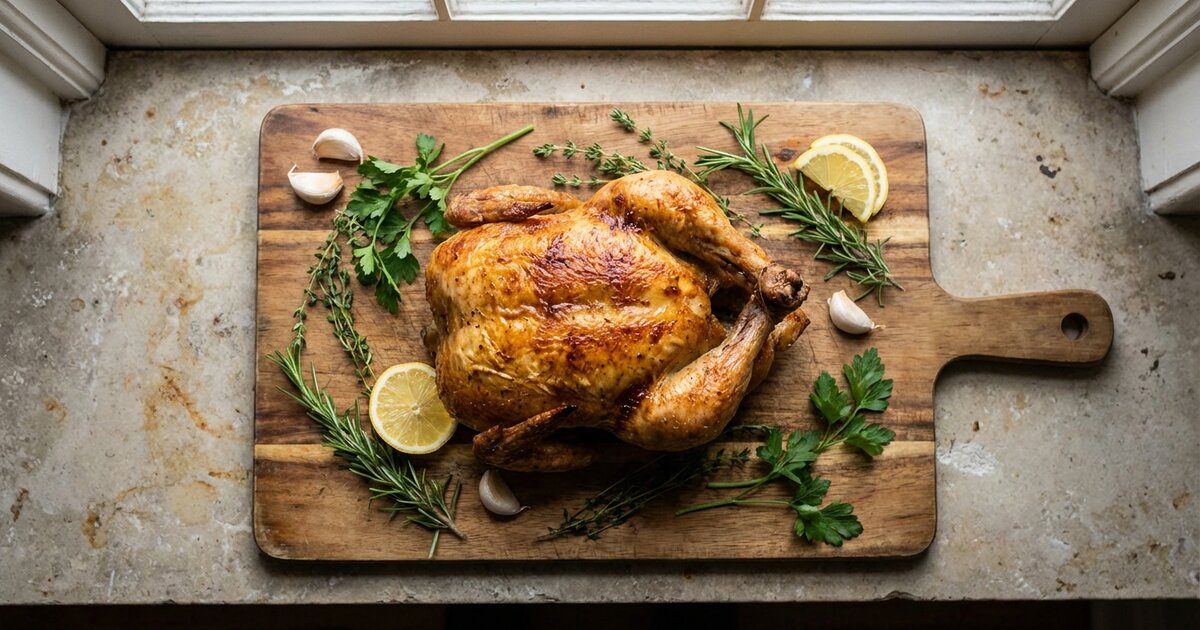
Rotisserie chicken is the unsung hero of macro-friendly eating. For $5-7, you get a fully cooked chicken with 280-320g of protein, zero prep time, and enough meat for 5-7 meals. It’s convenient, versatile, and one of the most cost-effective protein sources at your grocery store.
Whether you’re counting macros for weight loss, building muscle, or just trying to eat better without spending hours in the kitchen, rotisserie chicken delivers. But not all parts of the chicken are created equal—and that decision to eat or remove the skin makes a massive difference in your daily calories and fat intake.
This guide breaks down everything: breast vs. thigh macros, skin-on vs. skin-off numbers, Costco vs. grocery store options, meal prep strategies, and how rotisserie chicken compares to raw chicken you’d cook yourself.
Rotisserie Chicken Macros: Quick Reference
Here’s what you need to know about rotisserie chicken nutrition at a glance. Values are for meat without skin unless specified.
| Cut & Serving | Calories | Protein | Carbs | Fat |
|---|---|---|---|---|
| Breast (3 oz / 85g) | 122 | 23g | 0g | 3g |
| Breast with skin (3 oz) | 170 | 21g | 0g | 9g |
| Thigh (3 oz / 85g) | 144 | 22g | 0g | 6g |
| Thigh with skin (3 oz) | 188 | 20g | 0g | 12g |
| Drumstick (1 medium, 44g) | 76 | 12g | 0g | 3g |
| Wing (1 whole, 34g) | 86 | 9g | 0g | 5g |
| 100g (3.5 oz) mixed meat | 143 | 24g | 0g | 5g |
| Whole chicken (meat only) | 1,000-1,200 | 180-220g | 0g | 40-50g |
Important note: These values are averages. Rotisserie chickens vary in size, seasoning, and cooking method. Costco chickens tend to be larger (3 lbs cooked weight) compared to grocery store chickens (2-2.5 lbs cooked weight).
Breast vs. Dark Meat: The Macro Breakdown
Not all chicken is created equal. White meat (breast) is leaner; dark meat (thighs, legs) has more fat and slightly less protein per ounce.
Chicken Breast (White Meat)
| Serving | Calories | Protein | Carbs | Fat |
|---|---|---|---|---|
| 3 oz (85g) no skin | 122 | 23g | 0g | 3g |
| 4 oz (113g) no skin | 163 | 31g | 0g | 4g |
| 6 oz (170g) no skin | 244 | 46g | 0g | 6g |
| 3 oz with skin | 170 | 21g | 0g | 9g |
Best for: Weight loss, cutting, high-protein diets. Breast meat gives you the most protein per calorie.
Texture note: Rotisserie chicken breast can dry out if stored too long. Use within 2-3 days or freeze immediately.
Chicken Thigh (Dark Meat)
| Serving | Calories | Protein | Carbs | Fat |
|---|---|---|---|---|
| 3 oz (85g) no skin | 144 | 22g | 0g | 6g |
| 4 oz (113g) no skin | 192 | 29g | 0g | 8g |
| 6 oz (170g) no skin | 288 | 44g | 0g | 12g |
| 3 oz with skin | 188 | 20g | 0g | 12g |
Best for: Keto, maintenance calories, meal prep longevity. Dark meat stays moist longer and has more flavor.
Fat content: Dark meat has about double the fat of breast meat, but it’s still zero carbs and high protein—perfectly fine for most diets.
Drumstick (Leg)
| Serving | Calories | Protein | Carbs | Fat |
|---|---|---|---|---|
| 1 medium drumstick (44g meat) | 76 | 12g | 0g | 3g |
| 1 drumstick with skin (52g total) | 112 | 14g | 0g | 6g |
Best for: Portion control, grab-and-go meals. One drumstick is a perfect 75-calorie snack with 12g protein.
Wing
| Serving | Calories | Protein | Carbs | Fat |
|---|---|---|---|---|
| 1 whole wing (34g meat) | 86 | 9g | 0g | 5g |
| 1 wing with skin (43g total) | 109 | 9g | 0g | 7g |
Best for: Snacking, appetizers. Wings have the least meat per piece but are tasty and satisfying.
Skin note: Wing skin is often the most seasoned and flavorful part of a rotisserie chicken—but it’s also where most of the fat hides.
Skin-On vs. Skin-Off: The Big Difference
The decision to eat or remove the skin dramatically affects your macros. Here’s the side-by-side comparison.
Chicken Breast Comparison
| 3 oz Breast | Calories | Protein | Carbs | Fat | Cal from Fat |
|---|---|---|---|---|---|
| Without skin | 122 | 23g | 0g | 3g | 22% |
| With skin | 170 | 21g | 0g | 9g | 48% |
| Difference | +48 cal | -2g | 0g | +6g | +26% |
The verdict: Removing the skin from breast meat saves nearly 50 calories and 6g of fat per serving. For weight loss, it’s a no-brainer.
Chicken Thigh Comparison
| 3 oz Thigh | Calories | Protein | Carbs | Fat | Cal from Fat |
|---|---|---|---|---|---|
| Without skin | 144 | 22g | 0g | 6g | 38% |
| With skin | 188 | 20g | 0g | 12g | 57% |
| Difference | +44 cal | -2g | 0g | +6g | +19% |
The verdict: Dark meat skin adds similar fat as breast skin, but since dark meat is already fattier, the relative difference is smaller.
When to Keep the Skin
- Keto or high-fat diets: The fat in chicken skin is 50% monounsaturated (same as olive oil), 30% saturated, and 20% polyunsaturated. Zero carbs, decent fats.
- Bulking or maintenance: If you need extra calories and you’re not in a deficit, skin adds flavor and energy.
- Flavor preference: Let’s be honest—the skin tastes amazing. If you have the calorie budget, enjoy it.
When to Remove the Skin
- Cutting or weight loss: Save 40-50 calories per serving. Over a week of chicken meals, that’s 300-400 calories saved.
- High-protein, lower-fat diets: Maximize protein-to-calorie ratio.
- Heart health concerns: If you’re managing cholesterol, skinless chicken is the safer bet.
Pro tip: Remove the skin before storing. It gets soggy in the fridge anyway and removing it fresh is easier than peeling it off cold, slimy chicken.
Costco vs. Grocery Store vs. Homemade
Not all rotisserie chickens are created equal. Let’s compare the big players.
Costco Rotisserie Chicken
| Whole Chicken | Calories | Protein | Carbs | Fat | Price |
|---|---|---|---|---|---|
| Entire chicken (approx 3 lbs cooked) | 1,400-1,600 | 240-280g | 0-2g | 50-65g | $4.99 |
| Per 3 oz breast (no skin) | 122 | 23g | 0g | 3g | ~$0.60 |
Pros:
- Best value: $4.99 for a 3-lb chicken (often a loss leader for Costco)
- Larger chickens = more meat
- Consistent quality and flavor
- Hot and ready when you shop
Cons:
- High sodium: ~460mg per 3 oz serving
- Can be overseasoned for some tastes
- Must have Costco membership
Best for: Meal preppers, families, anyone maximizing protein per dollar.
Grocery Store Rotisserie Chicken
| Whole Chicken | Calories | Protein | Carbs | Fat | Price |
|---|---|---|---|---|---|
| Entire chicken (approx 2.5 lbs cooked) | 1,100-1,400 | 200-240g | 0-2g | 40-55g | $5.99-7.99 |
| Per 3 oz breast (no skin) | 122 | 23g | 0g | 3g | ~$0.75 |
Pros:
- Available at most grocery stores (Kroger, Safeway, Whole Foods, etc.)
- Variety of seasonings and preparations
- Smaller chickens work for 1-2 people
- Often organic or free-range options available
Cons:
- More expensive per pound than Costco
- Size and quality vary by store
- Can sit under heat lamps too long
Best for: Convenience, variety, smaller households.
Homemade Rotisserie-Style Chicken
| Whole Chicken | Calories | Protein | Carbs | Fat | Price |
|---|---|---|---|---|---|
| Entire chicken (3 lbs cooked) | 1,200-1,400 | 240-280g | 0g | 45-60g | $7-12 (raw) |
| Per 3 oz breast (no skin) | 120 | 24g | 0g | 2.5g | ~$0.90 |
Pros:
- Control over sodium and seasoning
- Freshest possible chicken
- Can choose organic, free-range, or specific quality
- Slightly leaner if you don’t baste with butter
Cons:
- Requires 60-90 minutes of cook time
- Need rotisserie oven attachment or roasting skills
- More cleanup
- Higher upfront cost for raw chicken
Best for: Home cooks who want control over ingredients, lower sodium, or specific dietary needs.
The Verdict
For pure macro efficiency and cost: Costco wins. For convenience without a membership: grocery store. For control and quality: homemade.
But here’s the reality: any rotisserie chicken is a fantastic protein source. The differences are marginal. Choose based on your access, budget, and preferences.
Rotisserie Chicken vs. Raw Chicken
How does buying a rotisserie chicken compare to cooking raw chicken yourself?
Nutrition Comparison (per 3 oz breast, no skin)
| Type | Calories | Protein | Carbs | Fat | Sodium |
|---|---|---|---|---|---|
| Rotisserie chicken | 122 | 23g | 0g | 3g | 400-600mg |
| Raw chicken (baked) | 120 | 24g | 0g | 2.5g | 60-80mg |
| Raw chicken (grilled) | 128 | 26g | 0g | 3g | 65mg |
The differences:
- Sodium: Rotisserie chicken has 5-10x more sodium due to seasoning and brining. If you’re watching sodium, homemade is better.
- Protein: Virtually identical. The slight variance is within margin of error.
- Fat: Also nearly identical when comparing skin-off to skin-off.
- Carbs: Both are zero, though some rotisserie seasonings add trace carbs (under 1g per serving).
Cost Comparison
| Source | Price | Protein Yield | Cost per 25g Protein |
|---|---|---|---|
| Costco rotisserie | $4.99 | 240-280g | $0.52 |
| Grocery rotisserie | $6.99 | 220-260g | $0.71 |
| Raw chicken breast | $3.99/lb | ~100g per lb | $0.99 |
| Raw whole chicken | $1.49/lb | ~80g per lb | $0.46 |
Surprising result: Costco rotisserie chicken is nearly as cheap as raw whole chicken, but it’s already cooked. That’s insane value.
Time factor: Rotisserie chicken saves you 60-90 minutes of prep and cooking time. If your time is worth $15/hour, the rotisserie chicken saves you $15-20 in labor.
When to Choose Raw Chicken
- You want very low sodium
- You prefer specific cooking methods (grilling, air frying)
- You’re meal prepping in bulk for a week+
- You enjoy cooking
When to Choose Rotisserie Chicken
- You’re short on time
- You need a same-day protein solution
- You’re new to meal prep and want easy wins
- You’re optimizing for cost + convenience
Pro tip: Combine both strategies. Buy rotisserie chicken for this week’s meals. Buy raw chicken breasts to cook and freeze for next week.
Understanding Your Macros
To see how rotisserie chicken fits into your daily nutrition goals, check out our guide on what macronutrients are and use our macro calculator to determine your ideal protein, carb, and fat targets.
Meal Prep Strategies with Rotisserie Chicken
Rotisserie chicken is meal prep gold. Here’s how to maximize your investment.
The 1-Chicken, 5-Meal Plan
What you’ll need:
- 1 Costco rotisserie chicken ($4.99)
- 5 meal prep containers
- 20 minutes of prep time
Step-by-step:
-
Remove all meat from bones (20 min)
- Separate breast meat, thigh meat, drumstick meat
- Save bones for bone broth (optional side project)
-
Portion into 5 meals (each ~4 oz meat)
- Meal 1: Shredded breast over salad (130 cal, 28g protein)
- Meal 2: Diced thigh in burrito bowl (190 cal, 26g protein)
- Meal 3: Sliced breast in wrap (140 cal, 30g protein)
- Meal 4: Pulled chicken in soup (150 cal, 28g protein)
- Meal 5: Mixed meat in stir-fry (160 cal, 27g protein)
Total investment: $4.99 and 20 minutes = $1 per meal, 27g protein average
Best Storage Practices
| Storage Method | Shelf Life | Best For |
|---|---|---|
| Refrigerator (whole) | 3-4 days | Eating within a week |
| Refrigerator (shredded, airtight) | 3-4 days | Meal prep, quick meals |
| Freezer (portioned, airtight) | 3 months | Batch cooking, long-term prep |
| Freezer (in broth or sauce) | 4 months | Maintaining moisture |
Pro tip: Freeze chicken in the sauce or broth you’ll use later (e.g., freeze shredded chicken in salsa for future burrito bowls, or in buffalo sauce for wraps). This prevents freezer burn and saves time when reheating.
Quick Meal Ideas
High-Protein Bowl (380 cal, 42g protein, 28g carbs, 8g fat)
- 5 oz rotisserie chicken breast, diced
- 1 cup cooked quinoa
- 1 cup steamed broccoli
- 1 tbsp balsamic vinegar
Keto Chicken Plate (450 cal, 38g protein, 6g carbs, 30g fat)
- 5 oz rotisserie chicken thigh (skin on)
- 1 cup roasted cauliflower with olive oil
- 1/4 avocado
- Side salad with ranch
Macro-Friendly Wrap (385 cal, 36g protein, 35g carbs, 9g fat)
- 4 oz rotisserie chicken breast, shredded
- Large low-carb tortilla (or whole wheat)
- 2 tbsp hummus
- Lettuce, tomato, cucumber
Chicken Fried Rice (420 cal, 32g protein, 45g carbs, 10g fat)
- 4 oz rotisserie chicken, diced
- 1 cup cooked white rice
- 1/2 cup mixed vegetables
- 1 egg, scrambled
- 1 tbsp soy sauce
Protein-Packed Salad (310 cal, 40g protein, 12g carbs, 11g fat)
- 6 oz rotisserie chicken breast
- 3 cups mixed greens
- 1/4 cup cherry tomatoes
- 2 tbsp light vinaigrette
- 1 tbsp sunflower seeds
Shredded vs. Diced vs. Sliced
How you cut your rotisserie chicken affects texture and versatility:
- Shredded: Best for tacos, burritos, soups, pulled chicken sandwiches, BBQ chicken
- Diced (cubes): Best for salads, stir-fries, fried rice, grain bowls, pasta
- Sliced (strips): Best for wraps, sandwiches, chicken Caesar, fajitas, meal prep containers
Time-saving tip: Shredding is fastest. Use two forks or do it by hand while the chicken is still slightly warm. Dicing and slicing are more tedious but give you more control over presentation.
Goal-Specific Serving Sizes
How much rotisserie chicken should you eat based on your goals?
Weight Loss / Cutting
Target: High protein, low calories, stay in a deficit
| Goal | Serving Size | Calories | Protein | Fat | Why |
|---|---|---|---|---|---|
| Meal (female) | 4 oz breast (no skin) | 163 | 31g | 4g | High protein, very filling |
| Meal (male) | 6 oz breast (no skin) | 244 | 46g | 6g | Satisfying, lean, macro-efficient |
| Snack | 1 drumstick (no skin) | 76 | 12g | 3g | Perfect 75-calorie protein snack |
Strategy: Remove all skin, prioritize white meat, pair with high-volume low-calorie vegetables.
Muscle Building / Bulking
Target: High protein, adequate calories, don’t be afraid of fat
| Goal | Serving Size | Calories | Protein | Fat | Why |
|---|---|---|---|---|---|
| Meal (female) | 5 oz mixed meat (skin on thighs) | 315 | 33g | 16g | More calories, high protein |
| Meal (male) | 8 oz mixed meat (skin on) | 500 | 53g | 26g | Calorie-dense, protein-packed |
| Snack | 2 drumsticks + 1 wing | 274 | 33g | 12g | Great for hitting protein targets |
Strategy: Don’t stress about skin-on vs. skin-off. Eat a mix of white and dark meat. Focus on total protein intake.
Keto / Low-Carb
Target: High protein, high fat, zero carbs
| Goal | Serving Size | Calories | Protein | Fat | Why |
|---|---|---|---|---|---|
| Meal | 5 oz thigh (skin on) | 313 | 33g | 20g | Higher fat, zero carbs, delicious |
| Meal | 6 oz mixed (skin on) | 400 | 40g | 24g | Balanced fat and protein |
| Snack | 2-3 wings (skin on) | 220-330 | 18-27g | 14-21g | Portable keto snack |
Strategy: Keep the skin. Choose dark meat over breast. Pair with high-fat sides like avocado, cheese, or butter-roasted vegetables.
Maintenance / Flexible Eating
Target: Balanced macros, sustainability, variety
| Goal | Serving Size | Calories | Protein | Fat | Why |
|---|---|---|---|---|---|
| Meal | 4-5 oz mixed (skin off) | 180-225 | 30-38g | 6-8g | Balanced, versatile |
| Meal | 5 oz breast + 1 thigh | 265 | 45g | 9g | Mix of textures and flavors |
| Snack | 1 drumstick + veggies | 120 | 12g | 3g | Satisfying, light |
Strategy: Mix cuts based on preference. Remove skin from some pieces, keep it on others. Focus on what you enjoy and what fits your day.
Common Rotisserie Chicken Myths
”Rotisserie chicken is full of chemicals and preservatives”
Reality: Most rotisserie chickens contain chicken, salt, seasonings, and sometimes a small amount of carrageenan (a seaweed-derived stabilizer) to retain moisture. No scary chemicals. Read the label—most are simpler than you’d think.
”The sodium makes rotisserie chicken unhealthy”
Reality: Rotisserie chicken averages 400-600mg sodium per 3 oz serving. That’s about 20-25% of the daily recommended limit. Unless you have high blood pressure or a sodium-sensitive condition, this is manageable within a balanced diet. Pair rotisserie chicken with low-sodium sides and you’re fine.
”Pink chicken means it’s undercooked”
Reality: Rotisserie chicken can have a slight pink tinge near the bone due to myoglobin (a protein in muscle tissue) reacting during cooking. If the chicken has been cooked to 165°F (which all commercial rotisserie chickens are), it’s safe. Pink doesn’t always mean raw—especially near bones.
”You should eat rotisserie chicken the same day”
Reality: Rotisserie chicken is safe in the refrigerator for 3-4 days if stored properly in an airtight container. Remove the meat from the carcass within 2 hours of purchase, refrigerate promptly, and you’re good. Freeze it if you won’t use it within 4 days.
”Rotisserie chicken is only good hot”
Reality: Cold rotisserie chicken is fantastic. Dice it into salads, slice it for sandwiches, or shred it for wraps. Some people prefer the convenience of cold chicken for meal prep because it’s grab-and-go.
Rotisserie Chicken vs. Other Proteins
How does rotisserie chicken compare to other common protein sources?
| Protein Source (3 oz) | Calories | Protein | Carbs | Fat | Cost per Serving |
|---|---|---|---|---|---|
| Rotisserie chicken (breast, no skin) | 122 | 23g | 0g | 3g | $0.60-0.75 |
| Chicken breast (raw, cooked) | 120 | 24g | 0g | 2.5g | $0.90-1.20 |
| Ground beef (93/7) | 155 | 23g | 0g | 7g | $1.10-1.40 |
| Salmon | 175 | 19g | 0g | 11g | $2.50-3.50 |
| Canned tuna | 90 | 20g | 0g | 1g | $0.40-0.60 |
| Eggs (2 large) | 156 | 12g | 1g | 11g | $0.30-0.50 |
| Greek yogurt (170g) | 100 | 17g | 6g | 0g | $1.00-1.50 |
The verdict: Rotisserie chicken offers elite-tier protein content at a budget-friendly price, with zero prep time. Only canned tuna beats it on cost per gram of protein, but chicken tastes better and is more versatile.
Tips for Buying the Best Rotisserie Chicken
At the Store
-
Shop at peak times: Rotisserie chickens are usually freshest between 11 AM - 2 PM and 5 PM - 7 PM (lunch and dinner rushes).
-
Check the temperature: Chicken should be warm to the touch. If it’s been sitting under the heat lamp too long, the meat dries out.
-
Inspect the skin: Look for golden-brown, evenly cooked skin. Avoid chickens with burnt spots or pale, undercooked areas.
-
Choose based on size: Costco chickens are reliably 3 lbs cooked weight. Grocery store chickens range from 2-2.75 lbs. Bigger = more meat per dollar.
-
Read the label: Check sodium content and ingredients if you’re sensitive to certain seasonings or additives.
At Home
-
Remove meat within 2 hours: Don’t leave the chicken sitting out. Remove the meat from the bones and refrigerate immediately for best quality and safety.
-
Save the carcass: Boil the bones with vegetables and herbs for homemade chicken stock. Freeze the carcass if you’re not making stock immediately.
-
Portion before storing: Divide the chicken into meal-sized portions before refrigerating or freezing. This makes weeknight meals faster.
-
Label freezer bags: Write the date and cut (breast, thigh, mixed) on freezer bags so you know what you’re grabbing.
The Bottom Line
Rotisserie chicken is one of the best macro-friendly foods you can buy:
- High protein: 23g per 3 oz breast, 22g per 3 oz thigh
- Zero carbs: Perfect for low-carb, keto, or flexible dieting
- Affordable: $4.99-7.99 for an entire chicken with 180-280g of protein
- Convenient: No prep, no cooking, ready to eat
- Versatile: Works for meal prep, quick dinners, salads, wraps, soups, and more
The key is knowing what you’re eating:
- Remove the skin to save 40-50 calories and 6g fat per serving if you’re cutting
- Keep the skin if you’re on keto or need the extra calories and flavor
- Choose breast meat for maximum protein per calorie (23g protein, 122 cal per 3 oz)
- Choose dark meat for better flavor and moisture retention (22g protein, 144 cal per 3 oz)
Whether you’re a bodybuilder, a busy professional, or someone just trying to eat healthier, rotisserie chicken is your secret weapon. Weigh it, track it, and enjoy it—guilt-free.
Related Articles
Dragonfruit Macros: Complete Nutrition Guide for Pitaya
Complete macro breakdown of dragonfruit (pitaya). Learn the calories, protein, carbs, and...
Read guide →
Bulgur Macros: Complete Nutritional Guide & Health Benefits
Discover bulgur's complete macro breakdown, nutritional benefits, and how to incorporate...
Read guide →
Radish Macros: Nutrition Facts and Health Benefits
Complete guide to radish macros and nutrition. Learn calories, protein, carbs, and health...
Read guide →Note: Nutrition values are approximate and may vary based on preparation method and source.