Soy Sauce Macros: Complete Nutrition Guide (Calories, Sodium & Health Facts)
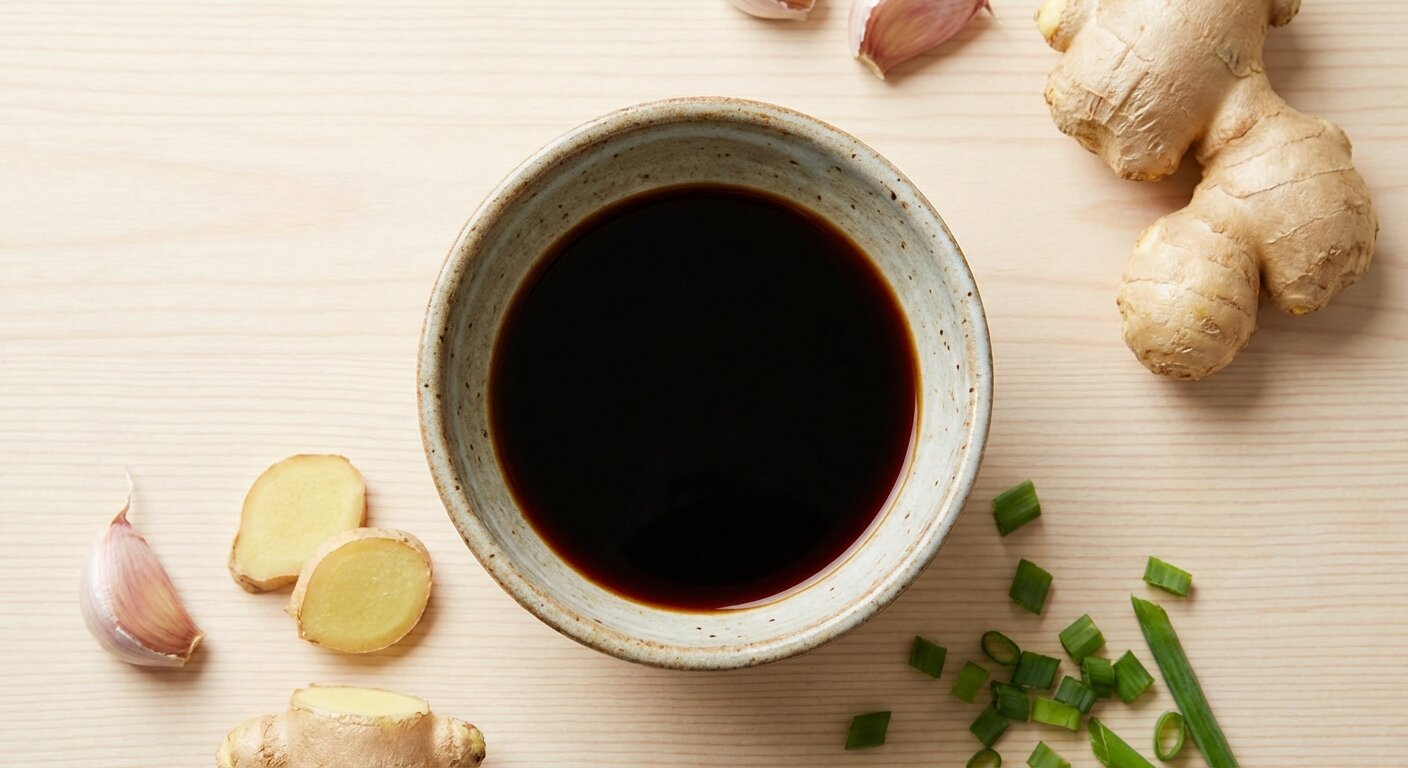
Soy sauce is one of the most popular condiments in global cuisine, adding umami depth and savory complexity to everything from stir-fries to sushi. But if you’re tracking macros, you might be wondering: does soy sauce fit into your daily targets? How much sodium are you really consuming? And what’s the difference between all those varieties on the shelf?
This comprehensive guide breaks down soy sauce nutrition, compares regular vs. low-sodium options, explores alternatives like tamari and coconut aminos, and shows you exactly how to incorporate soy sauce into your macro-friendly diet without derailing your health goals.
Ready to master soy sauce macros? Let’s dive in. And if you want personalized macro targets for your specific goals, try our free macro calculator to get started.
Related: Learn more about what macros are and how they impact your diet.
Soy Sauce Macros: Nutrition Breakdown
Understanding what’s actually in soy sauce helps you make informed choices about flavoring your meals without accidentally consuming excessive sodium or hidden calories.
Standard Soy Sauce (1 Tablespoon / 15ml)
Here’s the complete nutritional profile of regular soy sauce:
- Calories: 8-10
- Protein: 1g
- Carbohydrates: 1g
- Fiber: 0g
- Sugars: 0g
- Fat: 0g
- Sodium: 900-1,000mg (38-42% of Daily Value)
Key takeaway: Soy sauce is virtually macro-free from a calorie perspective, but it’s extraordinarily high in sodium—nearly half your daily recommended intake in just one tablespoon.
Low-Sodium Soy Sauce (1 Tablespoon / 15ml)
Low-sodium varieties offer a more balanced option:
- Calories: 10
- Protein: 1g
- Carbohydrates: 1g
- Fat: 0g
- Sodium: 500-600mg (21-25% of Daily Value)
Key takeaway: Low-sodium soy sauce cuts sodium by 40-50% while maintaining similar flavor intensity and identical macro profiles. It’s the best choice for most people tracking macros.
Tamari (1 Tablespoon / 15ml)
Tamari is a Japanese-style soy sauce that’s typically wheat-free:
- Calories: 11
- Protein: 2g
- Carbohydrates: 1g
- Fat: 0g
- Sodium: 980mg (41% of Daily Value)
Key takeaway: Tamari provides slightly more protein than regular soy sauce with comparable sodium levels. It’s an excellent gluten-free alternative with richer, more complex umami flavor.
Coconut Aminos (1 Tablespoon / 15ml)
Coconut aminos is a soy-free, lower-sodium alternative:
- Calories: 5
- Protein: 0g
- Carbohydrates: 1g
- Fat: 0g
- Sodium: 90-130mg (4-5% of Daily Value)
Key takeaway: Coconut aminos offers dramatically lower sodium (85-90% less than soy sauce) with slightly sweeter flavor. It’s ideal for very low-sodium diets or soy allergies, though it costs significantly more.
Sodium in Soy Sauce: What You Need to Know
Sodium is the elephant in the room when it comes to soy sauce nutrition. One tablespoon of regular soy sauce delivers nearly 1,000mg of sodium—that’s 38-42% of the recommended daily limit (2,300mg for most adults, 1,500mg for those with hypertension).
Why Is Soy Sauce So High in Sodium?
Soy sauce is traditionally made through fermentation of soybeans and wheat with salt. The high salt concentration serves three purposes:
- Preservation - Salt inhibits bacterial growth during the months-long fermentation process
- Flavor development - Salt enhances the umami compounds created during fermentation
- Consistency - Salt helps maintain the sauce’s liquid consistency and shelf stability
The fermentation process requires substantial salt, making sodium reduction challenging without compromising flavor and traditional production methods.
Health Implications of High Sodium Intake
Excessive sodium consumption is linked to several health concerns:
- High blood pressure - Sodium causes water retention, increasing blood volume and pressure on artery walls
- Heart disease risk - Chronic high blood pressure damages arteries and strains the heart
- Kidney stress - Kidneys must work harder to filter and excrete excess sodium
- Fluid retention - Can cause bloating and temporary weight gain on the scale
- Bone health - Very high sodium intake may increase calcium excretion
Most Americans consume 3,400mg+ of sodium daily—nearly 50% more than recommended limits. Adding soy sauce to already sodium-rich diets can push intake even higher.
How to Enjoy Soy Sauce While Managing Sodium
You don’t need to eliminate soy sauce entirely. These strategies help you enjoy the flavor while controlling sodium:
- Switch to low-sodium soy sauce - Cuts sodium by 40-50% with minimal flavor compromise
- Use smaller amounts - Measure with a teaspoon instead of pouring freely
- Dilute with water or broth - Extend volume while reducing concentration
- Reserve for high-impact uses - Use as a finishing sauce rather than cooking ingredient
- Balance with low-sodium meals - If you use soy sauce at dinner, keep breakfast and lunch very low in sodium
- Try coconut aminos - 85-90% less sodium, though sweeter flavor profile
- Season with other umami sources - Mushrooms, tomato paste, nutritional yeast, miso (also high sodium but used more sparingly)
Remember that sodium tolerance varies by individual. Athletes who sweat heavily, people in hot climates, and those without hypertension may tolerate higher sodium intakes better than sedentary individuals or those with existing blood pressure concerns.
Soy Sauce Varieties: Which Should You Choose?
Walking down the Asian condiment aisle reveals dozens of soy sauce varieties. Here’s how they differ nutritionally and when to use each.
Light Soy Sauce (Regular Soy Sauce)
Characteristics:
- Thin, flowing consistency
- Salty, sharp flavor
- Light amber color
- Standard for most cooking
Nutrition: 10 calories, 1g protein, 1g carbs, 900-1,000mg sodium per tablespoon
Best for: Marinades, stir-fries, dipping sauces, everyday cooking
Dark Soy Sauce
Characteristics:
- Thicker, syrupy consistency
- Slightly sweet with less salty bite
- Deep brown color from added molasses or caramel
- Used for color and glaze
Nutrition: 10-12 calories, 1g protein, 1-2g carbs (slightly more sugar), 800-900mg sodium per tablespoon
Best for: Braised dishes, glazes, adding color to fried rice, visual appeal
Note: Dark soy sauce contains slightly less sodium than light soy sauce but adds minimal sugar from molasses. Nutritionally very similar to light soy sauce.
Tamari
Characteristics:
- Traditional Japanese sauce
- Typically wheat-free (gluten-free)
- Richer, smoother, more balanced flavor
- Less sharp and salty-tasting despite similar sodium
Nutrition: 11 calories, 2g protein, 1g carbs, 980mg sodium per tablespoon
Best for: Gluten-free diets, dipping sauces, dishes where you want deeper umami without harsh saltiness, sushi and sashimi
Why choose tamari? If you have celiac disease or gluten sensitivity, tamari is essential. Even without gluten concerns, many prefer tamari’s more nuanced flavor profile for finishing dishes and dipping sauces.
Low-Sodium Soy Sauce
Characteristics:
- Similar flavor to regular soy sauce
- 40-50% less sodium
- Slightly thinner consistency
- May have less intense umami depth
Nutrition: 10 calories, 1g protein, 1g carbs, 500-600mg sodium per tablespoon
Best for: Anyone watching sodium intake, those with hypertension, people who use soy sauce liberally
Real talk: Low-sodium soy sauce is the best default choice for most people. You sacrifice minimal flavor while dramatically reducing sodium intake, especially if you’re heavy-handed with sauces.
Coconut Aminos
Characteristics:
- Made from fermented coconut sap
- Soy-free, gluten-free, no wheat
- Naturally sweeter, less salty
- Thinner consistency
Nutrition: 5 calories, 0g protein, 1g carbs, 90-130mg sodium per tablespoon
Best for: Very low-sodium diets, soy allergies, paleo diets, people who prefer sweeter flavor profiles
Trade-offs: Coconut aminos costs 3-5x more than regular soy sauce and tastes noticeably sweeter with less complex umami. It’s a compromise rather than a perfect substitute, but it’s the only option for those avoiding soy entirely.
Gluten-Free Soy Sauce
Characteristics:
- Made from soybeans without wheat
- Often labeled as “gluten-free soy sauce” or tamari
- Nutritionally identical to regular soy sauce
- Suitable for celiac disease
Nutrition: Same as regular soy sauce or tamari depending on brand
Best for: Celiac disease, gluten sensitivity, maintaining authentic soy sauce flavor without wheat
Important: Not all tamari is automatically gluten-free. Some brands add wheat during processing. Always check labels if you have celiac disease.
Soy Sauce and Macros: Practical Usage
When you’re tracking macros, soy sauce is essentially a “free” condiment from a calorie and macro perspective—but that sodium content demands attention.
Fitting Soy Sauce Into Your Daily Macros
Calories: With only 8-11 calories per tablespoon, soy sauce won’t impact your calorie budget meaningfully. Even if you use 3-4 tablespoons throughout the day, that’s only 30-40 calories—negligible in most diets.
Protein: The 1-2g protein per tablespoon is too minimal to count toward your daily protein targets. Don’t rely on soy sauce for protein.
Carbohydrates: With 1g carbs per tablespoon, soy sauce contributes virtually nothing to your carb intake. This makes it excellent for low-carb and ketogenic diets.
Fats: Soy sauce contains zero fat, making it compatible with low-fat diets and adding no impact to fat-conscious macro plans.
The real consideration: Sodium. Track sodium alongside your macros if you have hypertension, kidney concerns, or simply want to optimize health. Most macro tracking apps include sodium tracking.
How Much Soy Sauce Can You Use Per Day?
This depends on your total daily sodium intake and health status:
For healthy adults (2,300mg sodium limit):
- 1 tablespoon regular soy sauce = 900-1,000mg (39-43% of daily limit)
- 2 tablespoons regular soy sauce = 1,800-2,000mg (78-87% of daily limit)
- 3 tablespoons regular soy sauce = Exceeds recommended daily limit
For those with hypertension (1,500mg sodium limit):
- 1 tablespoon regular soy sauce = 60-67% of daily limit
- 2 tablespoons regular soy sauce = Exceeds daily limit
For low-sodium soy sauce:
- You can use roughly double the amount while staying within the same sodium targets
Practical recommendation: For most people, 1-2 tablespoons of low-sodium soy sauce daily fits comfortably within sodium guidelines while adding substantial flavor to meals. Athletes and heavy sweaters can go higher; those with blood pressure concerns should stay at the lower end.
Soy Sauce in Meal Prep and Batch Cooking
When preparing multiple servings, calculate sodium per serving to avoid accidentally consuming a day’s worth of sodium in one meal:
Example: Chicken Stir-Fry for 4 Servings
- Recipe calls for 1/4 cup (4 tablespoons) regular soy sauce
- Total sodium: 3,600-4,000mg
- Per serving: 900-1,000mg sodium (39-43% of daily limit)
By switching to low-sodium soy sauce:
- Total sodium: 2,000-2,400mg
- Per serving: 500-600mg sodium (22-26% of daily limit)
Meal prep tip: Reduce soy sauce in cooking by half, then offer extra soy sauce at serving time. This lets individuals control their sodium intake while preventing oversalted batch meals.
Soy Sauce vs. Alternatives: Nutritional Comparison
How does soy sauce stack up against other common condiments and flavor enhancers?
Soy Sauce vs. Worcestershire Sauce
Worcestershire (1 tablespoon):
- Calories: 13
- Protein: 0g
- Carbs: 3g
- Sodium: 167mg
Winner: Worcestershire sauce has 83% less sodium but adds more carbs and lacks the clean umami of soy sauce. Use for specific flavor profiles rather than as a soy sauce substitute.
Soy Sauce vs. Fish Sauce
Fish sauce (1 tablespoon):
- Calories: 6
- Protein: 1g
- Carbs: 1g
- Sodium: 1,300-1,500mg
Winner: Fish sauce is even higher in sodium than soy sauce with similar macros. Use sparingly in Southeast Asian dishes where its unique flavor is essential, but it’s not a lower-sodium alternative.
Soy Sauce vs. Teriyaki Sauce
Teriyaki sauce (1 tablespoon):
- Calories: 15-20
- Protein: 1g
- Carbs: 3-4g (mostly from added sugar)
- Sodium: 630mg
Winner: Teriyaki contains less sodium but significantly more sugar and calories. Choose teriyaki for sweet-savory flavor but recognize it’s not a direct soy sauce substitute.
Soy Sauce vs. Hoisin Sauce
Hoisin sauce (1 tablespoon):
- Calories: 35
- Protein: 1g
- Carbs: 7g (mostly from sugar)
- Sodium: 258mg
Winner: Hoisin has the lowest sodium but highest calories and sugar. It’s a completely different flavor profile—sweet, thick, and rich rather than salty and umami-forward.
Soy Sauce vs. Coconut Aminos
Coconut aminos (1 tablespoon):
- Calories: 5
- Protein: 0g
- Carbs: 1g
- Sodium: 90-130mg
Winner: Coconut aminos dramatically reduces sodium (85-90% less) with minimal calorie impact. Trade-off is sweeter flavor and higher cost. Best low-sodium alternative that works in most soy sauce applications.
Health Benefits and Concerns of Soy Sauce
Beyond macros and sodium, what else should you know about soy sauce’s health effects?
Potential Health Benefits
1. Antioxidant compounds Fermented soy sauce contains antioxidants formed during fermentation, including phenolic compounds that may reduce oxidative stress.
2. Digestive enzymes Traditional brewing produces enzymes that may aid digestion, though most are denatured during pasteurization in commercial products.
3. Probiotic potential Some naturally brewed soy sauces contain beneficial bacteria from fermentation, though most commercial brands are pasteurized (killing probiotics).
4. Umami satisfaction The glutamates in soy sauce trigger umami taste receptors, potentially increasing meal satisfaction and reducing the need for added fats or sugars for flavor.
5. Minimal calories for maximum flavor Soy sauce allows you to create intensely flavorful low-calorie meals, supporting adherence to calorie-controlled diets.
Health Concerns and Considerations
1. Extremely high sodium The dominant health concern. Excessive sodium intake increases blood pressure, cardiovascular disease risk, and kidney stress in susceptible individuals.
2. Gluten content Traditional soy sauce contains wheat, making it unsuitable for celiac disease or gluten sensitivity unless you choose tamari or gluten-free varieties.
3. Soy allergies Obviously unsuitable for those with soy allergies. Coconut aminos provide a soy-free alternative.
4. Tyramine content Fermented foods like soy sauce contain tyramine, which can trigger migraines in sensitive individuals and may interact with certain medications (MAO inhibitors).
5. MSG concerns Soy sauce naturally contains glutamates (similar to MSG). While MSG is generally recognized as safe, some individuals report sensitivity. If you react to MSG, you may also react to soy sauce.
6. Quality variations “Chemically hydrolyzed” soy sauce is made rapidly using acid hydrolysis rather than traditional fermentation, producing inferior flavor and potentially harmful compounds. Choose naturally brewed soy sauce when possible.
Who Should Limit or Avoid Soy Sauce?
Consider restricting soy sauce if you have:
- Hypertension - High sodium exacerbates high blood pressure
- Kidney disease - Impaired sodium excretion makes high-sodium foods dangerous
- Heart failure - Sodium causes fluid retention that stresses the heart
- Celiac disease - Unless using certified gluten-free tamari
- Soy allergy - Any soy-containing product must be avoided
- Migraine triggers - Tyramine in fermented foods may trigger headaches
- Severe sodium restriction - Some medical conditions require <1,500mg sodium daily
How to Use Soy Sauce in Macro-Friendly Cooking
Maximize flavor while controlling sodium and keeping meals macro-aligned with these techniques:
1. Use Soy Sauce as a Finishing Sauce
Add soy sauce at the end of cooking rather than during. This preserves the bright, fresh umami flavor and allows you to use less since it’s not reduced during cooking.
Example: Add 1 tablespoon soy sauce to stir-fry in the final 30 seconds rather than cooking vegetables in 2-3 tablespoons from the start.
2. Create Custom Soy Sauce Blends
Dilute soy sauce with complementary liquids to reduce sodium concentration while maintaining volume:
- Soy sauce + rice vinegar (1:1) - Tangy, bright dipping sauce
- Soy sauce + lime juice + water (1:1:1) - Light, citrusy marinade
- Soy sauce + chicken broth (1:2) - Savory cooking liquid with less sodium
3. Combine with Acid for Impact
Acidic ingredients amplify perceived saltiness, allowing you to use less soy sauce:
- Lemon or lime juice
- Rice vinegar or apple cider vinegar
- Tomato (naturally acidic)
Example dipping sauce: 1 tsp soy sauce + 1 tbsp rice vinegar + 1 tsp sesame oil = full flavor with only 300mg sodium instead of 900mg from 1 tbsp soy sauce alone.
4. Pair with Umami-Rich Foods
Combine soy sauce with other umami sources to create depth without excessive sodium:
- Mushrooms (especially shiitake)
- Tomato paste
- Miso paste (use sparingly—also high sodium)
- Nutritional yeast
- Parmesan cheese (also high sodium)
These combinations create layered umami that tastes more complex than soy sauce alone, letting you reduce soy sauce quantity.
5. Spray Rather Than Pour
Transfer low-sodium soy sauce to a spray bottle. Each spray delivers approximately 0.5ml (1/30 of a tablespoon), giving you precise control over sodium intake.
Practical benefit: 5-6 sprays across a plate of food adds flavor impact without the 900mg sodium bomb of a full tablespoon.
6. Pre-Portion Marinades
When marinating proteins, use measured amounts and recognize that meat absorbs only 15-25% of marinade sodium. Don’t consume leftover marinade.
Smart marinade formula:
- 1/4 cup low-sodium soy sauce (2,000-2,400mg sodium total)
- 2 tablespoons rice vinegar
- 1 tablespoon sesame oil
- 1 inch ginger, grated
- 2 cloves garlic, minced
Marinade for 4 chicken breasts. Each breast absorbs approximately 100-150mg sodium—far less than if you’d coated it with a tablespoon of soy sauce (900-1,000mg).
7. Balance Sodium Across Your Day
If you plan to enjoy soy-sauce-heavy Asian cuisine for dinner, keep your other meals very low in sodium:
Low-sodium breakfast: Oatmeal with berries and nuts (30mg sodium) Low-sodium lunch: Grilled chicken salad with olive oil and lemon (200mg sodium) Soy-sauce dinner: Stir-fry with 2 tablespoons low-sodium soy sauce (1,000-1,200mg sodium)
Total daily sodium: ~1,400mg—well within the 2,300mg daily limit.
Soy Sauce Storage and Shelf Life
Proper storage maximizes flavor and prevents spoilage:
Unopened Soy Sauce
Store in a cool, dark pantry. Unopened soy sauce lasts 2-3 years past the printed date due to high salt content acting as preservative.
Opened Soy Sauce
Best practice: Refrigerate after opening to preserve freshness and prevent flavor degradation.
- Refrigerated: 2-3 years (flavor remains optimal for 6-12 months)
- Room temperature: 6-12 months (quality declines faster)
Signs of spoilage:
- Off odor (sour, fermented beyond normal soy sauce smell)
- Mold growth (rare due to high salt but possible if contaminated)
- Significant color change (darkening is normal; pale or unusual colors suggest problems)
- Altered taste (if it tastes wrong, trust your instincts)
Note: Soy sauce rarely spoils in a dangerous way due to high salt content, but quality degrades over time. Old soy sauce may taste dull, overly salty, or one-dimensional compared to fresh bottles.
Frequently Asked Questions
How many calories are in soy sauce?
Regular soy sauce contains approximately 8-10 calories per tablespoon (15ml). This minimal calorie content makes soy sauce an excellent low-calorie flavoring option for most dishes. Even if you use several tablespoons throughout the day, you’re adding only 30-40 calories—negligible in most diet plans.
For comparison, other common condiments pack far more calories: ketchup has 15-20 calories per tablespoon, mayonnaise contains 90-100 calories, and teriyaki sauce delivers 15-20 calories with added sugar.
The calorie content comes primarily from trace amounts of protein (1g) and carbohydrates (1g), which are products of the fermentation process. There’s virtually no fat in soy sauce, keeping it extremely lean from a macro perspective.
Is soy sauce high in sodium?
Yes, soy sauce is extremely high in sodium. Regular soy sauce contains approximately 900-1,000mg of sodium per tablespoon—that’s 38-42% of the recommended daily limit (2,300mg for most adults).
For perspective:
- 1 tablespoon regular soy sauce = nearly half your daily sodium limit
- 2 tablespoons regular soy sauce = 78-87% of your daily sodium limit
- 3 tablespoons regular soy sauce = exceeds the entire recommended daily sodium intake
The high sodium content comes from the traditional fermentation process, which requires substantial salt to preserve the sauce, inhibit harmful bacterial growth, and develop the characteristic umami flavor.
Low-sodium alternatives contain 40-50% less sodium (around 500-600mg per tablespoon), making them a better choice for most people. Coconut aminos offer an even more dramatic sodium reduction with only 90-130mg per tablespoon—85-90% less sodium than regular soy sauce.
If you have hypertension, kidney disease, or are simply watching sodium intake, low-sodium soy sauce or coconut aminos are essential swaps that maintain flavor while dramatically reducing health risks.
Does soy sauce have protein or carbs?
Soy sauce contains trace amounts of both protein and carbohydrates, but these amounts are so minimal they’re essentially negligible for macro tracking purposes.
Per tablespoon (15ml):
- Protein: 1-2g (depending on variety)
- Carbohydrates: 1g
- Fat: 0g
These small amounts come from the fermentation process. During traditional brewing, soybeans and wheat are fermented with koji mold and salt over several months. This process breaks down proteins and starches, creating the complex umami flavor while leaving only trace amounts of the original macronutrients.
Practical impact: Even if you consume 3-4 tablespoons of soy sauce in a day, you’re adding only 3-4g of protein and 3-4g of carbs—amounts that won’t meaningfully impact your macro targets. You can safely consider soy sauce “macro-free” from a practical tracking perspective.
The exception is if you’re on an extremely restrictive ketogenic diet (20g net carbs daily or less). In that case, you might choose to track even the 1g carb per tablespoon. But for most people, soy sauce’s macro impact is zero.
What’s the difference between soy sauce and tamari?
Tamari and soy sauce are similar fermented sauces with subtle but important differences:
Traditional soy sauce:
- Made from soybeans AND wheat
- Contains gluten
- Sharper, more salty-forward flavor
- Thinner consistency
- Most common variety globally
Tamari:
- Japanese-style sauce typically made from soybeans with little or no wheat
- Often (but not always) gluten-free
- Richer, smoother, more balanced flavor with deeper umami
- Slightly thicker consistency
- More expensive than standard soy sauce
Nutritionally, they’re nearly identical:
- Tamari: 11 calories, 2g protein, 1g carbs, 980mg sodium per tablespoon
- Soy sauce: 10 calories, 1g protein, 1g carbs, 900-1,000mg sodium per tablespoon
Tamari contains slightly more protein (2g vs 1g) but similar sodium levels—both are very high in salt.
When to choose tamari:
- You have celiac disease or gluten sensitivity (confirm “gluten-free” label)
- You prefer richer, less harsh flavor for dipping sauces and finishing dishes
- You’re making sushi or sashimi (tamari is traditional)
- You want slightly more complex umami depth
When regular soy sauce works fine:
- Everyday cooking and marinades
- Cost is a concern (soy sauce is cheaper)
- You don’t have gluten restrictions
- You prefer sharper, more forward saltiness
Important: Not all tamari is automatically gluten-free. Some brands add wheat during processing. If you have celiac disease, always verify the label states “gluten-free.”
Can I use soy sauce on a low-sodium diet?
Yes, but you need to be strategic. With 900-1,000mg sodium per tablespoon, regular soy sauce consumes a massive portion of your daily sodium allowance. However, these strategies let you enjoy soy sauce while staying within low-sodium guidelines:
1. Choose low-sodium soy sauce Reduced-sodium varieties contain 500-600mg per tablespoon—still high, but 40-50% less than regular. This should be your default choice.
2. Use very small amounts Measure with a teaspoon (1/3 tablespoon) rather than a tablespoon. Three teaspoons spread throughout the day equals one tablespoon total—300-350mg sodium if using low-sodium variety.
3. Dilute with low-sodium liquids Mix soy sauce 1:1 with water, rice vinegar, or low-sodium broth to extend volume while cutting sodium concentration in half.
4. Switch to coconut aminos With only 90-130mg sodium per tablespoon (85-90% less than soy sauce), coconut aminos is the lowest-sodium alternative that functions similarly. The flavor is sweeter and less umami-rich, but it’s a reasonable substitute.
5. Spray instead of pour Transfer soy sauce to a spray bottle. Each spray delivers about 0.5ml—30 times less than a full tablespoon. You get flavor impact with minimal sodium.
6. Balance across your day If you want soy-sauce-heavy Asian food for dinner, keep breakfast and lunch extremely low in sodium. This allows you to enjoy 1-2 tablespoons at dinner while staying under 1,500-2,000mg daily total.
7. Combine with other umami sources Use mushrooms, tomato paste, nutritional yeast, and other umami-rich foods alongside smaller amounts of soy sauce. This creates layered flavor without relying entirely on high-sodium soy sauce.
What about very strict low-sodium diets (<1,500mg daily)? If your doctor has prescribed very strict sodium limits due to heart failure, kidney disease, or severe hypertension, even low-sodium soy sauce may be too high. In these cases:
- Coconut aminos is your best bet (90-130mg per tablespoon)
- Use soy sauce only as an occasional “splash” rather than a primary seasoning
- Consider sodium-free seasoning blends that mimic umami (kelp granules, nutritional yeast, shiitake powder)
Does soy sauce break a fast?
No, soy sauce will not break a fast in the context of intermittent fasting. With only 8-10 calories and negligible protein, carbs, and fat per tablespoon, soy sauce is extremely unlikely to trigger an insulin response or interrupt the metabolic state of fasting.
Why soy sauce is fasting-safe:
-
Minimal calories - Most experts agree that consuming under 50 calories during a fasting window won’t disrupt autophagy or fat-burning. Soy sauce delivers only 8-10 calories per tablespoon.
-
No protein spike - The 1g protein per tablespoon won’t trigger muscle protein synthesis or interrupt the fasted state.
-
Negligible carbs - 1g carbs won’t meaningfully affect blood sugar or insulin levels in most people.
-
Zero fat - No caloric impact from fat.
Practical scenarios:
-
Black coffee with soy sauce? No, that would be weird. But soy sauce added to plain chicken breast or vegetables during your eating window is fine.
-
Soy sauce during the fasting window? Technically it won’t break your fast, but there’s no practical reason to consume soy sauce by itself. If you’re using it as seasoning on food, you’ve broken your fast by eating the food—not because of the soy sauce.
-
“Dirty fasting” approach - Some people practice “dirty fasting” where they consume small amounts of low-calorie seasonings, broths, or supplements during the fasting window. Under this approach, soy sauce is absolutely fine.
-
Strict water-only fasting - If you’re practicing strict water fasting for autophagy or metabolic benefits, technically any caloric intake “breaks” the fast. But realistically, 8-10 calories won’t meaningfully impact fasting benefits.
Bottom line: Soy sauce’s minimal caloric and macronutrient content makes it irrelevant to fasting protocols. Season your meals freely during eating windows without worrying about soy sauce disrupting your fast.
The only fasting consideration with soy sauce is sodium intake. High sodium can cause temporary water retention and scale weight increases, which might be mistaken for fat gain. But this is cosmetic and temporary—not a true interruption of fat loss or metabolic benefits.
Is dark soy sauce healthier than light soy sauce?
No, dark soy sauce is not significantly healthier than light soy sauce. They have nearly identical nutritional profiles with minimal differences:
Light soy sauce (regular soy sauce) per tablespoon:
- Calories: 10
- Protein: 1g
- Carbs: 1g
- Sodium: 900-1,000mg
Dark soy sauce per tablespoon:
- Calories: 10-12
- Protein: 1g
- Carbs: 1-2g (slightly more due to added molasses)
- Sodium: 800-900mg
Key differences:
-
Sodium - Dark soy sauce contains slightly less sodium (about 10% less), but both varieties are still very high in salt. This minor difference won’t meaningfully impact health.
-
Sugar - Dark soy sauce contains trace amounts of added sugar from molasses or caramel coloring, giving it a subtle sweetness. This adds 1-2 extra calories but negligible impact on blood sugar.
-
Flavor profile - Dark soy sauce is sweeter, thicker, and less sharp than light soy sauce. It’s used primarily for color and glazing rather than saltiness.
-
Usage patterns - You typically use LESS dark soy sauce per dish (often just 1 teaspoon for color) compared to light soy sauce (1-2 tablespoons for flavor). This means dark soy sauce might contribute less total sodium per serving in practice.
Health verdict: Choose based on flavor and cooking application, not nutrition. Both varieties are essentially equivalent nutritionally. If reducing sodium is your goal, low-sodium light soy sauce beats both regular and dark varieties by 40-50%.
When to use each:
- Light soy sauce - Everyday cooking, marinades, dipping sauces, stir-fries (primary seasoning)
- Dark soy sauce - Adding color to fried rice, braised dishes, glazes, visual appeal (secondary flavor)
Many recipes call for a combination of both: light soy sauce for saltiness and umami, dark soy sauce for color and subtle sweetness.
Can soy sauce fit into a macro diet?
Absolutely. Soy sauce is essentially macro-neutral, meaning it contributes virtually nothing to your daily protein, carb, or fat targets. This makes it one of the most macro-friendly flavor enhancers available.
Why soy sauce works perfectly for macro tracking:
-
Negligible calories - 8-10 calories per tablespoon won’t impact your calorie budget. Even aggressive usage (3-4 tablespoons daily) adds only 30-40 calories.
-
Minimal protein - 1g protein per tablespoon is too small to count toward your protein targets or interfere with hitting precise macros.
-
Trace carbs - 1g carbs per tablespoon is irrelevant for carb counting, even on low-carb or ketogenic diets.
-
Zero fat - No fat content means soy sauce doesn’t impact fat targets at all.
The only macro consideration: sodium
While soy sauce doesn’t affect traditional macros (protein/carbs/fat), the extremely high sodium content (900-1,000mg per tablespoon) deserves attention if you:
- Have high blood pressure
- Track sodium alongside macros
- Are in contest prep (sodium manipulation for water weight)
- Have kidney concerns
Practical macro-friendly usage:
-
Cutting phase - Soy sauce adds massive flavor to lean, bland proteins (chicken breast, white fish, egg whites) without adding calories. Perfect for aggressive calorie deficits.
-
Bulking phase - Use soy sauce liberally to make high-volume eating more palatable. Sodium may even support workout performance and muscle fullness.
-
Maintenance - Season freely with low-sodium soy sauce without impacting macro targets.
-
Contest prep - Sodium manipulation is common in the final week before physique competitions. During this specific time, minimize soy sauce to control water retention. Otherwise, it’s fine.
Track it or not?
Most people tracking macros don’t need to log soy sauce due to negligible macro impact. However, consider logging if:
- You’re on very strict macros (<1,200 calories daily) where every calorie matters
- You’re tracking sodium alongside traditional macros
- You use extremely large amounts (1/4 cup or more daily)
Bottom line: Soy sauce is one of the best condiments for macro-conscious eating. It delivers intense flavor and satisfaction without compromising your macro targets. Just choose low-sodium varieties if you’re health-conscious, and season your meals confidently.
Conclusion: Master Soy Sauce in Your Macro Plan
Soy sauce is a macro dieter’s dream condiment: virtually zero impact on calories, protein, carbs, or fats, with the power to transform bland meals into crave-worthy dishes. The only real consideration is sodium—and even that’s manageable with low-sodium varieties and strategic usage.
Key takeaways:
- Regular soy sauce: 10 calories, 1g protein, 1g carbs, 900-1,000mg sodium per tablespoon
- Low-sodium soy sauce: Same macros, 40-50% less sodium (best default choice)
- Tamari: Nearly identical nutrition with gluten-free option and richer flavor
- Coconut aminos: 85-90% less sodium but sweeter taste and higher cost
Action steps:
- Switch to low-sodium soy sauce for everyday cooking—you’ll barely notice the flavor difference while dramatically reducing sodium intake
- Measure instead of pouring to control sodium consumption
- Use soy sauce as a finishing touch rather than cooking ingredient to maximize flavor impact
- Balance sodium across your day if you’re enjoying soy-sauce-heavy meals
- Try coconut aminos if you have very strict sodium limits or soy allergies
Soy sauce fits seamlessly into any macro plan, whether you’re cutting, bulking, maintaining, or following specialized diets like keto, paleo, or flexible dieting. Use it freely to add flavor, satisfaction, and adherence to your nutrition goals—just be mindful of sodium if you have health concerns.
Want personalized macro targets based on your specific goals? Try our free macro calculator to get started, then season those perfectly-portioned meals with confidence.
Related Articles
Dragonfruit Macros: Complete Nutrition Guide for Pitaya
Complete macro breakdown of dragonfruit (pitaya). Learn the calories, protein, carbs, and...
Read guide →
Bulgur Macros: Complete Nutritional Guide & Health Benefits
Discover bulgur's complete macro breakdown, nutritional benefits, and how to incorporate...
Read guide →
Radish Macros: Nutrition Facts and Health Benefits
Complete guide to radish macros and nutrition. Learn calories, protein, carbs, and health...
Read guide →Note: Nutrition values are approximate and may vary based on preparation method and source.