Sprite Macros: Complete Nutrition Breakdown & Healthier Alternatives
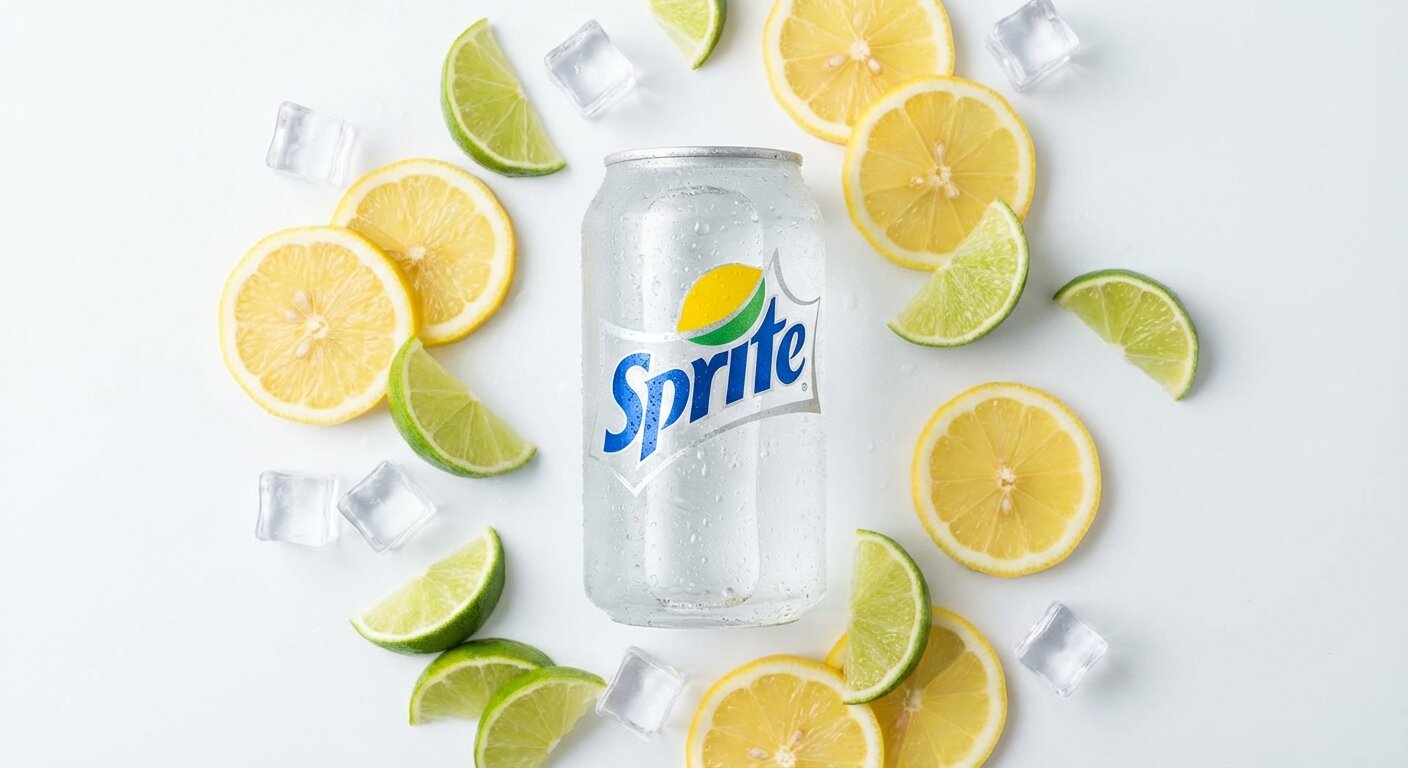
Sprite is one of the world’s most popular lemon-lime sodas, known for its crisp, refreshing taste and clear appearance. Whether you’re tracking macros for fat loss, muscle gain, or general health, understanding Sprite’s nutritional profile is essential for making informed beverage choices.
In this comprehensive guide, we’ll break down Sprite’s complete macro content across different serving sizes, compare regular Sprite to Sprite Zero and other varieties, analyze how it fits into various diet plans, and provide healthier alternatives that deliver the same refreshing citrus flavor without the sugar crash.
Want to see how Sprite fits into your daily macro targets? Use our free macro calculator to get your personalized nutrition breakdown based on your goals, activity level, and preferences.
Related: Learn more about what macros are and how they impact your diet.
Sprite Macros Overview
Standard Serving Sizes
Sprite’s macro profile varies significantly based on serving size. Here’s the complete breakdown:
12 oz Can (355ml) - Most Common Serving:
- Calories: 140
- Protein: 0g (0%)
- Carbohydrates: 38g (100%)
- Sugar: 38g
- Fiber: 0g
- Fat: 0g (0%)
- Sodium: 65mg
20 oz Bottle (591ml) - Single Serve Bottle:
- Calories: 230
- Protein: 0g (0%)
- Carbohydrates: 64g (100%)
- Sugar: 64g
- Fiber: 0g
- Fat: 0g (0%)
- Sodium: 105mg
8 oz Serving (237ml) - Restaurant Cup:
- Calories: 95
- Protein: 0g (0%)
- Carbohydrates: 26g (100%)
- Sugar: 26g
- Fiber: 0g
- Fat: 0g (0%)
- Sodium: 45mg
2 Liter Bottle (67.6 oz) - Total:
- Calories: 800
- Protein: 0g
- Carbohydrates: 216g
- Sugar: 216g
- Fat: 0g
- Sodium: 370mg
Macro Percentage Breakdown
Sprite is nutritionally one-dimensional:
- Carbohydrates: 100% (all calories come from sugar)
- Protein: 0%
- Fat: 0%
This extreme macro imbalance makes Sprite a poor nutritional choice for virtually any fitness goal. The rapid blood sugar spike from pure refined sugar provides quick energy followed by an inevitable crash, with zero satiety, protein for muscle maintenance, or healthy fats for hormone production.
Sprite Varieties: Macro Comparison
The Coca-Cola Company produces several Sprite variations with dramatically different macro profiles:
Regular Sprite (12 oz)
- Calories: 140
- Carbs: 38g
- Sugar: 38g
- Protein: 0g
- Fat: 0g
- Sweetener: High fructose corn syrup
Sprite Zero (12 oz)
- Calories: 0
- Carbs: 0g
- Sugar: 0g
- Protein: 0g
- Fat: 0g
- Sweetener: Aspartame and acesulfame potassium
Sprite Lymonade (12 oz)
- Calories: 140
- Carbs: 38g
- Sugar: 37g
- Protein: 0g
- Fat: 0g
- Sweetener: Sugar and stevia leaf extract
Sprite Tropical Mix (12 oz)
- Calories: 140
- Carbs: 38g
- Sugar: 38g
- Protein: 0g
- Fat: 0g
- Sweetener: High fructose corn syrup
Key Takeaway: Only Sprite Zero offers a zero-calorie option. All other varieties contain similar macro profiles to regular Sprite, making them equally problematic for macro tracking unless consumed in very small quantities or planned as specific treats within your daily calorie budget.
Sugar Content Analysis
Sprite’s sugar content is its most significant nutritional concern:
Daily Sugar Impact
12 oz can = 38g sugar:
- 76% of recommended daily limit (American Heart Association: 50g max for men, 25g for women)
- Women: 152% of daily limit (exceeds recommendation in a single can)
- Men: 76% of daily limit
20 oz bottle = 64g sugar:
- Men: 128% of daily limit (exceeds recommendation)
- Women: 256% of daily limit (more than double the recommendation)
Blood Sugar Response
Sprite causes rapid blood sugar fluctuations:
- 0-15 minutes: Blood glucose spikes dramatically as 38g of sugar enters bloodstream
- 15-30 minutes: Insulin surge to manage glucose
- 30-90 minutes: Blood sugar crash as insulin overcompensates
- 90-120 minutes: Energy crash, hunger, cravings for more sugar
This blood sugar rollercoaster makes Sprite particularly problematic for:
- People with diabetes or prediabetes
- Anyone trying to manage appetite and cravings
- Individuals tracking macros for fat loss
- Athletes seeking sustained energy (not short-term sugar spikes)
Sugar Comparison to Other Beverages
How Sprite’s 38g sugar per 12 oz compares:
- Coca-Cola: 39g (similar)
- Pepsi: 41g (slightly higher)
- Mountain Dew: 46g (higher)
- Red Bull: 27g (lower, but has caffeine)
- Gatorade: 21g (lower, designed for hydration)
- Orange Juice: 21g (lower, with some vitamins)
- Sweet Tea: 35g (similar, with antioxidants)
Sprite ranks in the upper tier of sugary beverages, exceeded mainly by some fruit sodas and energy drinks.
How Sprite Fits Into Different Diet Plans
Cutting (Fat Loss)
Verdict: Avoid or minimize strictly
Sprite is highly problematic for cutting:
Why it doesn’t work:
- 140 calories with zero satiety (doesn’t fill you up)
- Zero protein to preserve muscle during deficit
- Rapid blood sugar spike causes increased hunger 1-2 hours later
- No micronutrients or fiber to support health during calorie restriction
- Easy to exceed daily calories with liquid calories that don’t register as “food”
If you must include it:
- Limit to 8 oz serving (95 calories) as planned treat
- Account for it in daily macro budget
- Drink after a protein-rich meal to blunt blood sugar spike
- Consider Sprite Zero instead (0 calories, same flavor profile)
Better alternatives:
- Sprite Zero (0 cal)
- Sparkling water with fresh lemon/lime (0 cal)
- Zevia Lemon Lime (0 cal, naturally sweetened)
- Diet lemon-lime sodas (0-5 cal)
Bulking (Muscle Gain)
Verdict: Not recommended even for surplus
While bulking requires a calorie surplus, Sprite is still a poor choice:
Why it’s suboptimal:
- Zero protein to support muscle growth
- Pure sugar provides empty calories without nutrition
- Could displace nutrient-dense carbs (rice, oats, fruit)
- No vitamins, minerals, or fiber
- Doesn’t support training performance like complex carbs
If you choose to include it:
- Use only to reach calorie surplus if struggling to eat enough
- Maximum 12 oz per day
- Always pair with protein-rich meals
- Track carefully to ensure hitting protein targets (Sprite contributes zero)
Better bulking beverages:
- Whole milk (8g protein per cup)
- Chocolate milk (8g protein, better carb profile)
- Fruit smoothies with protein powder (20-30g protein)
- Fresh fruit juice diluted 50/50 with water (vitamins + natural sugars)
Maintenance
Verdict: Occasional treat only
At maintenance calories, small amounts of Sprite won’t derail progress, but it still offers no nutritional value.
Sensible approach:
- Limit to 1-2 cans per week maximum
- Track it like any other carb source
- Don’t let it displace nutrient-dense foods
- Consider Sprite Zero for frequent consumption
Athletic Performance
Verdict: Poor choice for most training
Sprite is marketed as refreshing, but it’s not ideal for athletic performance:
Why it underperforms:
- Sugar spike followed by crash (not sustained energy)
- No electrolytes for hydration (unlike sports drinks)
- Carbonation can cause bloating during activity
- No protein for recovery
When it might work:
- Immediate post-workout if glycogen depletion is severe (but fruit juice or sports drinks are better)
- During ultra-endurance events when you need quick sugar and variety (but gels and sports drinks are more effective)
Better athletic beverages:
- Gatorade/Powerade (electrolytes + carbs)
- Coconut water (natural electrolytes)
- Tart cherry juice (recovery support)
- Protein shakes (recovery)
- Plain water (hydration)
Keto
Verdict: Absolutely not
Sprite is completely incompatible with ketogenic diets:
- 38g carbs per can (keto limit is typically 20-50g per day)
- Would immediately kick you out of ketosis
- Provides only sugar, no fat or protein
Keto alternatives:
- Sprite Zero (0g carbs)
- Zevia Lemon Lime (0g carbs)
- Sparkling water with lemon/lime essential oils or extracts
- Sugar-free lemon-lime beverages
Low-Carb Diets
Verdict: Conflicts with carb budget
Most low-carb diets limit carbs to 50-150g daily. A single 12 oz Sprite consumes 25-76% of that budget with zero nutritional return.
Recommendation:
- Choose Sprite Zero or other zero-carb alternatives
- If you drink regular Sprite, account strictly for carbs
- Consider it a carb splurge item (like dessert)
Ingredients Analysis
Understanding what’s actually in Sprite helps explain its macro profile:
Regular Sprite ingredients:
- Carbonated water - Base beverage
- High fructose corn syrup - Primary sweetener (all 38g carbs)
- Citric acid - Tartness, preservative
- Natural lemon-lime flavors - Flavor compounds
- Sodium citrate - Acidity regulator
- Sodium benzoate - Preservative
Sprite Zero ingredients:
- Carbonated water - Base beverage
- Citric acid - Tartness
- Aspartame - Artificial sweetener (zero calorie)
- Potassium citrate - Acidity regulator
- Natural flavors - Lemon-lime flavor
- Potassium benzoate - Preservative
- Acesulfame potassium (ace-K) - Additional artificial sweetener
Key differences:
- Regular Sprite’s calories come entirely from high fructose corn syrup
- Sprite Zero replaces HFCS with aspartame and ace-K
- Neither variety contains vitamins, minerals, caffeine, or nutrients beyond trace sodium
Artificial Sweeteners in Sprite Zero
Sprite Zero uses two artificial sweeteners:
Aspartame:
- FDA approved since 1981
- 200x sweeter than sugar
- Breaks down into aspartic acid, phenylalanine, and methanol
- Generally recognized as safe in normal quantities
- Contraindicated for people with phenylketonuria (PKU)
Acesulfame Potassium (Ace-K):
- FDA approved since 1988
- 200x sweeter than sugar
- Not metabolized by the body
- Generally recognized as safe
Safety considerations:
- Both sweeteners are extensively studied and considered safe by FDA
- Some people report headaches or digestive issues (individual sensitivity)
- No conclusive evidence of cancer risk at normal consumption levels
- May affect gut microbiome (emerging research)
- Doesn’t spike blood sugar or insulin like regular Sprite
Healthier Alternatives to Sprite
If you love the lemon-lime flavor but want better macros:
Zero-Calorie Alternatives
1. Sprite Zero
- Macros: 0 cal, 0g carbs
- Pros: Identical flavor to regular Sprite, widely available
- Cons: Artificial sweeteners, no nutritional value
- Best for: People transitioning from regular Sprite, macro trackers
2. Zevia Lemon Lime
- Macros: 0 cal, 0g carbs
- Pros: Naturally sweetened with stevia, no artificial ingredients
- Cons: Slightly different flavor, more expensive
- Best for: People avoiding artificial sweeteners, clean eating
3. LaCroix Lemon or Lime
- Macros: 0 cal, 0g carbs
- Pros: Just carbonated water + natural flavors, no sweeteners
- Cons: Not sweet (doesn’t taste like Sprite)
- Best for: Breaking sugar addiction, hydration
4. Sparkling Water + Fresh Citrus
- Macros: 0-5 cal, 0-1g carbs
- Pros: Completely natural, customizable sweetness, vitamin C
- Cons: Requires prep, citrus costs
- Best for: Home consumption, maximum control
Low-Calorie Homemade Versions
DIY Sprite Alternative (10 calories per serving):
- 12 oz sparkling water
- Juice of 1/2 lemon
- Juice of 1/2 lime
- 1/2 tsp honey or 2-3 drops liquid stevia
- Ice
Macros: ~10 cal, 2g carbs (with honey) or 0 cal (with stevia)
Agua Fresca Style (30 calories):
- 10 oz sparkling water
- 2 oz fresh lemon-lime juice
- 1/4 tsp agave nectar
- Fresh mint
- Ice
Macros: ~30 cal, 7g carbs
Nutrient-Dense Alternatives
If you want refreshment plus nutrition:
1. Green Tea with Lemon
- Macros: 0-5 cal, 0g carbs
- Benefits: Antioxidants, minimal caffeine, metabolism support
- Flavor: Mild citrus, not as sweet
2. Coconut Water
- Macros: 45 cal, 9g carbs per 8 oz
- Benefits: Electrolytes (potassium), natural hydration
- Flavor: Subtly sweet, tropical
3. Kombucha (Lemon-Lime flavors)
- Macros: 30-50 cal, 7-12g carbs per 8 oz
- Benefits: Probiotics, gut health, organic acids
- Flavor: Tangy, slightly sweet, effervescent
Sprite and Specific Health Goals
For Diabetics
Regular Sprite: Avoid
- 38g pure sugar causes severe blood glucose spike
- No fiber to slow absorption
- Can lead to dangerous hyperglycemia
Sprite Zero: Acceptable in moderation
- Doesn’t raise blood sugar
- No insulin response
- Still no nutritional value
- Consult your healthcare provider about artificial sweeteners
For Weight Loss
Regular Sprite: Strong avoid
- Liquid calories don’t trigger satiety
- Easy to consume 500+ calories from soda without feeling full
- Sugar crashes lead to increased hunger and cravings
- Displaces nutrient-dense foods in calorie budget
Sprite Zero: Acceptable tool
- Can help satisfy sweet cravings without calories
- May reduce overall calorie intake if replacing regular soda
- Some evidence suggests artificial sweeteners may increase appetite in some people (individual response varies)
For Muscle Gain
Both versions: Suboptimal
- Zero protein content
- Regular Sprite provides empty carb calories
- Better to get surplus calories from nutrient-dense sources
- If bulking on 4,000+ calories, small amounts won’t hurt, but there are better choices
For Gut Health
Both versions: Neutral to negative
- Carbonation can cause bloating in sensitive individuals
- Sugar feeds harmful bacteria (regular Sprite)
- Artificial sweeteners may alter microbiome (Sprite Zero - emerging research)
- Acidic pH (2.5-3.0) can erode tooth enamel over time
For Athletic Performance
Regular Sprite: Poor choice
- Sugar spike doesn’t provide sustained energy
- No electrolytes for hydration
- Carbonation can cause GI distress during activity
- Better options: sports drinks, water, coconut water
Sprite Zero: Neutral
- Won’t provide energy or hydration benefits
- Won’t harm performance
- No advantage over water
Practical Tips for Sprite Consumption
If you choose to include Sprite in your diet:
Portion Control Strategies
-
Use smaller servings
- Choose 7.5 oz mini cans (90 calories) instead of 12 oz
- Pour into measured glass instead of drinking from bottle
- Split a 12 oz can with someone else
-
Dilution method
- Mix 50/50 with sparkling water to cut calories in half
- Add ice to increase volume without calories
- Gradually increase water ratio to retrain taste preferences
-
Transition strategy
- Week 1-2: Regular Sprite
- Week 3-4: 75% Sprite, 25% Sprite Zero
- Week 5-6: 50/50 mix
- Week 7-8: 25% Sprite, 75% Sprite Zero
- Week 9+: Sprite Zero or sparkling water
Timing Considerations
If you drink Sprite, timing can minimize damage:
Best times:
- With a protein and fiber-rich meal (slows sugar absorption)
- Immediately post-workout (when insulin sensitivity is highest, if refueling glycogen)
- As a planned treat within daily macro budget
Worst times:
- First thing in the morning on empty stomach (maximizes blood sugar spike)
- Between meals (promotes hunger and cravings)
- Before bed (sugar spike interferes with sleep)
- Before or during workouts (carbonation causes discomfort)
Macro Tracking Integration
When logging Sprite in your tracking app:
- Log before drinking (not after) - increases accountability
- Account for full container - if you open a 20 oz bottle, log all 230 calories even if you plan to save some
- Track as carbohydrates only - 38g carbs = 152 calories (label shows 140 due to rounding)
- Set macro minimums first - ensure you hit protein and fiber targets before allocating calories to Sprite
Frequently Asked Questions
How many calories are in a can of Sprite?
A standard 12 oz (355ml) can of Sprite contains 140 calories, all derived from carbohydrates (38g of sugar). There is zero protein and zero fat, making it a nutritionally one-dimensional beverage that provides only quick energy without satiety or nutritional value.
Larger serving sizes contain proportionally more calories: a 20 oz bottle contains 230 calories, while a 2-liter bottle contains approximately 800 calories total. An 8 oz restaurant serving contains about 95 calories.
All varieties of Sprite except Sprite Zero contain approximately the same calorie count (140 per 12 oz), whether it’s regular Sprite, Sprite Tropical Mix, or Sprite Lymonade. Only Sprite Zero offers a zero-calorie option by using artificial sweeteners (aspartame and acesulfame potassium) instead of high fructose corn syrup.
If you’re tracking macros for fat loss, muscle gain, or maintenance, these 140 calories provide no protein for muscle building, no fiber for satiety, and no micronutrients for health—making Sprite an inefficient use of your daily calorie budget in virtually all scenarios.
How much sugar is in Sprite?
A 12 oz can of Sprite contains 38 grams of sugar, which accounts for 100% of its calories. This sugar comes exclusively from high fructose corn syrup (HFCS), a refined sweetener that causes rapid blood glucose spikes followed by crashes.
To put this in perspective, 38g of sugar represents:
- 76% of the American Heart Association’s recommended daily maximum for men (50g/day)
- 152% of the recommended maximum for women (25g/day)
This means a single 12 oz can of Sprite exceeds the entire daily sugar recommendation for women and consumes more than three-quarters of the limit for men. A 20 oz bottle contains even more: 64g of sugar, which exceeds recommendations for both men and women.
The sugar in Sprite is considered “added sugar” rather than natural sugar (like that found in whole fruit), which provides no nutritional benefits, no fiber to slow absorption, and no vitamins or minerals. This type of refined sugar is strongly associated with weight gain, insulin resistance, tooth decay, and increased risk of metabolic diseases when consumed regularly.
For comparison, a medium apple contains about 19g of natural sugar (half as much as Sprite) but also provides fiber, vitamin C, and antioxidants that slow sugar absorption and support health.
Does Sprite have any protein or fat?
No, Sprite contains zero protein and zero fat. Its macro composition is 100% carbohydrates from sugar, making it one of the most nutritionally one-dimensional beverages available.
Why this matters:
Lack of protein:
- No amino acids for muscle building or repair
- No contribution to daily protein targets (typically 0.8-1.2g per pound of bodyweight for active individuals)
- Zero satiety value (protein is the most filling macronutrient)
- Provides no support for immune function, enzyme production, or hormone synthesis
Lack of fat:
- No essential fatty acids for hormone production
- No fat-soluble vitamin absorption support (vitamins A, D, E, K)
- No contribution to feelings of fullness or satisfaction
- Zero support for cell membrane health or brain function
This complete absence of protein and fat means Sprite provides only quick-burning energy from sugar without any of the macronutrients that support muscle growth, satiety, hormone health, or sustained energy. The 140 calories from Sprite will leave you just as hungry 30 minutes later as you were before drinking it.
For context, the same 140 calories could provide:
- 1.5 cups of Greek yogurt: 18g protein, promotes satiety, supports muscle
- 4 oz grilled chicken breast: 35g protein, highly satiating, nutrient-dense
- 2 tablespoons almond butter: 7g protein, 16g healthy fats, satisfying and nutritious
The lack of protein and fat in Sprite is why nutritionists and fitness professionals universally recommend minimizing or eliminating regular soda consumption for anyone serious about optimizing body composition or health.
Is Sprite Zero actually healthier than regular Sprite?
Short answer: Sprite Zero is better for macro tracking and weight management, but “healthier” is context-dependent.
For macro tracking and fat loss: Yes, significantly better
Sprite Zero contains:
- 0 calories vs. 140 in regular Sprite
- 0g carbs vs. 38g in regular Sprite
- 0g sugar vs. 38g in regular Sprite
- No blood sugar spike or crash
- No insulin response
If your primary goal is weight management, diabetes control, or macro tracking, Sprite Zero is objectively superior because it allows you to enjoy the lemon-lime flavor without consuming 140 empty calories or experiencing blood sugar fluctuations.
For overall health: Marginally better, with caveats
Sprite Zero eliminates the proven harms of excess sugar consumption (obesity, diabetes, tooth decay, inflammation), but introduces artificial sweeteners (aspartame and acesulfame potassium). Current scientific evidence suggests these sweeteners are safe in moderate amounts for most people, but ongoing research continues to explore potential effects on:
- Gut microbiome composition (some studies show artificial sweeteners may alter beneficial bacteria)
- Appetite and cravings (mixed evidence—some people experience increased sweet cravings, others don’t)
- Metabolic health (some observational studies link diet soda consumption with metabolic syndrome, but causation isn’t proven)
Individual considerations:
- For people with diabetes: Sprite Zero is clearly better (no blood sugar impact)
- For people with phenylketonuria (PKU): Sprite Zero is contraindicated (aspartame breaks down into phenylalanine)
- For people avoiding artificial ingredients: Neither is ideal; sparkling water with fresh citrus is better
- For people transitioning off regular soda: Sprite Zero is an excellent stepping stone
The healthiest option: Neither Sprite nor Sprite Zero is “healthy” in the sense of providing nutritional value. Both are nutritionally empty beverages. The truly healthiest alternatives are:
- Plain or sparkling water
- Water with fresh lemon/lime
- Unsweetened tea
- Coffee (black or with minimal additions)
Bottom line: If you’re choosing between regular Sprite and Sprite Zero, choose Sprite Zero for better macro tracking and weight management. But if you’re choosing beverages for optimal health, choose water-based options without sweeteners of any kind.
Can I drink Sprite while cutting or losing weight?
Short answer: Regular Sprite is highly counterproductive for cutting. Sprite Zero is acceptable in moderation.
Why regular Sprite sabotages fat loss:
1. Zero satiety per calorie Liquid calories don’t trigger the same satiety signals as solid food. You can drink a 12 oz Sprite (140 calories) and feel just as hungry 15 minutes later as you did before. Compare this to eating 140 calories of chicken breast (about 4 oz), which would keep you satisfied for 2-3 hours.
2. Promotes hunger and cravings The rapid blood sugar spike from 38g of pure sugar triggers an insulin surge, followed by a blood sugar crash 60-90 minutes later. This crash creates intense hunger and cravings for more sugar, making it exponentially harder to maintain a calorie deficit.
3. Displaces protein When cutting, maintaining high protein intake (0.8-1.2g per pound of bodyweight) is critical for preserving muscle mass. If you allocate 140 calories to Sprite, that’s 140 calories you can’t spend on protein-rich foods like Greek yogurt, chicken, fish, or cottage cheese.
4. Easy to underestimate Research shows people significantly underestimate calories from beverages. A single 20 oz Sprite (230 calories) consumed without tracking can single-handedly eliminate your daily 500-calorie deficit, preventing fat loss entirely.
5. No thermic effect Protein has a thermic effect of 20-30% (you burn calories digesting it). Sprite has essentially zero thermic effect, providing no metabolic advantage.
When cutting with Sprite Zero:
Sprite Zero (0 calories) can actually be a useful tool when cutting:
Pros:
- Satisfies sweet cravings without calories
- Provides variety in beverage choices
- Can help transition from regular soda
- No impact on macro targets or calorie deficit
Cons:
- May increase sweet cravings in some people (individual response varies)
- Doesn’t contribute to hydration goals like plain water
- Carbonation can cause bloating
- Artificial sweeteners may affect gut bacteria (emerging research)
Practical recommendations for cutting:
If drinking regular Sprite:
- Limit to maximum 8 oz per week as a planned treat
- Log it immediately before drinking
- Ensure you’ve hit protein targets first
- Drink it with a meal, never alone
- Consider it like you would any dessert or treat
Better approach:
- Switch to Sprite Zero if you need the flavor
- Gradually transition to sparkling water with fresh lemon/lime
- Reserve regular Sprite for true special occasions only
- Focus on water, black coffee, and unsweetened tea as primary beverages
Bottom line: Regular Sprite makes cutting significantly harder by providing empty calories, zero satiety, and triggering hunger crashes. Sprite Zero is a reasonable alternative for satisfying cravings without caloric cost, though plain water remains the gold standard for hydration during a cut.
What’s the difference between Sprite and Sprite Zero macros?
The macro difference between Sprite and Sprite Zero is stark and entirely due to the sweetener used:
Regular Sprite (12 oz):
- Calories: 140
- Protein: 0g
- Carbohydrates: 38g
- Sugar: 38g
- Fiber: 0g
- Fat: 0g
- Sweetener: High fructose corn syrup (HFCS)
Sprite Zero (12 oz):
- Calories: 0
- Protein: 0g
- Carbohydrates: 0g
- Sugar: 0g
- Fiber: 0g
- Fat: 0g
- Sweetener: Aspartame and acesulfame potassium (ace-K)
Key differences explained:
1. Calorie source
- Regular Sprite: All 140 calories come from high fructose corn syrup, a refined sugar that provides 4 calories per gram
- Sprite Zero: Artificial sweeteners provide sweetness without calories (they’re 200x sweeter than sugar, so tiny amounts are used)
2. Blood sugar impact
- Regular Sprite: Causes rapid blood glucose spike within 15-30 minutes, followed by insulin surge and potential crash
- Sprite Zero: Zero blood sugar impact, zero insulin response (safe for diabetics from a blood sugar perspective)
3. Macro tracking impact
- Regular Sprite: Consumes 38g of your daily carb budget with zero nutritional return
- Sprite Zero: Doesn’t affect your macro targets at all (0g across all macros)
4. Satiety
- Regular Sprite: Provides zero satiety despite 140 calories (liquid calories don’t trigger fullness)
- Sprite Zero: Also provides zero satiety, but doesn’t cost you calories
5. Flavor and experience
- Both taste nearly identical (most people can’t distinguish in blind taste tests)
- Sprite Zero may have a slightly different mouthfeel due to different sweetener properties
- Neither provides nutritional value beyond hydration
Which should you choose?
Choose Sprite Zero if:
- You’re tracking macros for fat loss, muscle gain, or maintenance
- You’re managing diabetes or prediabetes
- You want to reduce sugar intake
- You want the flavor without caloric cost
- You don’t have concerns about artificial sweeteners
Choose regular Sprite if:
- You’re avoiding artificial sweeteners due to personal preference or health concerns
- You have phenylketonuria (PKU) - aspartame is contraindicated
- You’re consuming it as a rare, planned treat within your macro budget
- You prefer the taste of sugar-sweetened beverages
The truly optimal choice: Neither provides nutritional value. The best beverages for health and macro tracking are:
- Plain water
- Sparkling water with fresh citrus
- Unsweetened tea or coffee
- Zevia (naturally sweetened with stevia)
If you currently drink multiple cans of regular Sprite daily, switching to Sprite Zero could eliminate 500-1,000+ calories per day, creating a significant calorie deficit that would lead to 1-2 pounds of fat loss per week without any other dietary changes.
How does Sprite compare to other sodas?
Sprite’s macro profile is similar to most sugar-sweetened sodas, though there are some notable differences:
Sprite vs. Major Cola Sodas (12 oz):
| Soda | Calories | Carbs | Sugar | Caffeine |
|---|---|---|---|---|
| Sprite | 140 | 38g | 38g | 0mg |
| Coca-Cola | 140 | 39g | 39g | 34mg |
| Pepsi | 150 | 41g | 41g | 38mg |
| Dr Pepper | 150 | 40g | 40g | 41mg |
| Mountain Dew | 170 | 46g | 46g | 54mg |
Key observations:
1. Sprite is lower-calorie than many dark sodas
- 10-30 fewer calories per 12 oz vs. Pepsi, Dr Pepper, Mountain Dew
- Similar to Coca-Cola (~140 calories)
- Still provides zero nutritional value despite slightly lower calorie count
2. Sprite has less sugar than Mountain Dew
- Mountain Dew: 46g sugar (highest among major sodas)
- Pepsi/Dr Pepper: 40-41g
- Sprite: 38g (among the lower options)
- Coca-Cola: 39g (nearly identical to Sprite)
3. Sprite is caffeine-free
- Advantage if you’re sensitive to caffeine or drinking in evening
- Disadvantage if you want stimulant effect
- Neutral for macro tracking (caffeine has zero calories)
Sprite vs. Other Clear/Citrus Sodas (12 oz):
| Soda | Calories | Carbs | Sugar |
|---|---|---|---|
| Sprite | 140 | 38g | 38g |
| 7-Up | 140 | 38g | 38g |
| Sierra Mist | 140 | 37g | 37g |
| Squirt | 140 | 38g | 38g |
| Fresca | 0 | 0g | 0g |
Sprite is virtually identical to other lemon-lime sodas like 7-Up and Sierra Mist, with negligible macro differences. Fresca is the major exception, being artificially sweetened and zero-calorie (similar to Sprite Zero).
Sprite vs. Energy Drinks (12 oz):
| Beverage | Calories | Carbs | Sugar | Caffeine |
|---|---|---|---|---|
| Sprite | 140 | 38g | 38g | 0mg |
| Red Bull | 110 | 27g | 27g | 80mg |
| Monster | 110 | 27g | 27g | 86mg |
| Rockstar | 122 | 31g | 31g | 80mg |
Energy drinks generally contain less sugar than Sprite (27-31g vs. 38g) but add significant caffeine. They often include B-vitamins and taurine, though the health benefits are debatable.
Sprite vs. Fruit Sodas (12 oz):
| Soda | Calories | Carbs | Sugar |
|---|---|---|---|
| Sprite | 140 | 38g | 38g |
| Orange Fanta | 160 | 44g | 44g |
| Grape Fanta | 180 | 49g | 49g |
| Sunkist Orange | 190 | 52g | 51g |
Fruit-flavored sodas tend to be higher in sugar and calories than Sprite, despite containing no actual fruit juice in most cases.
Sprite vs. “Natural” Sodas (12 oz):
| Soda | Calories | Carbs | Sugar | Sweetener |
|---|---|---|---|---|
| Sprite | 140 | 38g | 38g | HFCS |
| Zevia Lemon Lime | 0 | 0g | 0g | Stevia |
| Blue Sky Lemon Lime | 140 | 37g | 37g | Cane sugar |
| Virgil’s Lemon Lime | 150 | 37g | 37g | Cane sugar |
Natural sodas made with cane sugar instead of HFCS have similar macro profiles to Sprite—your body processes both types of sugar nearly identically. Zevia, sweetened with stevia, is zero-calorie and a better option for macro tracking.
Sprite vs. Juices (12 oz):
| Beverage | Calories | Carbs | Sugar | Vitamins |
|---|---|---|---|---|
| Sprite | 140 | 38g | 38g | None |
| Orange Juice | 165 | 39g | 33g | Vitamin C, folate |
| Apple Juice | 175 | 43g | 42g | Some vitamin C |
| Lemonade | 150 | 40g | 38g | Some vitamin C |
While juices contain similar or higher sugar than Sprite, they provide some vitamins and minerals. However, whole fruit is vastly superior to both juice and soda due to fiber content.
Bottom line: Sprite ranks in the middle of the soda spectrum—lower in calories and sugar than Mountain Dew and fruit sodas, similar to Coca-Cola, and higher than most energy drinks. However, from a macro tracking and health perspective, all sugar-sweetened sodas are nutritionally equivalent: empty calories with zero satiety or nutritional value. The 10-20 calorie differences between brands are negligible compared to the bigger issue of consuming 140+ calories of pure sugar.
If you’re serious about optimizing your macros, the comparison shouldn’t be “which soda is best?” but rather “should I drink soda at all?” The answer for most fitness goals is no, or at least very rarely.
What are the best alternatives to Sprite for macro tracking?
If you’re tracking macros seriously and want the refreshing lemon-lime flavor without the calorie and sugar cost, here are the best Sprite alternatives ranked by effectiveness:
Tier 1: Zero-Calorie Swaps (Best for Macro Tracking)
1. Sprite Zero
- Macros: 0 cal, 0g carbs, 0g sugar
- Pros: Identical taste to regular Sprite, universally available, zero macro impact
- Cons: Contains artificial sweeteners (aspartame, ace-K)
- Best for: Direct replacement for Sprite with zero learning curve
- Cost: $3-5 for 12-pack ($0.25-0.42/can)
2. Zevia Lemon Lime
- Macros: 0 cal, 0g carbs, 0g sugar
- Pros: Naturally sweetened with stevia, no artificial ingredients, clean label
- Cons: Slightly different flavor profile, stevia aftertaste, more expensive
- Best for: People avoiding artificial sweeteners
- Cost: $5-7 for 6-pack ($0.83-1.17/can)
3. LaCroix Lemon or Lime
- Macros: 0 cal, 0g carbs, 0g sugar
- Pros: Just carbonated water + natural essences, no sweeteners at all
- Cons: Not sweet (doesn’t replicate Sprite’s flavor)
- Best for: Breaking sugar/sweetener addiction, pure hydration
- Cost: $4-6 for 8-pack ($0.50-0.75/can)
4. Sparkling Water + Fresh Citrus
- Macros: 0-5 cal, 0-1g carbs
- Pros: Completely natural, customizable, vitamin C from fresh fruit
- Cons: Requires prep, fresh fruit cost, less convenient
- Best for: Home consumption, maximum control
- Recipe: 12 oz sparkling water + juice of ½ lemon + ½ lime + optional 2-3 drops liquid stevia
Tier 2: Low-Calorie Homemade Options (10-50 calories)
5. Homemade Lemon-Lime Soda
- Macros: 10-30 cal, 2-7g carbs (depending on sweetener)
- Recipe: 12 oz sparkling water + 1 oz fresh lemon-lime juice + ½-1 tsp honey or 3 drops stevia
- Pros: Fresh flavor, controls sugar content, natural ingredients
- Cons: Requires prep, not as sweet as Sprite
- Best for: Transitioning from regular Sprite to unsweetened options
6. Diluted Sprite (50/50 Method)
- Macros: 70 cal, 19g carbs, 19g sugar (half of regular)
- Recipe: 6 oz Sprite + 6 oz sparkling water + ice
- Pros: Reduces calories/sugar by 50%, easy transition strategy
- Cons: Still contains sugar, not as flavorful
- Best for: Gradual weaning off full-sugar Sprite
Tier 3: Nutrient-Dense Alternatives (Different Flavor Profile)
7. Kombucha (Lemon-Lime Flavors)
- Macros: 30-50 cal, 7-12g carbs per 8 oz
- Pros: Probiotics for gut health, some nutrients, naturally effervescent
- Cons: Acquired taste, more expensive, lower volume
- Best for: Adding functional benefits beyond just flavor
- Brands: GT’s, Health-Ade, Brew Dr.
8. Green Tea with Lemon (Iced)
- Macros: 0-5 cal, 0-1g carbs (unsweetened)
- Pros: Antioxidants, mild caffeine, metabolism support, vitamin C
- Cons: Not sweet, requires brewing, different flavor entirely
- Best for: Replacing sodas with functional beverages
9. Coconut Water with Lime
- Macros: 45 cal, 9g carbs per 8 oz
- Pros: Natural electrolytes (potassium), hydrating, nutritious
- Cons: Not carbonated, tropical flavor, higher calories than zero-cal options
- Best for: Post-workout hydration with natural sweetness
Tier 4: Other Zero-Cal Diet Sodas
10. Generic Diet Lemon-Lime Sodas
- Macros: 0 cal, 0g carbs
- Brands: Store-brand diet sodas (Walmart, Target, Kroger)
- Pros: Cheapest option, identical function to Sprite Zero
- Cons: May taste slightly different, artificial sweeteners
- Cost: $2-3 for 12-pack ($0.17-0.25/can)
Transition Strategy for Macro Tracking:
If you currently drink 3+ cans of regular Sprite daily (420+ calories), use this 4-week transition plan:
Week 1-2: Mix 75% Sprite + 25% Sprite Zero
- Reduces to ~105 cal/can
- Saves ~105 calories daily
Week 3-4: Mix 50% Sprite + 50% Sprite Zero
- Reduces to ~70 cal/can
- Saves ~210 calories daily
Week 5-6: Mix 25% Sprite + 75% Sprite Zero
- Reduces to ~35 cal/can
- Saves ~315 calories daily
Week 7+: 100% Sprite Zero or sparkling water alternatives
- Reduces to 0 cal
- Saves 420 calories daily (potential 0.8 lb/week fat loss from this change alone)
Macro Tracking Impact Comparison:
Switching from 2 cans of Sprite daily to alternatives:
| Daily Drink | Calories Saved | Carbs Saved | Weekly Impact | Yearly Impact |
|---|---|---|---|---|
| Sprite Zero | 280 cal | 76g | 0.6 lb | 29 lbs |
| Zevia | 280 cal | 76g | 0.6 lb | 29 lbs |
| LaCroix | 280 cal | 76g | 0.6 lb | 29 lbs |
| Homemade (stevia) | 280 cal | 76g | 0.6 lb | 29 lbs |
| 50/50 Dilution | 140 cal | 38g | 0.3 lb | 15 lbs |
Bottom line: The best Sprite alternative depends on your priorities:
- Best flavor match: Sprite Zero
- Most natural: Sparkling water with fresh lemon/lime
- Best middle ground: Zevia (stevia-sweetened)
- Best for transitioning: 50/50 Sprite/Sprite Zero mix, gradually increasing the ratio
- Best for function: Kombucha (adds probiotics) or green tea (adds antioxidants)
All zero-calorie options are superior to regular Sprite for macro tracking purposes. The specific choice comes down to taste preference, ingredient concerns, and budget.
Conclusion
Sprite’s macro profile is simple but problematic: 140 calories and 38g of sugar per 12 oz can, with zero protein, zero fat, and zero nutritional value. This extreme macro imbalance makes it a poor choice for virtually any fitness goal, whether you’re cutting, bulking, maintaining, or optimizing athletic performance.
Key takeaways:
- Regular Sprite is nutritionally empty - All 140 calories come from refined sugar with no protein, fiber, vitamins, or minerals to support health or satiety
- Blood sugar rollercoaster - The 38g sugar spike creates energy crashes and increased hunger within 60-90 minutes
- Sprite Zero is vastly superior for macro tracking - Zero calories, zero carbs, same flavor profile (artificial sweeteners are generally recognized as safe)
- Liquid calories don’t satisfy - You can drink 280 calories of Sprite and feel just as hungry as before, making it easy to accidentally overconsume
- Better alternatives exist - Sparkling water with fresh citrus, Zevia, or Sprite Zero provide refreshment without the macro cost
Action steps:
If you currently drink Sprite regularly:
- Immediate: Switch to Sprite Zero or begin a gradual transition using the 50/50 dilution method
- Short-term: Explore natural alternatives like Zevia or sparkling water with fresh lemon/lime
- Long-term: Retrain your taste preferences toward unsweetened beverages (plain water, sparkling water, unsweetened tea)
If you drink Sprite occasionally:
- Track it strictly in your macro app before consuming
- Ensure you’ve hit protein targets first
- Limit to small servings (8 oz max)
- Drink with meals, never on an empty stomach
If you’re serious about optimizing body composition, health, or athletic performance, regular Sprite consumption should be minimized or eliminated entirely. The 140 calories and 38g of sugar provide zero support for your goals and actively work against fat loss, muscle preservation, and metabolic health.
Want personalized macro targets that account for your goals, activity level, and food preferences? Use our free macro calculator to get your customized nutrition breakdown and start making informed choices about every calorie, including whether there’s room for occasional treats like Sprite in your diet.
For more guidance on optimizing your nutrition:
- Macro Tracking for Beginners - Complete guide to tracking apps and strategies
- High Protein Foods - Nutrient-dense alternatives to empty calories
- Coca-Cola Macros - Similar soda breakdown for comparison
- Pepsi Macros - Another major soda comparison
- Best Macro Ratio for Fat Loss - Optimize your macro split for cutting
The bottom line: Sprite tastes refreshing, but it provides zero nutritional value and can actively sabotage your macro goals. Choose Sprite Zero or sparkling water alternatives for the same refreshment without the calorie and sugar cost.
Related Articles
Dragonfruit Macros: Complete Nutrition Guide for Pitaya
Complete macro breakdown of dragonfruit (pitaya). Learn the calories, protein, carbs, and...
Read guide →
Bulgur Macros: Complete Nutritional Guide & Health Benefits
Discover bulgur's complete macro breakdown, nutritional benefits, and how to incorporate...
Read guide →
Radish Macros: Nutrition Facts and Health Benefits
Complete guide to radish macros and nutrition. Learn calories, protein, carbs, and health...
Read guide →Note: Nutrition values are approximate and may vary based on preparation method and source.