Sunflower Seeds Macros: Complete Nutritional Breakdown & Health Benefits
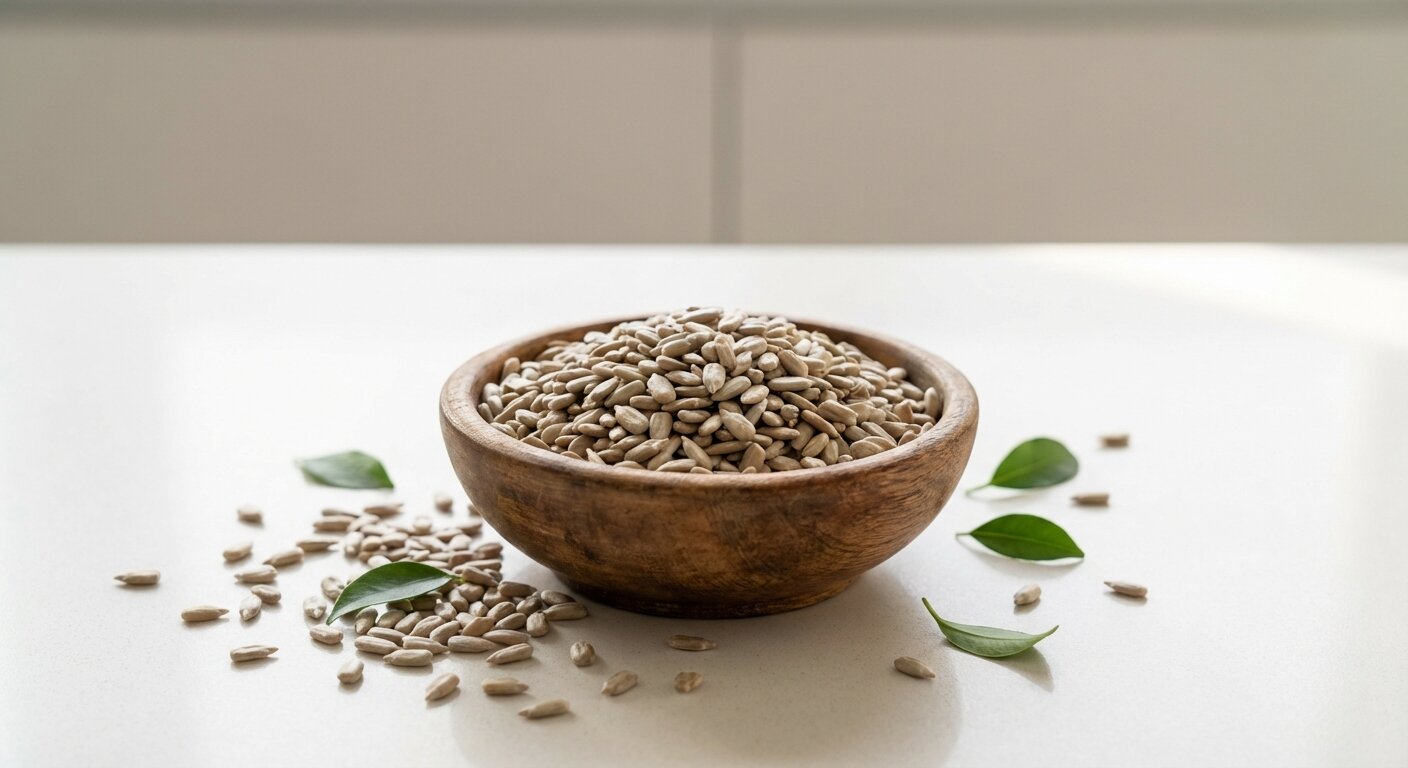
Sunflower seeds are one of nature’s most nutrient-dense snacks, packed with protein, healthy fats, and essential vitamins and minerals. Whether you’re tracking macros for athletic performance, weight management, or general health, understanding the complete nutritional profile of sunflower seeds can help you make informed dietary choices.
These tiny powerhouses have been cultivated for thousands of years and today stand out as one of the most popular seeds worldwide. But how do sunflower seeds fit into your macro targets? Let’s break down the complete nutritional profile, explore different preparation methods, and help you determine the perfect portion size for your goals.
Ready to calculate how sunflower seeds fit into your personalized nutrition plan? Use our free macro calculator to get your exact daily protein, carb, and fat targets based on your goals.
Related: Learn more about what macros are and how they impact your diet.
Sunflower Seeds Macros: The Complete Breakdown
Understanding the macronutrient composition of sunflower seeds helps you incorporate them strategically into your diet, whether you’re building muscle, losing fat, or maintaining a healthy lifestyle.
Standard Serving Size (1 oz / 28g - Dry Roasted)
Calories: 165 kcal
Macronutrients:
- Protein: 5.5g (13% of calories)
- Carbohydrates: 7g (17% of calories)
- Dietary Fiber: 3g
- Net Carbs: 4g
- Fat: 14g (70% of calories)
- Saturated Fat: 1.5g
- Monounsaturated Fat: 2.7g
- Polyunsaturated Fat: 9.2g
This macro distribution makes sunflower seeds predominantly a fat source, with moderate protein and relatively low carbohydrates—an ideal profile for those following low-carb, Mediterranean, or balanced macro approaches.
Macro Comparison by Preparation Method
The way sunflower seeds are processed significantly impacts their nutritional profile:
Raw Sunflower Seeds (1 oz / 28g):
- Calories: 163 kcal
- Protein: 5.8g
- Carbs: 6.5g (Fiber: 2.4g)
- Fat: 14.1g
Dry Roasted Sunflower Seeds (1 oz / 28g):
- Calories: 165 kcal
- Protein: 5.5g
- Carbs: 7g (Fiber: 3g)
- Fat: 14g
Oil Roasted Sunflower Seeds (1 oz / 28g):
- Calories: 174 kcal
- Protein: 6g
- Carbs: 4g (Fiber: 2g)
- Fat: 16g
Salted Sunflower Seeds (1 oz / 28g):
- Similar macro profile to dry roasted
- Sodium: 116mg (with shells) to 250mg+ (without shells)
Key Insight: Raw and dry-roasted varieties offer nearly identical calories and macros, while oil-roasted versions add extra fat and calories. For the best macro efficiency, choose raw or dry-roasted seeds.
How Sunflower Seeds Compare to Other Seeds
If you’re comparing different seed options for your diet, here’s how sunflower seeds stack up:
Per 1 oz (28g) serving:
| Seed Type | Calories | Protein | Carbs | Fat |
|---|---|---|---|---|
| Sunflower | 165 | 5.5g | 7g | 14g |
| Chia | 138 | 4.7g | 12g | 8.7g |
| Pumpkin | 151 | 7g | 5g | 13g |
| Flax | 150 | 5.1g | 8g | 11.8g |
| Sesame | 160 | 5g | 6.6g | 13.6g |
Sunflower seeds offer a balanced macro profile with moderate protein and the highest fat content among common seeds, making them particularly satiating.
Micronutrients: The Hidden Nutritional Powerhouse
Beyond macros, sunflower seeds are exceptionally rich in essential vitamins and minerals that support overall health, making them far more valuable than their calorie content alone suggests.
Outstanding Vitamin Content
Vitamin E (Alpha-Tocopherol): 7.4mg (49% DV)
- One of the richest natural sources of vitamin E
- Powerful antioxidant protecting cells from oxidative damage
- Supports immune function and skin health
- Reduces inflammation throughout the body
Thiamine (Vitamin B1): 0.4mg (35% DV)
- Essential for energy metabolism
- Supports nervous system function
- Helps convert carbohydrates into usable energy
Vitamin B6 (Pyridoxine): 0.23mg (13% DV)
- Critical for protein metabolism
- Supports neurotransmitter production
- Aids immune function
Folate (Vitamin B9): 64mcg (16% DV)
- Important for DNA synthesis
- Especially crucial during pregnancy
- Supports red blood cell formation
Niacin (Vitamin B3): 1.8mg (11% DV)
- Supports energy production
- Helps maintain healthy cholesterol levels
- Important for skin and nervous system health
Exceptional Mineral Profile
Selenium: 23mcg (42% DV)
- Critical for thyroid function
- Powerful antioxidant
- Supports immune system health
- Important for DNA synthesis
Copper: 0.5mg (56% DV)
- Essential for iron absorption
- Supports collagen formation
- Important for energy production
- Maintains healthy blood vessels and nerves
Magnesium: 37mg (9% DV)
- Supports muscle and nerve function
- Helps regulate blood sugar
- Important for bone health
- Aids in protein synthesis
Phosphorus: 327mg (26% DV)
- Critical for bone and teeth health
- Important for energy production (ATP)
- Helps filter waste in kidneys
- Essential for DNA and RNA formation
Zinc: 1.5mg (14% DV)
- Supports immune function
- Important for wound healing
- Aids in protein synthesis
- Necessary for proper taste and smell
Manganese: 0.6mg (26% DV)
- Important for bone formation
- Helps metabolize carbohydrates and protein
- Supports wound healing
- Antioxidant function
Iron: 1.2mg (7% DV)
- Essential for oxygen transport in blood
- Supports energy production
- Important for immune function
The vitamin E and selenium content in sunflower seeds is particularly noteworthy—just one ounce provides nearly half your daily needs for both nutrients, making them one of the most antioxidant-rich foods available.
Fat Composition: Why Sunflower Seed Fats Matter
With 14 grams of fat per ounce, it’s essential to understand the types of fats in sunflower seeds and how they impact your health.
Fatty Acid Breakdown
Polyunsaturated Fat: 9.2g (66% of total fat)
- Primarily linoleic acid (omega-6)
- Essential fatty acid your body cannot produce
- Supports cell membrane structure
- Important for skin health
Monounsaturated Fat: 2.7g (19% of total fat)
- Primarily oleic acid (omega-9)
- Heart-healthy fat
- Helps reduce LDL cholesterol
- May improve insulin sensitivity
Saturated Fat: 1.5g (11% of total fat)
- Minimal compared to animal products
- Includes palmitic and stearic acid
- Not a health concern at these levels
Trans Fat: 0g
- Naturally trans-fat-free
The Omega-6 Consideration
Sunflower seeds are exceptionally high in omega-6 fatty acids, which raises an important nutritional question: is this beneficial or problematic?
The Balance Perspective:
- Modern diets often contain too much omega-6 relative to omega-3
- Optimal ratio is thought to be between 1:1 and 4:1 (omega-6 to omega-3)
- Typical Western diets range from 15:1 to 20:1
What This Means for You:
- Sunflower seeds are nutritious but shouldn’t be your only fat source
- Balance with omega-3-rich foods like fatty fish, walnuts, chia seeds, and flaxseeds
- A 1-ounce serving daily is perfectly healthy for most people
- Consider variety: rotate between different nuts and seeds throughout the week
The Bottom Line: The high omega-6 content isn’t inherently harmful when consumed as part of a balanced diet with adequate omega-3 intake. The health problems associated with omega-6 fats typically come from processed oils and refined foods, not whole food sources like sunflower seeds.
Sunflower Seeds for Different Diet Goals
How you incorporate sunflower seeds depends on your specific dietary objectives. Let’s explore how they fit into various nutritional approaches.
For Muscle Building and Athletic Performance
Benefits:
- 5.5g protein per ounce supports muscle repair
- High vitamin E reduces exercise-induced oxidative stress
- Magnesium and phosphorus support muscle contraction and recovery
- B vitamins aid energy metabolism during training
How to Use:
- Add 1-2 oz to post-workout meals for extra protein and minerals
- Sprinkle on salads or grain bowls for nutrient density
- Mix into homemade protein bars or energy balls
- Pair with higher protein sources to optimize amino acid profile
Macro Tip: While sunflower seeds contain decent protein, they’re not protein-dense enough to be your primary source. Think of them as a complementary protein to boost overall intake.
For Weight Loss and Fat Loss
Benefits:
- High satiety due to protein, fiber, and healthy fats
- Nutrient density prevents deficiencies during calorie restriction
- Helps control cravings with satisfying crunch and flavor
- Low net carbs (4g per ounce) support stable blood sugar
How to Use:
- Stick to measured 1-ounce portions (165 calories)
- Use as a planned snack between meals
- Sprinkle on salads for added satisfaction without many carbs
- Choose in-shell varieties to slow eating and increase mindfulness
Caution: Sunflower seeds are easy to overeat. Pre-portion them into small containers or bags to avoid consuming multiple servings unconsciously.
Weight Loss Strategy: Seeds and nuts are calorie-dense, so track them carefully. If you’re struggling to lose weight, audit your seed and nut consumption—many people underestimate portions significantly.
For Keto and Low-Carb Diets
Keto Compatibility:
- 4g net carbs per ounce fits most keto macros
- High fat content (14g) aligns perfectly with keto ratios
- Provides essential micronutrients often limited on keto
How to Use:
- Use as a crunchy topping for keto vegetables
- Add to salads for healthy fat boost
- Incorporate into fat bombs or keto desserts
- Enjoy as a convenient portable snack
Keto Consideration: While keto-friendly in moderation, sunflower seeds contain more carbs than nuts like pecans or macadamias. Track portions carefully if you’re maintaining very low carb intake (under 20g daily).
For Vegan and Vegetarian Diets
Plant-Based Benefits:
- Valuable protein source (5.5g per ounce)
- Excellent zinc and iron for nutrients commonly low in plant-based diets
- Selenium supports thyroid health
- Vitamin E and copper not easily found in many plant foods
How to Optimize:
- Combine with complementary proteins (legumes, grains) for complete amino acid profile
- Pair with vitamin C-rich foods to enhance iron absorption
- Include in meals with leafy greens to boost mineral intake
- Use sunflower seed butter as a nut-free spread option
Nutritional Note: While sunflower seeds provide iron, it’s non-heme iron (plant-based), which is less readily absorbed than heme iron from animal products. Consuming them with vitamin C significantly improves absorption.
For Heart Health and General Wellness
Cardiovascular Benefits:
- Primarily unsaturated fats support healthy cholesterol levels
- Vitamin E protects LDL cholesterol from oxidation
- Magnesium helps regulate blood pressure
- Selenium and copper support vascular health
- Phytosterols may help reduce cholesterol absorption
How to Use:
- Replace less healthy snacks (chips, crackers) with sunflower seeds
- Add to heart-healthy Mediterranean-style meals
- Use as salad topping instead of croutons
- Include in homemade granola or trail mix
Research Insight: Studies suggest that regular nut and seed consumption is associated with reduced risk of heart disease. The combination of healthy fats, fiber, antioxidants, and minerals creates a synergistic cardiovascular benefit.
Practical Portion Guide: What Does a Serving Look Like?
Understanding proper portions is critical for accurate macro tracking and achieving your nutrition goals.
Visual Portion References
1 ounce (28g) = approximately:
- 1/4 cup (without shells)
- Small handful (cupped palm)
- About 3 tablespoons
- 165 calories
Common Serving Comparisons:
- 1 tablespoon = ~10g = ~50 calories
- 2 tablespoons = ~20g = ~100 calories
- 1/2 cup = ~56g = ~330 calories
- 1 cup = ~112g = ~660 calories
Shell-On vs. Shell-Off
In-Shell Sunflower Seeds:
- Slower eating pace promotes mindfulness
- Built-in portion control
- 1 ounce in-shell yields about 0.5 oz kernels
- Fewer actual calories consumed per sitting
Shelled Kernels:
- Convenient for cooking and baking
- Easier to measure accurately
- Higher risk of overconsumption
- Better for recipes and toppings
Practical Tip: For snacking, in-shell varieties help prevent overeating. For meal prep and recipes, shelled kernels are more practical and easier to measure.
How to Incorporate Sunflower Seeds into Your Diet
Quick Snacking Ideas
- Portion-controlled snack packs: Pre-measure 1-ounce servings in small bags or containers
- Trail mix: Combine with other nuts, dried fruit, and dark chocolate chips
- Roasted seasoned varieties: Try flavors like dill, BBQ, or ranch (watch sodium content)
- Sunflower seed butter: Nut-free alternative to peanut butter (approximately 90-100 calories per tablespoon)
Meal Enhancement Ideas
Breakfast:
- Sprinkle on oatmeal or overnight oats
- Mix into Greek yogurt with berries
- Add to smoothie bowls for crunch
- Blend into breakfast smoothies for healthy fats
- Stir into pancake or waffle batter
Lunch & Dinner:
- Top salads for added texture and nutrients
- Crust for baked chicken or fish (ground into meal)
- Stir into grain bowls or Buddha bowls
- Add to roasted vegetables
- Mix into pesto for extra richness
- Sprinkle on soups for garnish
Baking & Cooking:
- Substitute for pine nuts in pesto
- Add to homemade granola or energy bars
- Mix into bread or muffin batter
- Top bagels with sunflower seed butter
- Incorporate into veggie burgers
- Use in homemade crackers or seeded bread
Recipe Ideas
Sunflower Seed Energy Balls:
- 1 cup dates
- 1/2 cup sunflower seeds
- 1/4 cup almond butter
- 2 tbsp cocoa powder
- Blend and roll into balls
- Approximately 100 calories each
Macro-Friendly Sunflower Crunch Salad:
- Mixed greens
- Grilled chicken breast
- Cherry tomatoes
- Cucumber
- 1 oz sunflower seeds
- Balsamic vinaigrette
- Total: ~400 calories, 35g protein, 12g carbs, 22g fat
Storage and Shelf Life
Proper storage maximizes freshness and prevents rancidity, which can occur due to the high fat content.
Best Storage Practices:
- Unopened packages: Store in cool, dark pantry for up to 3 months
- Opened packages: Transfer to airtight container, refrigerate for up to 6 months
- Long-term storage: Freeze in freezer-safe container for up to 1 year
- Sunflower seed butter: Refrigerate after opening, use within 2-3 months
Signs of Spoilage:
- Bitter or sour taste
- Rancid or paint-like smell
- Discoloration or mold
- Soft or rubbery texture instead of crunchy
Quality Tip: Buy from stores with high turnover to ensure freshness. Bulk bins can be economical but may have been sitting longer than packaged varieties.
Potential Concerns and Considerations
While sunflower seeds are nutritious, there are a few considerations to keep in mind.
Allergies
- Sunflower seed allergies are relatively rare but do exist
- Can cause reactions ranging from mild (itching, hives) to severe (anaphylaxis)
- Generally considered a safer alternative for those with tree nut allergies
- Always consult an allergist if you have concerns about seed allergies
Cadmium Content
Sunflower seeds can absorb cadmium from soil, a heavy metal that accumulates in the kidneys over time.
What This Means:
- Moderate consumption (1-2 oz daily) is generally safe for healthy adults
- Excessive intake over long periods could contribute to cadmium accumulation
- Variety in your diet naturally limits exposure from any single source
- Those with kidney disease should consult healthcare providers
Practical Approach: Rotate between different seeds and nuts rather than eating large amounts of sunflower seeds exclusively every day.
Sodium Content (Salted Varieties)
Many roasted sunflower seeds are heavily salted, which can significantly impact daily sodium intake.
Sodium Comparison:
- Unsalted: 1-10mg per ounce
- Lightly salted: 80-150mg per ounce
- Regular salted: 150-250mg per ounce
- Heavily salted: 250-400mg per ounce
Recommendation: Choose unsalted or lightly salted varieties, especially if you’re watching sodium for blood pressure or cardiovascular health.
Calorie Density
At 165 calories per ounce, sunflower seeds are calorie-dense, meaning a small volume contains many calories.
Mindful Consumption Tips:
- Always measure portions rather than eating directly from the bag
- Use smaller bowls to avoid visual portion distortion
- Pair with lower-calorie foods like vegetables for volume
- Track in your food diary or app immediately after eating
Phytic Acid
Like most seeds, sunflower seeds contain phytic acid, an antinutrient that can reduce mineral absorption.
Context:
- Phytic acid binds to minerals like iron, zinc, and calcium
- Roasting reduces phytic acid content somewhat
- Effect is minimal unless seeds are your primary food source
- Soaking and sprouting further reduce phytic acid if desired
Bottom Line: For most people eating a varied diet, phytic acid in sunflower seeds isn’t a significant concern.
Sunflower Seeds vs. Sunflower Oil
It’s important to distinguish between whole sunflower seeds and sunflower oil—they have vastly different nutritional profiles.
Whole Sunflower Seeds (1 oz):
- 165 calories
- Contains protein, fiber, vitamins, minerals
- Includes all the beneficial phytonutrients
- Satiating and nutrient-dense
Sunflower Oil (1 tablespoon):
- 120 calories
- Pure fat, no protein or fiber
- Retains only vitamin E
- Missing minerals, phytonutrients, and antioxidants
The Lesson: Whole foods like sunflower seeds provide far more nutritional value than extracted oils. While sunflower oil can be useful for cooking, it doesn’t offer the comprehensive benefits of eating the whole seed.
Shopping Guide: What to Look For
Maximize nutrition and value by choosing high-quality sunflower seeds.
Label Reading Tips
Best Choices:
- Ingredient list: “Sunflower seeds” only (or with minimal salt)
- No added oils or preservatives
- Organic options reduce pesticide exposure
- Dry roasted rather than oil roasted
Red Flags:
- Multiple added ingredients (oils, sugars, artificial flavors)
- Excessive sodium (over 200mg per ounce)
- Sunflower kernels with added oils
- Vague terms like “natural flavors” without specifics
Where to Buy
- Grocery stores: Most carry several varieties in the snack aisle
- Bulk sections: Often cheaper per pound; ensure high turnover
- Health food stores: Usually offer organic and specialty varieties
- Online retailers: Convenient for bulk purchasing
- Farmers markets: Sometimes available for fresh, local options
Cost Comparison:
- Conventional in-shell: $2-4 per pound
- Conventional shelled: $4-7 per pound
- Organic in-shell: $4-6 per pound
- Organic shelled: $7-12 per pound
- Sunflower seed butter: $5-10 per 16 oz jar
Frequently Asked Questions
How do sunflower seeds compare to peanuts for protein?
Sunflower seeds contain about 5.5g of protein per ounce, while peanuts provide roughly 7g per ounce. Peanuts are more protein-dense, making them a better choice if protein is your primary goal. However, sunflower seeds offer superior vitamin E and selenium content, plus they’re a common nut-free alternative for those with peanut allergies. For optimal nutrition, include both in your diet rotation rather than relying exclusively on one.
Can I eat sunflower seeds if I have a nut allergy?
Yes, sunflower seeds are not tree nuts and are botanically classified as seeds, making them generally safe for people with tree nut allergies. They’re commonly used as a nut-free alternative in schools and for individuals with nut sensitivities. However, some people can have specific sunflower seed allergies, and cross-contamination during processing is possible if seeds are processed in facilities that also handle nuts. Always read labels carefully and consult with your allergist if you have concerns.
What’s the best time of day to eat sunflower seeds?
Sunflower seeds can be consumed any time of day depending on your macro targets and meal timing preferences. Their combination of protein, healthy fats, and fiber makes them particularly effective as a mid-morning or mid-afternoon snack to bridge meals and prevent energy crashes. Many athletes enjoy them post-workout for micronutrient replenishment. For weight loss, having them as a planned snack between meals can help control appetite and prevent overeating at main meals. There’s no “best” time—it depends entirely on your schedule and nutritional strategy.
Do sunflower seeds need to be refrigerated?
Unopened packages of sunflower seeds can be stored in a cool, dark pantry for up to 3 months without refrigeration. However, once opened, refrigeration significantly extends shelf life—up to 6 months in the refrigerator compared to just 1-2 months at room temperature. The high fat content makes seeds susceptible to rancidity, especially in warm environments. For maximum freshness and nutritional quality, transfer opened seeds to an airtight container and refrigerate. For long-term storage exceeding 6 months, freezing is ideal and can preserve quality for up to a year.
Are sprouted sunflower seeds healthier?
Sprouted sunflower seeds offer some nutritional advantages over non-sprouted varieties. Sprouting reduces phytic acid content, which improves the bioavailability of minerals like zinc, iron, and calcium. The sprouting process also slightly increases certain vitamins and makes proteins more digestible. However, the practical differences are relatively modest for most people eating a varied diet. Sprouted seeds tend to be more expensive and have a shorter shelf life. They’re a nutritious option if you enjoy them, but non-sprouted seeds are still highly nutritious and more practical for most consumers.
How do sunflower seeds affect blood sugar?
Sunflower seeds have a low glycemic index due to their high fat, protein, and fiber content, which means they have minimal impact on blood sugar levels. The 7g of carbohydrates per ounce are absorbed slowly, preventing blood sugar spikes. This makes them an excellent snack choice for people with diabetes or those managing insulin sensitivity. In fact, the healthy fats and protein can help stabilize blood sugar when consumed alongside higher-carb foods. However, flavored varieties with added sugars or honey coatings will have a greater glycemic impact, so choose plain varieties for optimal blood sugar control.
Can sunflower seeds help with inflammation?
Sunflower seeds contain several anti-inflammatory compounds, most notably vitamin E, which is a powerful antioxidant that helps reduce oxidative stress and inflammation throughout the body. The selenium content also supports antioxidant enzyme systems that combat inflammation. However, the high omega-6 content requires consideration—while omega-6 fatty acids aren’t inherently inflammatory, an imbalanced ratio with omega-3s can promote inflammation. To maximize anti-inflammatory benefits, consume sunflower seeds as part of a diet rich in omega-3 sources like fatty fish, walnuts, and chia seeds.
Are sunflower seed shells edible?
While technically edible, sunflower seed shells are not intended for consumption and can cause digestive issues. The shells are high in insoluble fiber and very difficult to digest, potentially causing abdominal discomfort, constipation, or intestinal blockage if consumed in large quantities. The shells can also damage tooth enamel and irritate the digestive tract. Always discard shells and eat only the kernels inside. If you accidentally consume a few shell fragments, it’s generally not harmful, but make it a habit to remove shells completely before eating.
How many sunflower seeds equal an ounce?
The number of sunflower seeds in an ounce varies depending on seed size, but typically ranges from 200-300 kernels (shelled). For practical purposes, use these measurements instead of counting individual seeds: 1 ounce = approximately 1/4 cup of shelled kernels = about 3 tablespoons = a small handful when cupped in your palm. A kitchen scale is the most accurate measurement method, especially when tracking macros precisely. For in-shell seeds, 1 ounce of shells yields roughly 0.5 ounce of actual kernels after removal.
Can I use sunflower seeds as a complete protein source?
While sunflower seeds provide quality protein (5.5g per ounce), they’re not a complete protein on their own, meaning they don’t contain all nine essential amino acids in optimal proportions. Specifically, they’re lower in lysine compared to animal proteins. However, this isn’t a problem when eating a varied diet—combining sunflower seeds with complementary protein sources like legumes, whole grains, or quinoa throughout the day ensures you get all essential amino acids. For vegans and vegetarians, variety is key: rotate between different plant proteins rather than relying exclusively on sunflower seeds.
Do roasted sunflower seeds lose nutritional value?
Roasting causes minimal nutrient loss in sunflower seeds. While vitamin E content decreases slightly (approximately 10-20% reduction), most minerals remain stable and the protein and fat content are essentially unchanged. In some cases, roasting may actually improve digestibility and make certain nutrients more bioavailable. The biggest nutritional concern with roasted varieties is added salt and oils. Choose dry-roasted over oil-roasted to avoid extra calories, and opt for unsalted or lightly salted versions to control sodium intake. Both raw and roasted sunflower seeds are nutritious choices—select based on personal preference.
Are sunflower seeds good for hair and skin health?
Yes, sunflower seeds offer several nutrients that support healthy hair and skin. The exceptional vitamin E content (49% of daily value per ounce) protects skin cells from oxidative damage caused by UV exposure and environmental pollutants, potentially reducing signs of aging. Vitamin E also promotes scalp health and may support hair growth. The copper content aids collagen and elastin production, maintaining skin elasticity. Selenium protects against sun damage and supports skin tissue elasticity. The healthy fats provide essential fatty acids needed for skin moisture and barrier function. For visible benefits, consistent consumption over time combined with other healthy lifestyle factors is key.
Conclusion: Making Sunflower Seeds Work for Your Macros
Sunflower seeds pack impressive nutrition into a tiny package. With 165 calories per ounce, they deliver substantial protein (5.5g), healthy fats (14g), and minimal net carbs (4g), along with exceptional amounts of vitamin E, selenium, and other essential micronutrients.
Key Takeaways:
- Macro Profile: Predominantly a healthy fat source with moderate protein and low net carbs
- Micronutrient Density: Outstanding for vitamin E, selenium, copper, and B vitamins
- Versatility: Fits keto, low-carb, vegan, and general healthy eating approaches
- Portion Awareness: Stick to 1-ounce servings (about 1/4 cup) to control calories
- Quality Matters: Choose unsalted or lightly salted, dry-roasted or raw varieties
- Balance: Rotate with other nuts and seeds to optimize omega-3 to omega-6 ratios
Whether you’re building muscle, losing fat, following a plant-based diet, or simply pursuing better health, sunflower seeds deserve a place in your nutrition strategy. Their combination of satiating macros and powerful micronutrients makes them far more than just a convenient snack—they’re a functional food that supports multiple aspects of health.
Ready to see exactly how sunflower seeds fit into your personalized macro targets? Try our free macro calculator to discover your optimal daily protein, carb, and fat intake based on your unique goals and body composition.
For more nutritious seed and nut options, explore our guides to chia seeds, walnuts, cashews, pecans, and almonds—each offering distinct nutritional benefits to round out your diet.
Related Articles
Dragonfruit Macros: Complete Nutrition Guide for Pitaya
Complete macro breakdown of dragonfruit (pitaya). Learn the calories, protein, carbs, and...
Read guide →
Bulgur Macros: Complete Nutritional Guide & Health Benefits
Discover bulgur's complete macro breakdown, nutritional benefits, and how to incorporate...
Read guide →
Radish Macros: Nutrition Facts and Health Benefits
Complete guide to radish macros and nutrition. Learn calories, protein, carbs, and health...
Read guide →Note: Nutrition values are approximate and may vary based on preparation method and source.