Teriyaki Sauce Macros: Complete Nutritional Guide
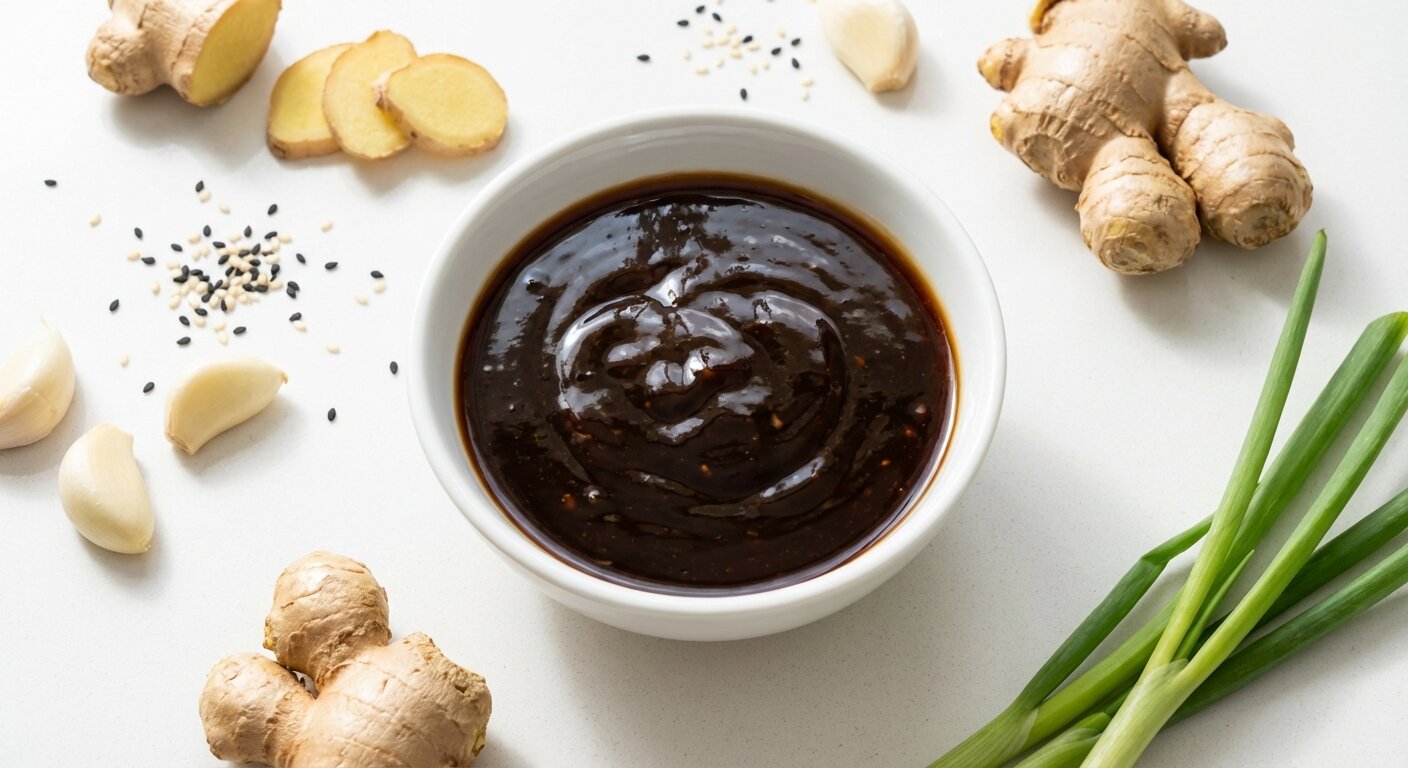
Teriyaki sauce is one of the most popular Asian condiments in Western kitchens, transforming simple chicken, salmon, and stir-fries into flavor-packed meals with its signature sweet-savory glaze. But if you’re tracking macros or watching your nutrition, you’ve probably wondered: what exactly is in this glossy, umami-rich sauce, and how does it fit into your daily targets?
The answer might surprise you. While teriyaki sauce is relatively low in calories and fat-free, it packs a significant amount of carbohydrates from sugar and can contain an alarming amount of sodium—sometimes half your daily recommended intake in just two tablespoons. Whether you’re meal prepping for muscle gain, cutting for fat loss, or simply trying to make more informed food choices, understanding teriyaki sauce macros is essential for keeping your nutrition on track.
In this comprehensive guide, we’ll break down everything you need to know about teriyaki sauce nutrition: the exact macro breakdown across different brands and homemade versions, how sodium content impacts your health, strategies for fitting teriyaki into your diet without derailing your goals, and even how to make your own macro-friendly version at home. Ready to become a teriyaki expert? Calculate your personalized macro targets first, then let’s dive in.
Related: Learn more about what macros are and how they impact your diet.
Teriyaki Sauce Macros: The Complete Breakdown
Understanding teriyaki sauce macros requires looking beyond just the calories. The carbohydrate content, sodium levels, and portion sizes all play crucial roles in how this condiment fits into your nutrition plan.
Standard Teriyaki Sauce Nutrition (2 Tablespoons/30ml)
Commercial Teriyaki Sauce (Average):
- Calories: 50
- Protein: 1g
- Carbohydrates: 12g
- Sugars: 10g
- Fiber: 0g
- Fat: 0g
- Sodium: 920mg (40% DV)
Kikkoman Teriyaki Sauce (Original):
- Calories: 40
- Protein: 1g
- Carbohydrates: 8g
- Sugars: 7g
- Fiber: 0g
- Fat: 0g
- Sodium: 610mg (27% DV)
Soy Vay Veri Veri Teriyaki:
- Calories: 70
- Protein: 1g
- Carbohydrates: 15g
- Sugars: 13g
- Fiber: 0g
- Fat: 0g
- Sodium: 690mg (30% DV)
Primal Kitchen No Soy Teriyaki:
- Calories: 30
- Protein: 0g
- Carbohydrates: 7g
- Sugars: 5g
- Fiber: 0g
- Fat: 0g
- Sodium: 360mg (16% DV)
Homemade Teriyaki Sauce (Traditional Recipe):
- Calories: 45
- Protein: 1.5g
- Carbohydrates: 9g
- Sugars: 8g
- Fiber: 0g
- Fat: 0g
- Sodium: 800mg (35% DV)
The macro profile reveals several important patterns. First, teriyaki sauce is essentially a carbohydrate condiment with virtually no protein or fat. Second, the calorie content varies significantly by brand—from 30 to 70 calories per serving—primarily driven by sugar content. Third, and most critically, the sodium content is substantial across all versions, with some brands containing nearly half your daily recommended intake in just two tablespoons.
Why Teriyaki Sauce Has These Macros
The nutritional profile of teriyaki sauce is a direct result of its traditional ingredients:
Soy Sauce (Shoyu): Provides the salty, umami base and accounts for 80-90% of the sodium content. Even in recipes using “low-sodium” soy sauce, the sodium levels remain high.
Sugar or Mirin: Traditional recipes use granulated sugar and/or mirin (sweet rice wine) for the characteristic sweetness and glossy finish. This ingredient alone contributes 8-12g of carbohydrates per serving.
Sake or Wine: Adds depth and acidity while contributing minimal macros (alcohol cooks off during preparation).
Ginger and Garlic: These aromatic ingredients add flavor complexity with negligible macro impact.
The reason teriyaki sauce is fat-free is simple: traditional recipes contain no oil or fat-based ingredients. The thick, glossy consistency comes from reducing the sauce to concentrate sugars, not from added fats. This makes teriyaki one of the rare condiments that can be considered “low-fat” or “fat-free” while still being calorie-dense relative to its serving size.
Sodium in Teriyaki Sauce: What You Need to Know
The elephant in the room when discussing teriyaki sauce nutrition isn’t the carbs—it’s the sodium. With 600-1,200mg per 2-tablespoon serving, teriyaki sauce can quickly push you over recommended sodium limits if you’re not careful.
Daily Sodium Recommendations and Context
The American Heart Association recommends no more than 2,300mg of sodium per day, with an ideal limit of 1,500mg for most adults, especially those with high blood pressure, heart disease, or kidney issues. To put teriyaki sauce in perspective:
- 2 tablespoons regular teriyaki sauce = 40% of daily limit (920mg)
- 4 tablespoons (¼ cup) = 80% of daily limit (1,840mg)
- Using it as a marinade and glaze = potentially 100%+ of daily limit
Most people severely underestimate how much sauce they actually use. When you pour teriyaki over a stir-fry or use it as a marinade, you’re likely consuming 4-6 tablespoons, not the measured 2-tablespoon “serving size” listed on nutrition labels.
Health Implications of High Sodium Intake
Excessive sodium consumption has several documented health effects:
Blood Pressure: High sodium intake causes your body to retain water, increasing blood volume and pressure on artery walls. This is particularly problematic for the 47% of American adults with hypertension.
Cardiovascular Risk: Long-term high sodium consumption is associated with increased risk of heart disease, stroke, and heart failure.
Kidney Stress: Your kidneys work overtime to filter excess sodium, which can exacerbate kidney disease in susceptible individuals.
Water Retention and Bloating: High sodium meals cause temporary water retention, leading to bloating, puffiness, and scale weight fluctuations that can mask fat loss progress when tracking macros.
Calcium Loss: Excess sodium increases calcium excretion through urine, potentially impacting bone health over time.
For athletes and active individuals tracking macros, the bloating and water retention from high-sodium meals can be particularly frustrating. A teriyaki-heavy dinner can easily add 2-4 pounds of water weight overnight, making it difficult to track genuine progress.
Low-Sodium Teriyaki Options
If you love teriyaki but need to watch sodium, several strategies can help:
Low-Sodium Commercial Brands:
- Kikkoman Less Sodium Teriyaki: 380mg per 2 tbsp (58% less than regular)
- Coconut Secret Coconut Aminos Teriyaki: 250mg per 2 tbsp
- Primal Kitchen No Soy Teriyaki: 360mg per 2 tbsp
Homemade Low-Sodium Version:
- Use low-sodium soy sauce or coconut aminos as the base (reduces sodium by 40-50%)
- Add extra ginger, garlic, and rice vinegar for flavor complexity without sodium
- Use monk fruit sweetener or erythritol instead of sugar to also reduce carbs
Portion Control Strategies:
- Measure sauce portions with a tablespoon instead of pouring freely
- Use teriyaki as a finishing glaze (brushed on) rather than a cooking sauce
- Dilute regular teriyaki with water, rice vinegar, or unsalted broth (reduces all macros proportionally)
- Use teriyaki in marinades, which results in less consumed (much drips off during cooking)
Even with low-sodium versions, be mindful of cumulative sodium intake from other sources like soy sauce, processed foods, restaurant meals, and even naturally occurring sodium in whole foods.
Carbohydrates and Sugar in Teriyaki Sauce
The 8-14g of carbohydrates in a 2-tablespoon serving of teriyaki sauce might seem modest, but it’s worth understanding where these carbs come from and how they impact your macro targets, especially if you’re following a lower-carb or ketogenic diet.
Sugar Content: The Sweet Truth
Most of the carbohydrates in teriyaki sauce come from added sugars:
- Traditional recipes: 8-10g sugar per serving from white or brown sugar plus mirin
- Commercial brands: 7-13g sugar per serving, often from corn syrup, cane sugar, or high-fructose corn syrup
- “Lite” or reduced-sugar versions: 3-5g sugar per serving, using sugar alcohols or alternative sweeteners
The sugar serves multiple functions beyond just sweetness. When reduced during cooking, sugar creates the characteristic glossy sheen and thick, syrupy consistency of teriyaki sauce. It also balances the intense saltiness of the soy sauce base and helps caramelize when used as a glaze on grilled meats.
For context on how this fits into broader sugar consumption patterns:
- WHO recommends limiting added sugars to less than 10% of daily calories
- For a 2,000-calorie diet, that’s maximum 50g added sugar per day
- 2 tablespoons teriyaki sauce = 20% of this limit
If you’re cutting or following a lower-carb approach, those 12g of carbs can feel significant when you’re trying to keep daily carbs under 100-150g. Using a quarter cup of teriyaki sauce in a stir-fry would consume 24g of your carb budget—nearly a quarter of a moderate low-carb allotment.
Impact on Blood Sugar and Insulin
The high sugar content and lack of fiber, protein, or fat means teriyaki sauce has a relatively high glycemic impact when consumed in significant quantities:
- Glycemic Index: Estimated 75-85 (high)
- Glycemic Load: Moderate to high depending on portion size
When you consume teriyaki sauce alone or as a glaze on lean protein with no other carb sources, you’ll experience a rapid blood sugar spike followed by an insulin response. For most healthy individuals, this isn’t problematic in moderation. However, it can be a concern for those with insulin resistance, diabetes, or metabolic syndrome.
Strategies to minimize blood sugar impact:
- Pair teriyaki-glazed foods with high-fiber vegetables (broccoli, cauliflower, green beans)
- Include adequate protein in the meal to slow carbohydrate absorption
- Use teriyaki sparingly as a flavor accent rather than drowning food in sauce
- Choose versions sweetened with low-glycemic alternatives like monk fruit or allulose
Keto and Low-Carb Considerations
Traditional teriyaki sauce is decidedly not keto-friendly. With 8-14g net carbs per serving, just 2 tablespoons could consume 40-70% of a strict ketogenic daily carb limit (20g net carbs).
Keto-friendly teriyaki alternatives:
- Primal Kitchen No Soy Teriyaki Sauce: 7g net carbs (still high for strict keto, but manageable)
- Homemade with erythritol or monk fruit: 2-3g net carbs per serving
- Coconut Aminos-based sauce with allulose: 1-2g net carbs per serving
If you’re following a ketogenic diet and craving teriyaki flavor, your best bet is making your own version using:
- Coconut aminos (lower carb than soy sauce)
- Erythritol, monk fruit, or allulose for sweetness
- Rice vinegar for acidity
- Fresh ginger and garlic for aromatics
- Xanthan gum to thicken without cornstarch
This approach can create a teriyaki-style sauce with 85-90% less sugar and carbs while maintaining the characteristic flavor profile.
Fitting Teriyaki Sauce Into Your Macro Plan
Now that you understand the nutritional profile of teriyaki sauce, let’s talk practical application. How can you enjoy this flavorful condiment without sabotaging your macro goals?
Portion Control is Everything
The single most important factor in managing teriyaki sauce macros is accurate portioning. Most people dramatically underestimate how much sauce they actually consume.
Visual portion guide:
- 1 tablespoon = approximately the size of your thumb tip (6-7g carbs, 400-600mg sodium)
- 2 tablespoons = a standard shot glass (12-14g carbs, 800-1,200mg sodium)
- ¼ cup = a golf ball (24-28g carbs, 1,600-2,400mg sodium)
Practical portioning strategies:
-
Pre-measure sauce into small containers when meal prepping. This prevents the “pour until it looks good” approach that can triple your intended portion.
-
Use a spray bottle to mist teriyaki sauce onto food, which uses far less than pouring and ensures even distribution.
-
Brush on glaze during the last few minutes of cooking rather than marinating or coating heavily.
-
Dilute with water or broth to increase volume without increasing macros proportionally.
-
Track carefully in your app using the “recipes” feature if making homemade versions, or by scanning barcodes for commercial products.
Teriyaki Sauce for Different Macro Goals
For Muscle Gain/Bulking (Higher Calorie Needs):
Teriyaki sauce can actually be a helpful tool during a bulk. The carbohydrates provide easy calories, and the sodium can help with water retention that supports training performance and muscle fullness. Consider:
- Using teriyaki liberally on lean proteins (chicken breast, white fish, tofu) to make them more palatable when eating in surplus
- Pairing with rice, quinoa, or noodles for a complete macro-friendly meal
- Less concern about 2-3 tablespoon servings since you have more macro room
For Fat Loss/Cutting (Calorie Deficit):
During a cut, teriyaki sauce requires more careful management:
- Stick to measured 1-tablespoon portions
- Choose low-sodium versions to minimize water retention that masks fat loss
- Account for the carbs in your daily allotment (those 12g can be meaningful)
- Be especially careful on lower-carb days
- Consider BBQ sauce or hot sauce alternatives for variety with different macro profiles
For Maintenance (Balanced Approach):
- Standard 2-tablespoon portions work fine when incorporated mindfully
- Balance higher-sodium teriyaki meals with lower-sodium options earlier or later in the day
- Use as a flavor tool to make healthy proteins and vegetables more enjoyable
- Track consistently but don’t stress about occasional heavier use
Macro-Friendly Teriyaki Recipes
1. Low-Sodium Homemade Teriyaki Sauce
Yields approximately 1 cup (16 servings of 1 tablespoon each)
Ingredients:
- ½ cup low-sodium soy sauce (or coconut aminos for lower sodium)
- ¼ cup water
- 2 tablespoons rice vinegar
- 3 tablespoons erythritol or monk fruit sweetener (or 2 tablespoons honey for traditional)
- 1 tablespoon fresh ginger, grated
- 2 cloves garlic, minced
- 1 teaspoon sesame oil
- 1 teaspoon cornstarch or xanthan gum (for keto)
Macros per tablespoon:
- Calories: 12
- Protein: 0.5g
- Carbs: 2g (0.5g if using erythritol)
- Fat: 0g
- Sodium: 240mg
Instructions: Combine all ingredients except thickener in a small saucepan. Bring to a simmer over medium heat. Mix cornstarch with 1 tablespoon cold water, then whisk into sauce. Simmer for 2-3 minutes until slightly thickened. Cool and store in refrigerator for up to 2 weeks.
2. Teriyaki Chicken Meal Prep
Per serving (1 of 4):
Ingredients:
- 6 oz chicken breast, diced
- 3 tablespoons low-sodium teriyaki sauce (divided)
- 1 cup mixed stir-fry vegetables
- ½ cup cooked brown rice
- 1 teaspoon sesame seeds
Macros per serving:
- Calories: 380
- Protein: 42g
- Carbs: 35g
- Fat: 6g
- Sodium: 620mg
Instructions: Marinate chicken in 2 tablespoons teriyaki sauce for 30 minutes. Stir-fry chicken until cooked through, then add vegetables. Drizzle remaining tablespoon of sauce and toss to coat. Serve over rice and garnish with sesame seeds.
Timing Your Teriyaki Consumption
The timing of when you consume teriyaki sauce can impact how it affects your body and training:
Post-Workout: The carbohydrates from teriyaki sauce can be beneficial after training to help replenish glycogen stores. Pairing teriyaki-glazed protein with rice creates an excellent post-workout meal. Learn more about post-workout macros.
Pre-Workout: The high sodium content can cause bloating and discomfort during training. If you train in the morning, avoid heavy teriyaki the night before. Check out our guide on pre-workout macros for better options.
Before Weigh-Ins or Photos: Avoid teriyaki sauce 48-72 hours before scheduled weigh-ins, physique assessments, or photo shoots due to sodium-induced water retention.
Day Before Rest Days: If you’re going to indulge in a larger teriyaki-heavy meal, consider scheduling it the evening before a rest day when temporary water retention won’t impact training performance.
Teriyaki Sauce vs. Other Asian Condiments
Understanding how teriyaki compares to other popular Asian sauces can help you make informed choices based on your macro goals and taste preferences.
Macros Comparison Table (Per 2 Tablespoons)
| Sauce | Calories | Protein | Carbs | Fat | Sodium |
|---|---|---|---|---|---|
| Teriyaki | 50 | 1g | 12g | 0g | 920mg |
| Soy Sauce | 20 | 2g | 2g | 0g | 1,800mg |
| Hoisin Sauce | 70 | 1g | 14g | 2g | 520mg |
| Oyster Sauce | 20 | 0g | 4g | 0g | 880mg |
| Sweet Chili Sauce | 80 | 0g | 20g | 0g | 350mg |
| Ponzu Sauce | 20 | 1g | 3g | 0g | 1,100mg |
When to Choose Teriyaki
Best for:
- Glazing grilled meats (chicken, salmon, pork)
- Stir-fries where you want a sweet-savory profile
- When you have carbs to spare but want to minimize fat
- Marinades that create caramelized exteriors
Advantages over alternatives:
- Zero fat (unlike hoisin)
- More balanced sweet-savory than sweet chili sauce
- Lower sodium than straight soy sauce
- More versatile than oyster sauce
Disadvantages:
- Higher carbs than soy sauce, oyster sauce, or ponzu
- Still high in sodium compared to most Western condiments
- Sugar content problematic for keto/low-carb diets
Strategic Condiment Rotation
Instead of using teriyaki for every Asian-inspired meal, consider rotating through different sauces based on your daily macro allocation:
High-carb days: Teriyaki, hoisin, or sweet chili sauce work well Low-carb days: Soy sauce, ponzu, or oyster sauce are better choices Low-sodium days: Sweet chili sauce, homemade versions, or mustard alternatives Fat-conscious meals: Teriyaki, soy sauce, or ponzu (all essentially fat-free)
This rotation also prevents palate fatigue and keeps your meals interesting while staying within macro targets.
Common Questions and Concerns
”Can I use teriyaki sauce every day?”
Yes, you can incorporate teriyaki sauce into your daily diet if you account for it in your macro tracking and remain mindful of sodium intake. However, daily consumption at typical 2-tablespoon servings means you’re getting 10-14g of added sugar and 800-1,200mg of sodium daily from this source alone.
For most people tracking macros with balanced nutrition, using 1-2 tablespoons of teriyaki sauce 3-4 times per week is a sustainable approach that allows you to enjoy the flavor without compromising overall dietary quality or exceeding sodium recommendations.
If you have high blood pressure, kidney disease, or are salt-sensitive, daily teriyaki consumption is not advisable even in small amounts. Opt for low-sodium versions and consult with a healthcare provider or registered dietitian about appropriate sodium limits for your specific health situation.
”Does the teriyaki marinade count if it drips off during cooking?”
This is an excellent question that many macro trackers overlook. When you marinate protein in teriyaki sauce, a significant portion drips off, gets discarded, or burns away during cooking.
Marinade retention rates:
- Thin marinades on dense proteins: 20-30% retained
- Thick glazes brushed on during cooking: 60-80% retained
- Pan sauces reduced with protein: ~100% retained
Practical approach: If you marinate 1 pound of chicken in ¼ cup of teriyaki sauce and discard the leftover marinade, estimate that you’re consuming approximately 2-3 tablespoons total across all four servings (roughly 3-4.5g carbs per serving rather than the full 12-14g you would get from directly consuming 2 tablespoons).
For the most accurate tracking, brush the sauce on during the last few minutes of cooking as a glaze, which gives you better control over the exact amount consumed.
”Are there any benefits to teriyaki sauce besides taste?”
While teriyaki sauce is primarily a flavoring agent rather than a nutritional powerhouse, it does offer a few modest benefits:
Ginger and Garlic Content: Many recipes include these ingredients, which have anti-inflammatory properties and potential digestive benefits, though the amounts are minimal.
Umami Flavor: The glutamates in soy sauce provide umami (savory) taste, which can increase satiety and meal satisfaction, potentially helping with portion control of the main protein or carb source.
Makes Healthy Foods More Palatable: Perhaps the biggest “benefit” is that teriyaki sauce can transform bland, lean proteins and vegetables into meals you actually want to eat, supporting dietary adherence—the single most important factor in any nutrition plan.
Minimal Fat: For those specifically tracking fat intake (medical reasons, specific macro ratios), teriyaki provides flavor with zero fat.
However, let’s be clear: teriyaki sauce is not a health food. It’s a condiment to be used in moderation as part of a balanced diet rich in whole foods, vegetables, lean proteins, and healthy fats.
”What about the ingredients I can’t pronounce in store-bought teriyaki?”
Commercial teriyaki sauces often contain additives beyond the traditional four core ingredients:
Common additives and their purposes:
- Xanthan gum or cornstarch: Thickeners that create viscosity
- Citric acid: Preservative and flavor enhancer
- Caramel color: Aesthetic appeal (darker appearance)
- Natural flavors: Umbrella term for flavor compounds
- Sodium benzoate: Preservative that extends shelf life
Most of these additives are Generally Recognized As Safe (GRAS) by the FDA and present no health concerns at the quantities found in teriyaki sauce. However, if you prefer to avoid additives, making homemade teriyaki sauce with just soy sauce, mirin, sake, and sugar takes less than 10 minutes and gives you complete control over ingredients.
The homemade version won’t have quite the same shelf stability (refrigerate and use within 2 weeks vs. months for commercial versions), but the macro profile and flavor are often superior.
”Can I reduce calories by watering down teriyaki sauce?”
Yes, diluting teriyaki sauce with water is a simple strategy to reduce macro density while maintaining flavor:
- 25% dilution (3 parts sauce, 1 part water): Reduces all macros by 25%, maintains strong flavor
- 50% dilution (1 part sauce, 1 part water): Cuts macros in half, flavor still noticeable
- 75% dilution: Very mild flavor, mainly useful as a cooking liquid for stir-fries
You can also dilute with:
- Rice vinegar: Adds acidity and tang while diluting macros
- Chicken or vegetable broth: Provides umami depth with minimal macros
- Sake or dry white wine: Maintains alcohol notes from traditional recipes
Keep in mind that dilution also reduces sodium concentration, which actually improves the nutritional profile of the sauce. A 50% dilution with water cuts sodium from 920mg to 460mg per 2-tablespoon serving while still providing recognizable teriyaki flavor.
Frequently Asked Questions
What are the exact macros in teriyaki sauce?
A standard 2-tablespoon (30ml) serving of commercial teriyaki sauce contains approximately 50 calories, 1g protein, 12g carbohydrates (including 10g sugar), 0g fat, and 920mg sodium. These values vary by brand, with ranges of 30-70 calories and 600-1,200mg sodium per serving. Homemade versions using low-sodium soy sauce and sugar alternatives can reduce these numbers by 40-60%.
The variability between brands is primarily due to differences in sugar content and soy sauce concentration. Kikkoman, one of the most popular brands, contains 40 calories and 8g carbs per serving, while sweeter varieties like Soy Vay can contain up to 70 calories and 15g carbs per serving.
How much sodium is too much from teriyaki sauce?
The American Heart Association recommends no more than 2,300mg sodium per day, with an ideal limit of 1,500mg for most adults. A single 2-tablespoon serving of teriyaki sauce can provide 600-1,200mg of sodium, which represents 26-52% of the daily maximum and 40-80% of the ideal limit.
If you’re consuming teriyaki sauce regularly, aim to limit yourself to 1-2 tablespoons per day maximum, and compensate by reducing sodium from other sources like processed foods, restaurant meals, and added table salt. Individuals with high blood pressure, kidney disease, or salt sensitivity should opt for low-sodium versions and potentially limit consumption to once or twice per week.
For most healthy adults tracking macros who eat a predominantly whole-food diet, having 2 tablespoons of teriyaki sauce in a meal 3-4 times per week won’t pose significant health concerns, especially if you’re active and sweat regularly (which increases sodium needs).
Can I eat teriyaki sauce on a keto diet?
Traditional teriyaki sauce is not compatible with a strict ketogenic diet due to its high sugar content. A typical 2-tablespoon serving contains 8-14g of carbohydrates, which would consume 40-70% of the daily 20g net carb limit most keto dieters follow.
However, several keto-friendly alternatives exist:
Primal Kitchen No Soy Teriyaki Sauce: Contains 7g net carbs per serving (still relatively high for strict keto, but manageable in small amounts).
Homemade keto teriyaki: Using coconut aminos as the base, erythritol or monk fruit for sweetness, and xanthan gum as a thickener, you can create a teriyaki-style sauce with just 1-3g net carbs per serving.
Coconut Secret Coconut Aminos Teriyaki Sauce: Contains approximately 3-4g net carbs per tablespoon.
If you’re following a more liberal low-carb diet (50-100g net carbs per day), small amounts of traditional teriyaki sauce can fit, especially if timed around workouts when your body is more insulin-sensitive.
Does teriyaki sauce contain gluten?
Most traditional teriyaki sauces contain gluten because soy sauce (the primary ingredient) is made from fermented soybeans and wheat. This makes standard teriyaki sauce unsuitable for those with celiac disease or gluten sensitivity.
Gluten-free options include:
- Tamari-based teriyaki sauce: Tamari is naturally gluten-free soy sauce made without wheat
- Coconut aminos-based teriyaki: Coconut aminos are naturally gluten-free
- Certified gluten-free brands: San-J, Kikkoman Gluten-Free Teriyaki, and Primal Kitchen all offer gluten-free versions
Always check labels carefully, as “wheat-free” is not the same as “gluten-free” (barley and rye also contain gluten), and cross-contamination can occur in manufacturing facilities that process both gluten-containing and gluten-free products.
What’s better for macros: teriyaki sauce or BBQ sauce?
The answer depends on your specific macro targets and priorities:
Choose teriyaki sauce if:
- You want zero fat (teriyaki: 0g fat, BBQ sauce: 0-1g fat typically)
- You prefer Asian flavor profiles
- You’re okay with moderate sodium levels (teriyaki: 920mg, BBQ: 300-500mg typically)
Choose BBQ sauce if:
- You’re watching sodium more closely (BBQ sauce generally has 30-50% less sodium)
- You prefer tangy, smoky flavors
- You’re looking for slightly lower carbs in some varieties
Macro comparison (2 tablespoons):
- Teriyaki: 50 cal, 0g fat, 12g carbs, 920mg sodium
- BBQ Sauce: 60 cal, 0g fat, 14g carbs, 380mg sodium
From a pure macro perspective, they’re remarkably similar—both are essentially carbohydrate-based condiments with minimal protein and fat. The sodium difference is the most significant nutritional distinction, with teriyaki containing more than double the sodium of typical BBQ sauce.
For maximum flexibility, keep both on hand and choose based on your daily macro and sodium targets. On high-sodium days (perhaps you had bacon at breakfast or ate out for lunch), opt for BBQ sauce. On lower-sodium days, teriyaki is fine.
How do I make low-calorie teriyaki sauce at home?
Creating a macro-friendly teriyaki sauce at home is straightforward and allows you to control sugar, sodium, and calorie content:
Ultra-Low-Calorie Teriyaki Recipe
Yields approximately 1 cup (macros per 2-tablespoon serving)
Ingredients:
- ½ cup low-sodium soy sauce or coconut aminos (0 calories)
- ¼ cup water (0 calories)
- 3 tablespoons liquid monk fruit sweetener or erythritol (0 calories)
- 2 tablespoons rice vinegar (5 calories)
- 1 tablespoon fresh grated ginger (5 calories)
- 2 cloves garlic, minced (5 calories)
- ½ teaspoon sesame oil (20 calories)
- ¼ teaspoon xanthan gum (0 calories)
Total per 2-tablespoon serving:
- Calories: 15
- Carbs: 1g (net carbs: <1g if using erythritol)
- Protein: 1g
- Fat: 0.5g
- Sodium: 280mg
Instructions: Combine all ingredients except xanthan gum in a small saucepan. Bring to a gentle simmer over medium heat. Sprinkle xanthan gum while whisking constantly to prevent clumping. Simmer for 3-4 minutes until slightly thickened. Cool completely before storing in an airtight container in the refrigerator (keeps for 2 weeks).
This homemade version contains 70% fewer calories and 70% less sodium than commercial teriyaki sauce while maintaining authentic teriyaki flavor. The xanthan gum creates the glossy, thick consistency characteristic of traditional teriyaki without the need for sugar reduction.
Can pregnant women eat teriyaki sauce?
Yes, teriyaki sauce is generally safe for pregnant women to consume in moderation. Unlike some Asian condiments, teriyaki doesn’t contain raw ingredients that pose food safety concerns during pregnancy.
Considerations for pregnant women:
Sodium Content: Pregnancy can increase the risk of high blood pressure and preeclampsia, conditions exacerbated by high sodium intake. The 800-1,200mg of sodium in a 2-tablespoon serving of teriyaki sauce is significant. Pregnant women should aim to stay under 2,300mg sodium daily (same as general population), though some with hypertension may require lower limits as directed by their healthcare provider.
Sugar Content: Gestational diabetes affects 2-10% of pregnancies, making blood sugar management important. The 10-12g of sugar per serving in teriyaki sauce can impact blood glucose levels. Women with gestational diabetes should account for these carbs in their meal plan and pair teriyaki-glazed foods with protein and fiber-rich vegetables to minimize blood sugar spikes.
Nutritional Priorities: While teriyaki sauce itself is safe, it provides minimal nutritional value beyond taste. Pregnant women have increased needs for folate, iron, calcium, and protein—nutrients that teriyaki sauce doesn’t meaningfully contribute. Focus on nutrient-dense whole foods as the foundation of your diet, using teriyaki as a flavoring agent rather than a nutritional component.
As always, pregnant women should consult with their healthcare provider or a registered dietitian about specific dietary questions, especially if they have conditions like gestational diabetes, preeclampsia, or hypertension that require modified sodium or carbohydrate intake.
What’s the shelf life of homemade vs. store-bought teriyaki?
Store-bought teriyaki sauce:
- Unopened: 2-3 years when stored in a cool, dry place (check expiration date)
- Opened: 6-12 months when refrigerated
- Signs of spoilage: Mold growth, off smells, significant color change, fermentation bubbles
The long shelf life of commercial teriyaki sauce is due to high sodium content (natural preservative), added preservatives like sodium benzoate, and pasteurization during manufacturing.
Homemade teriyaki sauce:
- Refrigerated: 2-3 weeks in an airtight container
- Frozen: 3-6 months (freeze in ice cube trays for easy portioning)
- Signs of spoilage: Mold growth, sour smell, visible separation that doesn’t remix
Homemade versions lack commercial preservatives, making them more perishable. To extend shelf life:
- Store in a clean glass jar with a tight-fitting lid
- Use clean utensils (don’t double-dip or contaminate)
- Keep refrigerated at all times
- Consider making smaller batches more frequently
Pro tip: Freeze homemade teriyaki in silicone ice cube trays. Each cube equals approximately 2 tablespoons (one serving). Pop out cubes as needed and thaw in the microwave for 20-30 seconds or at room temperature for 30 minutes.
Conclusion: Making Teriyaki Work for Your Macros
Teriyaki sauce occupies an interesting space in the macro-tracking world. It’s not a protein source, not a significant source of vitamins or minerals, and certainly not low in sodium or sugar. Yet it’s also not the dietary villain some make it out to be. With strategic use, accurate portioning, and mindful integration into your overall nutrition plan, teriyaki sauce can absolutely have a place in a macro-friendly diet.
Key takeaways for macro-conscious teriyaki consumption:
- Measure, don’t pour: Use tablespoons or a food scale to ensure you’re tracking accurately
- Account for sodium: Balance teriyaki meals with lower-sodium options throughout the day
- Watch the carbs: Those 12g per serving add up, especially on lower-carb days or during a cut
- Choose quality: Low-sodium and low-sugar versions significantly improve the nutritional profile
- Consider homemade: Making teriyaki sauce at home gives you complete control over ingredients and macros
- Use strategically: Treat teriyaki as a finishing glaze or marinade rather than drowning food in sauce
Whether you’re bulking, cutting, or maintaining, the difference between teriyaki fitting seamlessly into your plan versus derailing your progress comes down to awareness and moderation. Track it accurately, account for the macros, and enjoy the flavor without guilt.
Ready to see how teriyaki-glazed meals fit into your personalized nutrition plan? Calculate your macro targets and experiment with the strategies in this guide. Looking for more macro-friendly Asian flavor inspiration? Check out our guides on soy sauce, hoisin sauce, and BBQ sauce to expand your flavor toolkit while staying on track with your goals.
Remember: consistency beats perfection, and enjoying flavorful food is part of building a sustainable, long-term approach to nutrition. Teriyaki sauce isn’t something to fear—it’s just another tool in your macro-tracking toolkit, ready to make your meals more enjoyable when used with intention.
Related Articles
Dragonfruit Macros: Complete Nutrition Guide for Pitaya
Complete macro breakdown of dragonfruit (pitaya). Learn the calories, protein, carbs, and...
Read guide →
Bulgur Macros: Complete Nutritional Guide & Health Benefits
Discover bulgur's complete macro breakdown, nutritional benefits, and how to incorporate...
Read guide →
Radish Macros: Nutrition Facts and Health Benefits
Complete guide to radish macros and nutrition. Learn calories, protein, carbs, and health...
Read guide →Note: Nutrition values are approximate and may vary based on preparation method and source.