Tomato Macros: Complete Nutrition Guide with Calculator
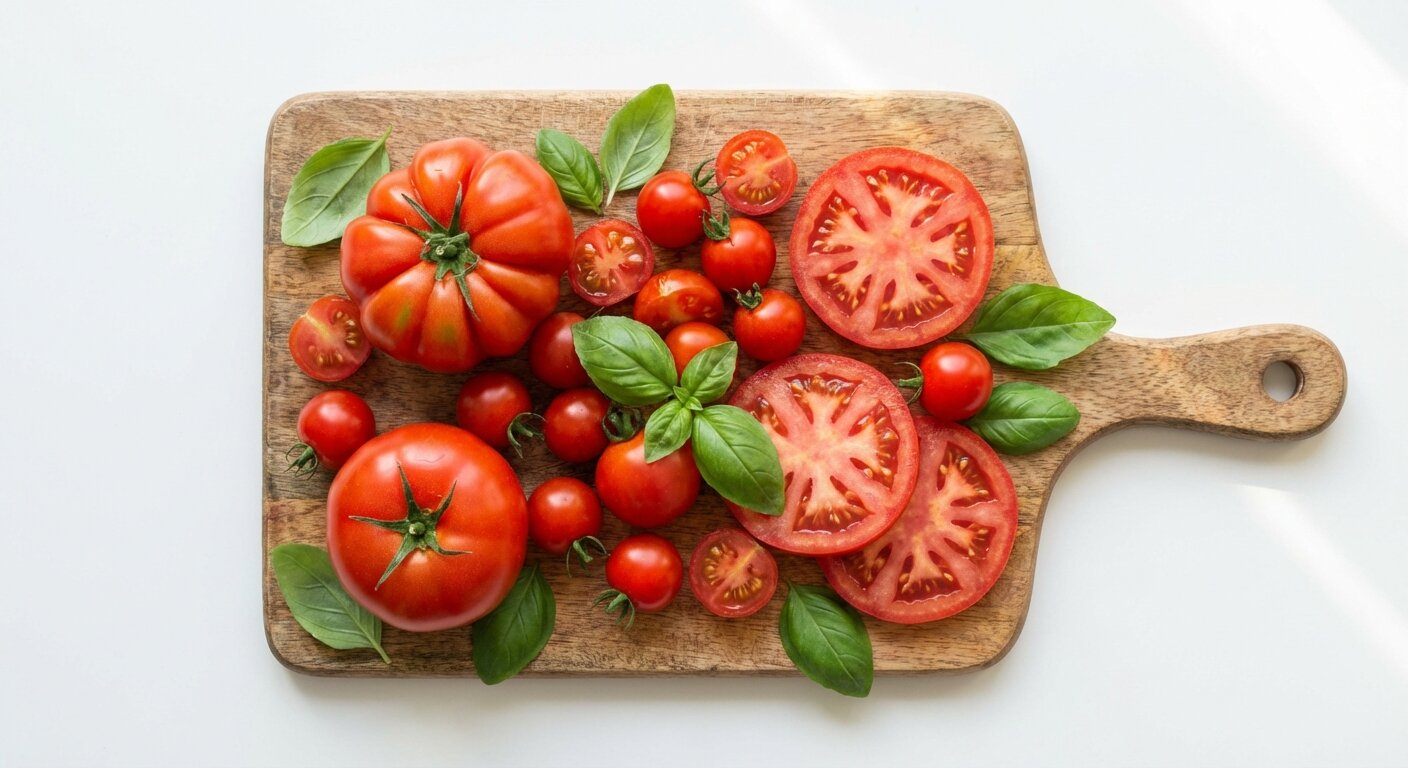
Tomato Macros: Everything You Need to Know
Tomatoes are a staple in kitchens worldwide, appearing in everything from fresh salads to cooked sauces. But what exactly are the macros in tomatoes, and how do they fit into your nutrition goals?
Whether you’re counting macros for weight loss, muscle building, or general health, understanding tomato macronutrients is essential. Fresh tomatoes are incredibly low in calories yet packed with vitamins, minerals, and antioxidants like lycopene. Their high water content (about 95%) makes them perfect for adding volume to meals without significantly impacting your daily macro targets.
In this guide, we’ll break down the complete macro profile for every type of tomato—from cherry and grape tomatoes to Roma, beefsteak, and sun-dried varieties. You’ll learn how cooking affects their nutrition, how to track them accurately, and whether they fit into keto, low-carb, or high-protein diets.
Ready to calculate the exact macros for your serving? Use our free macro calculator to get personalized macro targets based on your goals, then come back to see exactly how tomatoes fit into your plan.
Complete Tomato Macro Breakdown
Fresh Tomato Macros (Per 100g)
| Nutrient | Amount |
|---|---|
| Calories | 18 kcal |
| Protein | 0.9g |
| Carbohydrates | 3.9g |
| Fiber | 1.2g |
| Net Carbs | 2.7g |
| Fat | 0.2g |
| Water | 94.5g |
Common Serving Sizes
Medium Tomato (123g)
- Calories: 22
- Protein: 1.1g
- Carbs: 4.8g (3.3g net)
- Fat: 0.2g
Cherry Tomatoes (170g / ~10 tomatoes)
- Calories: 31
- Protein: 1.5g
- Carbs: 7.0g (4.8g net)
- Fat: 0.3g
Grape Tomatoes (149g / ~15 tomatoes)
- Calories: 27
- Protein: 1.3g
- Carbs: 5.8g (4.0g net)
- Fat: 0.3g
Large Beefsteak Tomato (182g)
- Calories: 33
- Protein: 1.6g
- Carbs: 7.1g (4.9g net)
- Fat: 0.4g
Roma/Plum Tomato (62g)
- Calories: 11
- Protein: 0.6g
- Carbs: 2.4g (1.7g net)
- Fat: 0.1g
Tomato Varieties: Macro Comparison
Different tomato varieties have slightly different macro profiles, primarily due to variations in water content and size.
Cherry vs. Grape Tomatoes
Cherry tomatoes are slightly larger and sweeter:
- 3 calories per tomato
- Higher natural sugar content
- Best for snacking and salads
Grape tomatoes are smaller and firmer:
- 2 calories per tomato
- Slightly less sweet
- Better texture retention when cooked
Macro difference: Minimal—both are excellent low-calorie options.
Roma vs. Beefsteak Tomatoes
Roma (plum) tomatoes:
- Less watery, meatier texture
- 35 calories per tomato (average)
- Ideal for sauces and paste
- Lower water content = more concentrated flavor
Beefsteak tomatoes:
- Large, juicy, very high water content
- 33 calories per 100g
- Perfect for slicing on burgers/sandwiches
- More seeds and gel
Macro difference: Roma tomatoes are slightly more calorie-dense per gram due to less water, but both are nutritionally equivalent when comparing equal weights.
Heirloom Tomatoes
Heirloom varieties vary widely in color (yellow, purple, green, striped) but have similar macro profiles:
- 15-20 calories per 100g
- 0.9-1.2g protein
- 3-5g carbs
- 0.2-0.3g fat
The main differences are in flavor complexity and antioxidant profiles (different colors = different phytonutrients).
Cooked vs. Raw Tomato Macros
Cooking tomatoes doesn’t significantly change their macro content, but it does affect nutrient bioavailability and volume.
Raw Tomatoes (100g)
- Calories: 18
- Protein: 0.9g
- Carbs: 3.9g
- Fat: 0.2g
- Lycopene: 3mg
Cooked Tomatoes (100g)
- Calories: 18-20
- Protein: 0.9g
- Carbs: 4.2g
- Fat: 0.2g
- Lycopene: 12mg (4x higher bioavailability!)
Why Cook Tomatoes?
Increased lycopene absorption: Cooking breaks down cell walls, making the powerful antioxidant lycopene up to 4x more bioavailable. Lycopene is linked to reduced cancer risk, heart health, and skin protection.
Reduced volume: Cooked tomatoes release water and shrink, meaning you can consume more tomatoes (and nutrients) in a smaller serving.
Better for sauces: Heat concentrates natural sugars, creating deeper, richer flavors perfect for pasta sauces, soups, and stews.
Trade-off: Cooking reduces vitamin C content by about 15-30%, but you still retain most other vitamins and minerals.
Sun-Dried Tomato Macros
Sun-dried tomatoes are dehydrated, concentrating sugars and calories significantly.
Sun-Dried Tomatoes (Not in Oil) - Per 1/4 Cup (27g)
- Calories: 70
- Protein: 3.8g
- Carbs: 15g (7g fiber)
- Net Carbs: 8g
- Fat: 0.8g
Sun-Dried Tomatoes (In Oil) - Per 1/4 Cup (54g)
- Calories: 160
- Protein: 2g
- Carbs: 12g (3g fiber)
- Net Carbs: 9g
- Fat: 12g (from oil)
Key differences:
- 10x more calories than fresh (due to water removal)
- Higher fiber concentration
- Oil-packed varieties add significant fat and calories
- More intense, concentrated flavor
Best uses: Small amounts in salads, pasta, sandwiches for concentrated tomato flavor without volume.
Tomato Products: Macro Breakdown
Tomato Paste (1 tbsp / 16g)
- Calories: 13
- Protein: 0.7g
- Carbs: 3g
- Fat: 0.1g
Tomato Sauce (1/2 cup / 123g)
- Calories: 29
- Protein: 1.6g
- Carbs: 7g
- Fat: 0.2g
Canned Diced Tomatoes (1/2 cup / 121g)
- Calories: 25
- Protein: 1.2g
- Carbs: 6g
- Fat: 0.1g
Tomato Juice (1 cup / 243g)
- Calories: 41
- Protein: 2g
- Carbs: 10g
- Fat: 0.1g
Marinara Sauce (1/2 cup / 132g)
- Calories: 80-120 (varies by brand)
- Protein: 2g
- Carbs: 12-18g
- Fat: 2-5g (from added oil)
Note: Store-bought sauces often contain added sugar, oils, and salt. Always check nutrition labels, as macros can vary significantly between brands.
Tomatoes on Different Diets
Tomatoes on Keto
Can you eat tomatoes on keto? Yes, in moderation.
Net carbs:
- 1 medium tomato: 3.3g net carbs
- 10 cherry tomatoes: 4.8g net carbs
Daily keto limit: Most people aim for 20-50g net carbs daily. Tomatoes can fit when portioned correctly.
Best keto tomato choices:
- Cherry tomatoes (easy to portion)
- Fresh sliced tomatoes (not sauces with added sugar)
- Homemade tomato sauce with olive oil
Avoid on strict keto:
- Sun-dried tomatoes (8g net carbs per 1/4 cup)
- Commercial marinara with added sugar
- Tomato juice (10g carbs per cup)
Tomatoes for Weight Loss
Tomatoes are excellent for weight loss:
✅ High volume, low calories: You can eat a lot without exceeding your calorie budget. ✅ High water content (95%): Keeps you full and hydrated. ✅ Rich in fiber: Supports digestion and satiety. ✅ Versatile: Adds flavor and bulk to meals without fat or sugar.
Pro tip: Add tomatoes to every meal to increase meal volume without adding significant calories.
Tomatoes for Muscle Building
While tomatoes aren’t a protein source, they’re valuable for muscle building:
✅ Low-calorie carbs: Adds energy without excess calories. ✅ Rich in potassium: Supports muscle function and recovery. ✅ Lycopene: Reduces exercise-induced oxidative stress. ✅ Perfect base for high-protein meals: Pair with chicken, fish, tofu, or beans.
Pro tip: Use tomatoes in pasta sauces with lean ground beef or turkey for a macro-friendly, muscle-building meal.
How to Track Tomato Macros Accurately
Fresh Tomatoes
Use a food scale for accuracy:
- Weigh the whole tomato
- OR slice and weigh after removing core/stem
Estimating without a scale:
- Small tomato: 90g
- Medium tomato: 123g
- Large tomato: 180g
Cooked Tomatoes
For sauces and stews:
- Weigh tomatoes raw before cooking
- Log the raw weight in your app (cooking doesn’t change macros much)
For reduced tomato sauce: If you’ve cooked down tomatoes significantly, estimate about 1.5-2x the concentration (more tomatoes per volume).
Restaurant Tomatoes
Estimating tomato portions:
- Salad tomatoes: 50-75g
- Burger/sandwich tomato slice: 25g
- Tomato sauce (pasta): 1/2 to 1 cup (120-240g)
Watch for added fats: Restaurants often add olive oil, butter, or cream to tomato sauces, significantly increasing calories.
Tomato Meal Prep Ideas
High-Protein Tomato Meals
1. Greek Chicken with Tomatoes
- Grilled chicken breast (200g): 330 cal, 62g protein
- Cherry tomatoes (100g): 18 cal, 1g protein
- Feta cheese (30g): 80 cal, 4g protein
- Olive oil (1 tbsp): 120 cal, 14g fat
- Total: 548 cal, 67g protein, 14g carbs, 15g fat
2. Tomato & Turkey Scramble
- Egg whites (150g): 75 cal, 16g protein
- Whole eggs (2): 140 cal, 12g protein
- Ground turkey (100g): 170 cal, 21g protein
- Diced tomatoes (75g): 14 cal, 0.7g protein
- Total: 399 cal, 50g protein, 6g carbs, 10g fat
3. Tomato Basil Cod
- Cod fillet (200g): 160 cal, 35g protein
- Cherry tomatoes (150g): 27 cal, 1g protein
- Fresh basil, garlic, lemon
- Total: 187 cal, 36g protein, 6g carbs, 2g fat
Low-Calorie Tomato Snacks
1. Caprese Skewers
- 10 cherry tomatoes: 31 cal
- 10 mozzarella balls (mini): 150 cal
- Fresh basil, balsamic glaze
- Total: ~200 cal, 12g protein
2. Tomato Cucumber Salad
- Cherry tomatoes (150g): 27 cal
- Cucumber (150g): 23 cal
- Red onion, vinegar, herbs
- Total: ~60 cal, 2g protein (dressing adds more)
3. Stuffed Cherry Tomatoes
- 10 cherry tomatoes: 31 cal
- Hummus (2 tbsp): 70 cal
- Total: ~100 cal, 4g protein
Macro-Friendly Tomato Sauces
Basic Marinara (per 1/2 cup)
- Crushed tomatoes (123g): 25 cal, 6g carbs
- Garlic, onion, basil, oregano: 10 cal, 2g carbs
- Olive oil (1 tsp): 40 cal, 5g fat
- Total: 75 cal, 1g protein, 8g carbs, 5g fat
Protein-Packed Bolognese (per 1 cup)
- Ground beef 93/7 (100g): 180 cal, 21g protein
- Tomato sauce (120g): 29 cal, 7g carbs
- Total: 209 cal, 22g protein, 7g carbs, 8g fat
Micronutrients in Tomatoes
Beyond macros, tomatoes are nutrient-dense:
Vitamins:
- Vitamin C: 20% DV per medium tomato
- Vitamin K: 10% DV
- Vitamin A: 6% DV (from beta-carotene)
- Folate: 6% DV
Minerals:
- Potassium: 237mg (7% DV) per medium tomato
- Manganese: 5% DV
Antioxidants:
- Lycopene: 3,000-5,000 mcg per medium tomato (powerful antioxidant linked to reduced cancer and heart disease risk)
- Beta-carotene: Converts to vitamin A
- Naringenin: Anti-inflammatory flavonoid (found in tomato skin)
Health benefits:
- Heart health (potassium + lycopene)
- Skin protection (lycopene acts as natural sunscreen)
- Anti-cancer properties (lycopene reduces prostate cancer risk)
- Eye health (lutein and zeaxanthin)
Frequently Asked Questions
What are the macros in one medium tomato?
One medium tomato (123g) contains:
- 22 calories
- 1g protein
- 5g carbohydrates (3.5g net carbs after fiber)
- 0.2g fat
Tomatoes are 95% water, making them an excellent low-calorie food that adds volume and nutrients to any meal without significantly impacting your macro targets. They’re particularly popular for weight loss diets because you can eat a large quantity (a whole tomato!) for fewer calories than a single tablespoon of olive oil.
Are tomatoes high in carbs?
No, tomatoes are not high in carbs. A medium tomato contains only 5g total carbohydrates, with about 1.5g of fiber, resulting in 3.5g net carbs. For context:
- One slice of bread: 15g carbs
- One medium banana: 27g carbs
- One medium apple: 25g carbs
Tomatoes are among the lowest-carb vegetables you can eat. They’re suitable for most low-carb diets, including keto (in moderation). Even if you’re on a strict 20g net carb limit, you could eat 5-6 medium tomatoes and still have room for other foods—though realistically, one or two tomatoes per meal is more common.
The majority of tomato carbs come from natural sugars (glucose and fructose), which provide a subtle sweetness. The fiber content helps slow digestion, preventing blood sugar spikes.
Do tomatoes have protein?
Tomatoes contain a small amount of protein—about 1g per medium tomato or 0.9g per 100g. While this isn’t significant compared to meat, eggs, or legumes, it does add up when you consume tomatoes regularly or in larger quantities (like tomato sauce).
For perspective:
- 1 cup cherry tomatoes: 1.5g protein
- 1 cup tomato sauce: 3g protein
- 1 chicken breast (200g): 62g protein
Tomatoes are not a protein source, but they’re excellent for adding volume, nutrients, and flavor to protein-rich meals without adding excess calories or fat. Use them as a base for high-protein dishes like chicken tomato curry, cod with tomato basil sauce, or scrambled eggs with diced tomatoes.
Are cooked tomatoes better than raw?
Both have unique benefits, so the “better” option depends on your priorities:
Cooked tomatoes win for lycopene:
- Cooking breaks down cell walls, increasing lycopene bioavailability by up to 4x
- Lycopene is a powerful antioxidant linked to reduced cancer risk, heart health, and skin protection
- Heat + fat (like olive oil) maximizes lycopene absorption
Raw tomatoes win for vitamin C:
- Raw tomatoes retain 100% of their vitamin C content
- Cooking reduces vitamin C by about 15-30%
- Raw tomatoes have a fresher, brighter flavor
Macros are virtually identical:
- Cooking doesn’t significantly change calories, protein, carbs, or fat
- Cooked tomatoes may be slightly more concentrated if water evaporates, but the difference is minimal
Recommendation: Eat both! Add raw tomatoes to salads and sandwiches for vitamin C and crunch. Use cooked tomatoes in sauces, soups, and stews for maximum lycopene and deeper flavor.
Can I eat tomatoes on keto?
Yes, tomatoes can fit into a keto diet when portioned correctly. The key is understanding net carbs and staying within your daily limit.
Net carbs in common servings:
- 1 medium tomato: 3.5g net carbs
- 10 cherry tomatoes: 4.8g net carbs
- 1/2 cup tomato sauce: 5g net carbs (check labels—some have added sugar)
- 1/4 cup sun-dried tomatoes: 8g net carbs (higher due to dehydration)
Daily keto limits:
- Strict keto: 20g net carbs
- Moderate keto: 30-50g net carbs
How to include tomatoes on keto:
- Use them sparingly: 1-2 medium tomatoes per day fits most keto plans
- Prioritize cherry/grape tomatoes: Easy to portion and track
- Avoid tomato juice and ketchup: High in carbs and often contain added sugar
- Make your own sauce: Control carbs by skipping added sugar
- Pair with fats: Tomatoes with olive oil, avocado, or cheese fits keto macros perfectly
Bottom line: Tomatoes aren’t zero-carb, but they’re low enough to include on keto in reasonable portions. Track your servings to avoid accidentally exceeding your carb limit.
How many calories are in cherry tomatoes?
Individual cherry tomatoes contain about 3 calories each. They’re incredibly low in calories due to their high water content (around 95%).
Common serving sizes:
- 5 cherry tomatoes: 15 calories, 3.5g carbs, 0.7g protein
- 10 cherry tomatoes (1 cup / 170g): 31 calories, 7g carbs, 1.5g protein
- 20 cherry tomatoes: 62 calories, 14g carbs, 3g protein
For comparison:
- 1 tablespoon olive oil: 120 calories
- 1 ounce cheddar cheese: 110 calories
- 1 medium apple: 95 calories
Cherry tomatoes are one of the lowest-calorie snacks available. You can eat an entire cup (10 tomatoes) for fewer calories than a single cookie or handful of chips.
Pro tip for weight loss: Keep a bowl of washed cherry tomatoes in the fridge for a satisfying, crunchy snack that won’t derail your calorie budget. Pair with a small amount of mozzarella or hummus for a more filling snack with added protein and fat.
What’s the difference between Roma and beefsteak tomato macros?
Macro differences are minimal between Roma and beefsteak tomatoes when comparing equal weights (100g), but there are some practical distinctions:
Roma (Plum) Tomatoes:
- Calories: ~35 per tomato (62g average)
- Lower water content: Meatier, denser texture
- Better for cooking: Less liquid to cook off
- Ideal for: Sauces, paste, roasting
Beefsteak Tomatoes:
- Calories: ~33 per 100g (but tomatoes are larger, ~180g average)
- Higher water content: Very juicy
- Better for raw use: Slicing for sandwiches, burgers, salads
- Ideal for: Fresh eating, thick slices
Per 100g comparison:
| Nutrient | Roma | Beefsteak |
|---|---|---|
| Calories | 18 | 18 |
| Protein | 0.9g | 0.9g |
| Carbs | 3.9g | 3.9g |
| Fat | 0.2g | 0.2g |
The real difference: Roma tomatoes have less water, so when you use them in sauces, you get more concentrated tomato flavor per gram without needing to reduce as much liquid. Beefsteak tomatoes are larger and juicier, making them perfect for sandwiches and burgers where you want a big, juicy slice.
For macro tracking: Both are essentially identical. Choose based on your recipe needs, not macros.
Are sun-dried tomatoes keto-friendly?
Sun-dried tomatoes are significantly more carb-dense than fresh tomatoes, but they can still fit into a keto diet in small amounts.
Sun-dried tomatoes (not in oil) - 1/4 cup (27g):
- Calories: 70
- Carbs: 15g (7g fiber)
- Net carbs: 8g
- Protein: 3.8g
- Fat: 0.8g
Sun-dried tomatoes (in oil) - 1/4 cup (54g):
- Calories: 160
- Carbs: 12g (3g fiber)
- Net carbs: 9g
- Protein: 2g
- Fat: 12g
For comparison:
- 1 medium fresh tomato: 3.5g net carbs
- 1/4 cup sun-dried tomatoes: 8-9g net carbs
Can you eat them on keto?
- Strict keto (20g net carbs/day): Use sparingly—a tablespoon or two max
- Moderate keto (30-50g net carbs/day): 1/4 cup can fit if planned carefully
- Avoid: Large amounts, tomato-heavy sun-dried tomato pesto, or frequent use
Best keto use cases:
- Chopped finely and sprinkled on salads (1-2 tbsp)
- Mixed into keto pasta sauce (small amounts for flavor boost)
- Stuffed with cream cheese or goat cheese as an appetizer (2-3 pieces)
Healthier keto tomato choices:
- Fresh cherry tomatoes (4.8g net carbs per cup)
- Fresh sliced tomatoes (3.5g net carbs per tomato)
- Homemade tomato sauce with olive oil (5-6g net carbs per 1/2 cup)
Bottom line: Sun-dried tomatoes aren’t keto-prohibited, but they should be treated as a flavor enhancer, not a main ingredient. Track portions carefully, and prioritize fresh tomatoes for volume and lower carbs.
The Bottom Line on Tomato Macros
Tomatoes are a macro-friendly superfood that fits virtually every diet plan:
✅ Low-calorie: 18 calories per 100g ✅ Low-carb: 3.9g carbs per 100g (2.7g net carbs) ✅ High water content (95%): Keeps you full without excess calories ✅ Minimal fat and protein: Makes room for protein sources ✅ Rich in micronutrients: Vitamin C, potassium, lycopene, antioxidants
Key takeaways:
- Fresh tomatoes are your best bet for volume and low calories
- Cooked tomatoes maximize lycopene (antioxidant) absorption
- Sun-dried tomatoes are more carb-dense—use sparingly
- Tomatoes fit keto diets in moderation (3.5g net carbs per tomato)
- Always check labels on store-bought sauces (added sugars inflate macros)
Your next step: Calculate your personalized macro targets using our free macro calculator, then use tomatoes strategically to add flavor, volume, and nutrients to your meals without exceeding your goals.
Need more low-calorie food options? Check out our complete guides to cucumber macros, lettuce macros, and pepper macros—all excellent high-volume, low-calorie foods perfect for weight loss and macro-friendly eating.
Related Articles
Dragonfruit Macros: Complete Nutrition Guide for Pitaya
Complete macro breakdown of dragonfruit (pitaya). Learn the calories, protein, carbs, and...
Read guide →
Bulgur Macros: Complete Nutritional Guide & Health Benefits
Discover bulgur's complete macro breakdown, nutritional benefits, and how to incorporate...
Read guide →
Radish Macros: Nutrition Facts and Health Benefits
Complete guide to radish macros and nutrition. Learn calories, protein, carbs, and health...
Read guide →Note: Nutrition values are approximate and may vary based on preparation method and source.