Zucchini Macros: Complete Nutrition Guide
Reviewed by Dr. Michael Torres, PhD
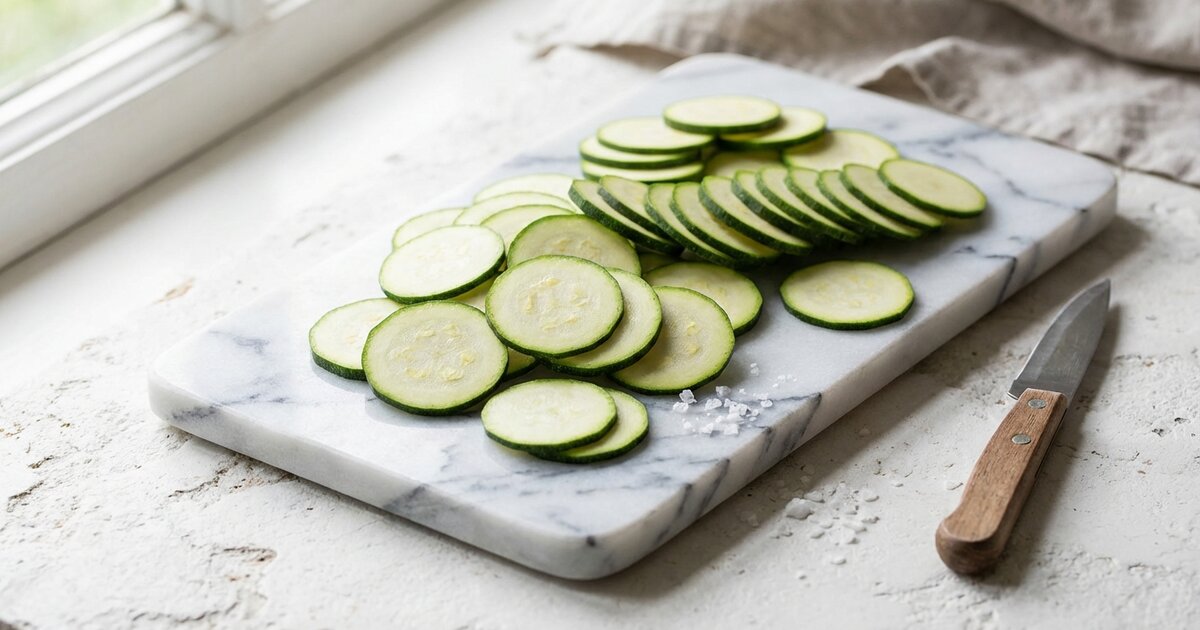
Zucchini is a dieter’s dream vegetable. Low in calories, low in carbs, and versatile enough to replace pasta, add bulk to meals, or stand alone as a satisfying side dish. If you’re watching your macros, zucchini should be in regular rotation.
The rise of spiralized “zoodles” made zucchini a weight loss staple, but this vegetable does more than just mimic pasta. It’s a legitimate volume food that helps you eat more while consuming less.
This guide covers zucchini macros in all forms—raw, cooked, and spiralized—plus how to use it strategically.
Zucchini Macros: Quick Reference
Here’s the complete nutritional picture for zucchini.
Per Cup Raw, Sliced (124g)
| Nutrient | Amount | % Daily Value |
|---|---|---|
| Calories | 21 | 1% |
| Protein | 1.5g | 3% |
| Total Carbs | 3.9g | 1% |
| Fiber | 1.2g | 4% |
| Net Carbs | 2.7g | - |
| Fat | 0.4g | 1% |
| Vitamin C | 22mg | 37% |
| Vitamin B6 | 0.2mg | 10% |
| Potassium | 324mg | 7% |
| Manganese | 0.2mg | 10% |
Per Medium Zucchini (196g)
| Nutrient | Amount |
|---|---|
| Calories | 33 |
| Protein | 2.4g |
| Total Carbs | 6.1g |
| Fiber | 2g |
| Net Carbs | 4.1g |
| Fat | 0.6g |
Per 100g (Raw)
| Nutrient | Amount |
|---|---|
| Calories | 17 |
| Protein | 1.2g |
| Carbs | 3.1g |
| Fiber | 1g |
| Fat | 0.3g |
Key insight: Zucchini is about 95% water. The remaining 5% is mostly fiber and small amounts of natural sugars.
Zucchini vs Similar Vegetables
How does zucchini compare to other low-calorie vegetables?
| Vegetable (1 cup raw) | Calories | Carbs | Fiber | Net Carbs |
|---|---|---|---|---|
| Zucchini | 21 | 3.9g | 1.2g | 2.7g |
| Yellow squash | 21 | 4g | 1.2g | 2.8g |
| Cucumber | 16 | 3.8g | 0.5g | 3.3g |
| Eggplant | 20 | 4.7g | 2.5g | 2.2g |
| Bell pepper | 30 | 6g | 2g | 4g |
| Broccoli | 31 | 6g | 2.4g | 3.6g |
| Cauliflower | 25 | 5.3g | 2.1g | 3.2g |
Zucchini ranks among the lowest in both calories and net carbs, making it ideal for volume eating.
See also: Cucumber Macros | Kale Macros
Zucchini Noodles (Zoodles) Macros
Zucchini noodles have become a low-carb diet staple. Here’s how they compare to pasta:
Zoodles vs Regular Pasta
| Per Cup Cooked | Zoodles | Spaghetti |
|---|---|---|
| Calories | 20 | 220 |
| Protein | 1.5g | 8g |
| Carbs | 4g | 43g |
| Fiber | 1g | 2.5g |
| Net Carbs | 3g | 40.5g |
| Fat | 0g | 1g |
The swap saves: 200 calories and 37g net carbs per cup—enormous for portion-controlled eating.
Making Great Zoodles
Spiralizer method:
- Cut ends off zucchini
- Run through spiralizer
- Light salt to draw out moisture (10 min)
- Pat dry before cooking
Cooking methods:
- Raw: Use as salad or cold noodle
- Quick sauté: 2-3 minutes in hot pan
- Microwave: 1-2 minutes
- Bake: 400°F for 10-15 minutes
Key tip: Don’t overcook. Zoodles turn mushy quickly. Brief cooking preserves texture.
Zoodle Meal Ideas
Zoodles with marinara:
- 2 cups zoodles: 40 cal
- 1/2 cup marinara: 50 cal
- Parmesan (2 tbsp): 40 cal
- Total: 130 cal vs 360 cal with pasta
Zoodles pad thai:
- 2 cups zoodles: 40 cal
- Pad thai sauce (2 tbsp): 60 cal
- Shrimp (4 oz): 100 cal
- Peanuts (1 tbsp): 50 cal
- Total: 250 cal vs 500+ with rice noodles
Zoodles alfredo:
- 2 cups zoodles: 40 cal
- Light alfredo (1/4 cup): 90 cal
- Chicken (4 oz): 180 cal
- Total: 310 cal vs 650 cal with fettuccine
Zucchini for Different Diet Goals
Zucchini for Weight Loss
Verdict: One of the best foods for weight loss.
Why zucchini works:
- Extremely low calorie density
- High water content creates fullness
- Fiber adds satiety
- Versatile—replaces higher-calorie foods
Weight loss strategies:
- Replace pasta with zoodles (save 200 cal/cup)
- Add to stir-fries for volume
- Use in omelets to stretch eggs
- Roast as a side instead of potatoes
- Add to soups and stews
Meal volume comparison:
- 200 calories of pasta: 1 cup
- 200 calories of zucchini: 10 cups (!!)
Use our Macro Calculator to see how zucchini fits your goals.
Zucchini on Keto
Verdict: Perfect keto vegetable.
Per cup: Only 2.7g net carbs
Zucchini is among the most keto-friendly vegetables available.
Keto zucchini uses:
- Zoodles as pasta replacement
- Zucchini boats (stuffed with meat/cheese)
- Zucchini chips (thinly sliced, baked crispy)
- Zucchini fritters with cheese
- Roasted with olive oil and parmesan
Zucchini for Muscle Building
Verdict: Supportive but not a primary food.
Zucchini provides:
- Volume for meal satisfaction
- Nutrients supporting recovery
- Almost no calories “wasted” on side dishes
Bulking strategy: Use zucchini as a side dish to keep meals balanced while focusing calories on protein and calorie-dense foods.
Zucchini for IIFYM/Flexible Dieting
Zucchini is essentially a “free” food. Track it for completeness, but it barely impacts your macros.
Learn more in our Flexible Dieting Guide.
Ways to Prepare Zucchini
Raw Zucchini
Best uses:
- Thin slices for salads
- Spiralized for cold noodle dishes
- Sticks with hummus or dip
- Shaved into ribbons
Macros stay the same as cooked—no oil or fat added.
Sautéed Zucchini
- Slice into half-moons
- Heat olive oil in pan
- Sauté 3-5 minutes until slightly golden
- Season with salt, pepper, garlic
Per cup with 1 tsp oil: ~60 cal
Roasted Zucchini
- Cut into chunks or spears
- Toss with olive oil and seasonings
- Roast at 425°F for 20-25 minutes
- Until edges are golden and caramelized
Per cup with 1 tsp oil: ~60 cal
Roasting concentrates flavor and creates better texture than sautéing.
Grilled Zucchini
- Slice lengthwise into planks
- Brush with olive oil
- Grill 3-4 minutes per side
- Season with herbs
Per cup with 1 tsp oil: ~60 cal
Great summer side dish.
Zucchini Boats
- Halve zucchini lengthwise
- Scoop out center seeds
- Fill with ground meat, cheese, or vegetables
- Bake at 400°F for 25-30 minutes
Per boat (zucchini only): ~15 cal—add filling macros separately
Zucchini Bread
Zucchini bread is a baked good, not a vegetable dish. Macros vary wildly by recipe:
- Typical slice: 200-300 calories
- Carbs: 25-35g
- Not a low-carb option despite the vegetable
Raw vs Cooked Zucchini
Raw Zucchini
| Benefit | Consideration |
|---|---|
| Maximum vitamin C | Crunchier texture |
| No added cooking fat | May be less palatable |
| Quick preparation | Larger volume |
Cooked Zucchini
| Benefit | Consideration |
|---|---|
| Reduced volume (easier to eat more) | Some vitamin C loss |
| Better texture for many dishes | Usually requires cooking fat |
| Softer, milder flavor | Takes time to prepare |
Both are healthy. Choose based on the dish you’re making.
Zucchini Skin: Eat It or Peel It?
With Skin
- More fiber
- More nutrients
- Better texture (holds together)
- Faster prep
Without Skin
- Milder flavor
- Softer texture
- Personal preference
Recommendation: Eat with skin. No nutritional reason to peel, and it adds fiber. Just wash thoroughly.
Zucchini Meal Ideas
Low-Calorie Meals
Zucchini stir-fry (serves 1):
- 2 cups sliced zucchini: 42 cal
- 4 oz chicken breast: 180 cal
- 1 tbsp soy sauce: 10 cal
- 1 tsp sesame oil: 40 cal
- Garlic, ginger: 5 cal
- Total: 277 cal, 35g protein
Zucchini pizza bites:
- 1 medium zucchini, sliced: 33 cal
- Pizza sauce: 20 cal
- Mozzarella (1 oz): 85 cal
- Pepperoni (5 mini): 35 cal
- Total: 173 cal, satisfies pizza craving
Filling Side Dishes
Parmesan roasted zucchini:
- 2 cups zucchini: 42 cal
- 1 tbsp olive oil: 120 cal
- Parmesan (2 tbsp): 40 cal
- Total: 202 cal
Zucchini with herbs:
- 2 cups zucchini: 42 cal
- 1 tsp olive oil: 40 cal
- Fresh herbs, garlic: 5 cal
- Total: 87 cal
Volume Eating Examples
How much zucchini for different calorie budgets:
| Calories | Amount of Zucchini |
|---|---|
| 50 | ~2.5 cups |
| 100 | ~5 cups |
| 200 | ~10 cups |
You’d struggle to eat 10 cups of zucchini. That’s the point—it fills you up before you can overeat.
Common Zucchini Questions
Can I Eat Zucchini Every Day?
Yes, absolutely. Zucchini is a healthy, low-calorie vegetable with no concerns for daily consumption. Variety in your diet is good, but there’s nothing wrong with eating zucchini daily.
Does Zucchini Have Any Protein?
About 1.5g per cup—negligible for protein goals but more than zero. Don’t count zucchini toward protein targets.
Why Does My Zucchini Get Watery?
Zucchini is 95% water. When cooked, it releases moisture.
To reduce wateriness:
- Salt and drain before cooking (zoodles especially)
- Don’t overcrowd the pan
- Cook at high heat
- Pat dry before sautéing
Is Bigger Zucchini Less Nutritious?
Not significantly. Larger zucchini may be slightly more watery and have larger seeds, but the nutritional difference is minimal. Choose size based on intended use.
Can I Freeze Zucchini?
Yes, but texture changes:
- Best for cooked dishes (soups, casseroles)
- Not ideal for zoodles (gets mushy)
- Blanch before freezing for best results
The Bottom Line on Zucchini Macros
The facts:
- 21 calories per cup raw—almost nothing
- 2.7g net carbs—very low carb
- 95% water—excellent for volume eating
- Versatile—raw, cooked, spiralized
Best uses:
- Pasta replacement (zoodles)
- Volume addition to any meal
- Low-calorie side dish
- Weight loss and keto diets
- Stretching calorie budgets
The math that matters:
- 1 cup zoodles: 20 calories
- 1 cup pasta: 220 calories
- Savings per swap: 200 calories
Bottom line: Zucchini is one of the most useful vegetables for macro tracking. It adds volume to meals, replaces higher-calorie foods, and is nearly free from a caloric perspective. If you’re trying to lose weight or eat more food on fewer calories, zucchini should be a regular part of your diet.
For understanding how zucchini fits into your overall nutrition picture, read What Are Macronutrients.
Related Articles
Dragonfruit Macros: Complete Nutrition Guide for Pitaya
Complete macro breakdown of dragonfruit (pitaya). Learn the calories, protein, carbs, and...
Read guide →
Bulgur Macros: Complete Nutritional Guide & Health Benefits
Discover bulgur's complete macro breakdown, nutritional benefits, and how to incorporate...
Read guide →
Radish Macros: Nutrition Facts and Health Benefits
Complete guide to radish macros and nutrition. Learn calories, protein, carbs, and health...
Read guide →Note: Nutrition values are approximate and may vary based on preparation method and source.