Macros For Teens: A Complete Guide to Teen Nutrition & Macro Tracking

Teenage years are marked by rapid growth, hormonal changes, athletic pursuits, and developing independence around food choices. Understanding macronutrients during this critical developmental stage isn’t just about performance or appearance—it’s about fueling the most significant growth period after infancy.
Whether you’re a teen athlete training for competition, a parent helping your teenager develop healthy nutrition habits, or a coach working with young athletes, this comprehensive guide breaks down everything you need to know about macros for teenagers: appropriate calorie ranges, optimal protein intake, smart carb and fat targets, meal planning strategies, and most importantly, how to approach macro tracking in a healthy, sustainable way that supports both physical development and mental health.
Let’s dive into the science-backed nutrition strategies that support optimal teen growth, performance, and lifelong health habits—without falling into restrictive patterns or food obsession.
Understanding Macronutrients for Teenagers
Macronutrients—protein, carbohydrates, and fats—are the three primary nutrients your body needs in large amounts to function, grow, and thrive. For a complete introduction to what macronutrients are and how they work, see our guide to what are macronutrients. For teenagers, these nutrients play even more critical roles than for adults because of ongoing rapid physical development.
Protein builds and repairs muscle tissue, supports bone growth, produces hormones (including growth hormone and sex hormones during puberty), and maintains immune function. Teen bodies are literally building new tissue daily—adequate protein isn’t optional.
Carbohydrates provide the primary fuel for teenage brains (which require about 20% of daily energy despite being only 2% of bodyweight), support high activity levels, fuel athletic performance, and help regulate mood and energy. Teens who restrict carbs often experience brain fog, fatigue, irritability, and poor recovery.
Fats are essential for hormone production (especially sex hormones during puberty), brain development and function, vitamin absorption, cell membrane structure, and inflammation regulation. Low-fat diets during teenage years can disrupt normal puberty and development.
Unlike adults who may be focused on weight management or body composition goals, teenagers need macros primarily to support growth, development, and increasing independence. The teenage body is changing rapidly, and nutrition needs reflect this dynamic period.
Calorie Needs for Teenagers
Before diving into macro ratios, you need to understand total calorie requirements. Teen calorie needs vary dramatically based on age, sex, body size, activity level, and growth stage.
General Teen Calorie Guidelines
Teenage Girls:
- Ages 13-18, sedentary: 1,600-2,000 calories/day
- Ages 13-18, moderately active: 2,000-2,200 calories/day
- Ages 13-18, very active: 2,200-2,400 calories/day
Teenage Boys:
- Ages 13-18, sedentary: 2,000-2,400 calories/day
- Ages 13-18, moderately active: 2,400-2,800 calories/day
- Ages 13-18, very active: 2,800-3,200 calories/day
These ranges account for normal growth and development. Individual needs may vary significantly based on height, weight, genetics, and activity patterns.
Activity Level Definitions
Sedentary: Minimal physical activity beyond normal daily movement (walking to class, basic household tasks). Less than 30 minutes of intentional exercise most days.
Moderately Active: 30-60 minutes of moderate-intensity activity most days, such as recreational sports, gym class, walking, or casual cycling.
Very Active: 60+ minutes of vigorous activity most days, including competitive sports, intense training sessions, or multiple sport practices/games weekly.
Growth Spurts and Increased Needs
During peak growth periods (typically ages 12-15 for girls, 13-17 for boys), calorie needs may increase by 200-500 calories above typical ranges. Signs your teen needs more calories include:
- Constant hunger that isn’t satisfied by normal portions
- Fatigue despite adequate sleep
- Declining athletic performance
- Mood swings or irritability
- Weight loss or failure to gain weight during expected growth periods
Honor hunger cues during growth spurts rather than restricting to pre-determined calorie targets. Growth periods are temporary but crucial for reaching optimal height and development.
Protein Requirements for Teenagers
Protein needs for teenagers are higher per kilogram of bodyweight than for adults due to rapid growth and tissue building.
Minimum Protein Guidelines
The Recommended Dietary Allowance (RDA) for teen protein is 0.85g per kg bodyweight (or about 0.4g per pound). For a 150 lb (68 kg) teen, this minimum is approximately 58g protein daily.
However, this RDA represents the minimum to prevent deficiency, not the optimal amount for active, growing teenagers.
Optimal Protein Ranges for Teens
Non-athlete teens: 0.8-1.2g per kg bodyweight (0.36-0.55g per lb)
- 150 lb teen: 54-82g protein/day
Teen athletes (recreational): 1.2-1.5g per kg bodyweight (0.55-0.68g per lb)
- 150 lb teen: 82-102g protein/day
Teen athletes (competitive/serious training): 1.4-1.8g per kg bodyweight (0.64-0.82g per lb)
- 150 lb teen: 96-123g protein/day
Teen athletes in strength sports: 1.6-2.0g per kg bodyweight (0.73-0.91g per lb)
- 150 lb teen: 109-136g protein/day
Best Protein Sources for Teenagers
Complete proteins (contain all essential amino acids):
- Chicken breast: 31g per 4 oz
- Turkey breast: 30g per 4 oz
- Salmon: 25g per 4 oz
- Tuna: 26g per 4 oz
- Greek yogurt: 15-20g per cup
- Eggs: 6g per large egg
- Milk: 8g per cup
- Cottage cheese: 14g per 1/2 cup
- Whey protein powder: 20-25g per scoop
Plant-based proteins:
- Lentils: 18g per cooked cup
- Black beans: 15g per cooked cup
- Tofu: 20g per cup
- Tempeh: 31g per cup
- Quinoa: 8g per cooked cup
- Peanut butter: 7-8g per 2 tablespoons
- Almonds: 6g per ounce
Timing Protein Intake
For optimal muscle recovery and growth, teen athletes should aim to distribute protein across 3-5 meals/snacks rather than loading it all at dinner. Each meal or substantial snack should include 15-30g protein.
Example daily protein distribution (120g total):
- Breakfast: 25g (eggs and toast)
- Morning snack: 15g (Greek yogurt)
- Lunch: 30g (chicken sandwich)
- After-school snack: 20g (protein smoothie)
- Dinner: 30g (salmon with rice)
This pattern maximizes muscle protein synthesis throughout the day rather than exceeding the body’s ability to utilize protein at once.
Carbohydrate Needs for Teenagers
Carbohydrates are often demonized in popular diet culture, but for teenagers—especially active ones—carbs are absolutely essential.
Why Teens Need Adequate Carbs
The teenage brain requires approximately 120-130g of glucose daily just to function optimally. Add in physical activity, and carbohydrate needs skyrocket. Insufficient carb intake leads to:
- Mental fog and difficulty concentrating in school
- Decreased athletic performance and recovery
- Mood swings and irritability
- Reduced training intensity and motivation
- Increased injury risk due to inadequate muscle glycogen
- Hormone disruption (especially problematic during puberty)
Carb Ranges for Teens
Non-athlete teens: 45-55% of total calories from carbs
- 2,000 calorie diet: 225-275g carbs/day
Moderately active teens: 50-60% of total calories from carbs
- 2,400 calorie diet: 300-360g carbs/day
Teen athletes (endurance sports): 55-65% of total calories from carbs
- 2,800 calorie diet: 385-455g carbs/day
Teen athletes (strength/power sports): 45-55% of total calories from carbs
- 2,800 calorie diet: 315-385g carbs/day
Quality Carb Sources for Teens
Complex carbs (provide sustained energy and fiber):
- Whole grain bread and pasta
- Brown rice, quinoa, farro
- Oatmeal and whole grain cereals
- Sweet potatoes and white potatoes
- Beans and lentils
- Fruits (bananas, apples, berries, oranges)
- Vegetables (especially starchy ones like corn, peas, squash)
Simple carbs (best around workouts for quick energy):
- White rice
- White bread and bagels
- Sports drinks and gels
- Pretzels and crackers
- Fruit juice
- Honey and jam
The key is not eliminating simple carbs entirely, but rather timing them strategically and balancing them with complex carbs throughout the day.
Carbs and Athletic Performance
Teen athletes need carbs before, during, and after training:
Pre-workout (1-3 hours before): 30-60g carbs from mixed simple/complex sources (banana with peanut butter, oatmeal with fruit, toast with jam)
During workout (for sessions >90 minutes): 30-60g carbs per hour from simple sources (sports drinks, gels, dried fruit)
Post-workout (within 30-60 minutes): 1-1.2g carbs per kg bodyweight (68-82g for a 150 lb teen) to replenish muscle glycogen
Recovery is when the body adapts and grows stronger—adequate carbs make this possible.
Fat Requirements for Teenagers
Dietary fat often gets overlooked in teen nutrition discussions, but it’s absolutely critical during adolescence.
Why Fat Matters for Teen Development
Fat is essential for:
- Producing sex hormones (testosterone, estrogen, progesterone)
- Supporting brain development (the brain is ~60% fat)
- Absorbing vitamins A, D, E, and K
- Building cell membranes
- Regulating inflammation and immune function
- Supporting normal growth and development
Low-fat diets during teenage years can delay puberty, disrupt menstrual cycles, impair cognitive function, and compromise bone health.
Fat Ranges for Teens
General guideline: 25-35% of total calories from fat
Minimum threshold: Never go below 20% of calories from fat during teenage years
Example calculations:
- 2,000 calories: 56-78g fat/day (250-350g carbs, 100-150g protein)
- 2,400 calories: 67-93g fat/day (300-360g carbs, 120-180g protein)
- 2,800 calories: 78-109g fat/day (350-420g carbs, 140-210g protein)
Healthy Fat Sources for Teenagers
Unsaturated fats (prioritize these):
- Avocados: 21g per avocado
- Olive oil: 14g per tablespoon
- Nuts (almonds, walnuts, pecans): 14-18g per ounce
- Nut butters: 16g per 2 tablespoons
- Fatty fish (salmon, mackerel, sardines): 10-15g per 4 oz
- Seeds (chia, flax, pumpkin): 9-15g per ounce
Saturated fats (include in moderation):
- Eggs: 5g per large egg
- Full-fat dairy (cheese, yogurt): 6-8g per ounce
- Lean red meat: 5-10g per 4 oz
- Coconut oil: 14g per tablespoon
Fats to minimize:
- Trans fats (partially hydrogenated oils in some processed foods)
- Excessive saturated fat from fried foods and processed meats
Omega-3 Fatty Acids
Omega-3s deserve special attention for teen brain development, mood regulation, and inflammation reduction. Aim for 1-2 servings of fatty fish weekly, or consider a fish oil supplement (1-2g EPA+DHA daily) if fish consumption is low.
Sample Macro Plans for Different Teen Profiles
Here are practical macro targets for various teenage profiles. Remember these are starting points—adjust based on hunger, energy, performance, and growth patterns.
15-Year-Old Non-Athlete Female (1,800 calories)
- Carbs: 225g (50%)
- Protein: 90g (20%)
- Fat: 60g (30%)
Sample day:
- Breakfast: Oatmeal (30g carbs) with banana (25g carbs), peanut butter (8g fat, 8g protein), milk (12g carbs, 8g protein, 8g fat)
- Snack: Apple (25g carbs) with string cheese (7g protein, 6g fat)
- Lunch: Turkey sandwich on whole wheat (40g carbs, 25g protein, 10g fat), baby carrots (10g carbs)
- Snack: Greek yogurt (12g carbs, 15g protein) with granola (20g carbs, 4g fat)
- Dinner: Grilled chicken breast (35g protein, 5g fat), brown rice (45g carbs), roasted vegetables (15g carbs, 5g fat)
16-Year-Old Competitive Male Athlete (3,000 calories)
- Carbs: 400g (53%)
- Protein: 180g (24%)
- Fat: 77g (23%)
Sample day:
- Breakfast: 4 scrambled eggs (24g protein, 20g fat), toast (30g carbs), fruit smoothie (50g carbs)
- Snack: Protein shake (30g protein), banana (30g carbs)
- Lunch: Chicken burrito bowl (50g protein, 80g carbs, 20g fat)
- Pre-workout snack: Bagel (50g carbs) with peanut butter (8g protein, 16g fat)
- Post-workout: Chocolate milk (50g carbs, 16g protein, 8g fat)
- Dinner: Salmon (30g protein, 15g fat), sweet potato (40g carbs), large salad (20g carbs, 5g fat)
- Evening snack: Greek yogurt (20g protein, 20g carbs) with berries (20g carbs)
14-Year-Old Moderately Active Female (2,100 calories)
- Carbs: 262g (50%)
- Protein: 105g (20%)
- Fat: 70g (30%)
Sample day:
- Breakfast: Greek yogurt parfait (20g protein, 40g carbs, 10g fat)
- Snack: Trail mix (15g carbs, 5g protein, 12g fat)
- Lunch: Chicken Caesar salad (30g protein, 20g carbs, 20g fat), roll (25g carbs)
- Snack: Protein smoothie (20g protein, 35g carbs, 8g fat)
- Dinner: Spaghetti with meat sauce (30g protein, 90g carbs, 15g fat), side salad (12g carbs, 5g fat)
- Snack: Cottage cheese (14g protein, 6g carbs) with berries (15g carbs)
17-Year-Old Male Strength Athlete (3,200 calories)
- Carbs: 400g (50%)
- Protein: 200g (25%)
- Fat: 89g (25%)
Sample day:
- Breakfast: 6 whole eggs (36g protein, 30g fat), oatmeal (50g carbs) with berries (20g carbs)
- Mid-morning: Protein shake (40g protein), apple (25g carbs), almonds (6g fat)
- Lunch: Double chicken breast (70g protein), large rice bowl (80g carbs, 10g fat)
- Pre-workout: Bagel (50g carbs) with almond butter (8g protein, 18g fat), banana (30g carbs)
- Post-workout: Protein shake (30g protein), white rice (60g carbs)
- Dinner: Lean beef (40g protein, 20g fat), quinoa (40g carbs), mixed vegetables (20g carbs, 5g fat)
- Evening: Greek yogurt (20g protein, 20g carbs) with granola (25g carbs, 10g fat)
Should Teenagers Track Macros?
This is perhaps the most important section of this guide. Macro tracking can be a valuable educational tool for teenagers when approached correctly, but it also carries risks that parents, coaches, and teens themselves need to understand.
When Macro Tracking Makes Sense
Appropriate scenarios for teen macro tracking:
- Teen athletes with performance goals who work with a qualified sports nutritionist or dietitian
- Educational purposes to learn about nutrition, portion sizes, and food composition
- Medical necessity (diabetes management, specific health conditions requiring dietary monitoring)
- Underweight teens working to gain weight healthily under professional supervision
- Short-term learning tool (2-4 weeks) to understand current eating patterns
When Macro Tracking Is Problematic
Red flags that suggest macro tracking should stop:
- Obsessive behaviors: Constantly thinking about food, inability to eat without logging, anxiety about meeting exact numbers
- Social isolation: Skipping social events, refusing to eat at restaurants or friends’ houses due to tracking difficulties
- Restrictive patterns: Severely limiting food choices, eliminating entire food groups, eating below calorie needs
- Emotional distress: Using tracking to punish eating, guilt over “going over” macros, food-related anxiety
- Body image issues: Tracking driven by appearance rather than health, constant body checking, appearance-based worth
Healthy Approaches to Teen Nutrition
For most teenagers, the following approaches are more beneficial than strict macro tracking:
Focus on food quality and variety:
- Eat protein at most meals
- Include fruits and vegetables at every meal
- Choose mostly whole grains over refined grains
- Include healthy fats daily
- Stay hydrated with water as primary beverage
- Limit highly processed foods and added sugars
Honor hunger and fullness cues:
- Eat when physically hungry (not just bored or emotional)
- Stop when comfortably satisfied (not stuffed)
- Don’t restrict during growth spurts
- Allow flexibility for higher-hunger days
- Avoid labeling foods as “good” or “bad”
Practice intuitive eating:
- Respect your body’s signals
- Reject diet culture and restriction mentality
- Challenge food rules that aren’t based on health
- Make peace with all foods
- Discover satisfaction in eating
- Cope with emotions without using food
Build sustainable habits:
- Learn to cook simple, nutritious meals
- Understand basic nutrition principles
- Practice meal planning and preparation
- Develop a positive relationship with food
- Focus on how food makes you feel rather than numbers
Meal Planning and Prep for Teenagers
Practical meal planning helps teens meet macro needs without obsessive tracking. Here’s how to build balanced meals and snacks.
The Plate Method for Balanced Meals
For main meals, use this visual guide:
1/4 of plate: Protein source
- Chicken, fish, beef, pork, tofu, tempeh, eggs, beans
1/4 of plate: Starchy carbohydrate
- Rice, pasta, quinoa, potatoes, sweet potatoes, bread, tortillas
1/2 of plate: Vegetables
- Mixed salad, roasted vegetables, steamed broccoli, sautéed spinach, etc.
Plus: A serving of healthy fat (if not already included in protein/cooking)
- Avocado, nuts, olive oil, cheese, dressing
Plus: A glass of milk or alternative, or a piece of fruit for dessert
This approach naturally creates a balanced macro ratio without tracking.
Easy High-Protein Meal Ideas
Breakfasts:
- Greek yogurt parfait with granola and berries
- Scrambled eggs with toast and fruit
- Protein pancakes with peanut butter and syrup
- Smoothie bowl with protein powder, banana, berries, granola
- Breakfast burrito with eggs, cheese, beans, salsa
Lunches:
- Turkey and cheese wrap with veggies and hummus
- Chicken Caesar salad with roll
- Tuna sandwich with fruit and pretzels
- Burrito bowl with chicken, rice, beans, cheese, guac
- Leftover dinner protein with fresh salad
Dinners:
- Grilled chicken with roasted potatoes and green beans
- Spaghetti with meat sauce and side salad
- Salmon with rice and steamed broccoli
- Tacos with ground turkey, toppings, rice and beans
- Stir-fry with chicken, vegetables, and noodles
Smart High-Protein Snacks
- Greek yogurt (15-20g protein per cup)
- String cheese with crackers (7-10g)
- Hard-boiled eggs (6g per egg)
- Protein shake or smoothie (20-30g)
- Beef jerky (9-15g per serving)
- Cottage cheese with fruit (14g per 1/2 cup)
- Peanut butter on toast or apple (8g per 2 tbsp)
- Protein bars (10-20g depending on brand)
- Trail mix with nuts and dried fruit (5-8g per serving)
- Chocolate milk (8-16g depending on serving size)
Pre-Made Meal Prep Ideas
Spending 1-2 hours weekly on meal prep makes hitting macro targets much easier:
Batch cook proteins:
- Grill or bake 4-6 chicken breasts
- Cook ground turkey or beef
- Boil a dozen eggs
- Prepare 2-3 servings of fish
Prepare carb bases:
- Cook large batch of rice or quinoa
- Bake or roast 4-6 sweet potatoes or regular potatoes
- Cook pasta
Chop vegetables:
- Wash and cut vegetables for salads
- Roast large pans of mixed vegetables
- Portion out baby carrots, snap peas, cherry tomatoes
Portion into containers:
- Create 3-5 ready-to-eat meals with protein, carb, and vegetables
- Pack grab-and-go snacks (yogurt, cheese, nuts, fruit)
- Prepare overnight oats or chia pudding cups
Special Considerations for Teen Athletes
Teen athletes have unique nutritional needs that go beyond basic macro ratios.
Fueling for Performance
Endurance athletes (cross country, swimming, cycling, soccer):
- Higher carb needs (55-65% of calories)
- Carb loading before competitions (increase carbs 2-3 days prior)
- During-workout fuel for sessions over 90 minutes
- Aggressive carb replenishment post-workout
Strength/power athletes (football, wrestling, track sprints, weightlifting):
- Higher protein needs (1.6-2.0g/kg)
- Moderate-high carbs for training intensity
- Strategic meal timing around workouts
- Adequate calories to support muscle growth
Aesthetic sports (gymnastics, dance, figure skating, cheer):
- Risk for undereating and restrictive behaviors
- Focus on performance fueling, not appearance
- Work with sports dietitian experienced with these sports
- Monitor for RED-S (Relative Energy Deficiency in Sport)
Hydration for Teen Athletes
Water needs increase dramatically with athletic activity:
- Baseline: Half your bodyweight in ounces daily (150 lb teen = 75 oz water)
- Pre-workout: 16-20 oz in the 2 hours before training
- During workout: 7-10 oz every 10-20 minutes
- Post-workout: 16-24 oz for every pound of bodyweight lost through sweat
For intense training over 60 minutes, sports drinks provide needed carbs and electrolytes. Otherwise, water is sufficient.
Recovery Nutrition
The post-workout window (30-60 minutes after training) is critical for teen athletes:
Optimal post-workout ratios:
- 3:1 or 4:1 ratio of carbs to protein
- 150 lb teen: 60-80g carbs + 15-20g protein
- Example: Chocolate milk (24 oz), turkey sandwich, protein smoothie with banana
Recovery meals should follow 2-3 hours later with complete nutrition.
Supplements for Teen Athletes
Most teen athletes don’t need supplements if eating a balanced diet. However, these may be beneficial:
Generally safe and effective:
- Whey or plant-based protein powder (if struggling to meet protein needs through food)
- Creatine monohydrate (5g daily for strength/power athletes 16+)
- Vitamin D (if deficient, common in northern climates)
- Iron (if deficient, especially menstruating female athletes)
Not recommended for teens:
- Pre-workout stimulants (high caffeine)
- Fat burners or weight loss supplements
- Testosterone boosters
- Most “proprietary blends”
Always consult with a pediatrician or sports dietitian before starting any supplement.
Macros for Teen Body Composition Goals
Some teens are interested in changing body composition—either building muscle or losing fat. This requires careful, health-focused approaches.
Building Muscle as a Teen
Teen boys typically gain muscle most effectively ages 15-20 as testosterone levels rise. Teen girls can also build muscle but at a slower rate.
Requirements for muscle building:
- Progressive resistance training 3-5x weekly
- Calorie surplus of 200-500 above maintenance
- Protein intake of 1.6-2.0g/kg bodyweight
- Adequate carbs to fuel hard training
- Sufficient sleep (8-10 hours) for recovery and growth hormone release
Realistic muscle gain rates:
- Teen boys in optimal conditions: 1-2 lbs of muscle monthly
- Teen girls in optimal conditions: 0.5-1 lb of muscle monthly
- Faster gains in year 1-2 of training, slower thereafter
Fat Loss for Overweight Teens
Fat loss for teens should only be pursued under medical supervision if genuinely needed for health. Many teens who think they need to lose weight are actually at healthy weights but influenced by unrealistic body standards.
If fat loss is medically appropriate:
- Modest calorie deficit (250-500 calories below maintenance, never below 1,600 for girls or 2,000 for boys)
- High protein (1.2-1.6g/kg) to preserve muscle
- Adequate carbs for activity and brain function
- Focus on habit changes, not quick fixes
- Slow pace of 0.5-1 lb weekly
- Regular monitoring by healthcare provider
Red flags requiring immediate medical attention:
- Rapid weight loss (>2 lbs weekly)
- Extreme restriction (under 1,500 calories)
- Excessive exercise (2+ hours daily)
- Purging behaviors
- Avoiding all social eating situations
Body Image Concerns in Teens
Teen years are challenging for body image. Social media, peer comparison, and puberty changes create a perfect storm for body dissatisfaction.
Supporting healthy body image:
- Focus on what bodies can DO, not how they look
- Appreciate strength, endurance, coordination improvements
- Avoid weight talk and body comparison
- Challenge unrealistic social media bodies (filters, angles, editing)
- Seek professional help for persistent body image distress
- Remember that puberty changes are normal and necessary
Parents and coaches: Model healthy relationships with food and body. Avoid commenting on teens’ bodies (even compliments can increase body focus). Emphasize health and performance over appearance.
Signs of Disordered Eating in Teens
Macro tracking and body composition focus can sometimes tip into disordered territory. Warning signs include:
Behavioral red flags:
- Skipping meals or severe restriction
- Eating in secret or hiding food
- Excessive exercise that interferes with life
- Refusing to eat with family or at social events
- Rigid food rules (timing, “clean” eating, elimination)
- Rituals around food (cutting food tiny, eating slowly)
- Frequent bathroom trips after meals
Physical signs:
- Rapid weight loss or failure to gain during growth periods
- Dizziness, fainting, or fatigue
- Menstrual irregularities or loss of period
- Frequent injuries or illness (weak immune system)
- Cold intolerance
- Digestive issues
Psychological indicators:
- Preoccupation with food, weight, or body
- Mood swings, depression, anxiety
- Social withdrawal
- Perfectionism about food/exercise
- Self-worth tied to eating or appearance
If you notice these signs, seek help immediately from a physician, therapist specializing in eating disorders, and registered dietitian. Early intervention dramatically improves outcomes.
Tools and Resources for Teen Macro Tracking
If you decide macro tracking is appropriate for your situation, these tools can help:
Macro Calculators
The Macro Calculator here on MacroNutrients.com provides teen-appropriate calculations based on age, activity level, and goals. Always start conservative and adjust based on hunger, energy, and performance.
Tracking Apps
MyFitnessPal: Extensive food database, barcode scanner, recipe calculator. Free version sufficient for basic tracking.
Cronometer: More detailed micronutrient tracking, useful for identifying specific deficiencies. Slightly more complex interface.
MyPlate: Simple interface, good for teens just learning tracking basics.
Note: Set these apps to maintenance or slight surplus calories, never aggressive deficits. Ignore the default calorie recommendations if they seem extremely low.
Professional Support
Consider working with professionals if:
- Teen has specific medical conditions affecting nutrition needs
- Competitive athlete with serious performance goals
- History of disordered eating or concerning behaviors
- Significantly under or overweight
- Chronic low energy, injuries, or poor recovery
Qualified professionals:
- Registered Dietitian (RD) or Registered Dietitian Nutritionist (RDN): Credentials verified through Commission on Dietetic Registration
- Board Certified Specialist in Sports Dietetics (CSSD): Additional certification for sports nutrition
- Licensed therapist specializing in eating disorders: For psychological aspects
Avoid “nutritionists” without RD/RDN credentials, Instagram influencers, and anyone promising extreme results.
Frequently Asked Questions
Are macros different for teenage boys vs girls?
Yes, primarily due to differences in size, body composition, and hormones. Teenage boys typically need more total calories (200-800 more daily) and higher absolute amounts of all macros. However, the percentage ranges are similar. Boys may benefit from slightly higher protein percentages when building muscle (25-30% vs 20-25% for girls). Girls need adequate fat for menstrual health and hormone production—never below 20% of calories.
Can I build muscle while losing fat as a teenager?
Yes, teens have a unique advantage for body recomposition due to high natural growth hormone and testosterone levels (especially teen boys). This is most achievable for overweight teens who are new to training. Focus on adequate protein (1.6-2.0g/kg), progressive strength training, eating at or slightly below maintenance calories, and being patient. Most teens should prioritize building muscle through a modest surplus rather than trying to do both simultaneously.
What if I’m always hungry even when hitting my macros?
Constant hunger despite adequate macros usually indicates: (1) you’re in a growth spurt and need more calories, (2) your activity level is higher than estimated, (3) you’re not eating enough volume (low-calorie foods like vegetables help fill you up), or (4) your macros aren’t balanced (too much fat, not enough protein/carbs). Honor hunger during teen years—your body is literally building new tissue. Increase calories by 200-300 and reassess after 2 weeks.
Should I eat differently on rest days vs training days?
For teen athletes, yes. Training days require more total calories (200-500 more) primarily from carbohydrates to fuel activity and recovery. Protein stays relatively constant. Fats can decrease slightly on training days (percentage-wise) to make room for more carbs. Rest days still need adequate calories for growth and recovery—don’t drastically drop intake. A good rule is: training days 300-500 more calories than rest days, with the difference coming mostly from carbs.
How do I track macros when eating out or at school cafeteria?
Estimate using these strategies: (1) Use MyFitnessPal database for chain restaurants (usually accurate), (2) Build meals from components (protein source, carb, fat), (3) Use hand portions (palm-sized protein, fist-sized carb, thumb-sized fat), (4) Don’t stress perfection for occasional meals, (5) Pre-plan by checking menus online when possible. For school cafeterias, learn the typical portions and macros of regular options, then estimate daily. Tracking doesn’t need to be exact to be useful.
What should I eat before early morning practice/games?
For early morning training (5-6am practices), eating can be challenging. Options: (1) Small easily-digestible snack 30-45 minutes before (banana, toast with jam, applesauce), (2) Liquid calories (smoothie, chocolate milk, sports drink), (3) Larger evening snack the night before with more carbs, or (4) Prioritize post-workout nutrition if you can’t tolerate food pre-workout. Never skip both pre and post-workout meals. Your body needs fuel.
Is intermittent fasting safe for teenagers?
Generally no. Intermittent fasting is not recommended for teenagers for several reasons: (1) Growing bodies need consistent fuel throughout the day, (2) Long fasting periods can impair growth and development, (3) Skipping meals (especially breakfast) is associated with worse academic performance, (4) Fasting patterns can trigger or worsen disordered eating, and (5) Teen athletes particularly need regular fueling for performance and recovery. If you’re curious about meal timing, focus instead on not eating late at night (stop eating 2-3 hours before bed), which naturally creates a 10-12 hour overnight fast.
How do macros change during menstrual cycle?
Menstruating teen girls often experience increased hunger and cravings in the week before their period (luteal phase) due to increased progesterone and slightly higher metabolic rate (50-300 more calories daily). Protein needs stay constant, but carb and total calorie needs may increase slightly. Honor this hunger rather than restricting—your body is preparing for menstruation. Iron needs also increase due to blood loss, so prioritize iron-rich foods (red meat, spinach, beans) and pair with vitamin C for absorption.
Conclusion: A Balanced Approach to Macros for Teens
Understanding macronutrients during teenage years provides valuable knowledge that supports optimal growth, athletic performance, and lifelong health habits. However, the goal should never be perfect adherence to exact numbers, but rather developing an intuitive, positive relationship with food that honors your body’s needs.
For most teens, focusing on food quality, eating when hungry, stopping when satisfied, and including protein, carbs, and fats at most meals will naturally support proper macro ratios without tracking. For teen athletes with specific performance goals, working with a sports dietitian to optimize nutrition can provide a competitive edge.
Remember that teenage bodies are constantly changing. Macro needs that work perfectly one month may need adjustment during growth spurts, training changes, or different seasons. Flexibility, not rigidity, is the goal.
If you’re a parent, coach, or teen considering macro tracking, prioritize mental health and relationship with food above physical results. Watch for warning signs of disordered eating, encourage balance and variety, and seek professional help if nutrition becomes a source of stress rather than empowerment.
Your teenage years are about more than macros—they’re about discovering who you are, building confidence, developing independence, and creating memories with friends. Don’t let food tracking steal those experiences. Use nutrition knowledge as a tool for health and performance, not a cage that limits your life.
Ready to estimate your macro needs? Try our Macro Calculator to get teen-appropriate targets based on your age, activity level, and goals. Remember to use these as starting points and adjust based on your body’s feedback.
For more nutrition guidance, explore our comprehensive guides on protein needs, carbohydrates for athletes, and healthy fats. Build your nutrition knowledge gradually, and always prioritize health and happiness over perfect numbers.
Related Articles
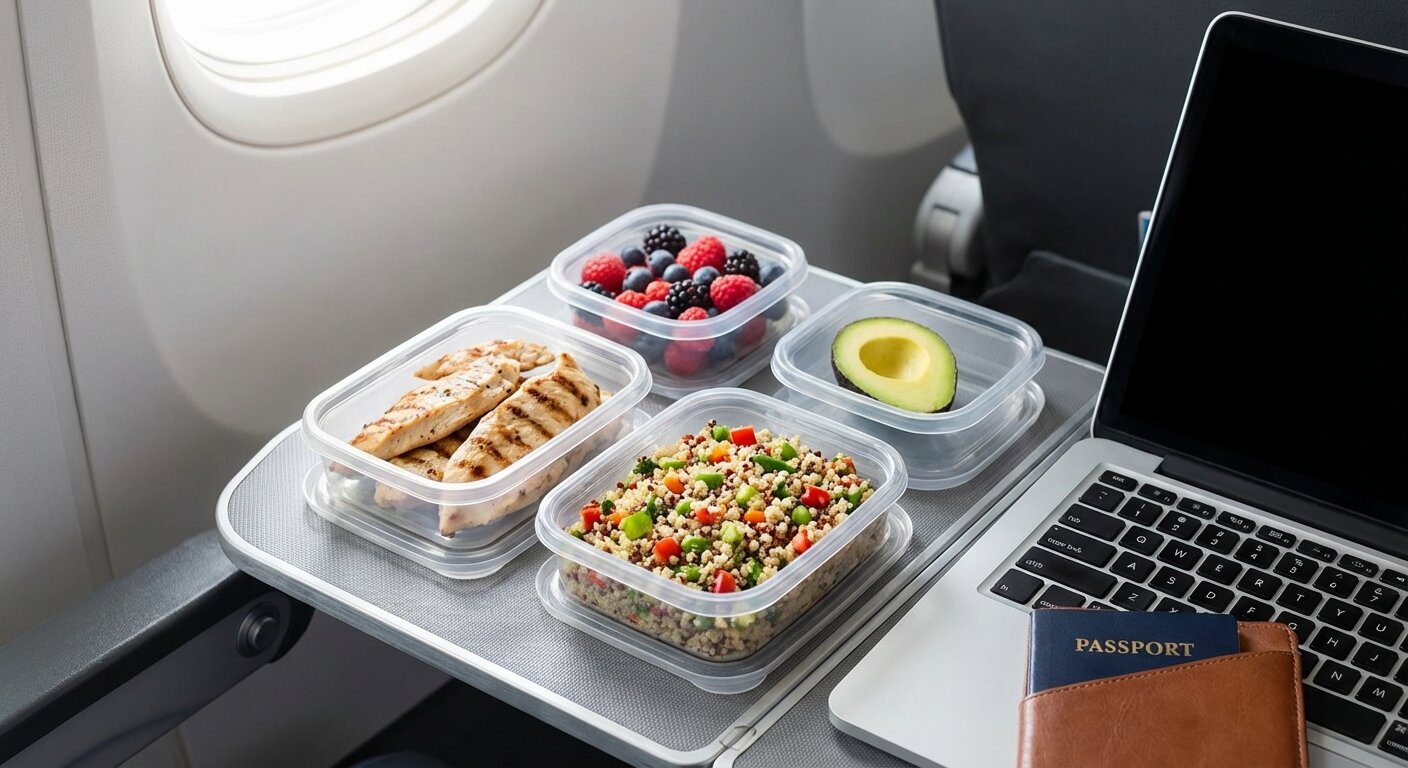
Travel Macros: How to Track Nutrition While Traveling
Complete guide to managing macros while traveling. Learn meal planning strategies,...
Read guide →
Macros for Shift Workers: Complete Guide to Nutrition on Rotating Schedules
Master macro tracking on night shifts and rotating schedules. Learn meal timing, sleep...
Read guide →
Macros During Ramadan: Complete Nutrition Guide for Fasting
Learn how to track macros during Ramadan fasting. Expert guide covering meal timing,...
Read guide →Disclaimer: This content is for informational purposes only. Consult a healthcare provider before making changes to your diet.