Macros for Women: Female-Specific Nutrition Guide
Reviewed by Dr. Michael Torres, PhD
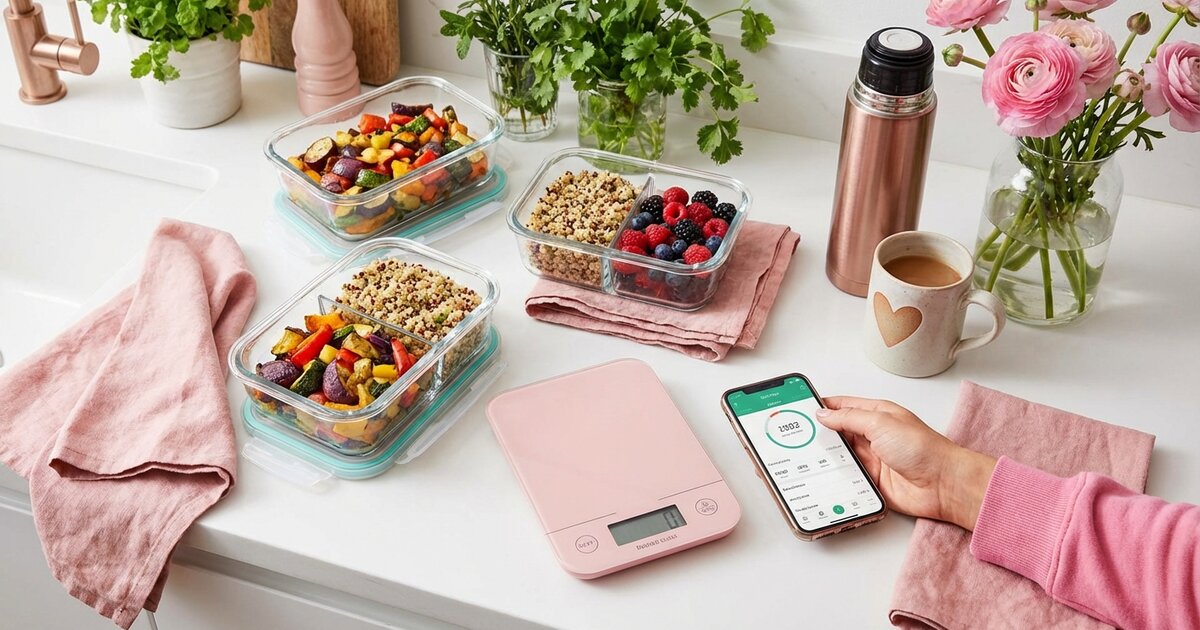
Most macro advice you’ll find online is based on research conducted primarily on men. That’s a problem, because women’s bodies work differently—from hormones and metabolism to how we store fat and build muscle. If you’re looking for macros for weight loss, this guide adapts those principles specifically for female physiology.
This guide is specifically for women. Whether you’re in your 20s or 50s, trying to lose fat or build muscle, the principles here are designed for your unique physiology. For age-specific guidance, see our macros for women over 40 guide, and if you’re navigating menopause, check out macros for menopause.
You’ll learn how to calculate macros that work with your body instead of against it, how to adjust for your menstrual cycle, and how to avoid the common mistakes that keep women stuck. For a tailored calculation tool, try our macro calculator for women.

Related Guide: What Are Macronutrients? Complete Guide — Learn the foundations of protein, carbs, and fats.
How Women’s Bodies Are Different (Nutritionally)
Before diving into numbers, let’s understand why women need a different approach to nutrition.
Hormonal Differences
Women’s bodies are governed by a complex hormonal system that affects nearly everything related to nutrition and body composition.
Estrogen and progesterone influence:
- Where you store fat (hips, thighs, and arms vs. the male belly-focused pattern)
- Water retention (especially during certain phases of your cycle)
- Hunger signals and cravings
- Energy levels and workout performance
Women naturally carry more essential body fat than men—around 12% for women compared to 3% for men. This isn’t something to fight against; it’s biologically normal and necessary for hormone production and reproductive health.
The most significant difference? Your hormones fluctuate throughout the month in a predictable pattern, affecting how you feel, perform, and respond to food.
Metabolic Differences
Women generally have a lower basal metabolic rate (BMR) than men. This is primarily due to:
- Smaller average body size
- Less muscle mass on average
- Different hormonal profiles
But here’s something interesting: women are often more metabolically efficient than men. Research shows women oxidize more fat at rest, while men tend to oxidize more carbohydrates. This means women’s bodies are actually well-adapted to using fat for fuel.
This metabolic efficiency served us well evolutionarily, but in the context of fat loss, it means women’s bodies are particularly good at holding onto energy stores.
Muscle Building Differences
Let’s address the “bulky” fear right away: women build muscle slower than men because we have about 1/15th to 1/20th the testosterone. Getting bulky requires intentional effort over years, not accidental over-lifting.
That said, women absolutely can build significant muscle with proper training and nutrition. Building muscle is crucial for:
- Increasing your metabolic rate
- Improving body composition (the “toned” look)
- Supporting bone health (especially important as you age)
- Maintaining functional strength throughout life
Fat Loss Differences
Here’s the reality: women often lose fat slower than men. This isn’t about effort or willpower—it’s biology.
Women’s bodies:
- Have evolved to protect fat stores (for reproductive purposes)
- Respond differently to caloric deficits
- Lose fat in different patterns (stubborn hip and thigh fat is real)
- Experience more metabolic adaptation during dieting
This means patience and consistency matter even more for women. The good news? Once you understand these differences, you can work with your body instead of fighting it. For specific fat loss strategies and optimal macro ratios, see our best macro ratio for fat loss guide.
The Female Macro Framework
Now let’s get into the actual numbers. Here’s how to set up macros specifically for women.
Protein for Women
The Target: 0.7-1.0g per pound of bodyweight
Protein is arguably the most important macro for women, yet it’s the one most women under-consume.
Female-specific considerations:
-
The range matters: Women can often do well at the slightly lower end of protein recommendations (0.7-0.8g/lb) compared to the 1.0g+ often pushed on men. However, if you’re in a caloric deficit, aim for the higher end (0.8-1.0g/lb) to preserve muscle.
-
Satiety benefits: Higher protein intake helps with fullness, which is especially valuable around your period when cravings tend to spike.
-
Don’t fear it: Decades of diet culture have made many women protein-shy. Protein won’t make you bulky—it helps you build the muscle that creates a lean, “toned” appearance.
Practical targets:
| Body Weight | Maintenance/Building | Fat Loss |
|---|---|---|
| 120 lbs | 84-100g | 96-120g |
| 140 lbs | 98-115g | 112-140g |
| 160 lbs | 112-130g | 128-160g |
| 180 lbs | 126-145g | 144-180g |
Fat for Women
The Target: 0.35-0.5g per pound of bodyweight
Fat intake is particularly important for women. Going too low on dietary fat can disrupt your hormonal health, including your menstrual cycle.
Female-specific considerations:
-
Minimum threshold: Don’t go below 0.3g per pound of bodyweight. For most women, this means at least 40-50g of fat daily.
-
Hormone support: Fat is required for the production of estrogen and other hormones. Very low-fat diets can lead to irregular or missed periods, mood issues, and decreased bone density.
-
Satiety and satisfaction: Fat makes meals more satisfying. Cutting too much fat often leads to feeling deprived and eventually bingeing.
Practical targets:
| Body Weight | Minimum | Optimal Range |
|---|---|---|
| 120 lbs | 36g | 42-60g |
| 140 lbs | 42g | 49-70g |
| 160 lbs | 48g | 56-80g |
| 180 lbs | 54g | 63-90g |
Carbs for Women
The Target: Fill remaining calories after protein and fat
Carbs are the flexible macro—after you’ve set protein and fat, carbs fill in the rest of your calories.
Female-specific considerations:
-
Moderate tends to work well: Women generally thrive on moderate carb intake rather than extreme low or high. Very low-carb diets can affect thyroid function and menstrual cycles.
-
Cycle-based flexibility: Your carb needs may increase during the luteal phase (the week before your period). Those cravings are real and valid—your body is asking for energy.
-
Activity determines carbs: If you’re highly active (exercising intensely 5+ times per week), you need more carbs. If you’re sedentary, you need fewer.
-
Don’t fear them: Carbs don’t make you fat. Excess calories do. Carbs fuel your workouts, your brain, and your mood.
Macros and Your Menstrual Cycle
Your cycle affects your nutrition needs more than you might realize. Understanding these patterns can help you work with your body instead of against it.

The Phases and What They Mean for Nutrition
Follicular Phase (Day 1-14: Period through ovulation)
This phase begins with your period and lasts until ovulation.
- Estrogen gradually rises
- You may feel stronger and more energetic
- Your body handles carbohydrates well
- Insulin sensitivity is generally higher
- This is often the best time for higher-intensity training
Nutrition approach: Normal macros, perhaps slightly higher carbs if you’re training hard. Many women find this is their strongest gym phase.
Ovulation (Around Day 14)
This is the transition point when the egg is released.
- Peak energy and strength for many women
- Metabolism may increase slightly
- You might feel your best
Nutrition approach: Continue with normal macros. Take advantage of the energy surge.
Luteal Phase (Day 15-28: After ovulation until your period)
This is often the most challenging phase nutritionally.
- Progesterone rises, then falls
- Metabolism increases by approximately 100-300 calories per day
- Cravings increase, especially for carbs and chocolate
- You may feel bloated and retain water
- Energy levels often dip
- PMS symptoms may appear
Nutrition approach: Consider increasing your overall calories by 100-200, or add 20-30g of carbs. Your body legitimately needs more energy during this phase.
Menstruation (Day 1-5)
The start of a new cycle.
- Hormones are at their lowest
- You may feel tired and less motivated
- Iron levels drop due to blood loss
- Some women feel relief from PMS symptoms
Nutrition approach: Focus on iron-rich foods (red meat, spinach, legumes). Be gentle with yourself. This isn’t the time for aggressive dieting.
Practical Cycle-Based Adjustments
You have three main options for handling your cycle:
Option 1: Keep macros constant, adjust expectations
- Maintain the same targets throughout your cycle
- Accept that you’ll feel different during different phases
- Don’t panic if the scale goes up pre-period (it’s water)
- This approach works well for most women
Option 2: Increase calories during the luteal phase
- Add 100-200 calories during days 15-28
- Return to normal during the follicular phase
- This matches your body’s increased energy needs
Option 3: Increase carbs specifically during the luteal phase
- Add 20-30g of carbs during the high-craving days
- Keep protein and fat relatively constant
- This can help manage cravings
The tracking tip: Consider tracking your cycle alongside your macros for a few months. You’ll start to see patterns in your hunger, cravings, energy, and weight fluctuations. This information is powerful.
Macros by Life Stage
Your nutritional needs change as you age. Here’s how to adjust.
Women in Their 20s
This decade often features the highest metabolism and most dietary flexibility.
Considerations:
- Metabolism is generally at its peak
- You can often handle more carbs without negative effects
- Recovery from workouts tends to be faster
- This is the foundation-building decade
Macro approach:
- Protein: 0.7-0.9g per pound
- Fat: 0.35-0.5g per pound
- Carbs: Fill remaining calories (often can be higher)
Key advice: Don’t under-eat. This is the decade that sets your metabolic baseline. Crash dieting now can affect your metabolism for years. Build healthy habits and a strong relationship with food.
Women in Their 30s
Life often gets busier, and metabolism may start to shift.
Considerations:
- Metabolism may slow slightly (often due to decreased activity, not age alone)
- Career and family demands can affect eating patterns
- Meal prep becomes more important for consistency
- If having children: macro needs change significantly during pregnancy and breastfeeding (always consult your doctor)
Macro approach:
- Protein: 0.7-1.0g per pound
- Fat: 0.35-0.5g per pound
- Carbs: Based on activity level
Key advice: Strength training becomes even more important. Building or maintaining muscle keeps your metabolism healthy. Don’t let busy schedules push exercise to the back burner.
Women in Their 40s and Beyond
This is when understanding your body becomes most crucial. For comprehensive guidance, read our macros for women over 40 and macros for menopause guides.
Considerations:
- Perimenopause and menopause significantly change hormones and metabolism
- Muscle loss accelerates (sarcopenia) without resistance training
- Anabolic resistance increases (your body is less efficient at using protein for muscle)
- Bone density becomes a concern
- Fat redistribution often occurs (more belly fat)
Macro approach:
- Protein: 0.8-1.0g per pound (INCREASE from younger years)
- Fat: 0.35-0.5g per pound (maintaining healthy fats is crucial)
- Carbs: Based on activity, often moderate
Key advice: Prioritize protein and strength training. The research is clear: women over 40 need MORE protein, not less, to maintain muscle mass. Resistance training is non-negotiable for metabolic health and bone density.
Sample Macro Setups for Women
Let’s look at practical examples.
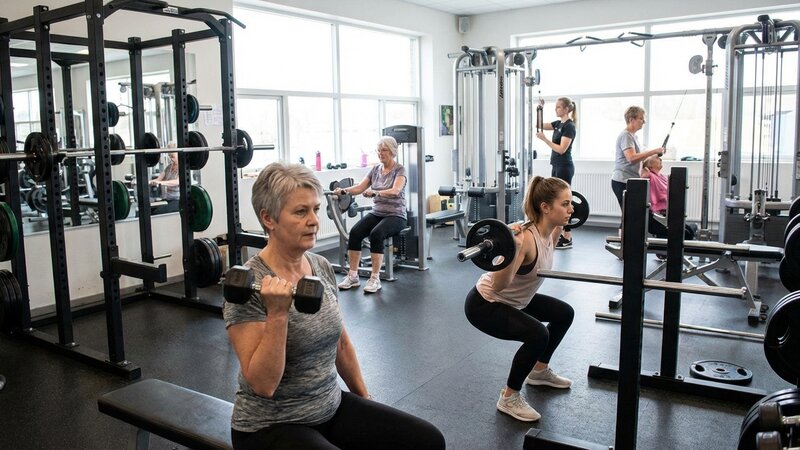
Example 1: 28-Year-Old, Moderate Activity, Fat Loss Goal
Sarah’s stats:
- Height: 5’5”
- Weight: 145 lbs
- Activity: Exercises 3-4x per week (mix of lifting and cardio)
- Goal: Lose 15 lbs while maintaining muscle
Calculations:
- TDEE: ~1,900 calories
- Target calories: 1,500 (400 calorie deficit)
Her macros:
| Macro | Grams | Calories | Percentage |
|---|---|---|---|
| Protein | 120g | 480 | 32% |
| Carbs | 135g | 540 | 36% |
| Fat | 50g | 450 | 30% |
Why this works: Balanced approach with adequate protein for muscle preservation. Moderate carbs support her workouts. The deficit is sustainable for consistent fat loss.
Example 2: 35-Year-Old, Very Active, Body Recomposition
Lisa’s stats:
- Height: 5’6”
- Weight: 155 lbs
- Activity: CrossFit 5x per week
- Goal: Lose some fat while building muscle (recomp)
Calculations:
- TDEE: ~2,300 calories
- Target calories: 2,100 (small 200 calorie deficit)
Her macros:
| Macro | Grams | Calories | Percentage |
|---|---|---|---|
| Protein | 140g | 560 | 27% |
| Carbs | 200g | 800 | 38% |
| Fat | 65g | 585 | 28% |
Why this works: Higher carbs fuel her intense training. Adequate protein supports muscle building. The small deficit allows for body recomposition without sacrificing performance.
Example 3: 45-Year-Old, Desk Job, Starting Her Journey
Maria’s stats:
- Height: 5’4”
- Weight: 170 lbs
- Activity: Walks daily, just started strength training 2x per week
- Goal: Lose 30 lbs, build strength
Calculations:
- TDEE: ~1,800 calories
- Target calories: 1,400 (400 calorie deficit)
Her macros:
| Macro | Grams | Calories | Percentage |
|---|---|---|---|
| Protein | 130g | 520 | 37% |
| Carbs | 90g | 360 | 26% |
| Fat | 55g | 495 | 35% |
Why this works: Higher protein addresses anabolic resistance at her age. Lower carbs reflect her sedentary job (though she should increase carbs as activity increases). Adequate fat supports hormonal health during perimenopause.
The Protein Problem (And How to Solve It)
If there’s one thing most women struggle with, it’s hitting their protein target. Let’s fix that.
Why Women Often Under-Eat Protein
Diet culture legacy: For decades, women were told to eat salads, skip meals, and fear “heavy” foods. Protein-rich foods were marketed to men with images of bodybuilders.
The “bulky” myth: Many women still believe that eating protein will make them muscular. It won’t—not without intentional effort and testosterone levels women don’t have.
Unfamiliarity: If you grew up on pasta, sandwiches, and cereal, protein-focused eating feels foreign. It requires learning new habits.
Perceived heaviness: A chicken breast feels more substantial than a bowl of fruit. But that substance is exactly what keeps you full and supports muscle.
High-Protein Foods Women Actually Enjoy
| Food | Protein | Notes |
|---|---|---|
| Greek yogurt | 20g per cup | Versatile—breakfast, snack, or dessert base |
| Cottage cheese | 14g per ½ cup | Great with fruit or savory toppings |
| Eggs | 6g each | Quick, cheap, endlessly adaptable |
| Chicken breast | 31g per 4 oz | Meal prep staple |
| Salmon | 25g per 4 oz | Bonus: healthy fats |
| Shrimp | 20g per 4 oz | Low calorie, fast cooking |
| Edamame | 17g per cup | Plant-based option, great snack |
| Deli turkey | 12g per 3 oz | Easy for wraps and sandwiches |
| Protein smoothie | 25-40g | Quick when you’re short on time |
Easy Ways to Add Protein
These small changes add up:
- Breakfast: Add Greek yogurt instead of regular, or have eggs instead of just toast
- Lunch: Top your salad with grilled chicken or shrimp instead of just cheese
- Dinner: Increase the protein portion by 1-2 oz
- Snacks: Keep string cheese, jerky, or hard-boiled eggs on hand
- Smoothies: Add a scoop of protein powder
- Dessert: Frozen Greek yogurt or protein ice cream
Common Mistakes Women Make with Macros
Avoid these pitfalls that derail many women.
Mistake #1: Eating Too Little
1,200 calories is almost never enough for an adult woman who exercises. That number came from outdated research and has stuck around despite being inappropriately low for most active women.
The truth: Chronic under-eating:
- Slows your metabolism
- Causes muscle loss
- Leads to nutrient deficiencies
- Disrupts hormones (including your period)
- Creates a binge-restrict cycle
More food (especially protein) often leads to BETTER fat loss because it supports your metabolism and muscle. For guidance on pregnancy and breastfeeding nutrition, see our pregnancy and breastfeeding macros guide.
Mistake #2: Fearing Carbs
Carbs have been unfairly demonized. Let’s set the record straight:
- Carbs don’t make you fat—excess calories do
- Your brain runs on glucose (from carbs)
- Carbs fuel your workouts
- Women often feel and perform better with moderate carbs
- Very low-carb diets can disrupt thyroid and menstrual function
Unless you have a specific medical reason to avoid carbs, don’t eliminate them.
Mistake #3: Prioritizing Scale Weight Over Body Composition
The scale is a terrible measure of progress. It doesn’t tell you:
- How much of your weight is muscle vs. fat
- Where you’re losing from
- How your clothes fit
- How you look in progress photos
You can lose fat, gain muscle, and see the scale stay exactly the same while looking dramatically different. Progress photos and measurements are far more useful than daily weigh-ins.
Mistake #4: Copying Influencer Diets
That fitness influencer’s diet works for her body, her activity level, her genetics, and her goals. It probably won’t work for you.
Use principles, not specific diets:
- Learn to calculate YOUR macros
- Adjust based on YOUR results
- Eat foods YOU enjoy
- Work with YOUR schedule
Mistake #5: Being Too Rigid
Life happens. Your macros should flex with your life stage, menstrual cycle, stress levels, and schedule.
Aiming for perfection leads to:
- Burnout
- All-or-nothing thinking
- Eventual abandonment
Aim for consistency (80-90% of the time) instead of perfection.
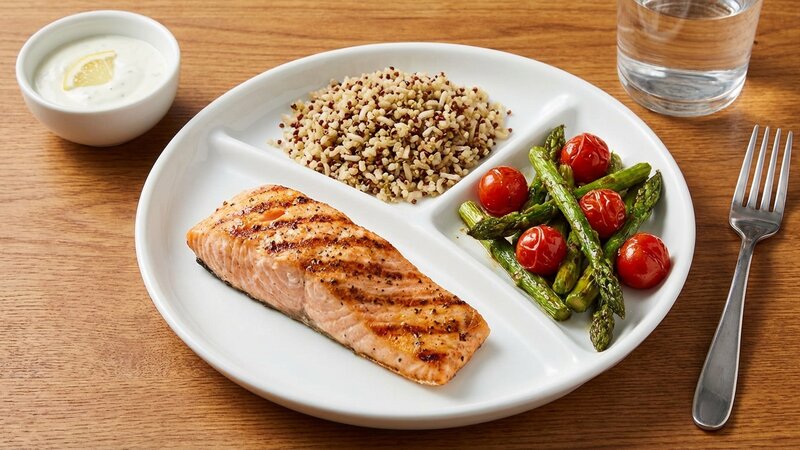
Tracking Tips for Women
The Right Mindset
Tracking is a tool for understanding your body—not a diet prison or judgment system.
Helpful thoughts:
- “I’m gathering information about what works for me”
- “This helps me make informed decisions”
- “I can adjust based on what I learn”
Unhelpful thoughts:
- “I failed if I went over”
- “I have to be perfect every day”
- “I’m bad for eating that”
Handling Weight Fluctuations
Women’s weight fluctuates more than men’s due to:
- Menstrual cycle (2-5+ lbs of water)
- Sodium intake
- Carb intake (carbs hold water)
- Sleep quality
- Stress
- Bowel movements
How to track weight sanely:
- Weigh at the same time each day (morning, after bathroom, before eating)
- Track a 7-day rolling average, not daily numbers
- Compare weekly averages week to week
- Compare the same phase of your cycle month to month
- Don’t stress about daily swings—they’re completely normal
If daily weighing causes anxiety, switch to weekly weigh-ins or skip the scale entirely and use progress photos and measurements instead.
When to Take Breaks from Tracking
Take a break from tracking if:
- It’s causing anxiety or obsessive thoughts
- You find yourself avoiding social situations because of food
- You’ve been tracking for 6+ months consistently and have a good intuitive sense of portions
- You’re in a high-stress life period (job loss, family crisis, health issues)
- It’s no longer serving you
You can always come back to tracking. It’s a tool you can pick up and put down.
FAQ: Women’s Macro Questions
Will tracking macros make me obsessive about food?
Not necessarily. The key is approaching it as information-gathering rather than a strict diet. Take breaks when needed, and seek help if you notice obsessive patterns developing. For some women with a history of disordered eating, tracking may not be the right tool.
Should I eat differently during my period?
Listen to your body. If you’re hungrier, a slight increase in calories (100-200) or carbs (20-30g) is perfectly fine. Focus on iron-rich foods to replace what you’re losing. Being gentle with yourself during this time isn’t weakness—it’s wisdom.
Can I build muscle and lose fat at the same time?
Yes, especially if you’re newer to strength training. This is called body recomposition. It happens more readily in beginners and those returning to training after a break. It requires adequate protein, progressive resistance training, and either maintenance calories or a small deficit.
What if I’m vegetarian or vegan?
The same principles apply—just different protein sources. Focus on legumes, tofu, tempeh, seitan, edamame, and plant-based protein powders. You may need to plan more carefully to hit protein targets, but it’s absolutely achievable.
What if I have PCOS or insulin resistance?
Women with PCOS often benefit from slightly lower carb intake (35-40% of calories) and higher protein (25-30%). Focus on low-glycemic carbs, adequate fiber, and consistent meal timing. For a complete guide tailored to PCOS, see our Macros for PCOS article.
Do I need protein powder?
No, it’s not required. Protein powder is simply convenient. If you can hit your protein targets through whole foods, great. If you’re consistently falling short despite your best efforts, protein powder can help fill the gap.
How do I know if my macros are working?
Signs your macros are on point:
- Energy is stable throughout the day
- Progress photos show positive changes over time
- Strength in the gym is maintaining or increasing
- Sleep is good
- Mood is stable
- You don’t feel constantly hungry or deprived
Related Guide: For more general fat loss guidance Macros for Weight Loss guide.
Frequently Asked Questions
What are the best macros for women trying to lose weight?
Women losing fat should aim for 0.8-1.0g protein per pound bodyweight, 0.35-0.45g fat per pound, and fill remaining calories with carbs while maintaining a 300-500 calorie deficit. For a 150lb woman with a 1,800 calorie target, this typically means 120-150g protein, 53-68g fat, and 140-180g carbs. Higher protein preserves muscle, adequate fat supports hormones, and moderate carbs provide energy for workouts.
Never drop fat below 0.3g per pound—women are especially vulnerable to hormonal disruption from chronic low-fat intake, including irregular periods, mood changes, and reduced thyroid function. A modest calorie deficit (300-500 calories) produces 0.5-1lb weekly loss without the metabolic and hormonal consequences of aggressive dieting.
How much protein do women really need?
Women need 0.7-1.0g protein per pound of bodyweight for optimal results, with higher amounts (0.8-1.0g/lb) recommended during fat loss, when strength training, or for women over 40. A 140lb woman should aim for 98-140g protein daily. This range preserves muscle mass during calorie deficits, supports recovery from training, and increases satiety compared to lower protein intakes.
The common myth that women need less protein than men is false—protein needs are based on body weight and activity level, not gender. Women often undereat protein due to smaller appetites and lower calorie targets, making intentional protein prioritization even more important. Start each meal with a protein source (eggs, Greek yogurt, chicken, fish) to ensure you hit daily targets.
Should women eat differently during their menstrual cycle?
Yes—adjusting macros to match your cycle can improve energy, mood, and adherence. During the follicular phase (days 1-14, after period starts), estrogen rises and carb tolerance is higher—this is the best time for intense training and moderate-to-high carbs. During the luteal phase (days 15-28, before period), progesterone rises causing increased hunger and slightly lower carb tolerance—consider adding 100-200 calories (mostly from fat and protein) to manage hunger.
Many women feel better slightly increasing carbs and total calories during the week before their period (PMS week) when cravings intensify. This isn’t “giving in”—it’s strategic fueling that prevents binges and improves adherence. Track your patterns for 2-3 cycles to identify your specific needs. Weight fluctuates 2-5 pounds across the cycle due to water retention—this is normal, not fat gain.
Why is it harder for women to lose weight than men?
Women typically have lower muscle mass, lower testosterone, and slower metabolic rates than men of similar size, resulting in lower total daily energy expenditure (TDEE). A 150lb woman may burn 1,800-2,000 calories daily, while a 150lb man burns 2,200-2,400 calories—meaning women have less room for calorie reduction without dipping into unhealthy low-calorie territory. Additionally, women’s bodies are biologically programmed to maintain higher body fat for reproductive health.
Hormonal fluctuations throughout the menstrual cycle cause water retention, increased appetite, and energy changes that can mask fat loss on the scale for 1-2 weeks at a time. Men see more linear progress, while women’s progress appears in “whooshes” after their period when water weight drops. This doesn’t mean women can’t lose fat effectively—it requires patience, consistent tracking, and understanding that weekly weigh-ins may not reflect true fat loss.
Can women build muscle on a calorie deficit?
Yes, but it’s challenging. Women can gain small amounts of muscle during a deficit (called “newbie gains”) if they’re new to strength training, returning after a break, or significantly overweight. Prioritize high protein (0.8-1.0g per pound), maintain a modest deficit (300-400 calories), lift progressively heavier weights, and be patient. Most muscle growth happens at maintenance or surplus calories, so don’t expect dramatic muscle gain while cutting fat.
For optimal muscle building, women should eat at maintenance or a slight surplus (100-200 calories above TDEE) with 0.7-0.8g protein per pound and consistent progressive overload in the gym. Body recomposition (simultaneous fat loss and muscle gain) is possible but slow—expect 0.5-1lb muscle gain per month under ideal conditions. Most women see better results alternating focused fat loss and muscle-building phases rather than attempting both simultaneously.
Should women avoid carbs for fat loss?
No—carbs don’t cause fat gain, excess calories do. Women can lose fat effectively on moderate (150-200g) or high-carb (200-300g) diets when calories and protein are controlled. Carbs fuel workouts, support thyroid function, improve mood, and help manage hunger for many women. Very low-carb diets (<100g) can worsen the hormonal disruptions women are already prone to during calorie restriction, including irregular periods and thyroid slowdown.
That said, some women feel better on lower-carb intakes (100-150g) due to improved satiety or reduced cravings. This is individual preference, not a requirement. Start with moderate carbs (40-45% of calories), assess energy and hunger, and adjust based on your response. Prioritize protein and adequate fat first, then allocate remaining calories to carbs based on activity level and personal preference.
How many calories should women eat to lose weight?
Most women need 1,400-1,900 calories daily for fat loss, depending on size, activity level, and metabolism. Sedentary women may start around 1,400-1,600 calories, while very active women (training 5-6 days weekly) can lose weight eating 1,800-2,000+ calories. Calculate your TDEE first, then subtract 300-500 calories to create a moderate deficit that produces 0.5-1lb weekly loss.
Never drop below 1,200 calories without medical supervision—chronic undereating damages metabolism, disrupts hormones, causes muscle loss, and makes long-term maintenance nearly impossible. If your calculated deficit is below 1,200 calories, increase activity (walks, resistance training) rather than cutting calories further. Use our Macro Calculator to find your personalized calorie and macro targets based on your stats and goals.
Do women need supplements for macro tracking?
No supplements are required for successful macro tracking—whole foods provide all necessary nutrients. However, some supplements may be beneficial: protein powder for convenient protein (especially if struggling to hit 100-120g+ daily), creatine for strength and muscle support (3-5g daily), vitamin D if deficient (common in women), and fish oil if not eating fatty fish regularly (1-2g EPA+DHA).
Women of reproductive age should ensure adequate iron and calcium intake, particularly when dieting or restricting calories. A basic multivitamin can provide insurance against gaps, but prioritize getting nutrients from varied whole foods first. Don’t waste money on fat burners, detox teas, or metabolism boosters—these are unnecessary when macros and calories are properly set. Focus budget on food quality and a good food scale for accurate tracking instead.
Your Female-Specific Action Plan
Your body is unique—and now you have the knowledge to fuel it properly.
Your next steps:
-
Calculate your TDEE using a reliable calculator. Our Macro Calculator for Women provides female-specific calculations that account for hormonal differences, or use the general Macro Calculator for standard estimates
-
Set your macros:
- Protein: 0.7-1.0g per pound (higher if dieting)
- Fat: 0.35-0.5g per pound (never below 0.3g)
- Carbs: Remaining calories based on your activity
-
Track your cycle alongside your macros for 2-3 months. You’ll learn so much about your patterns.
-
Be patient — Women’s progress is often slower but just as real. Trust the process.
-
Adjust as needed — Your macros aren’t set in stone. As your body changes, so should your approach.
You don’t need to be perfect. You need to be consistent. Your body is capable of amazing things when you fuel it properly.
Last updated: February 2026
Related Articles
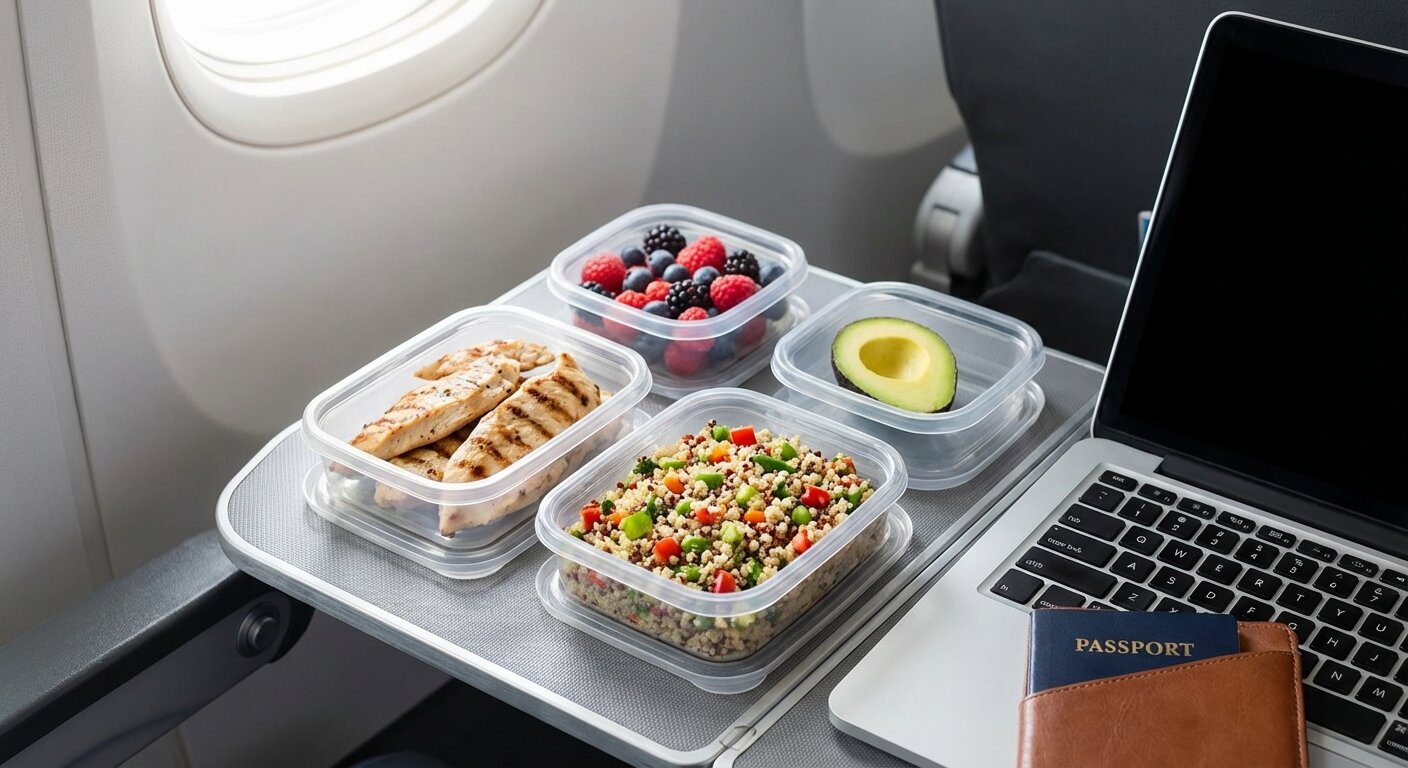
Travel Macros: How to Track Nutrition While Traveling
Complete guide to managing macros while traveling. Learn meal planning strategies,...
Read guide →
Macros for Shift Workers: Complete Guide to Nutrition on Rotating Schedules
Master macro tracking on night shifts and rotating schedules. Learn meal timing, sleep...
Read guide →
Macros During Ramadan: Complete Nutrition Guide for Fasting
Learn how to track macros during Ramadan fasting. Expert guide covering meal timing,...
Read guide →Disclaimer: This content is for informational purposes only. Consult a healthcare provider before making changes to your diet.